3D Data Licensing for AI,
Robotics & Spatial Computing
Not a scraped dataset. 37,683 product pages on this site, 90,000+ listings and variants on the marketplace - all created in-house by one studio and licensed with owned IP, documented provenance and indemnification, so generative AI, robotics and spatial computing teams can train without inheriting someone else's rights problem. The exact file and asset count of a licensed dataset is agreed per deal: a set can be scoped by category, by certification level or as the full catalogue.
One standard, every category
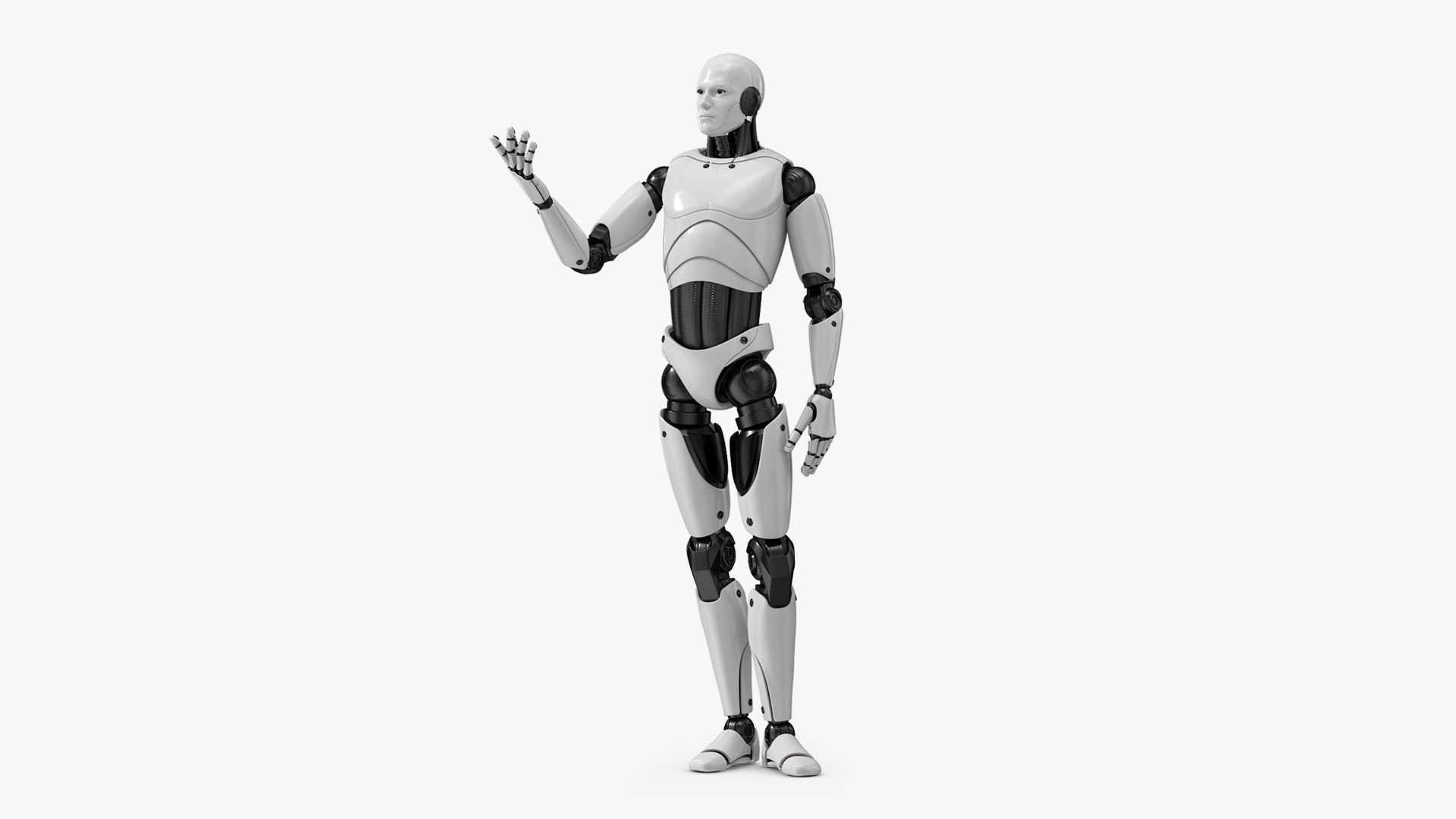
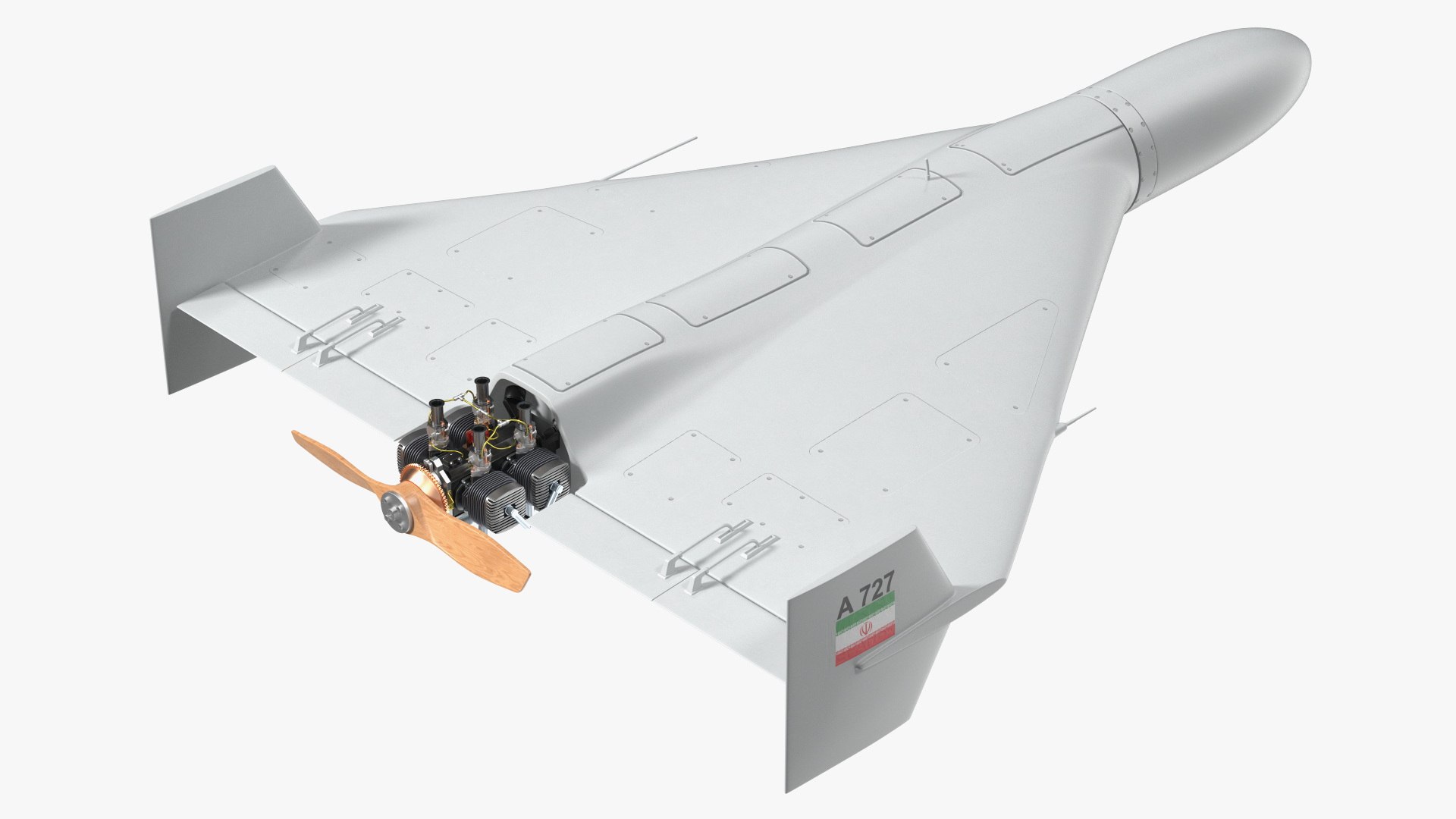
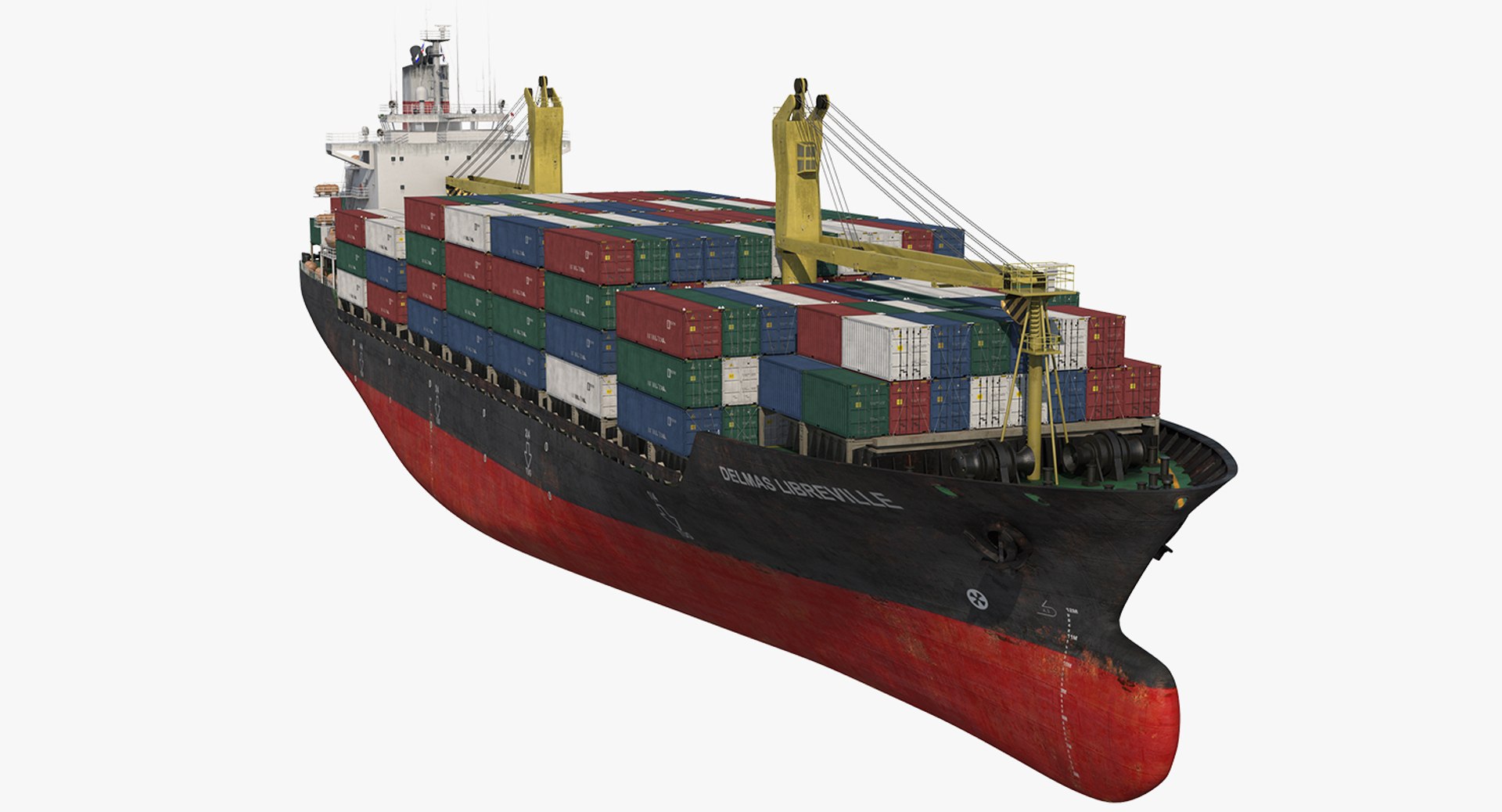
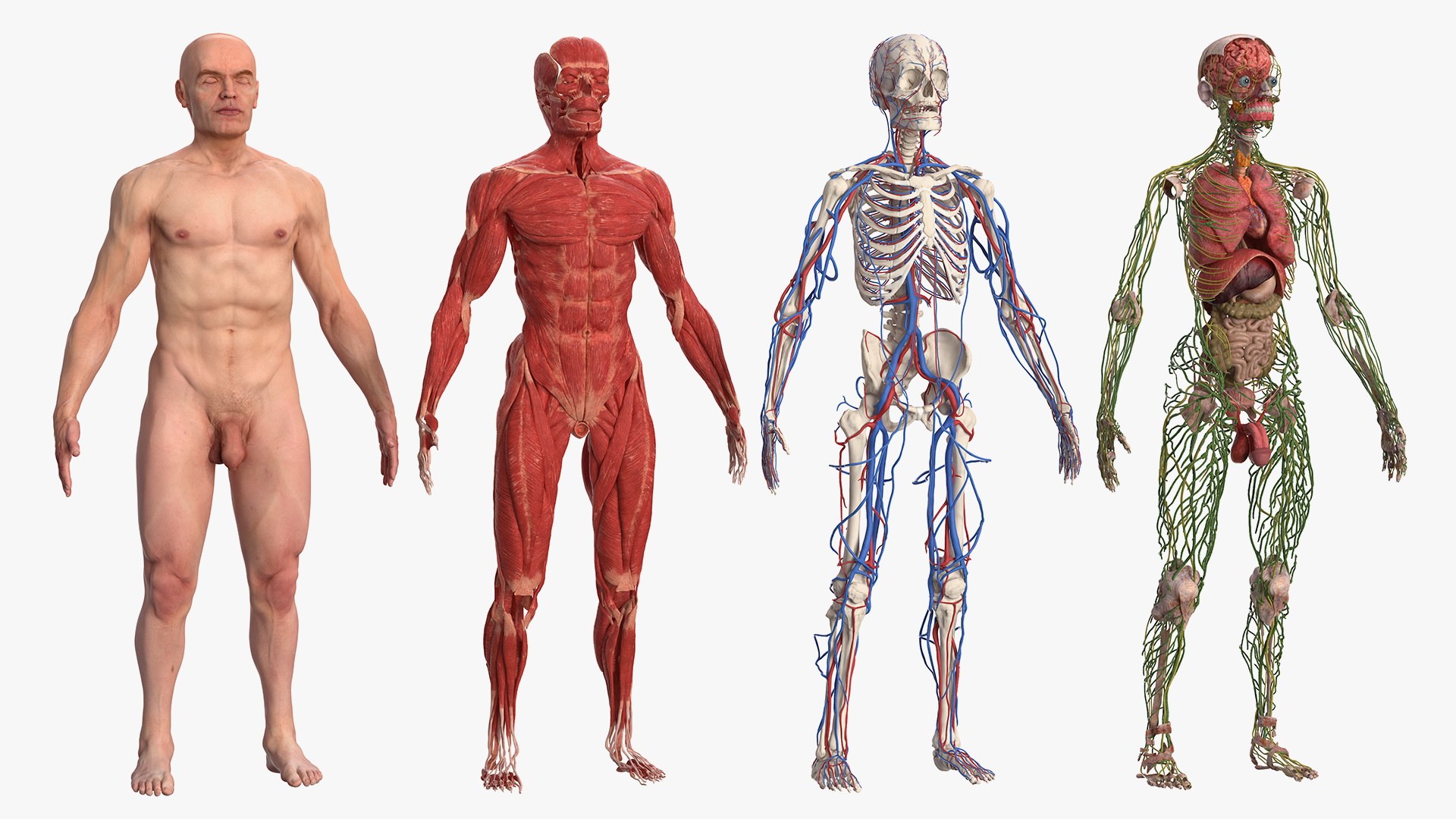
A glimpse of the 90,000+ model catalog - same production standard across vehicles, aircraft, naval, medical, military, animals and more. Every thumbnail links to a live model.







Most 3D training data is inconsistent by design
Every major stock 3D marketplace is an aggregator - thousands of independent artists, each with their own scale conventions, topology habits, UV workflows and material setups. For a single render, that inconsistency is a minor annoyance. For a machine learning pipeline, it's a structural problem: a model trained on data with no consistent standard learns the noise along with the signal.
If you've ever had to filter, re-scale, re-topologize or clean a "licensed" 3D dataset before it was usable for training, you already know the cost.
The inconsistency is not random, and it is not a quality problem on the authors' side. Each of those artists is producing a correct model for their own purpose. The four things that break in aggregate are always the same:
- Scale drifts between authors. One models a door handle at real-world millimeters, another at a convenient unit size. Train a size or grasp estimator on both and the label distribution is meaningless.
- Pivots sit wherever the render needed them. Fine for a still image; useless the moment an object has to be placed, rotated or articulated in a simulator.
- Objects go unnamed. A scene arriving as Object001 through Object184 cannot be segmented automatically. Someone labels it by hand, per asset, forever.
- Materials follow different conventions. Mixed PBR and legacy shader setups mean appearance varies with the importer, not with the object - so a vision model learns the pipeline instead of the thing.
None of these are visible in a thumbnail. They surface after the license is signed and the assets are in the pipeline, which is why the cleaning cost is almost always discovered late.
One studio. One standard. 90,000+ models.
3D Molier International is not an aggregator. Every model in our catalog - vehicles, aircraft, naval, medical and anatomy, animals, characters, architecture, industrial equipment and more - is produced in-house, by the same studio, to the same production standard, for over 20 years.
- Real-world scale on every model - no rescaling pass needed before training
- Clean topology across the entire catalog - no per-source cleanup step
- Structured UV and material metadata catalog-wide, with PBR materials across a substantial part of the catalog
- Consistent metadata - category, tags and format structured catalog-wide
That consistency is the product. It's what lets you license at scale without paying a hidden cleaning tax on every asset.
Who checks it, and against what
The usual objection to any large 3D catalog is that volume and consistency pull against each other. They do - unless the checking is structural rather than occasional.
Every model, without exception, goes through our own QA before it is accepted. Not a sample. Not the ones flagged as risky. Every one.
- A technical reviewer checks what a pipeline breaks on: topology, real-world scale, object and material naming, pivots, UVs, stray geometry.
- A visual reviewer checks what a render exposes: silhouette, proportion, material response, whether the thing reads as the object it claims to be.
- A project manager owns the model end to end and decides whether it is finished.
Part of the production capacity is contracted rather than salaried, and that changes nothing about the output: a contributed model is not accepted because someone made it, it is accepted because it passed the same review as everything else. The standard is enforced at the gate, not requested at the brief.
This is the structural difference from licensing a stock marketplace's catalog. A marketplace licenses contributions - assets it did not produce, accepted under a listing policy rather than a production standard, from thousands of independent authors who each have their own conventions. It can guarantee that a file exists and is legally clear. It cannot guarantee that two files were built the same way, because it never built either of them. We built all of ours, and we checked all of them.
What the catalog holds, by category
Every supplier of 3D training data publishes one aggregate number. Here is the actual breakdown, counted from the live catalog on this site rather than estimated. Each row links to the category so you can inspect the models before you ask for a quote.
| Category | Models |
|---|---|
| Model Bundles & Sets | 4,535 |
| Architecture Landmarks | 3,050 |
| Vehicles | 2,607 |
| Clothing & Accessories | 2,106 |
| Furniture & Interior | 2,318 |
| Electronics & Gadgets | 2,182 |
| Animals & Creatures | 1,732 |
| Characters & People | 1,587 |
| Medical | 1,736 |
| Food & Beverages | 1,809 |
| Tools | 1,646 |
| Kitchen & Tableware | 1,685 |
| Industrial Equipment | 1,503 |
| Weapons | 1,247 |
| Sports & Recreation | 1,086 |
| Other | 1,056 |
| Nature & Plants | 1,112 |
| Aircraft | 841 |
| Signage & Decor | 952 |
| Containers & Storage | 825 |
| Toys & Games | 603 |
| Ships | 461 |
| Space & Sci-Fi | 373 |
| Musical Instruments | 283 |
| Lighting | 229 |
| Military Vehicles | 119 |
| Total product pages | 37,683 |
These are product pages, not marketplace listings. One model offered for 3ds Max, for Maya and in three colors is five listings on a marketplace and one page here, with every version listed on it. Licensed volume is counted in source models, so ask for the listing count if that is the number your procurement needs.
Ground truth comes with the geometry
Synthetic data is only worth generating if the labels are trustworthy. In an aggregated corpus the labels have to be reconstructed - measured, guessed or annotated by hand - because the source assets never agreed on anything. Here they come out of how the models were built in the first place.
- Real-world scale gives you metric labels. Object dimensions, distances and physical plausibility in a simulator are correct without a calibration pass, because nothing needs rescaling to begin with.
- Named objects and materials give you segmentation. Per-object and per-material masks can be rendered directly. No manual annotation pass, no labelling vendor.
- Consistent pivots give you pose and articulation. Objects can be placed, rotated and grasped programmatically, which is what makes large-scale scene randomisation possible at all.
- Clean topology gives you stable geometry labels. Depth, normals and surface curvature stay well defined under subdivision and decimation, so the same asset serves both a high-fidelity render and a real-time simulation.
- Catalog-wide metadata gives you queryable structure. Category, tags and format are structured the same way across the catalog, so a subset can be specified as a query rather than assembled by hand.
This is the practical difference between licensing assets and licensing training data. The geometry is the same either way; what you are paying for is that the labels come with it rather than after it.
Built for teams training on 3D
Generative 3D & Multimodal AI
Large, structurally consistent 3D corpora for text-to-3D, image-to-3D and multimodal model training.
Robotics & Simulation
Sim-to-real training sets - object manipulation and scene assets modeled to real-world scale from the start. Drawn mainly from industrial equipment, containers and storage, kitchen and tableware.
Spatial Computing & AR/VR
Ready-to-use object libraries for populating spatial scenes, consistent across every category you need. Drawn mainly from furniture and interior, electronics, lighting.
Autonomous Vehicle Simulation
Vehicles, road objects and environmental props at production quality for synthetic scenario generation. Drawn mainly from vehicles, signage and decor, architecture and landmarks.
Computer Vision Research
Large, categorized 3D corpora for university and industry CV labs, without assembling data from dozens of sources. Every category is available; medical, animals and characters are the deepest.
How licensing works
- 1. Tell us your dataset requirements - category, volume, format, metadata needs
- 2. We curate or produce to match - draw from 90,000+ existing models, or fill gaps with custom production to the same standard
- 3. Licensed delivery - structured, categorized, ready for your pipeline; full-catalog or custom-subset, exclusive and non-exclusive terms on request
Pricing is enterprise / custom - built around your dataset scope, not a one-size price list.
What you are actually licensing
Most 3D training data is assembled: bought from marketplaces, scraped from the web, or collected from many independent artists. The geometry may be fine. The rights are not - and rights are what stops a dataset from being usable in a model you intend to ship.
Every asset in this catalog was modelled in-house by 3D Molier. That single fact is what makes the three commitments below possible.
- Owned IP. We are the author, not a reseller or an aggregator. There is no third-party artist whose terms sit between you and the data, and no marketplace licence to inherit.
- Documented provenance. For each asset we can show where it came from: who modelled it, when, from what reference, and under which internal standard it was checked. Provenance is delivered with the dataset, not promised after the fact.
- Indemnification. We stand behind the rights we grant. Terms are agreed per contract and scale with the scope of the dataset - the point is that the legal risk does not quietly transfer to you at delivery.
This is the part that cannot be reproduced by buying the same models elsewhere. Geometry can be matched. A clean, single-owner chain of rights across 90,000 assets cannot be assembled after the fact.
What the license covers
Two forms, the same catalog behind both. The difference is not what you may do with the data - it is whether anyone else may hold it at the same time.
| Non-exclusive | Exclusive | |
|---|---|---|
| Training machine learning models on the assets | Yes | Yes |
| Generating synthetic data: renders, depth, segmentation, pose | Yes | Yes |
| Simulation, robotics and spatial scenes built from the assets | Yes | Yes |
| Model weights and generated outputs are yours | Yes | Yes |
| Use across your subsidiaries and named research partners | Named in the agreement | Named in the agreement |
| Same subset licensed to another party | Possible | No, for the agreed term |
| Assets stay on sale in our marketplace catalog | Yes | Withdrawn if the subset is exclusive |
| Price | Scoped per dataset | Higher, it removes our other sales |
What no license covers
- Redistributing the source assets. The geometry itself may not be resold, sublicensed or published as downloadable assets, in any format, including as part of another dataset.
- Passing the files to parties not named in the agreement. Subsidiaries and research partners are covered when they are written into it, not by default.
- Claiming authorship of the catalog. What you build from the data is yours; the models themselves stay ours.
Everything else is a term of the specific agreement rather than a fixed rule: how long the license runs, which subset it covers, which entities it names, what happens to models we publish during the term, and how delivery is scoped. Those are the things we agree in writing before anything is transferred - ask and we will send the full text.
See the metadata before you ask for a quote
A free sample of 100 models drawn from 26 categories, with the same fields you get in a full delivery: model_id, title, category, polygons, vertices, geometry, rigged, animated, unwrapped_uvs, textures, texture_sizes, dimensions, price_usd, license_type, url. Real values, no placeholders.
Download sample metadata (CSV, 30 KB)
File formats and per-model keywords are available on request: they live in our production inventory rather than in the public catalog, so they are not in this sample.
Let's talk about your dataset
Tell us what you're training and what you need. We'll scope a dataset from our catalog or propose custom production to fill the gap.
📬 Direct Email
Prefer email? Write directly to 3dmolier@3dmolier.com with your dataset requirements.
Frequently asked questions
Is this the same catalog as your marketplace listings?
Yes - same 90,000+ models, same production standard. Licensing is a separate commercial track for dataset-scale, non-marketplace use.
Do you offer exclusive licensing?
Available on request, scoped per deal.
Can you produce new models to fill dataset gaps?
Yes - custom production to the same studio standard, priced and scoped per request.
What formats and metadata come with the catalog?
All popular 3D formats (3ds Max, Blender, Maya, Cinema 4D, FBX, OBJ) plus structured category/tag metadata across the full catalog.