Architecture & Landmarks 3D Models
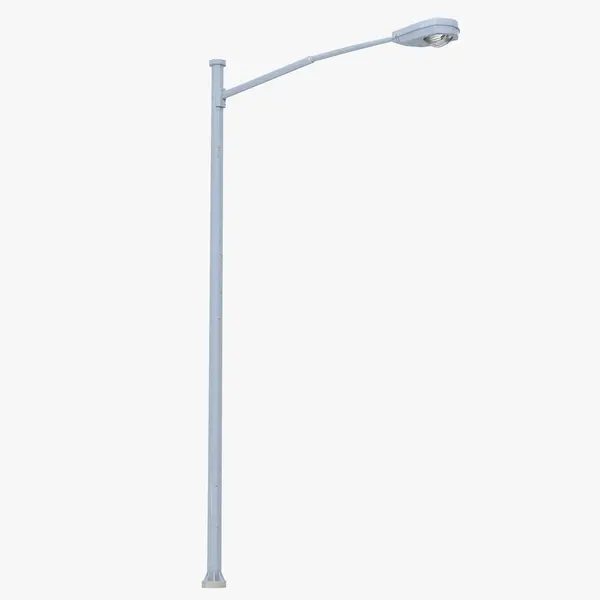
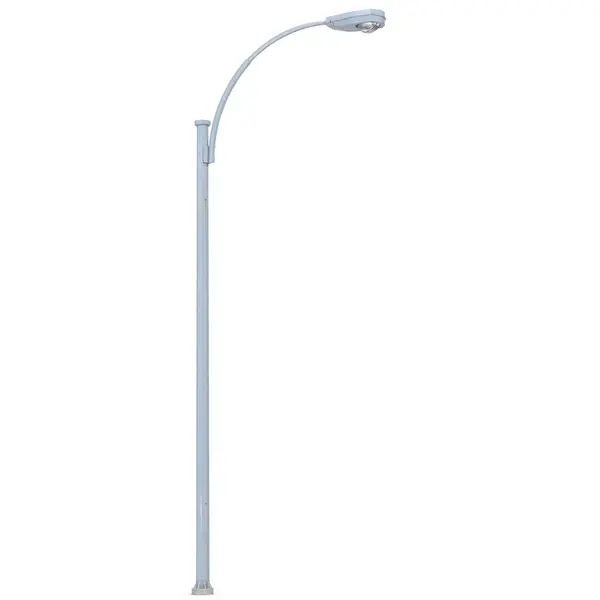
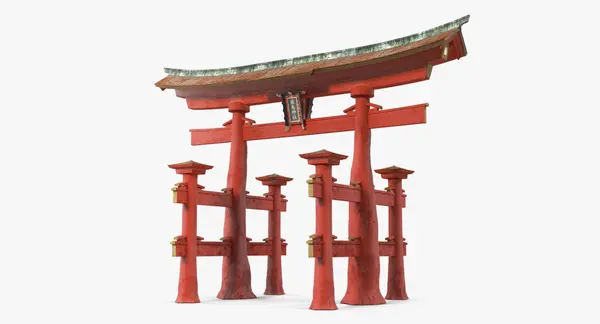
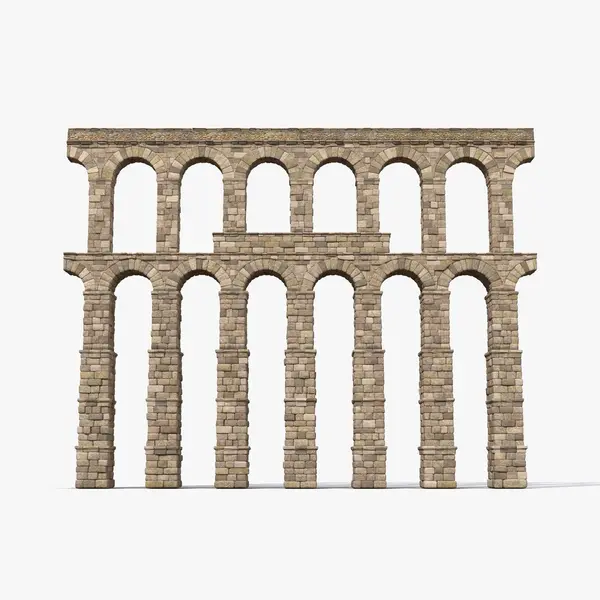
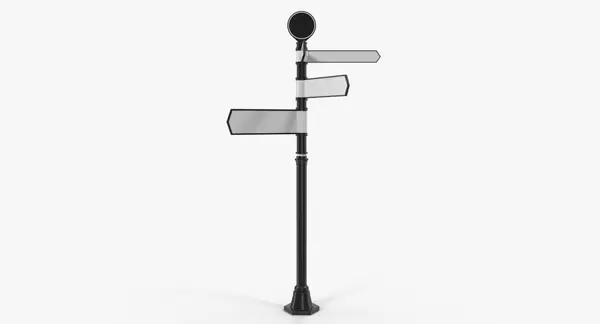
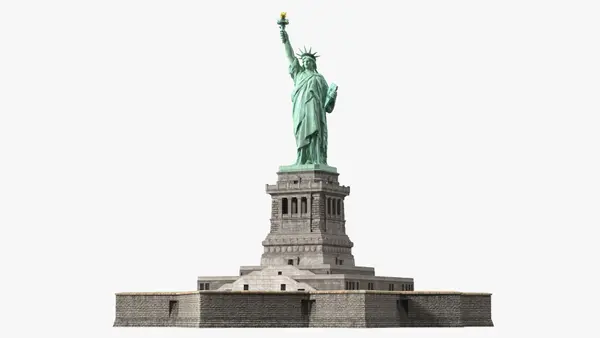
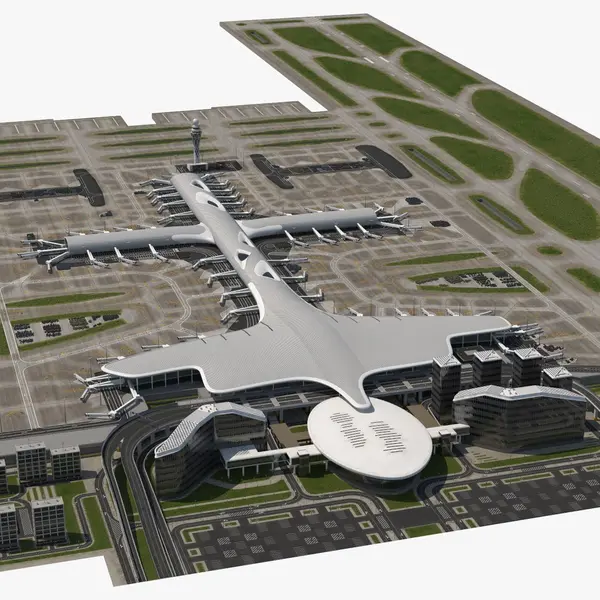
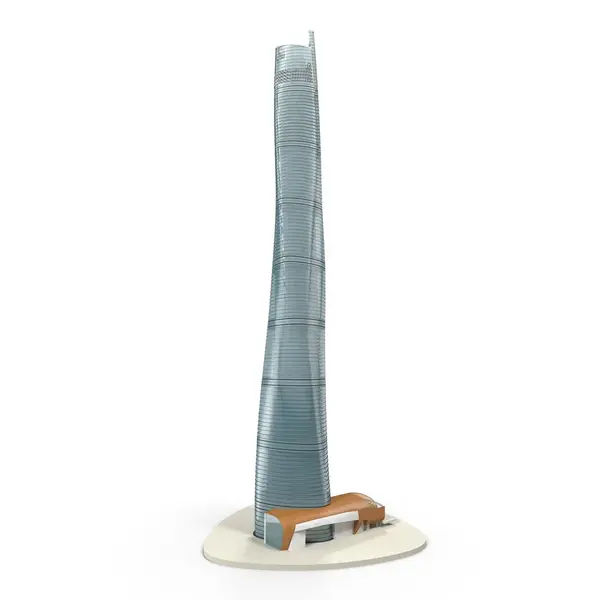
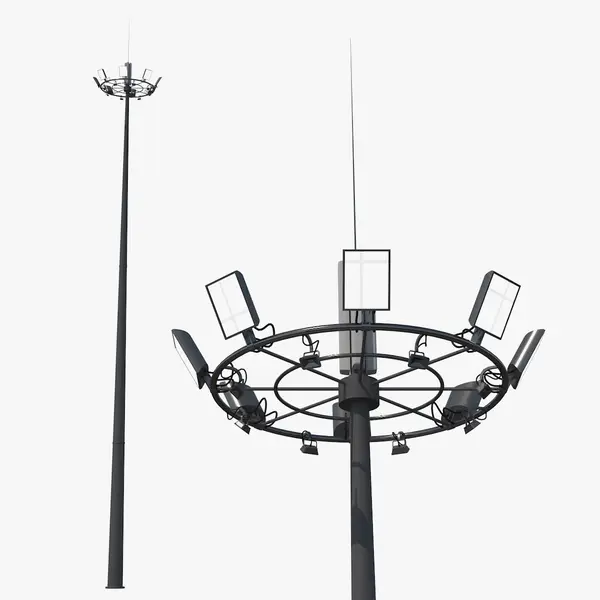
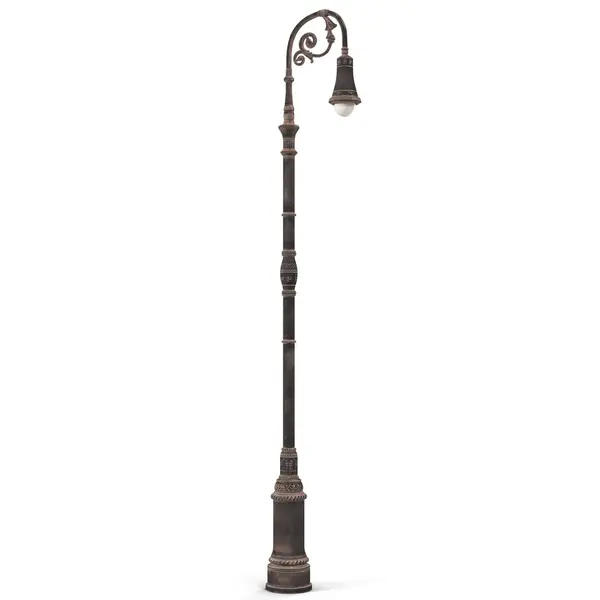
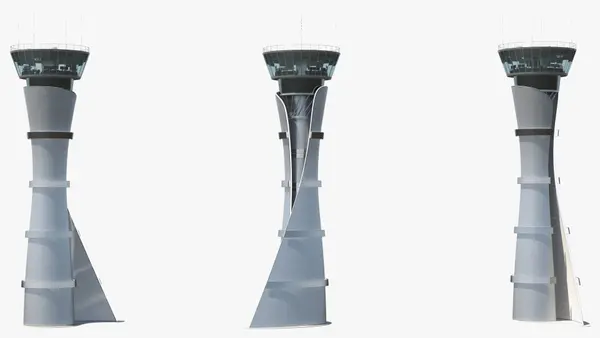
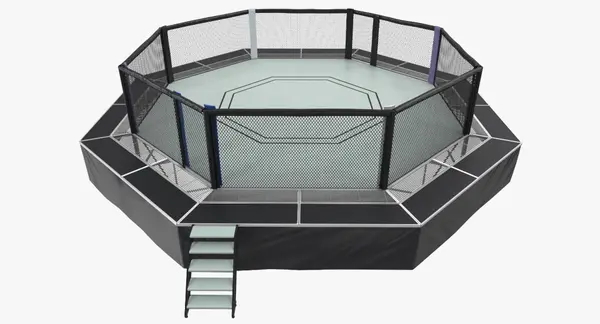
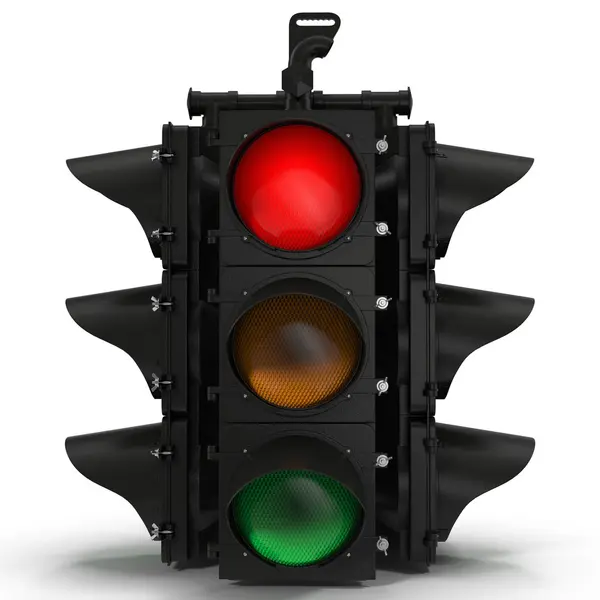
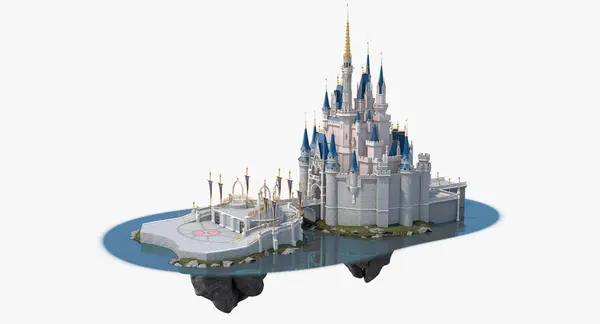
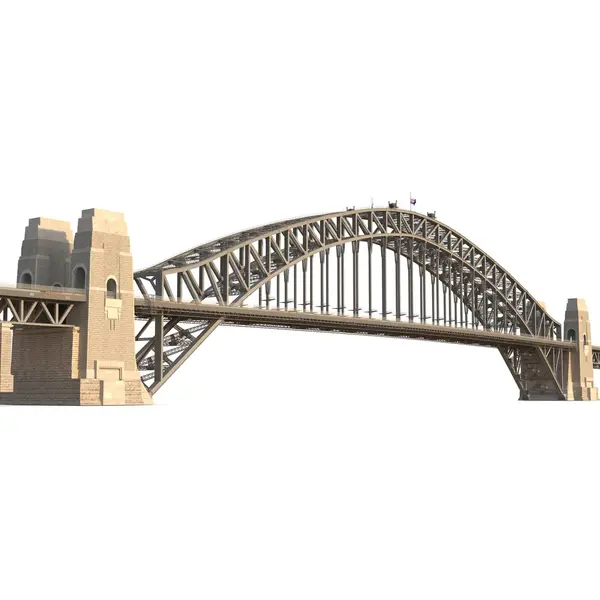
World landmarks, whole buildings and the small parts of the built environment share this section. It runs from the Eiffel Tower and the Colosseum to a hospital, civic buildings and sports arenas, then down to windows, cinder blocks, pipe fittings, street lamps and signs. Dams, railway track, viaducts and arched brick bridges cover infrastructure scenes.
Best Architecture & Landmarks 3D Models

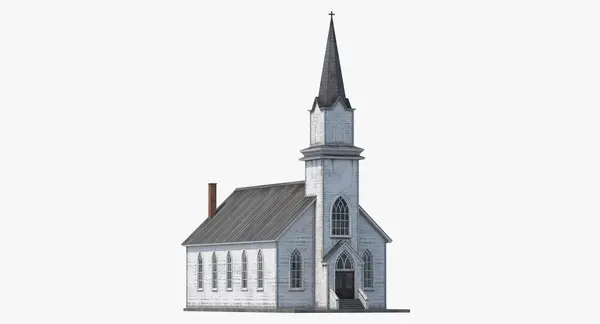
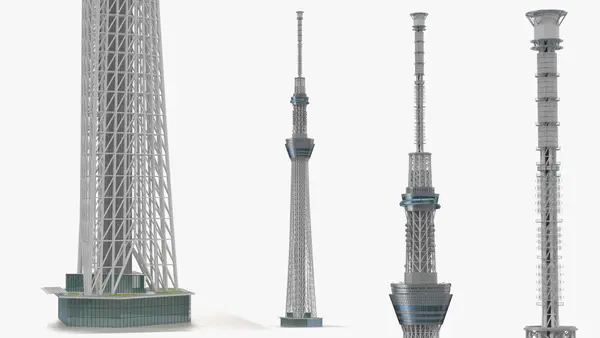
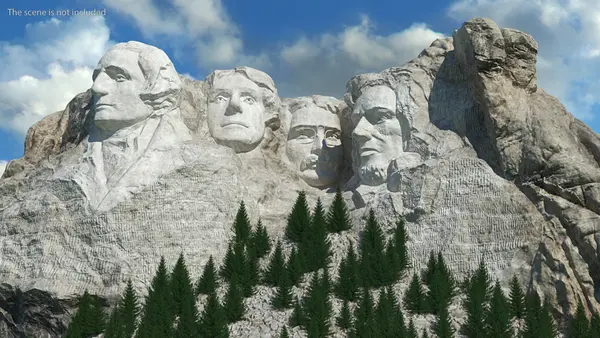
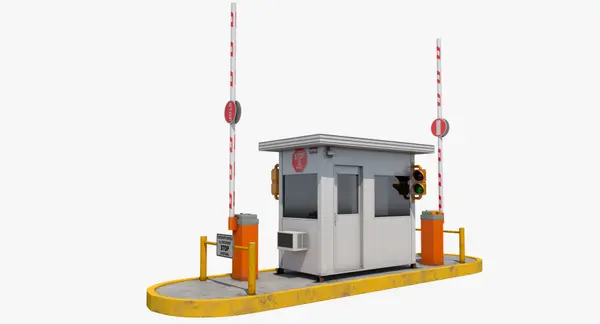


About Architecture & Landmarks 3D Models
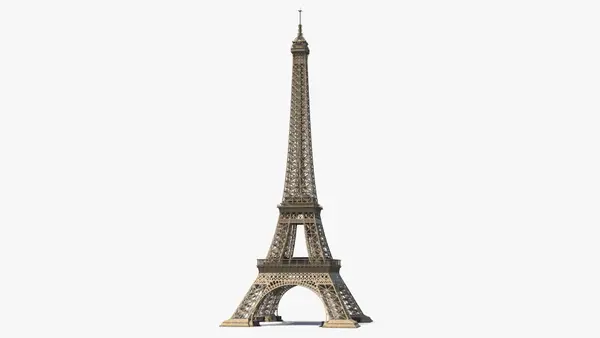
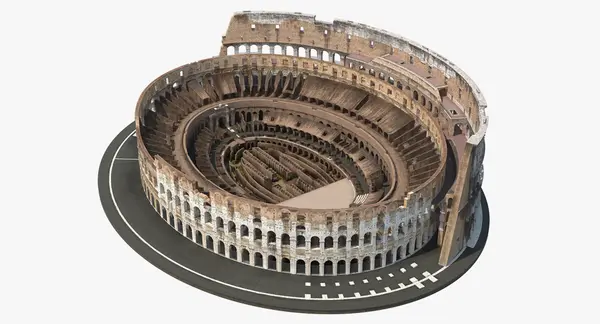
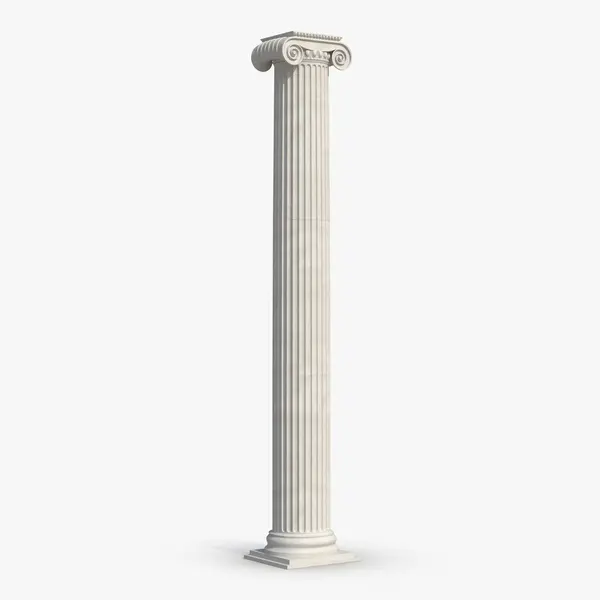
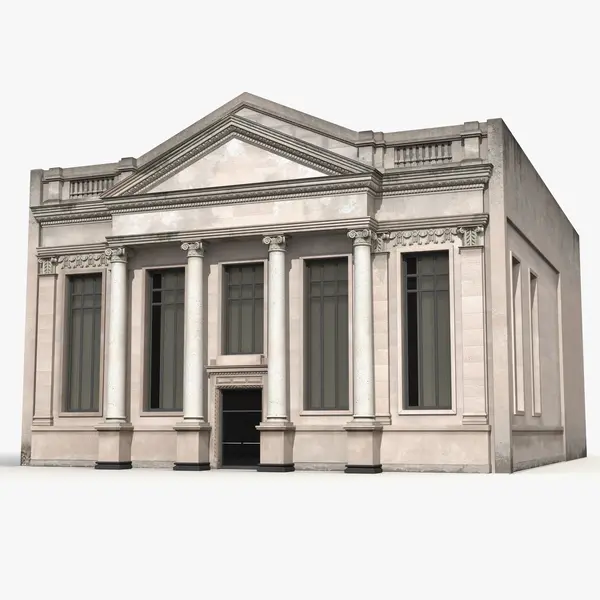
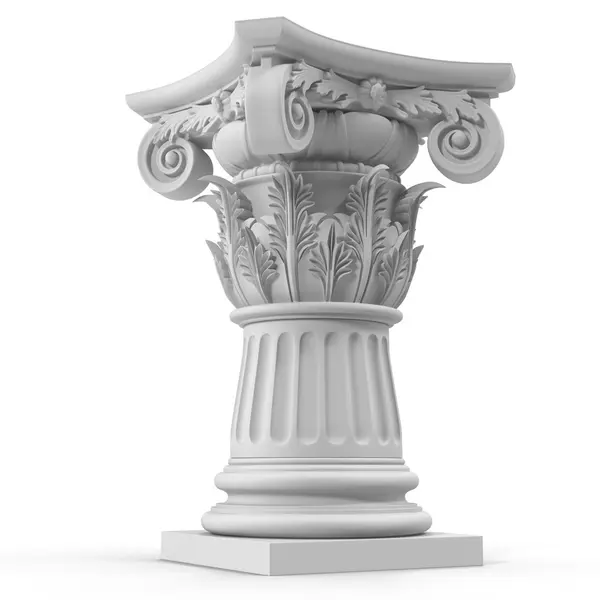
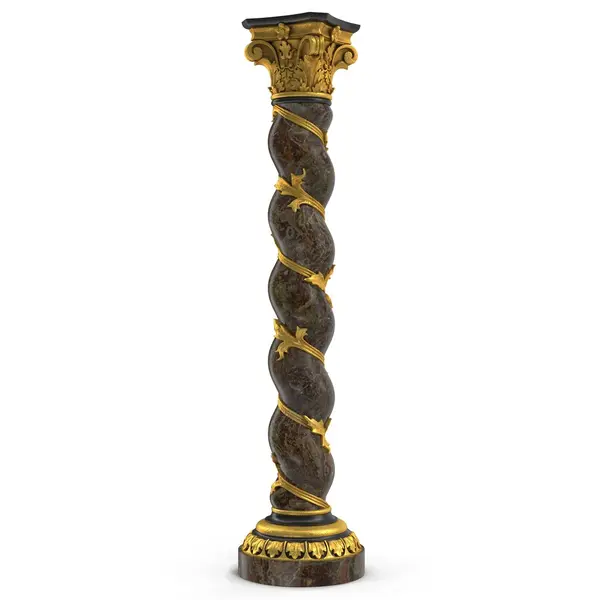
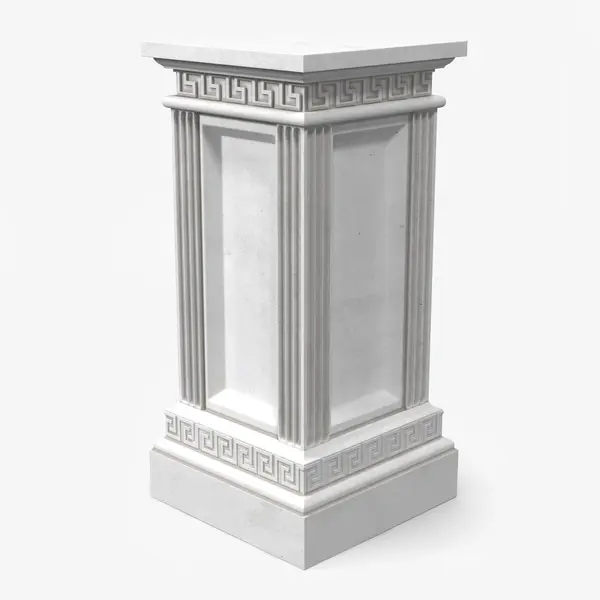
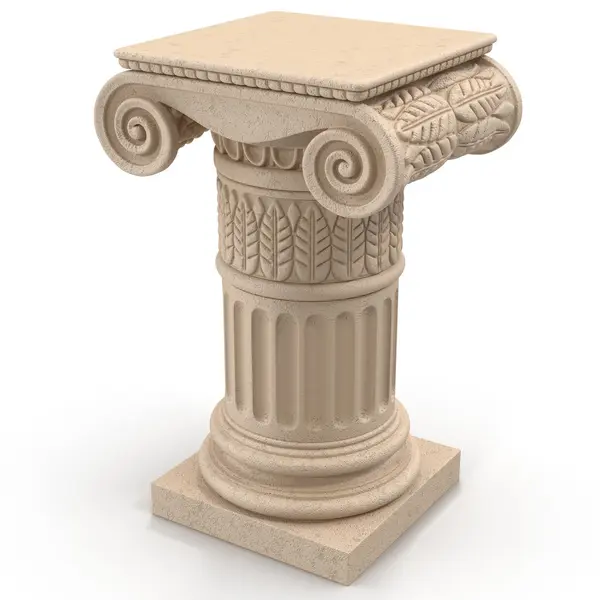
The landmarks are built rather than faked. The Eiffel Tower spends 522,388 polygons on real lattice members instead of cutout planes, so light passes through the trusses as the structure thins toward the top. The Colosseum runs to 1,419,065 polygons and keeps the ruin asymmetric, with standing arcades on one side and the exposed inner structure on the other. An Ionic column carries the fluted shaft and the spiral volutes of its capital, and a classical civic building uses 60 maps for its portico, pediment and cornice runs.
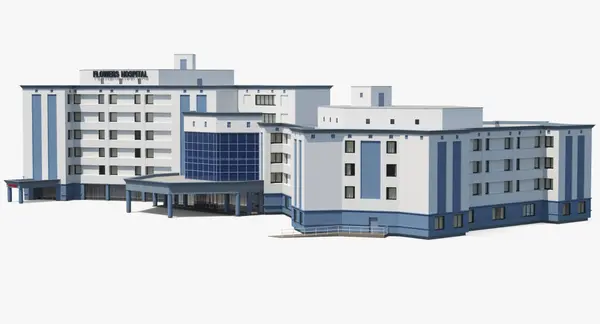
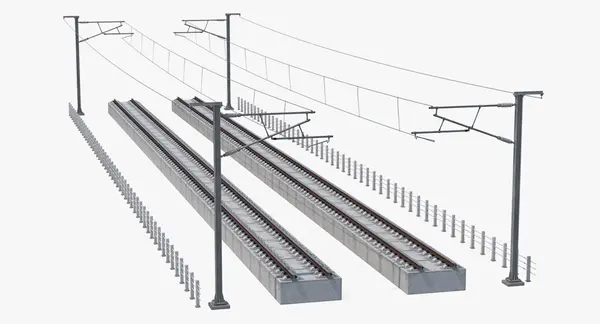
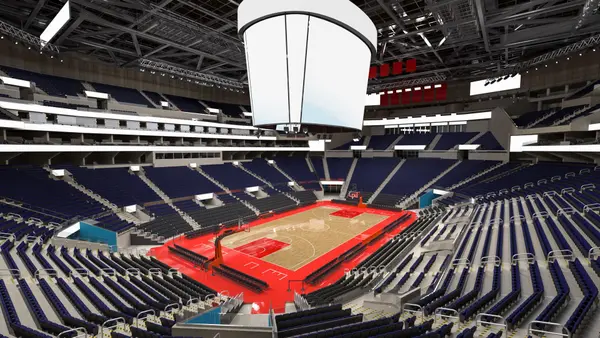
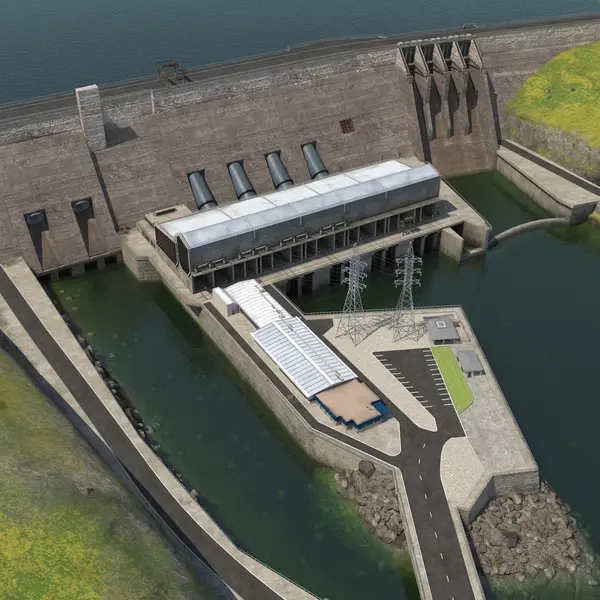
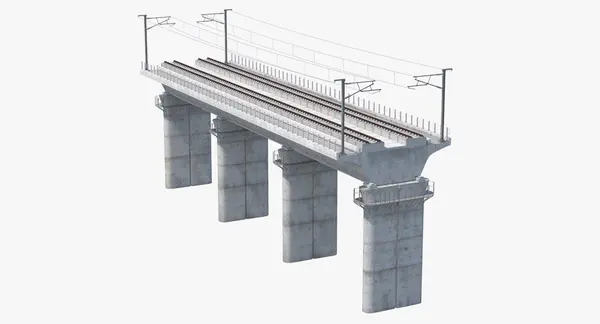
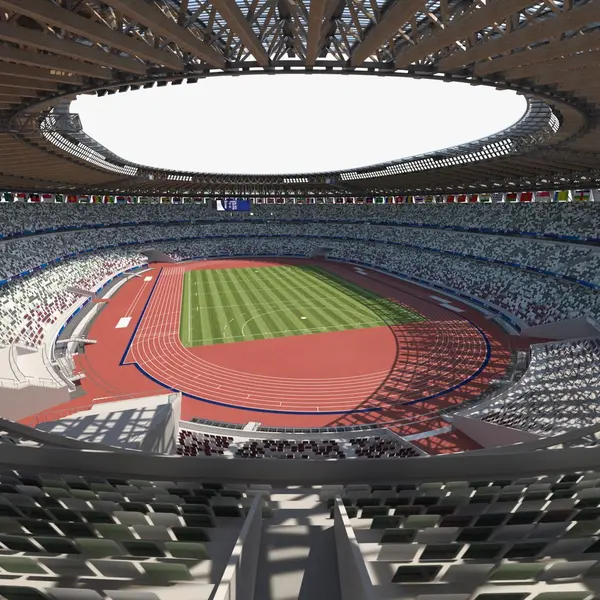
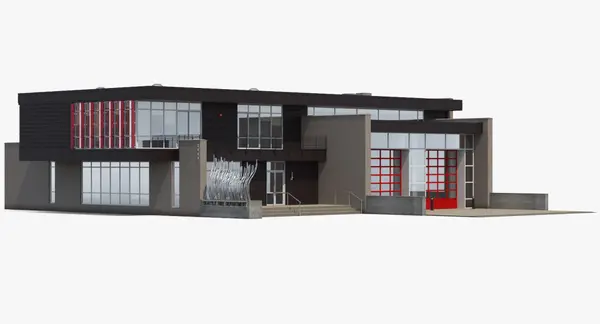
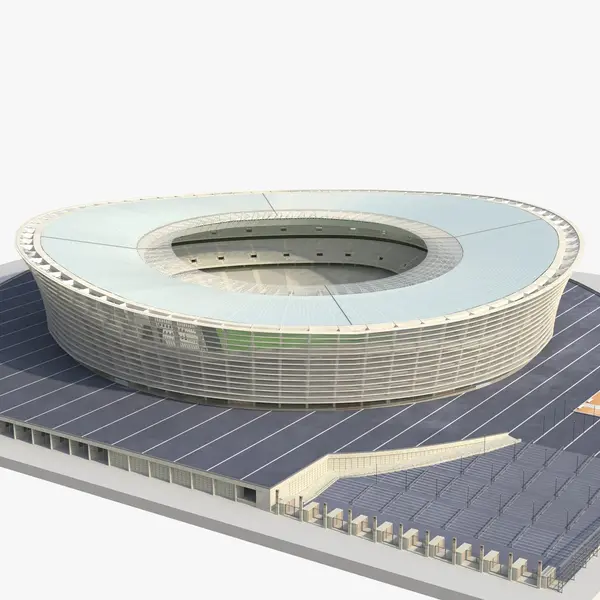
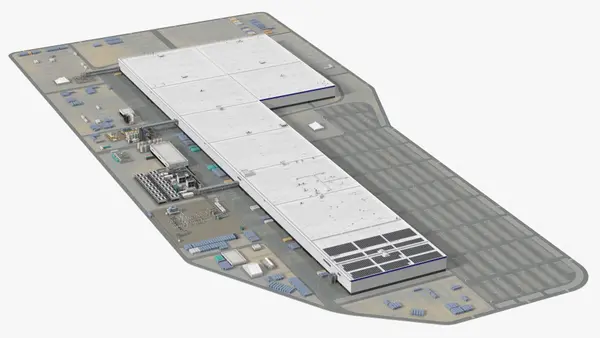
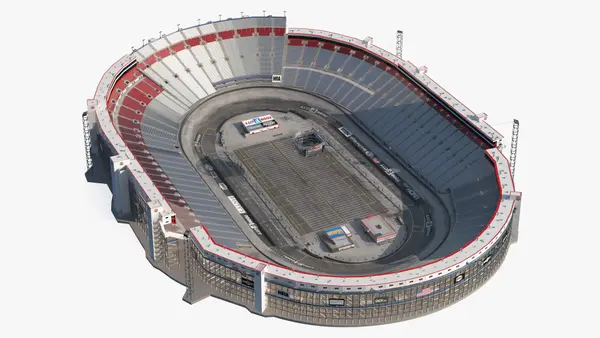
Infrastructure models are made to extend and to sit in terrain. A high speed rail viaduct section at 998,008 polygons tiles end to end into a run of any length, and a straight railway section models its ballast as individual stones. A hydroelectric dam includes spillways, intake towers, a powerhouse and a transmission yard. At building scale, a hospital exterior shows its entrance canopy and ambulance bay. A basketball arena builds every seat in the bowl, so a crowd can be scattered across real seating.
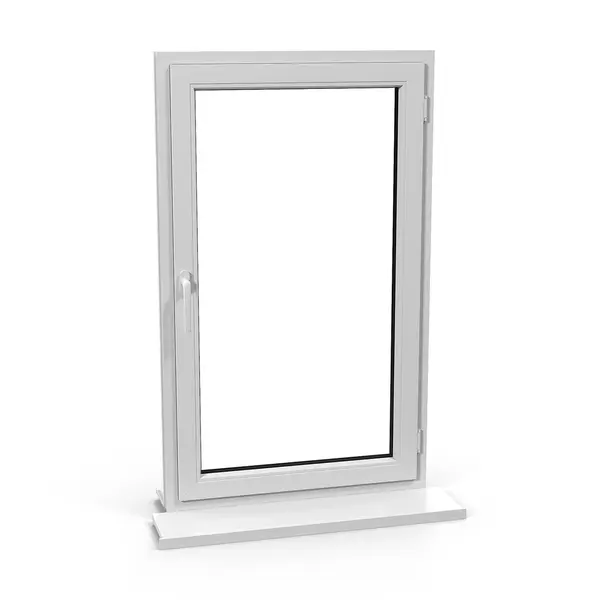
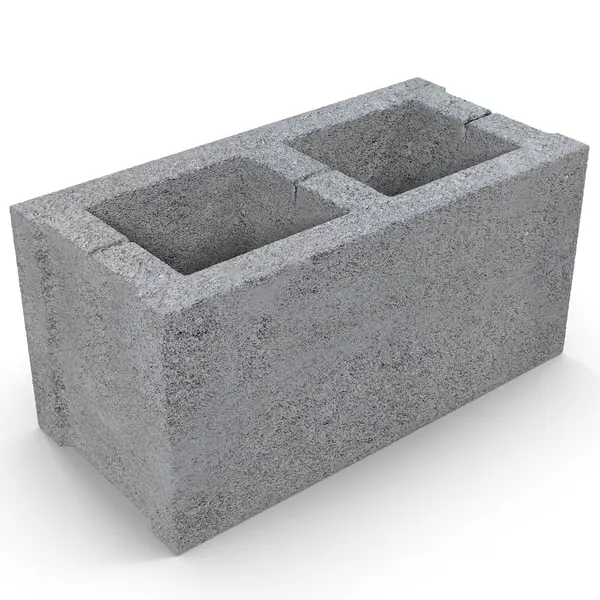
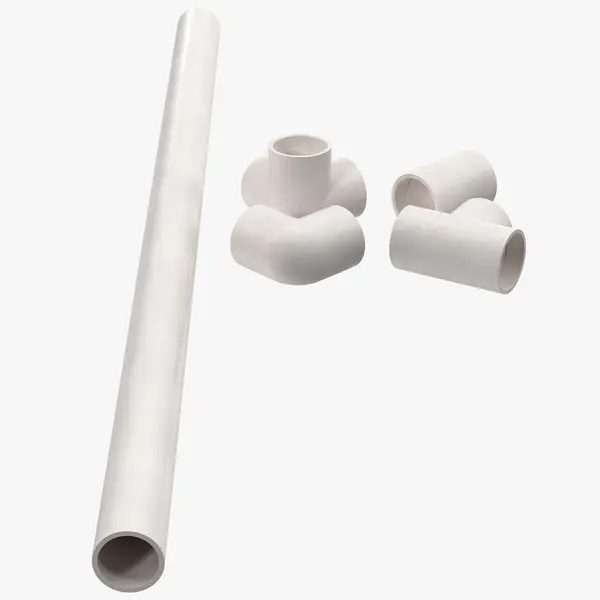
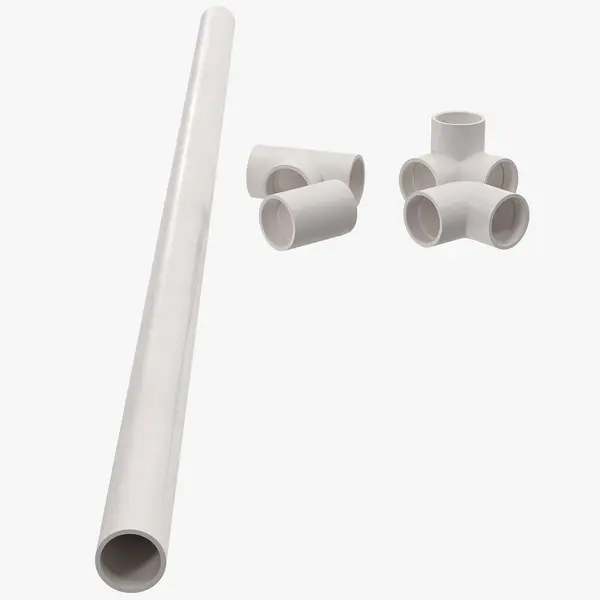
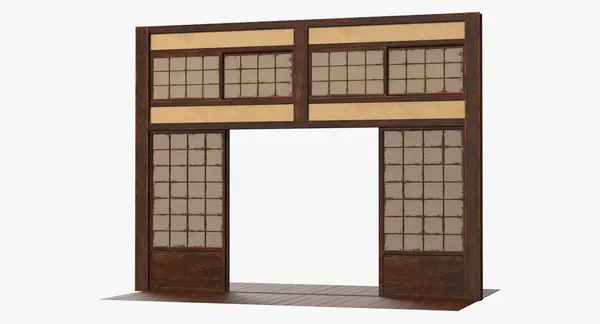
Closer to the ground are the parts a builder handles, such as a plastic window unit with its frame profile and handle. A cinder block has its two voids as real openings, and a PVC pipe kit has elbows, tees and couplers that assemble like real fittings. Many models carry CheckMate Pro certification for real-world scale, so figures, vehicles and terrain sit correctly beside them. Architects, planners, engineering firms, level designers and VR developers use the section for context models, explainers and complete environments.