Industrial Equipment 3D Models
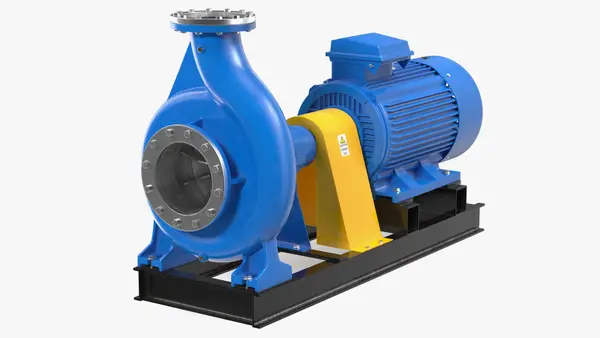
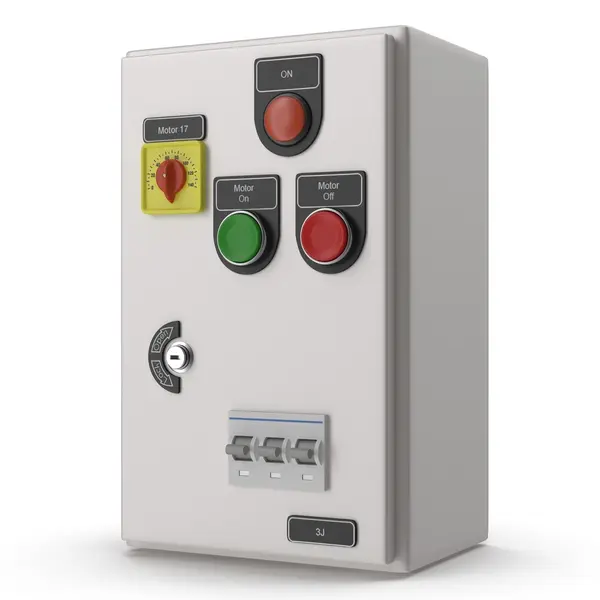
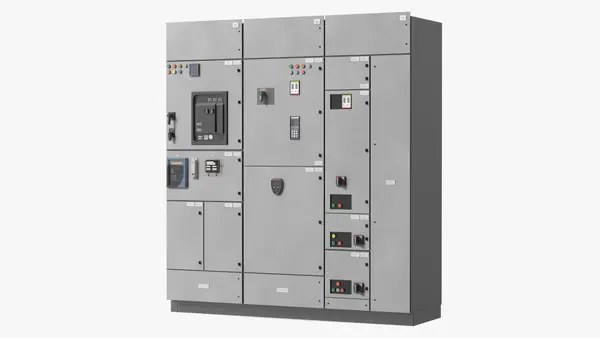
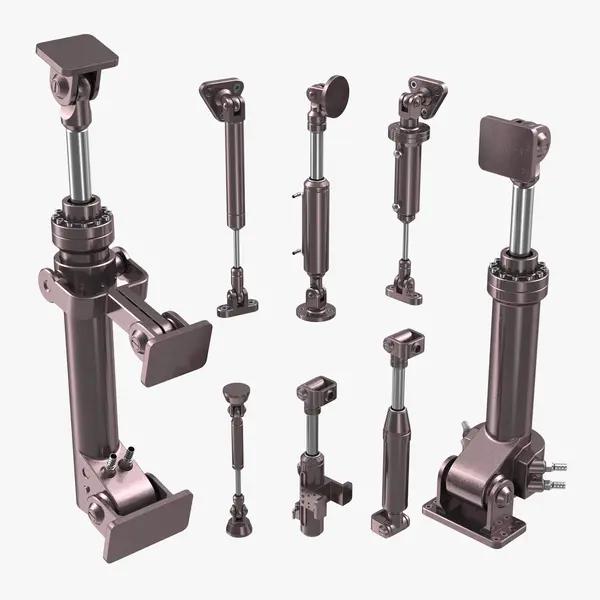
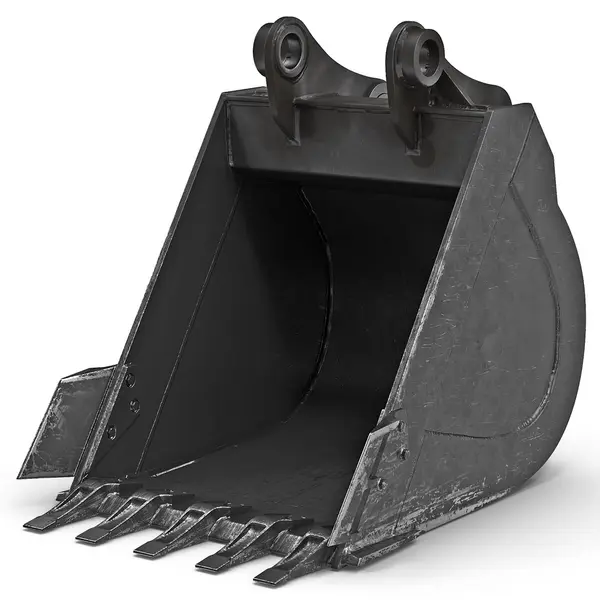
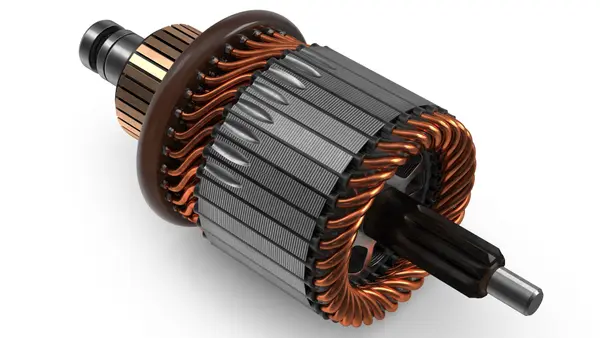
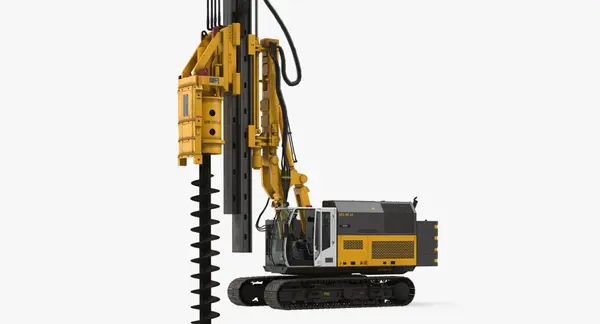
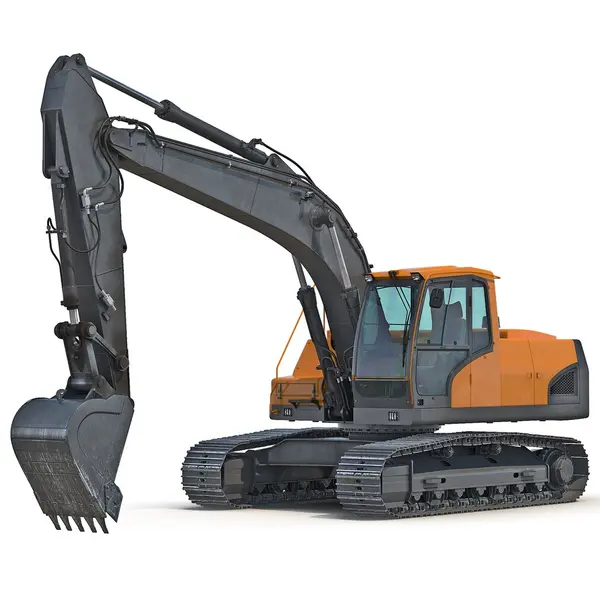
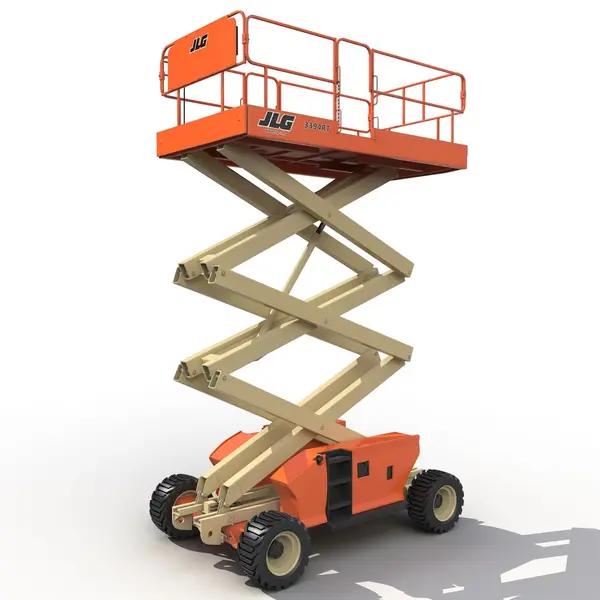
Construction sites, farms, factories and energy projects are the settings for this section. It holds onshore and offshore wind turbines, mobile cranes, boom lifts, piling rigs, tractors and harvesters. Conveyors, pumps, pipelines, electrical panels and scaffolding follow, up to a complete tunnel boring machine. Many pieces are modular or built with separate moving parts.
Best Industrial Equipment 3D Models

About Industrial Equipment 3D Models
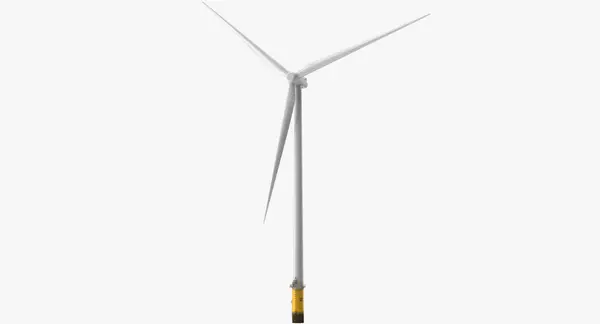
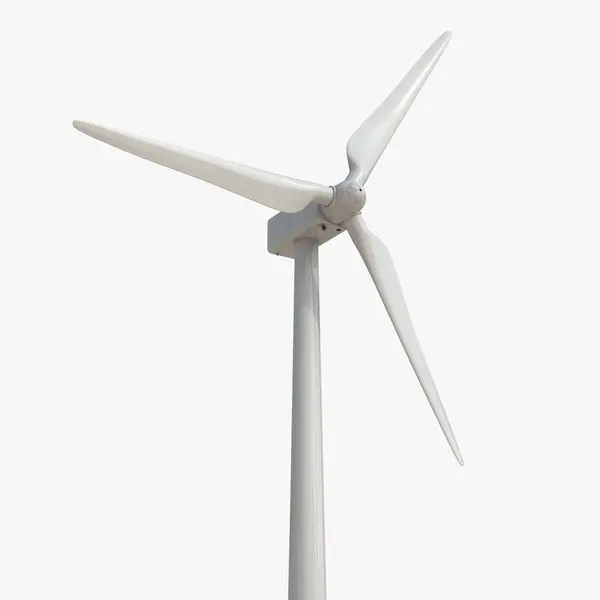
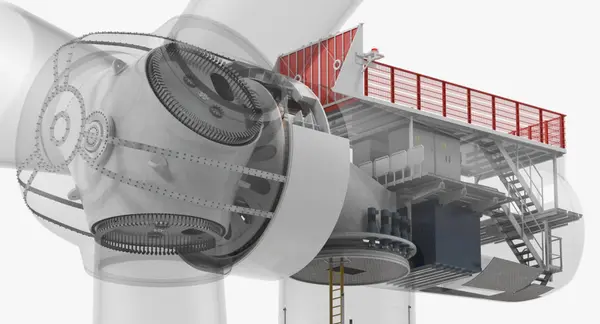
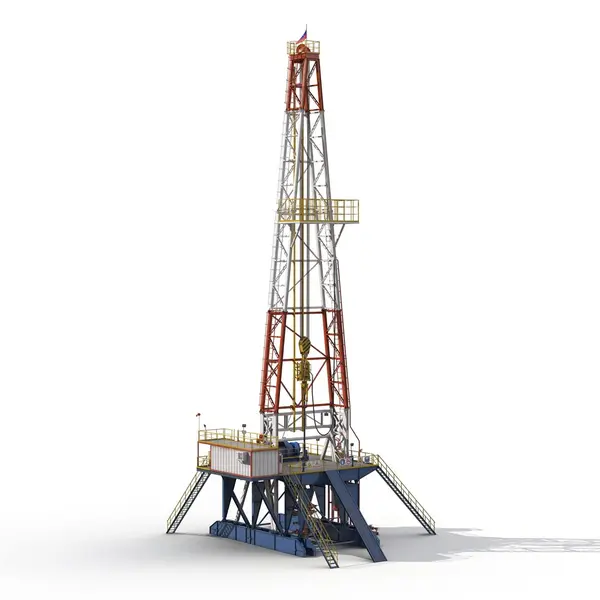
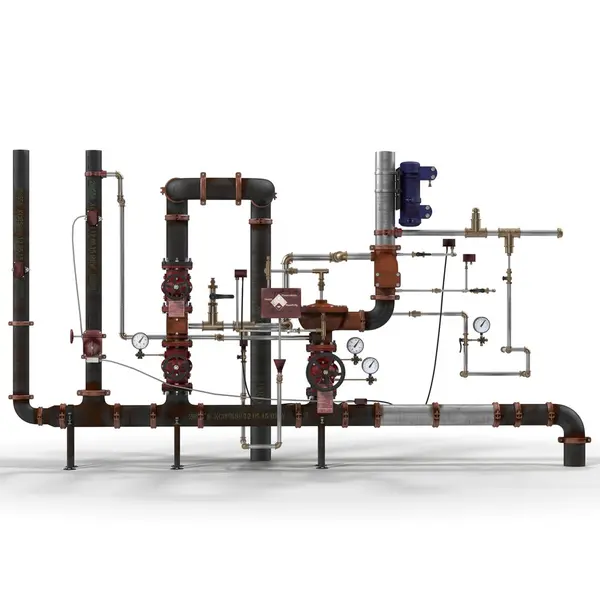
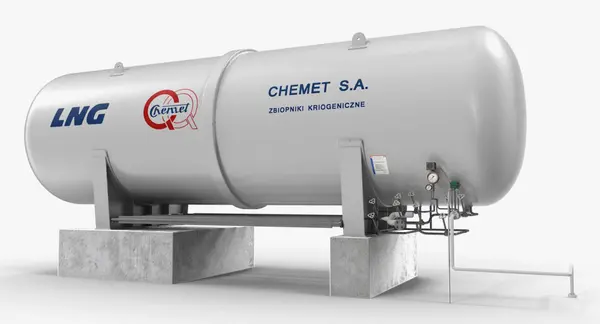
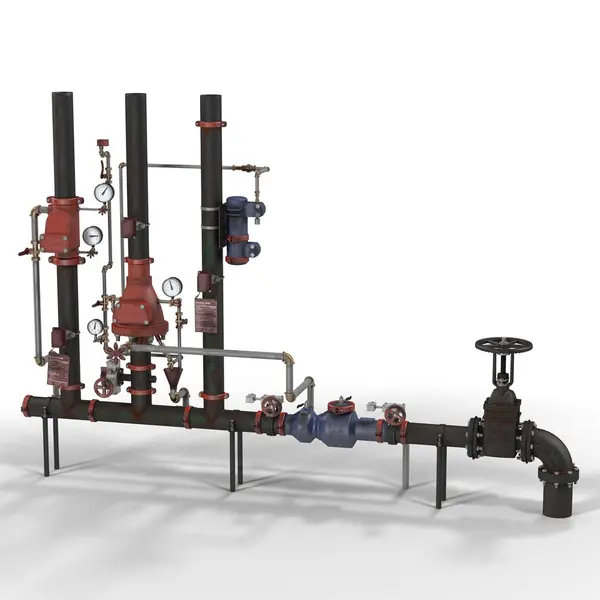
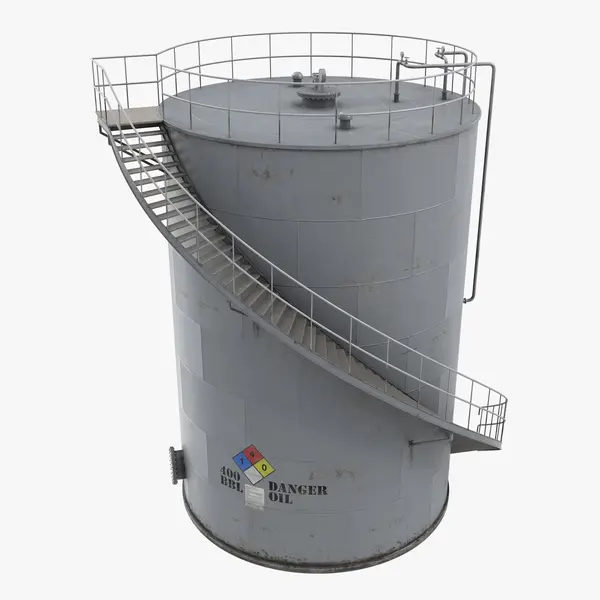
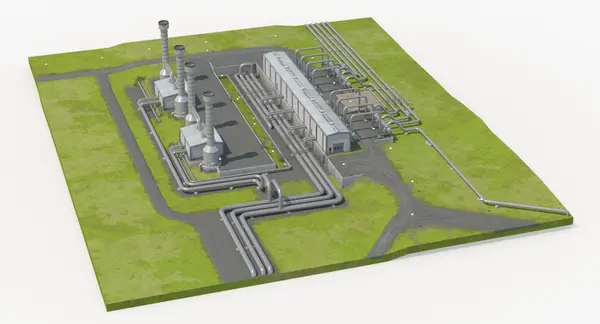
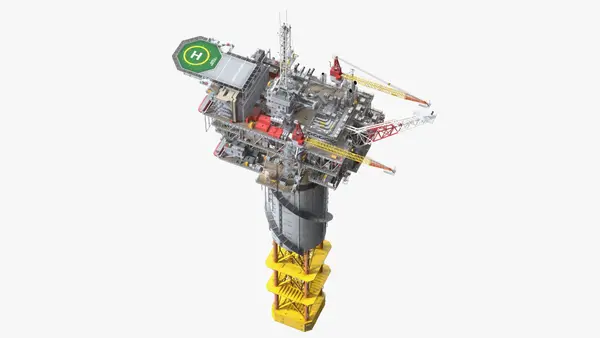
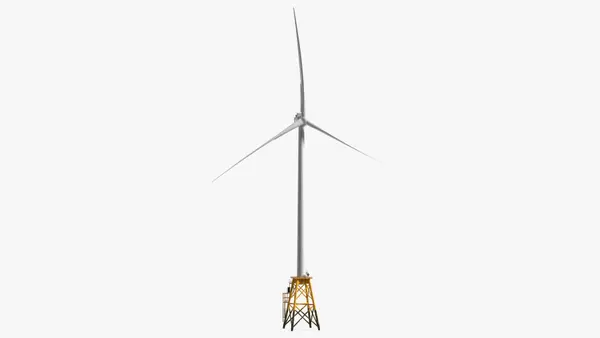
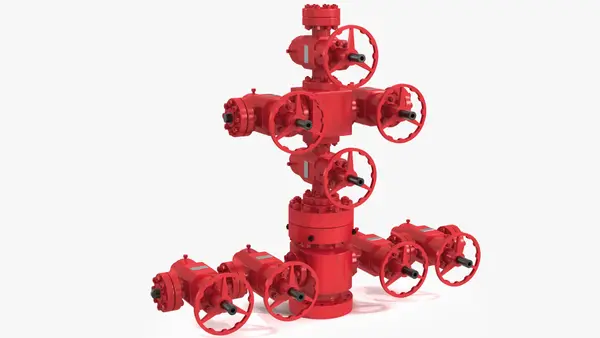
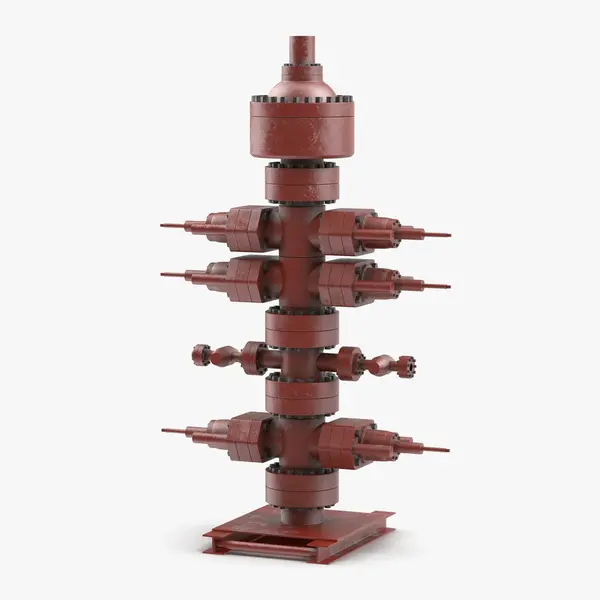
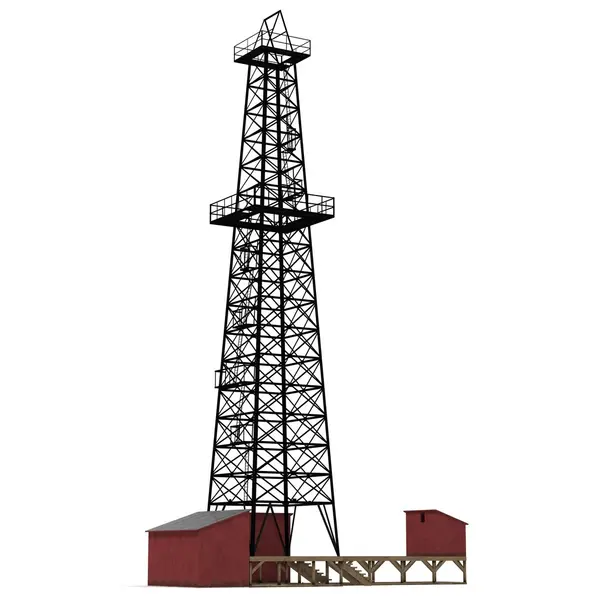
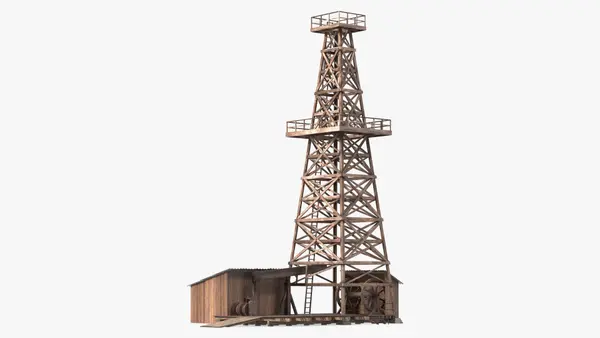
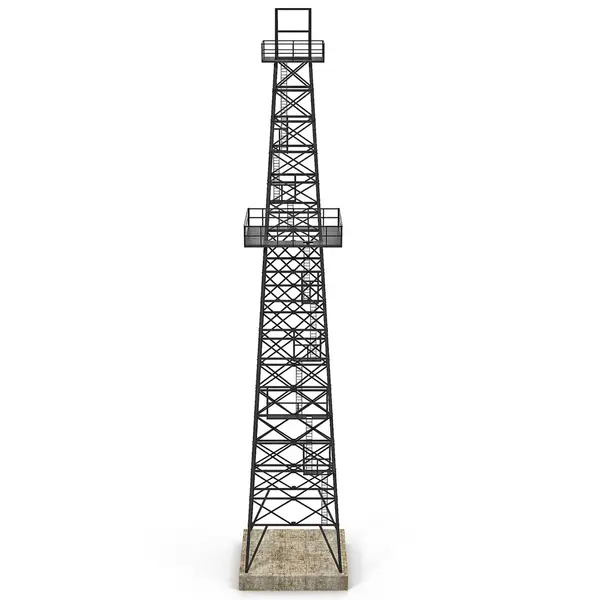
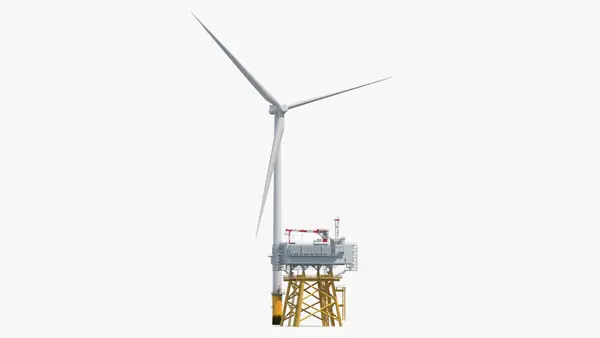
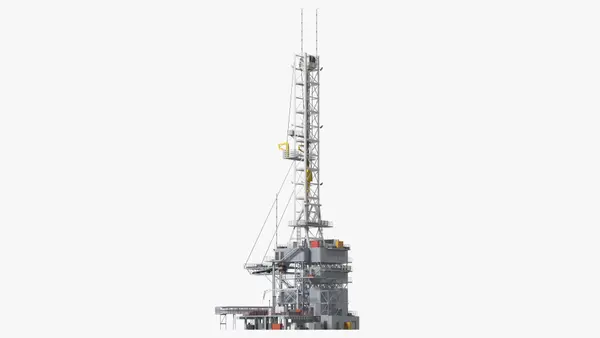
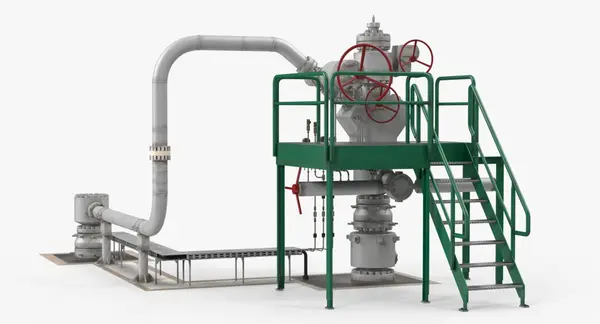
Wind and gas sites can be assembled from these models. A generic offshore turbine stands on a monopile with a yellow transition piece and carries no manufacturer badge. An onshore turbine at 20,879 polygons is light enough to repeat along a ridge. A nacelle interior at 462,736 polygons shows the main shaft, gearbox, generator and yaw drive, the parts that explain how a turbine works. A fracking platform gathers the wellhead, pump units, tanks and manifold piping, and an above-ground gas pipeline runs on steel saddles with flanged joints.
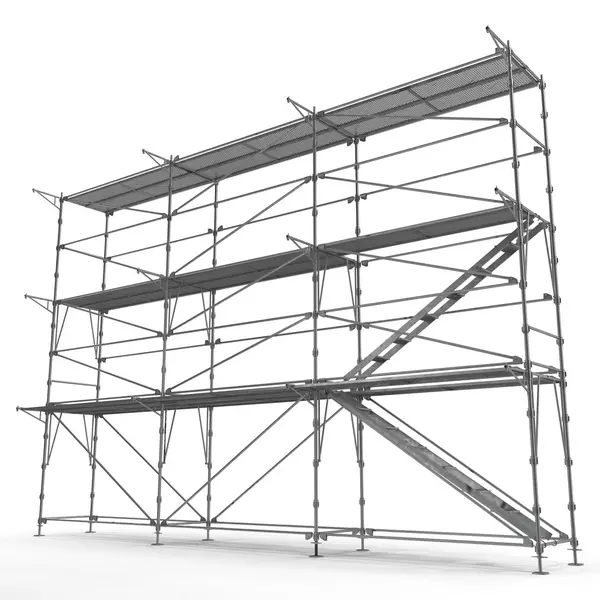
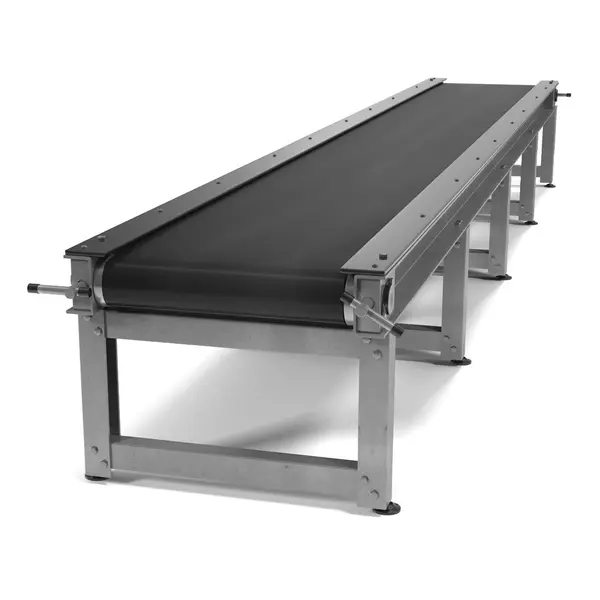
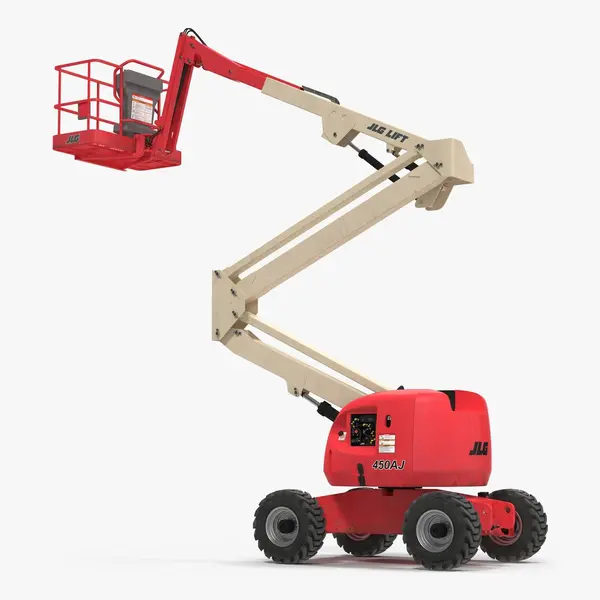
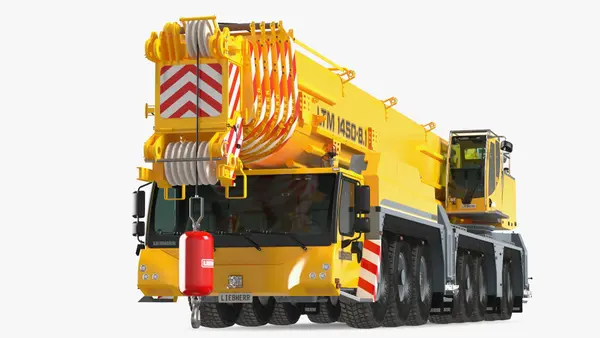
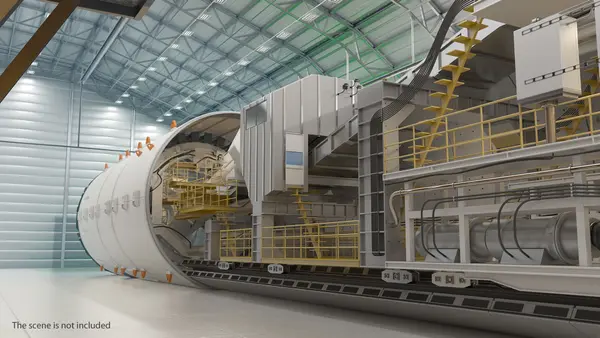
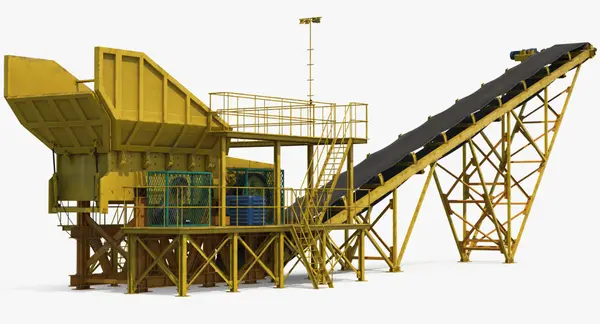
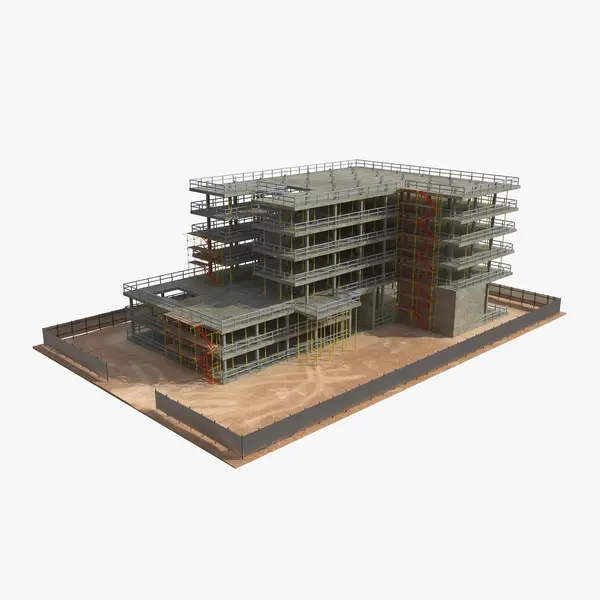
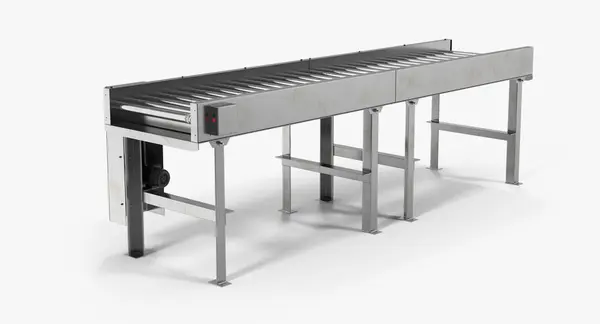
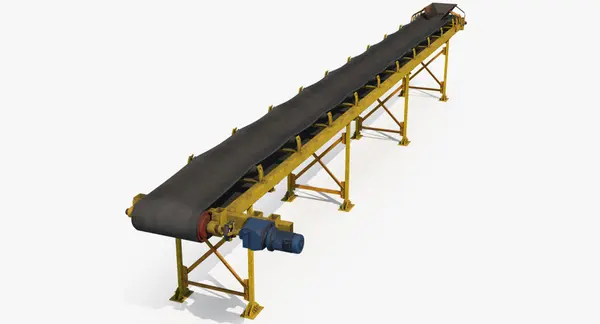
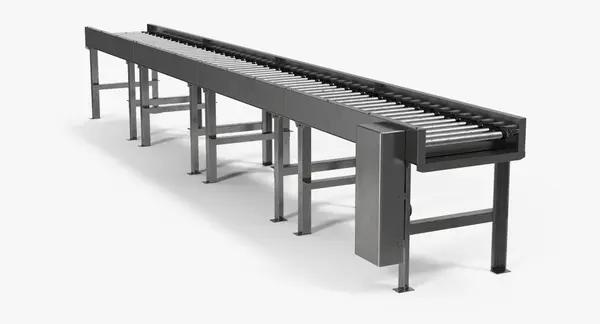
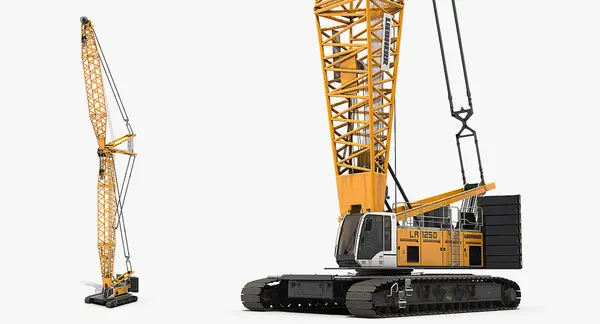
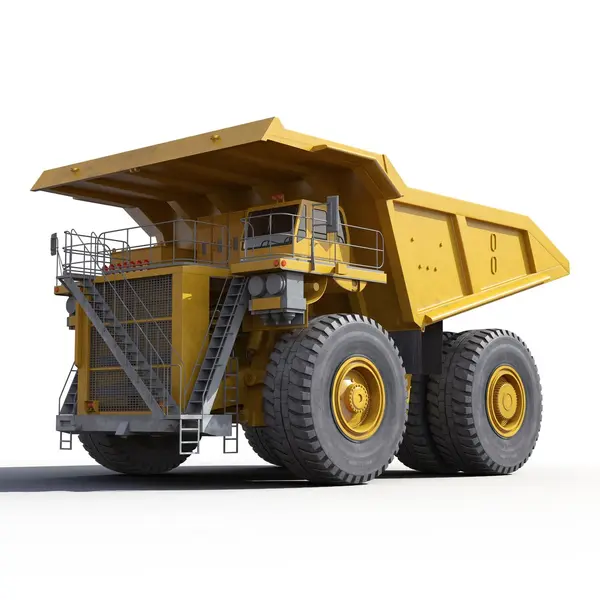
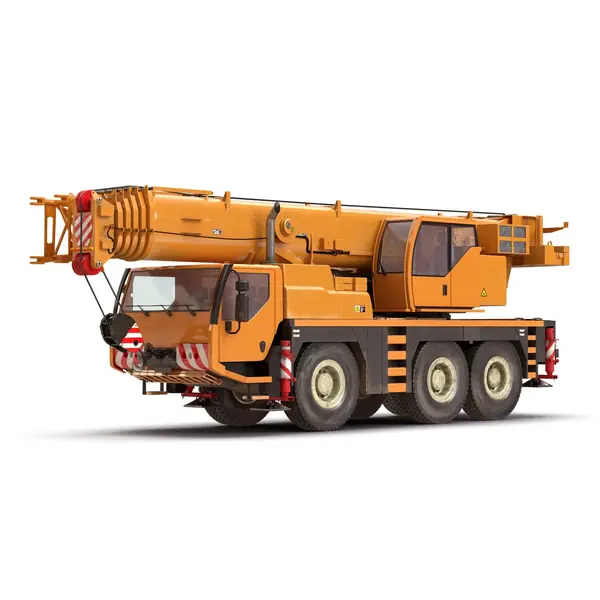
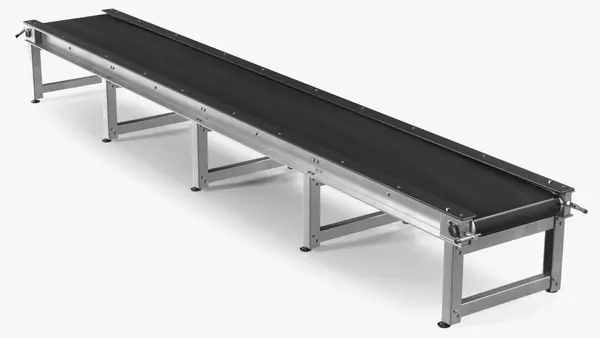
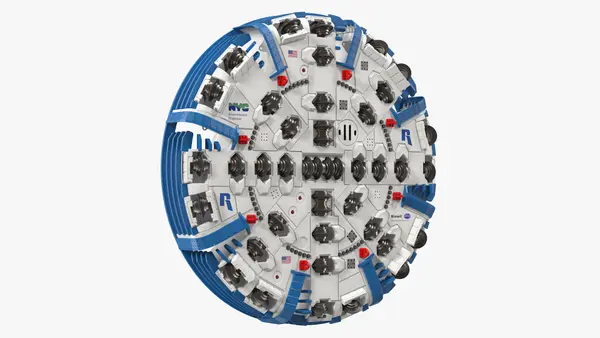
Heavy machinery is built with its working parts separate. An all-terrain mobile crane at 820,533 polygons includes telescopic boom sections, outrigger pads, a counterweight stack and a cab interior, and it comes rigged. An articulating boom lift builds its boom sections as separate parts so it can extend. The tunnel boring machine reaches 4,644,399 polygons with 72 maps, covering the cutterhead with its discs, the shield, the erector arm and the trailing back-up. A scaffold bay models every coupler, and conveyor sections chain into a production line.
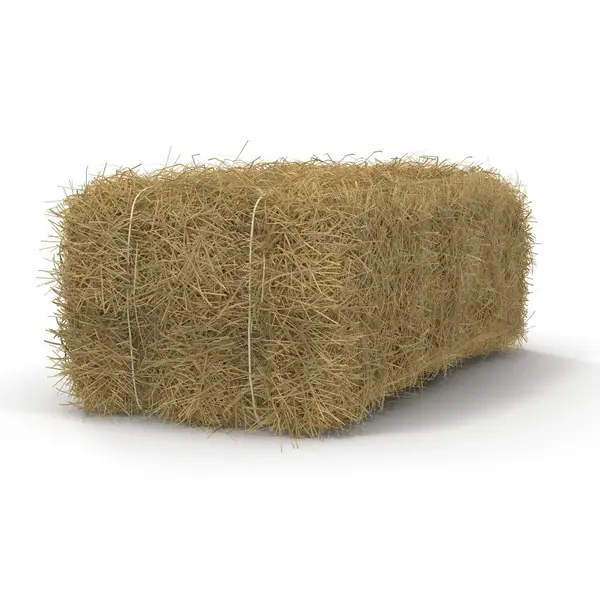
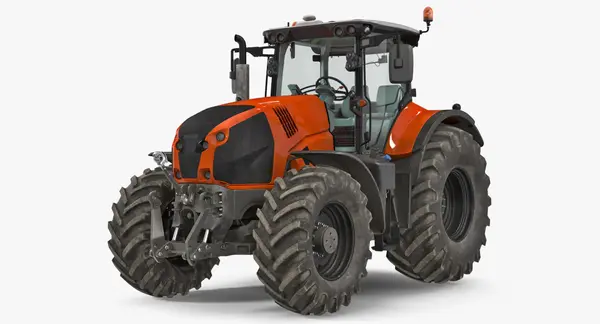
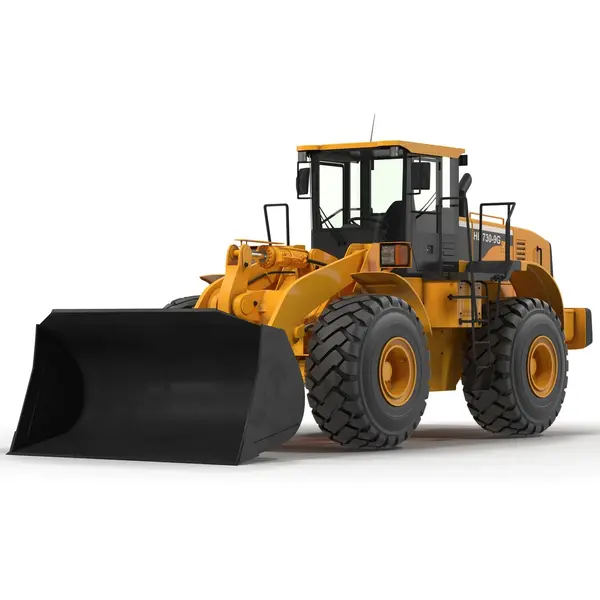
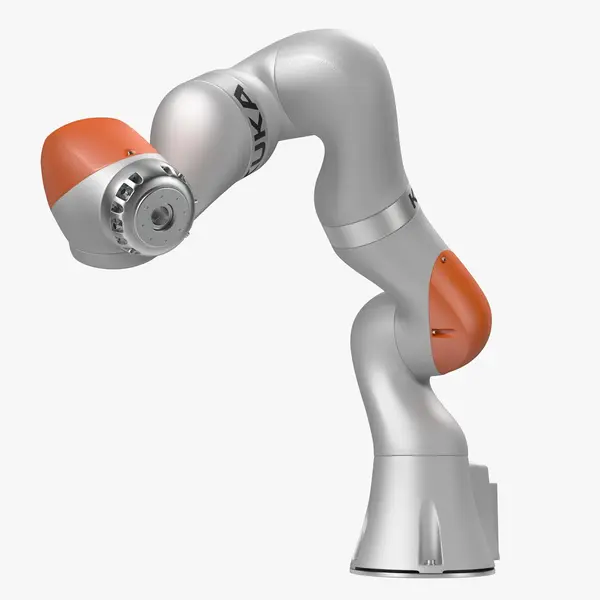
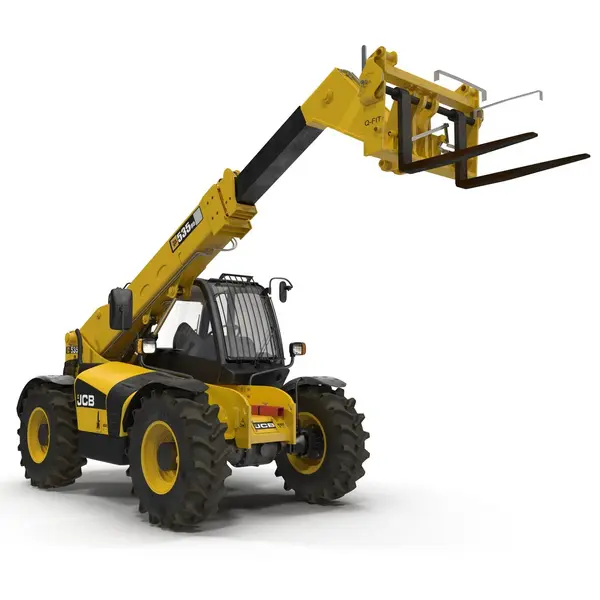
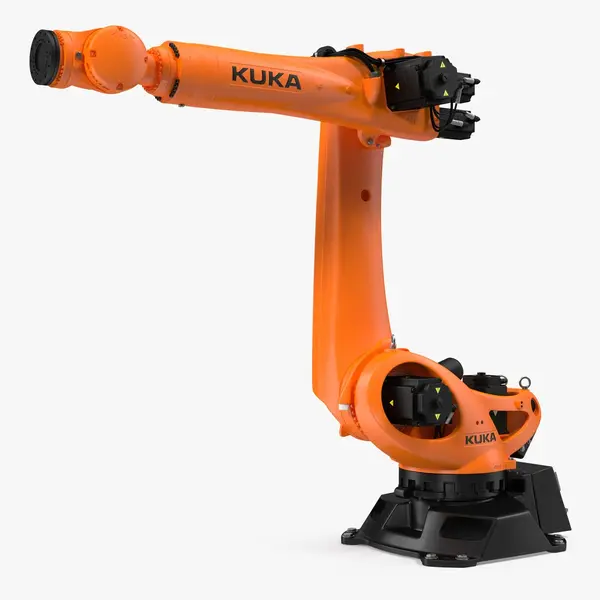
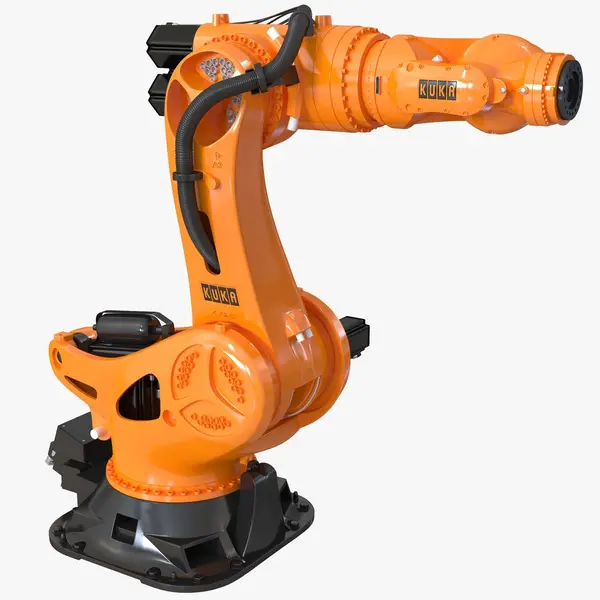
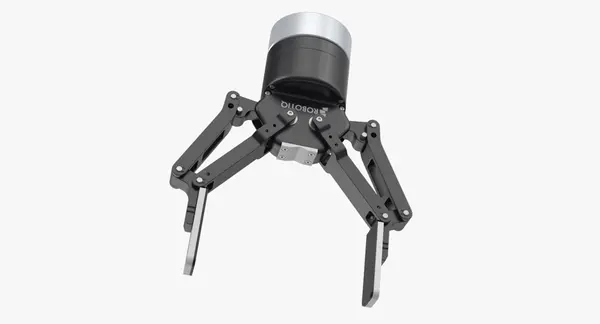
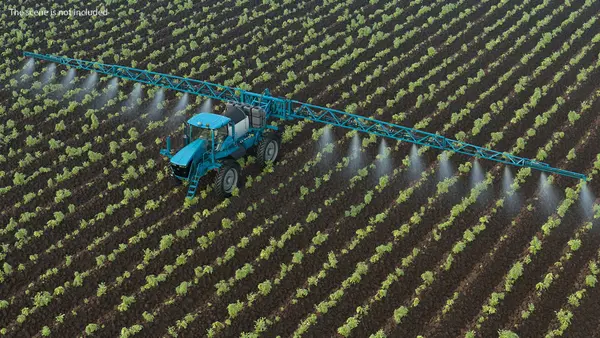
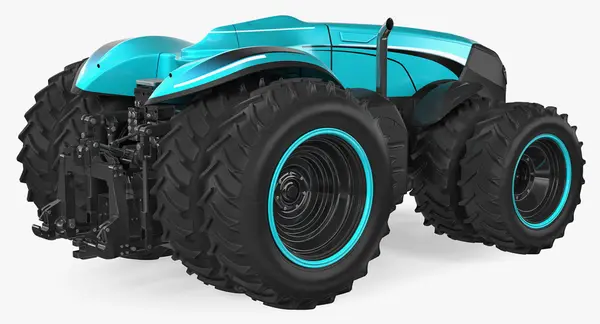
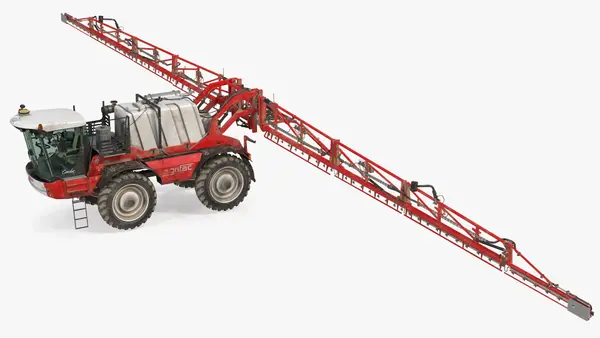
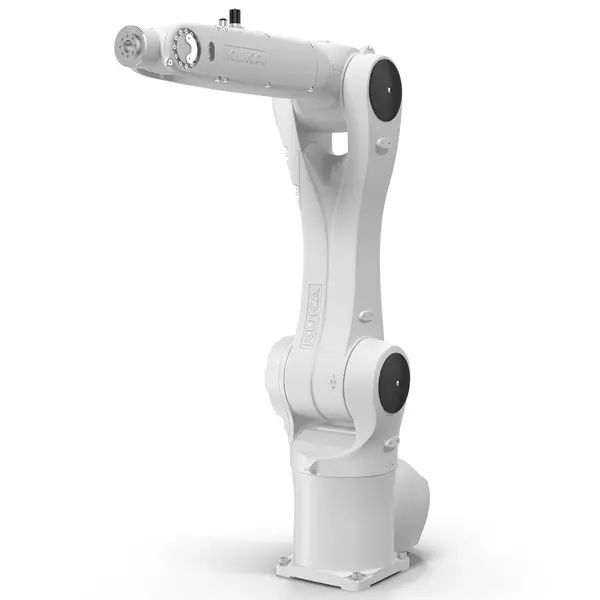
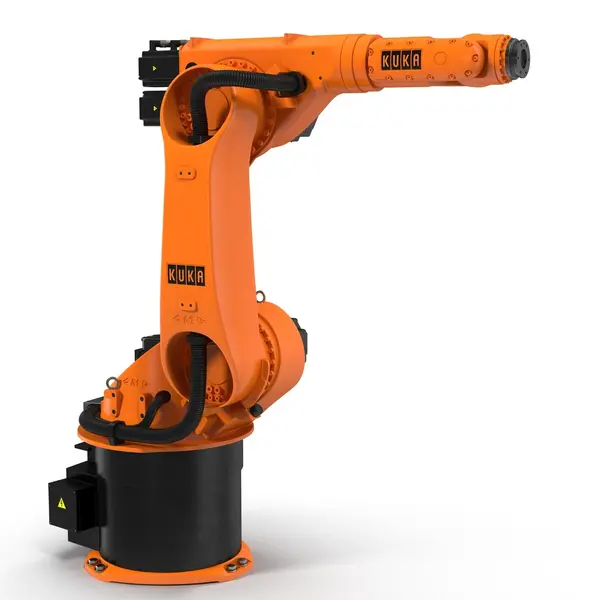
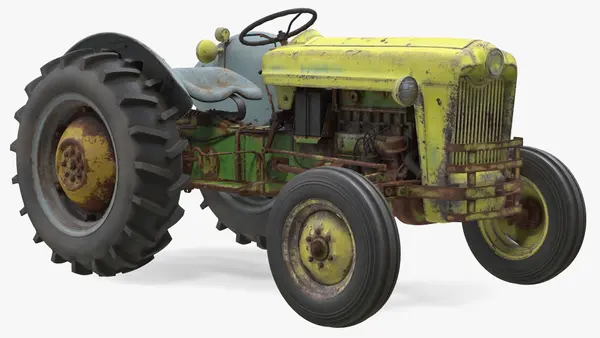
Narrower pages exist for cranes, tractors and agriculture, industrial robots, and forklifts and loaders. On the farm side, a generic tractor appears in dirty working condition with a detailed cab, and a large tractor hauls a high-sided tipper trailer. A hay bale spends 977,700 polygons on individual straws at the cut ends. A horizontal SCARA arm for pick-and-place work stands for factory automation. Engineering firms, safety trainers, energy companies and simulation developers use these models in presentations and training.