Insect 3D Models
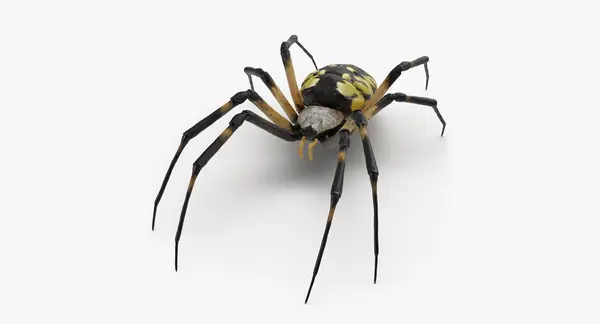
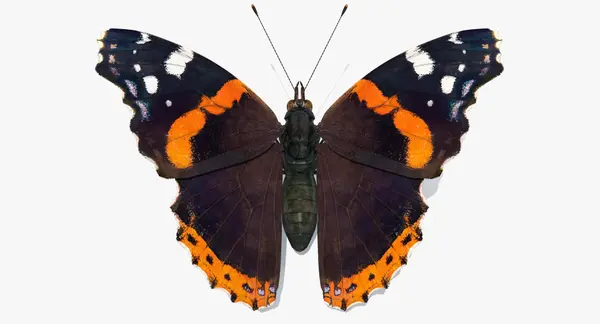
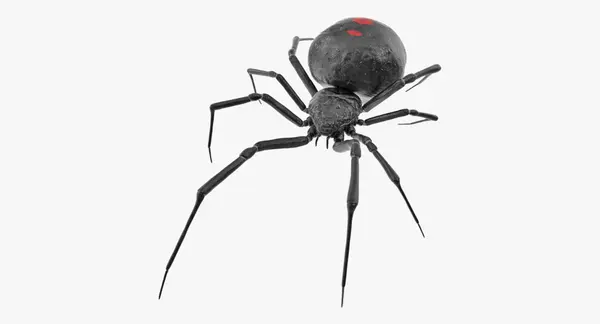
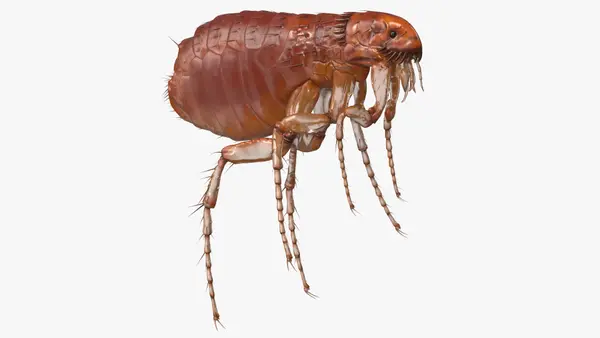
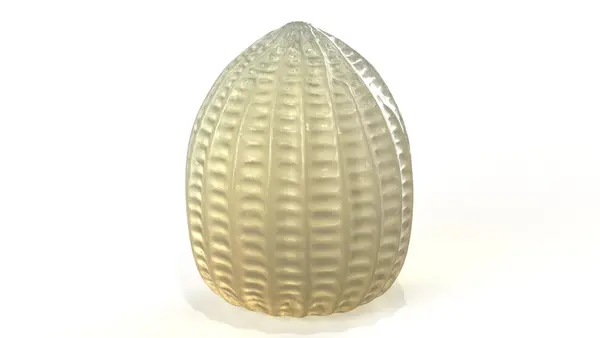
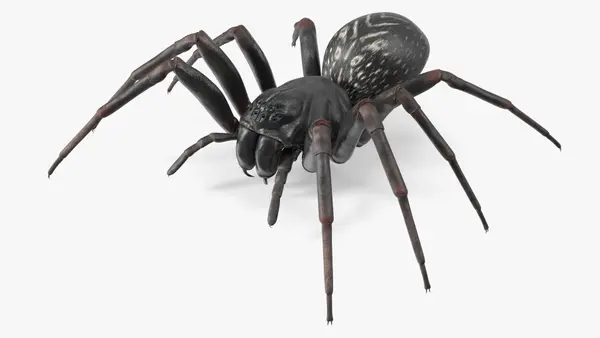
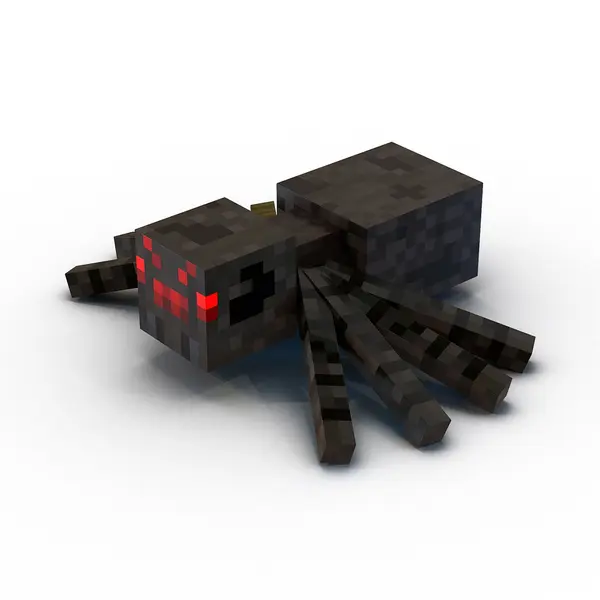
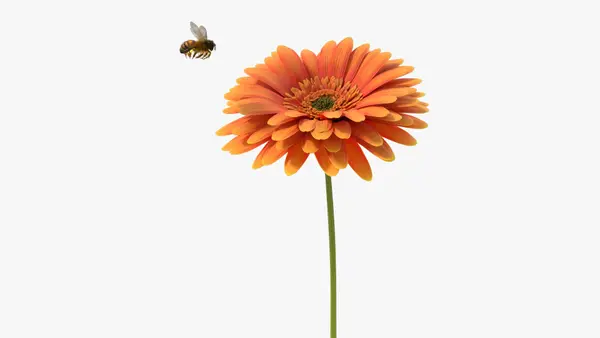
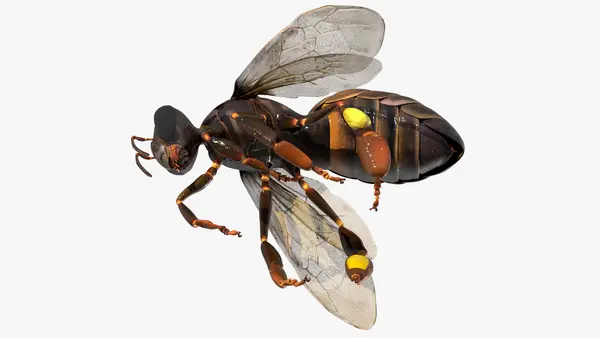
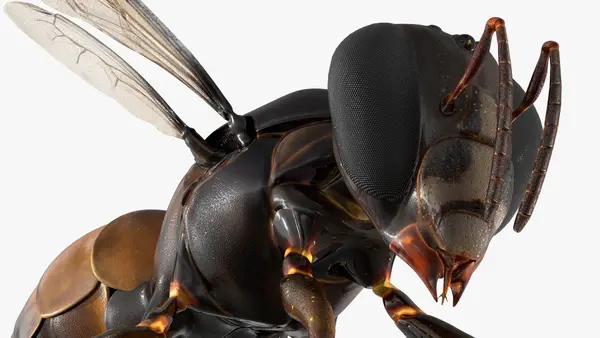
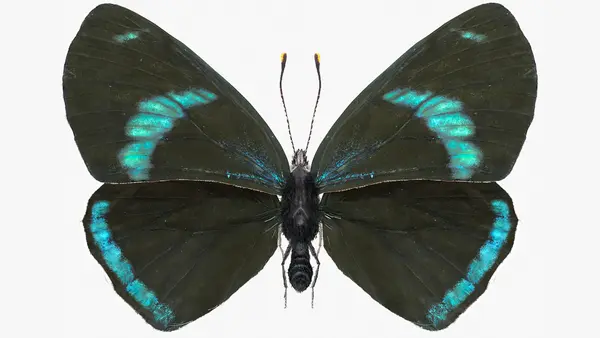
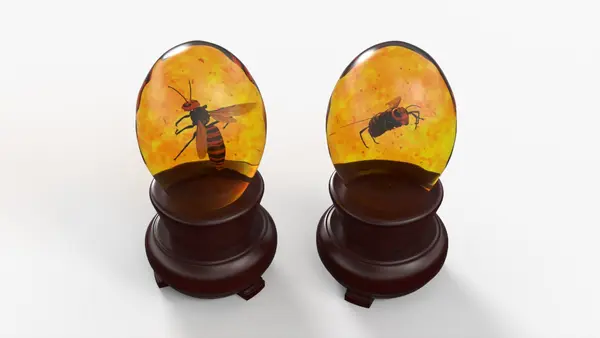
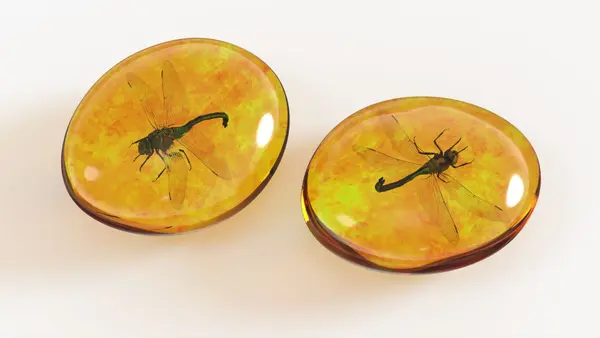
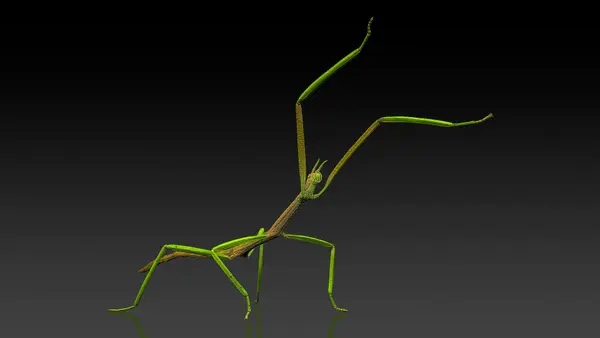
Insects and spiders for macro shots and nature lessons: monarch, morpho, peacock, red admiral, swallowtail and birdwing butterflies and an owl moth. Honey bees, a red ant, a dragonfly, a praying mantis, potato beetles and a stick insect follow. Arachnids include garden, house and mouse spiders and a camel spider, with a chrysalis and an insect in amber at the edges.
About Insect 3D Models
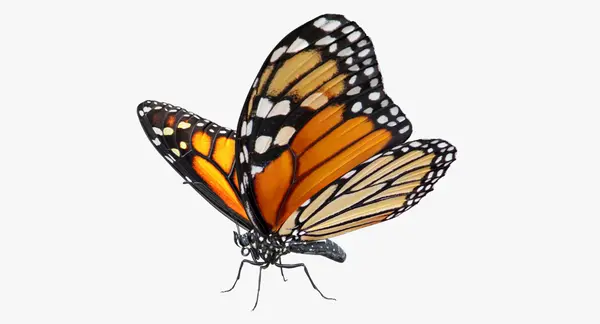
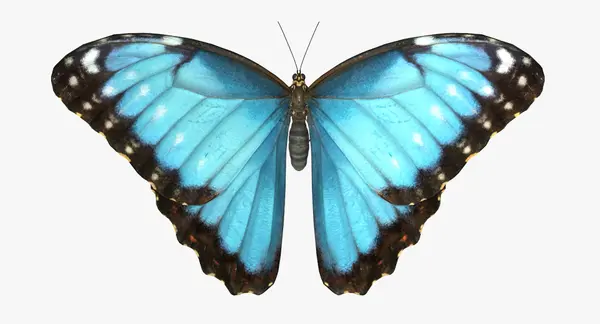
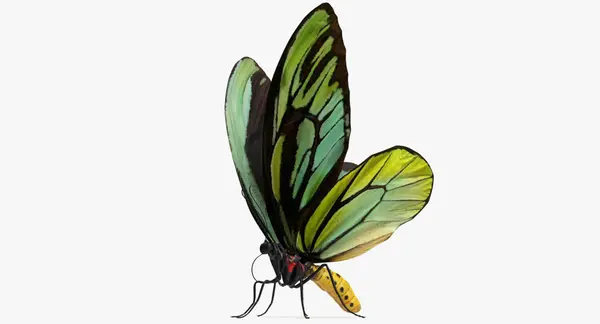
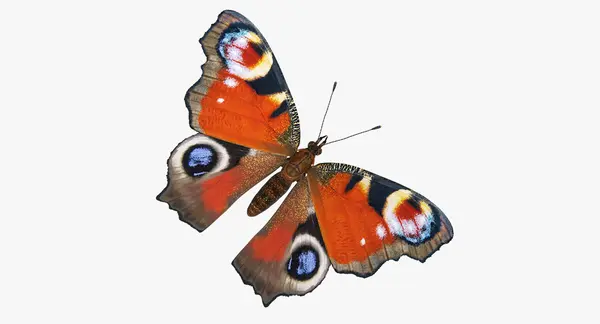
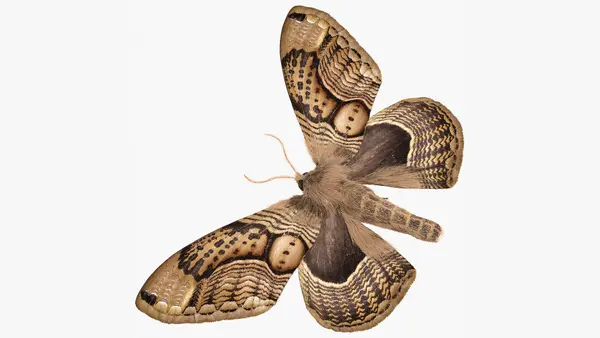
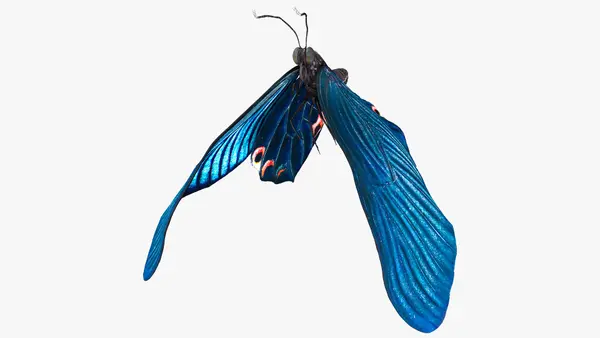
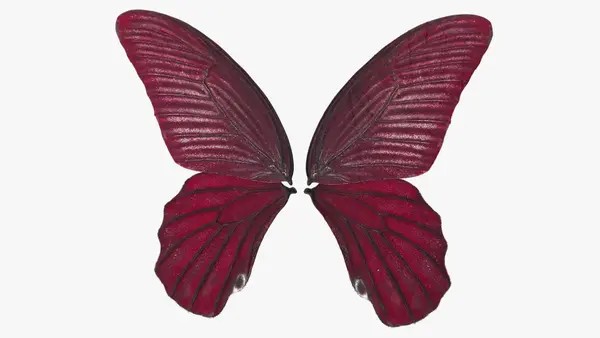
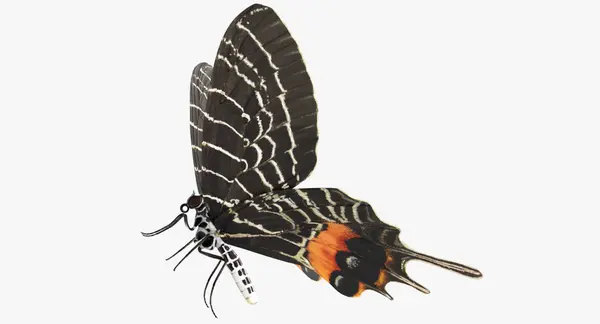
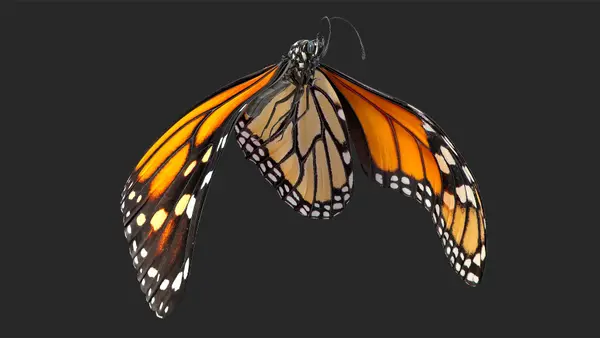
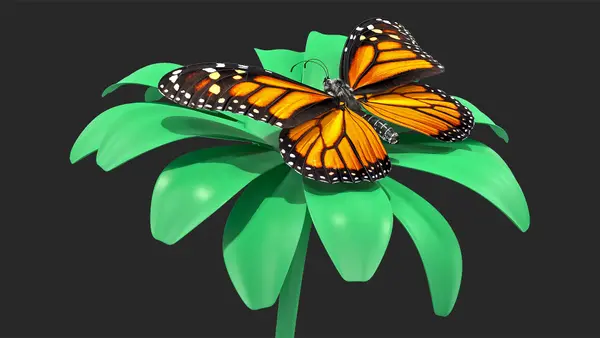
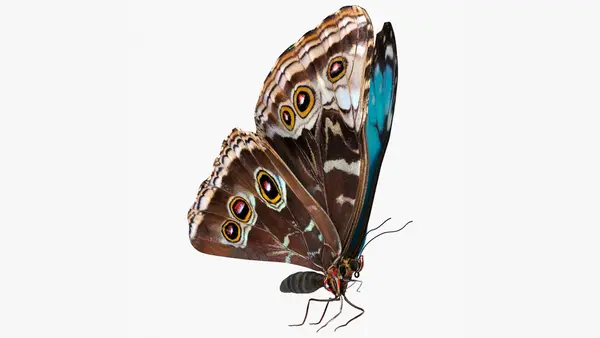
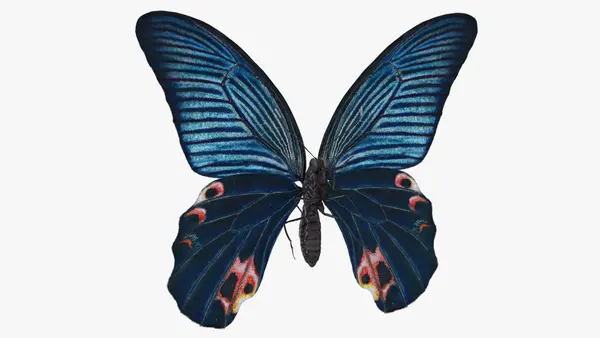
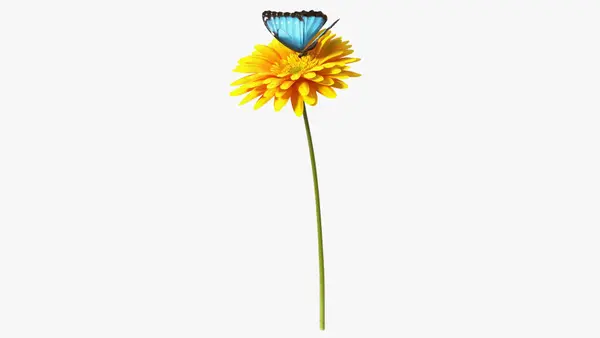
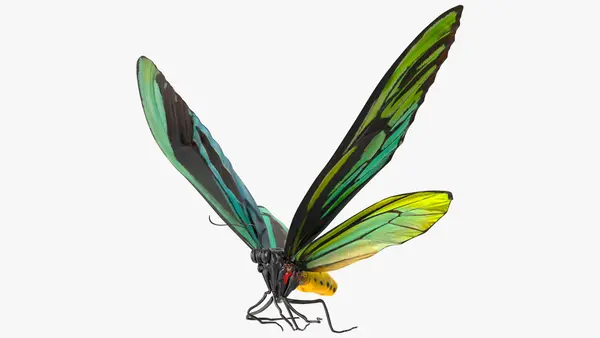
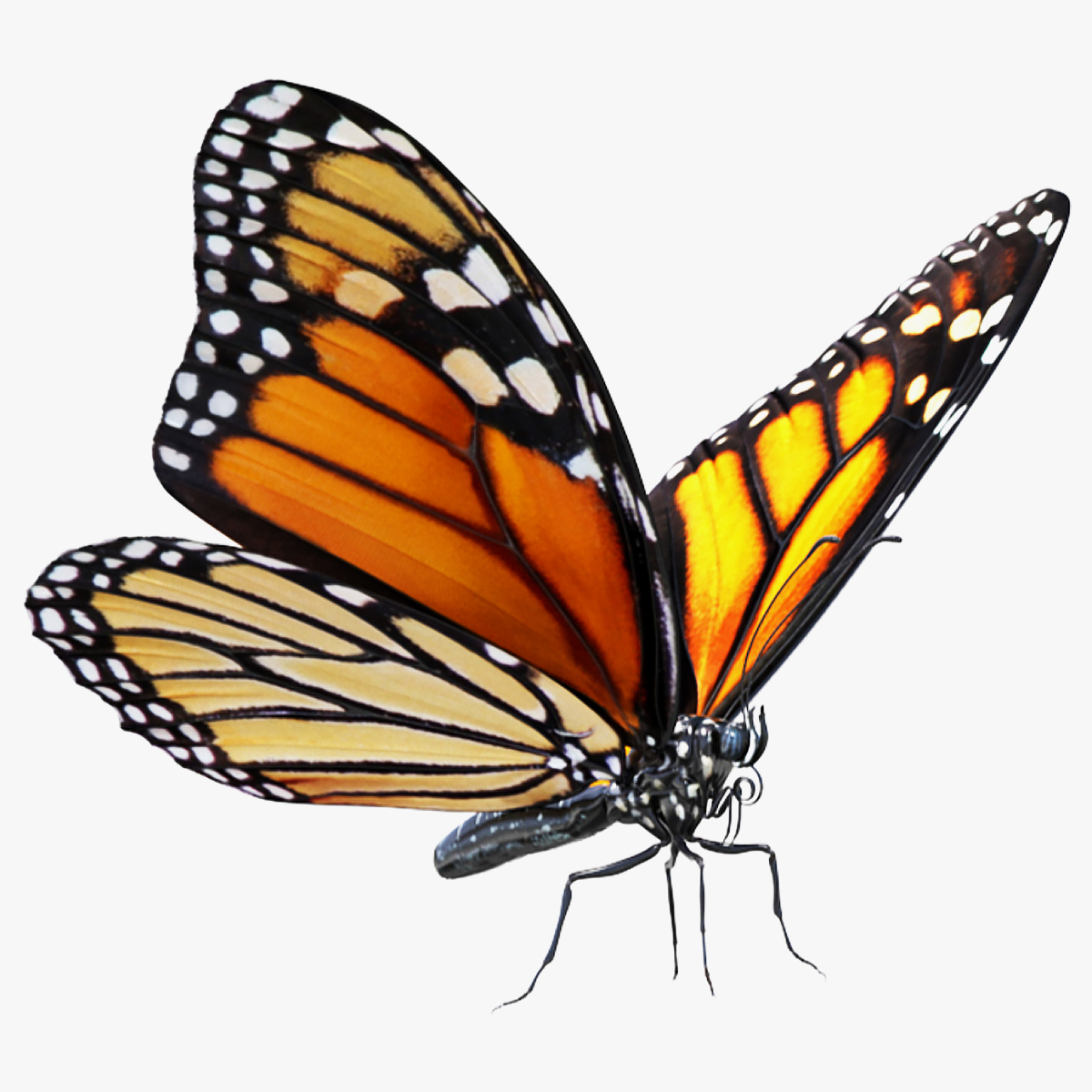
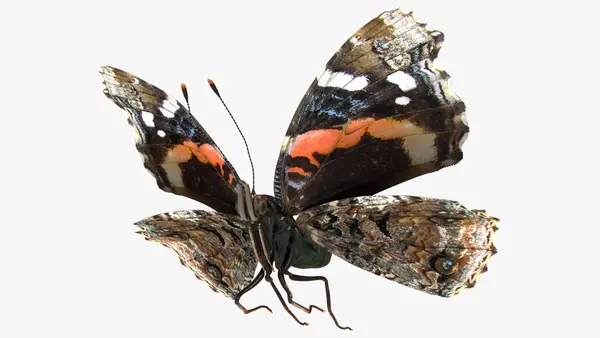
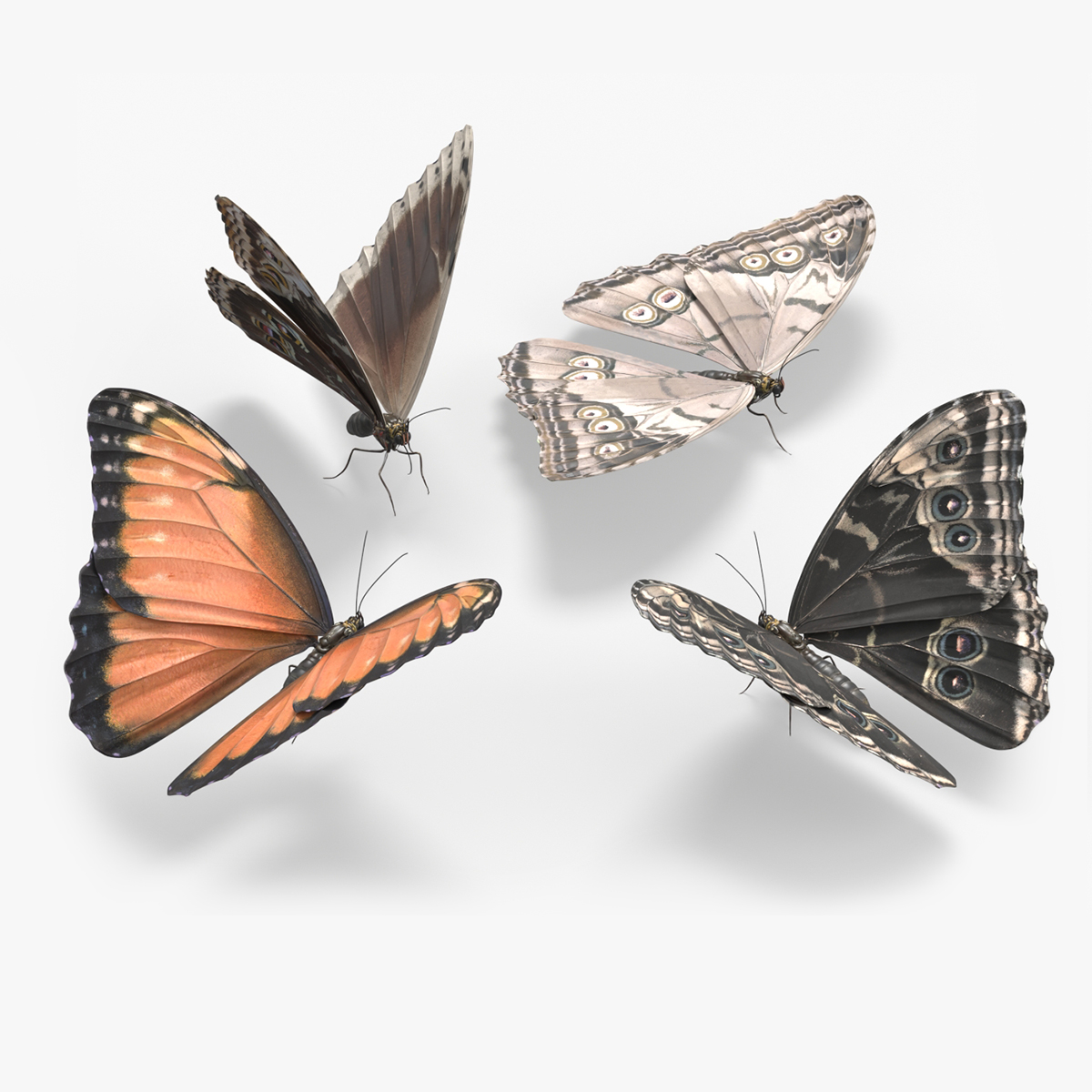
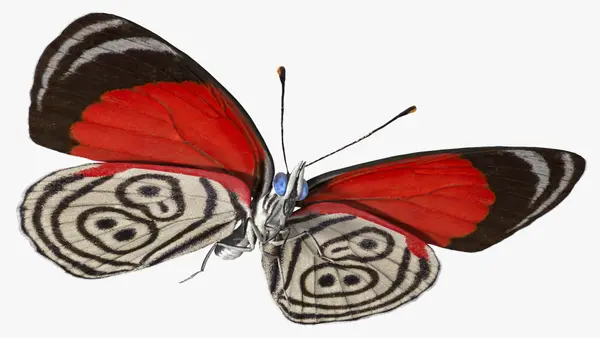
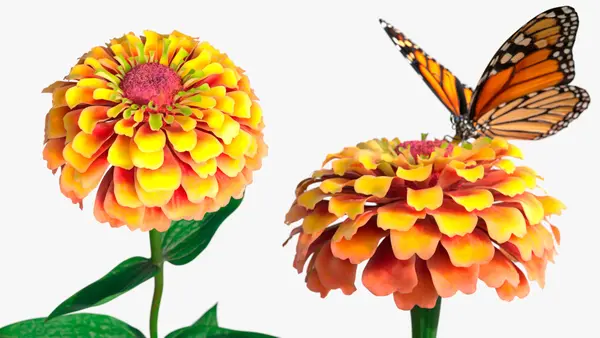
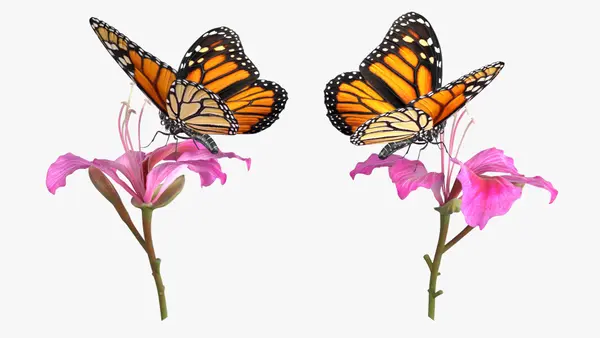
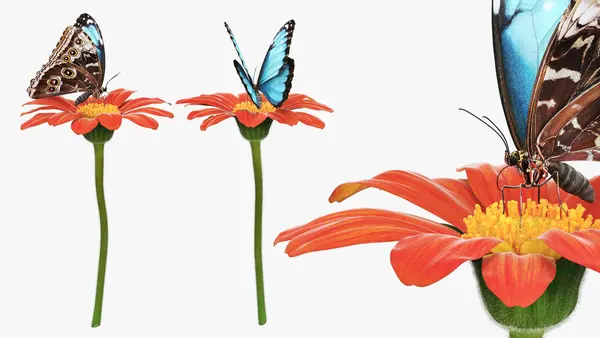
Butterflies are judged by their wings, so the pattern has to be exact. The monarch keeps its orange panels divided by heavy black veins and the black border with two rows of white spots, a warning signal rather than decoration. The blue morpho poses a material problem rather than a texture one: its blue is structural color and shifts toward near black as the viewing angle changes. The birdwing, the largest butterfly in the world, carries StemCell PBR materials so its iridescence survives in a real-time engine. The peacock butterfly uses seven texture sheets down to the blue scales inside each eyespot.
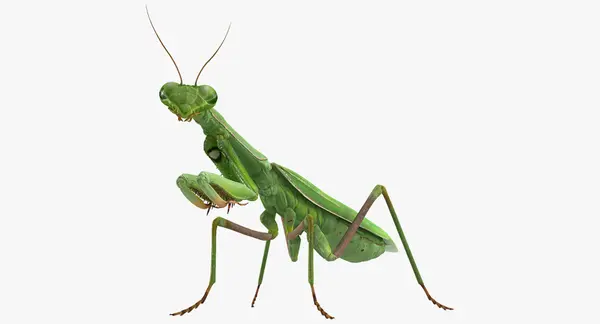
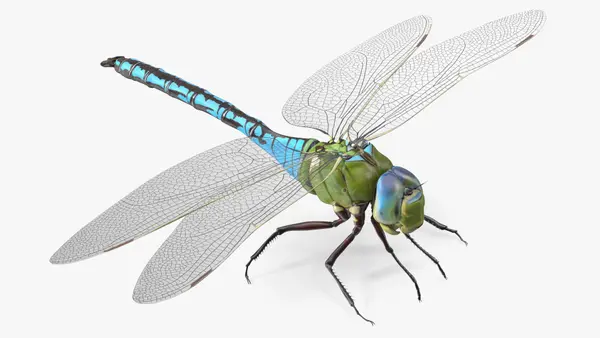
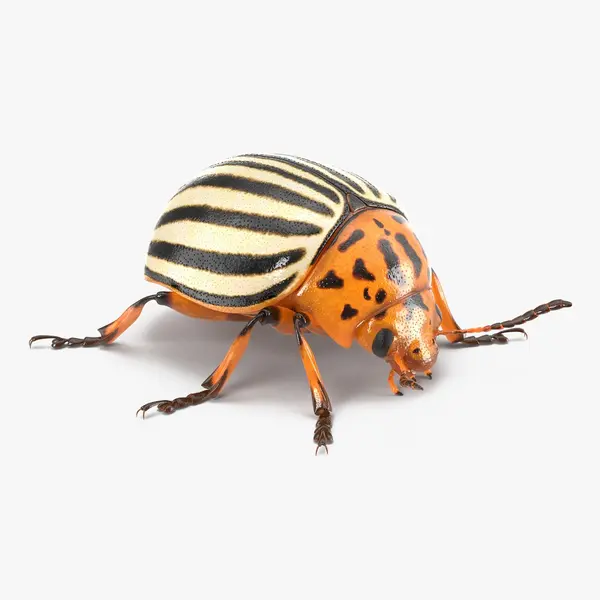
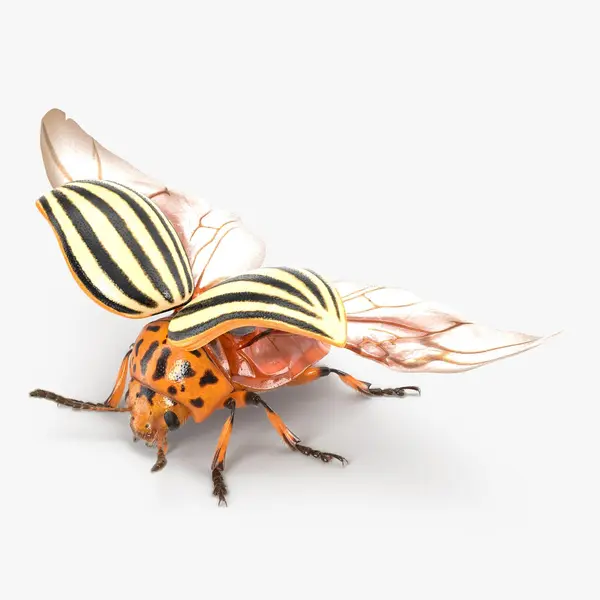
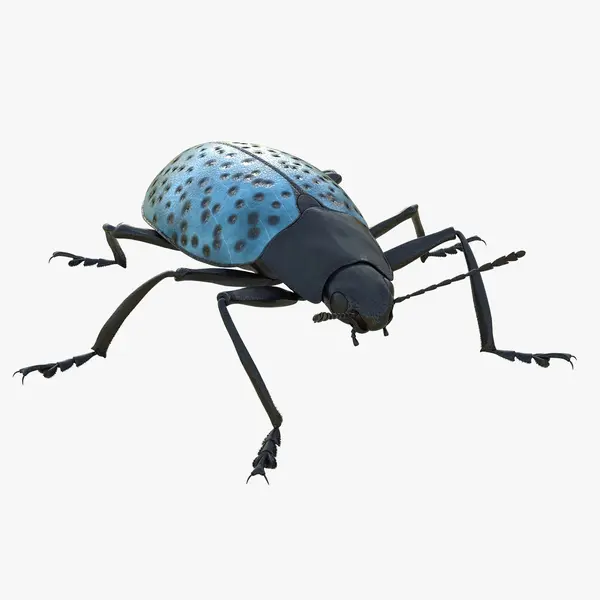
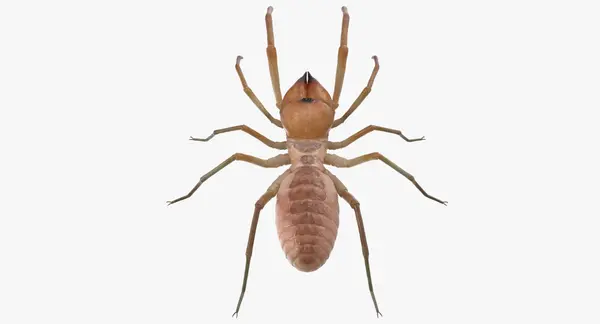
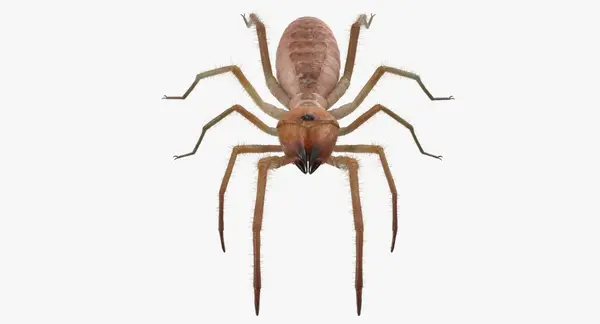
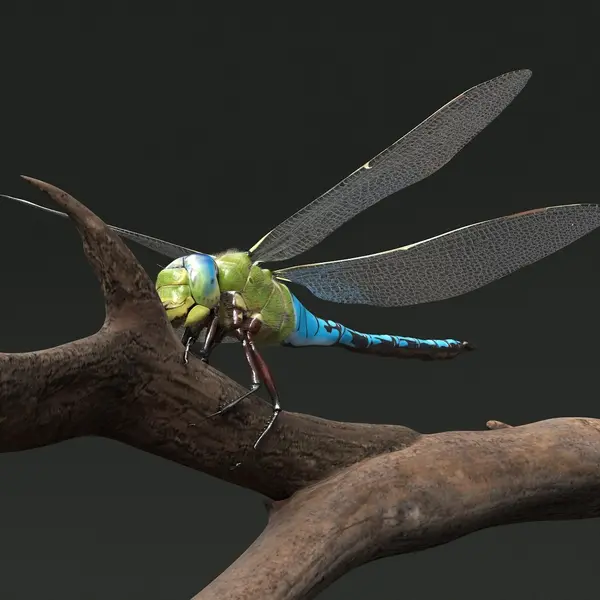
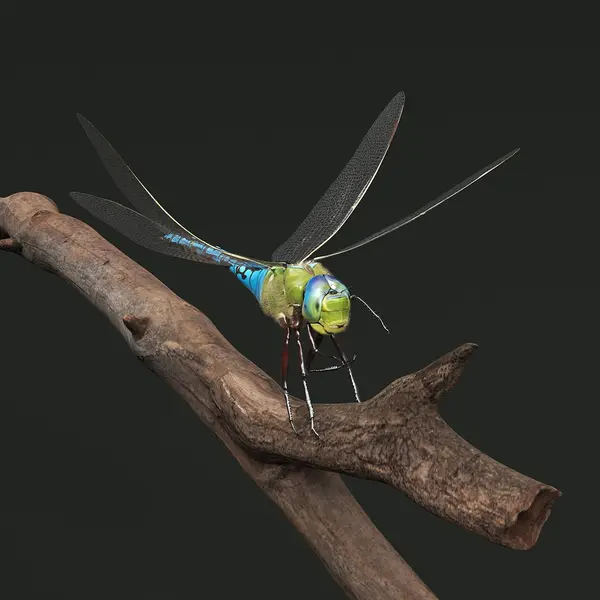
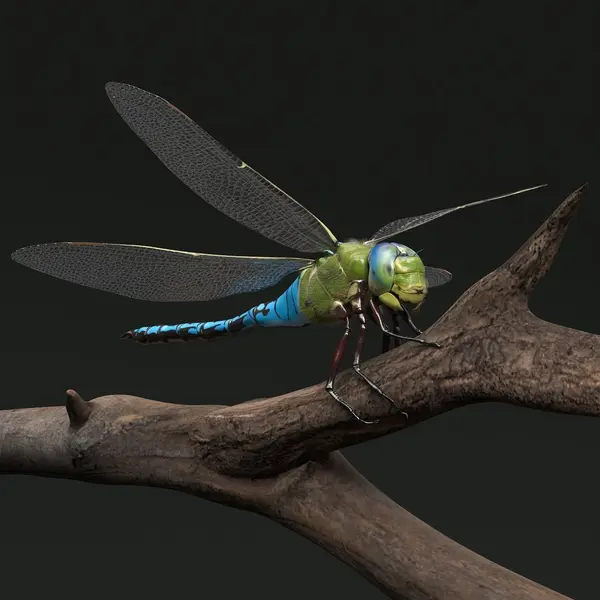
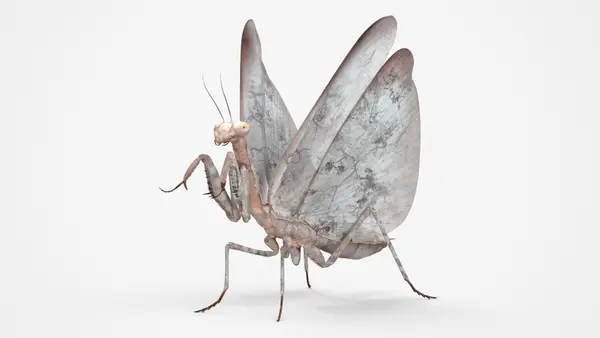
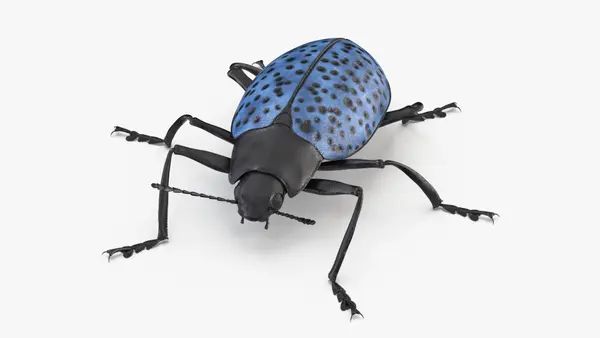
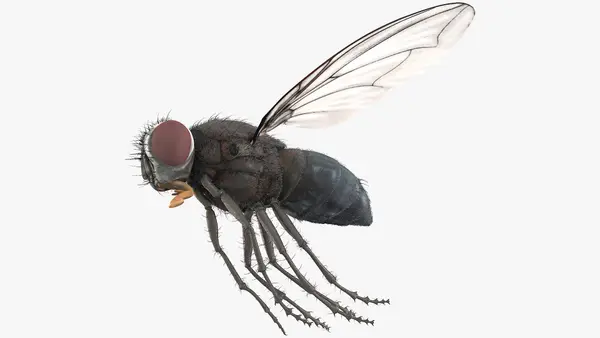
Predators and pests are built around their working parts. The European mantis spends its 20,352 polygons on spined raptorial forelegs, the detail that makes it read as a hunter, with ten maps for chitin, wing veins and compound eyes. The dragonfly's veined wings catch light like stained glass over water, the potato beetle comes in two builds for farming and science content, and the camel spider is offered plain and with fur.
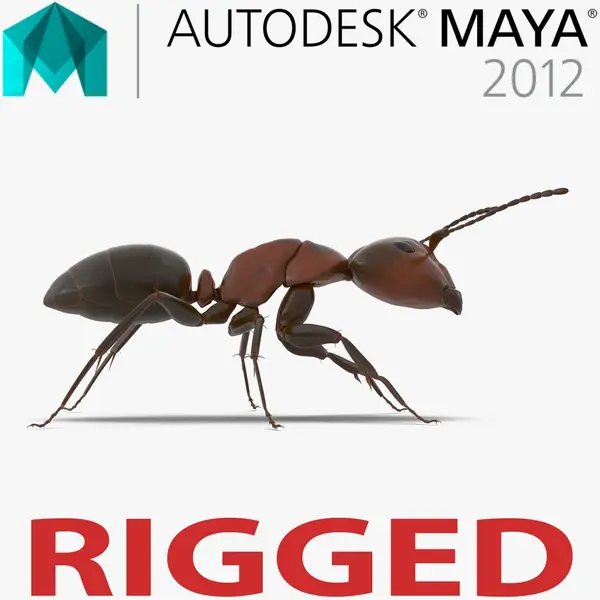
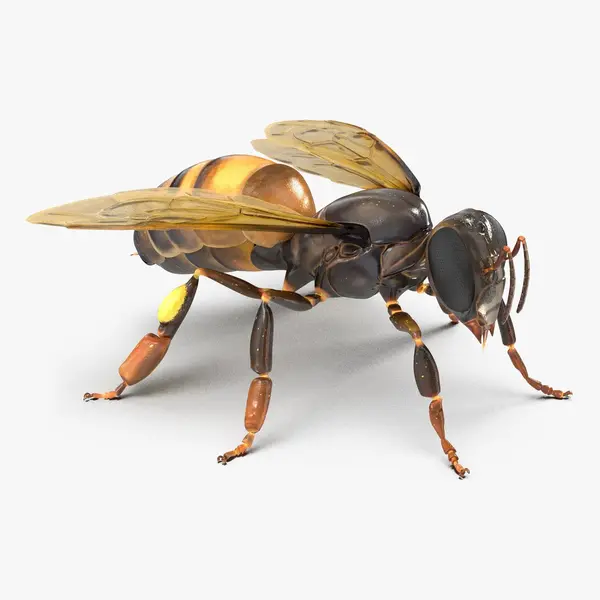
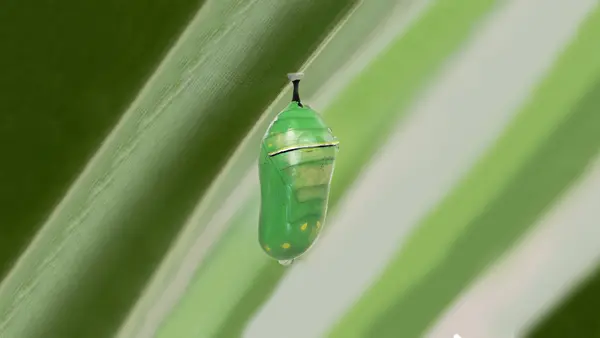
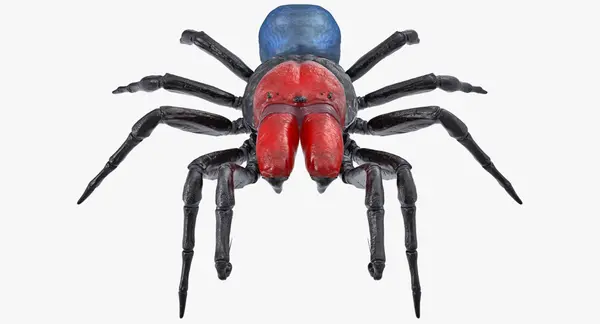
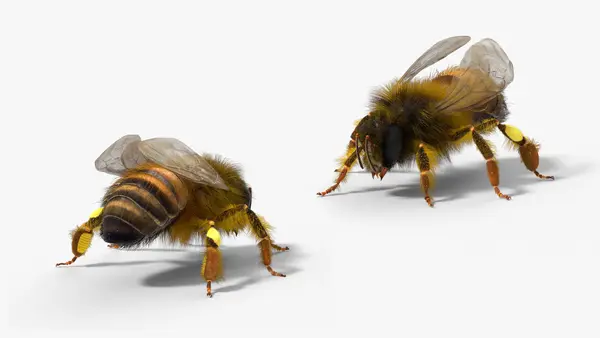
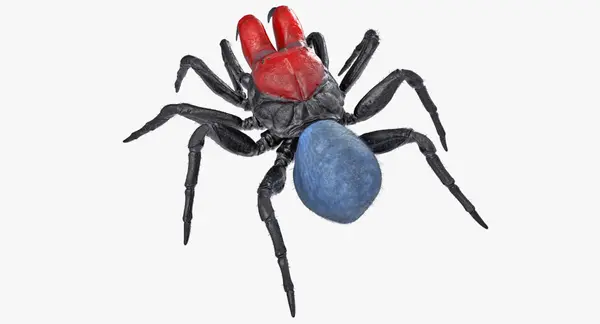
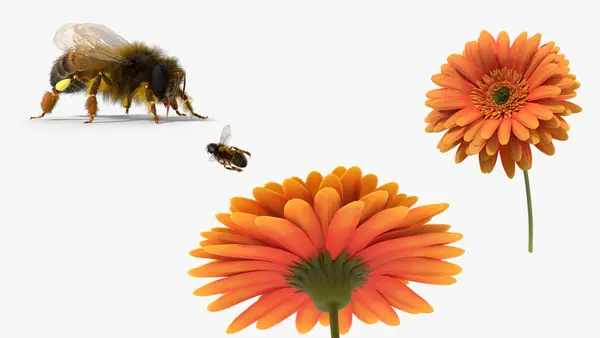
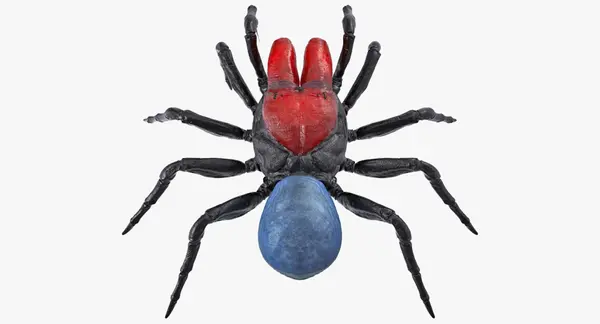
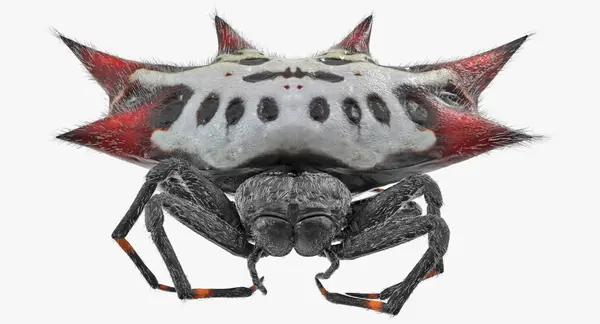
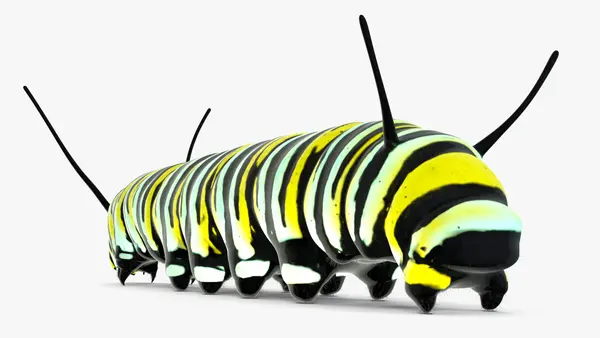
An ant is read by its gait, and a gait is rig work. That is why rigged pieces matter among these Animals & Creatures: a red ant, a swallowtail flapping its wings, a mouse spider with fur and an animated honey bee. The monarch chrysalis needs only 420 polygons. They fit nature documentaries, educational animation, pollination and pest explainers, and garden scenes.