Missile & Rocket 3D Models
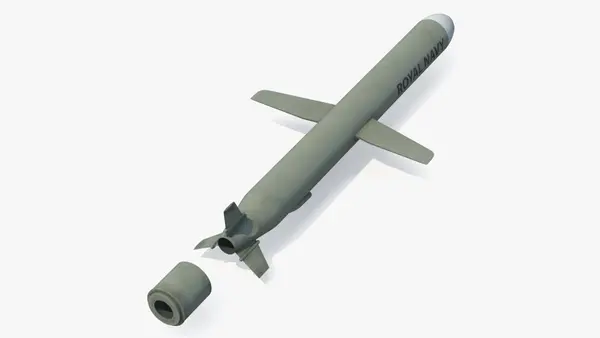
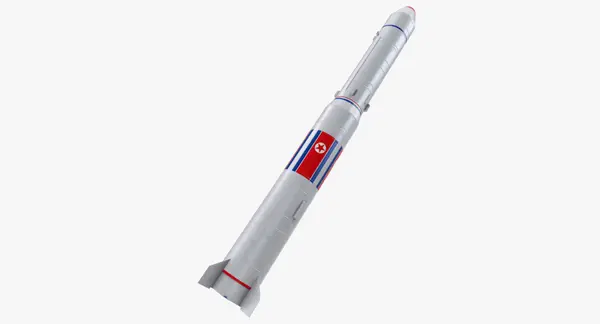
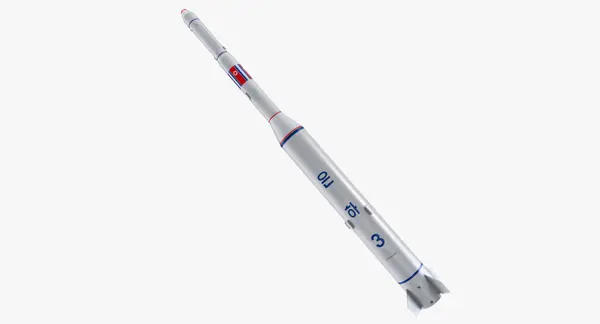
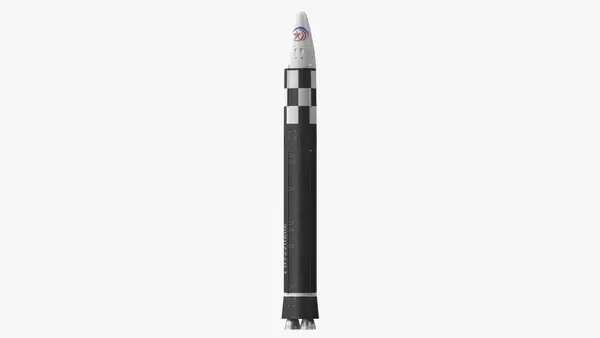
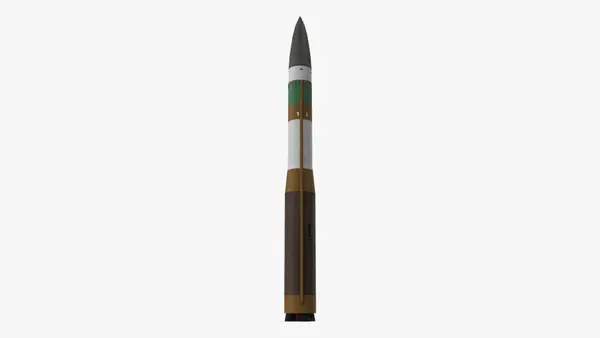
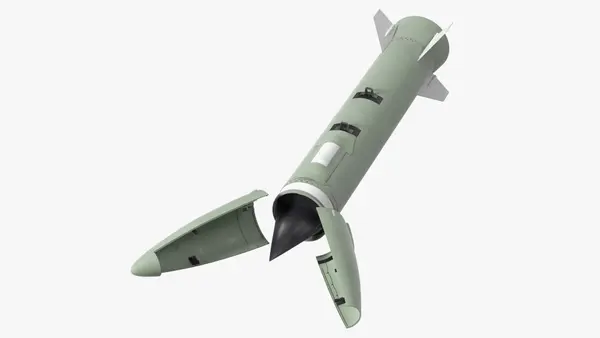
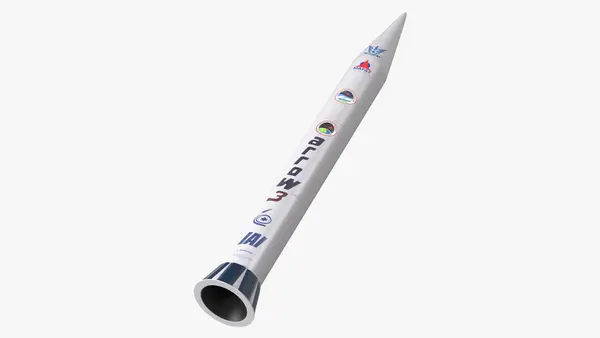
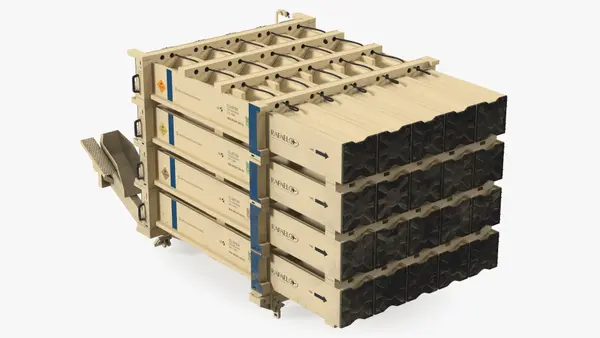
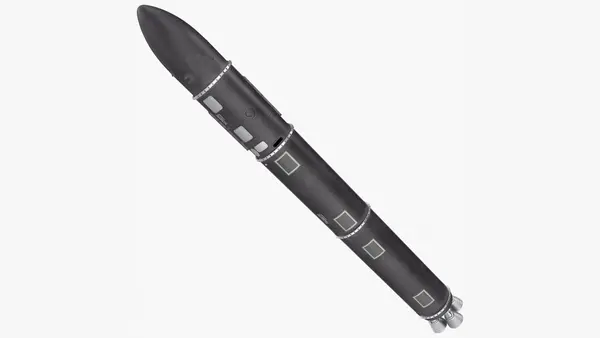
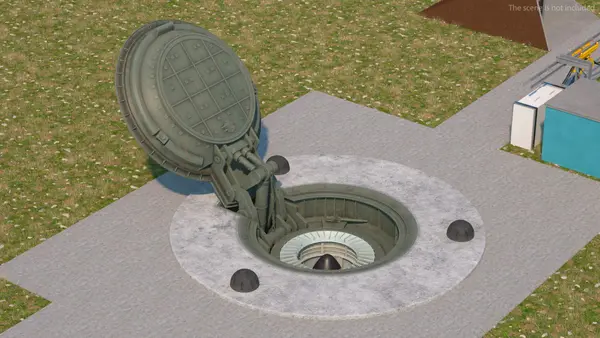
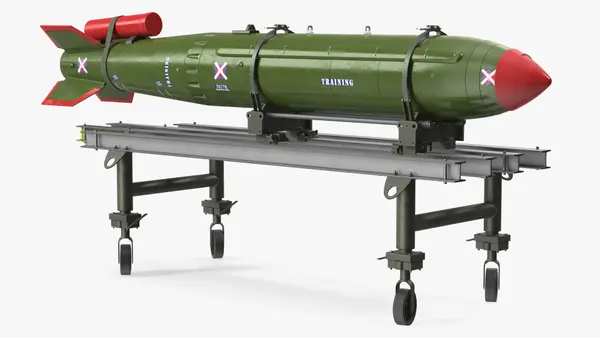
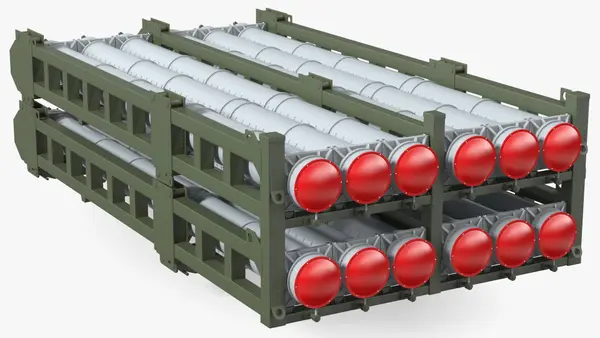
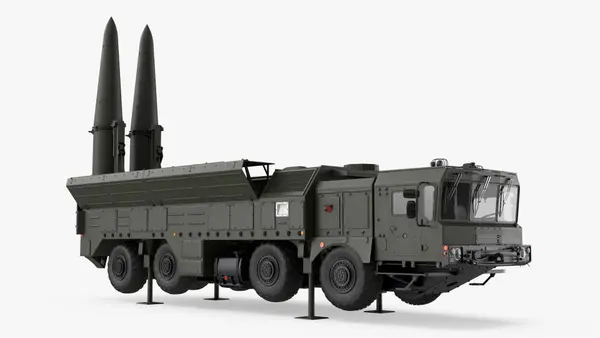
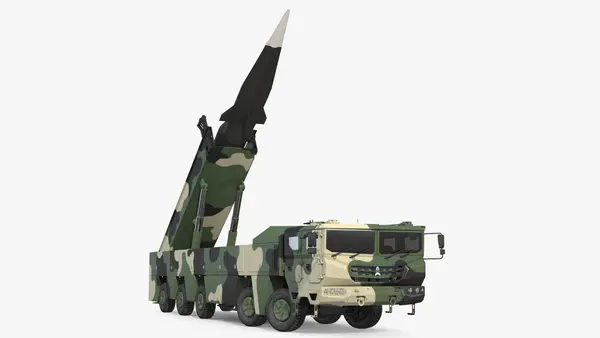
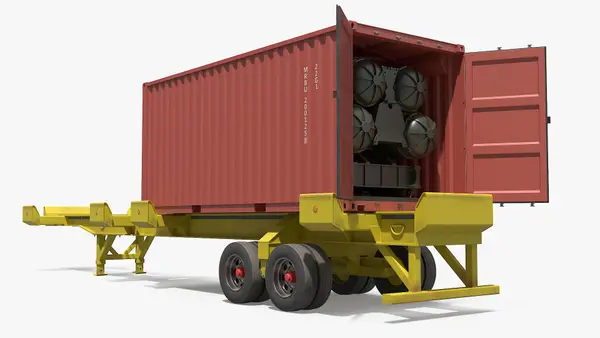
Missiles and rockets as hardware for documentaries, museums, games and simulation: anti-ship and air-launched cruise missiles, ballistic and interceptor missiles, shoulder-launched systems with their sights and tripods, and rocket-propelled grenade rounds. Launch equipment fills the rest, from deck canister launchers to truck and tracked air defense launchers and a missile on its transporter trailer.

About Missile & Rocket 3D Models
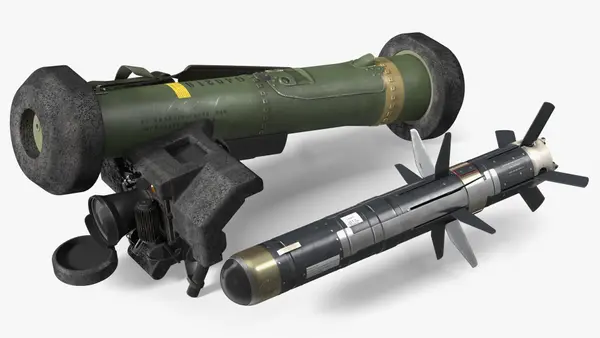
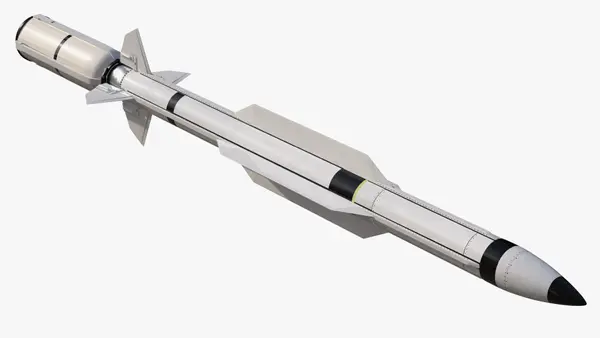
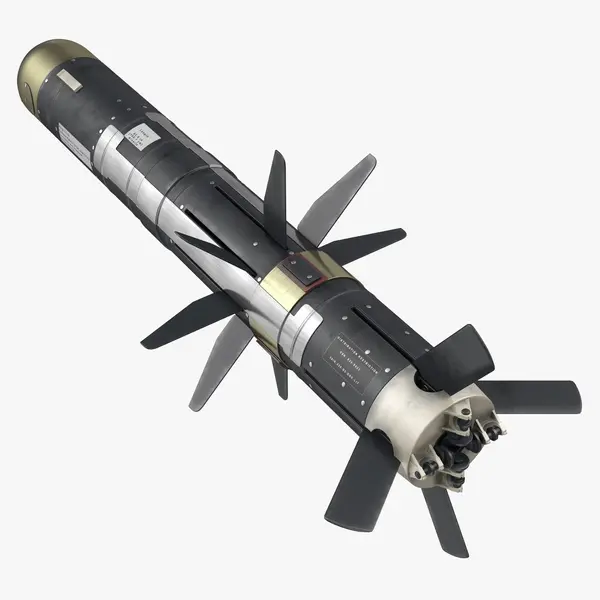
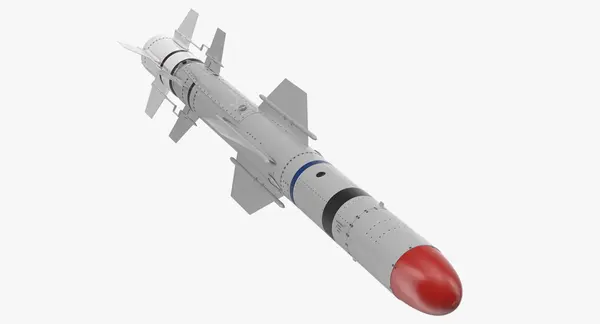
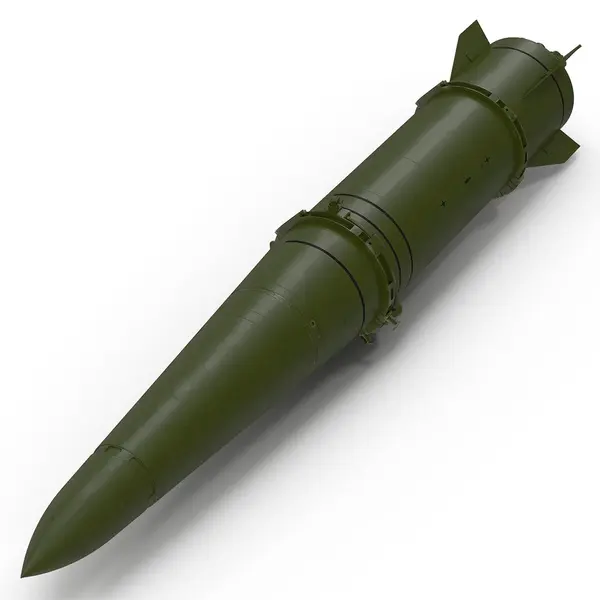
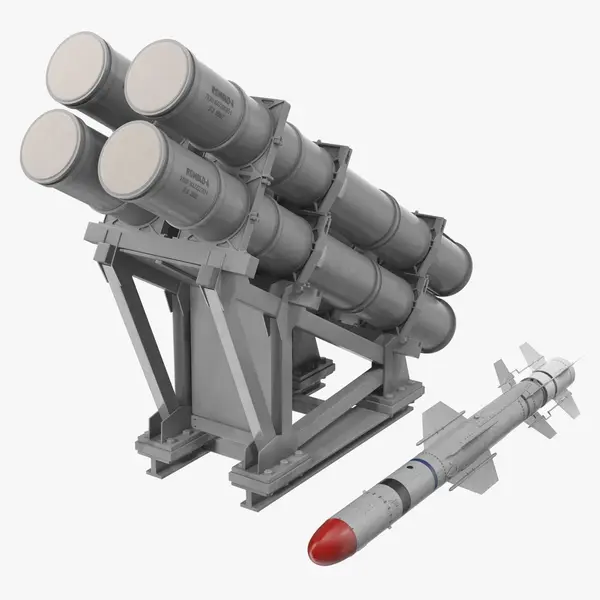
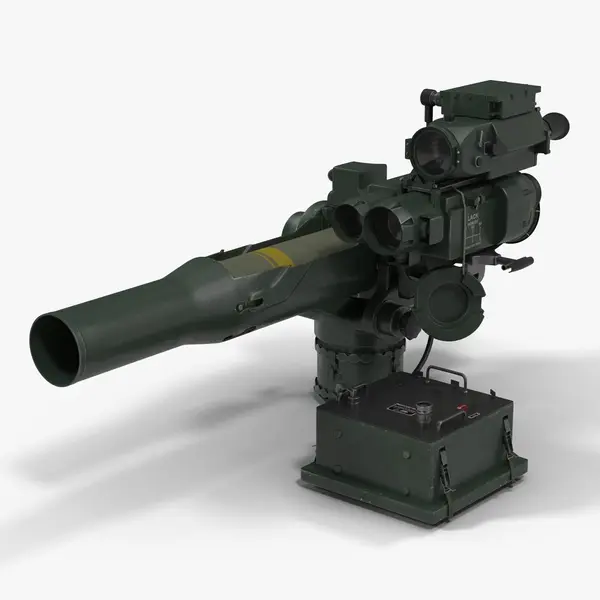
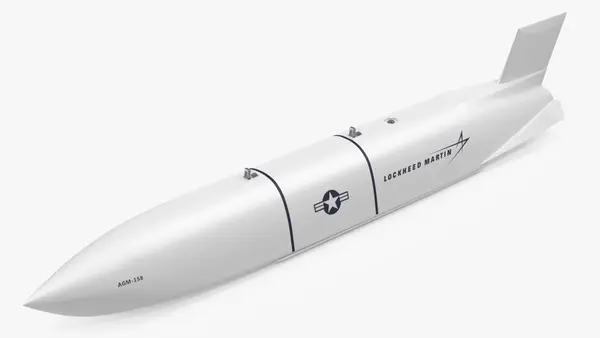
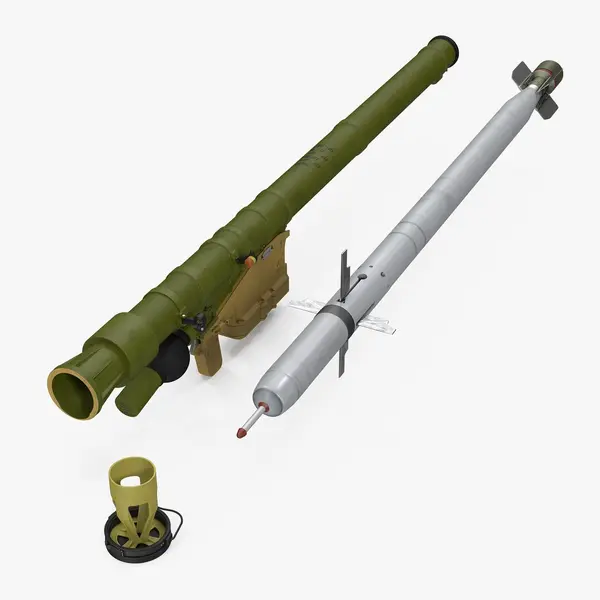
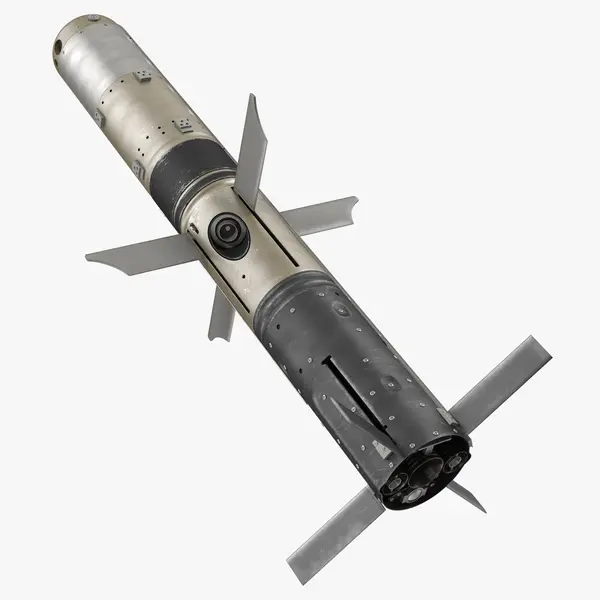
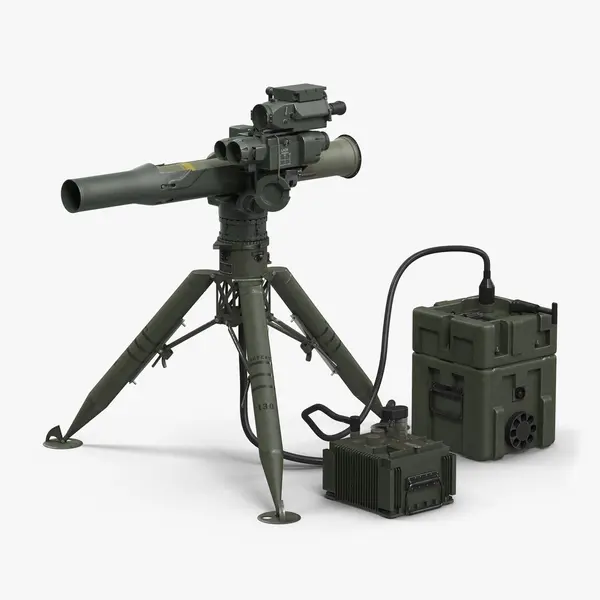
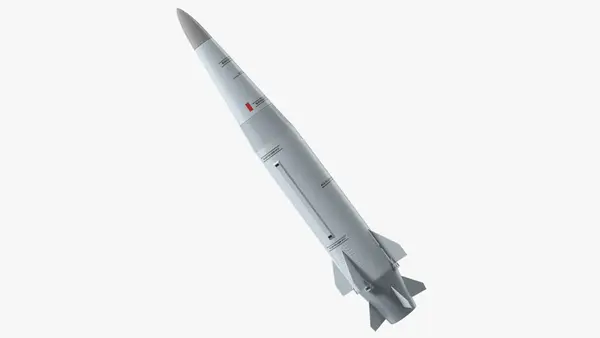
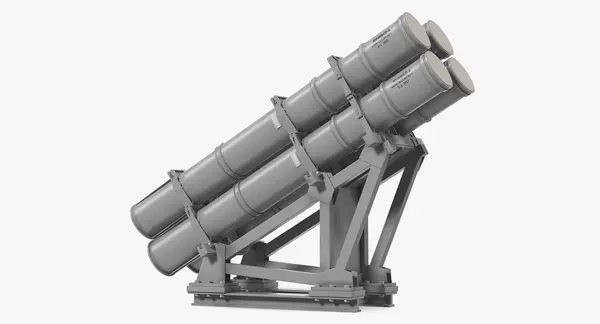
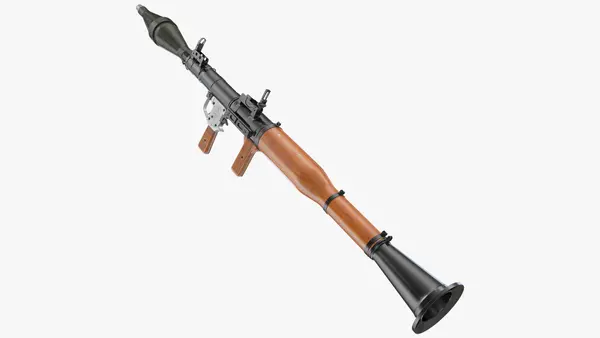
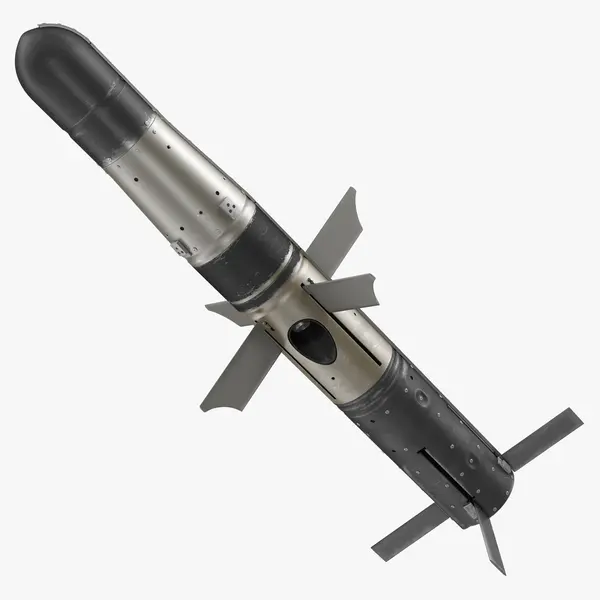
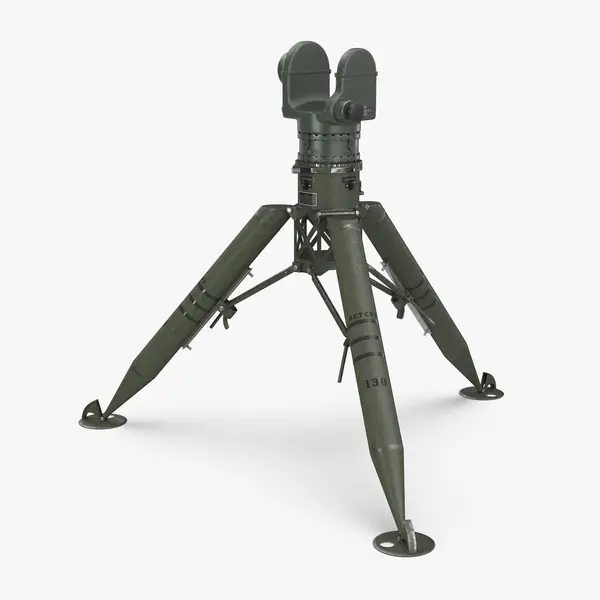
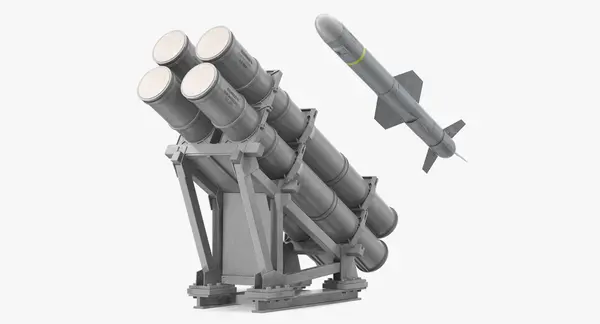
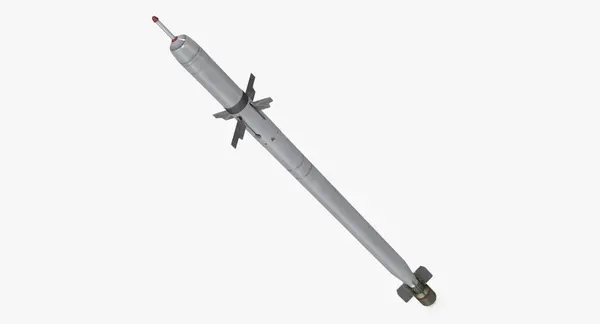
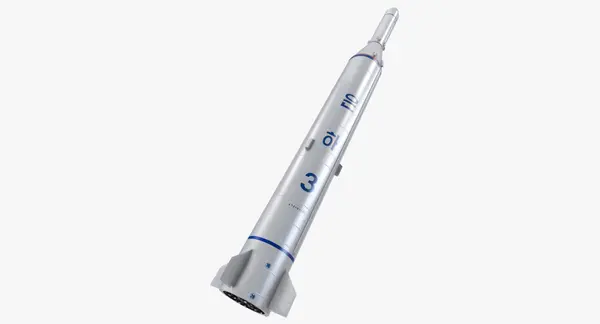
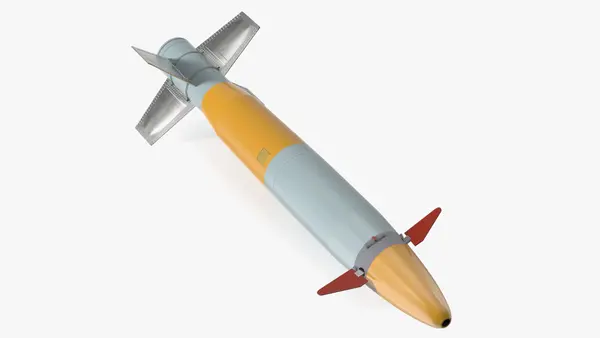
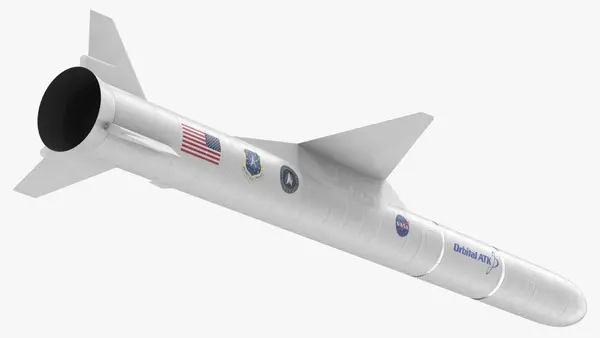
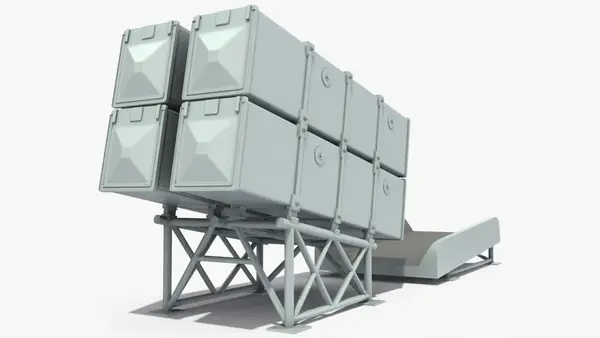
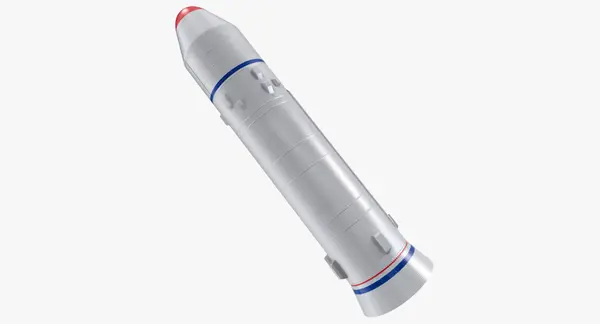
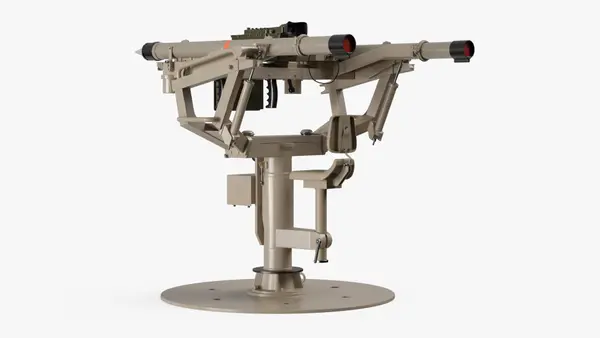
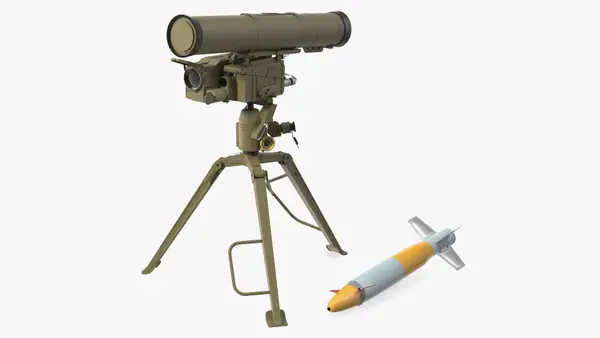
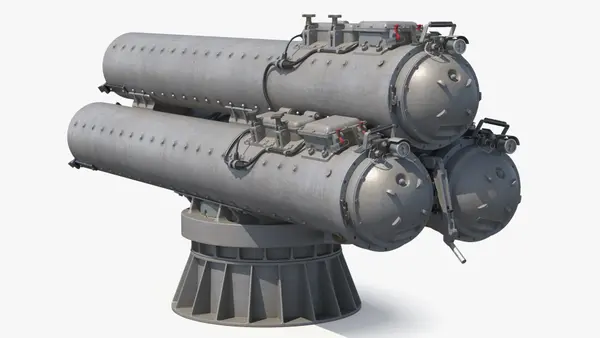
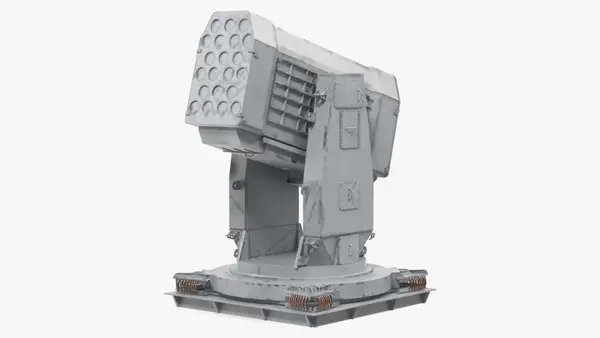
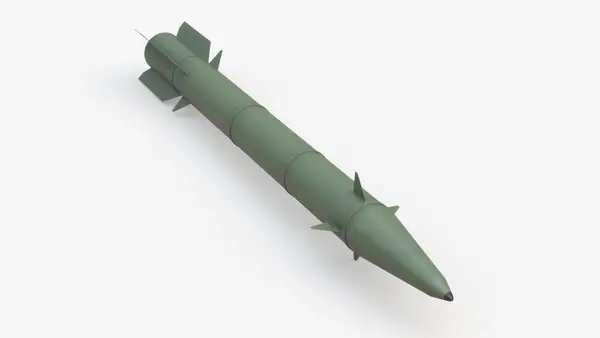
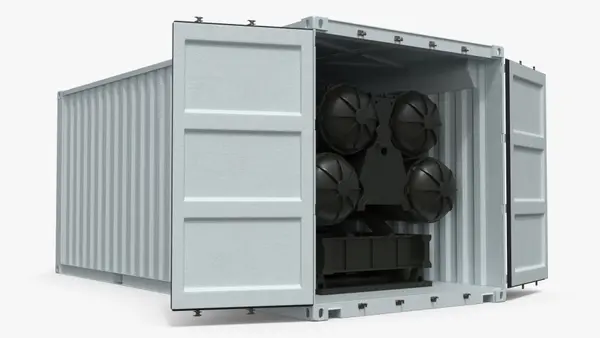
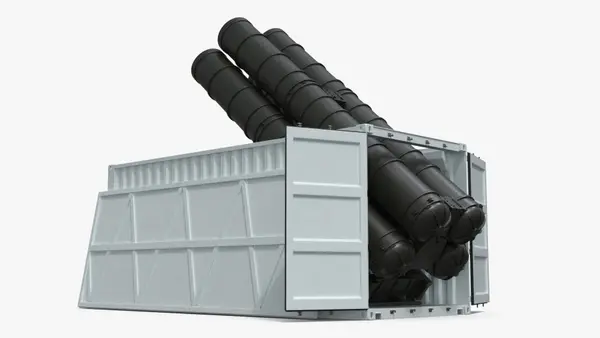
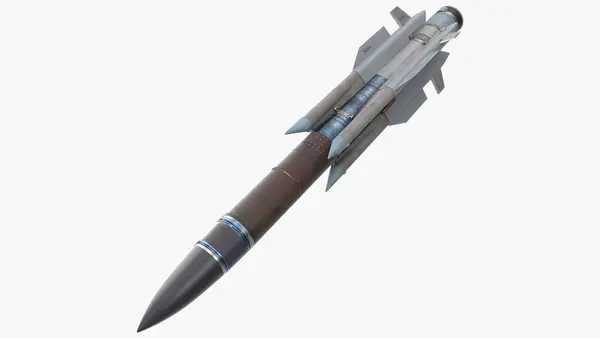
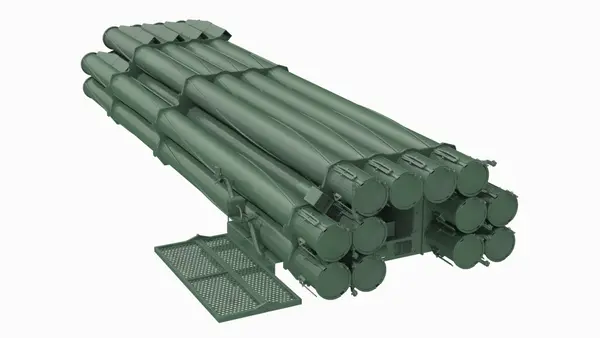
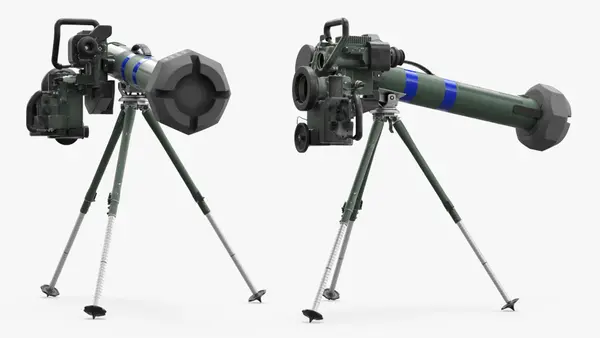
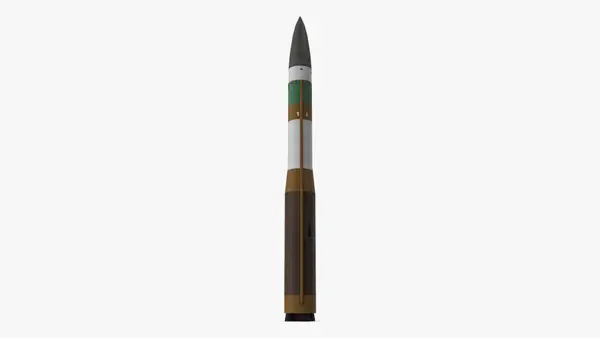
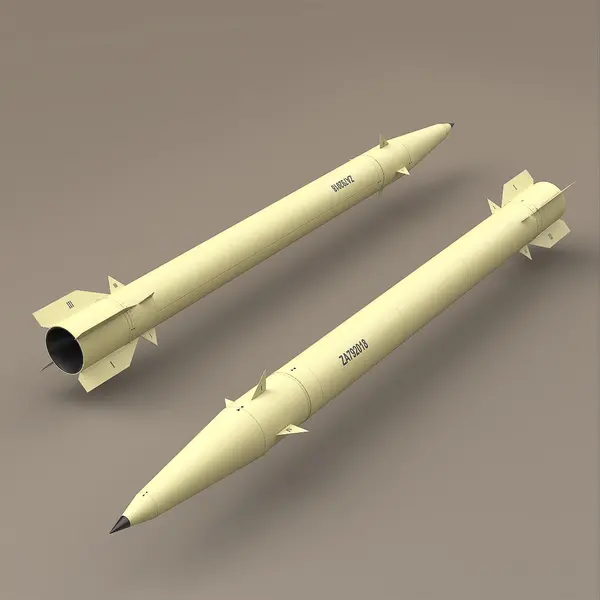
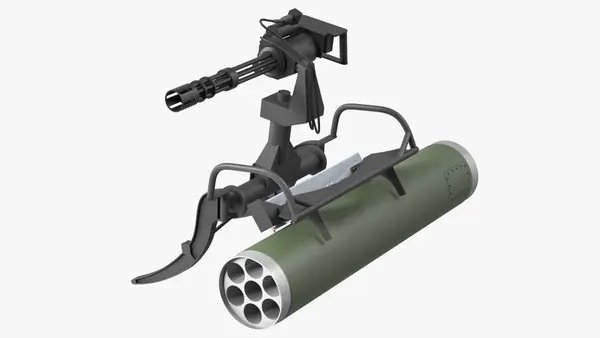
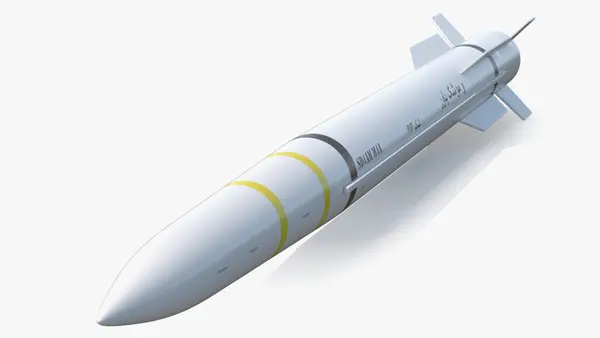
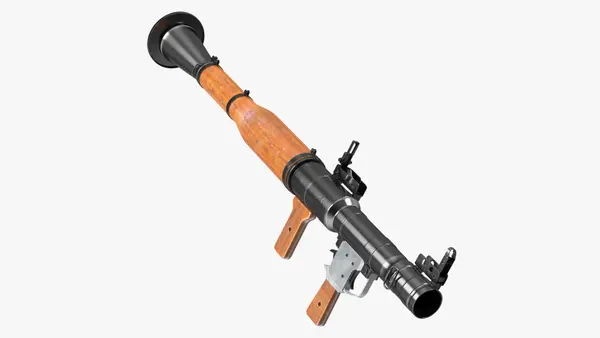
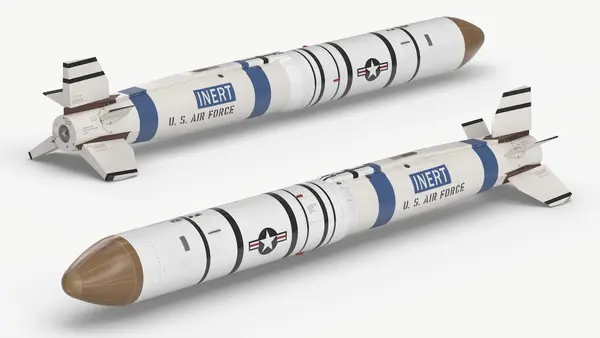
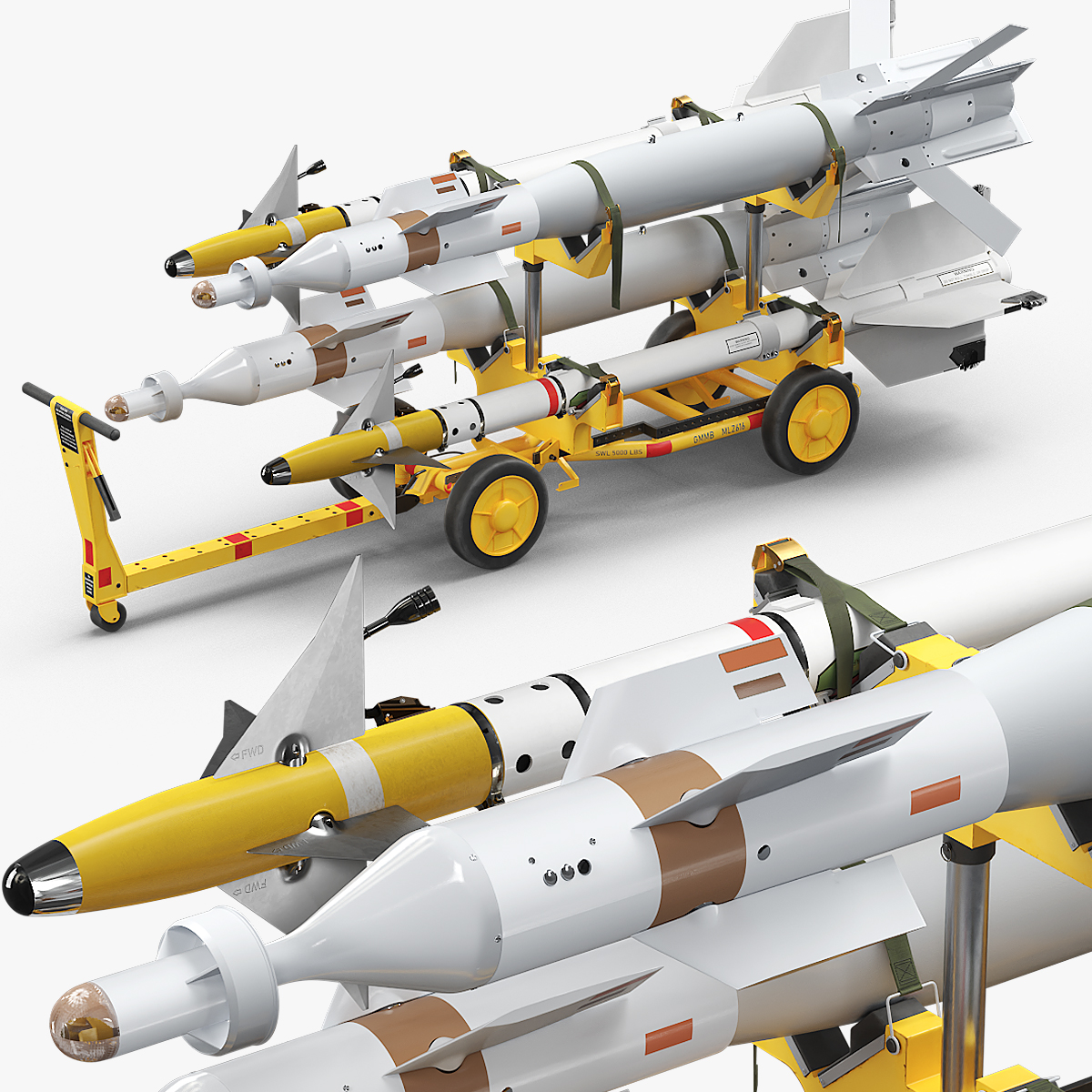
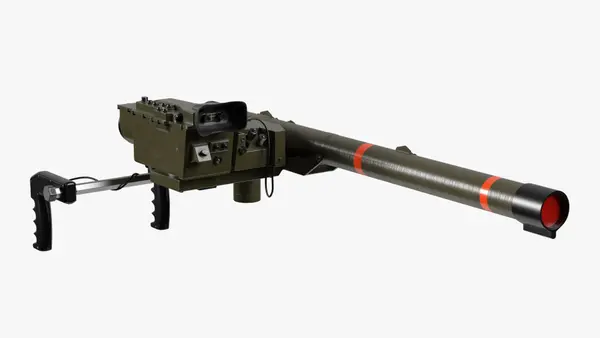
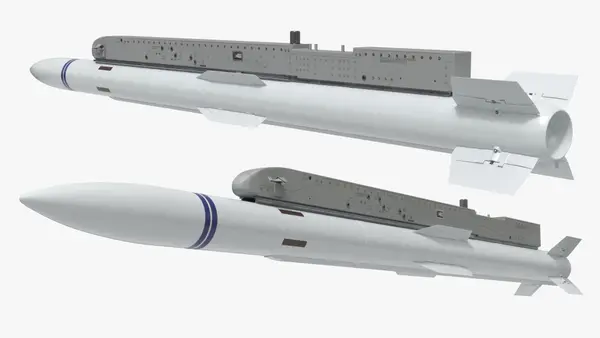
Most missiles are bodies of revolution, so faceting on a nose cone shows at once. One surface-to-air missile is built with subdivision geometry for that reason, with the fins, booster seam and seeker section modeled. A naval deck launcher is a set of angled canisters bolted to the deck and deliberately nothing more, textured with 24 maps at 4096 x 4096. An air-launched hypersonic weapon is mostly booster: a rocket stage accelerates it, then a wedge-shaped glide body separates. A shoulder-launched anti-tank set of 199,825 polygons includes the launch tube, command unit, sight, tripod and the missile itself.
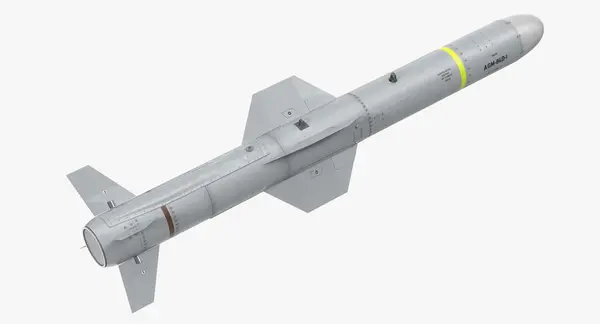
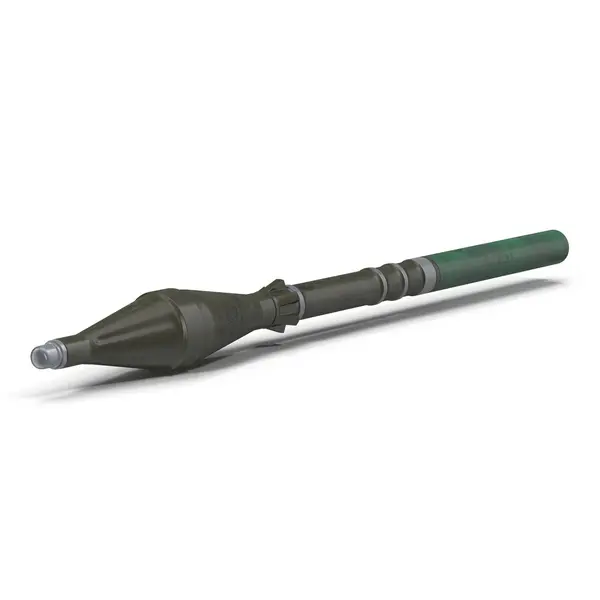
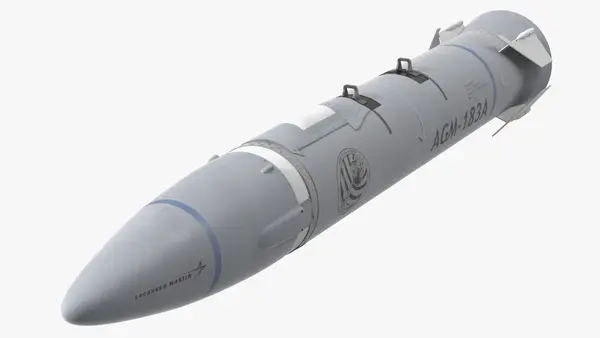
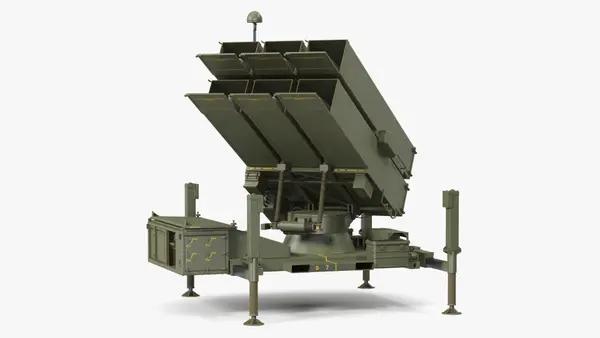
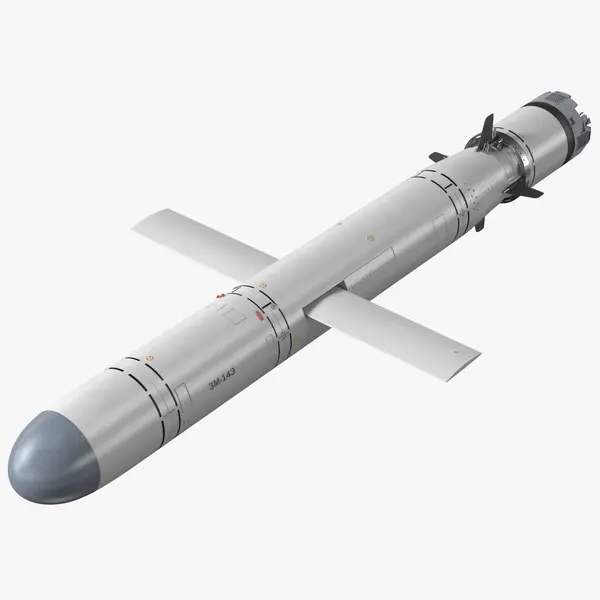
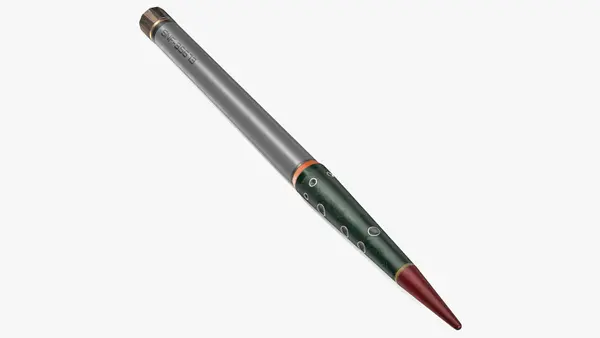
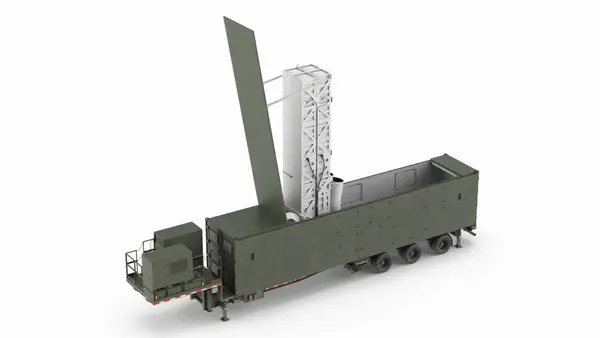
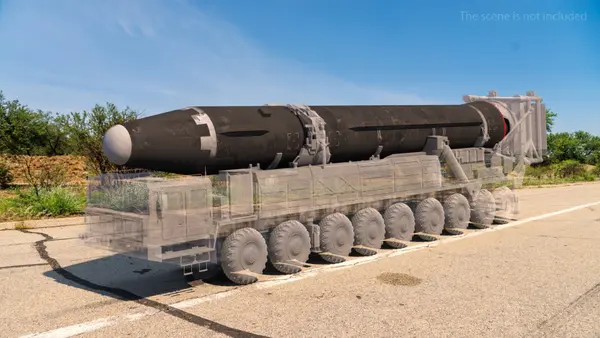
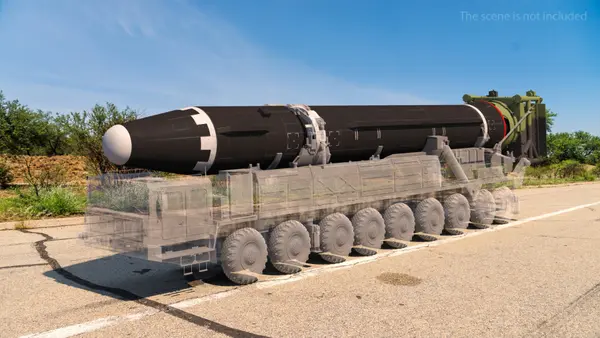
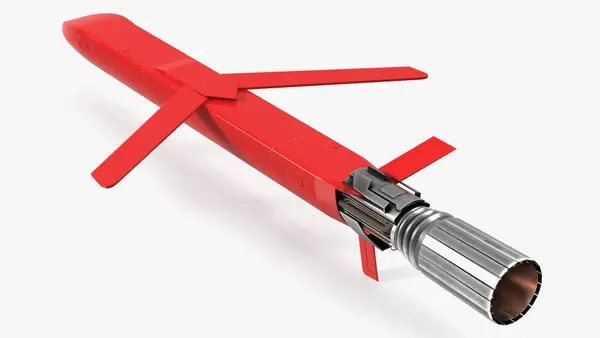
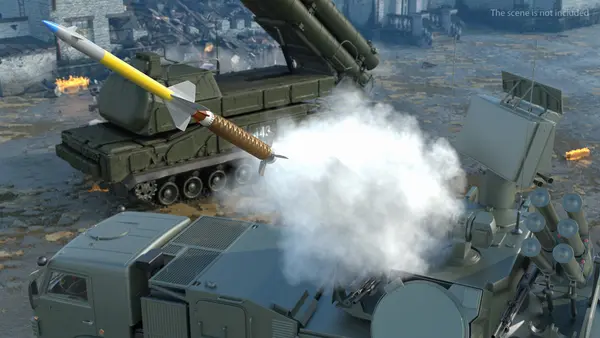
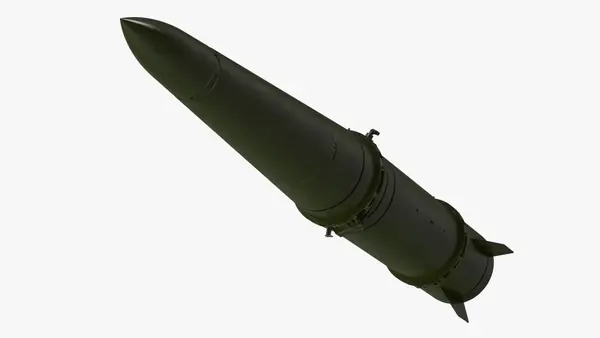
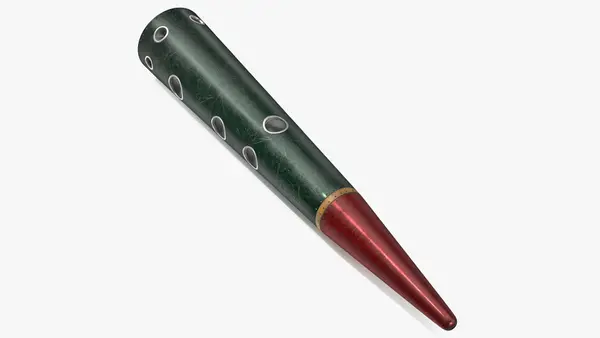
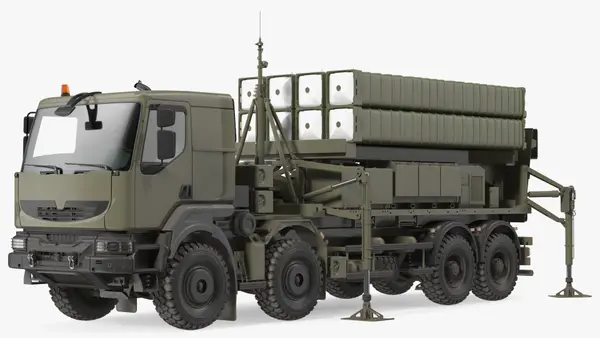
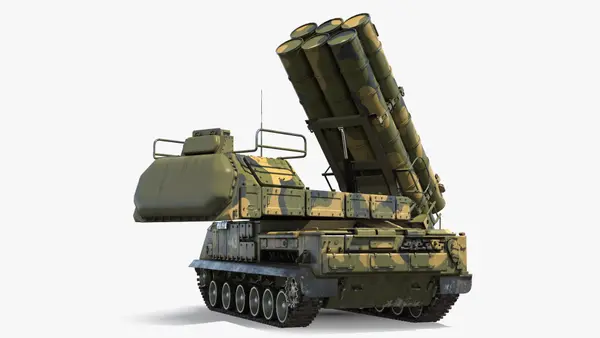
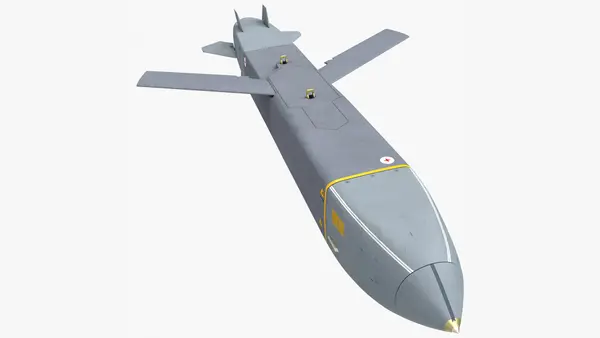
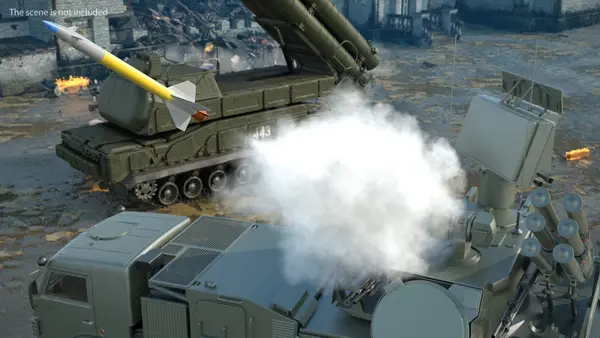
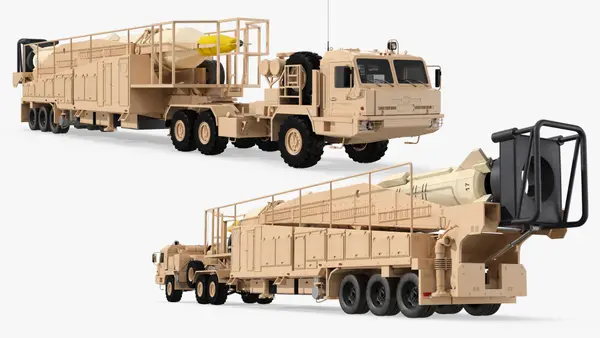
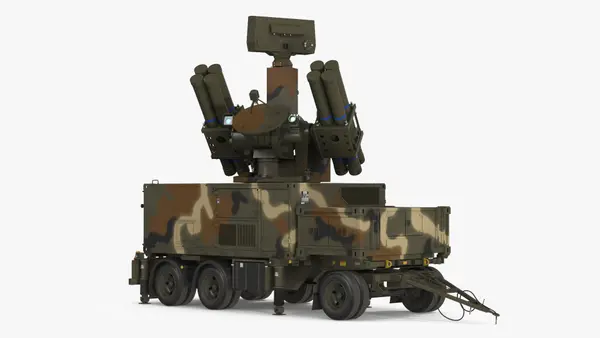
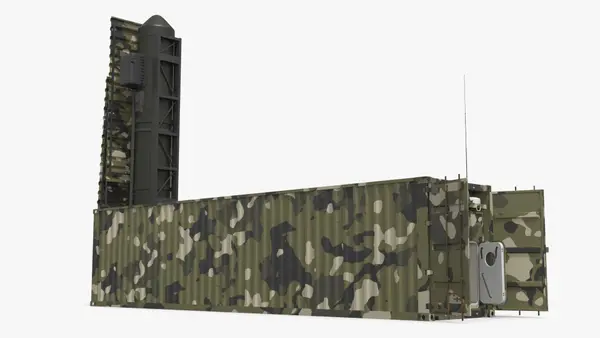
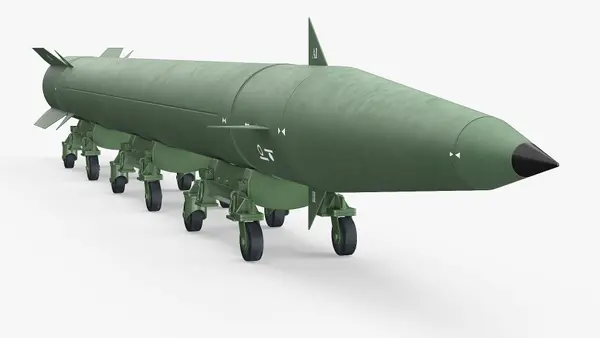
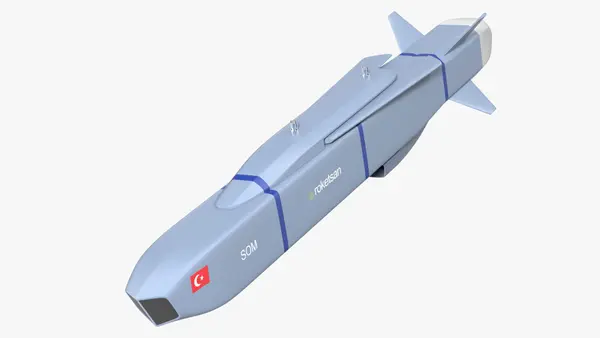
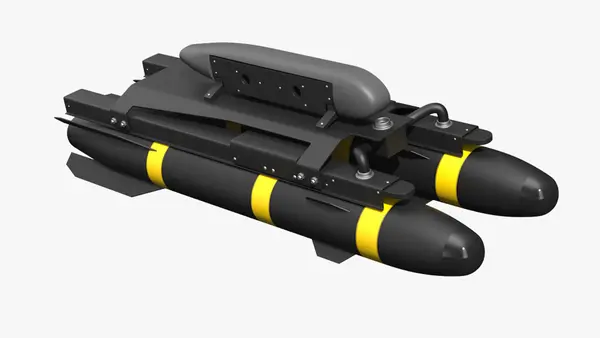
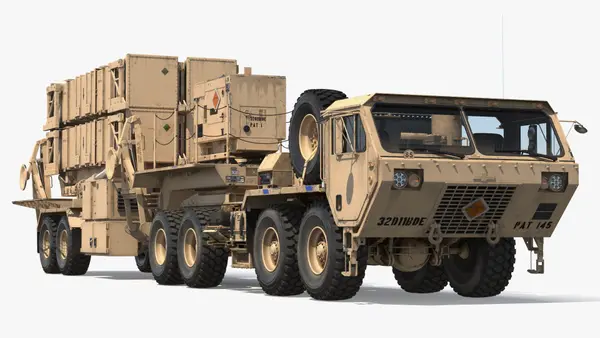
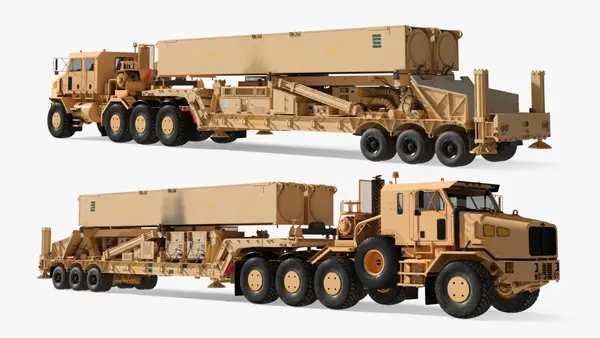
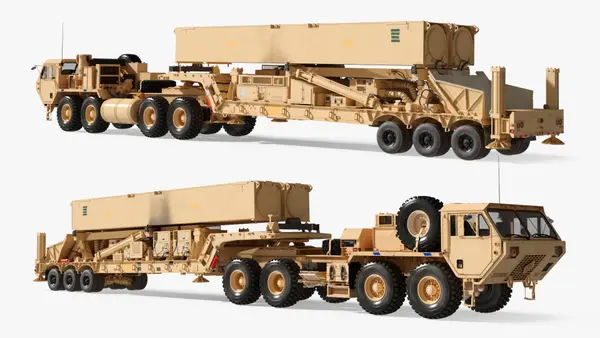
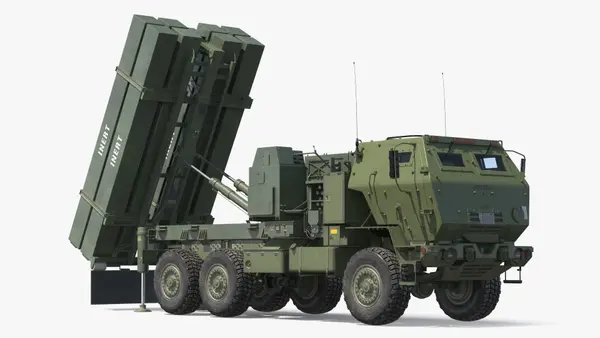
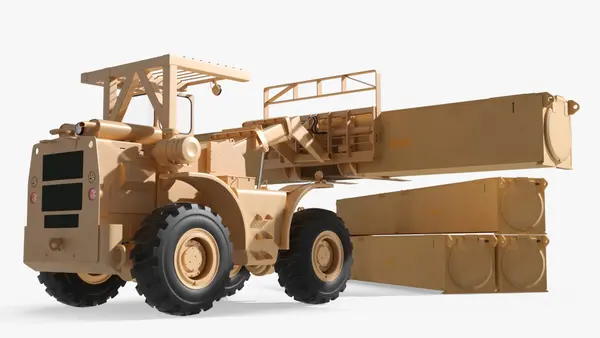
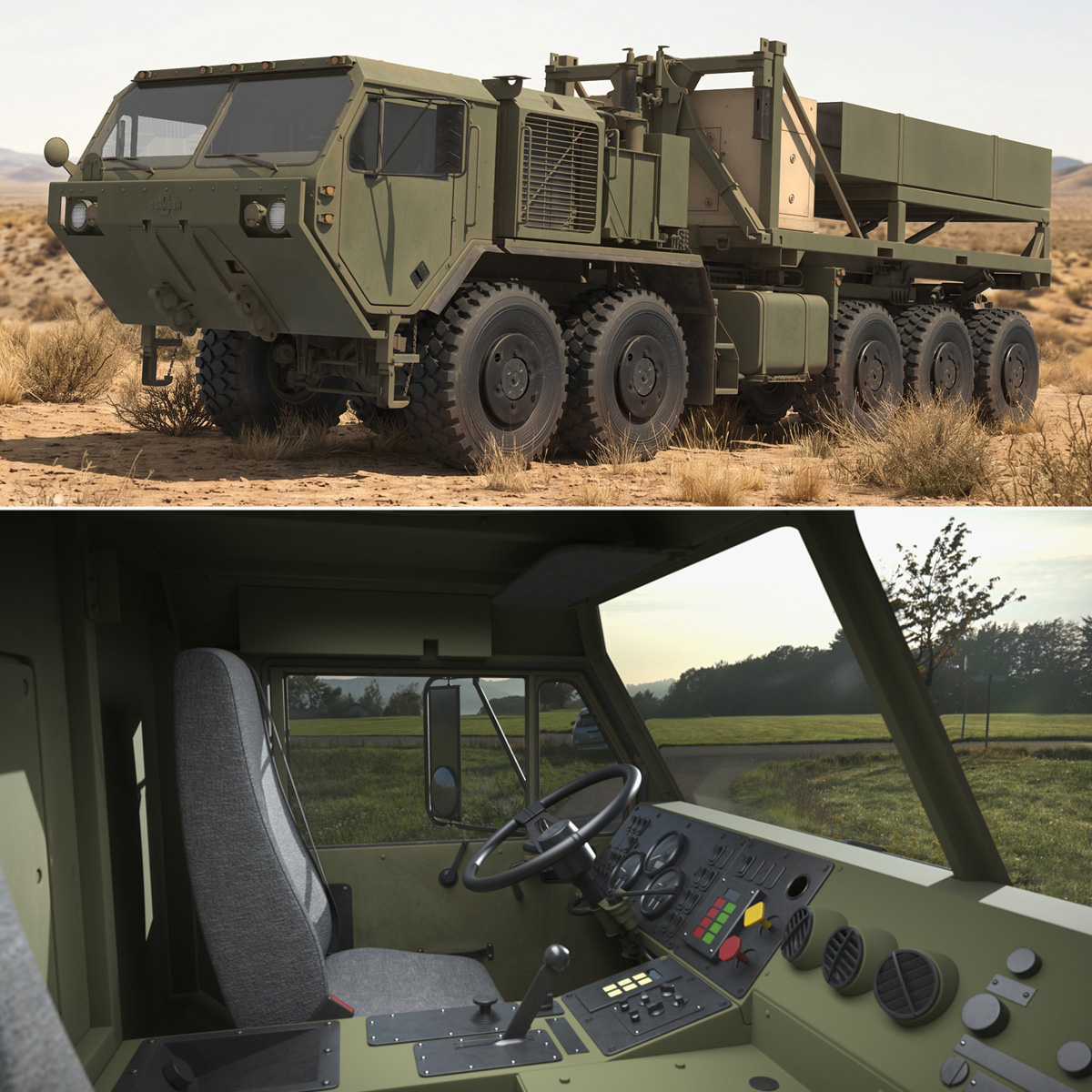
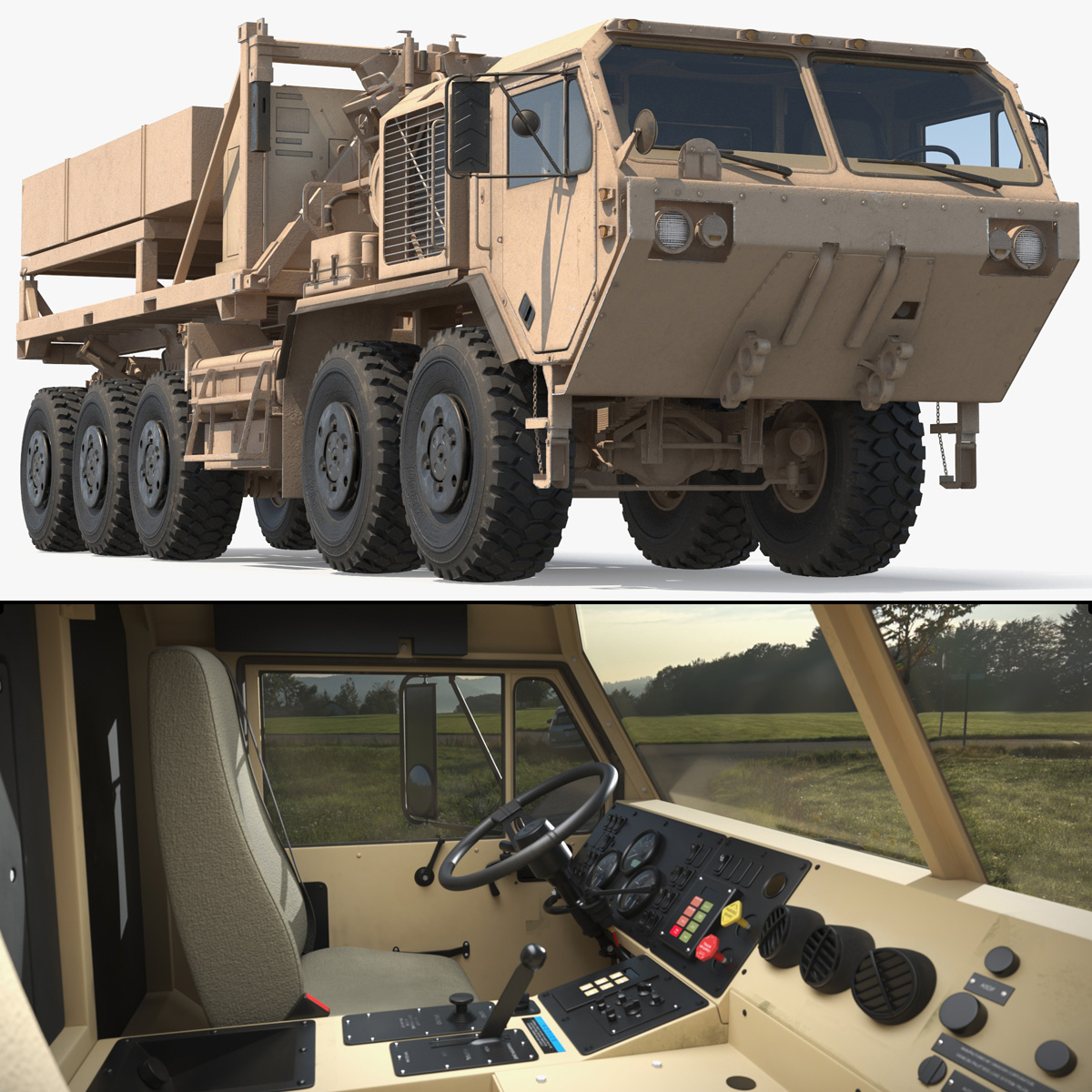
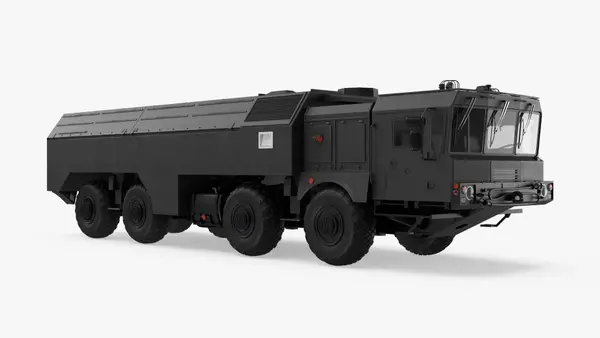
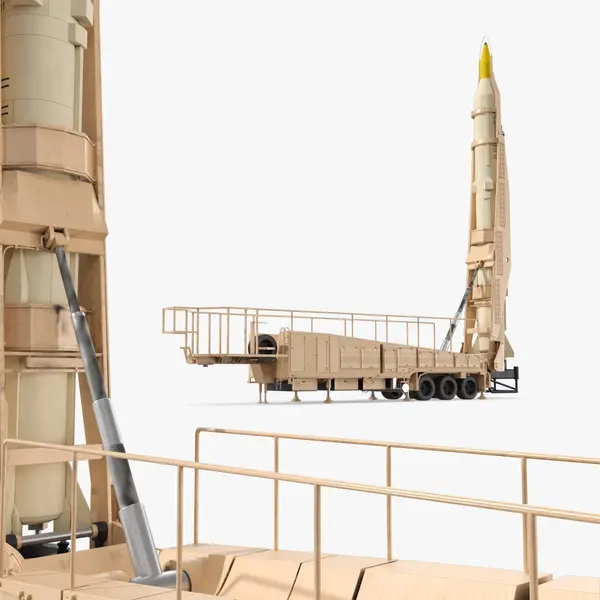
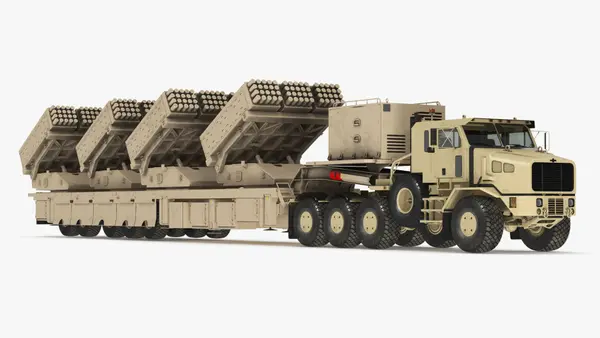
Polygon budgets follow how the hardware is seen. A stealthy air-launched cruise missile stays at 10,352 polygons because it is almost always shown in multiples under a wing, and a game-ready anti-ship missile needs only 3,093. A rocket grenade round is built from 3,856 clean quads. At the heavy end, a long-nose tractor hauling a strategic missile on a transporter trailer reaches 2,012,610 polygons, and truck-mounted and tracked air defense launchers raise their canisters.
Like the rest of the Weapons category, the section is meant for neutral, factual use: defense and history documentaries, museum and exhibition displays, news graphics, simulation and training, film and games. CheckMate certification is common, and several pages carry extra versions of the same missile.