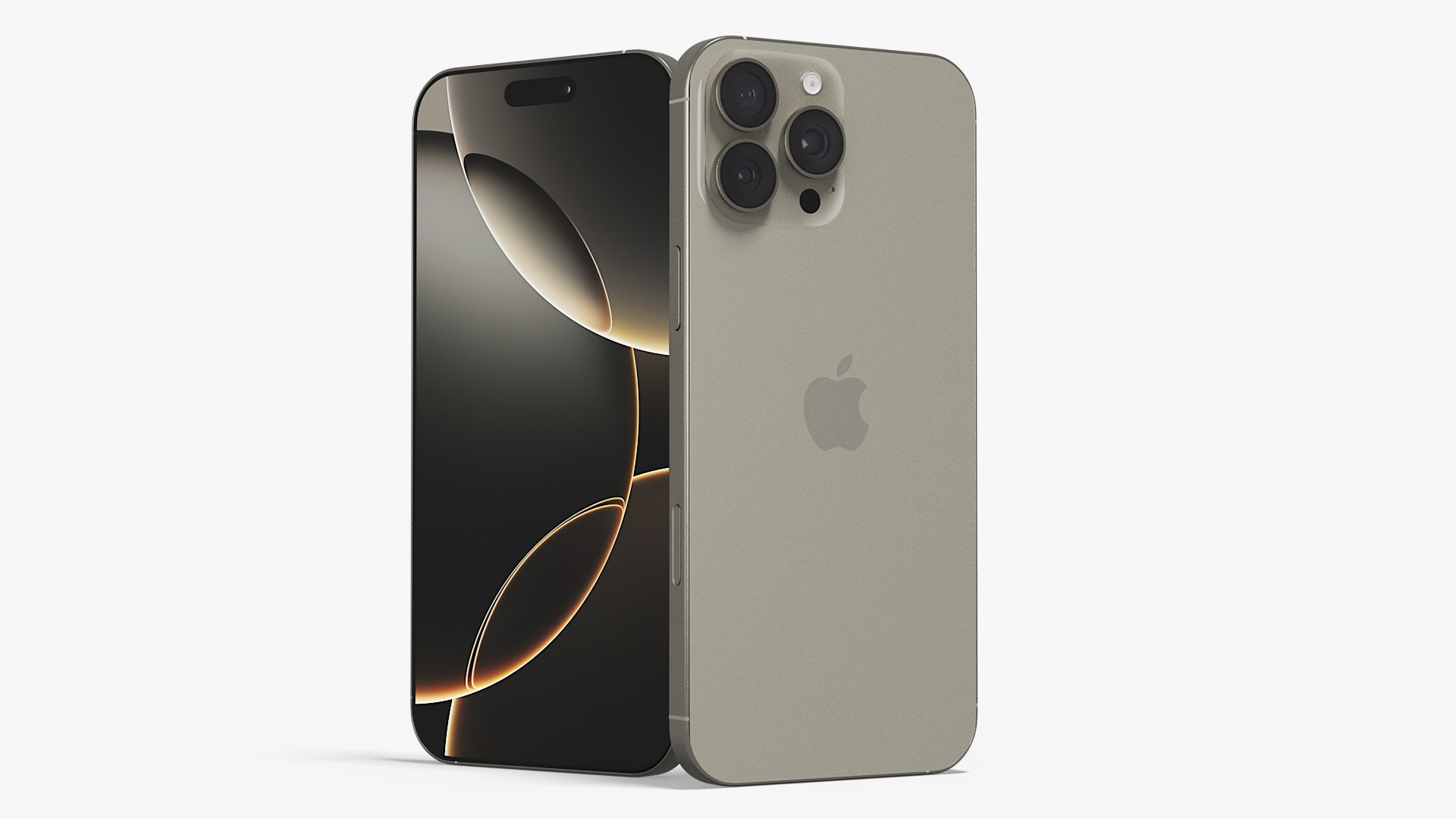
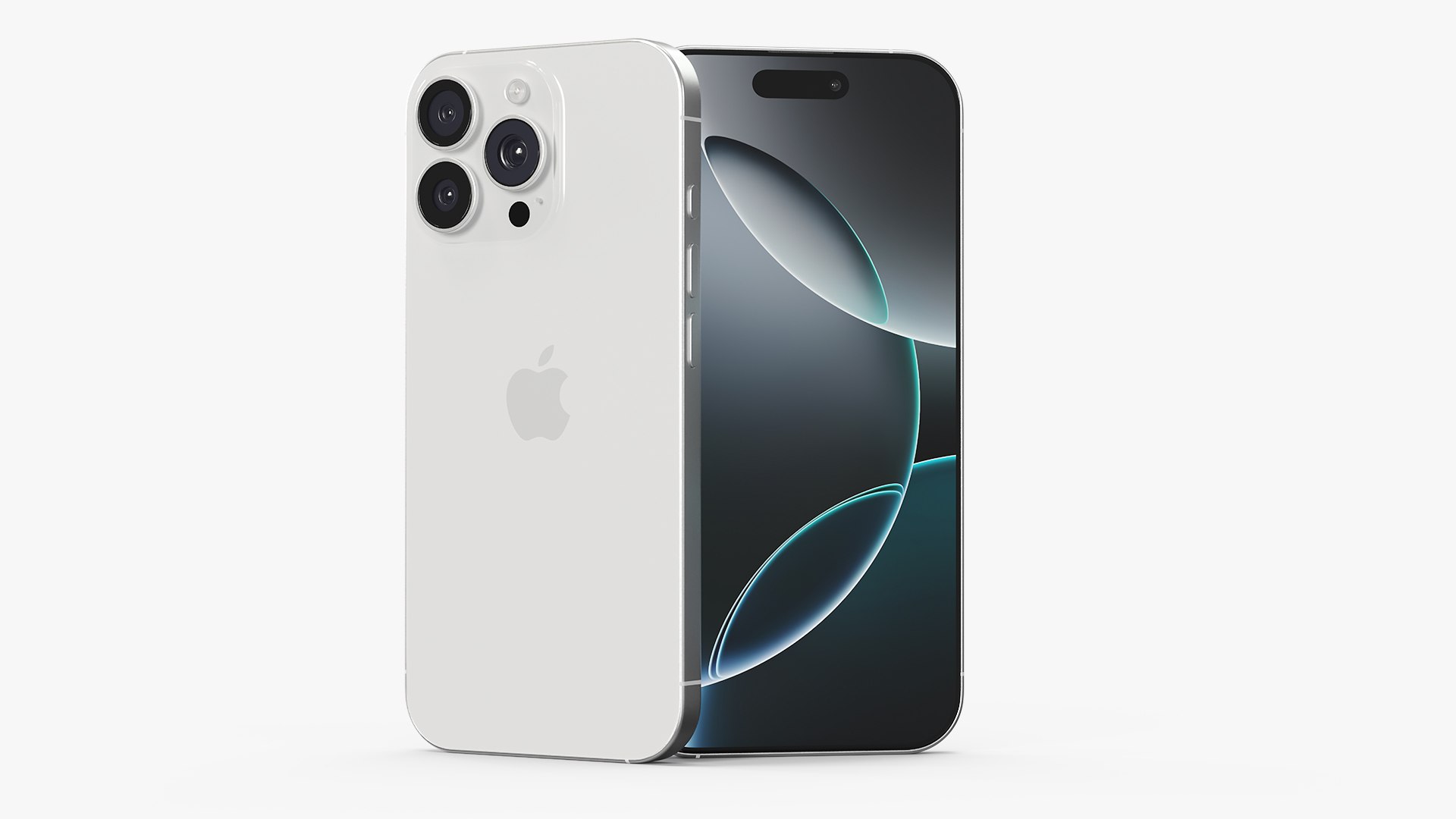
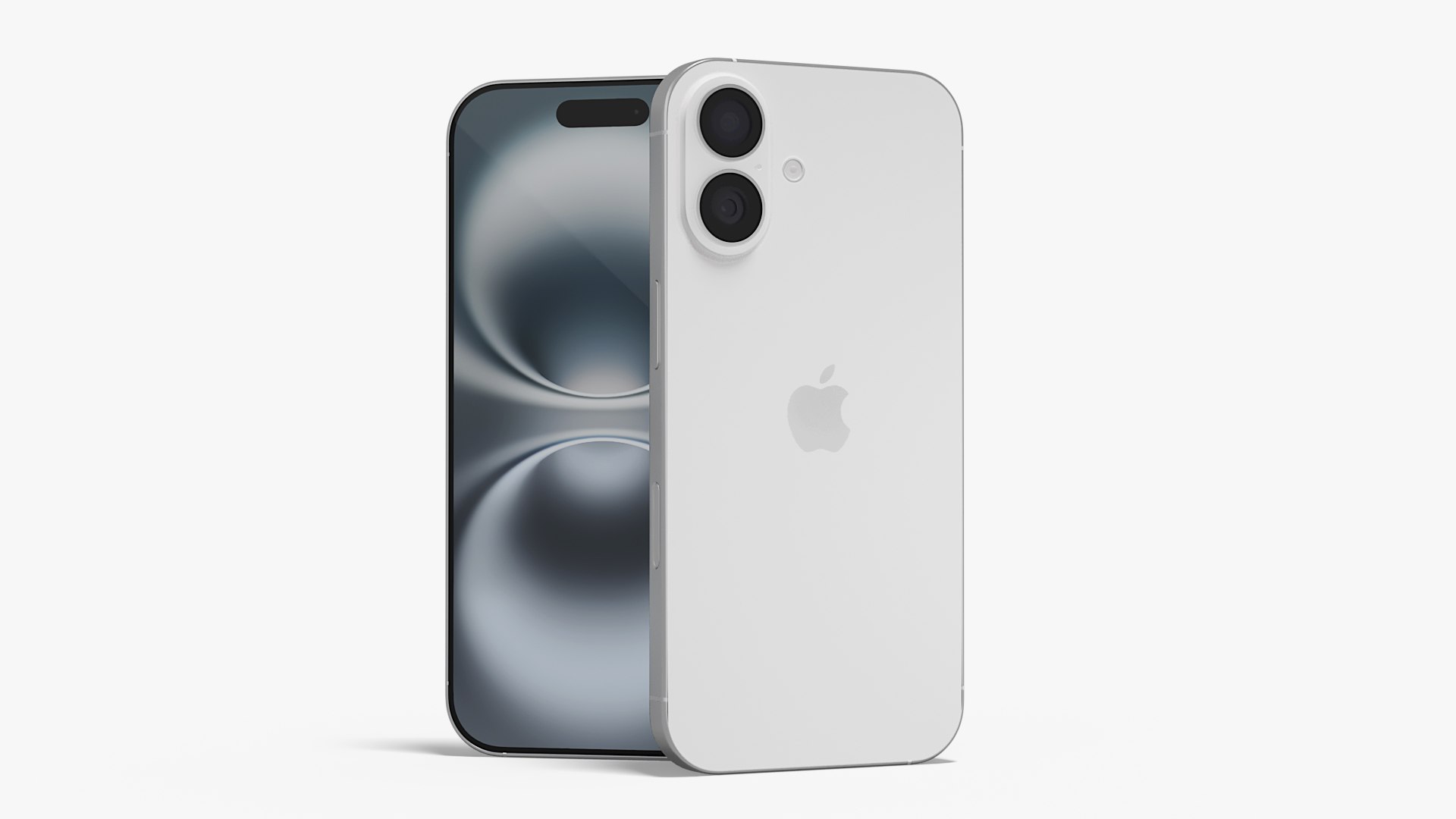
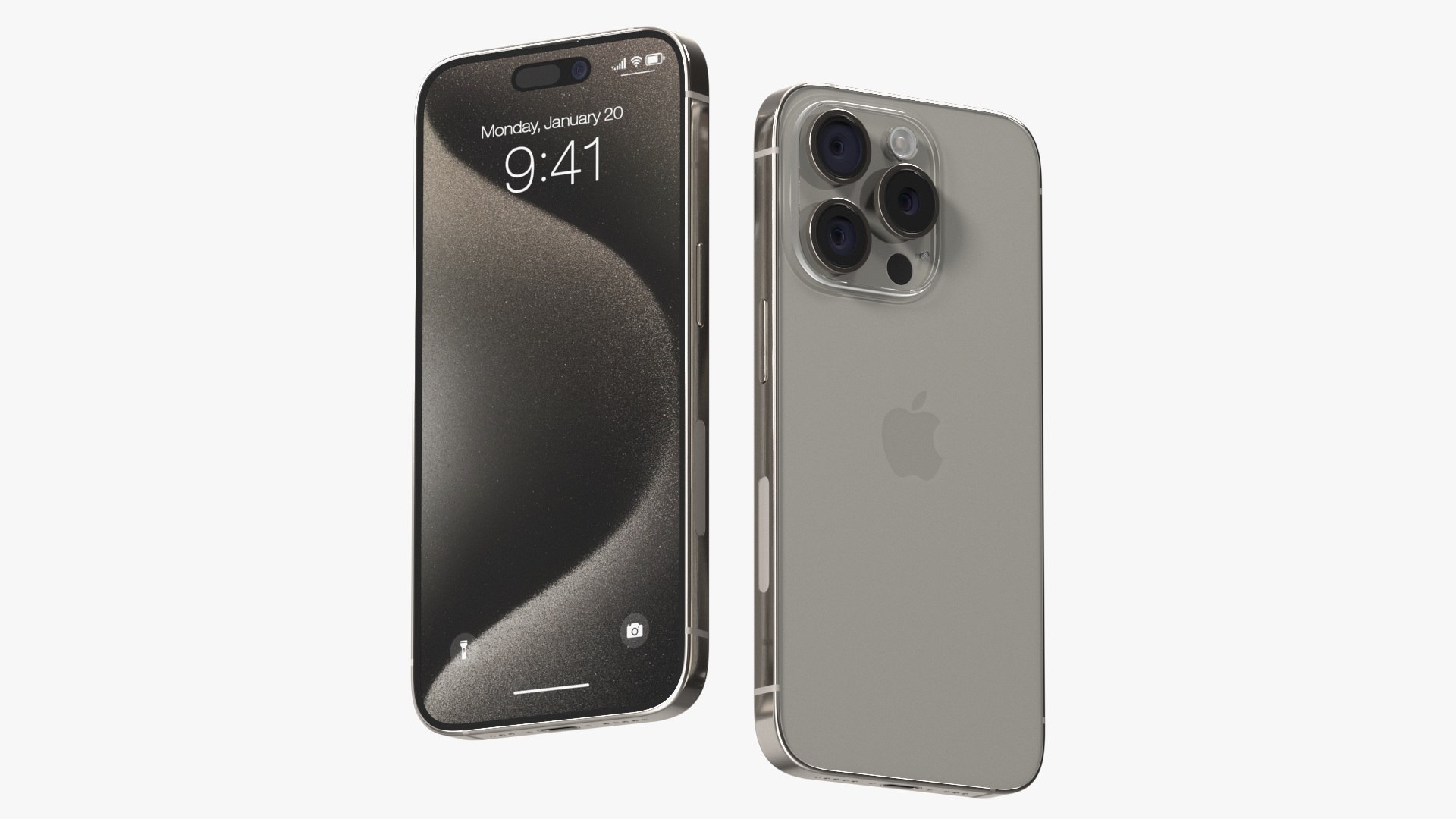
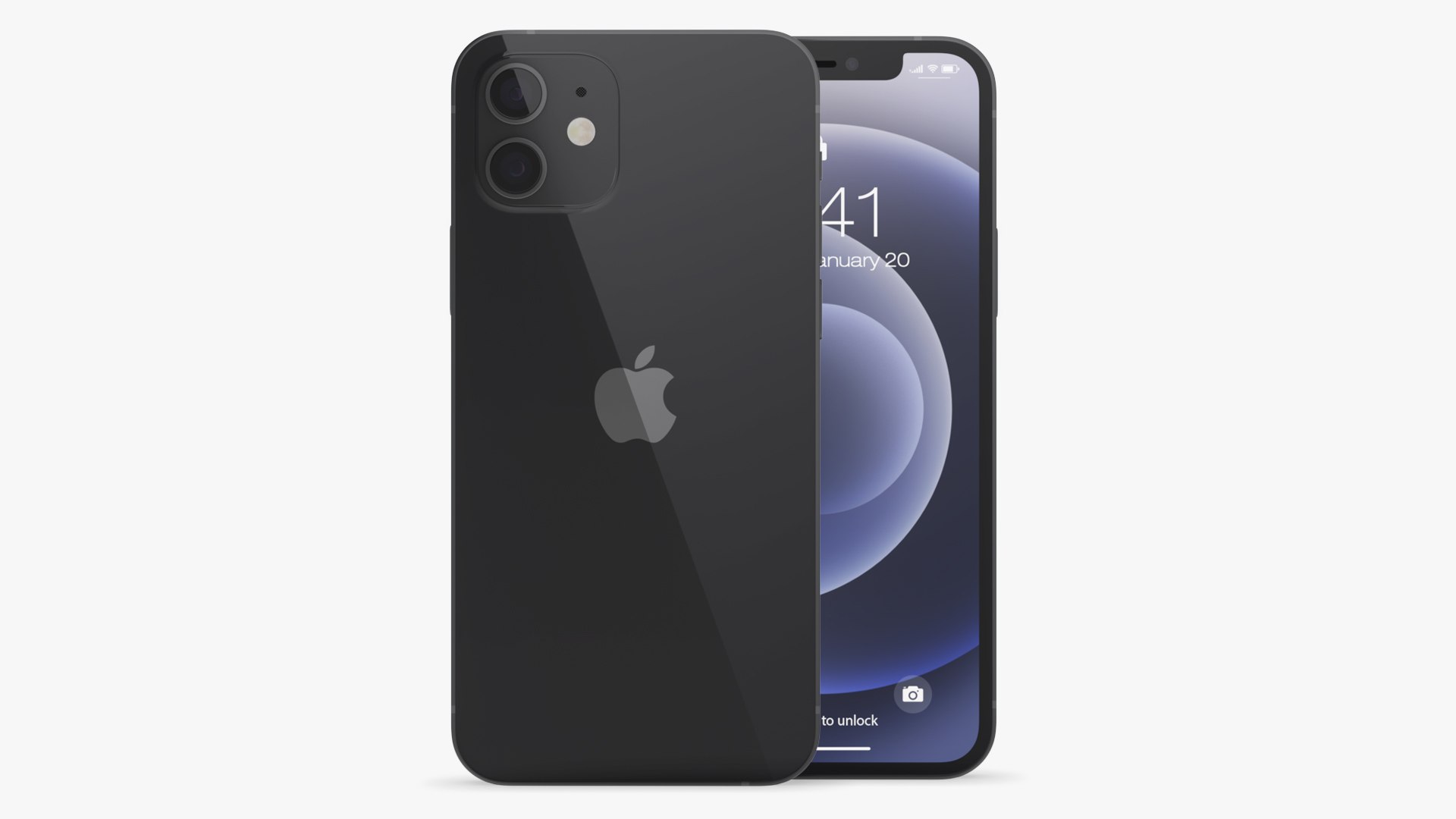
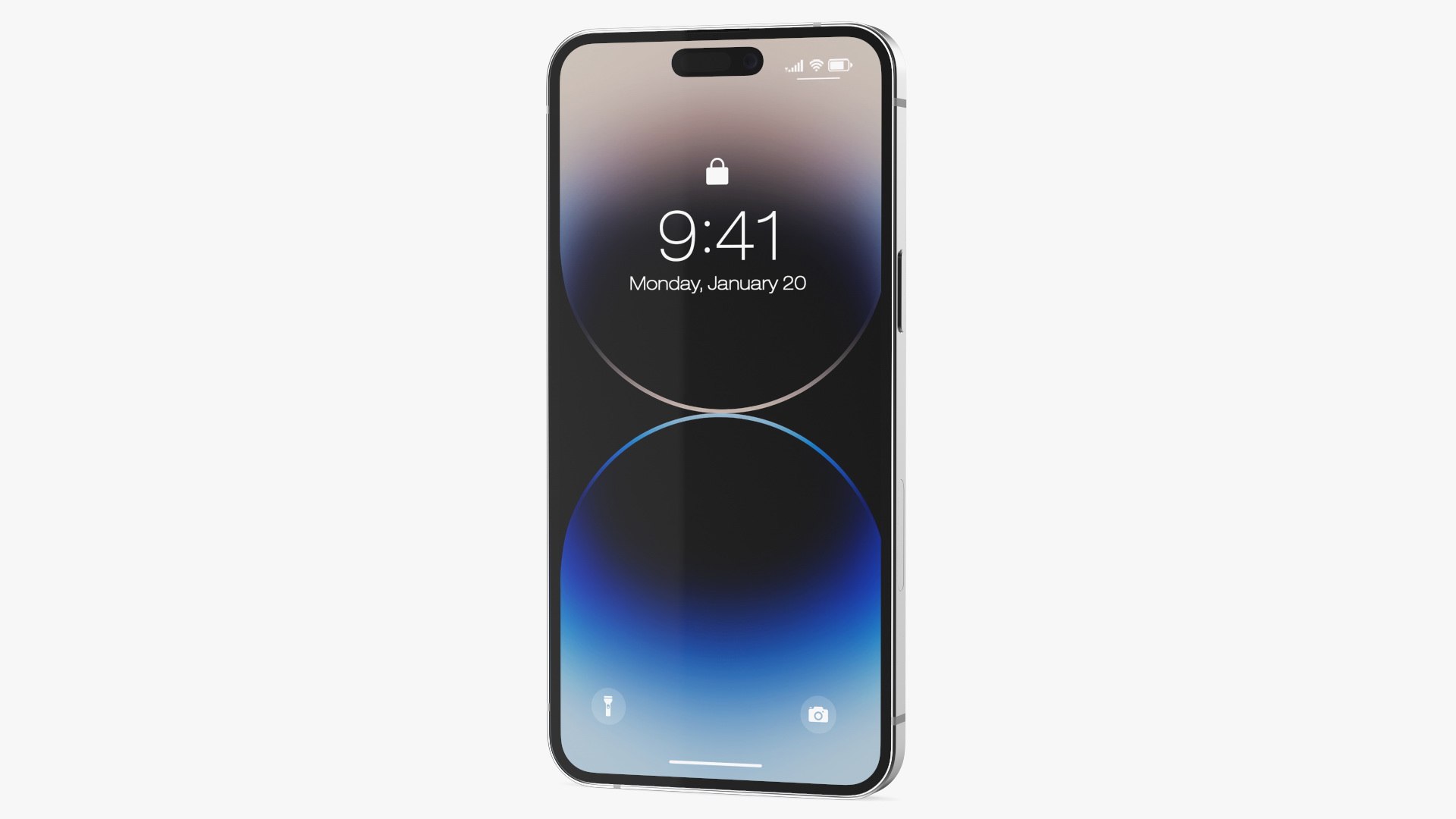
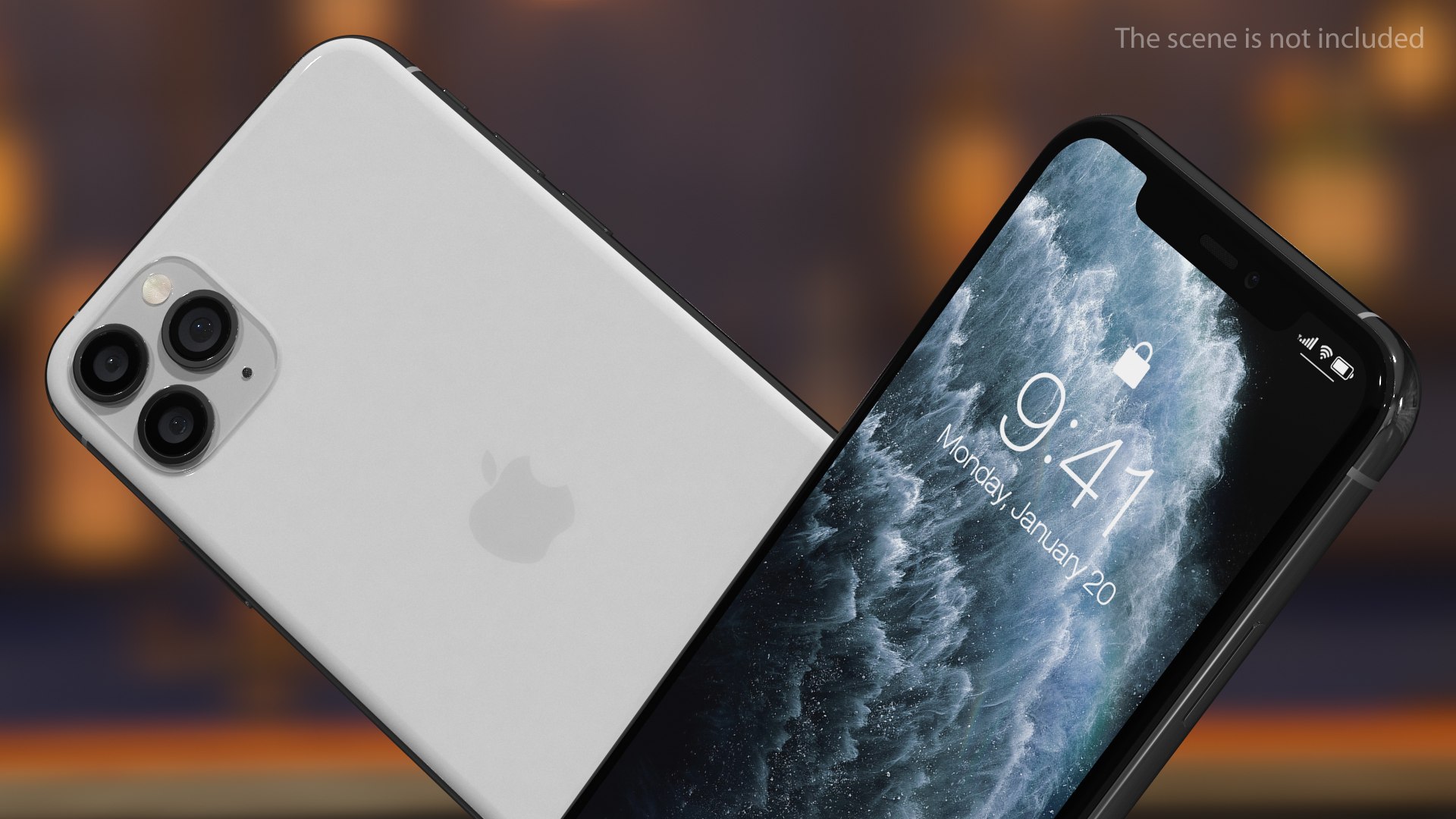
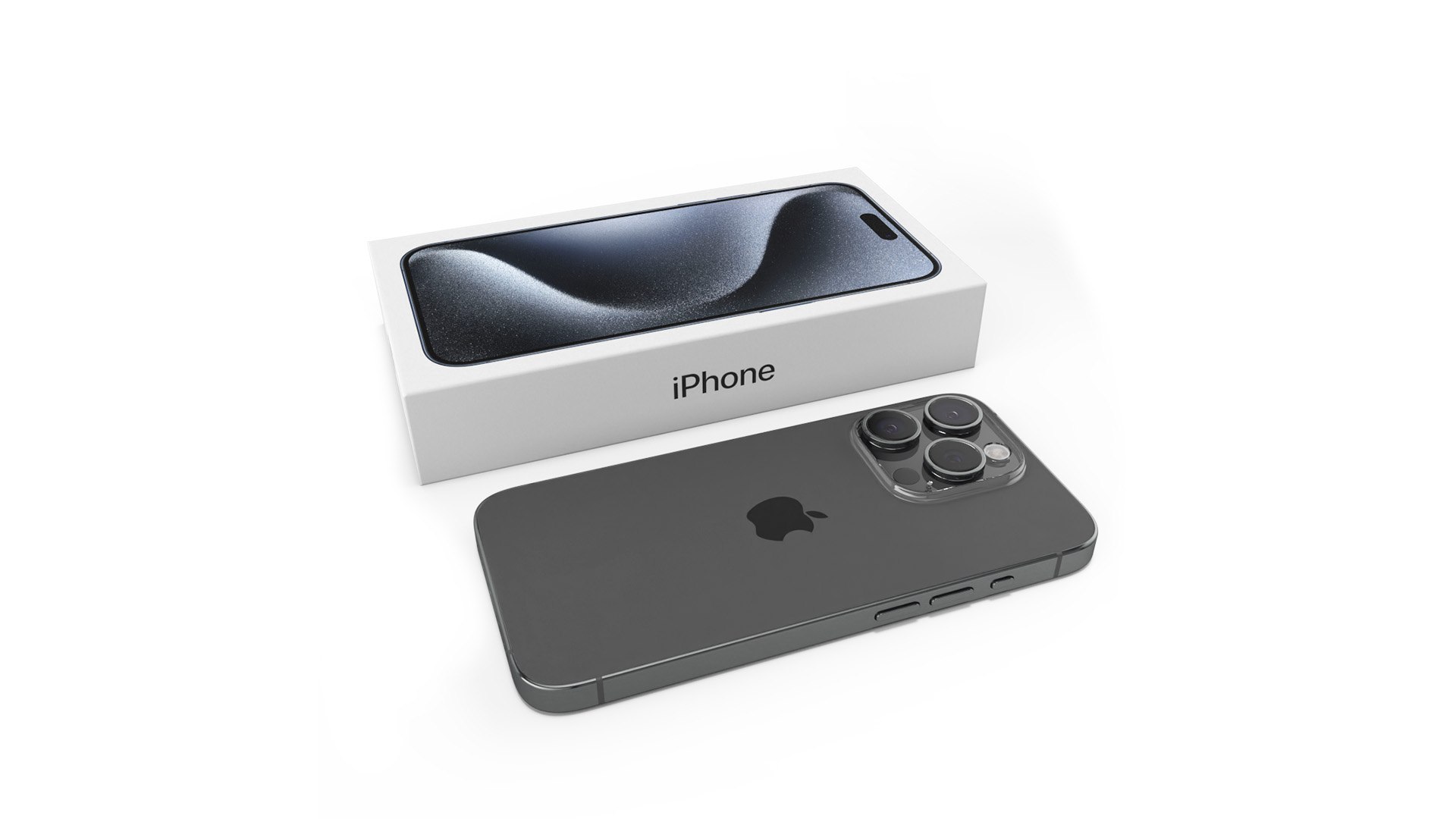
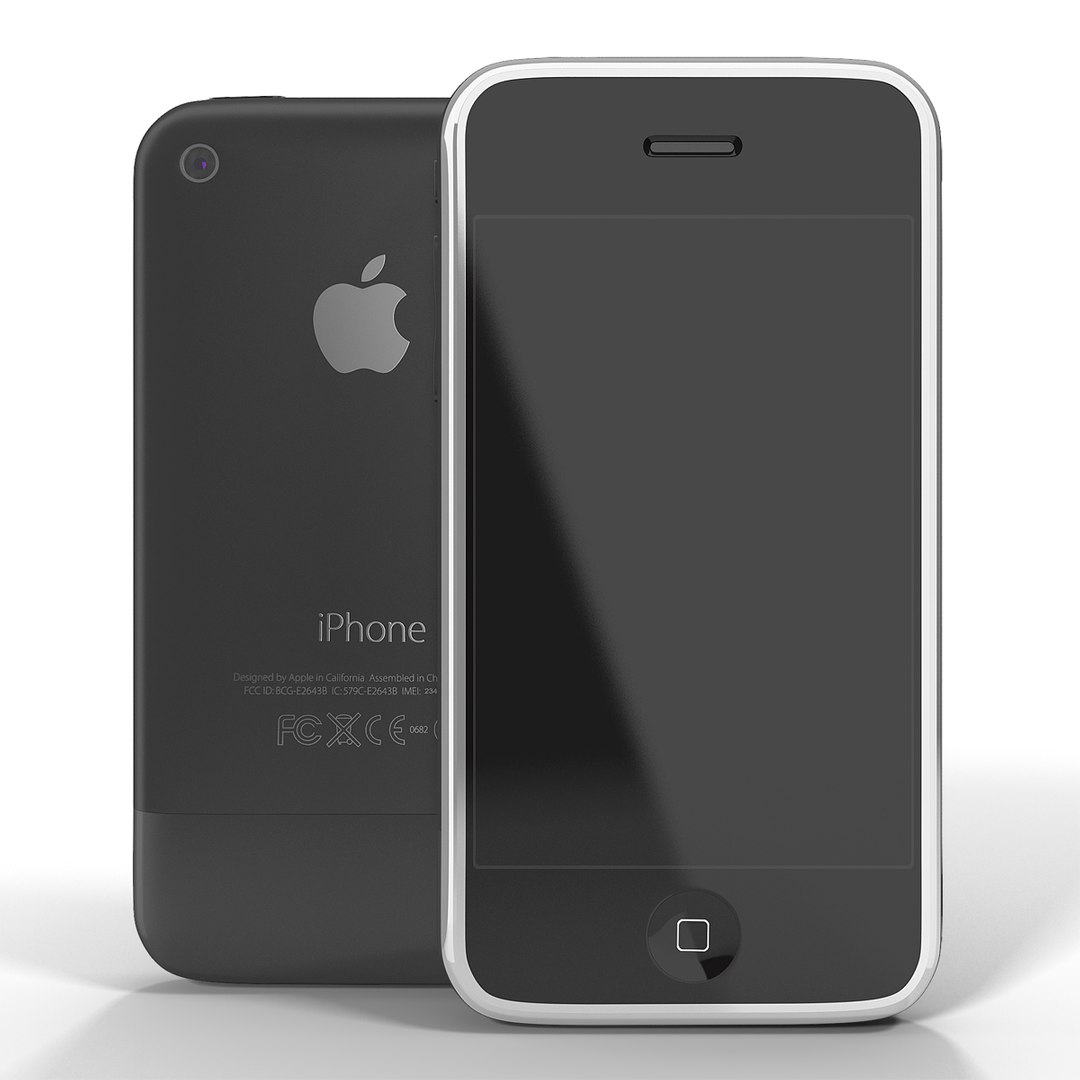
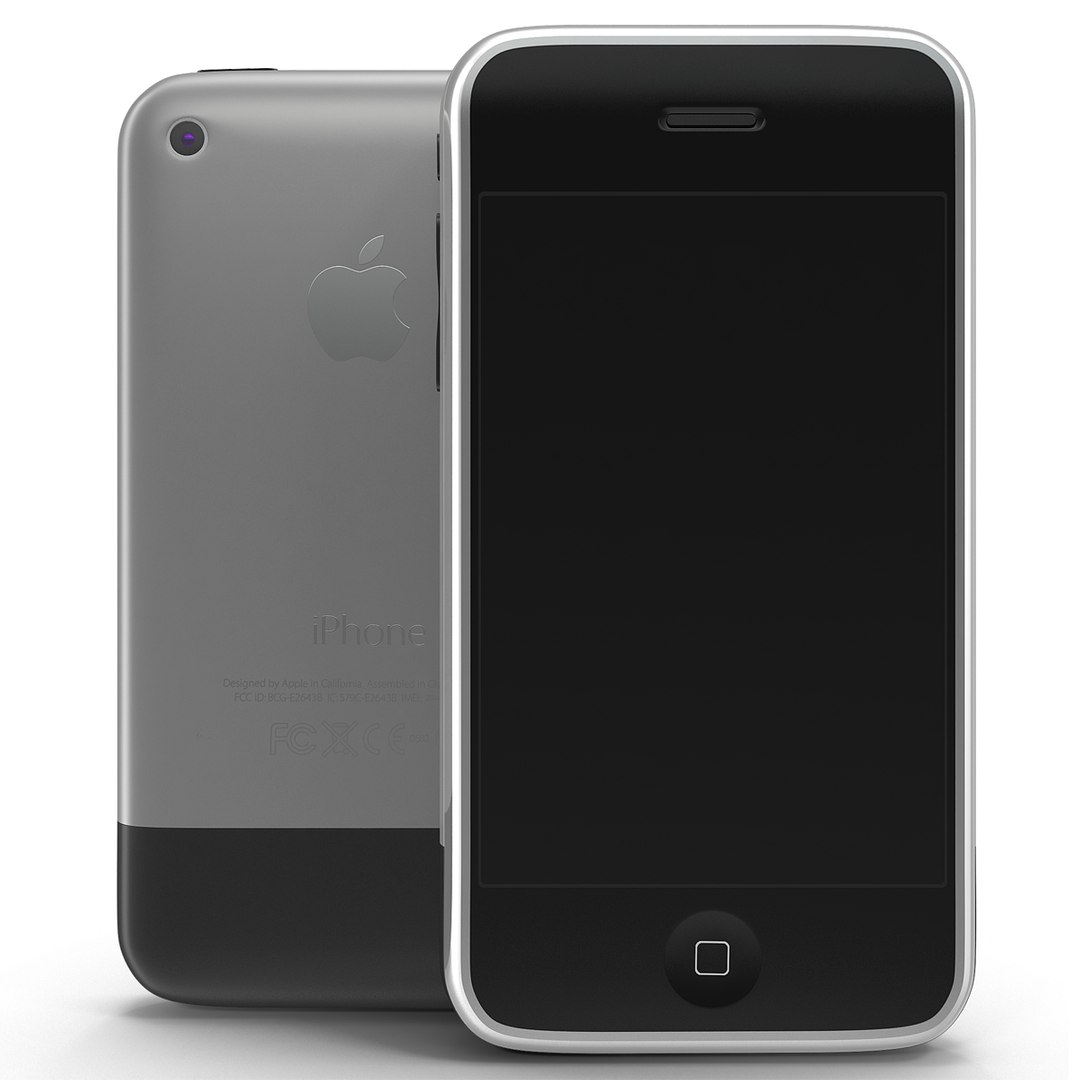
Apple IPhone 16 Pro Natural Titanium is a detailed Electronics & Gadgets asset built for professional 3D pipelines, available at $34. You are getting 8,356 polygons and 9,678 vertices, measured rather than estimated. Treat the figure as a planning number: it behaves one way in a single render and another in a level with fifty instances.
It is a StemCell model, so it ships in TurboSquid's multi-format standard with PBR materials that carry over between renderers instead of needing to be rebuilt per engine. Objects sit at the origin with clean transforms, so duplicating the asset across an environment costs nothing extra. On this listing the stated applications are technical visualization, software demos and film & TV VFX.
The listing dates back to 2024, and it remains one of the models we keep current. It is aimed at product rendering, UI and app mockups and game and film props.
Questions About This Model
Can the Apple IPhone 16 Pro Natural Titanium model be used in a commercial project?
No. The model depicts a real branded product, so TurboSquid lists it under the Editorial Uses Only license. It may be used in news, commentary, education, personal projects and similar editorial contexts, but not in advertising, on merchandise or in any product offered for sale. See our license guide.
Where can I buy the Apple IPhone 16 Pro Natural Titanium 3D model?
It is sold through TurboSquid, where this listing has been available since 2024. Purchase, download and licensing are handled by TurboSquid; delivery is immediate after checkout.
What is the Apple IPhone 16 Pro Natural Titanium model typically used for?
The listing names technical visualization, software demos and film & TV VFX as the main applications. In practice it also works anywhere a finished electronics & gadgets object is needed without modeling it from scratch.
How much does the Apple IPhone 16 Pro Natural Titanium 3D model cost?
$34 USD, paid once. TurboSquid handles payment and delivery. The license is Editorial Uses Only, because the model depicts a real branded product: it covers editorial contexts such as news, commentary and education, but not advertising or products for sale.