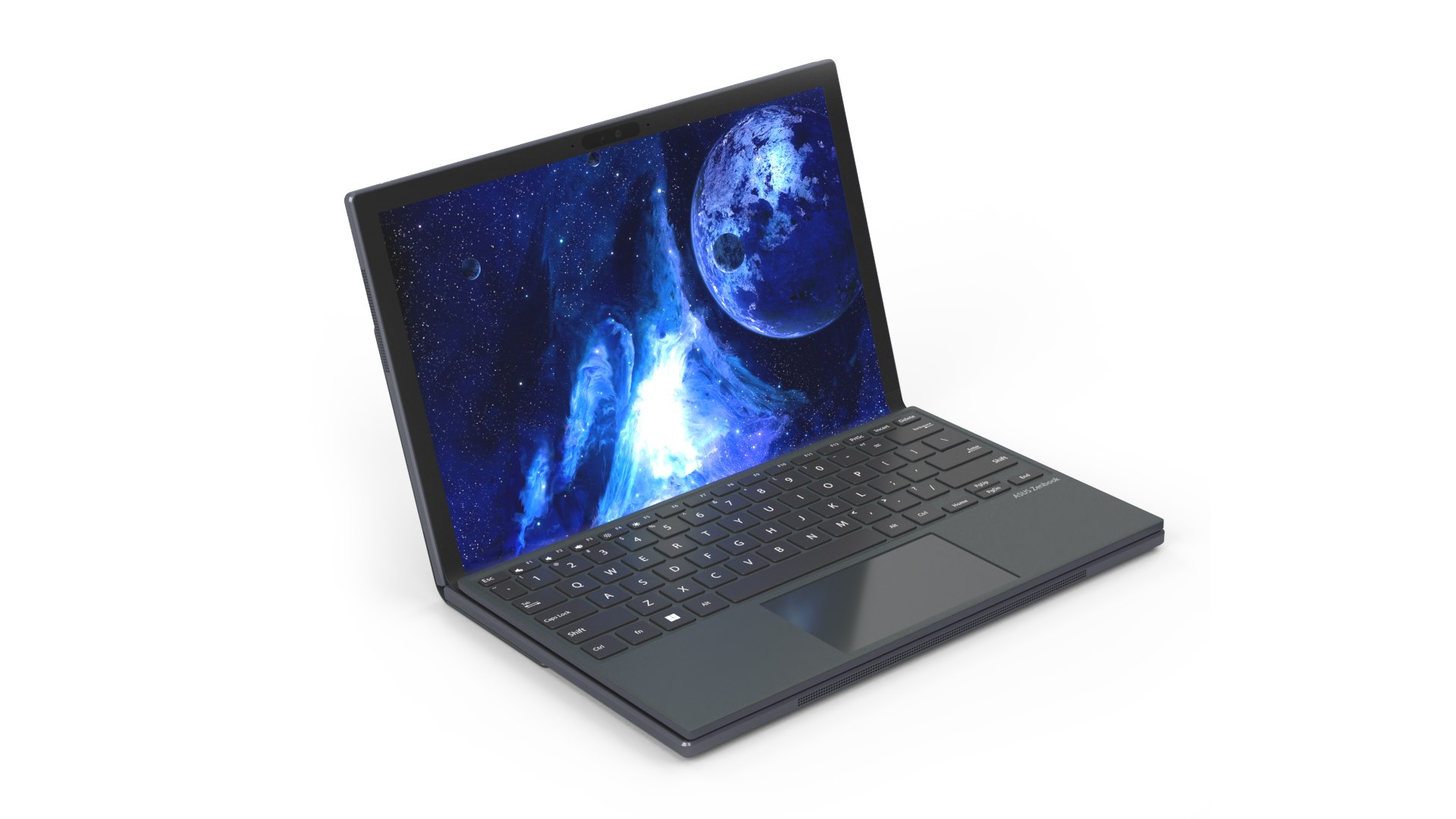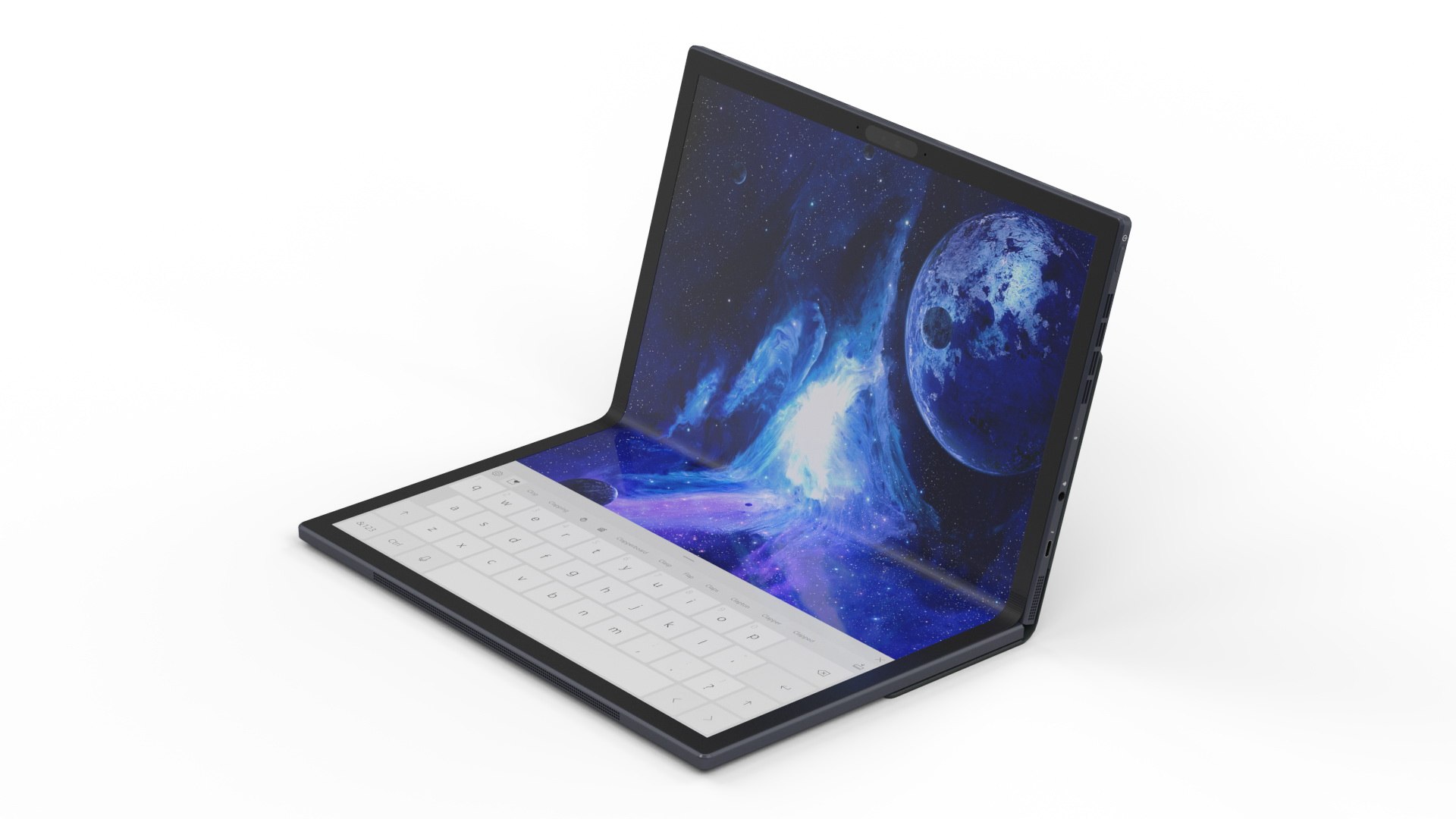
Looking for an Electronics & Gadgets asset? The ASUS Zenbook 17 is a finished, render-ready model at $49. The build totals 26,620 polygons across 14,111 vertices. The same count is comfortable in an offline render and demanding in a mobile game, so judge it against your own budget.
Edge flow follows the form rather than fighting it, which is what lets the silhouette hold up when the camera moves in. Scene structure is flat enough to navigate and grouped enough to be useful, which is what makes reuse practical. Buyers most often take it for technical visualization, software demos and film & TV VFX.
On the marketplace since 2022, with the listing maintained rather than left to age. It is aimed at product rendering, UI and app mockups and game and film props.
Questions About This Model
Can the ASUS Zenbook 17 model be used in a commercial project?
No. The model depicts a real branded product, so TurboSquid lists it under the Editorial Uses Only license. It may be used in news, commentary, education, personal projects and similar editorial contexts, but not in advertising, on merchandise or in any product offered for sale. See our license guide.
Can the ASUS Zenbook 17 model be modified after purchase?
Yes. The license allows editing the geometry, retopologising, changing materials and adapting the asset to a project. What it does not allow is reselling or redistributing the model file itself, or using the result commercially: this listing is Editorial Uses Only.
Which industries use the ASUS Zenbook 17 model?
Hardware, Software Development and Film & Video Production are the primary industries on this listing. The license, however, is Editorial Uses Only: the model depicts a real branded product, so it may appear in editorial work in those fields, but not in advertising or in products for sale.
What file formats does the ASUS Zenbook 17 3D model come in?
The complete list of included formats is shown on the TurboSquid product page, where every file is named and sized before you buy. Native scene files and the common interchange formats are the usual pairing.