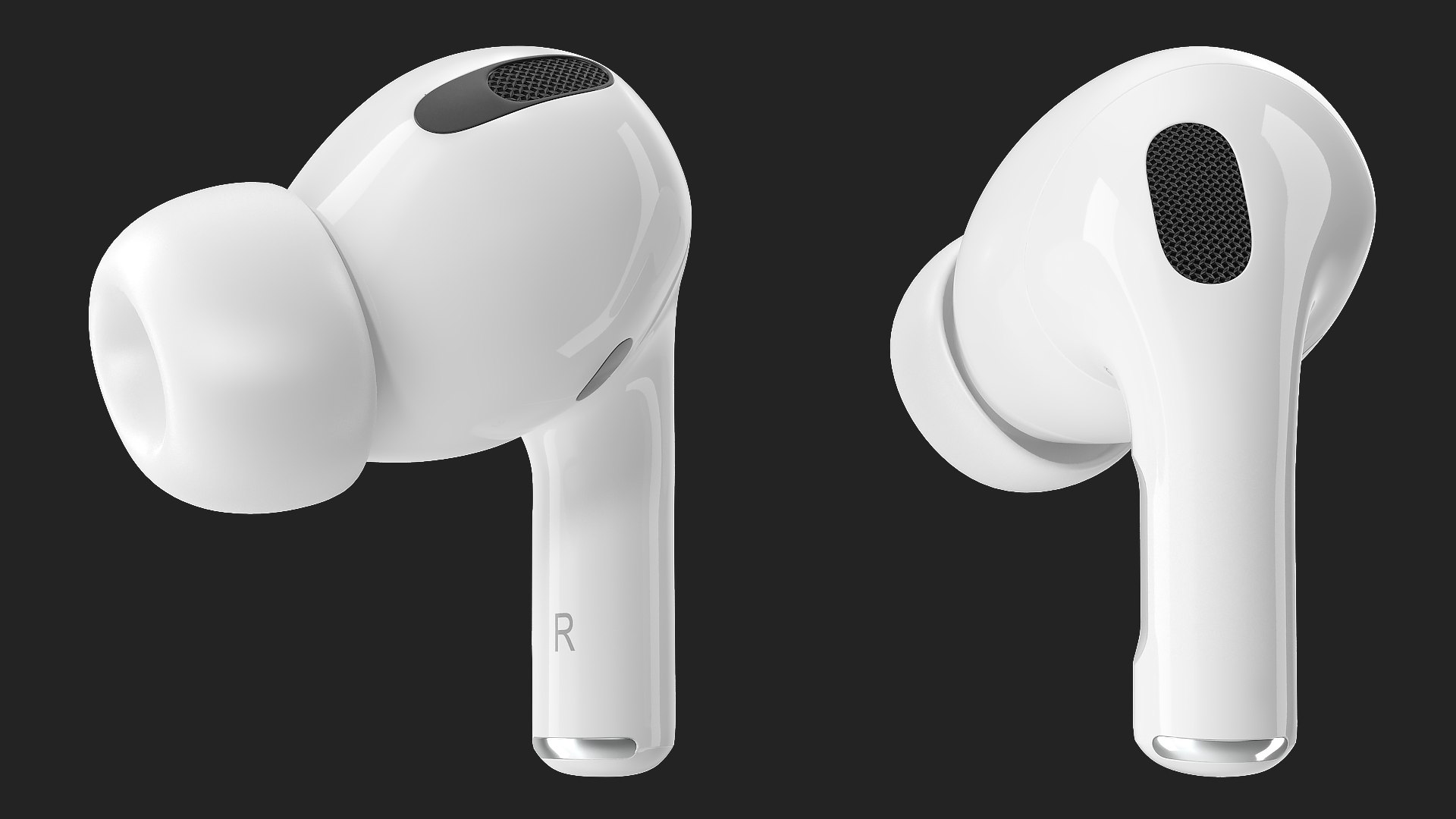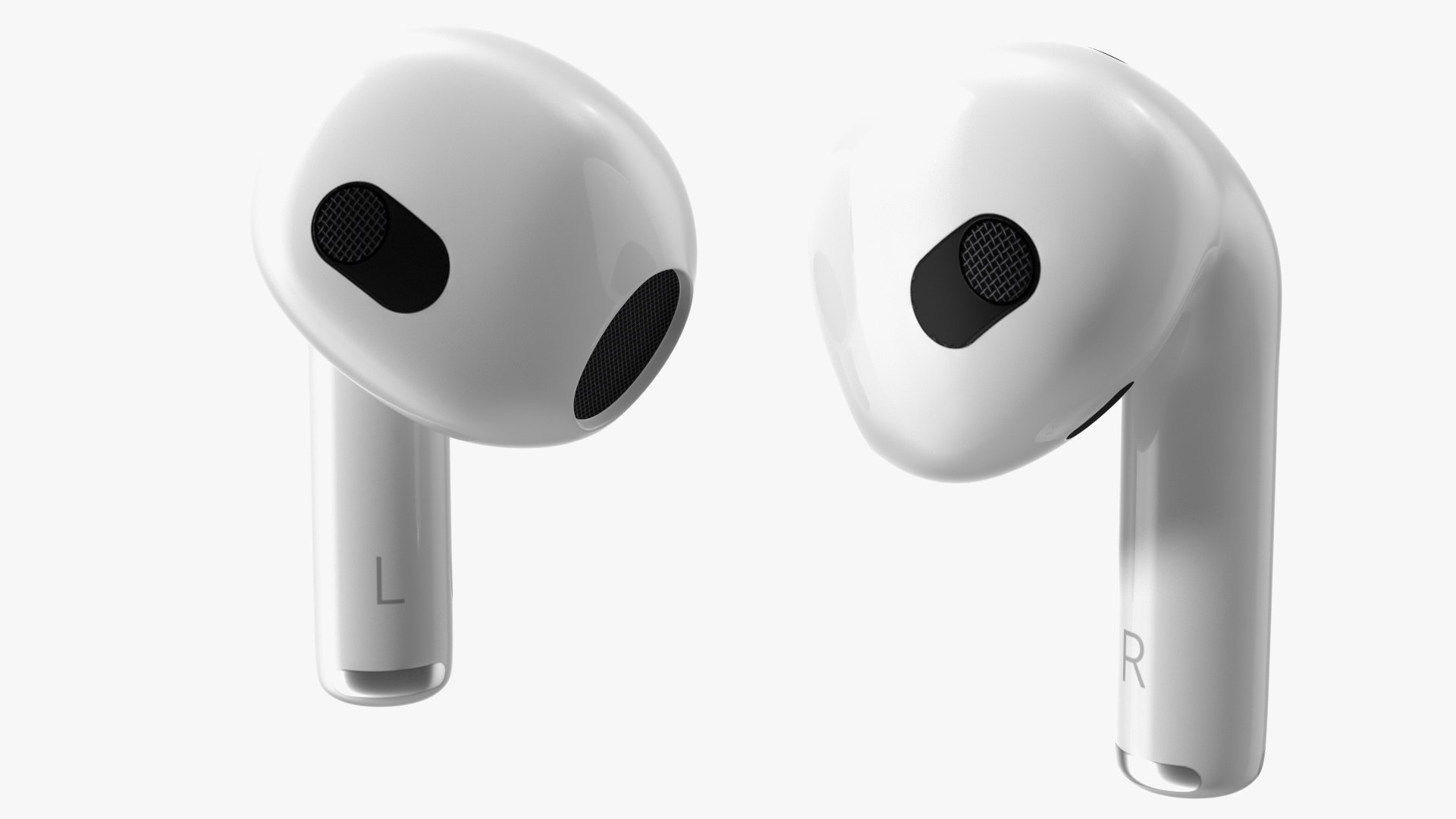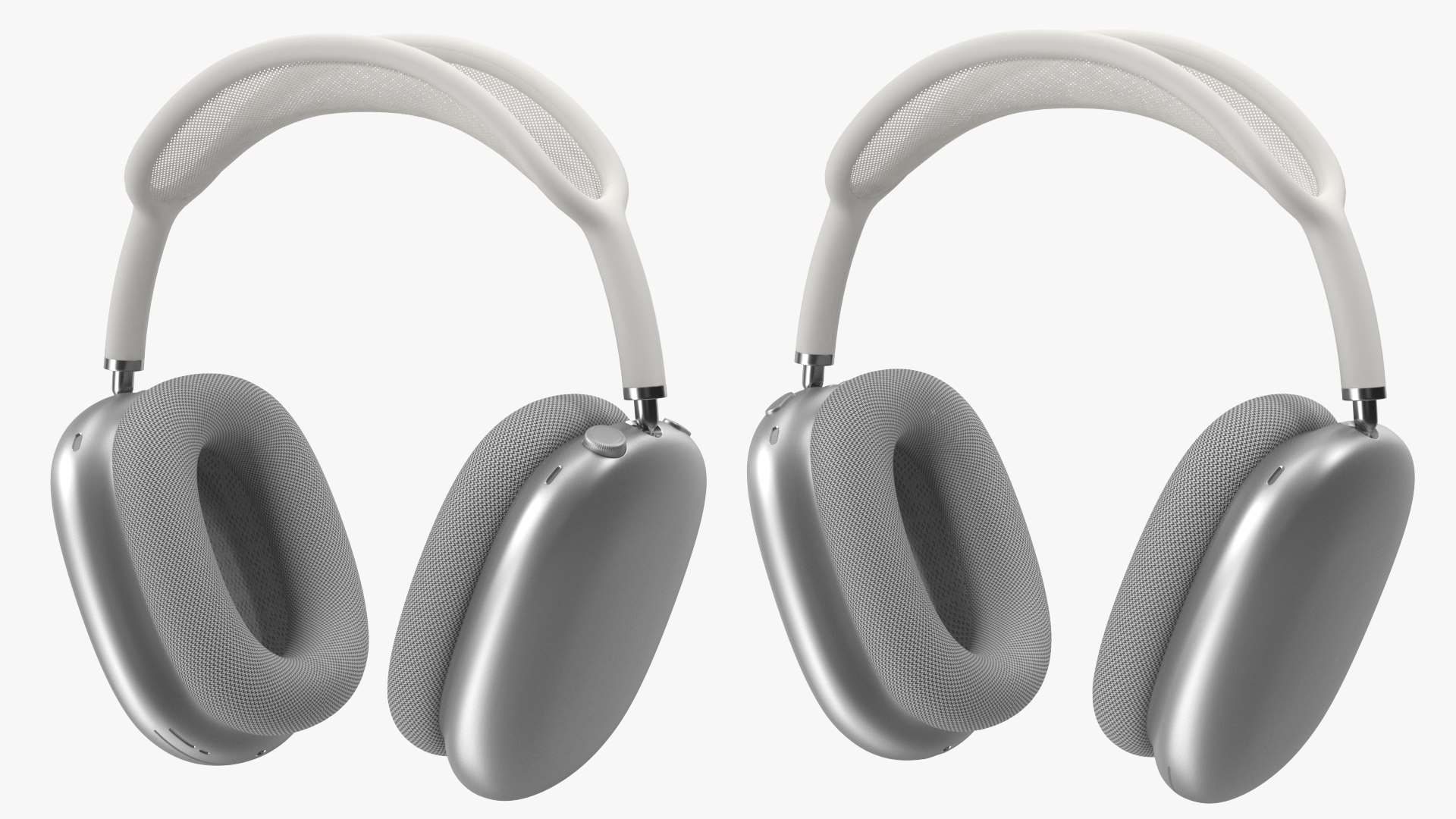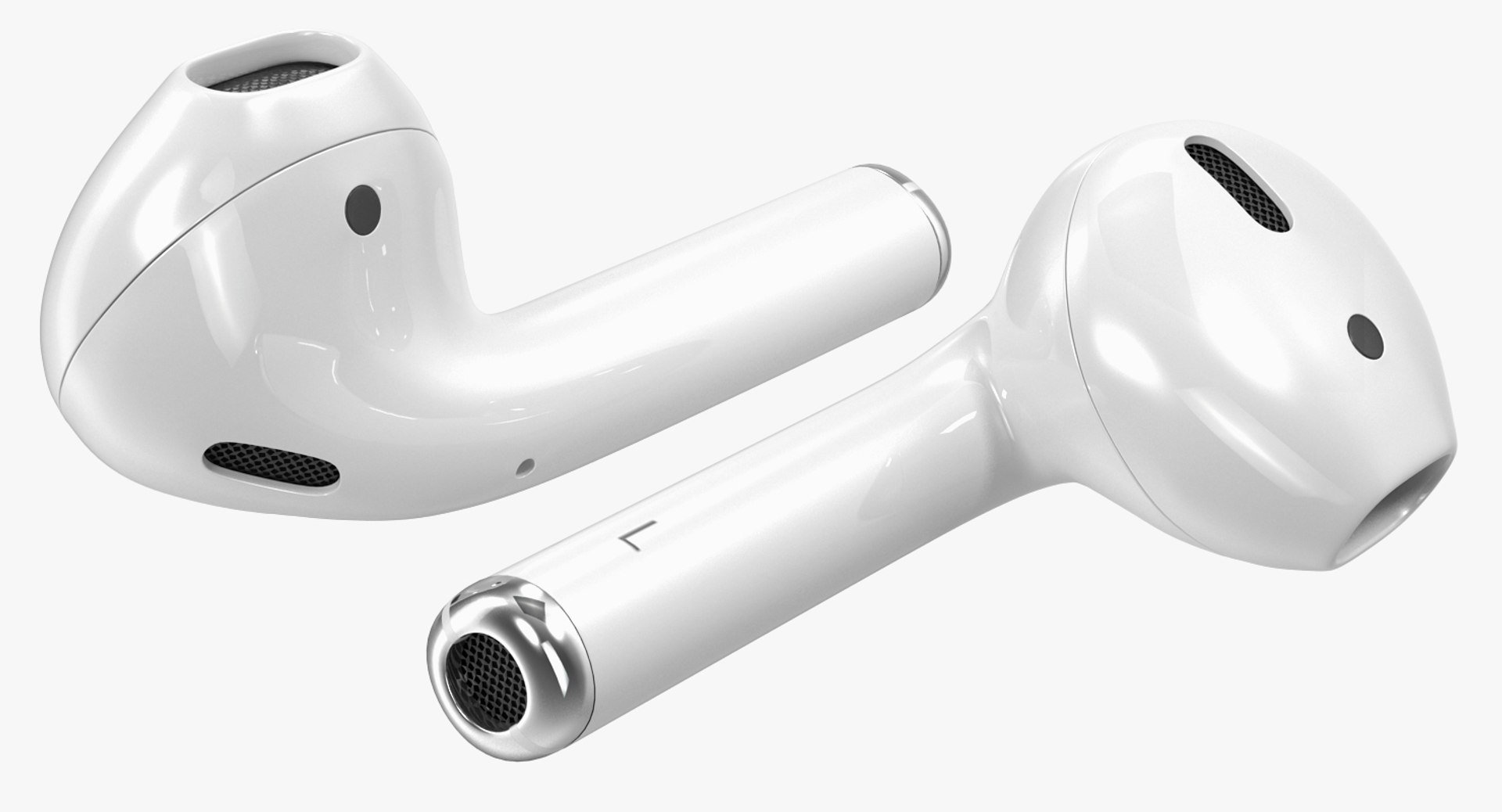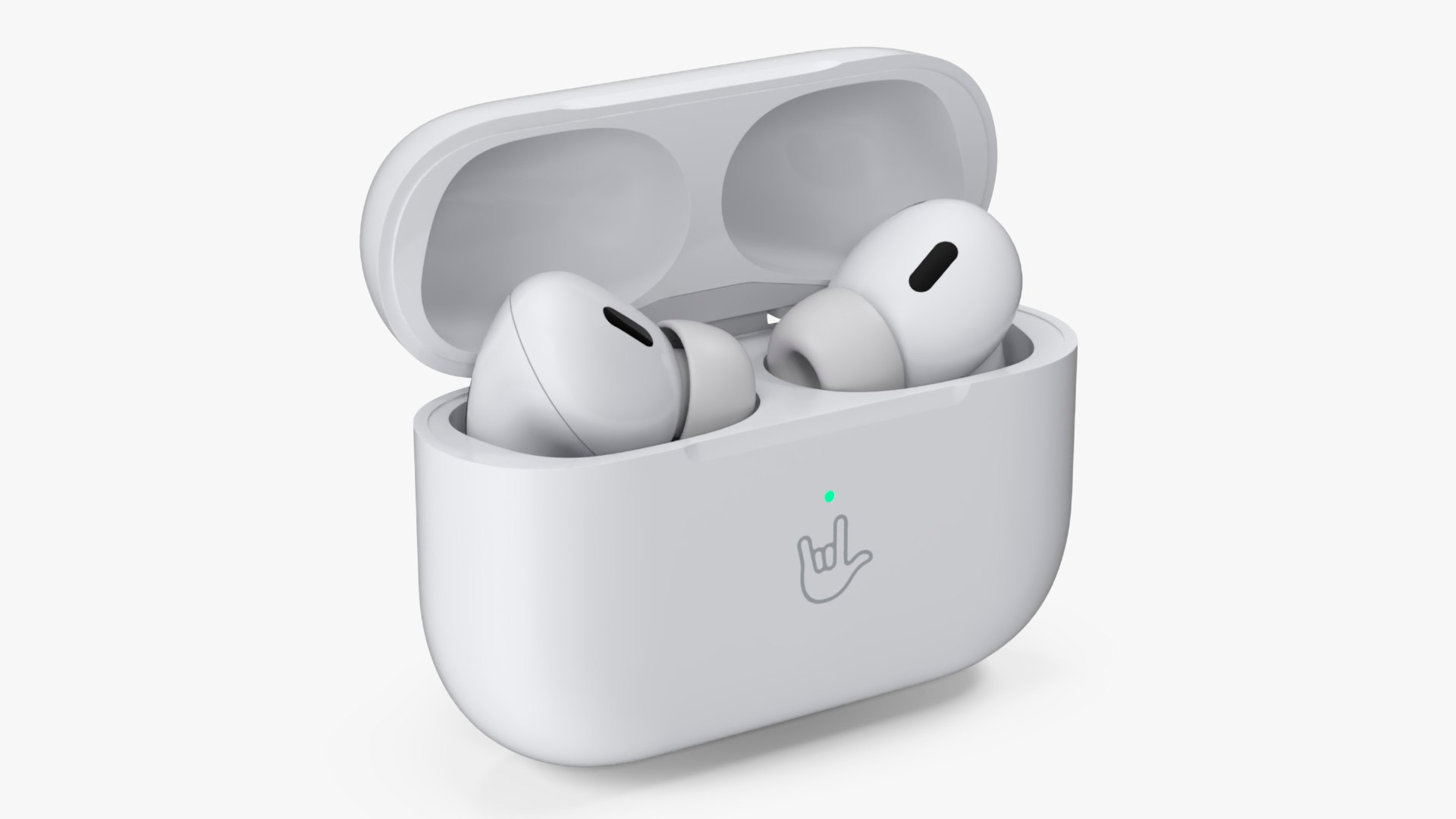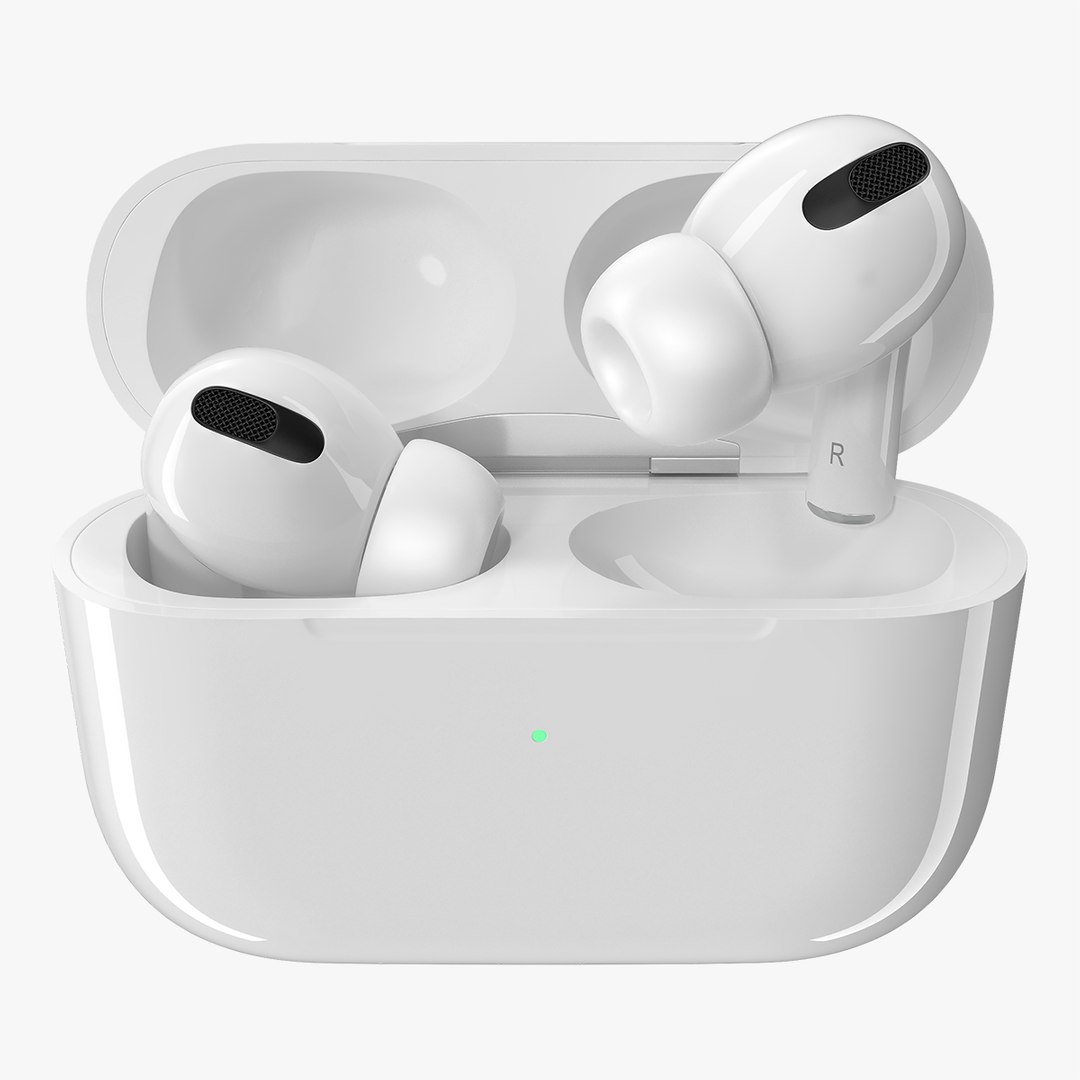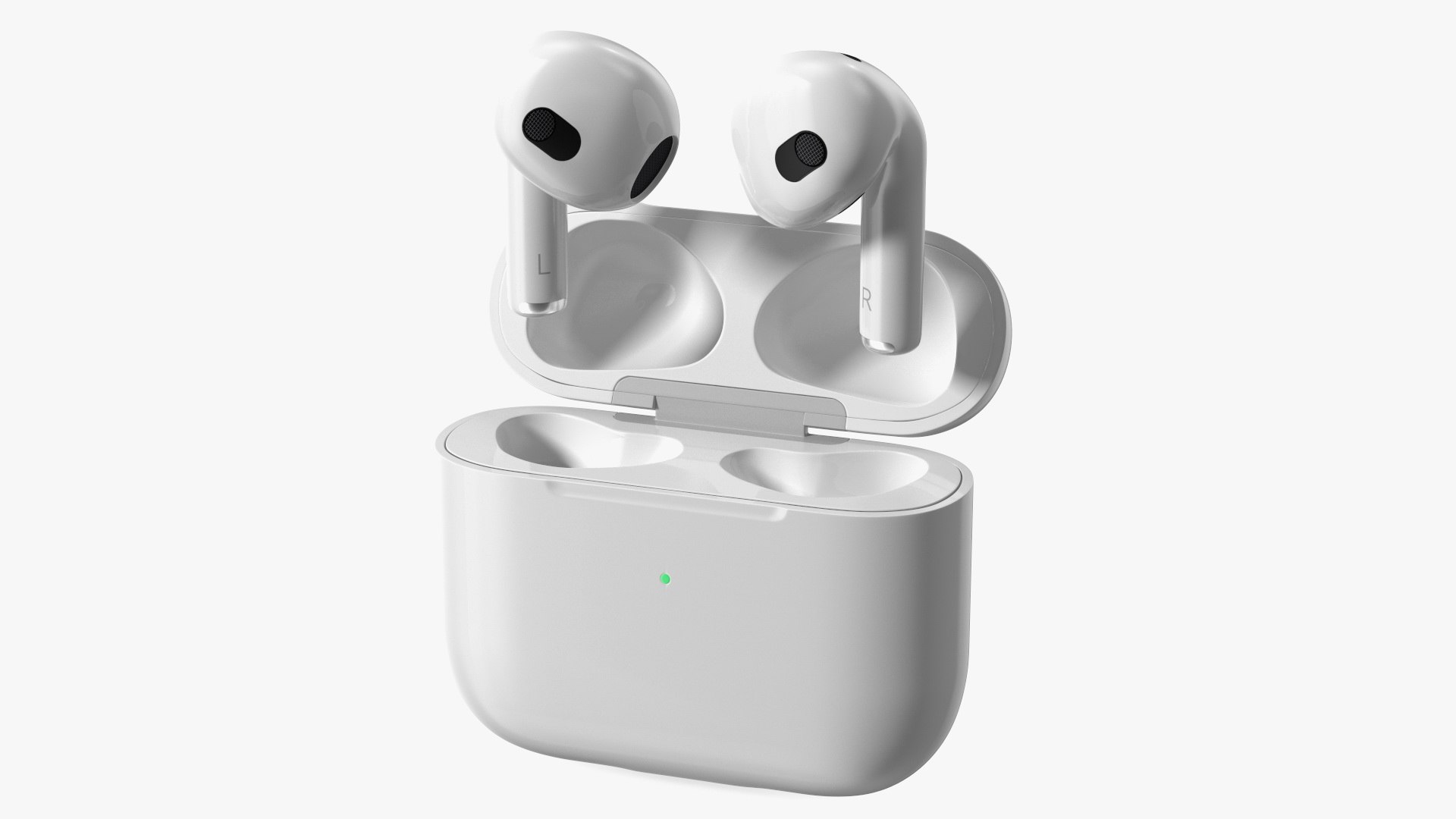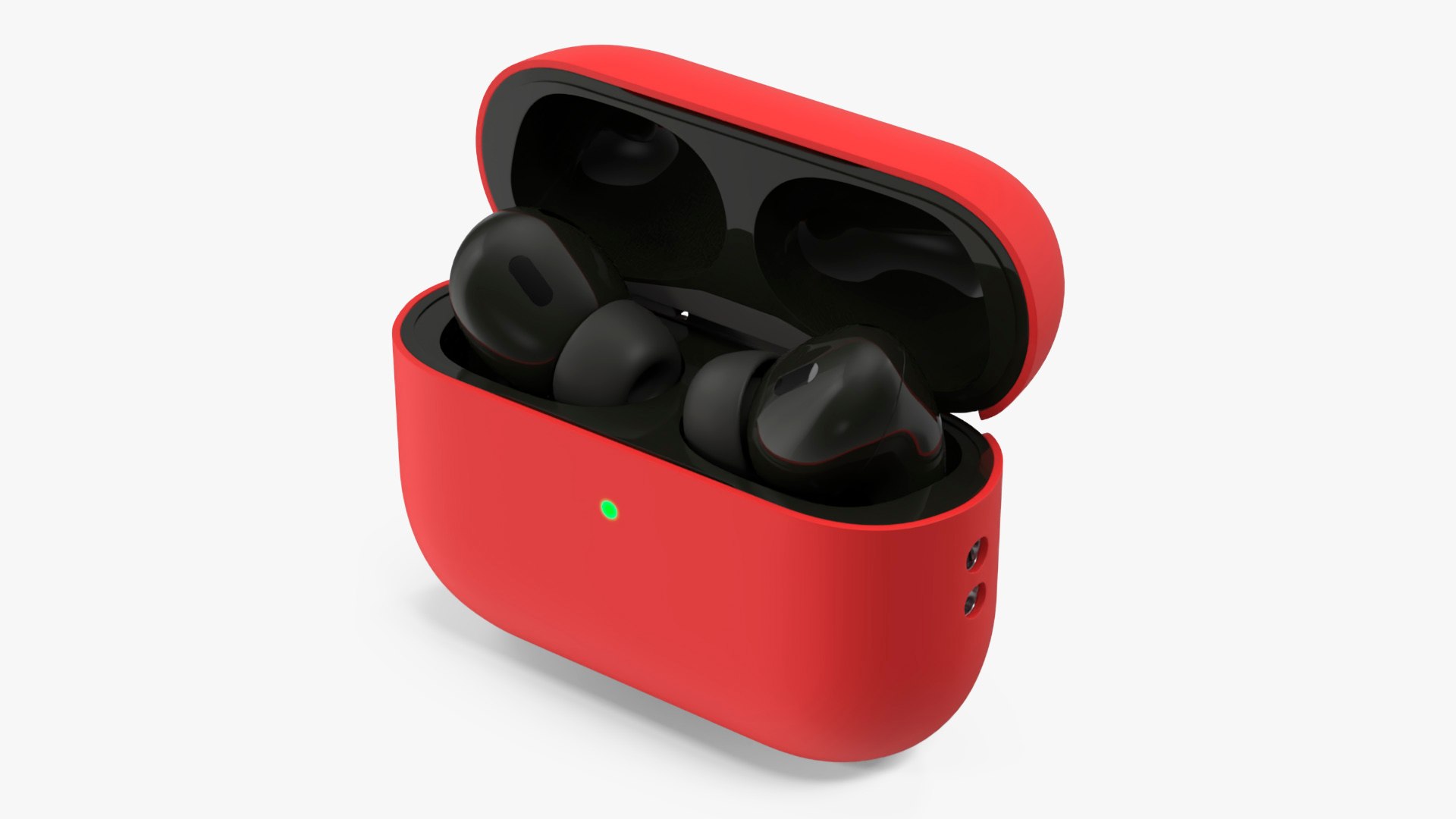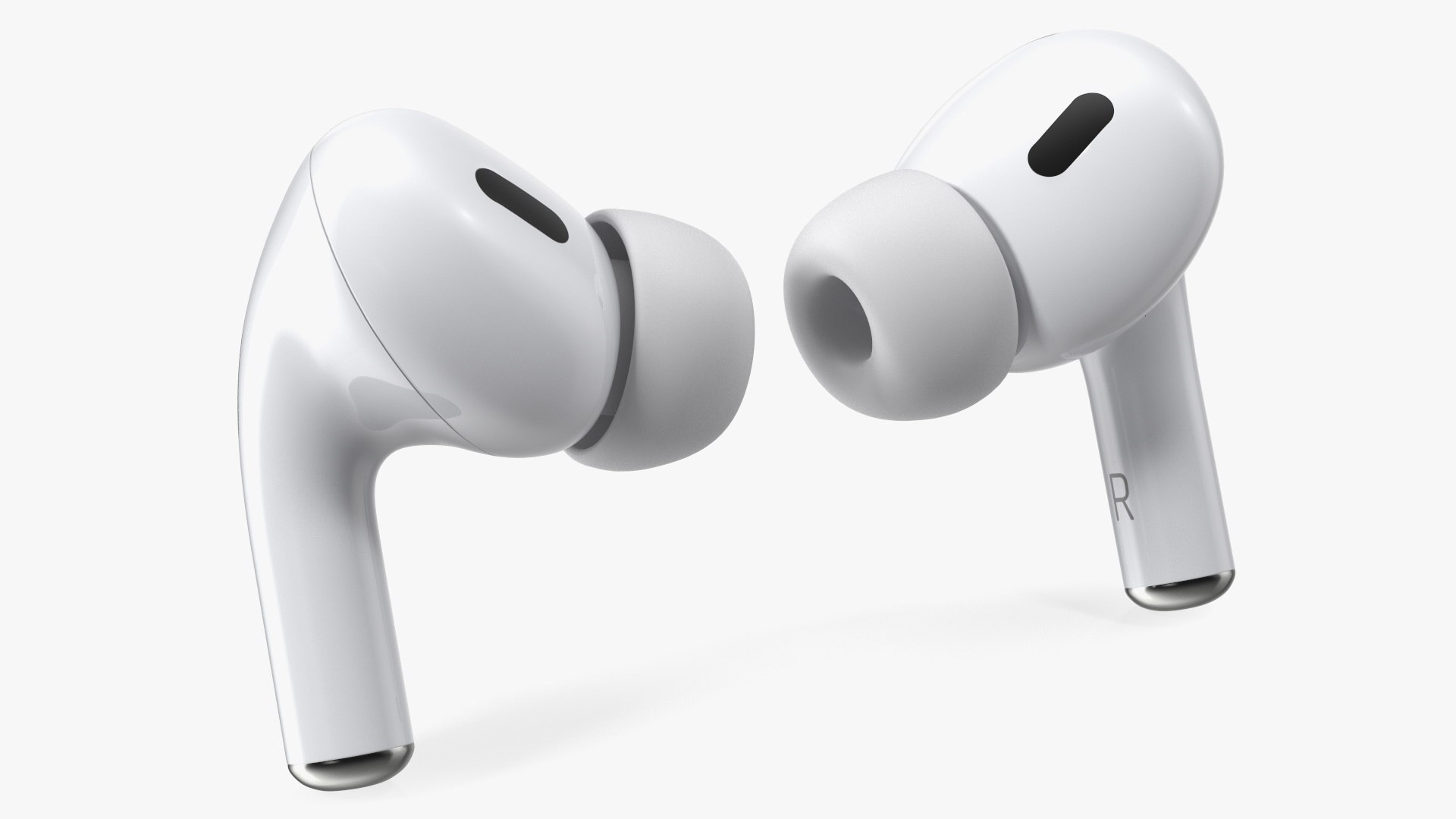
Looking for an Electronics & Gadgets asset? The Bluetooth Headphones AirPods Pro 2nd Generation is a finished, render-ready model at $29. Poly count sits at 2,248; vertex count at 1,138. That figure reads differently on desktop, on mobile and in WebXR, so weigh it against the target platform and the number of instances in the scene.
The StemCell build means you are not re-authoring shaders after import - the PBR setup is designed to read the same across engines. Naming and hierarchy are consistent, so the model behaves predictably when it is merged into a larger scene alongside other assets. The listing flags technical visualization, software demos and film & TV VFX as the intended applications.
The model joined the catalog in 2022 and is still part of what we sell today. It is aimed at product rendering, UI and app mockups and game and film props.
Questions About This Model
Can the Bluetooth Headphones AirPods Pro 2nd Generation model be modified after purchase?
Yes. The license allows editing the geometry, retopologising, changing materials and adapting the asset to a project. What it does not allow is reselling or redistributing the model file itself, or using the result commercially: this listing is Editorial Uses Only.
Can the Bluetooth Headphones AirPods Pro 2nd Generation model be used in a commercial project?
No. The model depicts a real branded product, so TurboSquid lists it under the Editorial Uses Only license. It may be used in news, commentary, education, personal projects and similar editorial contexts, but not in advertising, on merchandise or in any product offered for sale. See our license guide.
What is the Bluetooth Headphones AirPods Pro 2nd Generation model typically used for?
The listing names technical visualization, software demos and film & TV VFX as the main applications. In practice it also works anywhere a finished electronics & gadgets object is needed without modeling it from scratch.
How heavy is the Bluetooth Headphones AirPods Pro 2nd Generation mesh?
2,248 polygons and 1,138 vertices, built as polygonal quads/tris. That figure reads differently on desktop, on mobile and in WebXR, so weigh it against the target platform and the number of instances in the scene.