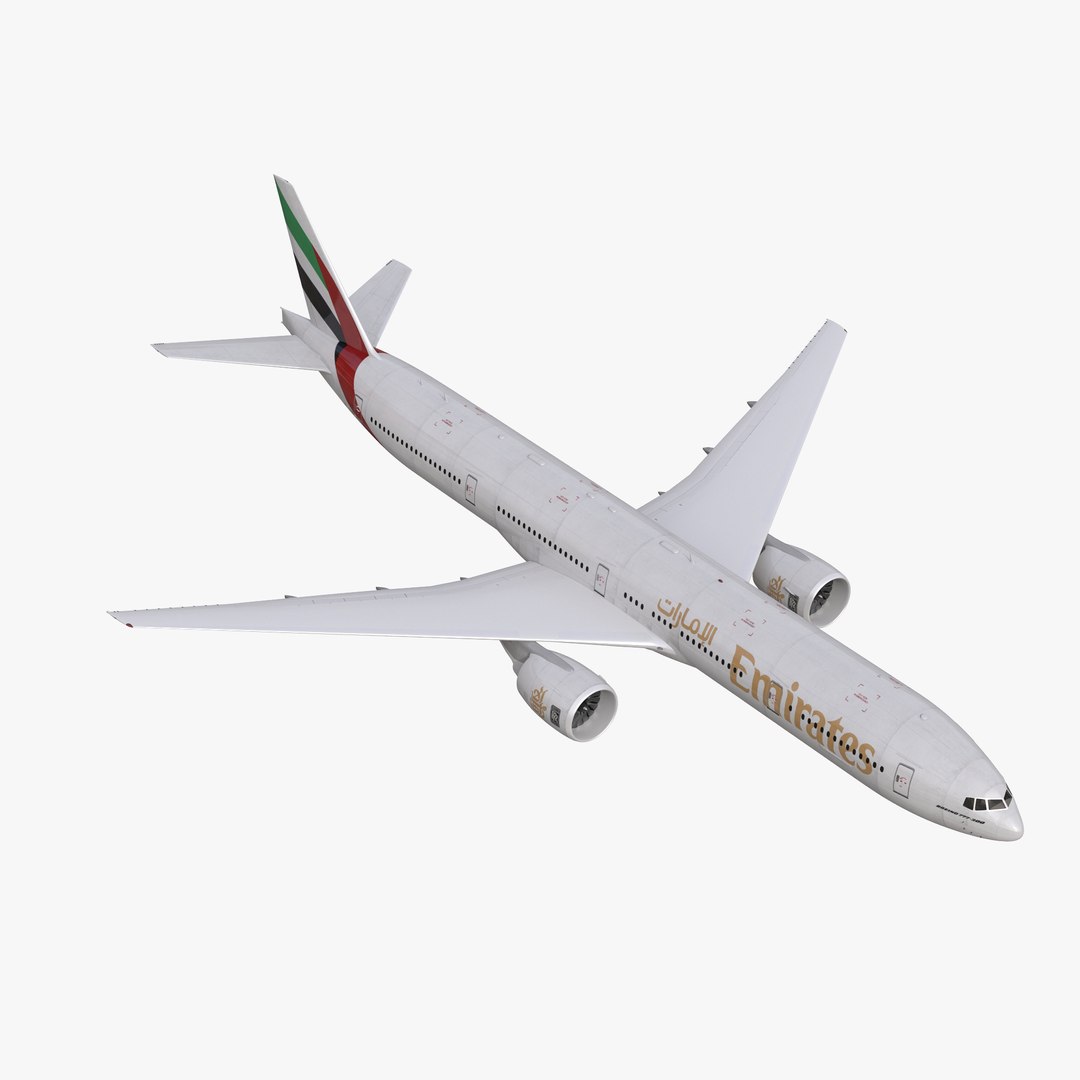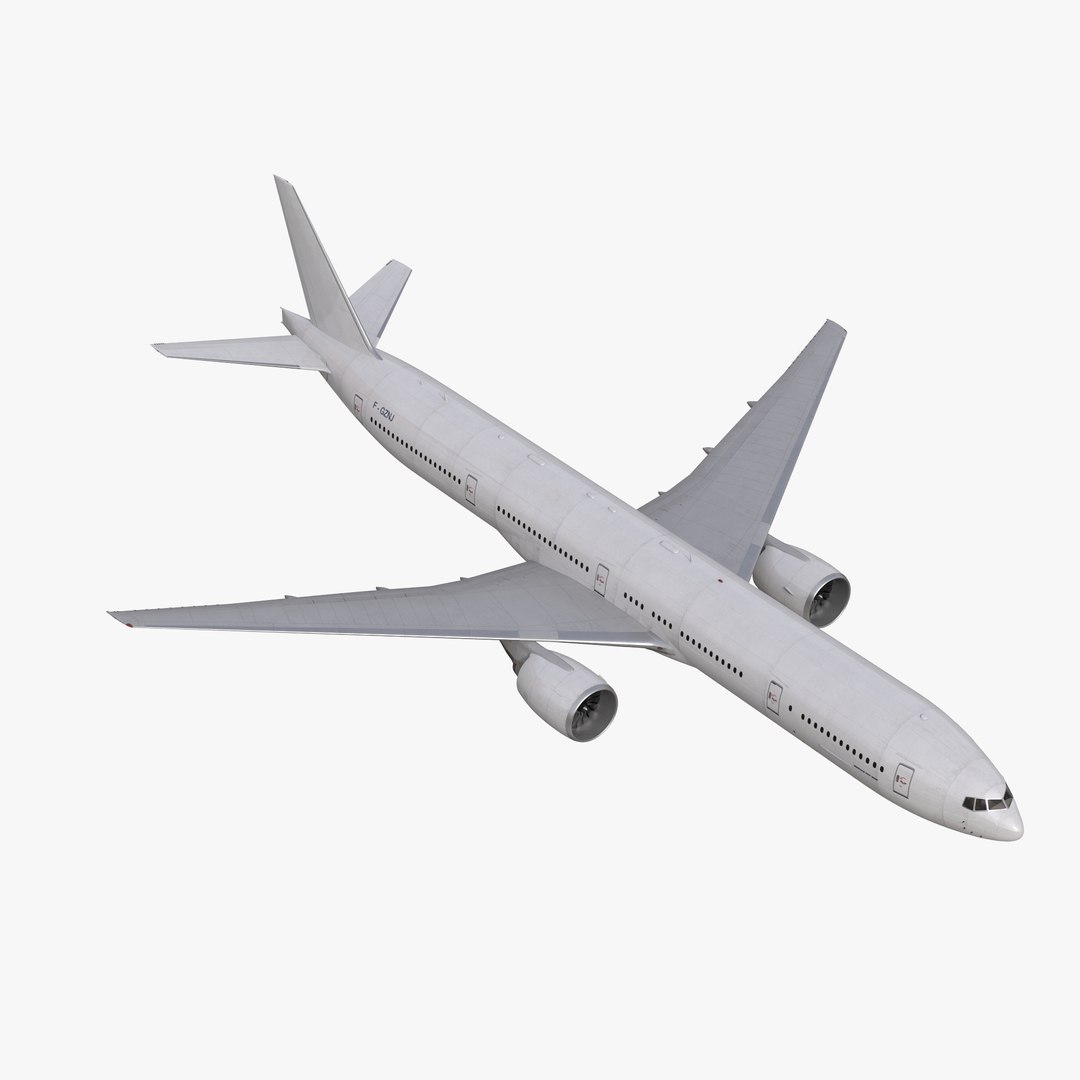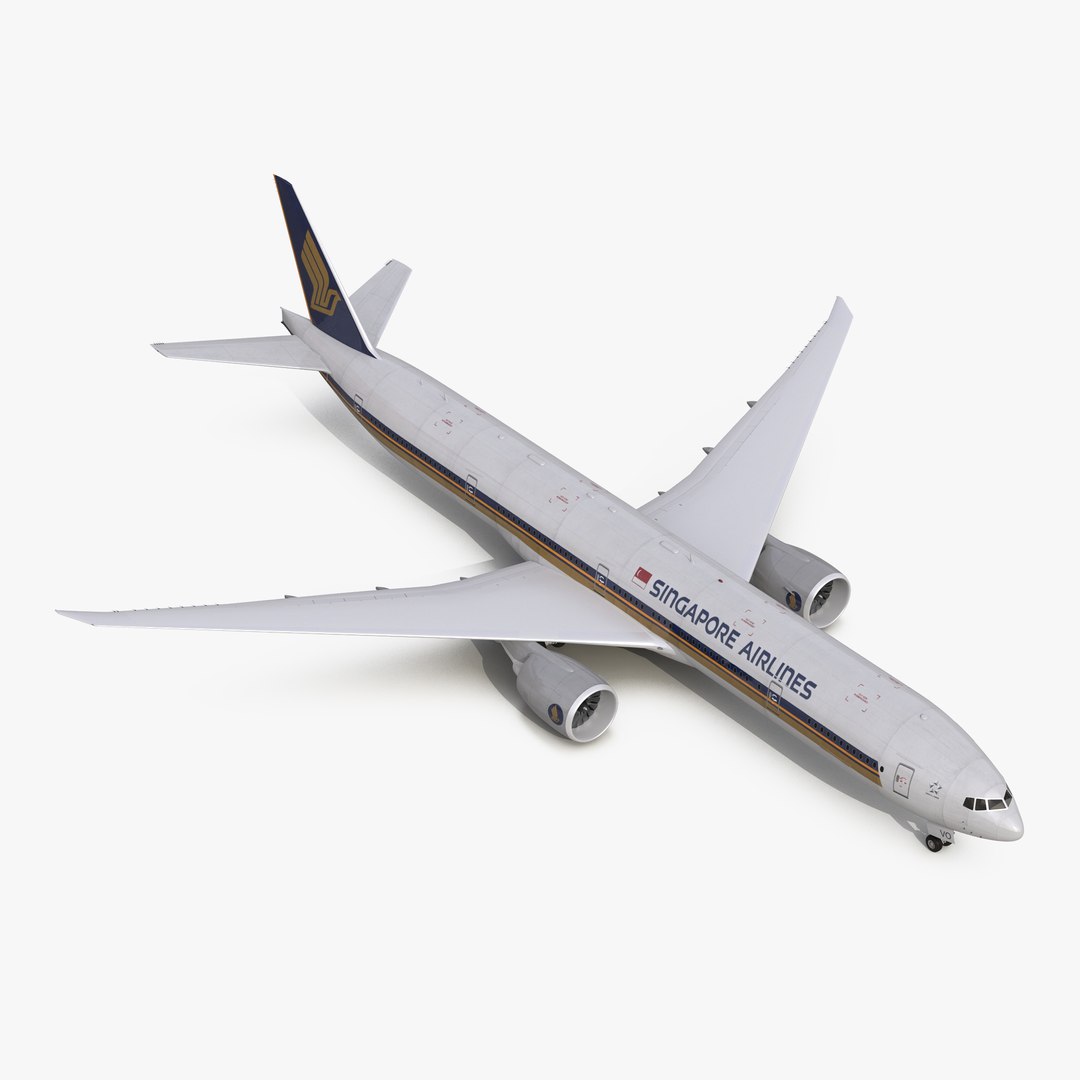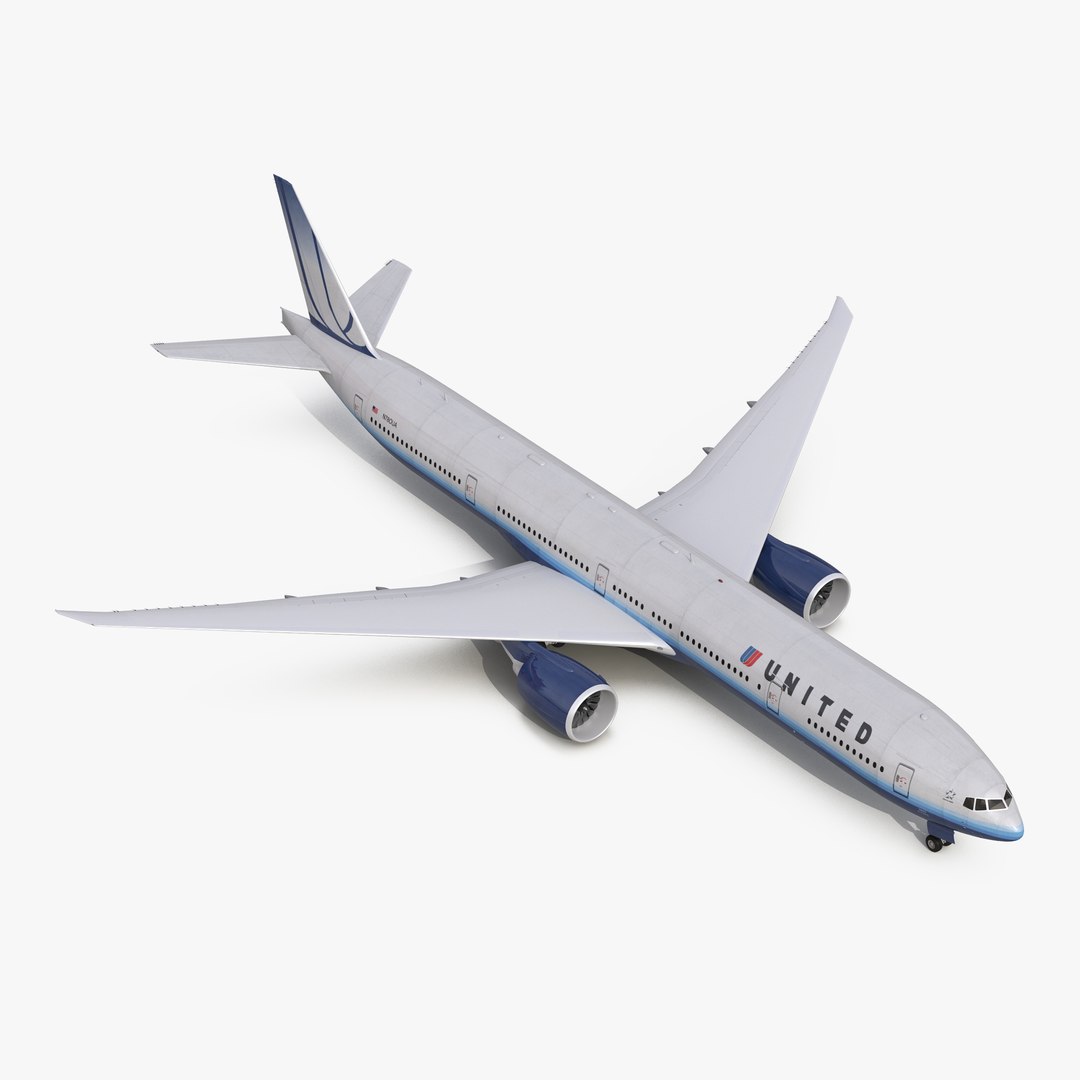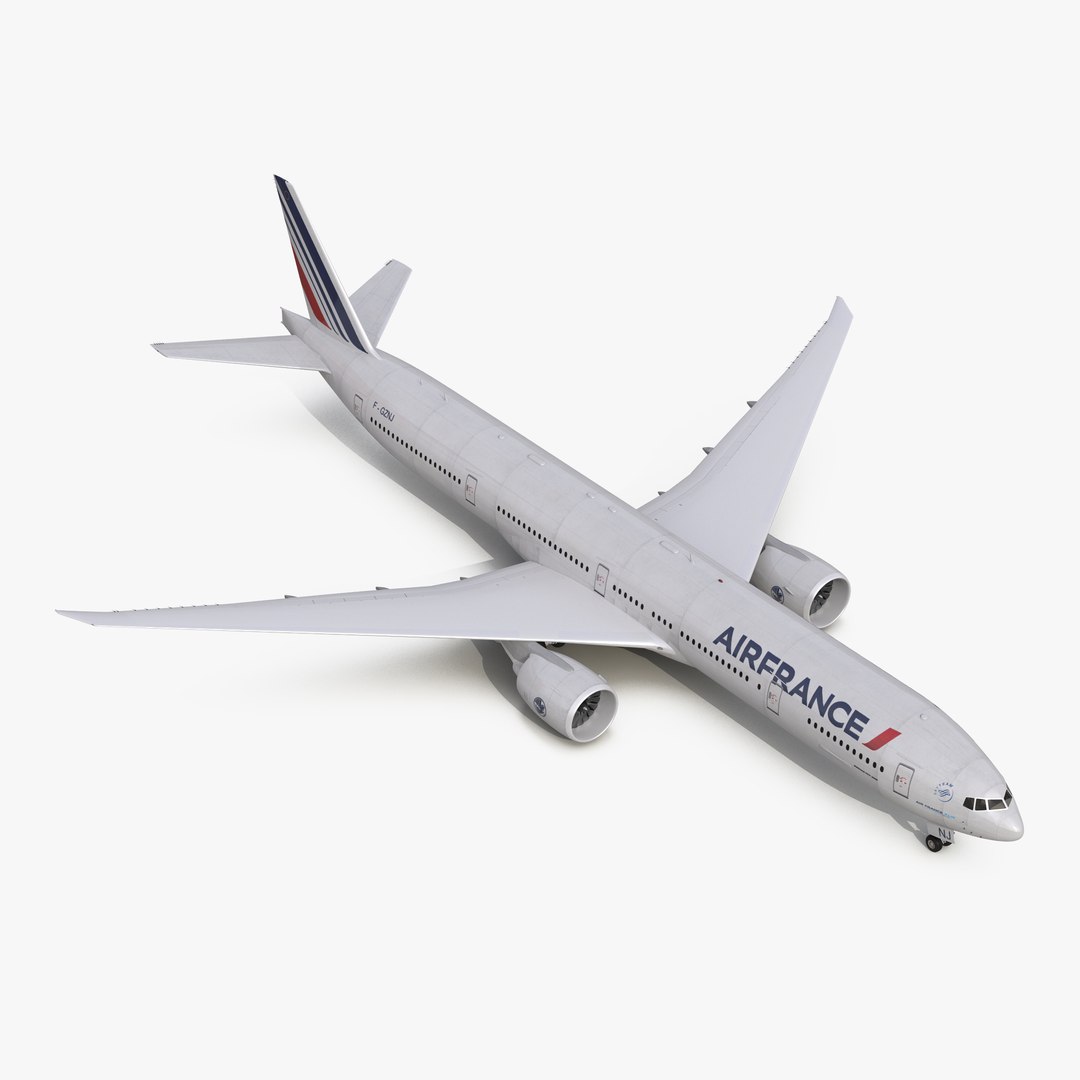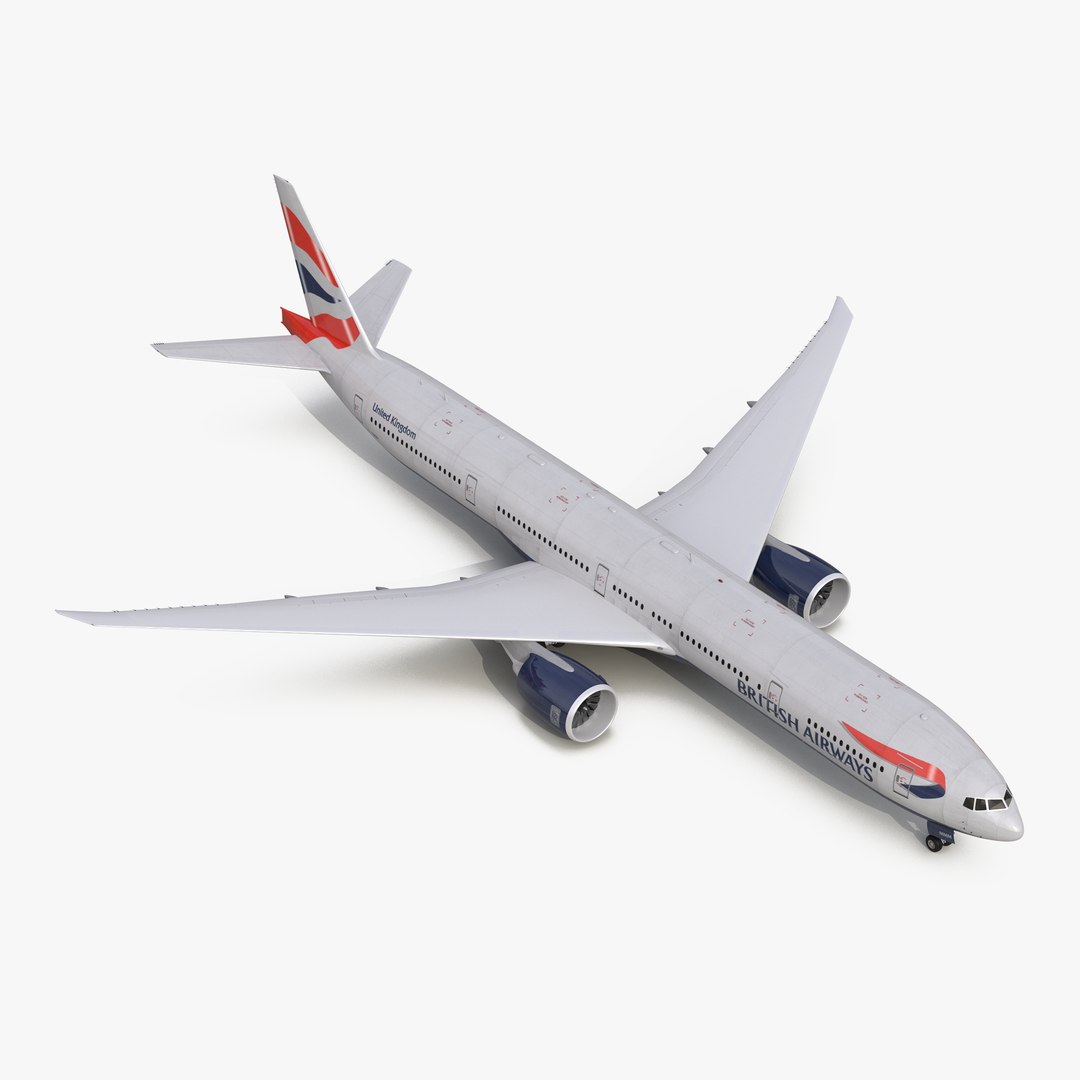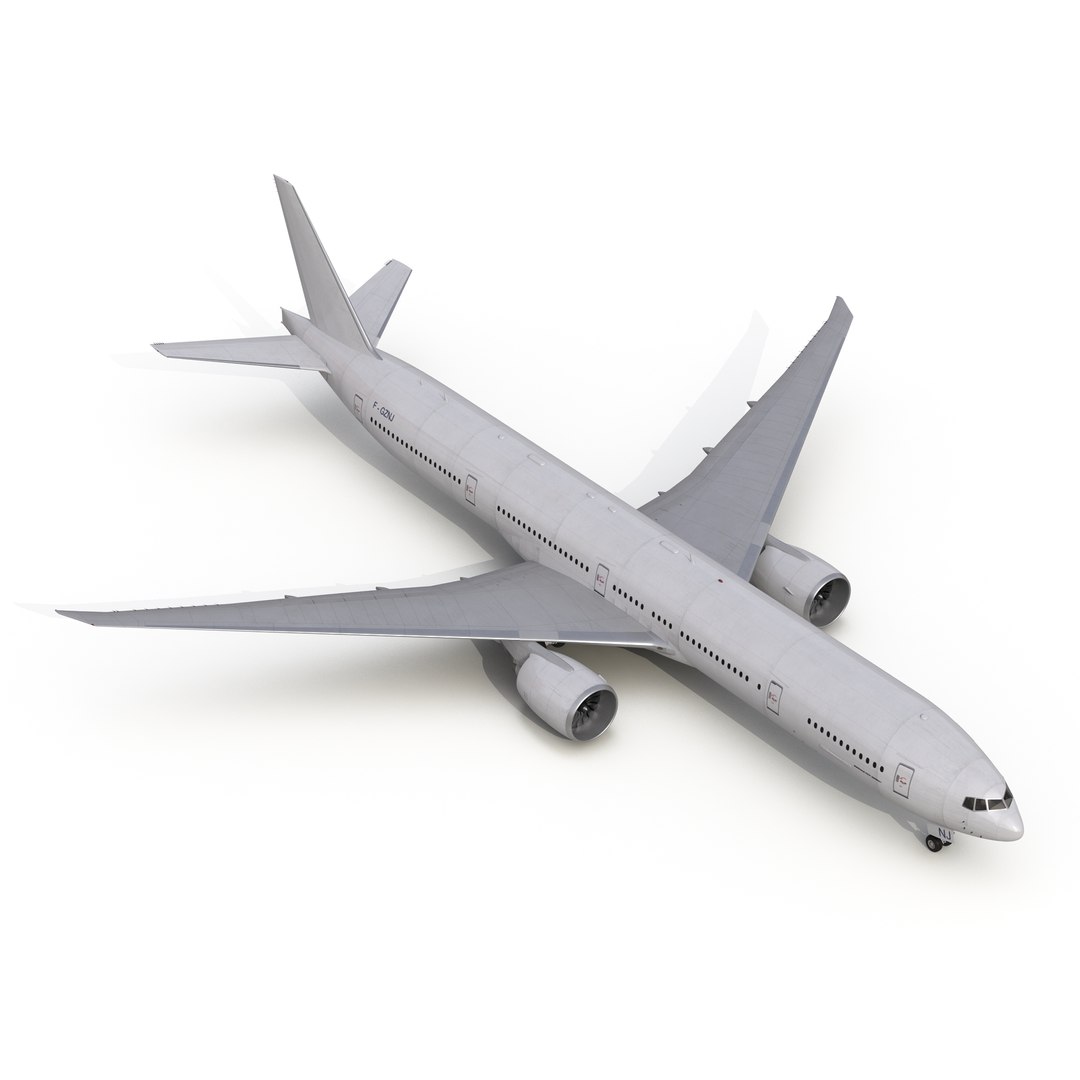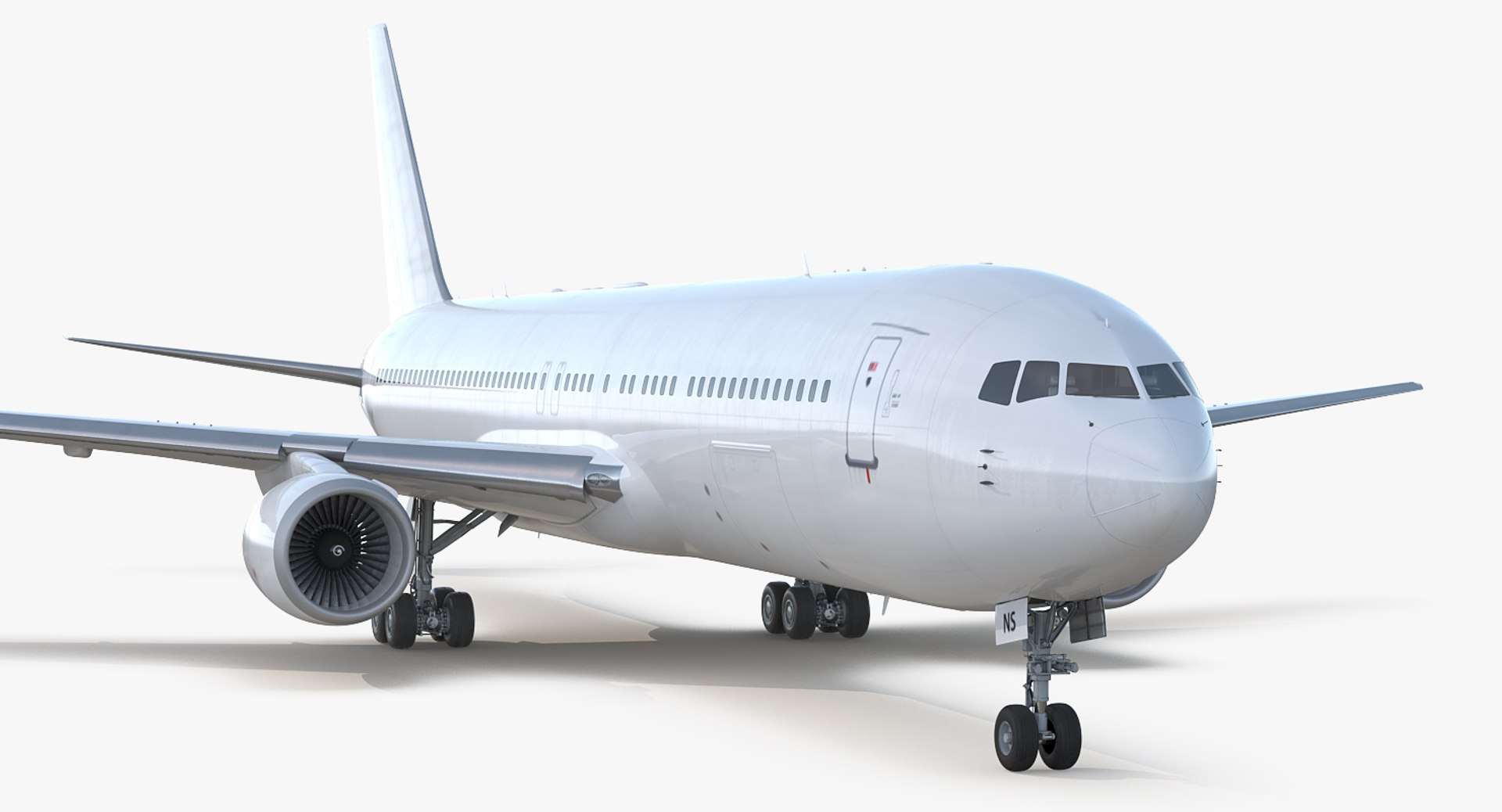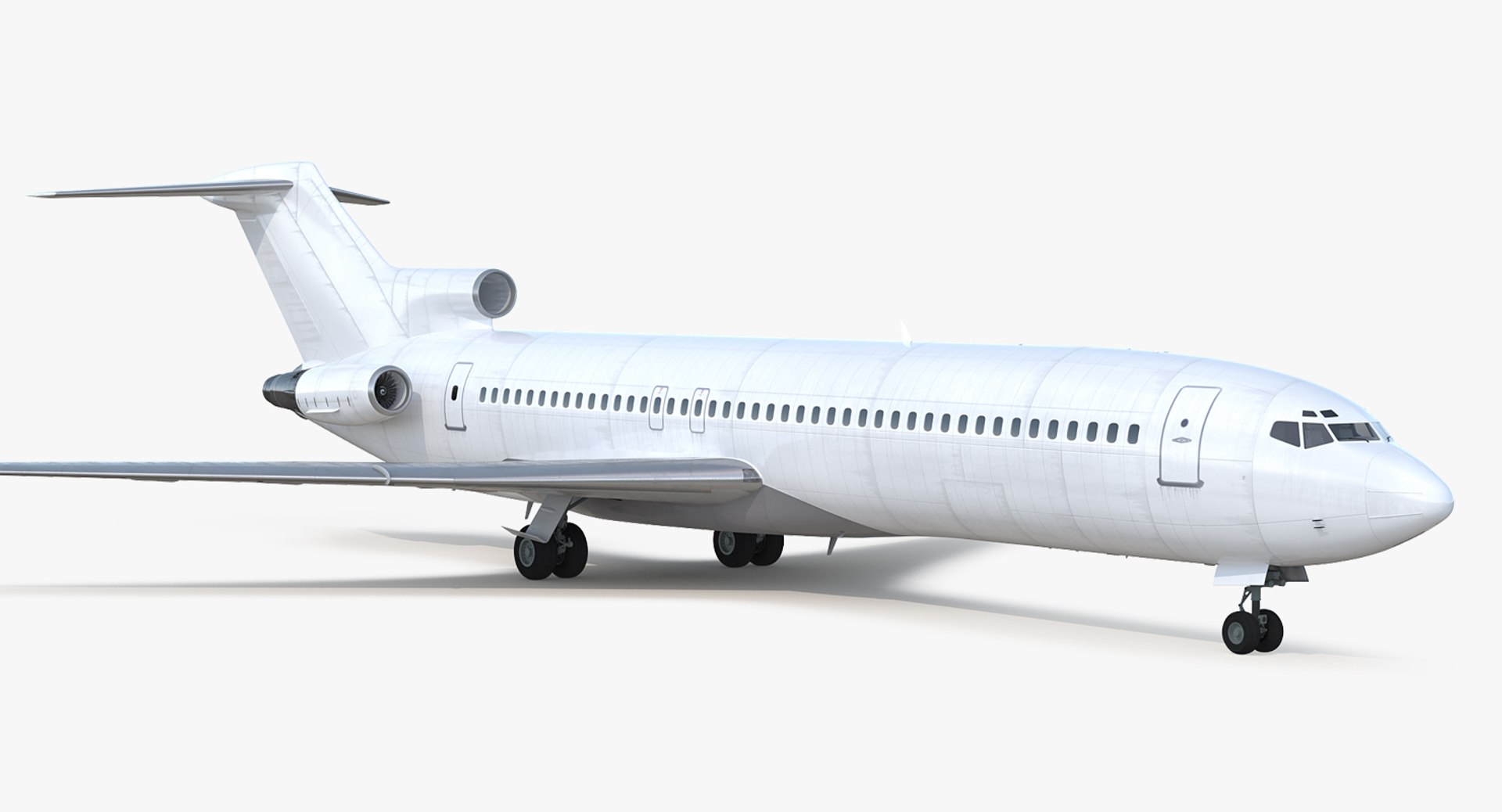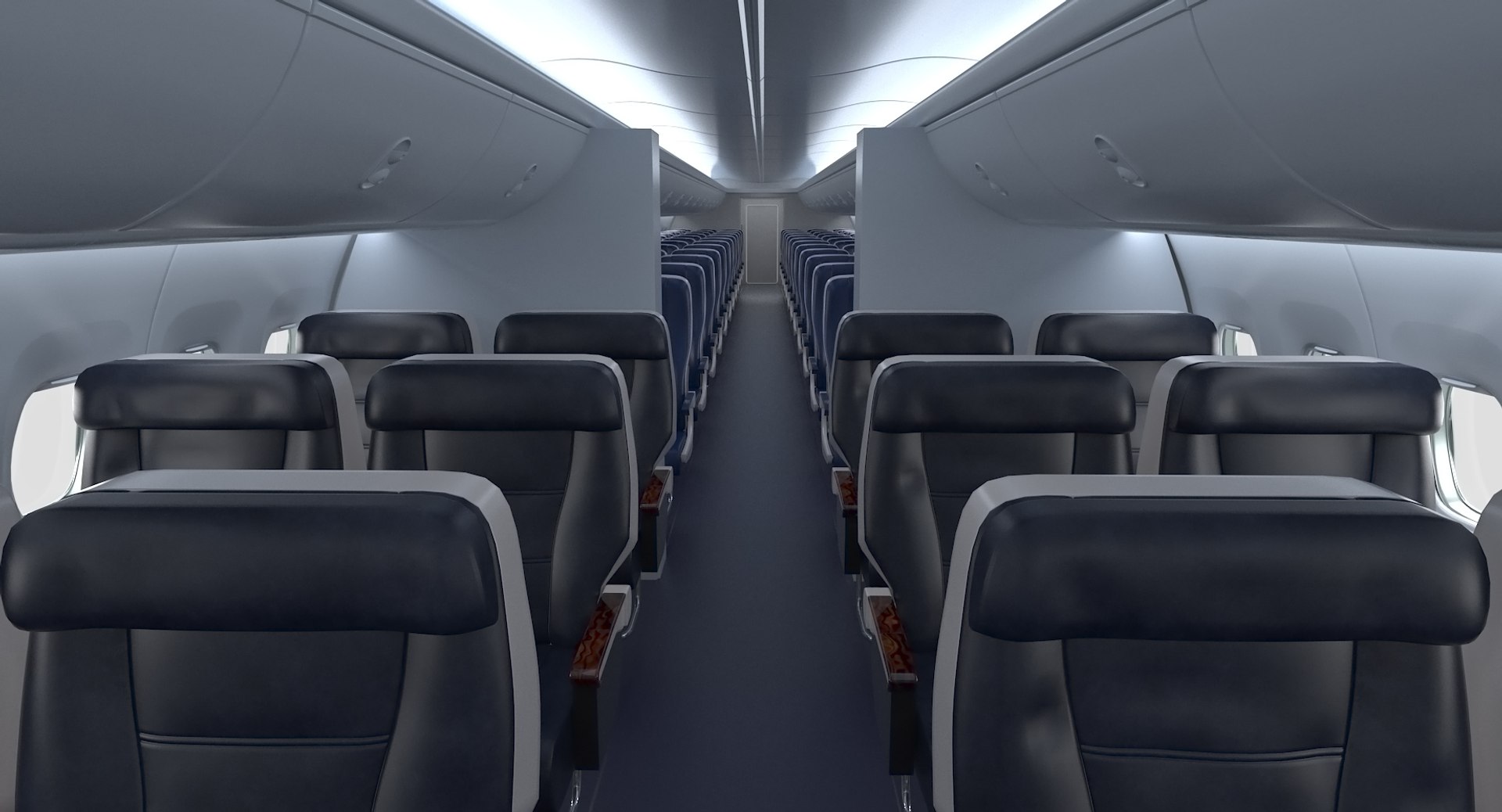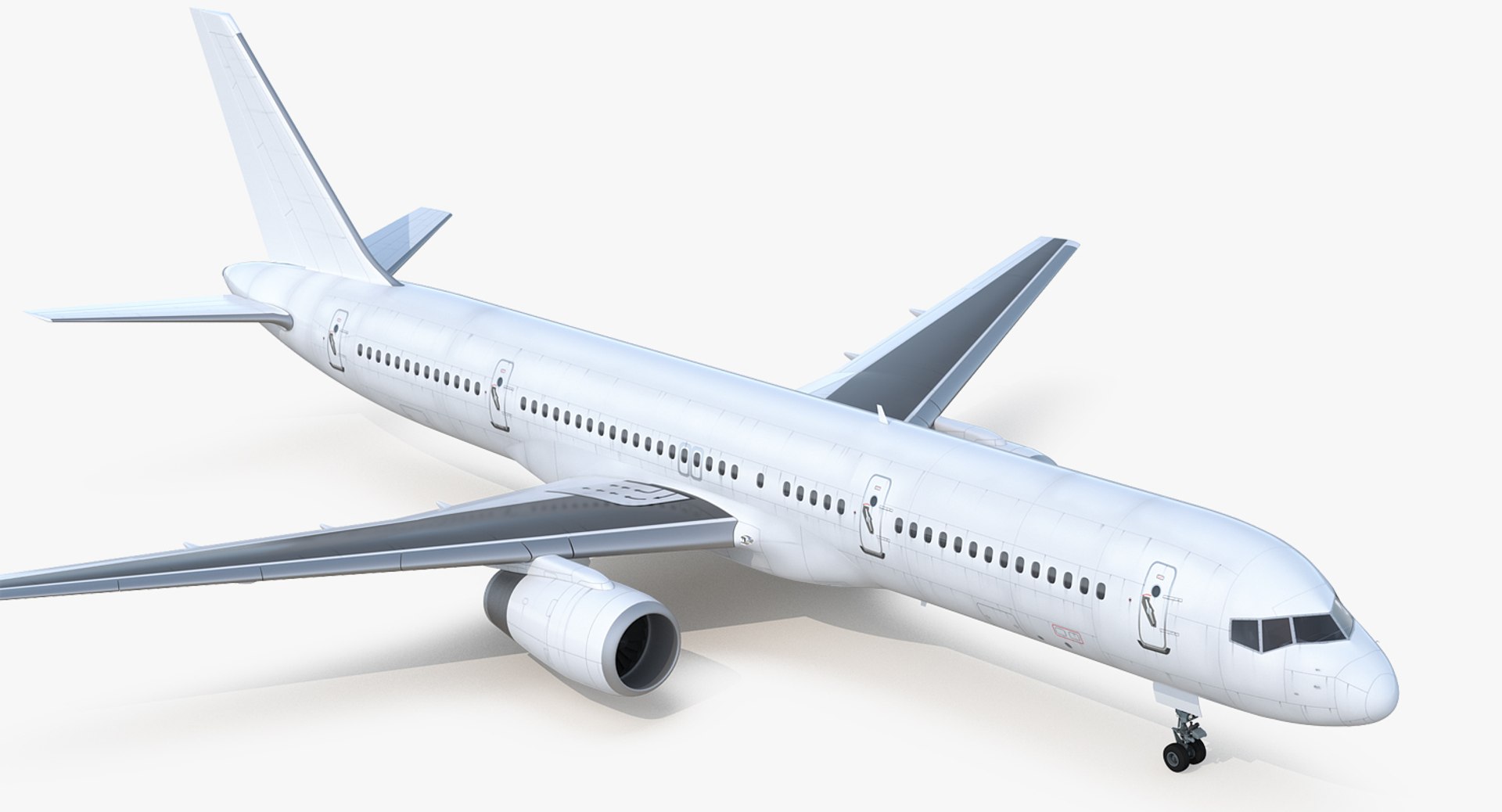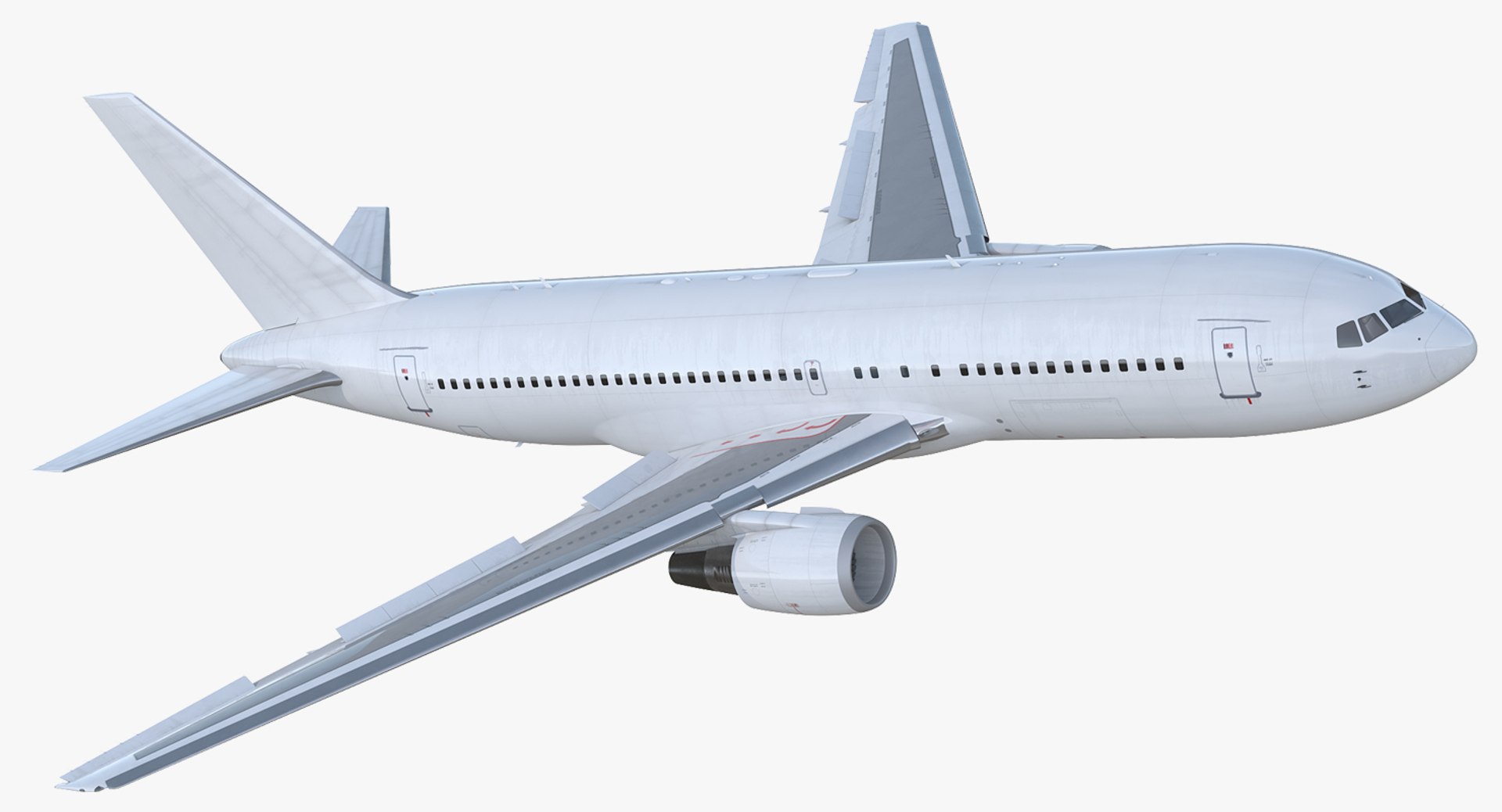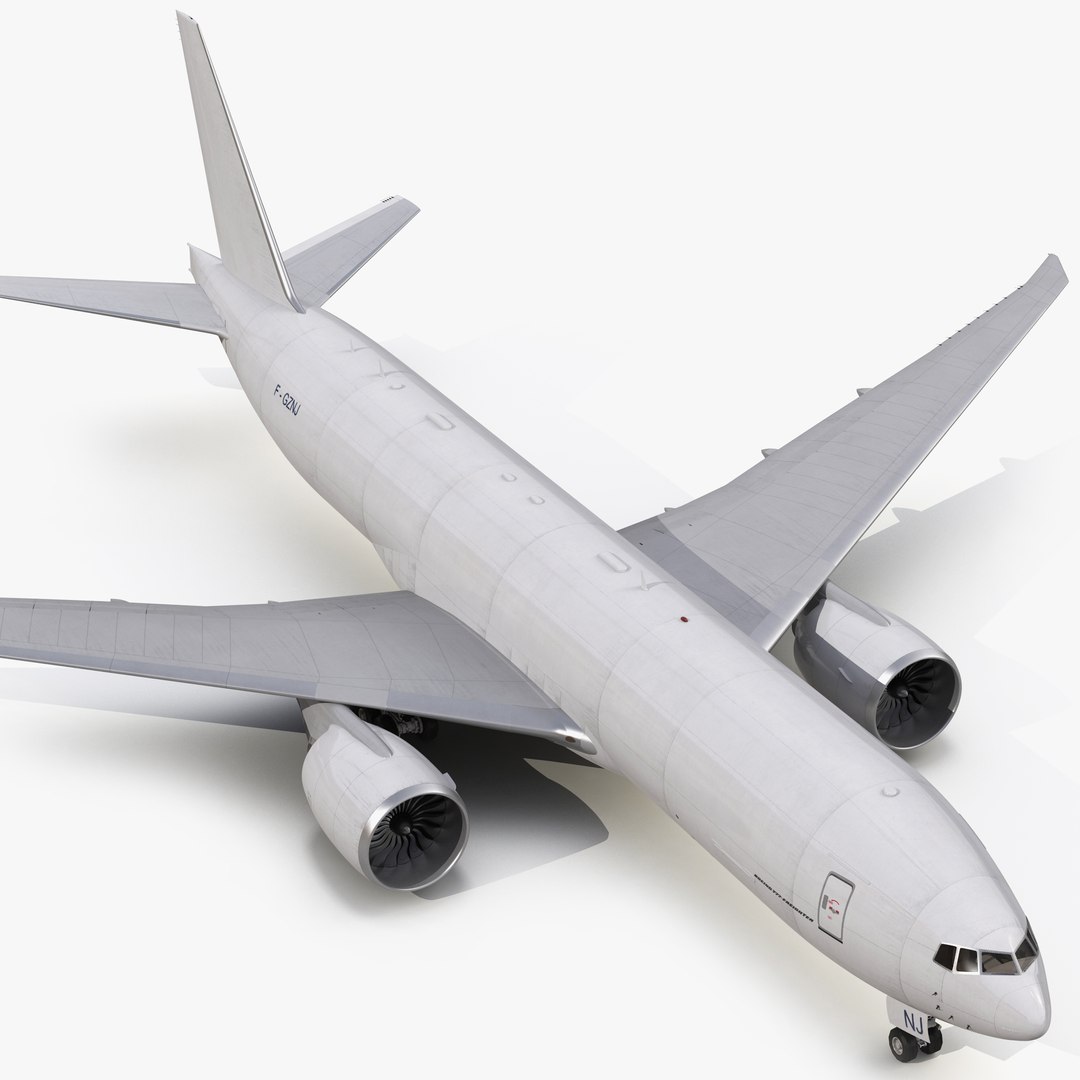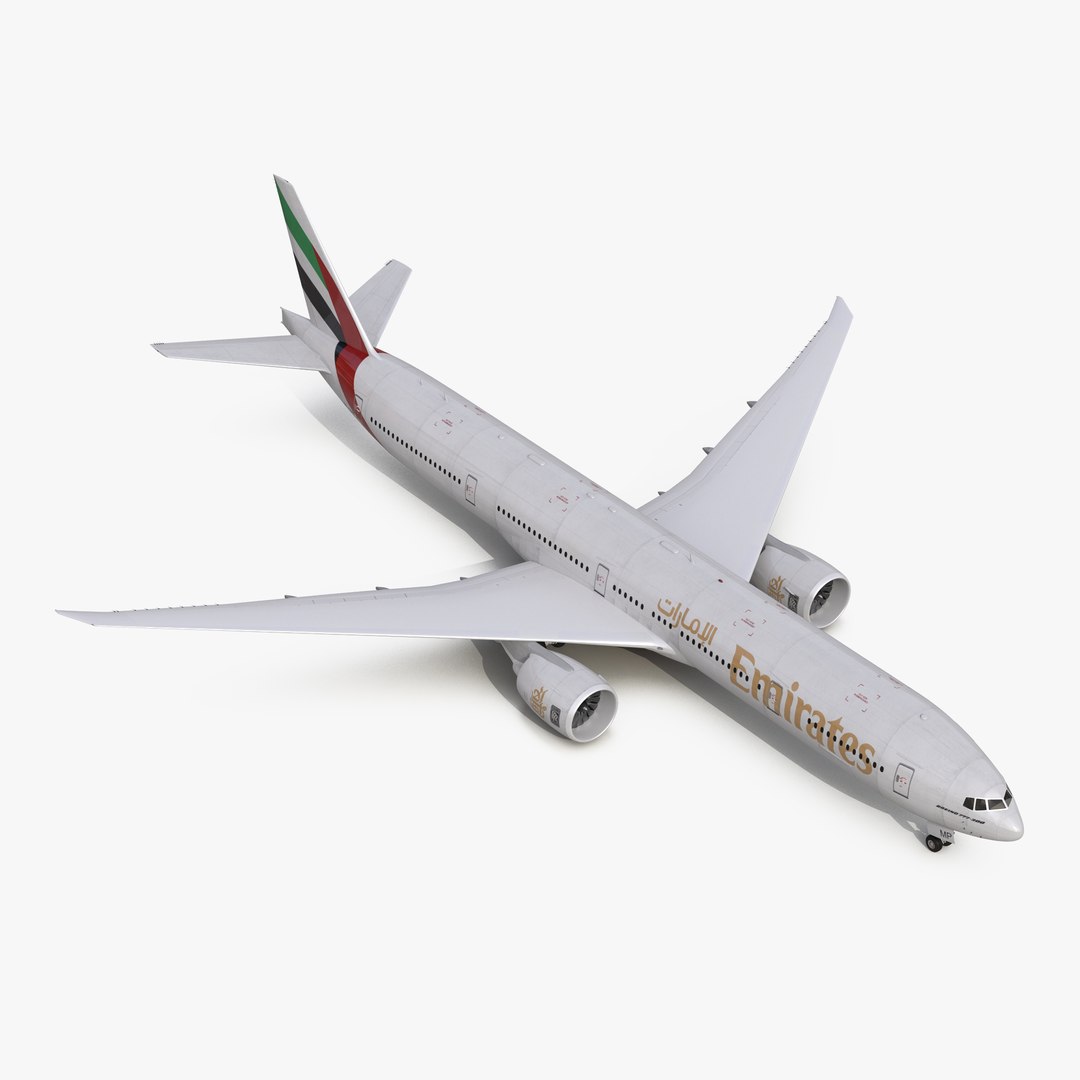
The 777-300 is one of the longest airliners ever built, and length is the first thing to get right: the fuselage runs so far behind the wing that the aircraft needs a tail strike protection system on rotation. In Emirates colors it carries the red tail and the gold script that have to follow a very long curved surface without distortion.
The mesh runs 754,269 polygons and 774,167 vertices in quads and tris with non-overlapping UVs, and ships with 12 texture maps - 6 at 8192x8192 and 6 at 4096x4096. Six maps at the largest size is what a fuselage this long needs to avoid visible repetition.
A rigged build sits on this page at $149. The static model at $129 covers airline marketing, airport visualization, film and television, news graphics and print. On sale since 2016.
Questions About This Model
Which industries use the Boeing 777-300 Emirates model?
Aerospace, Simulation, Film & Video Production, Game Development and Virtual Reality are the primary industries on this listing. The license, however, is Editorial Uses Only: the model depicts a real branded product, so it may appear in editorial work in those fields, but not in advertising or in products for sale.
How heavy is the Boeing 777-300 Emirates mesh?
754,269 polygons and 774,167 vertices, built as polygonal quads/tris. The same count is comfortable in an offline render and demanding in a mobile game, so judge it against your own budget.
How clean is the geometry on the Boeing 777-300 Emirates model?
Geometry is modelled at true scale with a tidy edge flow, and the scene is split into named objects so partial reuse and material swaps stay simple.
How much does the Boeing 777-300 Emirates 3D model cost?
$129 USD, paid once. TurboSquid handles payment and delivery. The license is Editorial Uses Only, because the model depicts a real branded product: it covers editorial contexts such as news, commentary and education, but not advertising or products for sale.