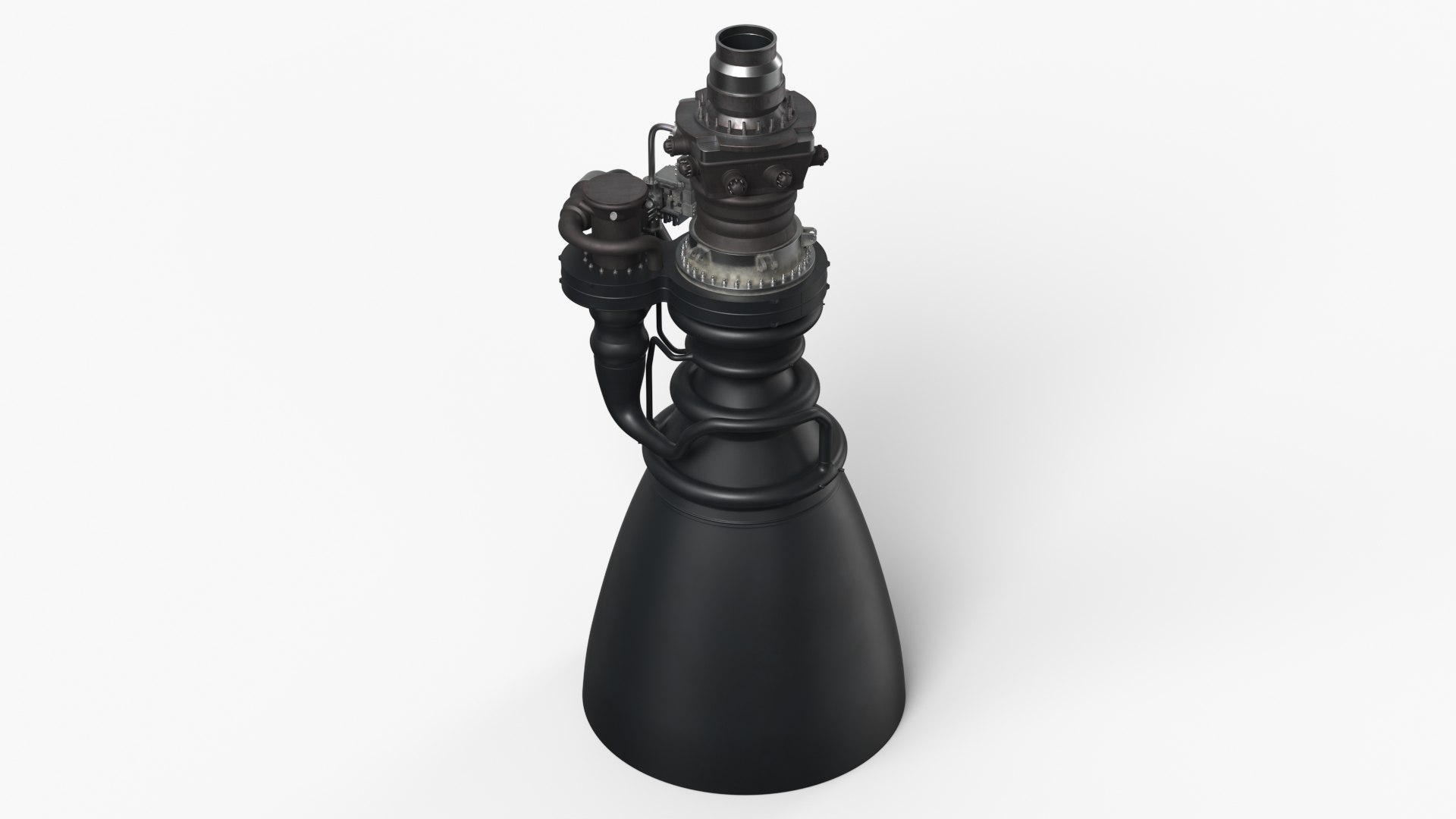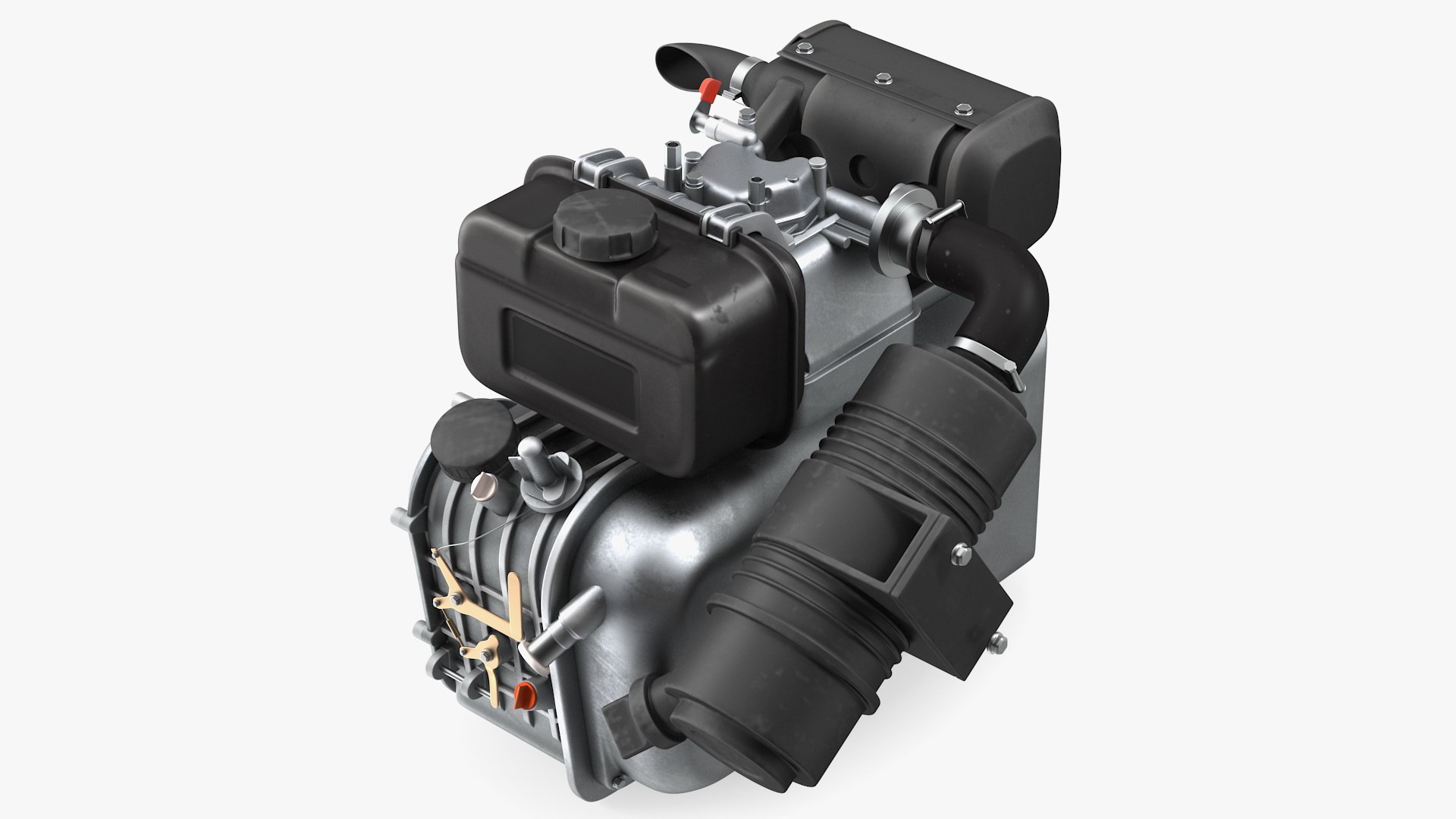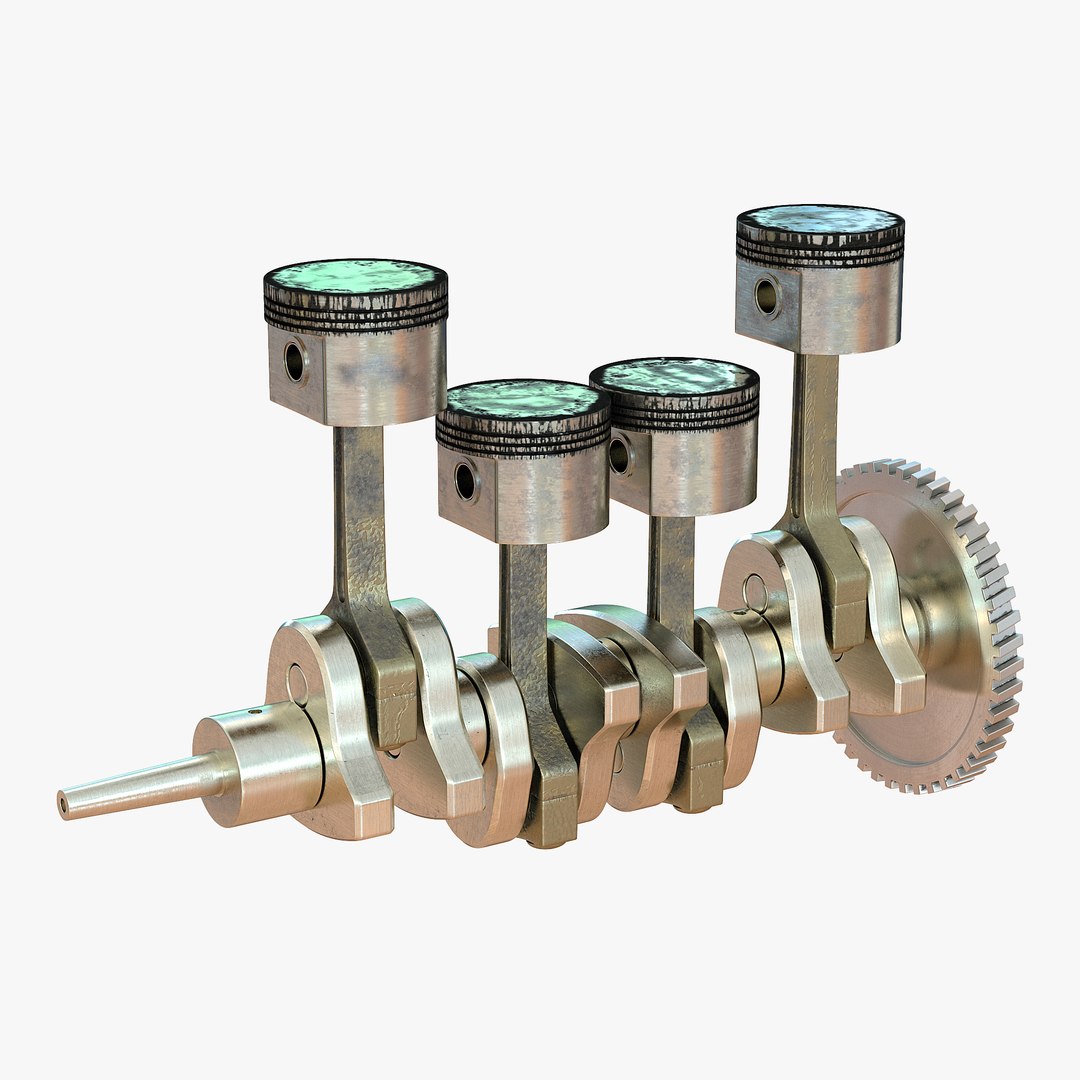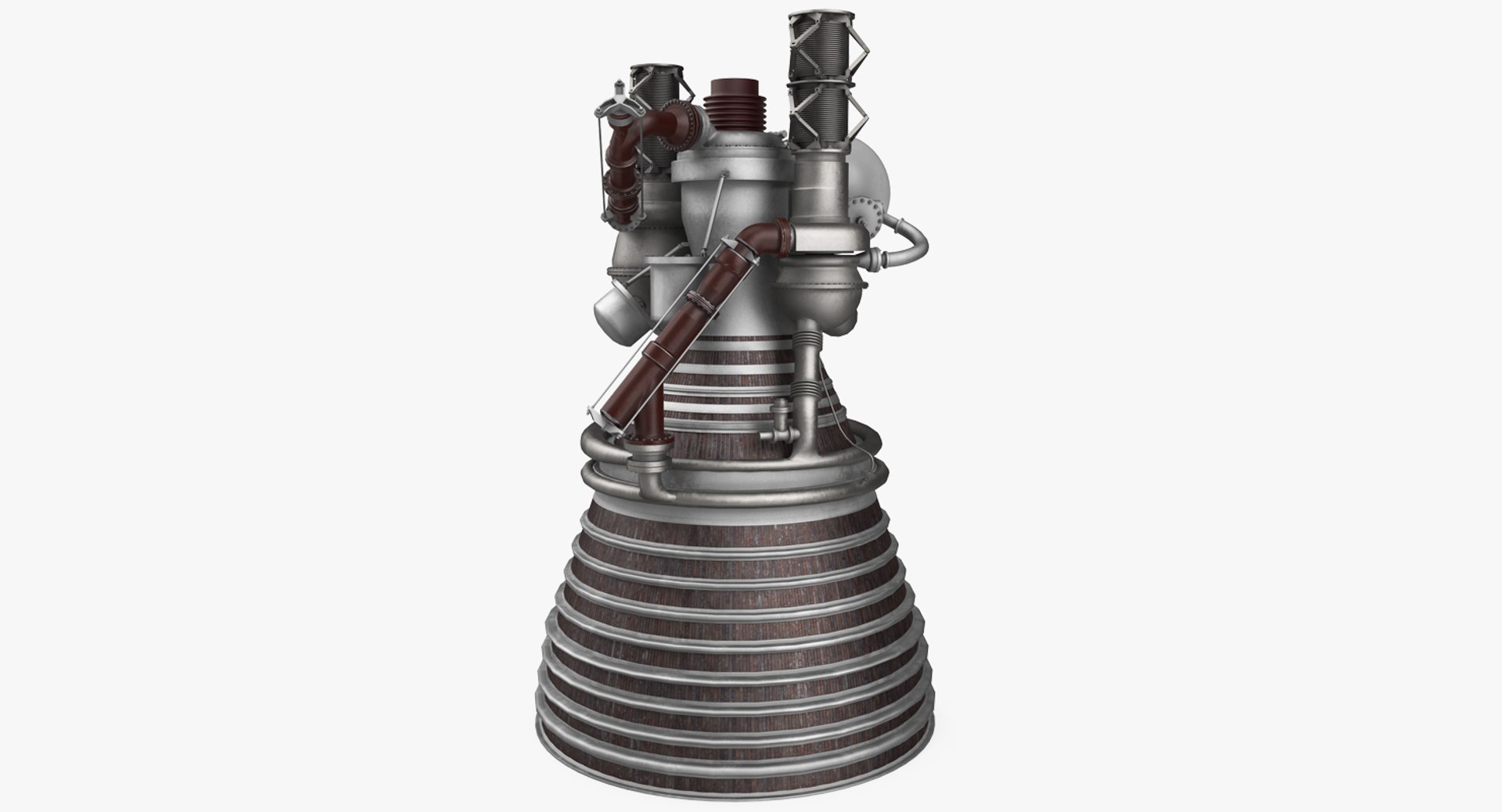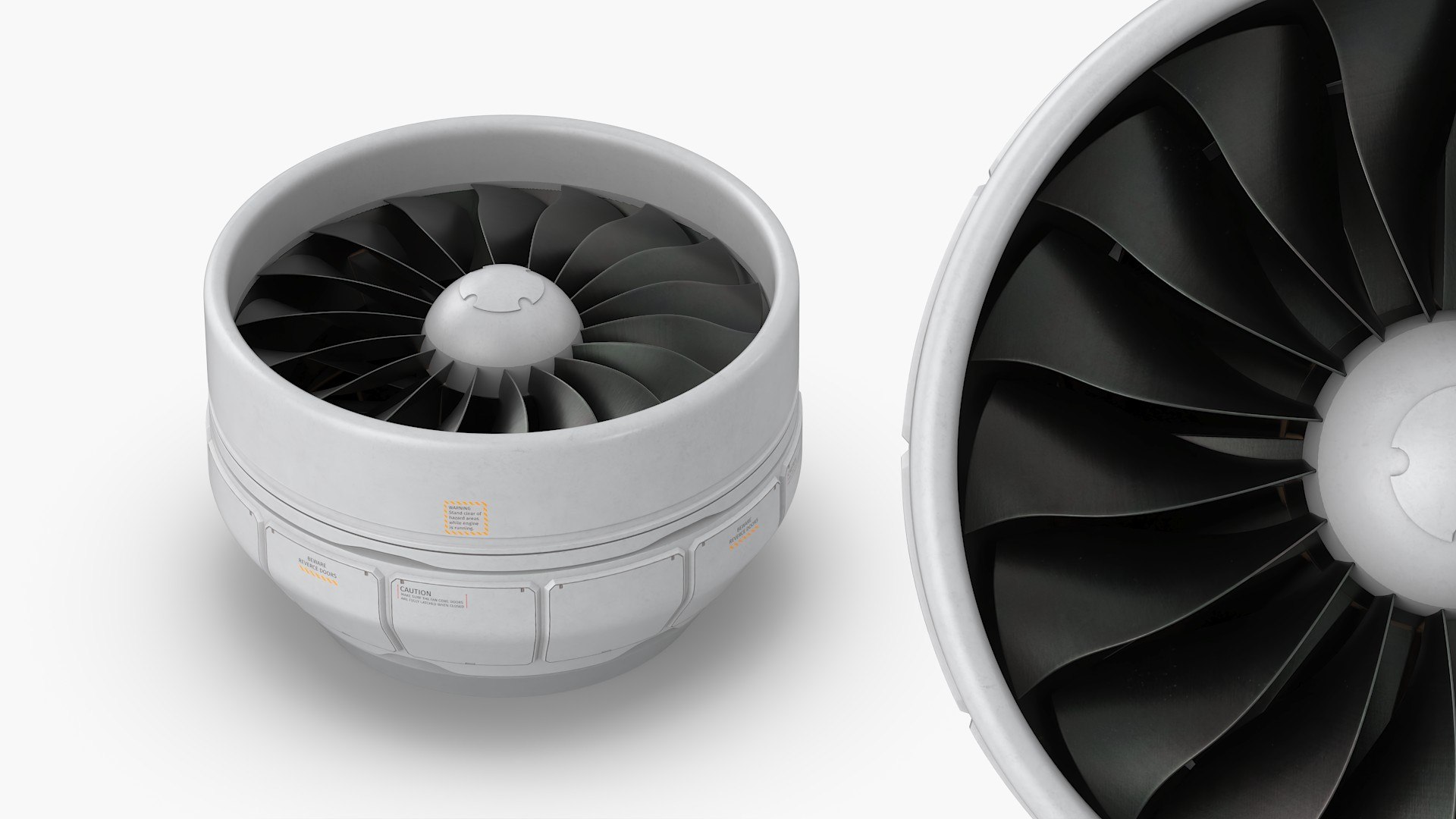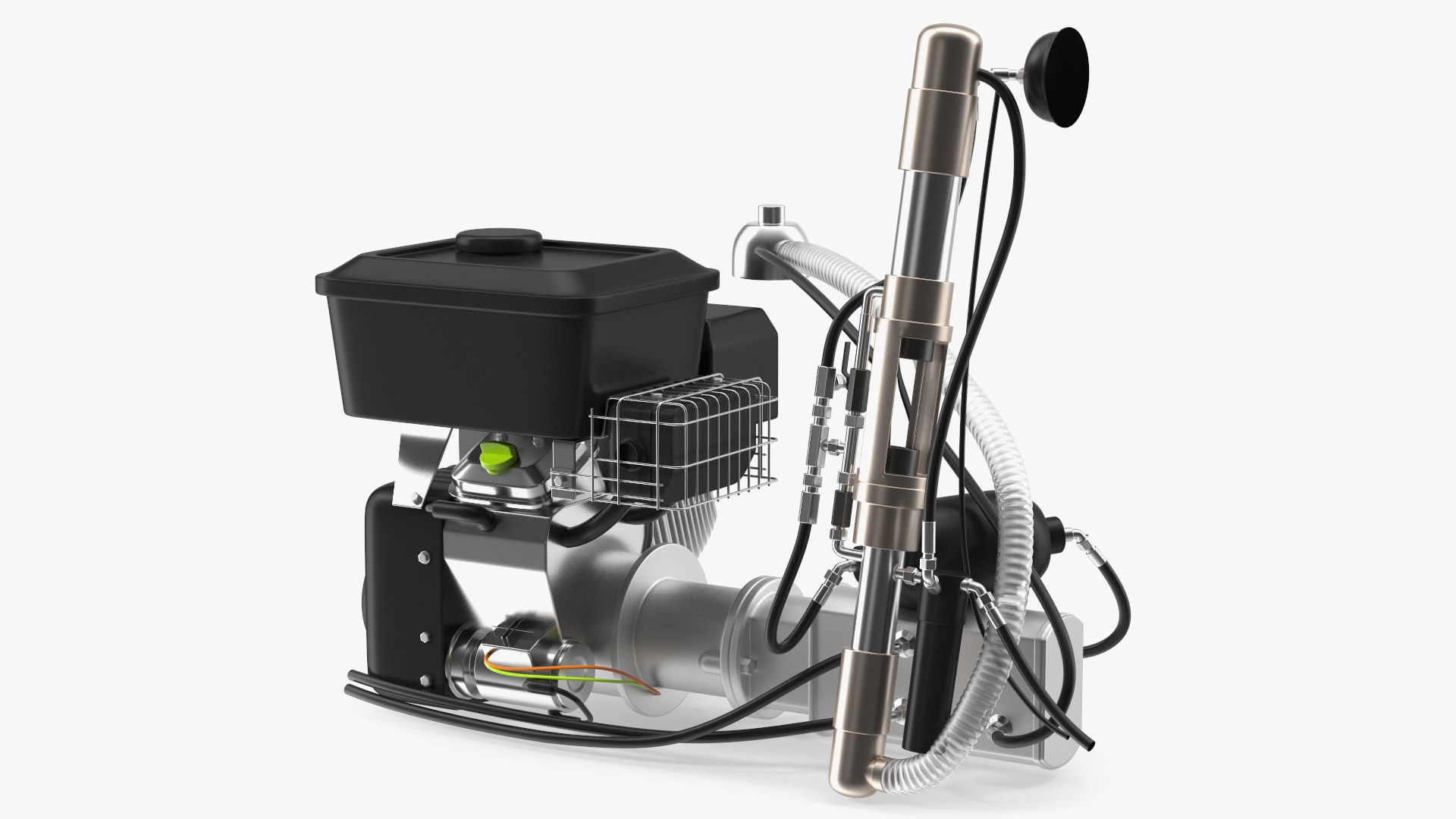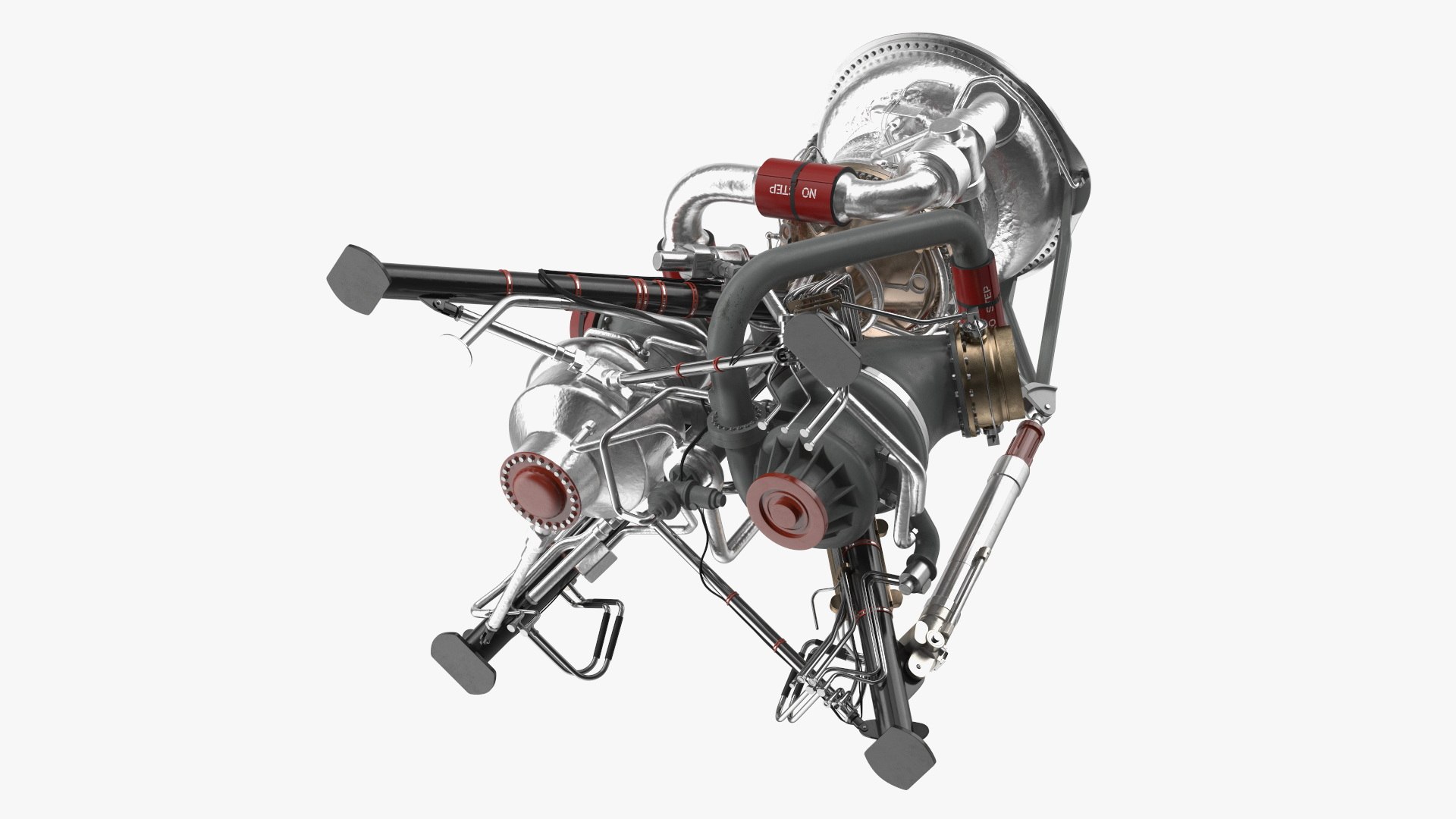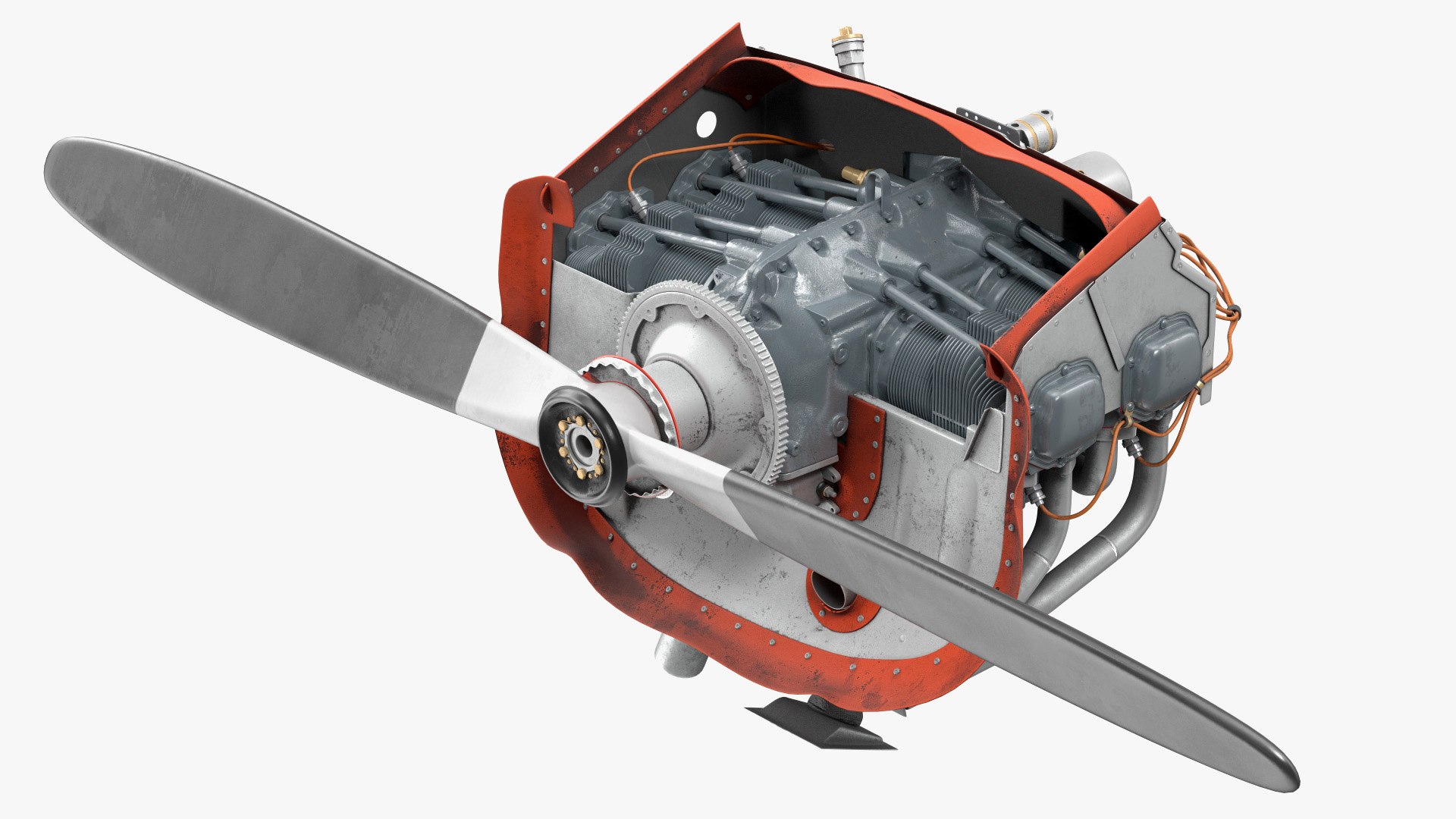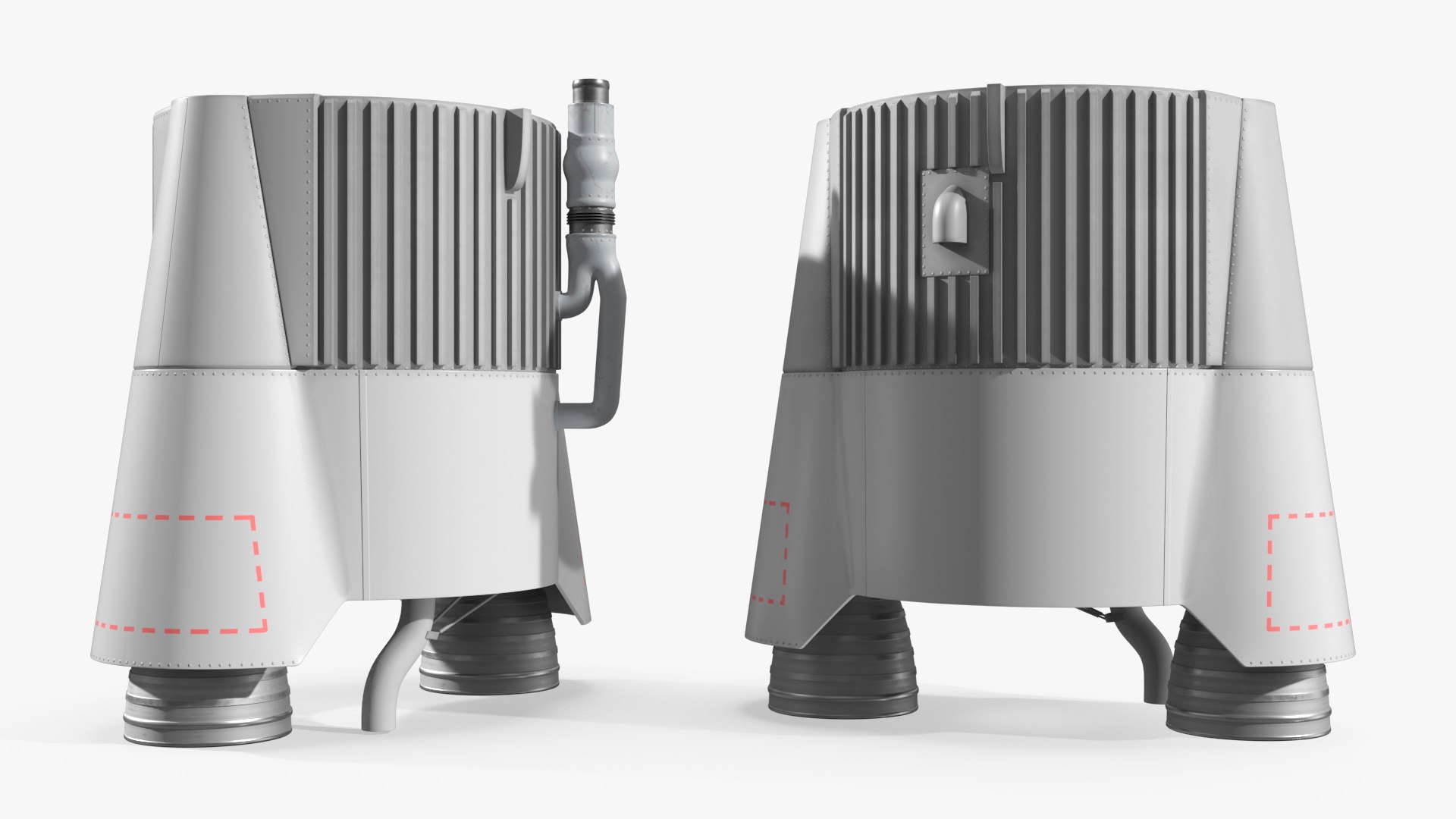
Priced at $49, the Booster Engine Compartment is a finished Vehicles model rather than a base mesh you have to build on. Budget for 20,519 polygons and 21,309 vertices when you plan the scene. What matters is not the number itself but how many copies of the object your scene has to carry at once.
Real-world footprint is 452.87 x 347.0 x H478.66 cm.info, so it drops into a scene at correct scale without a rescaling pass. It is a StemCell model, so it ships in TurboSquid's multi-format standard with PBR materials that carry over between renderers instead of needing to be rebuilt per engine. Objects are grouped and named logically, so isolating a single part for a material change is a two-second job rather than a cleanup task.
On this listing the stated applications are driving simulation, automotive advertising and film & TV VFX. Common uses are automotive advertising, film and TV backgrounds, game traffic and architectural visualization.
Questions About This Model
How heavy is the Booster Engine Compartment mesh?
20,519 polygons and 21,309 vertices, built as polygonal quads/tris. What matters is not the number itself but how many copies of the object your scene has to carry at once.
Can the Booster Engine Compartment model be modified after purchase?
Yes, modification is covered by the license. Most buyers adjust materials or decimate the mesh for their engine; only redistribution of the source file is off-limits.
How much does the Booster Engine Compartment 3D model cost?
It is listed at $49 USD on TurboSquid. That is a one-off purchase under the Royalty Free license - there is no subscription and no per-project fee afterwards.
Does the Booster Engine Compartment model include materials and textures?
The product page states what ships with each format. StemCell delivery means a PBR material set that reads the same across renderers. See the listing for the exact contents.