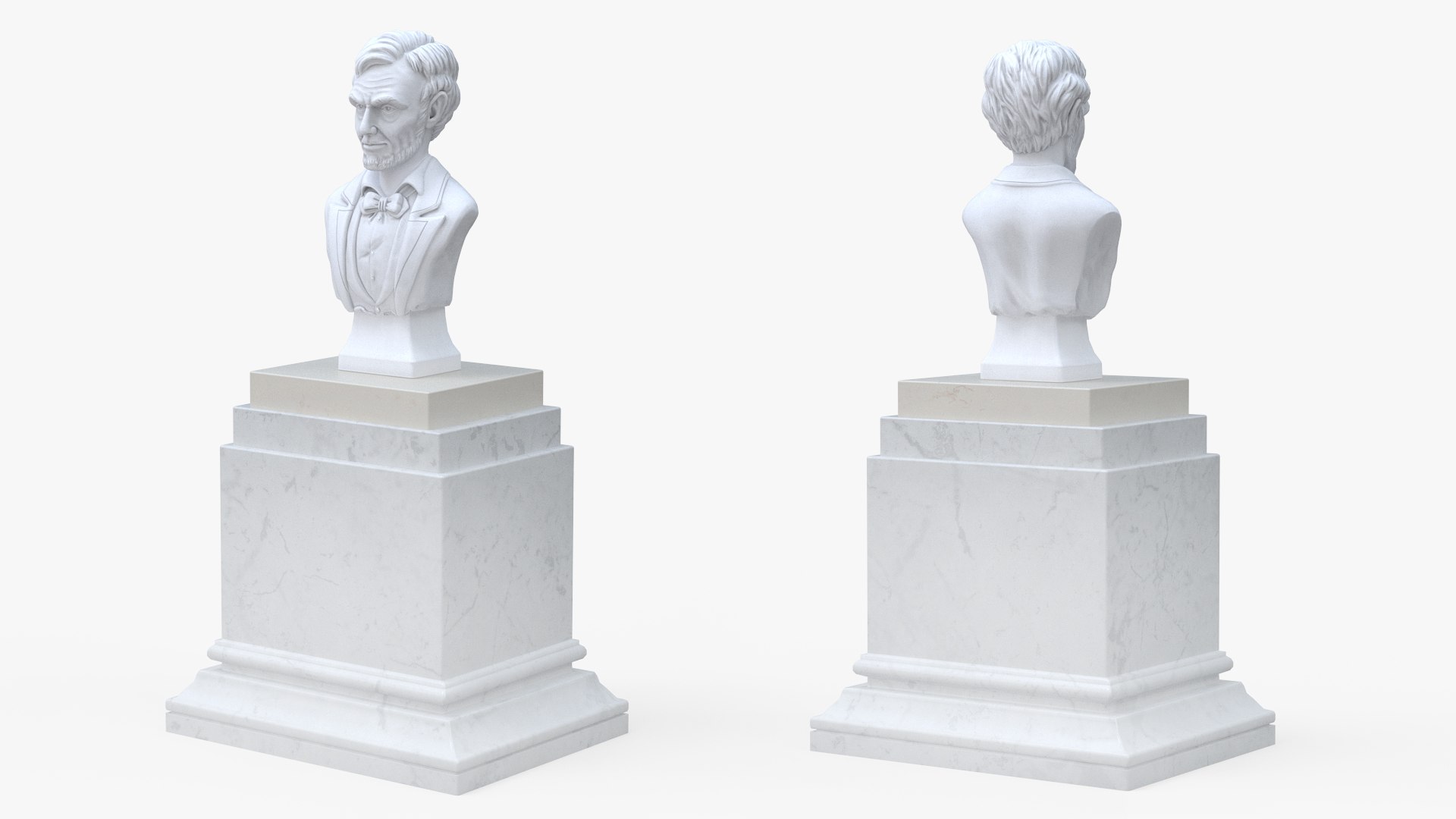
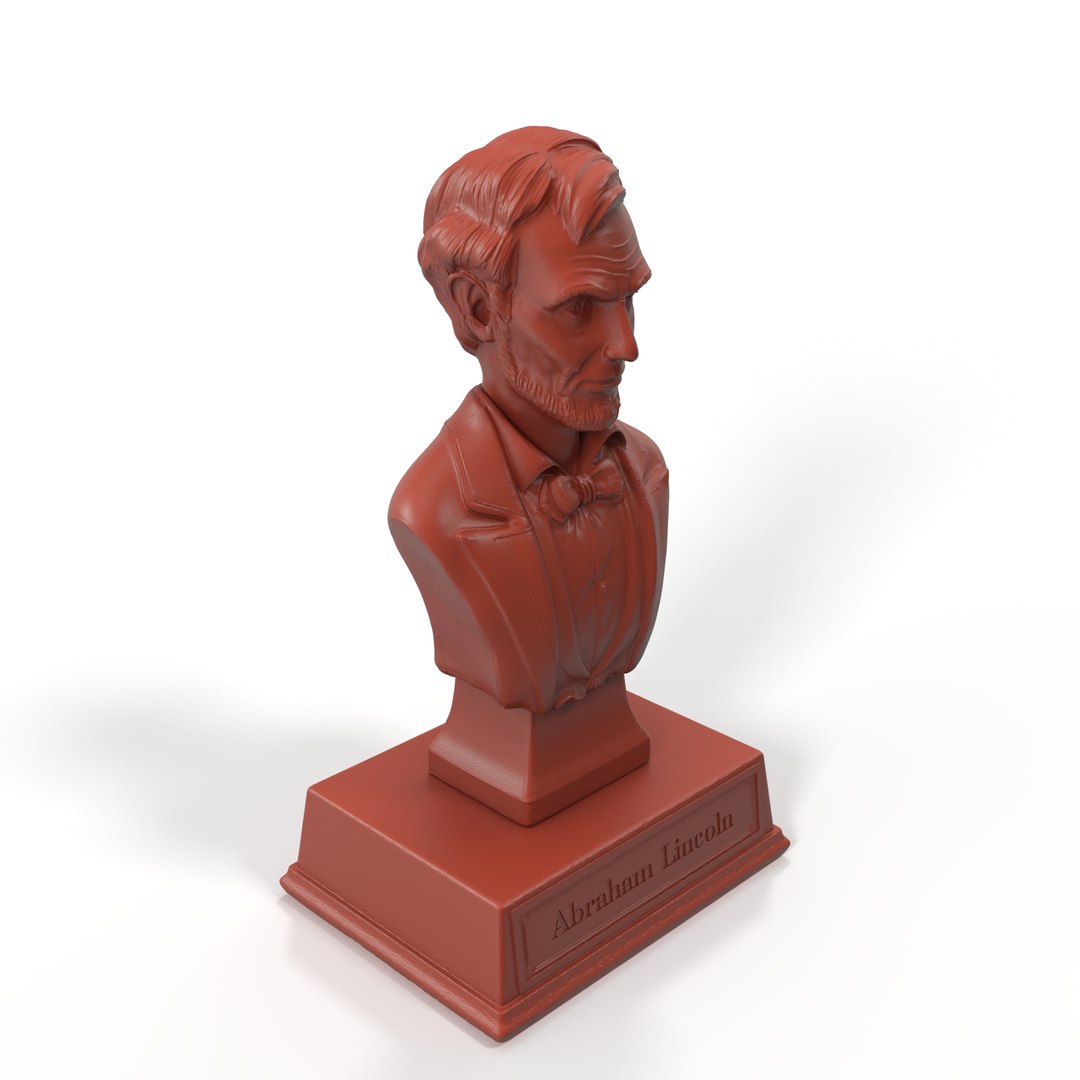
This Signage & Decor model - Bust of Abraham Lincoln on Pedestal - is ready to drop into a scene as-is, and sells for $29 on TurboSquid. Measured geometry: 13,538 polygons, 13,371 vertices - no rounding, no estimate. Its suitability for real-time use depends on the target platform, scene complexity and the number of instances.
StemCell certification means the asset was authored once and delivered across formats with consistent PBR shading, which saves the conversion step when moving between renderers. The file is organised for someone else to pick up: predictable names, predictable pivots, no hidden surprises. It is cataloged for event visualization, film & TV VFX and game assets.
Listed since 2025 - old enough to have been used in real projects, current enough to still be supported. It works as set dressing for interiors and streets and game environments.
Questions About This Model
Can the Bust of Abraham Lincoln on Pedestal model be modified after purchase?
Yes. The license allows editing the geometry, retopologising, changing materials and adapting the asset to a project. What it does not allow is reselling or redistributing the model file itself, or using the result commercially: this listing is Editorial Uses Only.
What does StemCell mean for the Bust of Abraham Lincoln on Pedestal model?
StemCell is TurboSquid's multi-format standard. The model was authored once and delivered in several formats with matching PBR materials, so shading survives the move between a game engine and an offline renderer.
How much does the Bust of Abraham Lincoln on Pedestal 3D model cost?
$29 USD, paid once. TurboSquid handles payment and delivery. The license is Editorial Uses Only, because the model depicts a real branded product: it covers editorial contexts such as news, commentary and education, but not advertising or products for sale.
Can the Bust of Abraham Lincoln on Pedestal model be used in a commercial project?
No. The model depicts a real branded product, so TurboSquid lists it under the Editorial Uses Only license. It may be used in news, commentary, education, personal projects and similar editorial contexts, but not in advertising, on merchandise or in any product offered for sale. See our license guide.