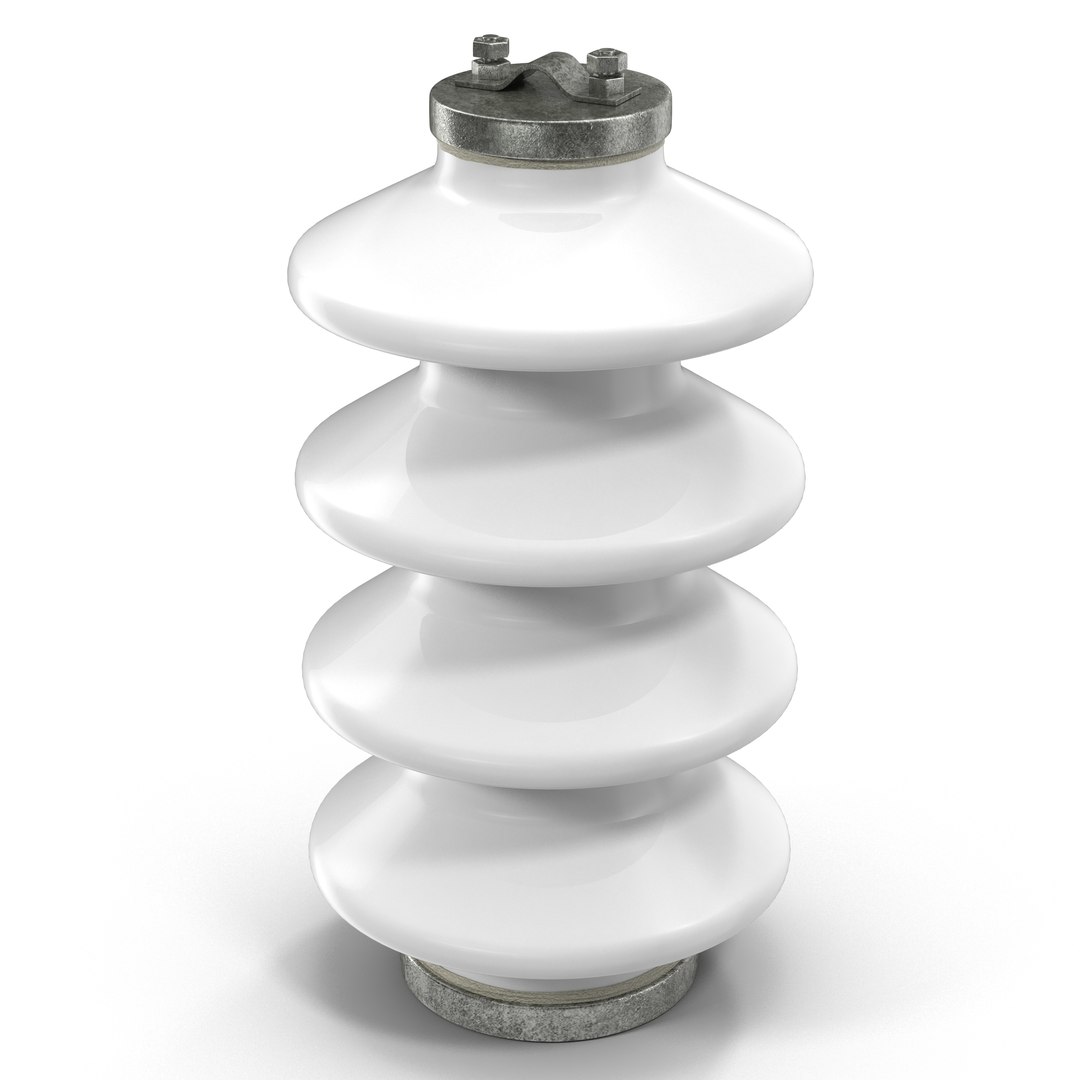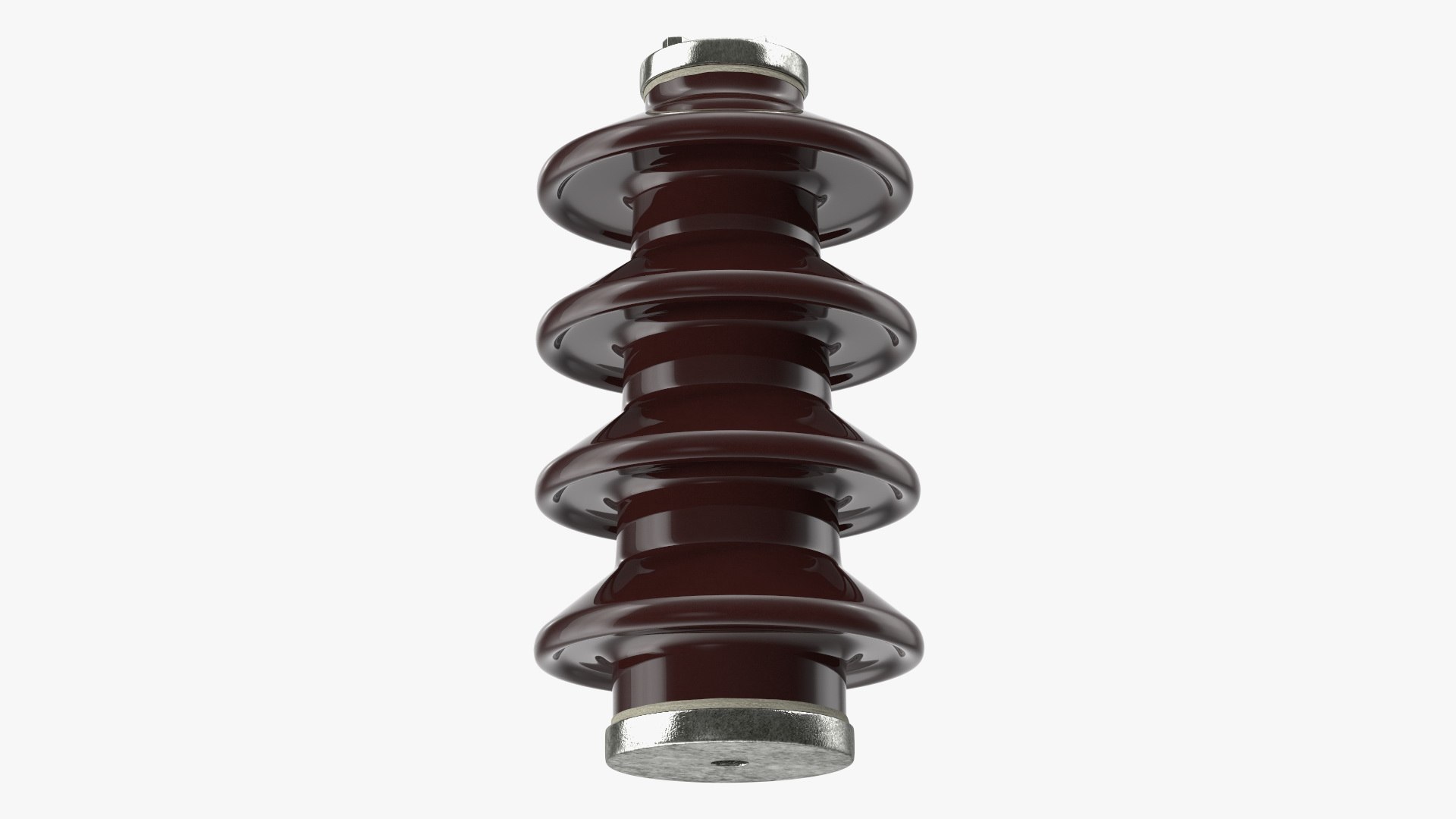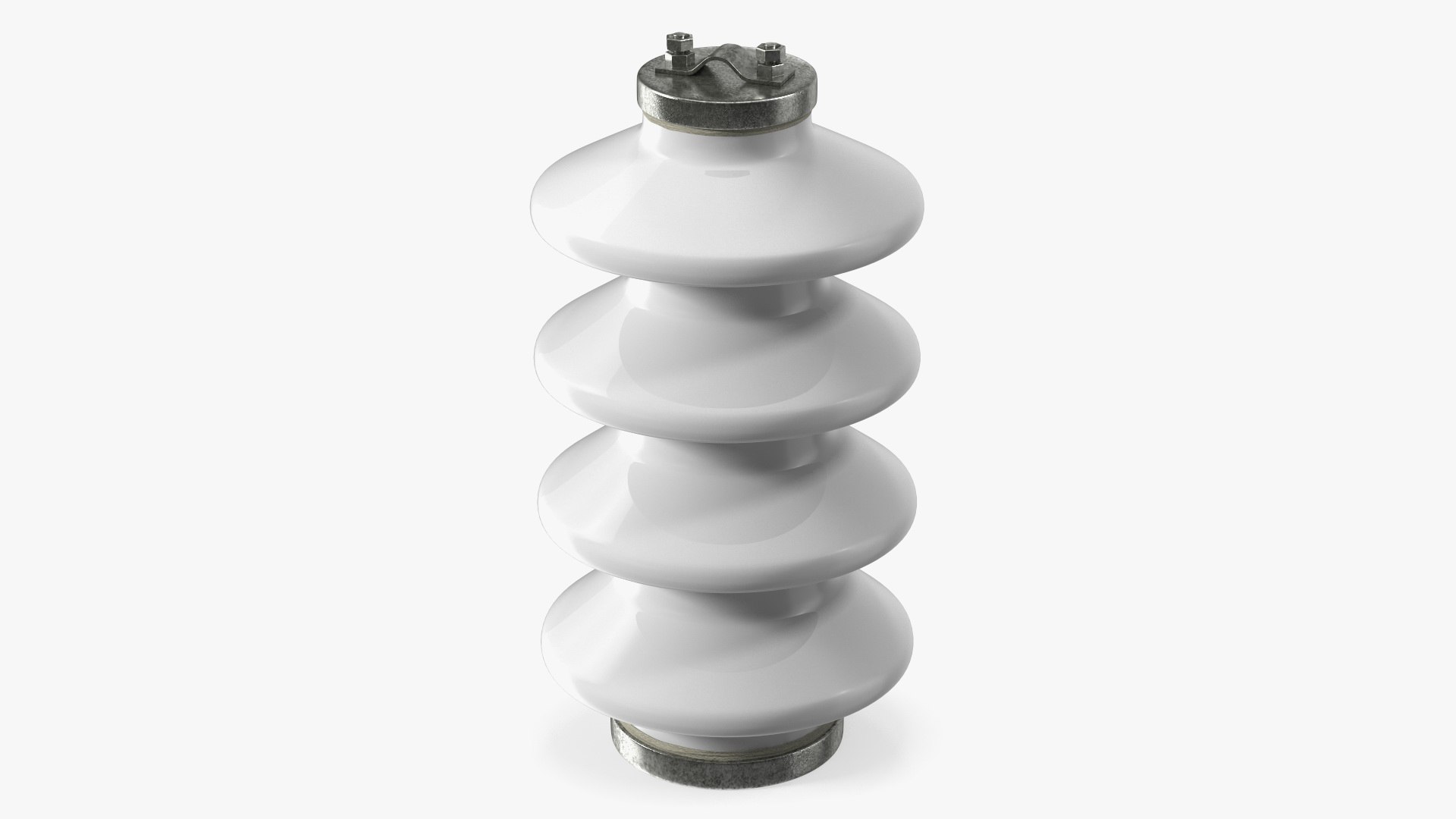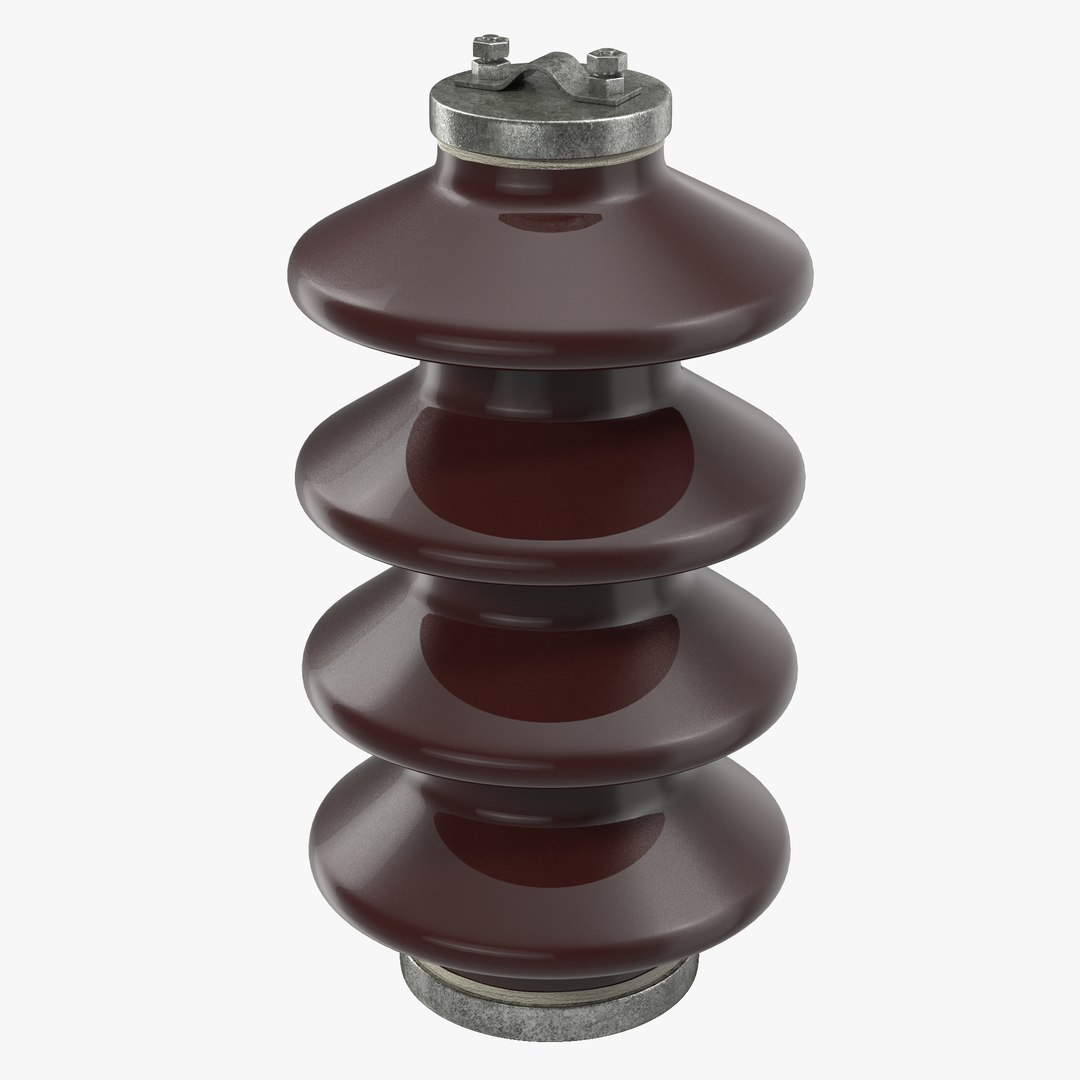
Looking for an Architecture & Landmarks asset? The Ceramic Insulator is a finished, render-ready model at $19. Budget for 6,962 polygons and 7,027 vertices when you plan the scene. What matters is not the number itself but how many copies of the object your scene has to carry at once.
The material set is 9 maps, painted at 4096 x 4096 and 2048 x 2048. The mesh is built with clean quad-based topology and correct real-world proportions, so it subdivides predictably and sits at the right size next to other objects in a scene. Objects are grouped and named logically, so isolating a single part for a material change is a two-second job rather than a cleanup task.
On this listing the stated applications are architectural visualization, film & TV VFX and product rendering. It went on sale in 2015 and has been kept in the catalog ever since. It is aimed at architectural visualization, city scenes, advertising renders and VR walkthroughs.
Questions About This Model
How heavy is the Ceramic Insulator mesh?
6,962 polygons and 7,027 vertices, built as polygonal quads only. What matters is not the number itself but how many copies of the object your scene has to carry at once.
How clean is the geometry on the Ceramic Insulator model?
The mesh uses organized, quad-dominant topology at real-world scale, with objects named and grouped rather than merged into one block.
How much does the Ceramic Insulator 3D model cost?
It is listed at $19 USD on TurboSquid. That is a one-off purchase under the Royalty Free license - there is no subscription and no per-project fee afterwards.
What file formats does the Ceramic Insulator 3D model come in?
Every included file is listed on the product page at TurboSquid, with format and size shown per download. That page is the source of truth rather than this summary.