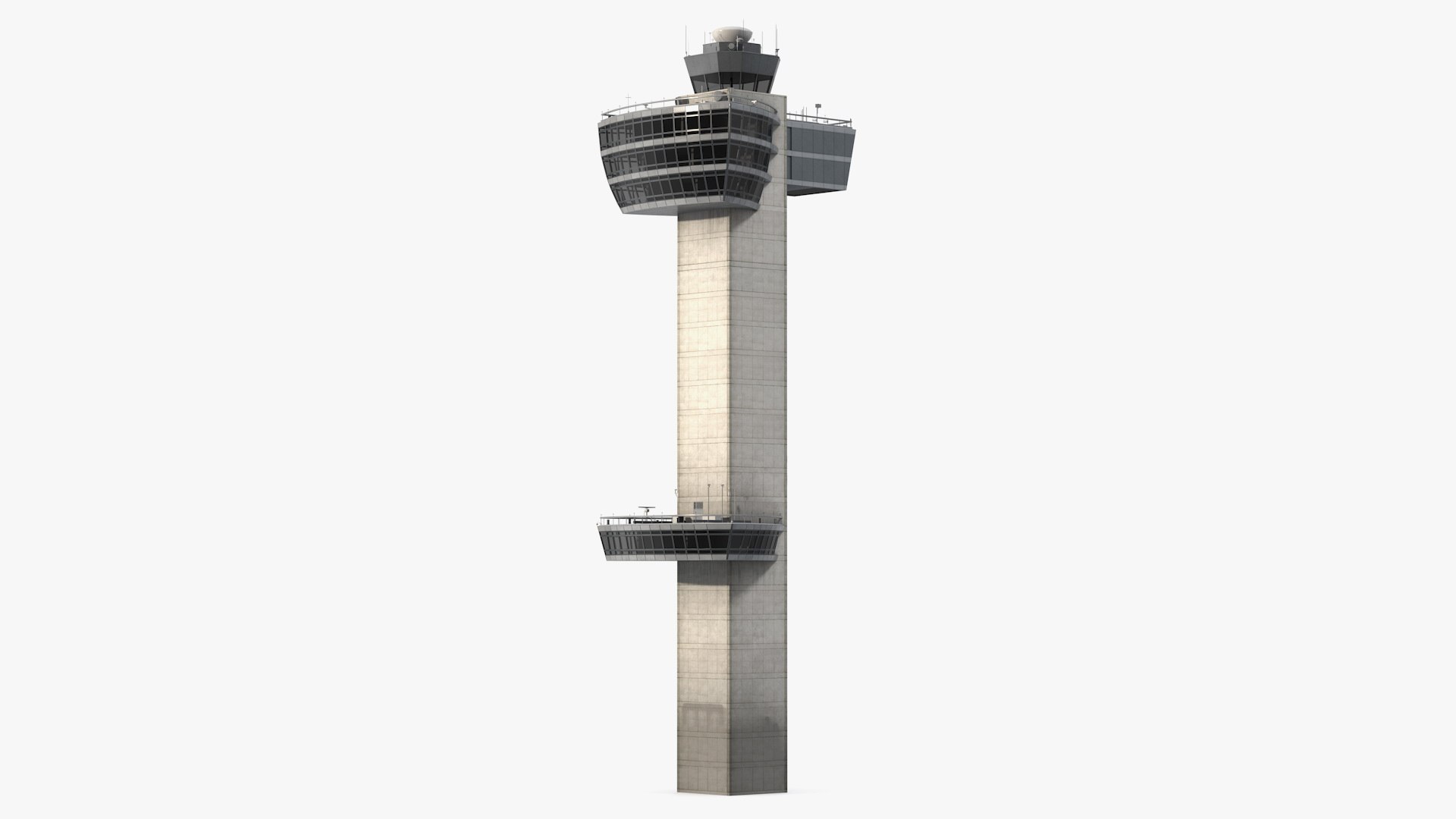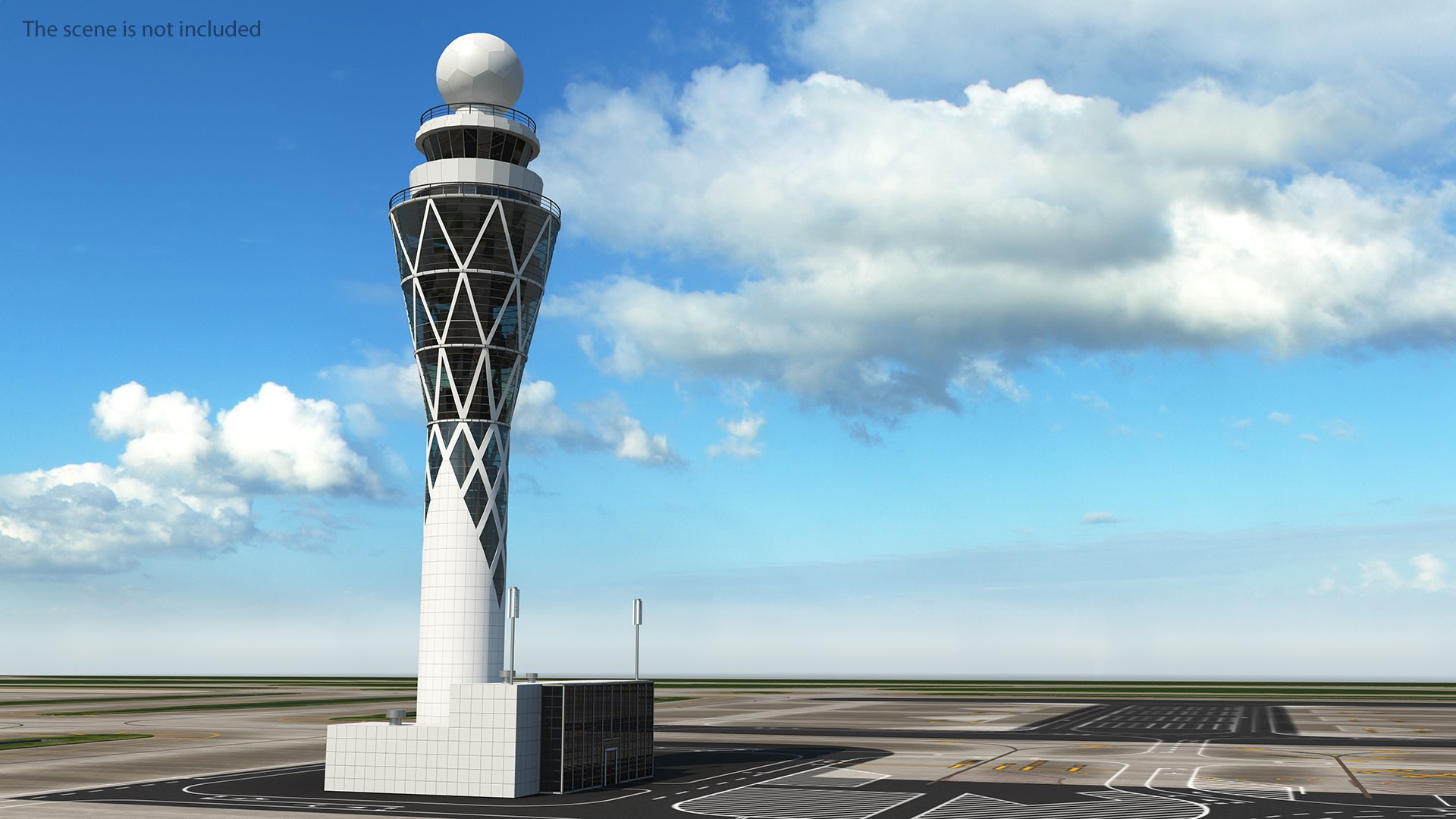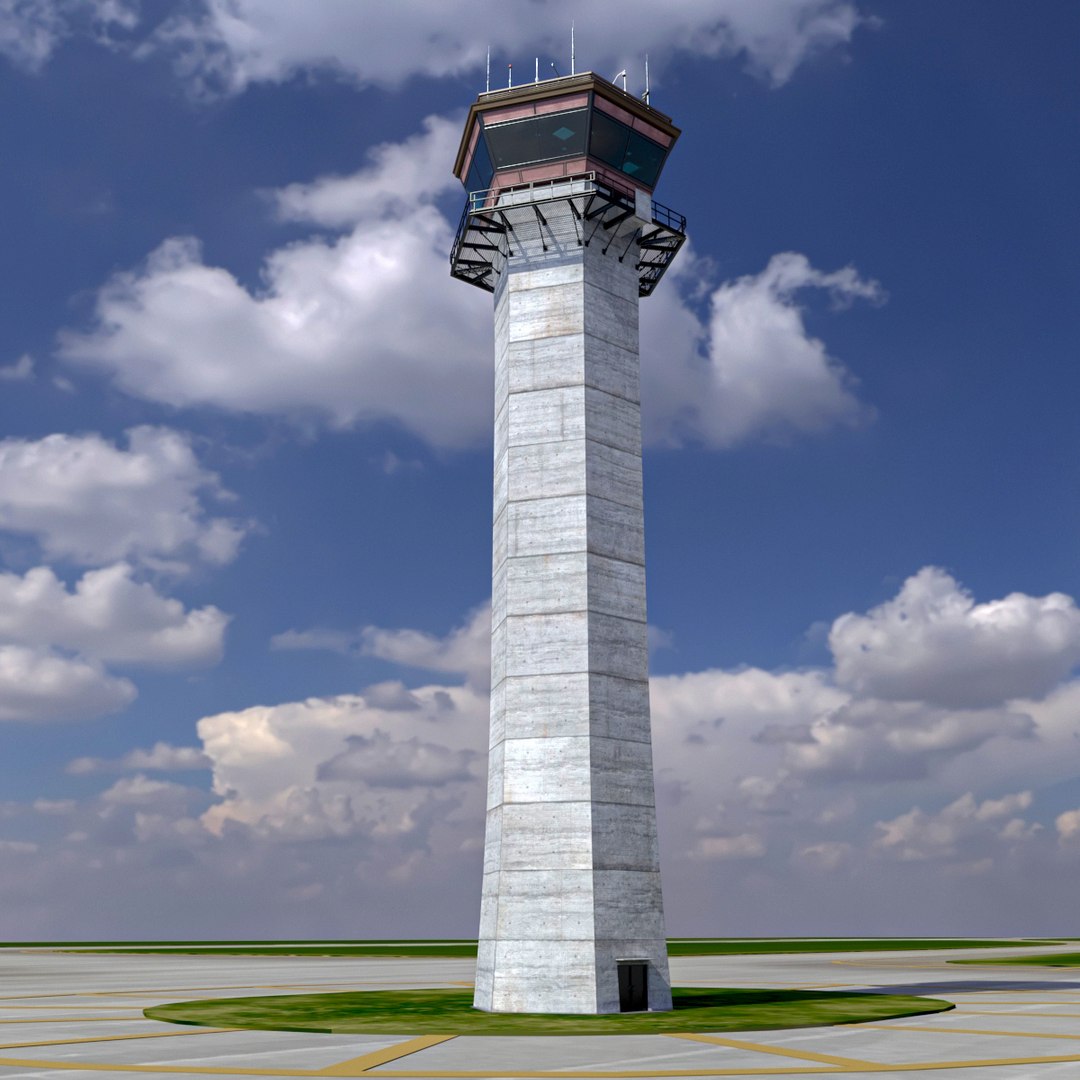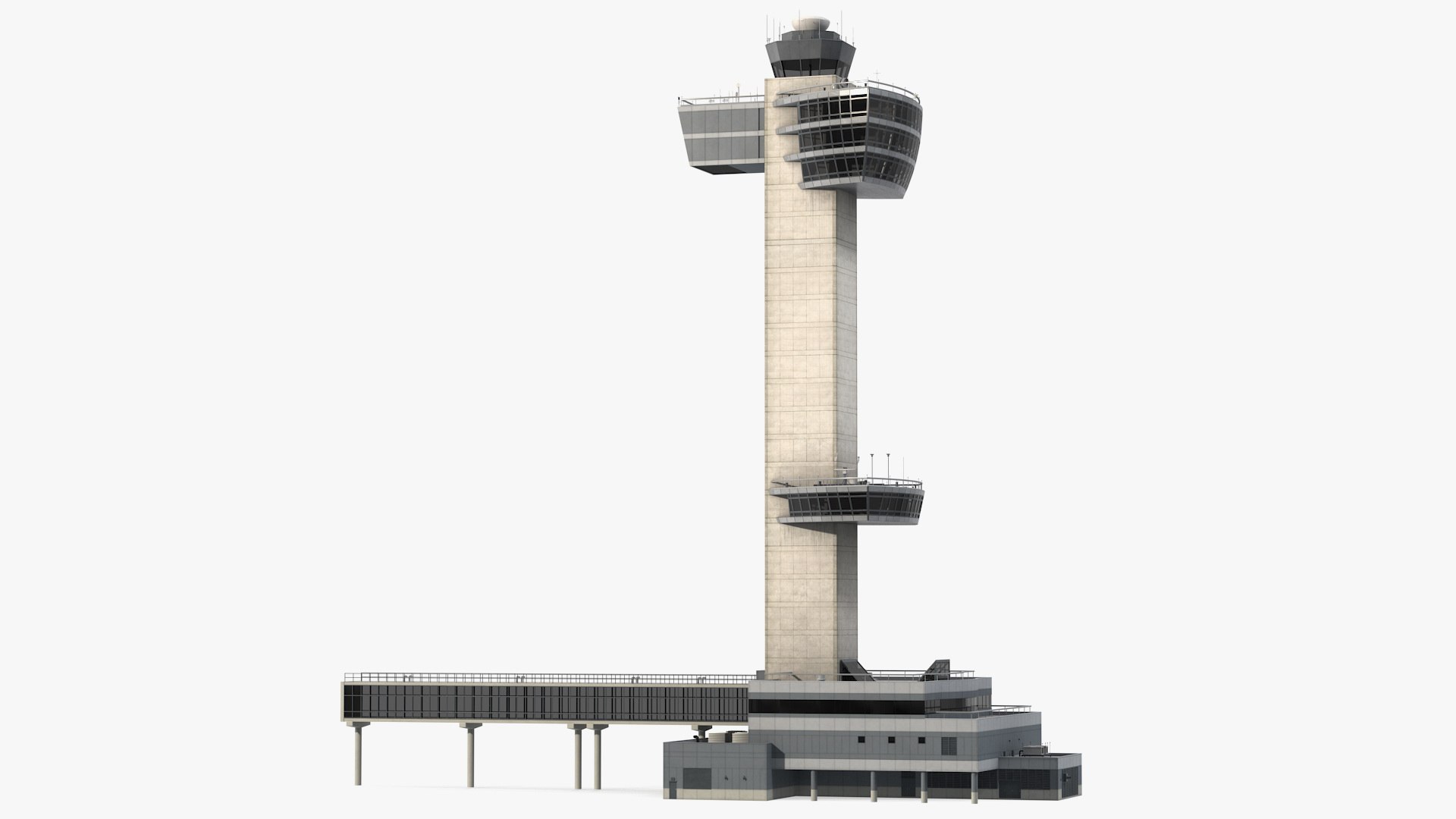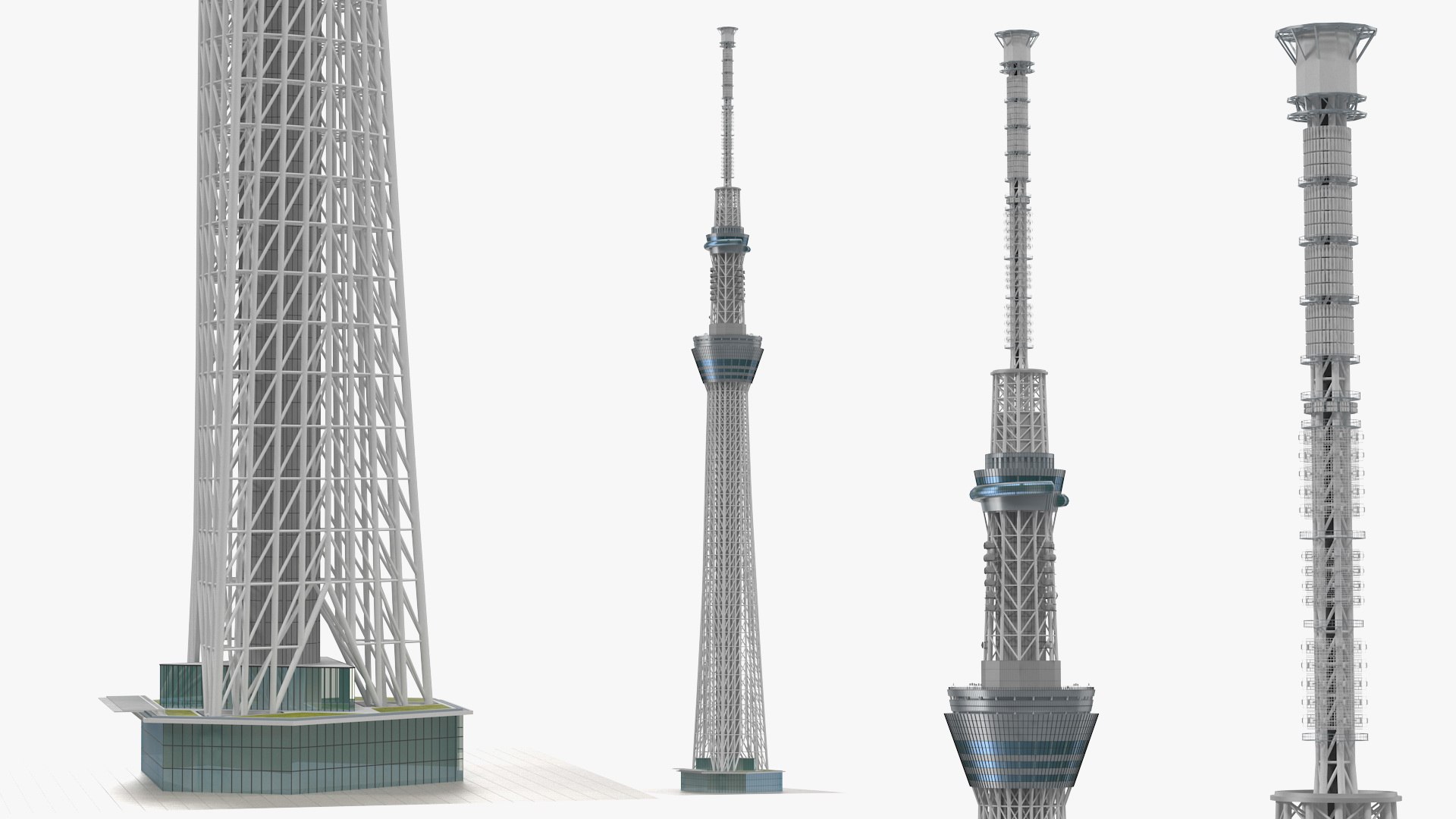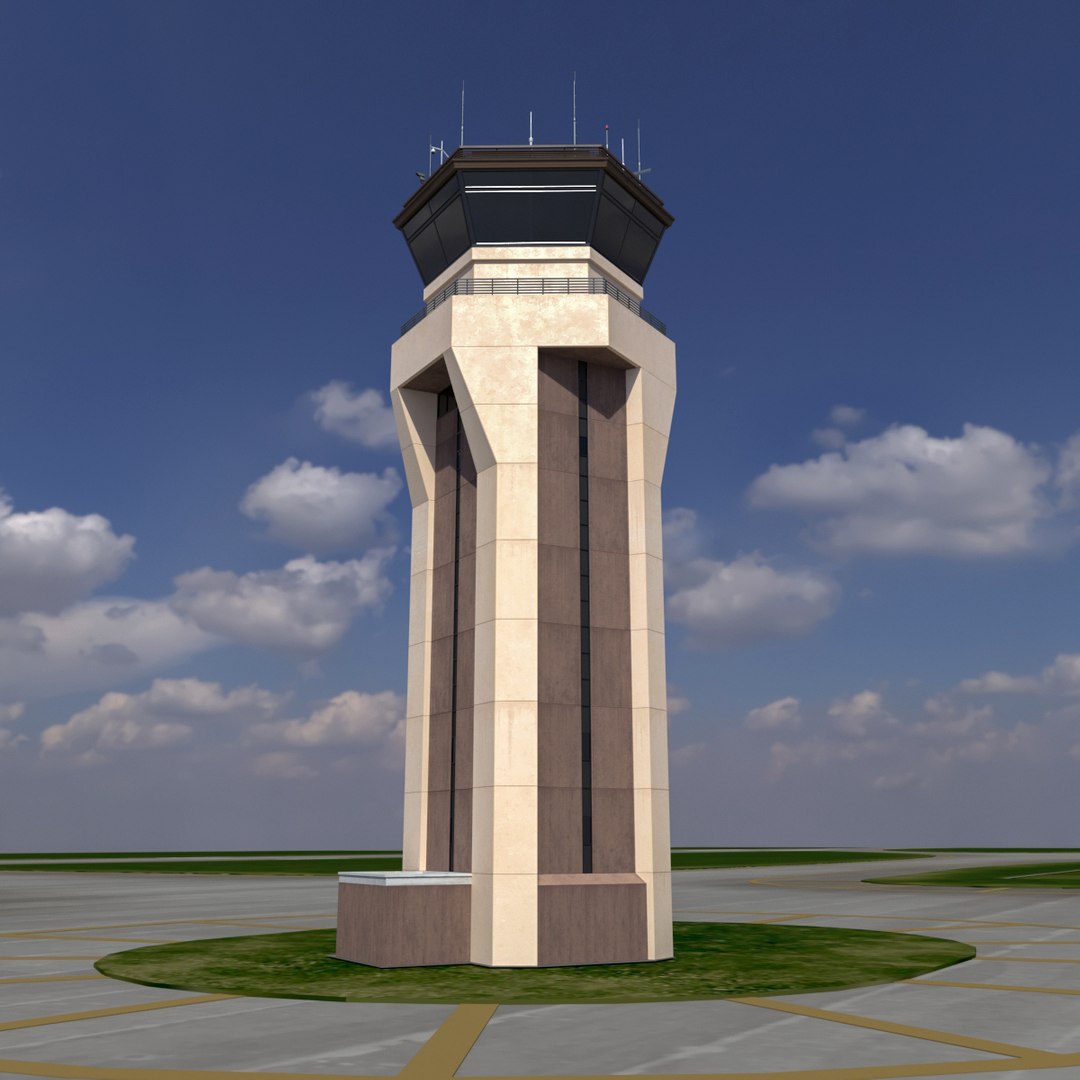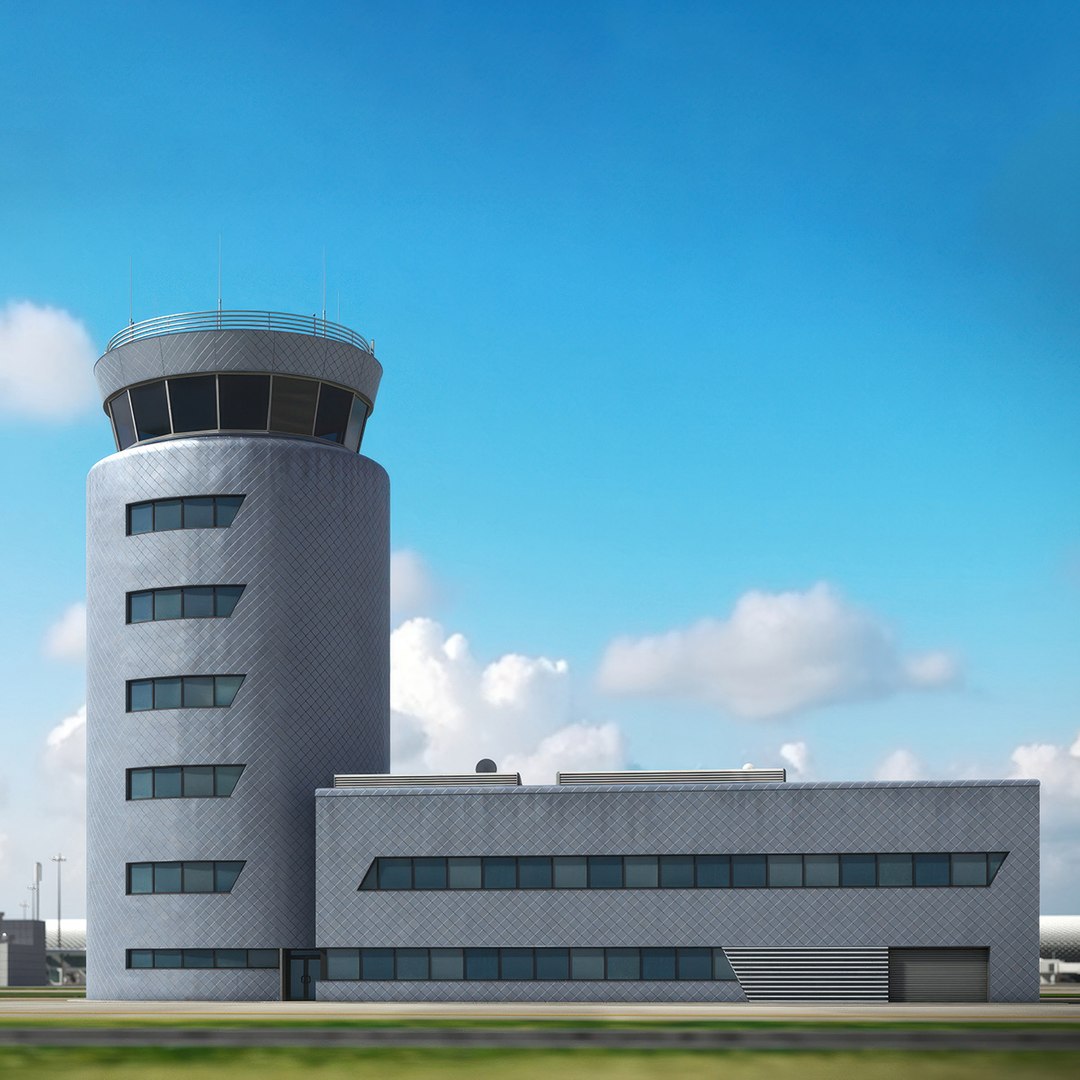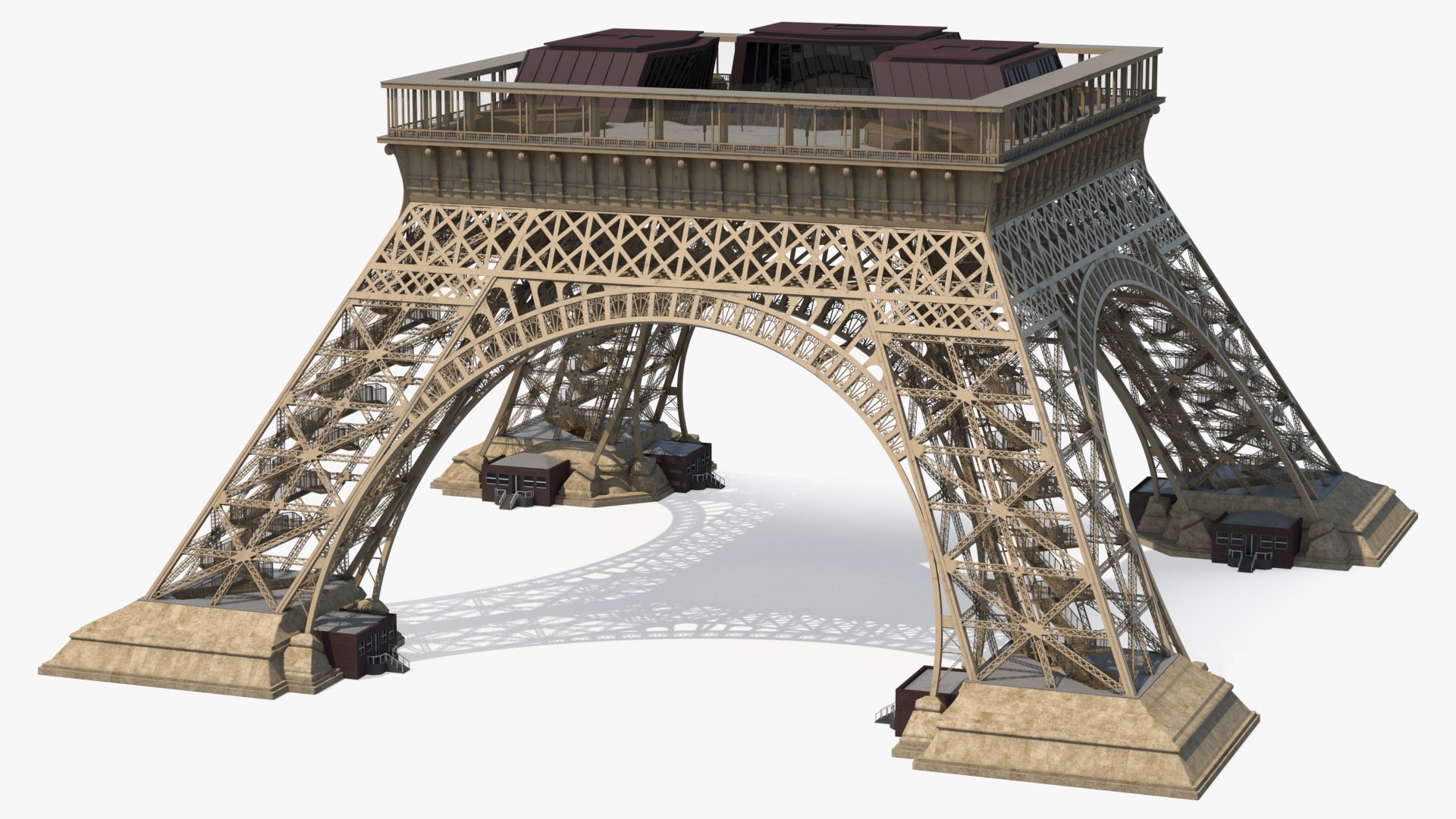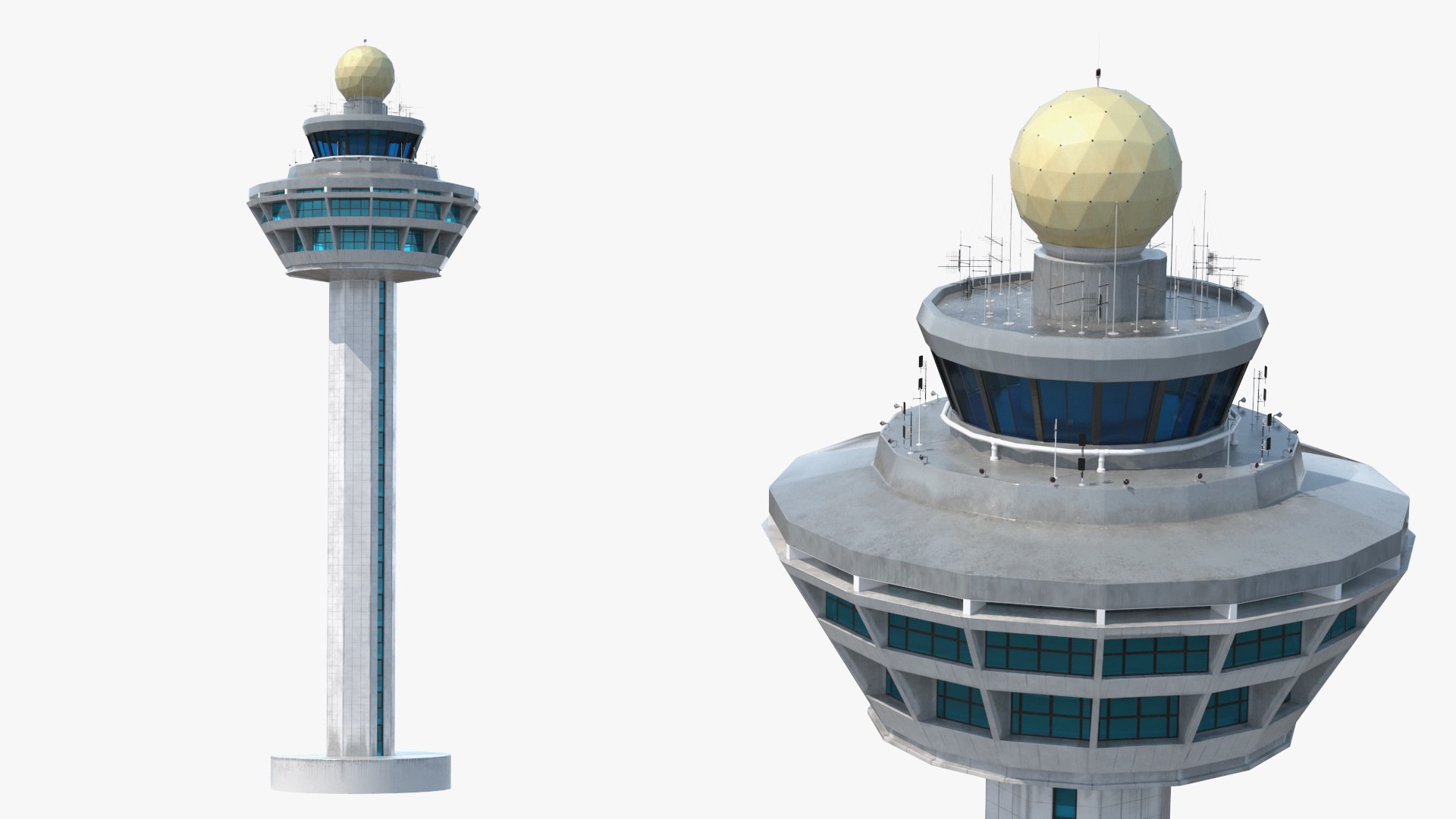
The Changi Airport Control Tower is a production-ready Architecture & Landmarks 3D model, priced at $79 on TurboSquid. You are getting 316,556 polygons and 319,873 vertices, measured rather than estimated. Treat the figure as a planning number: it behaves one way in a single render and another in a level with fifty instances.
The texture set counts 8 maps, delivered at 4096 x 4096. It is a StemCell model, so it ships in TurboSquid's multi-format standard with PBR materials that carry over between renderers instead of needing to be rebuilt per engine. Objects sit at the origin with clean transforms, so duplicating the asset across an environment costs nothing extra.
On this listing the stated applications are architectural visualization, event visualization and product rendering. The listing dates back to 2020, and it remains one of the models we keep current. It is aimed at architectural visualization, city scenes, advertising renders and VR walkthroughs.
Questions About This Model
What is the Changi Airport Control Tower model typically used for?
The listing names architectural visualization, event visualization and product rendering as the main applications. In practice it also works anywhere a finished architecture & landmarks object is needed without modeling it from scratch.
Which industries use the Changi Airport Control Tower model?
This listing is cataloged for Architecture, Event Management, Advertising, Virtual Reality and Game Development. Those are the sectors the model was tagged for on TurboSquid, based on how comparable assets in the Architecture & Landmarks range are bought.
Where can I buy the Changi Airport Control Tower 3D model?
It is sold through TurboSquid, where this listing has been available since 2020. Purchase, download and licensing are handled by TurboSquid; delivery is immediate after checkout.
What does StemCell mean for the Changi Airport Control Tower model?
StemCell covers both geometry and shading: the model is delivered across formats with materials that stay equivalent instead of needing per-engine conversion.