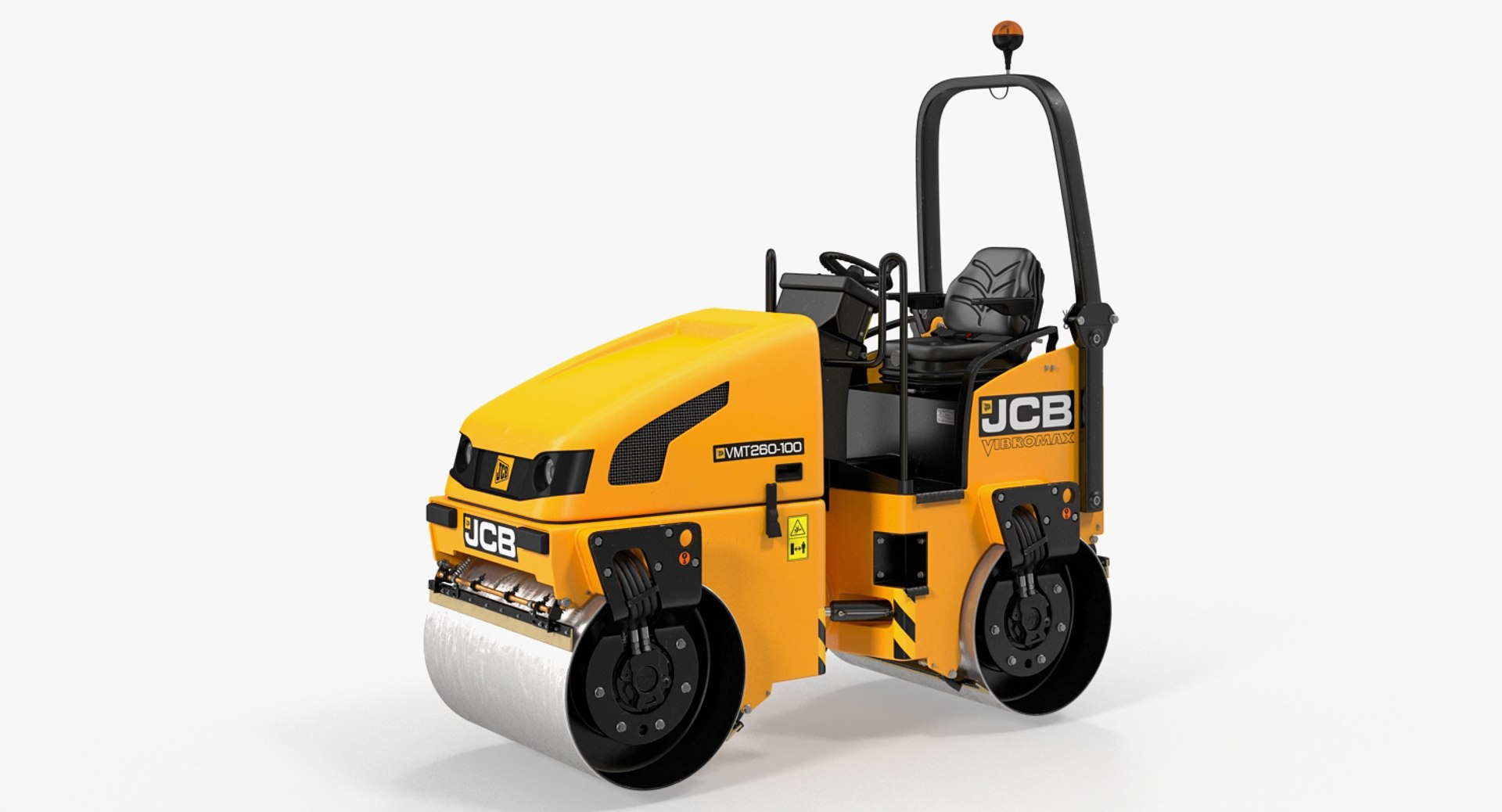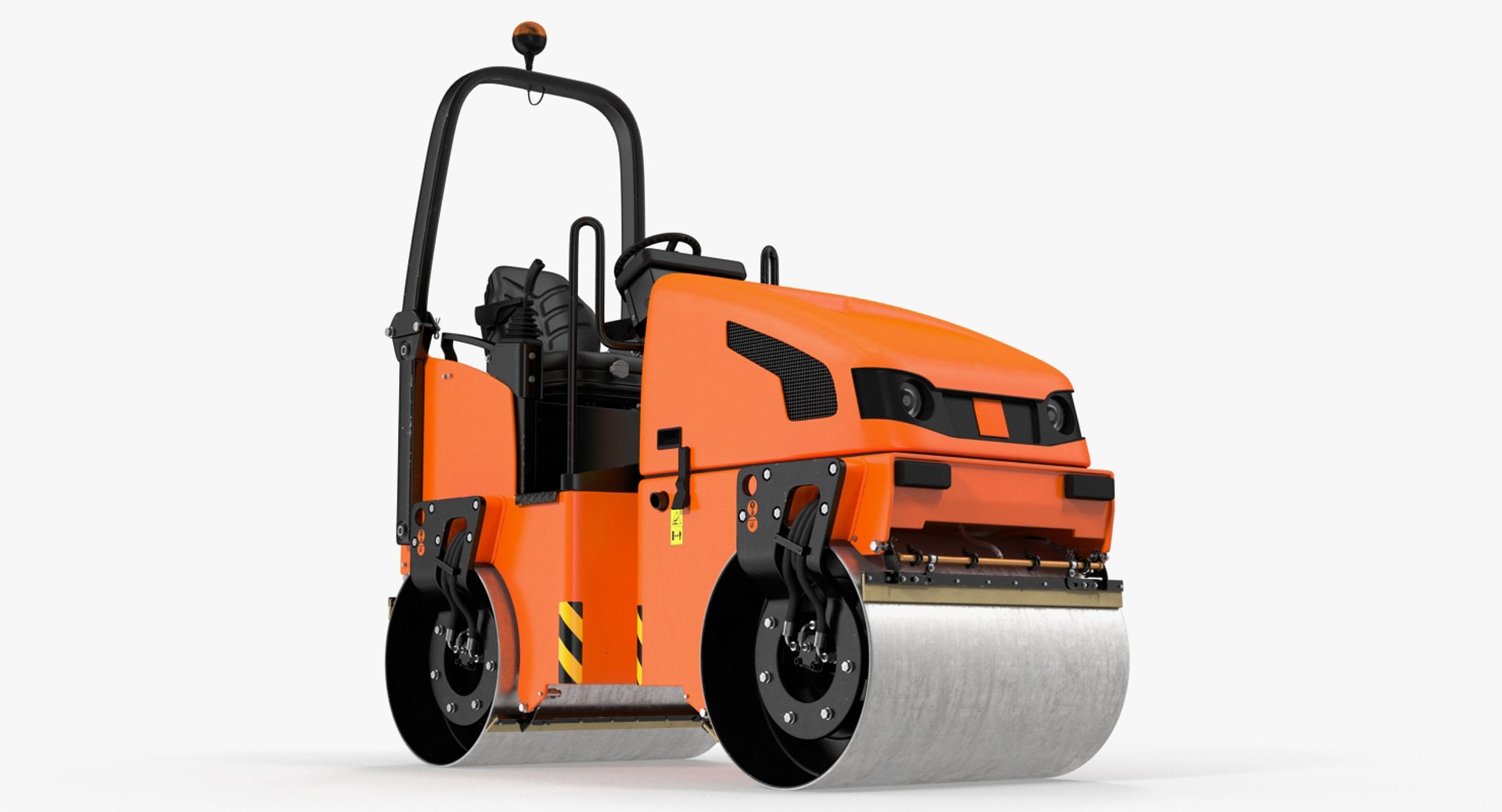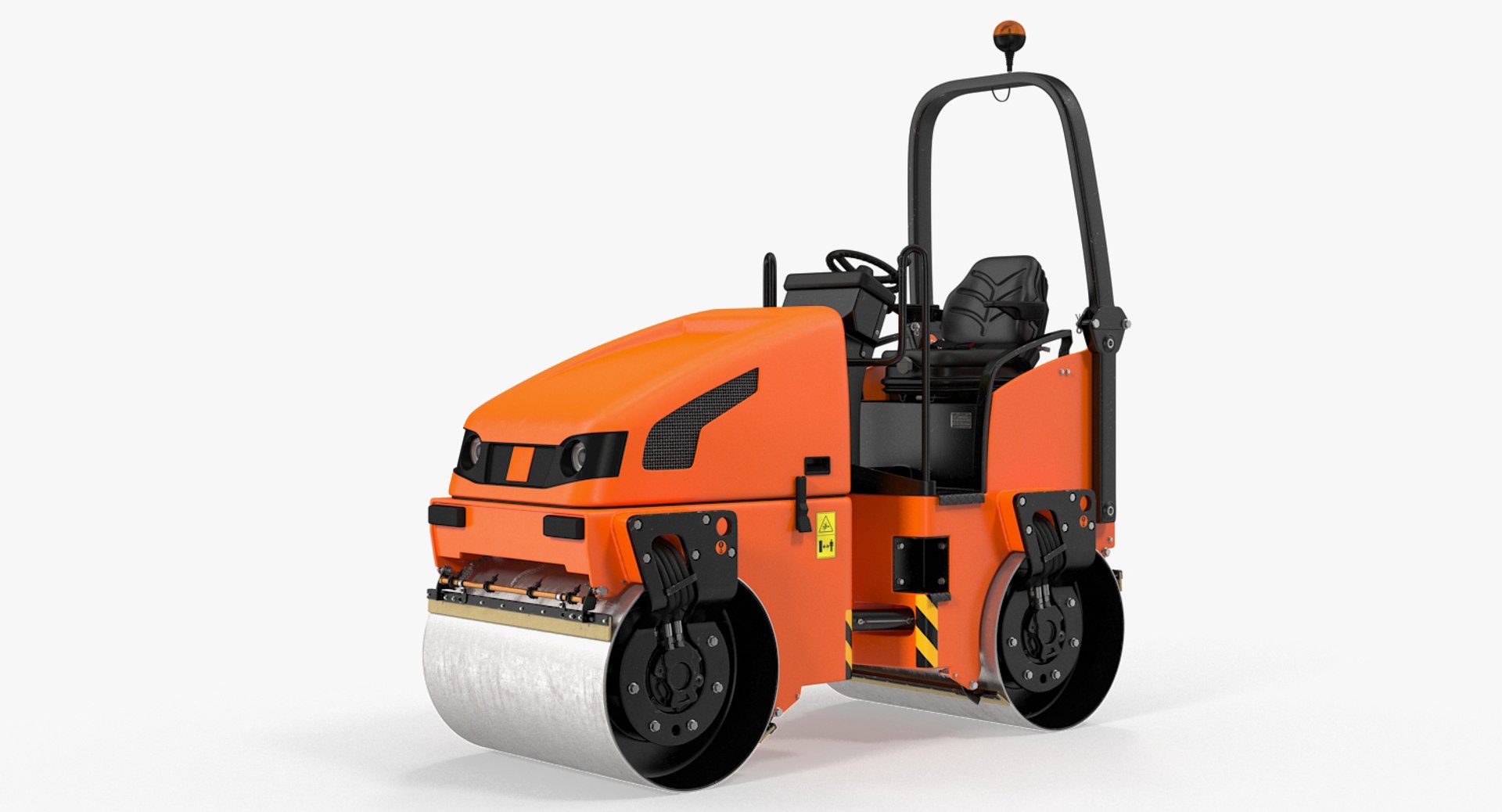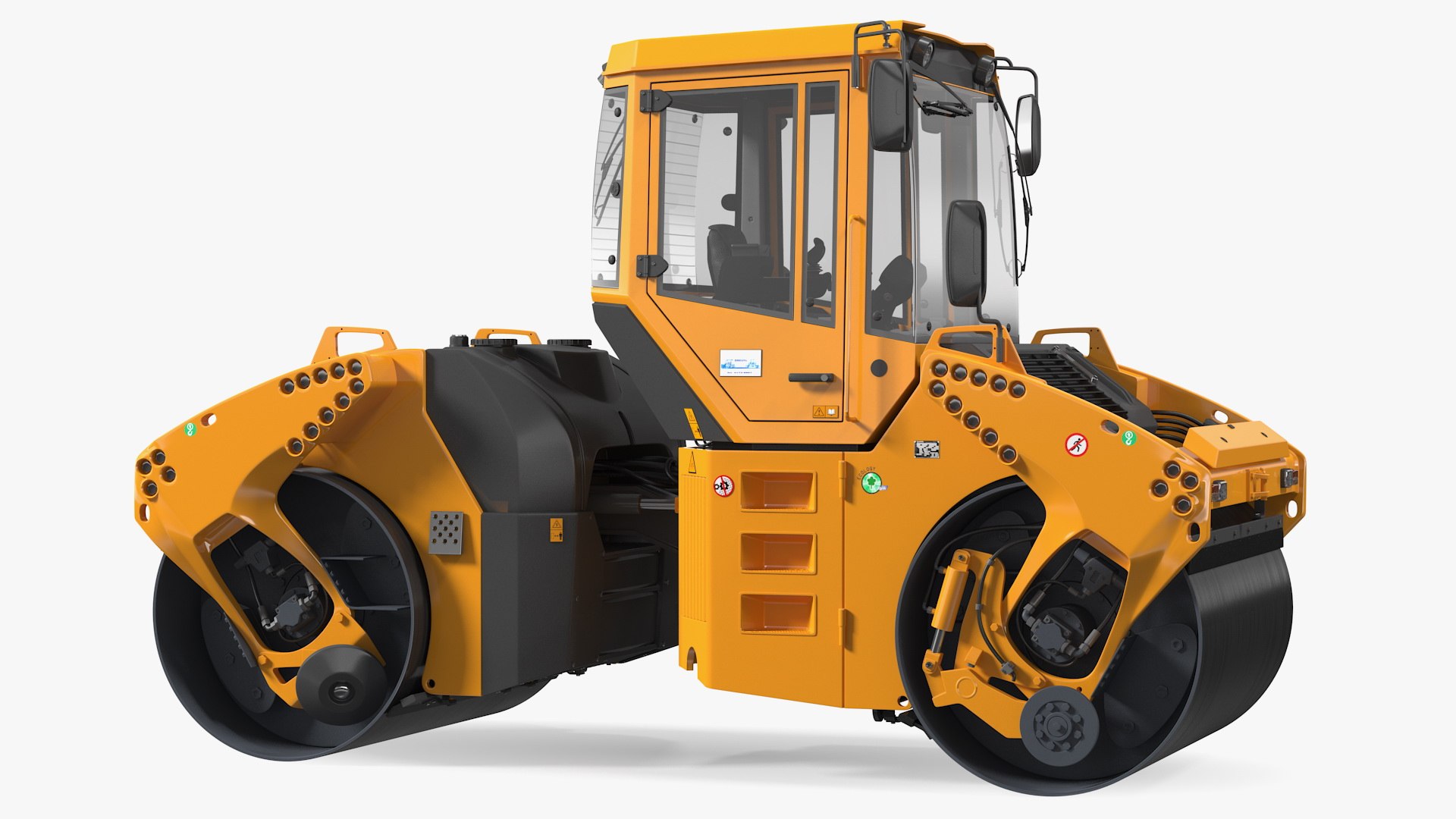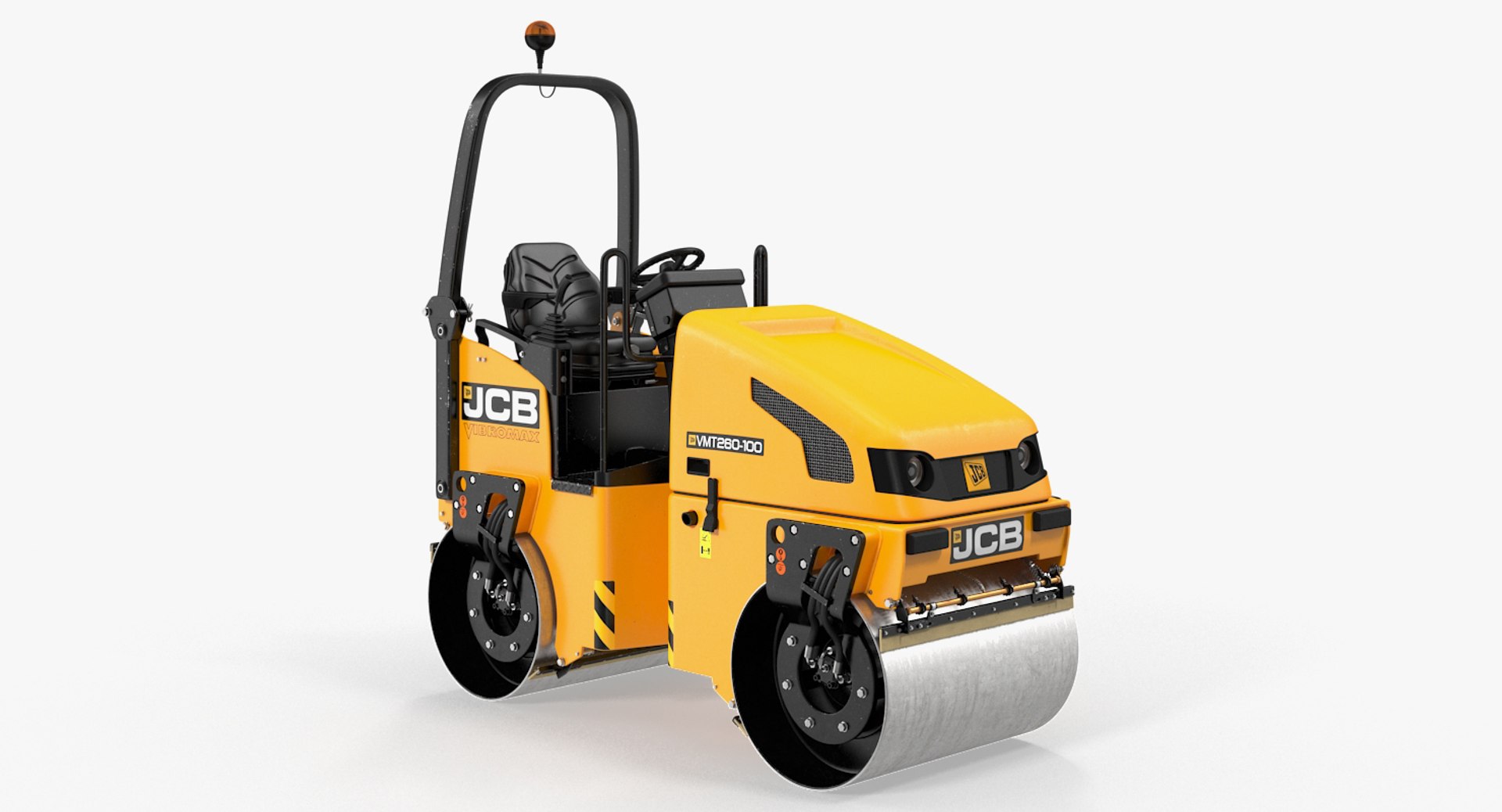
A vibratory roller does not compact by weight alone. The drums shake at a frequency chosen for the material underneath, which packs asphalt far more effectively than static pressure and is why a small machine can do the work of a much heavier one.
The model holds 225,829 polygons and 236,834 vertices in quads and tris with non-overlapping UVs, textured with 18 maps, 4 at 8192x8192, 8 at 4096x4096 and 6 at 2048x2048. It carries CheckMate Lite and Pro certification, and a rigged build is offered separately.
At $119 it suits construction and roadworks visualization, equipment marketing, training and safety material, urban scenes and game environments. On sale since 2018.
Questions About This Model
Can the Tandem Vibratory Roller model be modified after purchase?
Yes. The license allows editing the geometry, retopologising, changing materials and adapting the asset to a project. What it does not allow is reselling or redistributing the model file itself, or using the result commercially: this listing is Editorial Uses Only.
How much does the Tandem Vibratory Roller 3D model cost?
$119 USD, paid once. TurboSquid handles payment and delivery. The license is Editorial Uses Only, because the model depicts a real branded product: it covers editorial contexts such as news, commentary and education, but not advertising or products for sale.
Does the Tandem Vibratory Roller model include materials and textures?
Material and texture contents are listed per file on the TurboSquid product page. Where textures are included they are packaged with the download rather than linked externally.
What is the Tandem Vibratory Roller model typically used for?
The listing names industrial visualization, operator training and game assets as the main applications. In practice it also works anywhere a finished industrial equipment object is needed without modeling it from scratch.