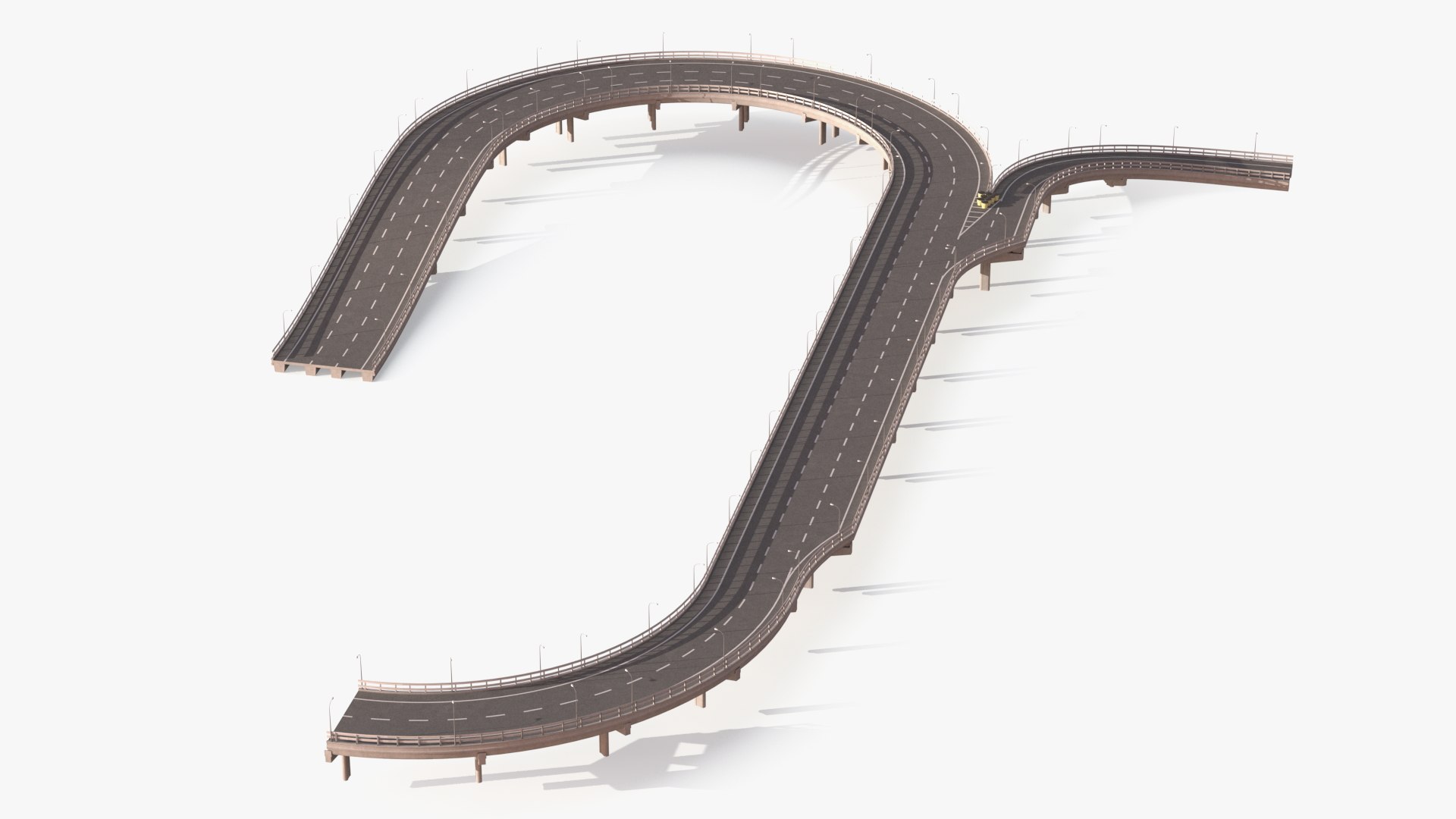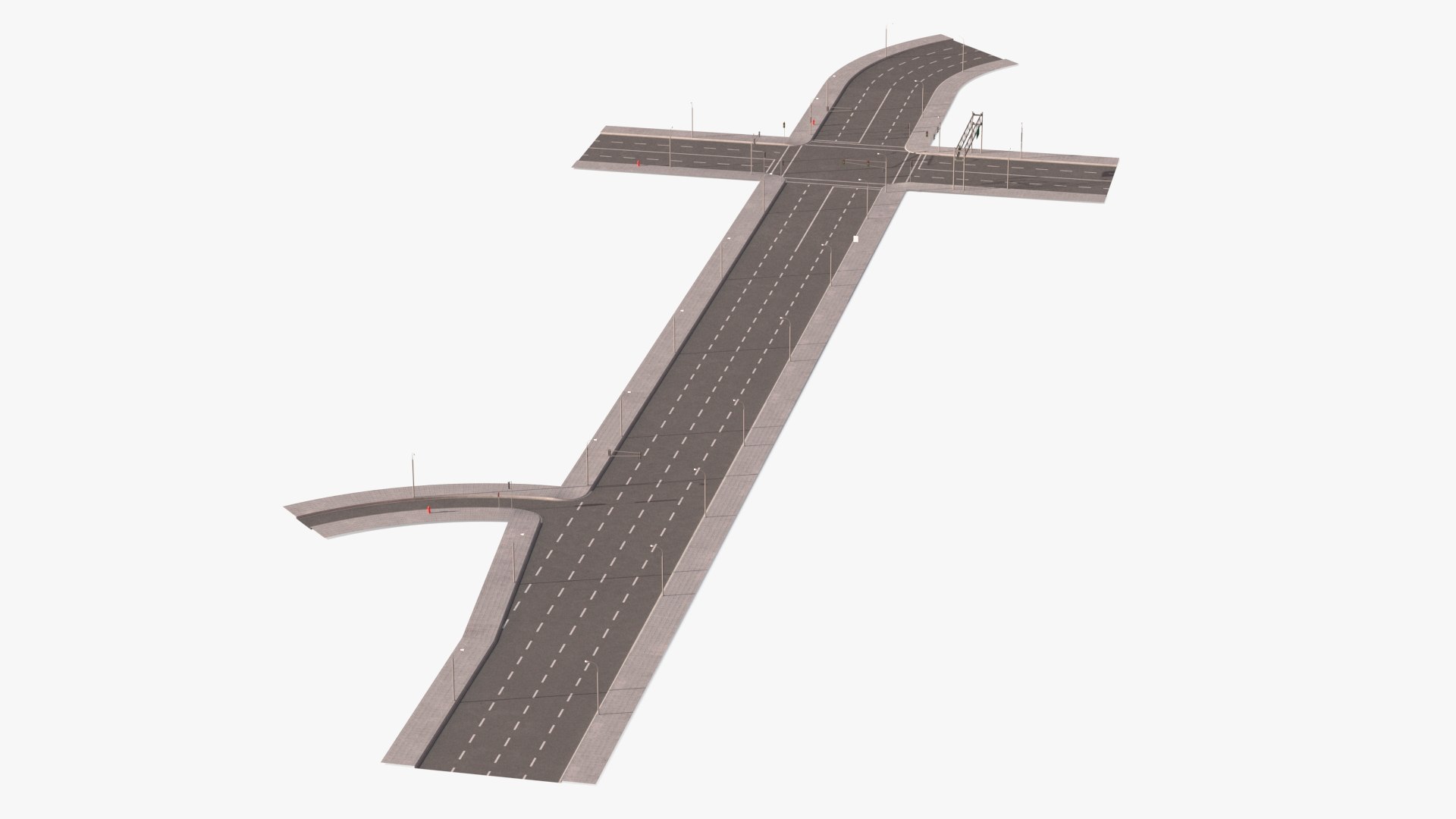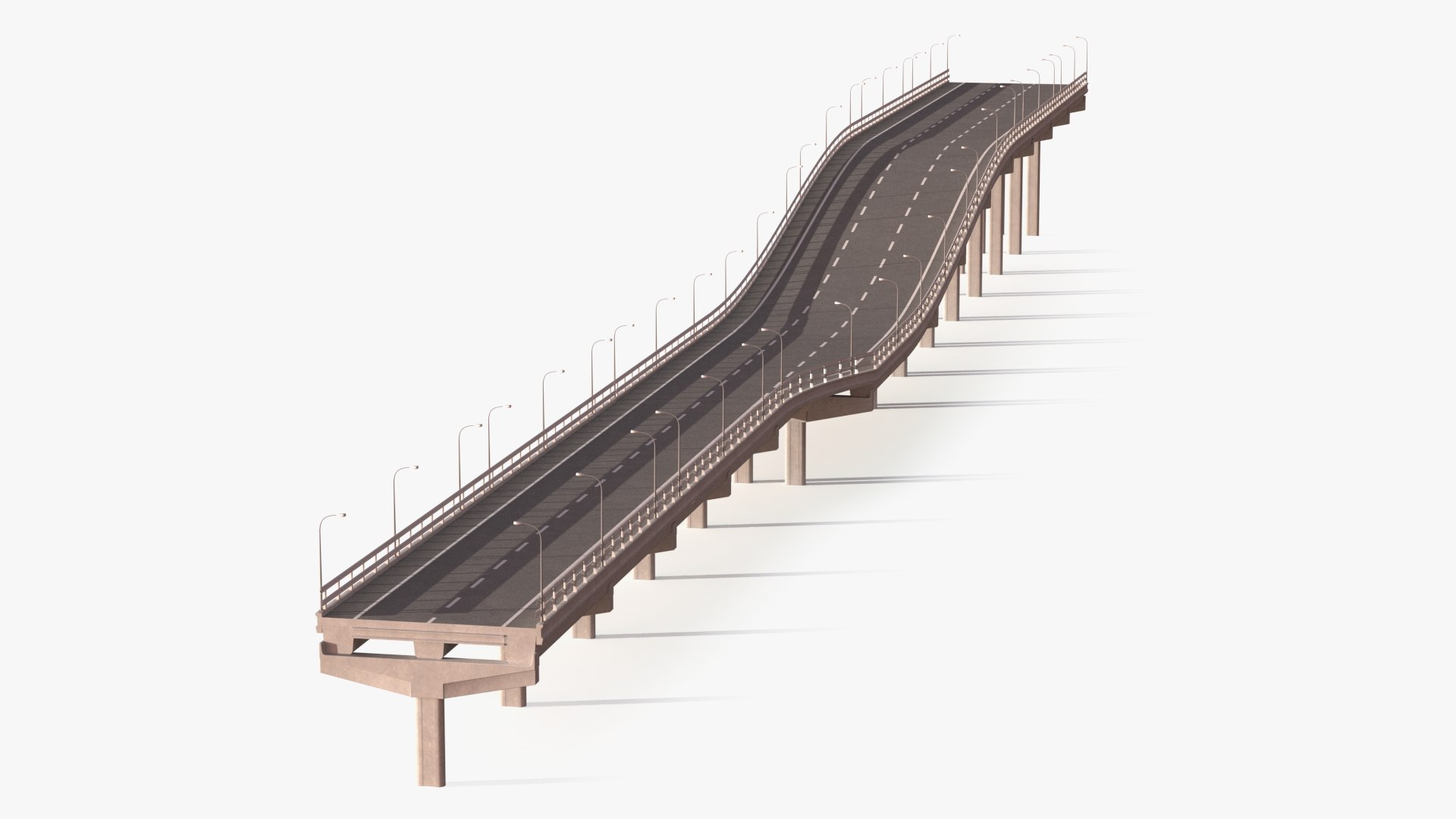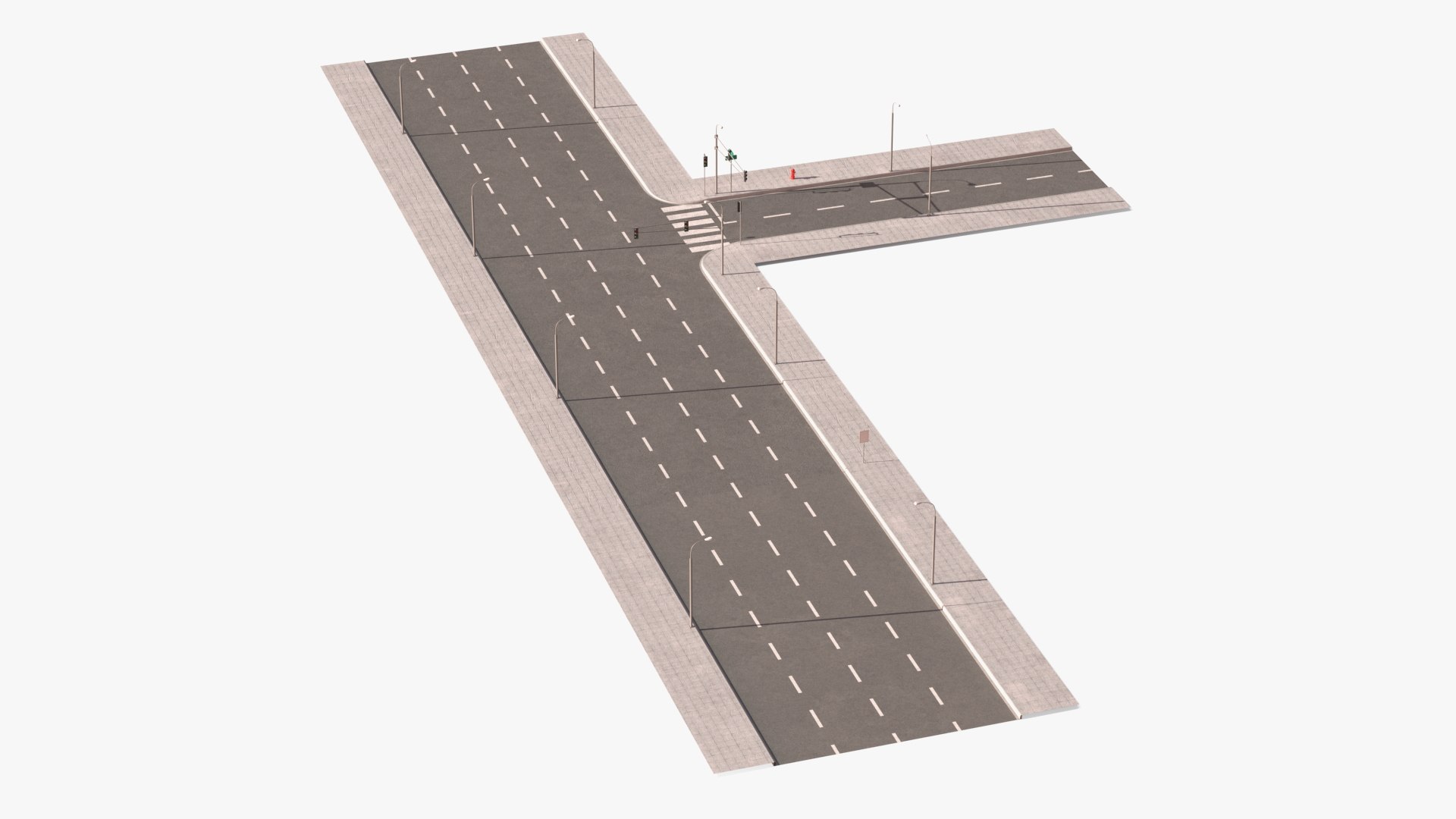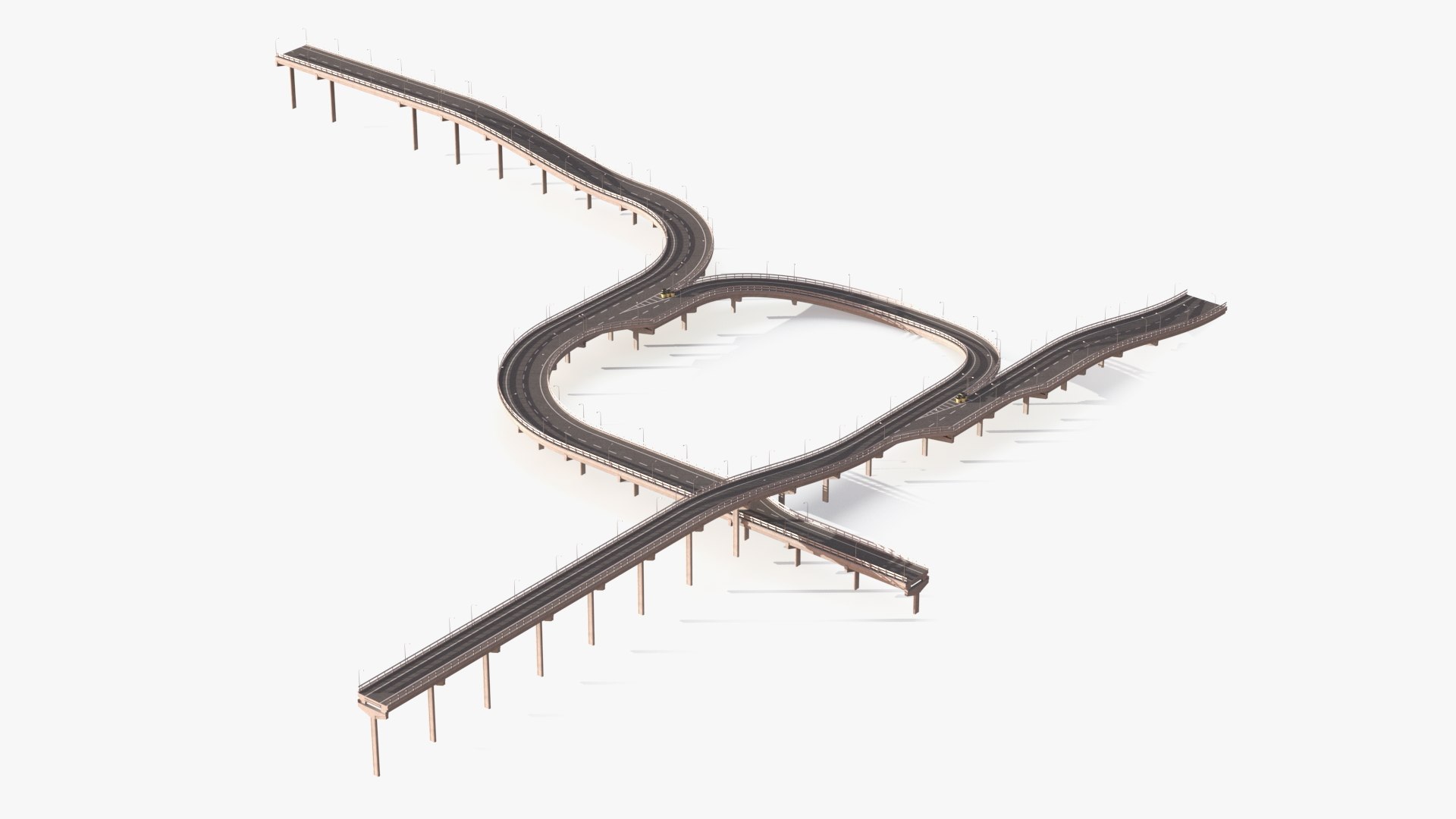
Connectable Highway Road Elements Multi Level Interchange
Priced at $89, the Connectable Highway Road Elements Multi Level Interchange is a finished Architecture & Landmarks model rather than a base mesh you have to build on. Geometry weighs in at 510,150 polygons over 555,106 vertices. Compare it with the rest of your scene rather than with an abstract threshold - that is what decides whether it is affordable.
The mesh is modelled at true scale with quad-dominant flow, so subdivision behaves and the object does not need rescaling on import. Pivots, naming and grouping follow the same logic throughout, so the model behaves the same way in every shot it appears in. The listing flags architectural visualization, film & TV VFX and product rendering as the intended applications.
In the catalog since 2022, which is a longer track record than most listings carry. It is aimed at architectural visualization, city scenes, advertising renders and VR walkthroughs.
Questions About This Model
What is the Connectable Highway Road Elements Multi Level Interchange model typically used for?
Stated applications are architectural visualization, film & TV VFX and product rendering. Because the asset is finished rather than a base mesh, it also holds up as set dressing in scenes it was not specifically built for.
How much does the Connectable Highway Road Elements Multi Level Interchange 3D model cost?
It is listed at $89 USD on TurboSquid. That is a one-off purchase under the Royalty Free license - there is no subscription and no per-project fee afterwards.
How heavy is the Connectable Highway Road Elements Multi Level Interchange mesh?
510,150 polygons and 555,106 vertices, built as polygonal quads/tris. Compare it with the rest of your scene rather than with an abstract threshold - that is what decides whether it is affordable.
What file formats does the Connectable Highway Road Elements Multi Level Interchange 3D model come in?
Format availability differs by model, so the authoritative list sits on the TurboSquid listing - each download is named with its size. Check it first if a specific renderer is required.