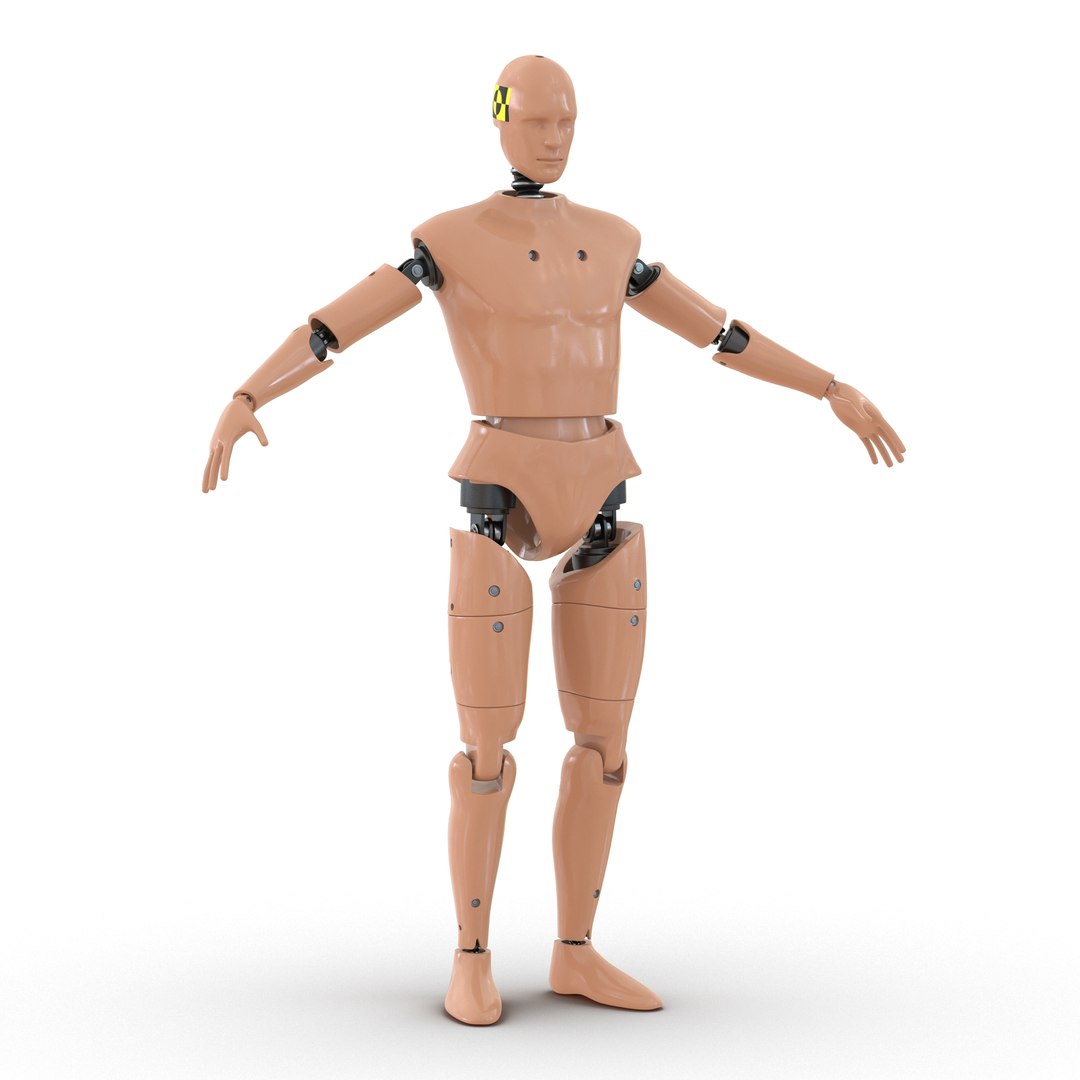
Electric Car Porsche Taycan with Crash Test Dummy
This Industrial Equipment model - Electric Car Porsche Taycan with Crash Test Dummy - is ready to drop into a scene as-is, and sells for $199 on TurboSquid. The build totals 203,880 polygons across 222,509 vertices. The same count is comfortable in an offline render and demanding in a mobile game, so judge it against your own budget.
Edge flow follows the form rather than fighting it, which is what lets the silhouette hold up when the camera moves in. Scene structure is flat enough to navigate and grouped enough to be useful, which is what makes reuse practical. Buyers most often take it for industrial visualization, operator training and game assets.
On the marketplace since 2024, with the listing maintained rather than left to age. It is useful for industrial and factory visualization, product rendering, game props and technical presentations.
Questions About This Model
Which industries use the Electric Car Porsche Taycan with Crash Test Dummy model?
Hardware, Simulation, Game Development and Film & Video Production are the primary industries on this listing. The license, however, is Editorial Uses Only: the model depicts a real branded product, so it may appear in editorial work in those fields, but not in advertising or in products for sale.
How much does the Electric Car Porsche Taycan with Crash Test Dummy 3D model cost?
$199 USD, paid once. TurboSquid handles payment and delivery. The license is Editorial Uses Only, because the model depicts a real branded product: it covers editorial contexts such as news, commentary and education, but not advertising or products for sale.
What should I search for to find models like the Electric Car Porsche Taycan with Crash Test Dummy?
Useful search terms are electric, vehicle and car. Browsing the Industrial Equipment category shows the closest alternatives at a range of prices.
How clean is the geometry on the Electric Car Porsche Taycan with Crash Test Dummy model?
Geometry is modelled at true scale with a tidy edge flow, and the scene is split into named objects so partial reuse and material swaps stay simple.