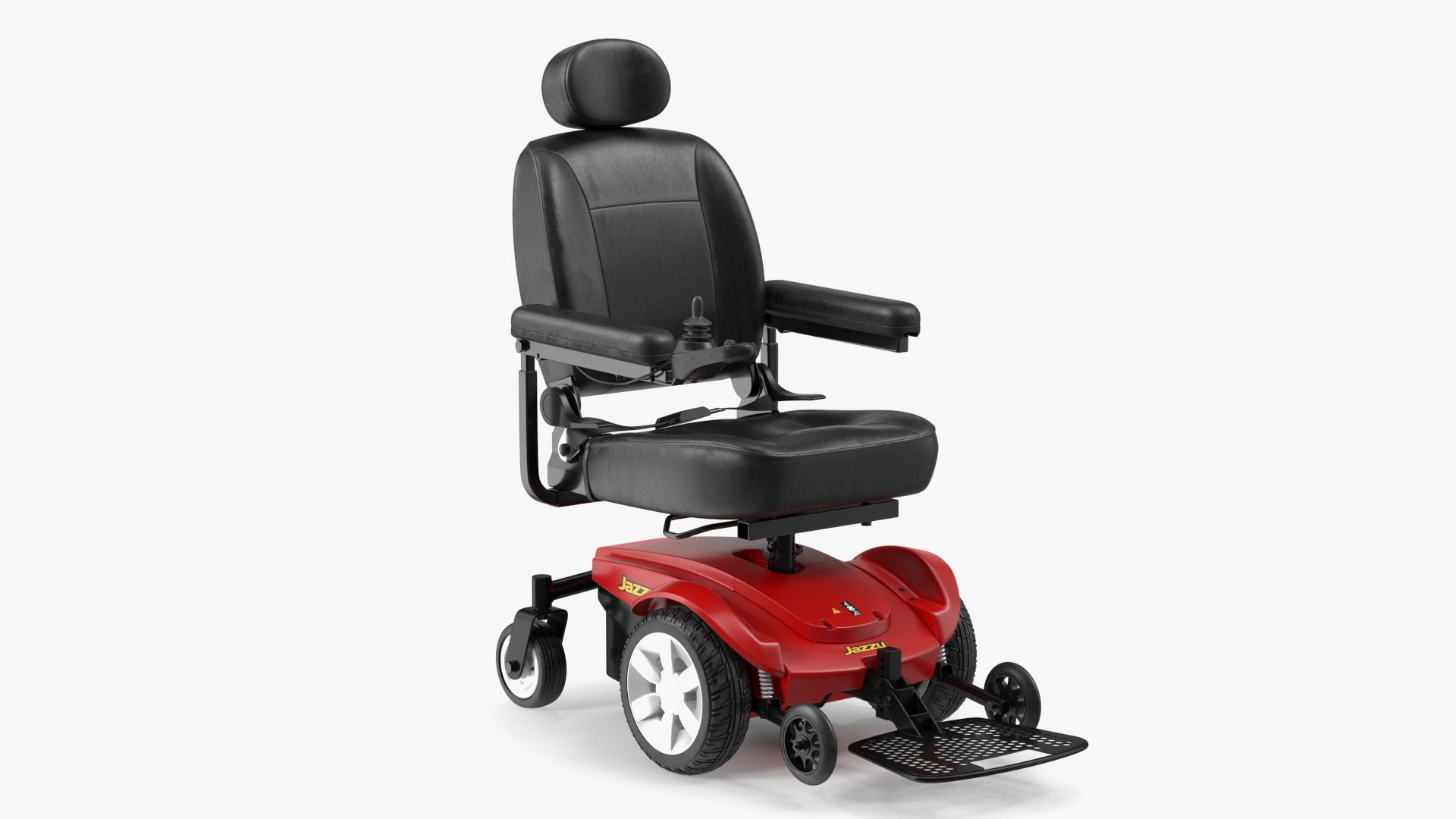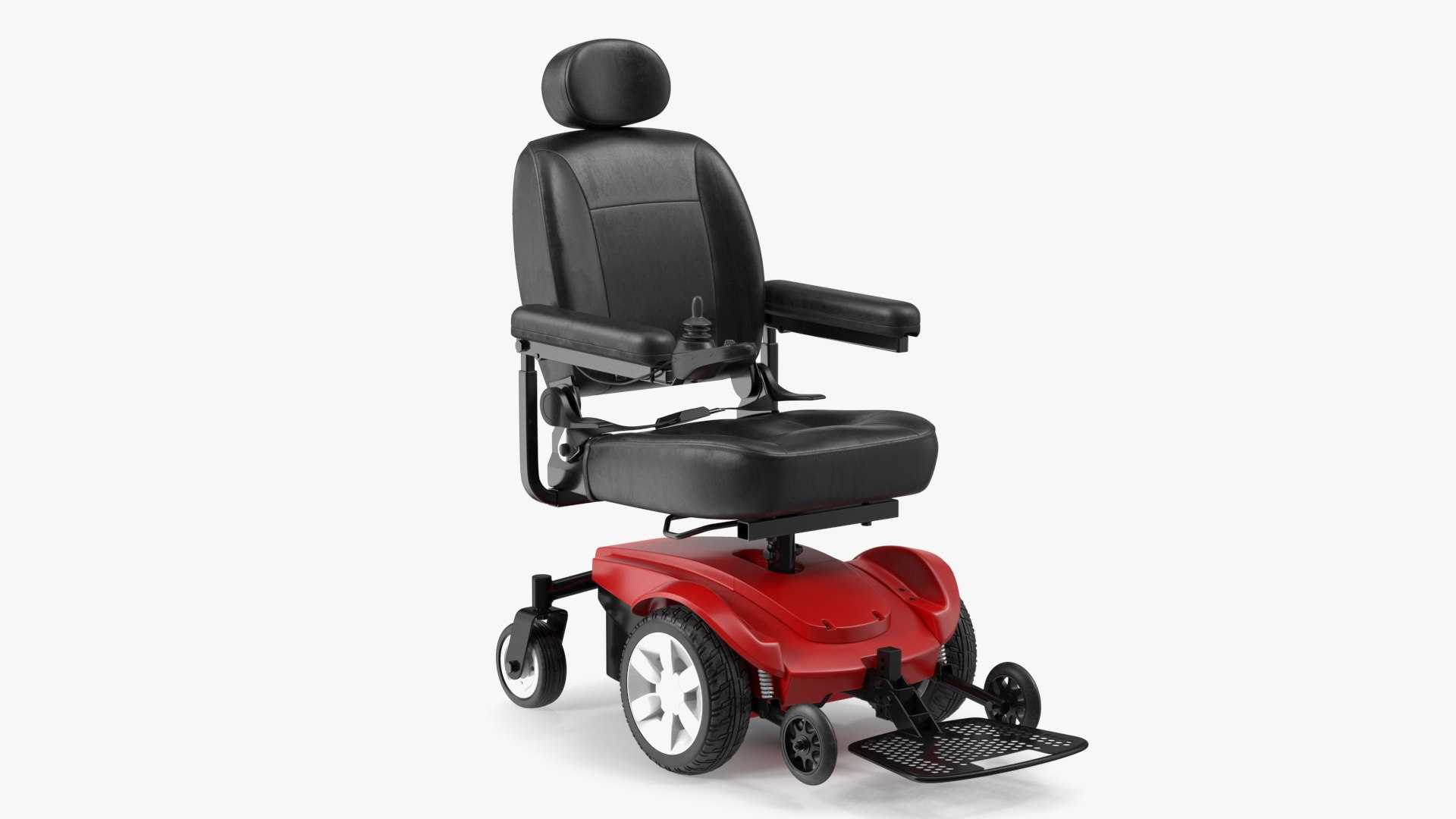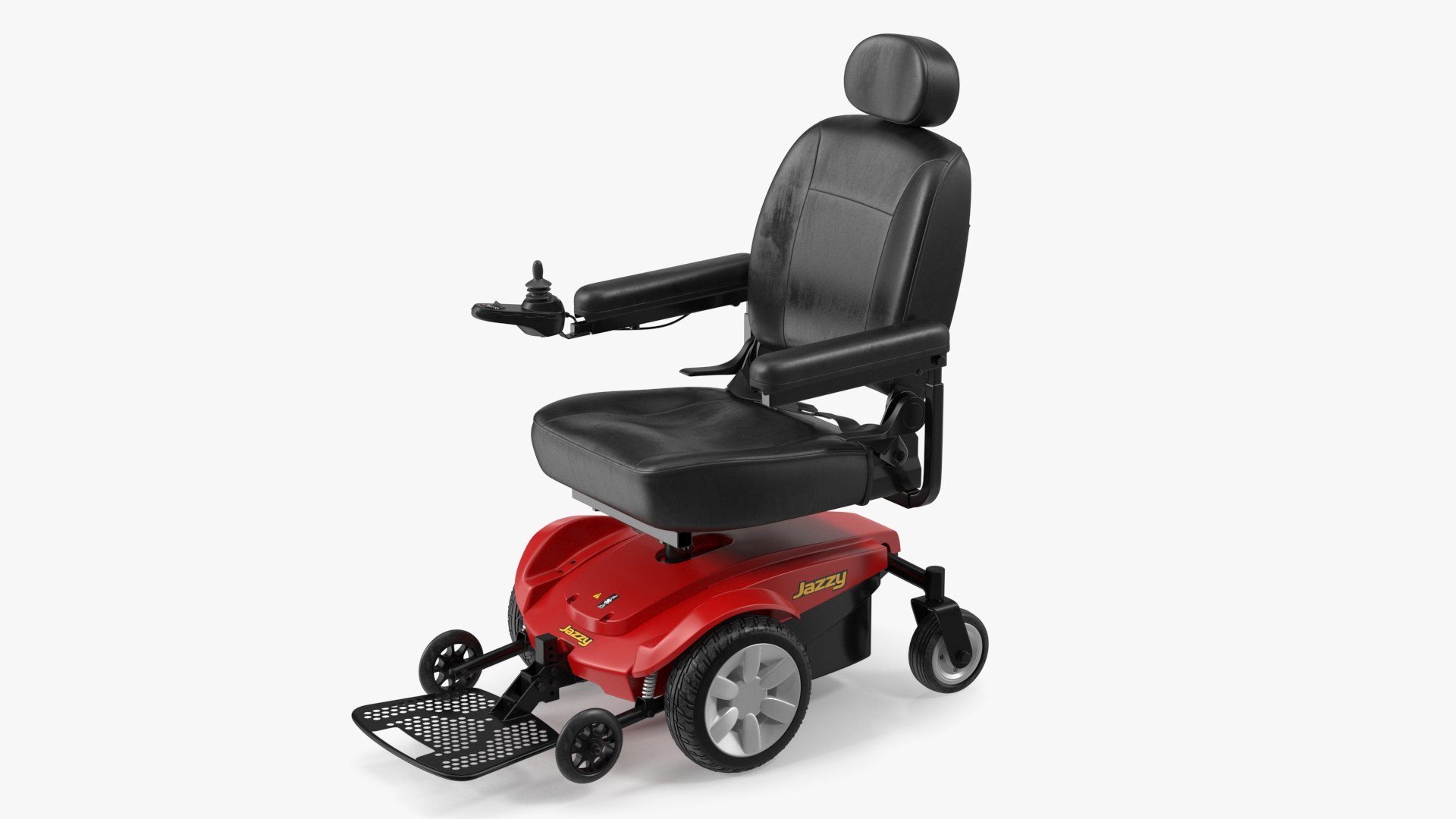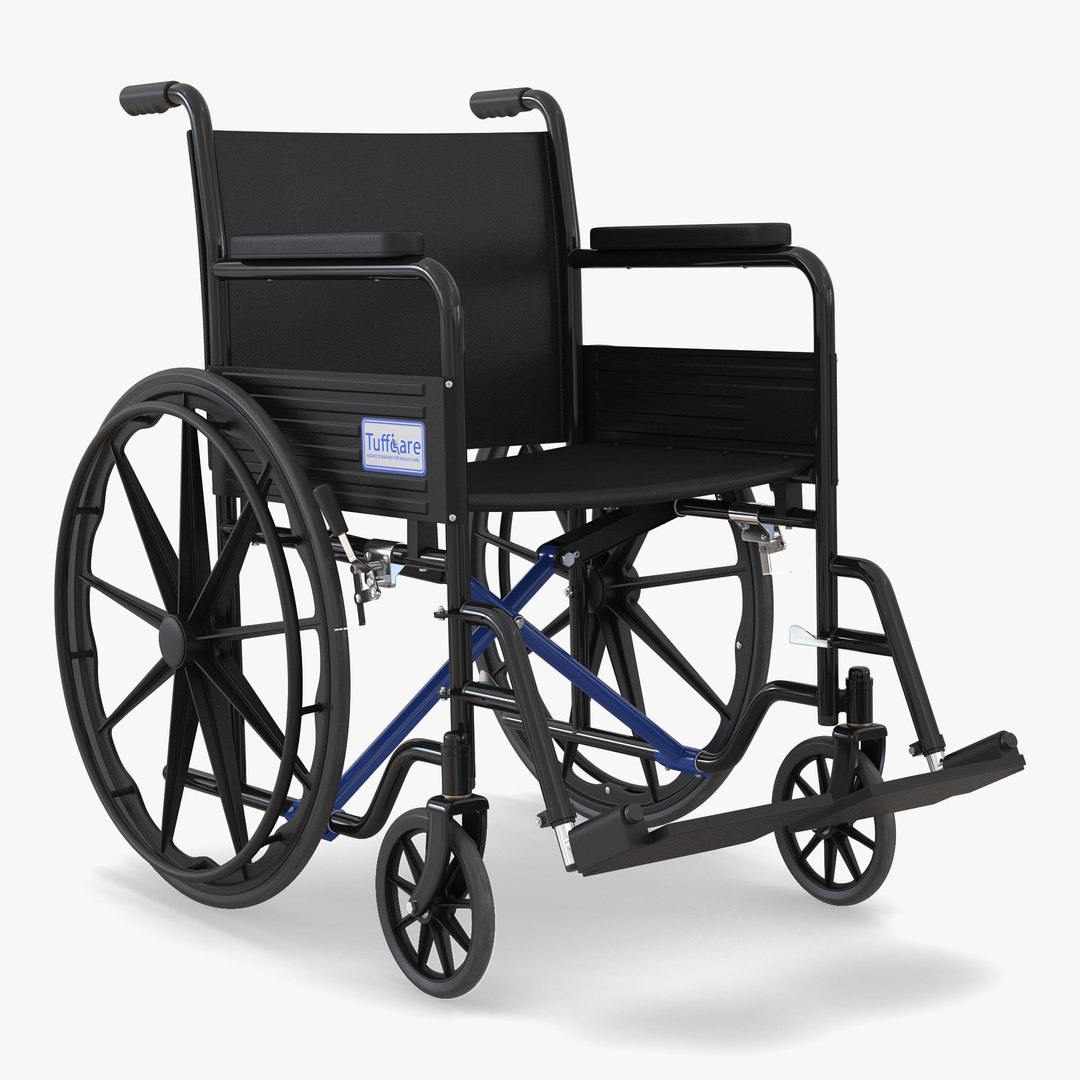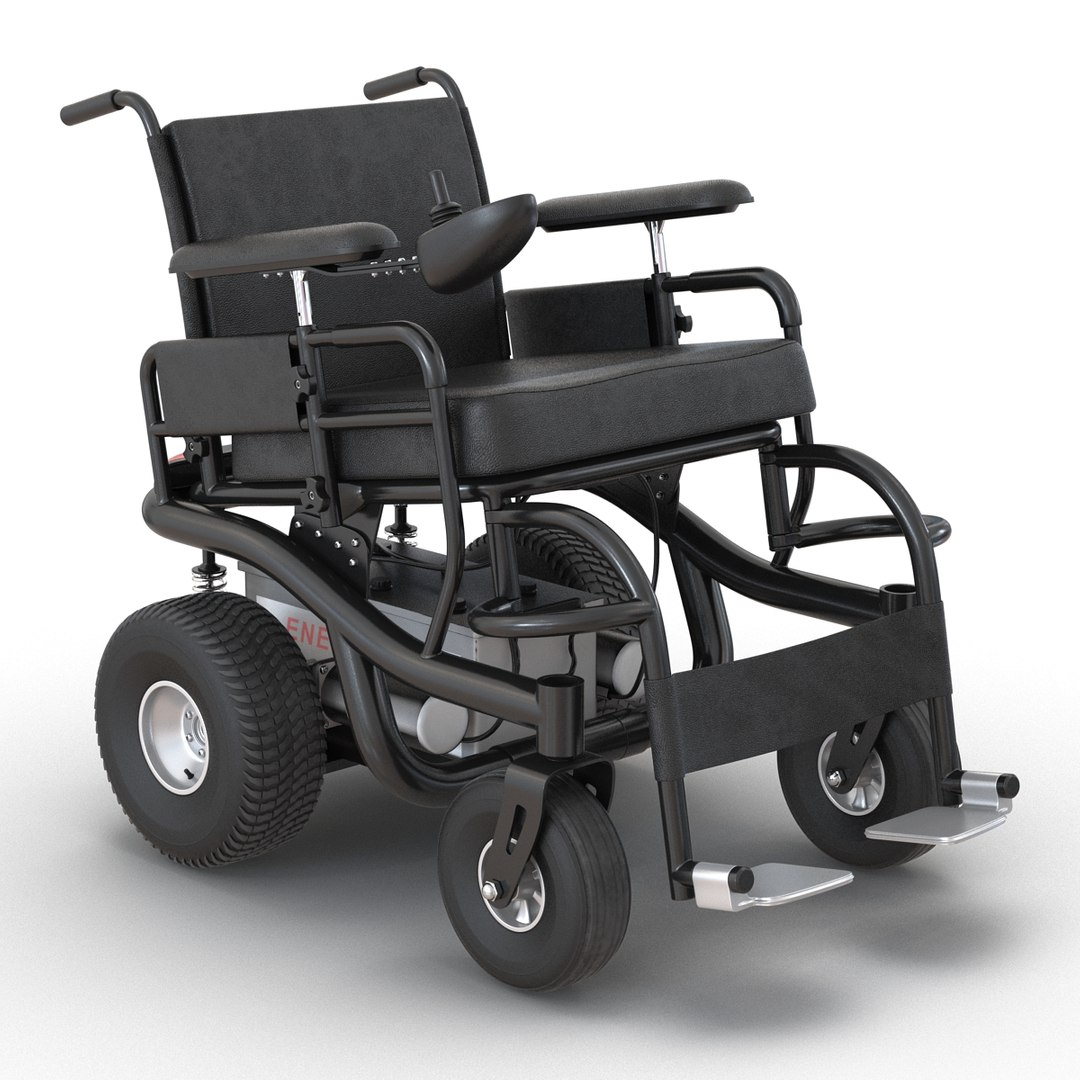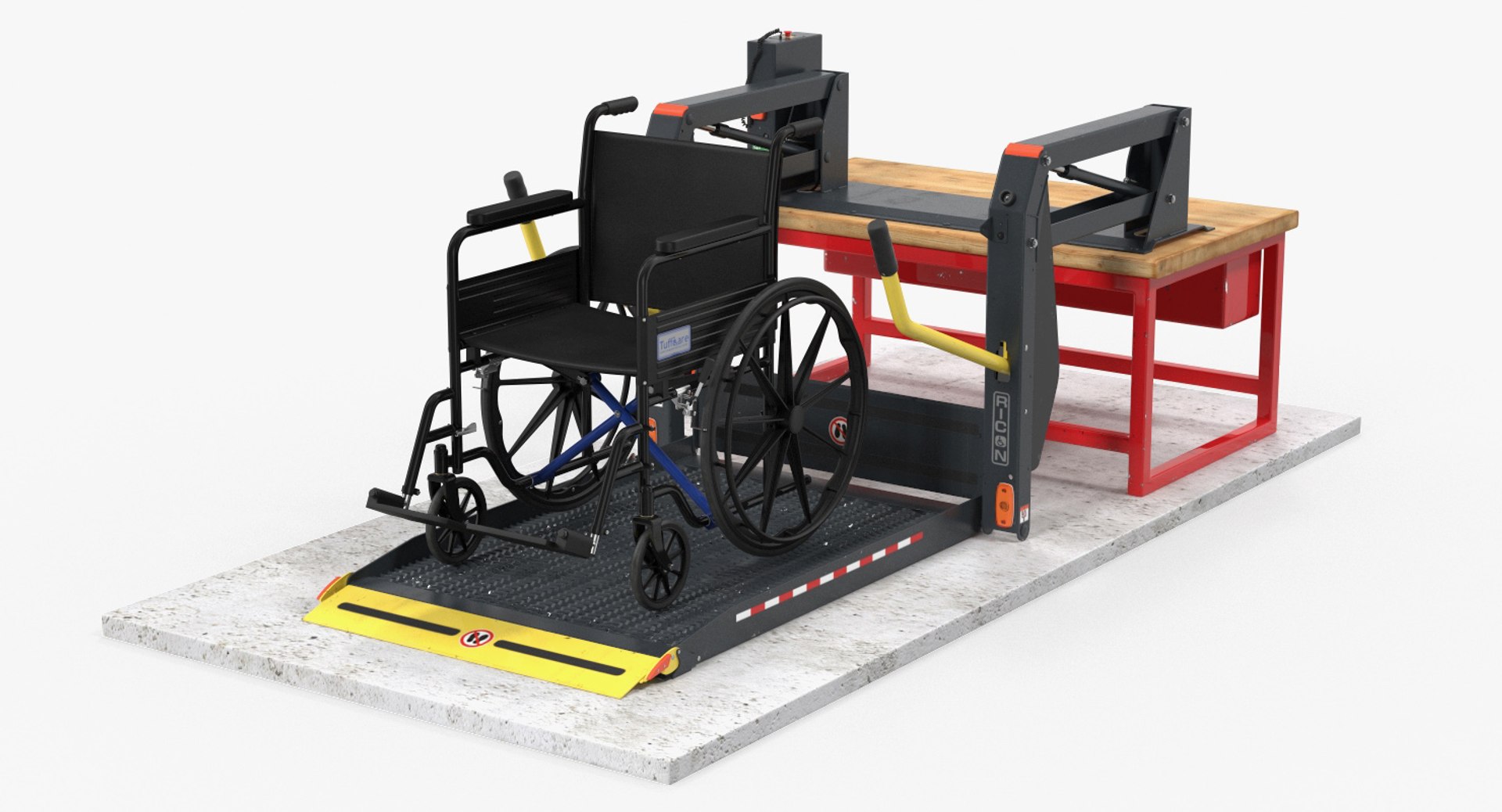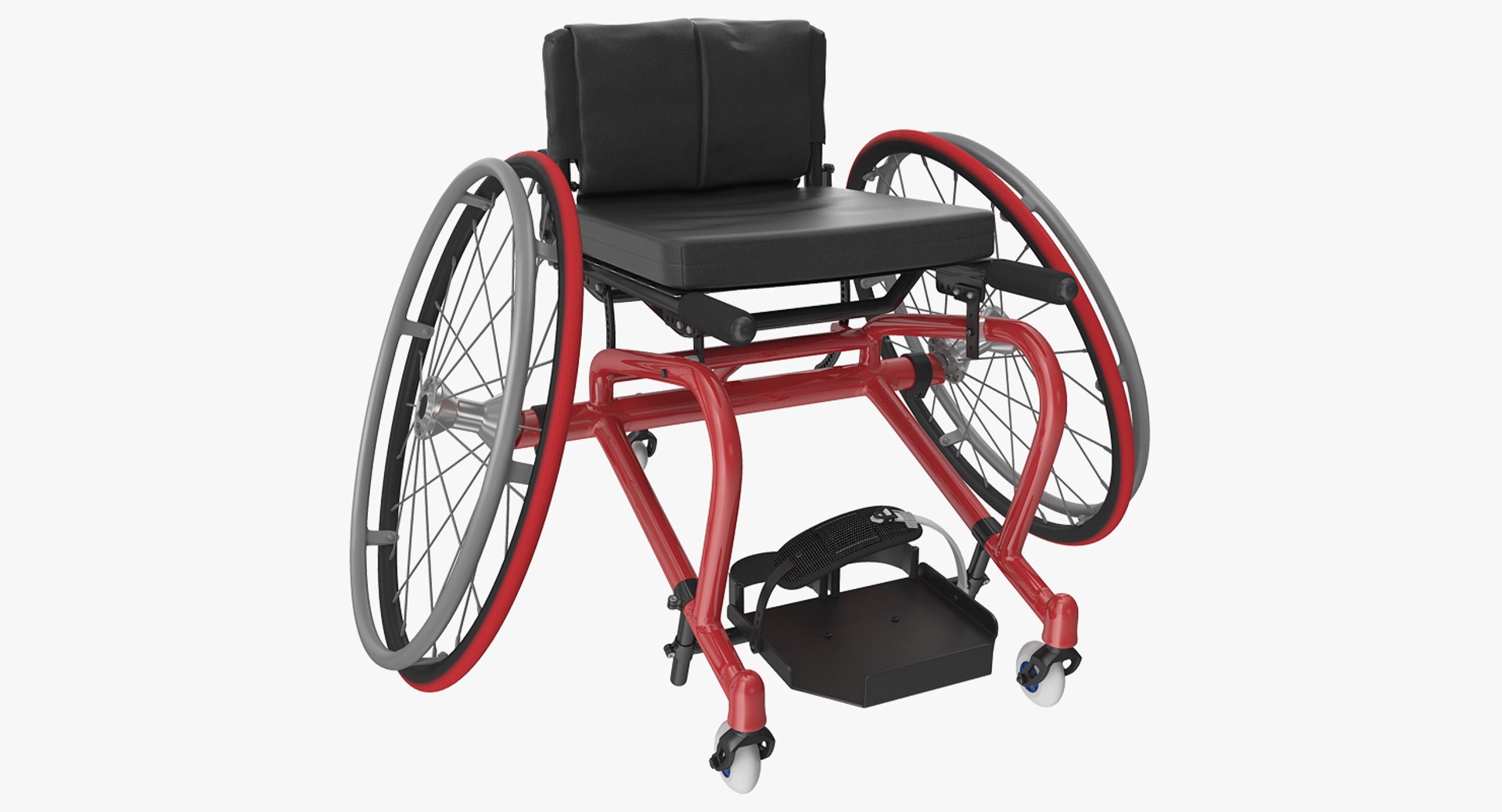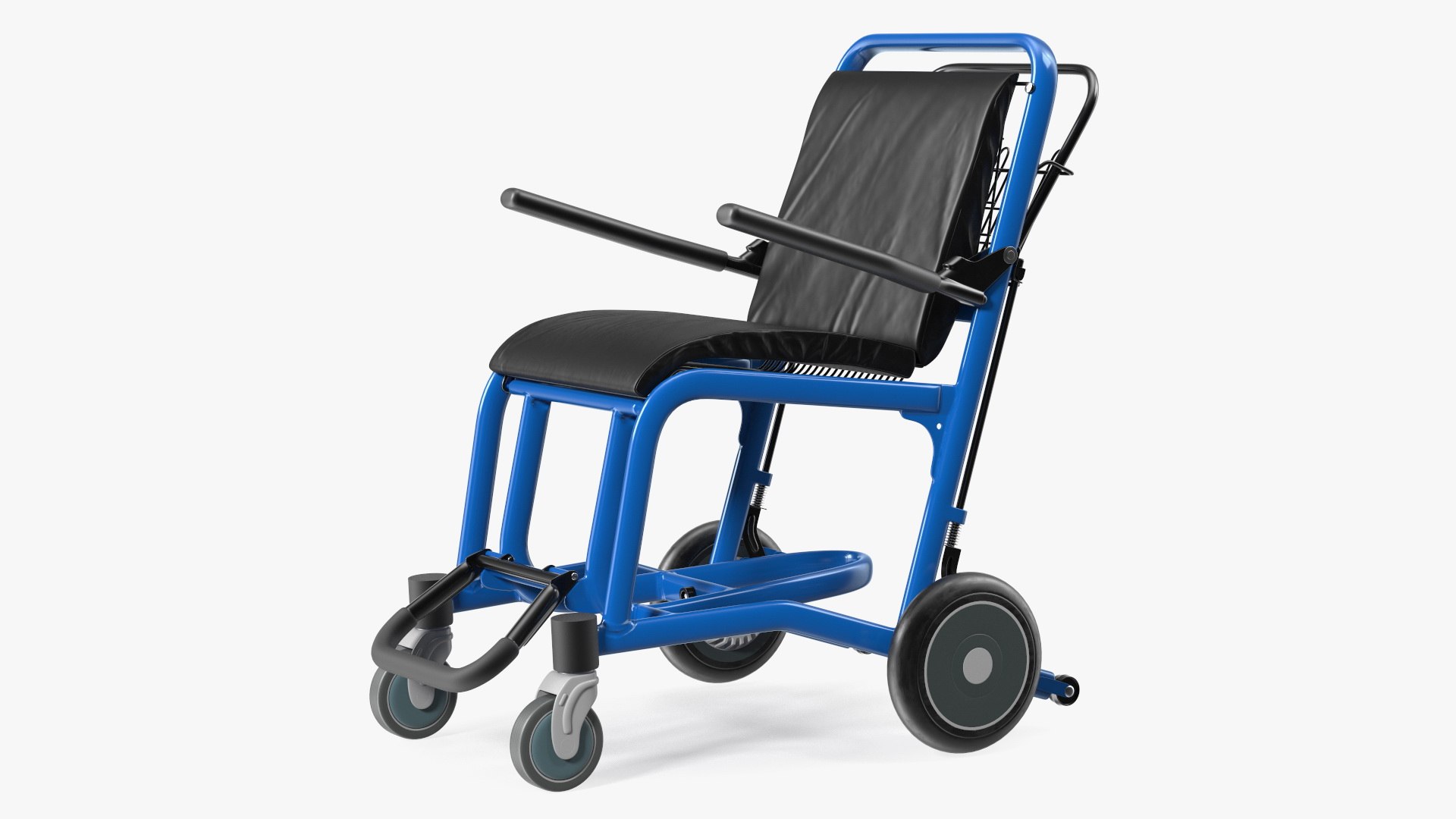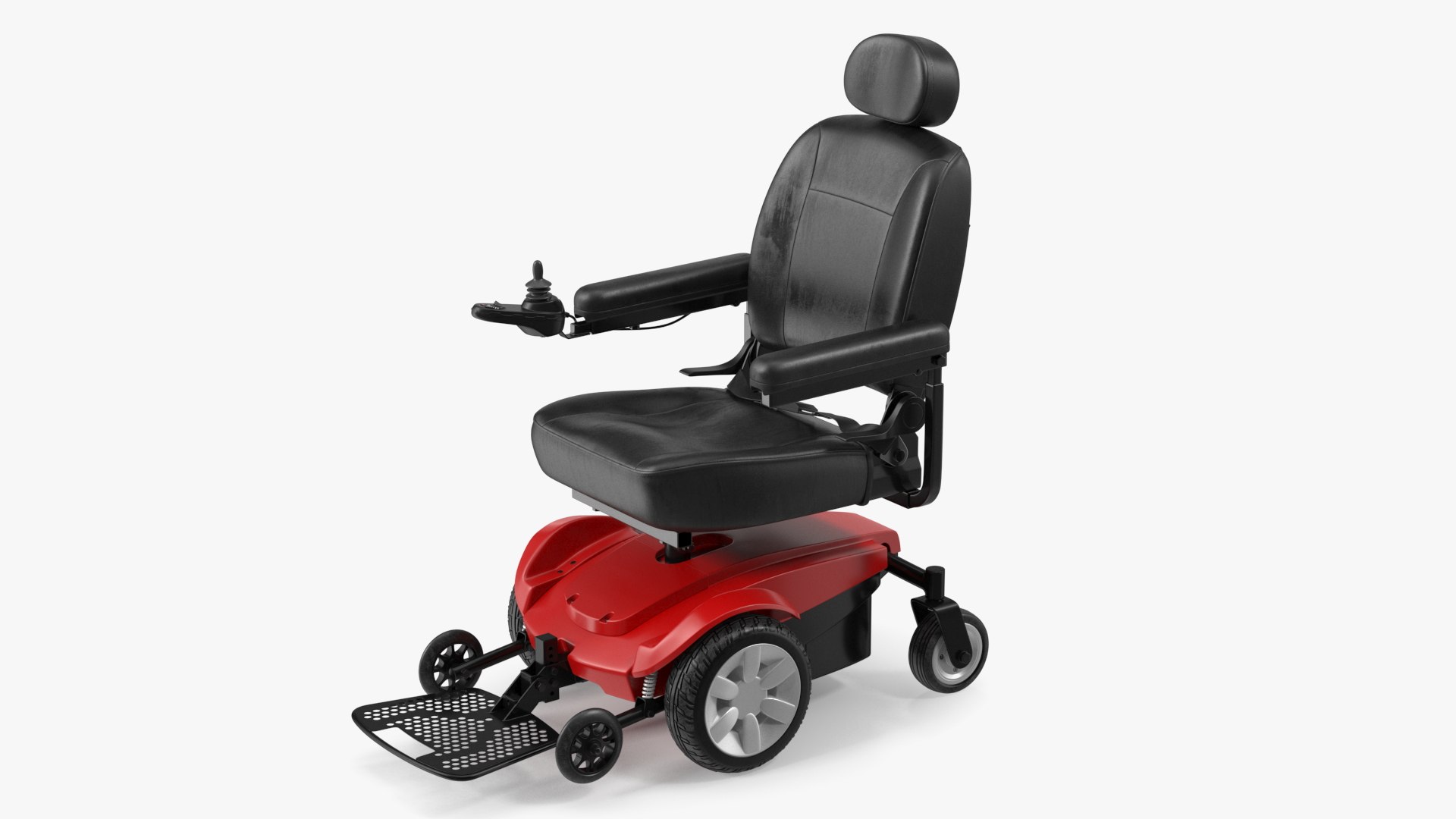
A powered wheelchair is a different object from a manual one, and the differences are all structural: a moulded seat on a powered base, small castors at the front, drive wheels at the middle, a joystick on an armrest and a battery pack under the seat. Those elements have to sit in the right relationship or the chair looks like a manual model with a motor added.
The mesh is 140,556 polygons and 76,634 vertices in quads and tris with non-overlapping UVs, with the geometry concentrated in the frame, the drive assembly and the controller.
A rigged build sits on this page at $89 for when the chair has to be driven or the footplates adjusted. The static model at $69 covers medical and healthcare visualization, accessibility and inclusive design presentation, architectural renders that need real accessibility detail, and games. On sale since 2022.
Questions About This Model
Where can I buy the Electric Wheelchair 3D model?
It is sold through TurboSquid, where this listing has been available since 2022. Purchase, download and licensing are handled by TurboSquid; delivery is immediate after checkout.
How clean is the geometry on the Electric Wheelchair model?
The mesh uses organized, quad-dominant topology at real-world scale, with objects named and grouped rather than merged into one block.
Can the Electric Wheelchair model be used in a commercial project?
Yes. It is sold under TurboSquid's Royalty Free license, which covers commercial use in games, film, advertising and visualization without per-use fees.
What file formats does the Electric Wheelchair 3D model come in?
Format availability differs by model, so the authoritative list sits on the TurboSquid listing - each download is named with its size. Check it first if a specific renderer is required.