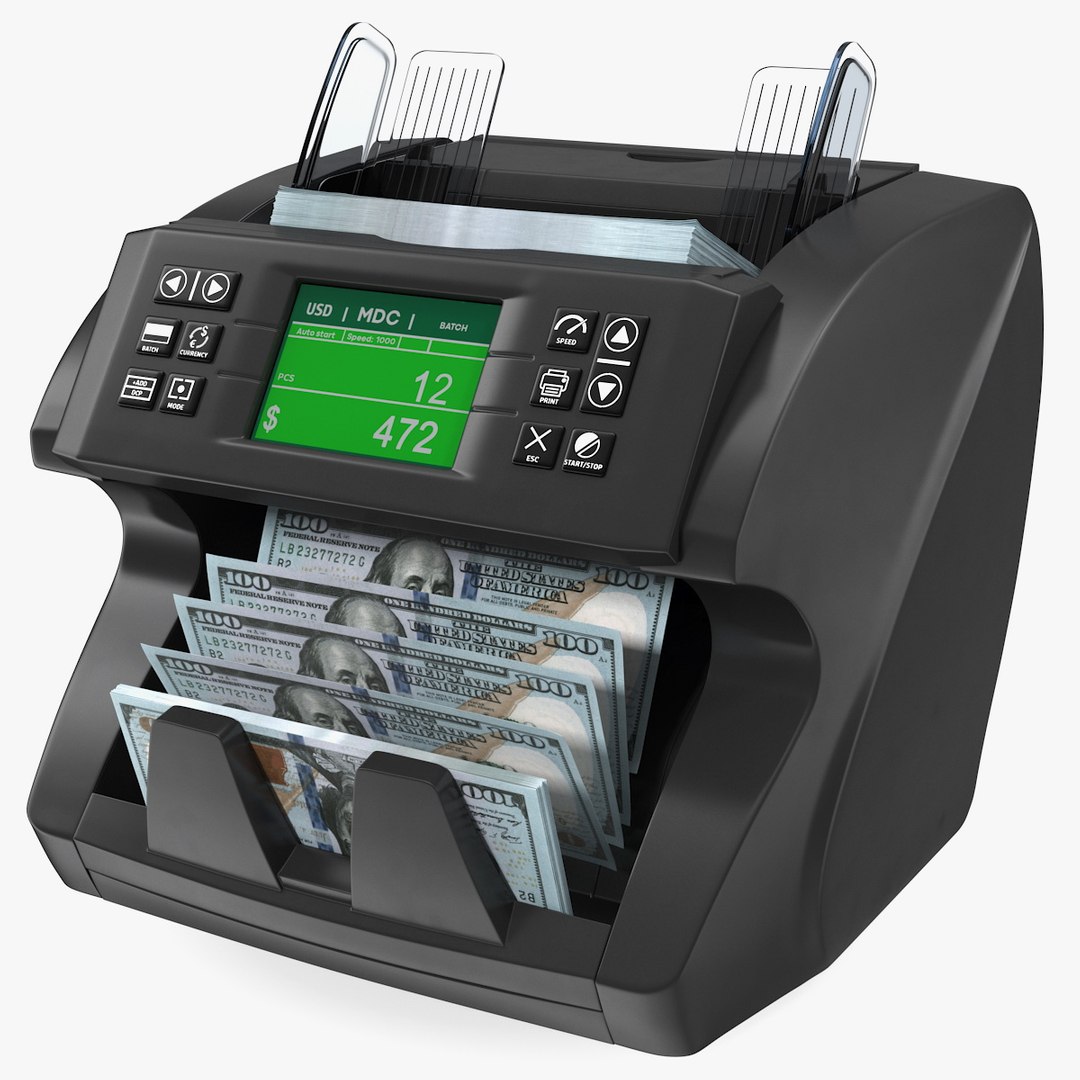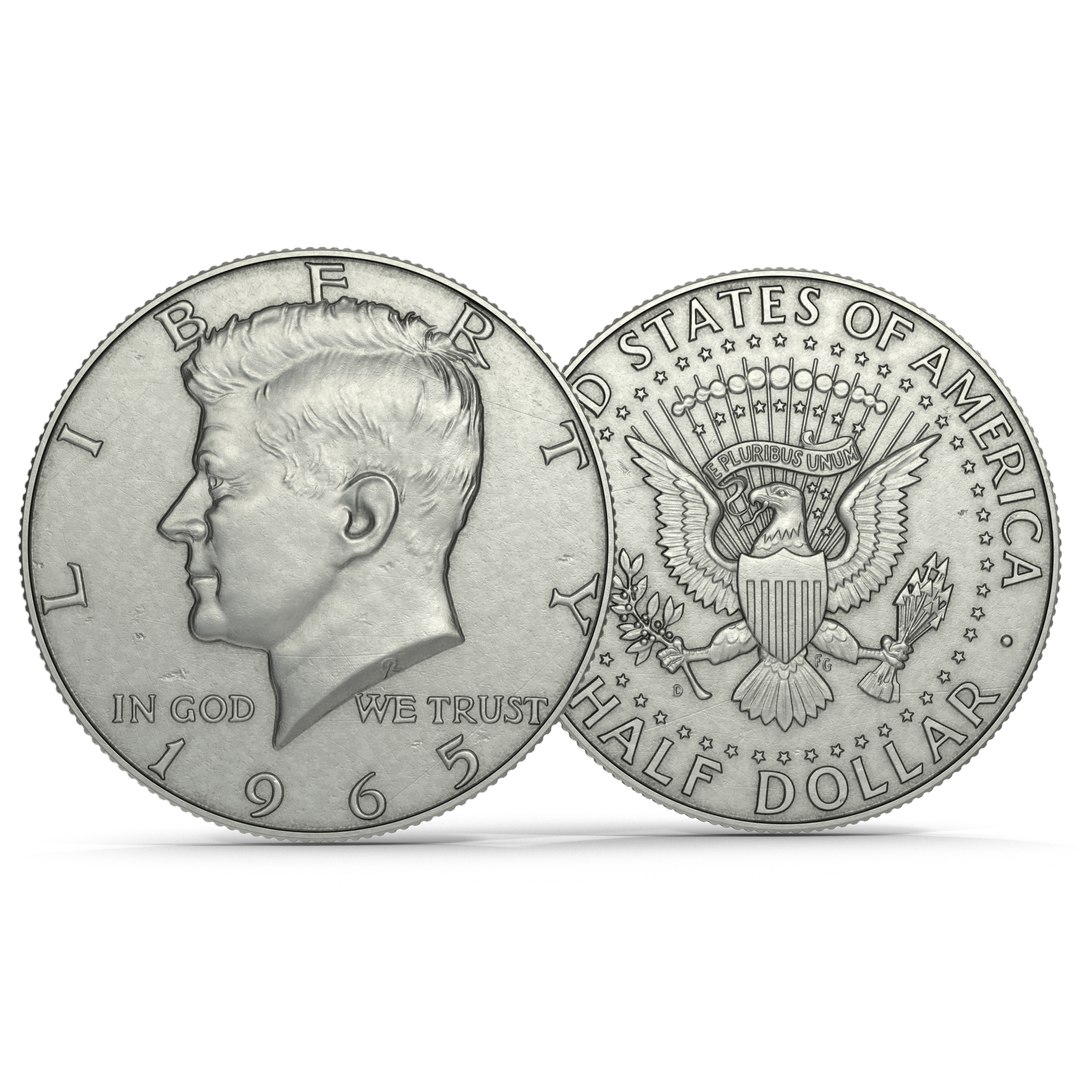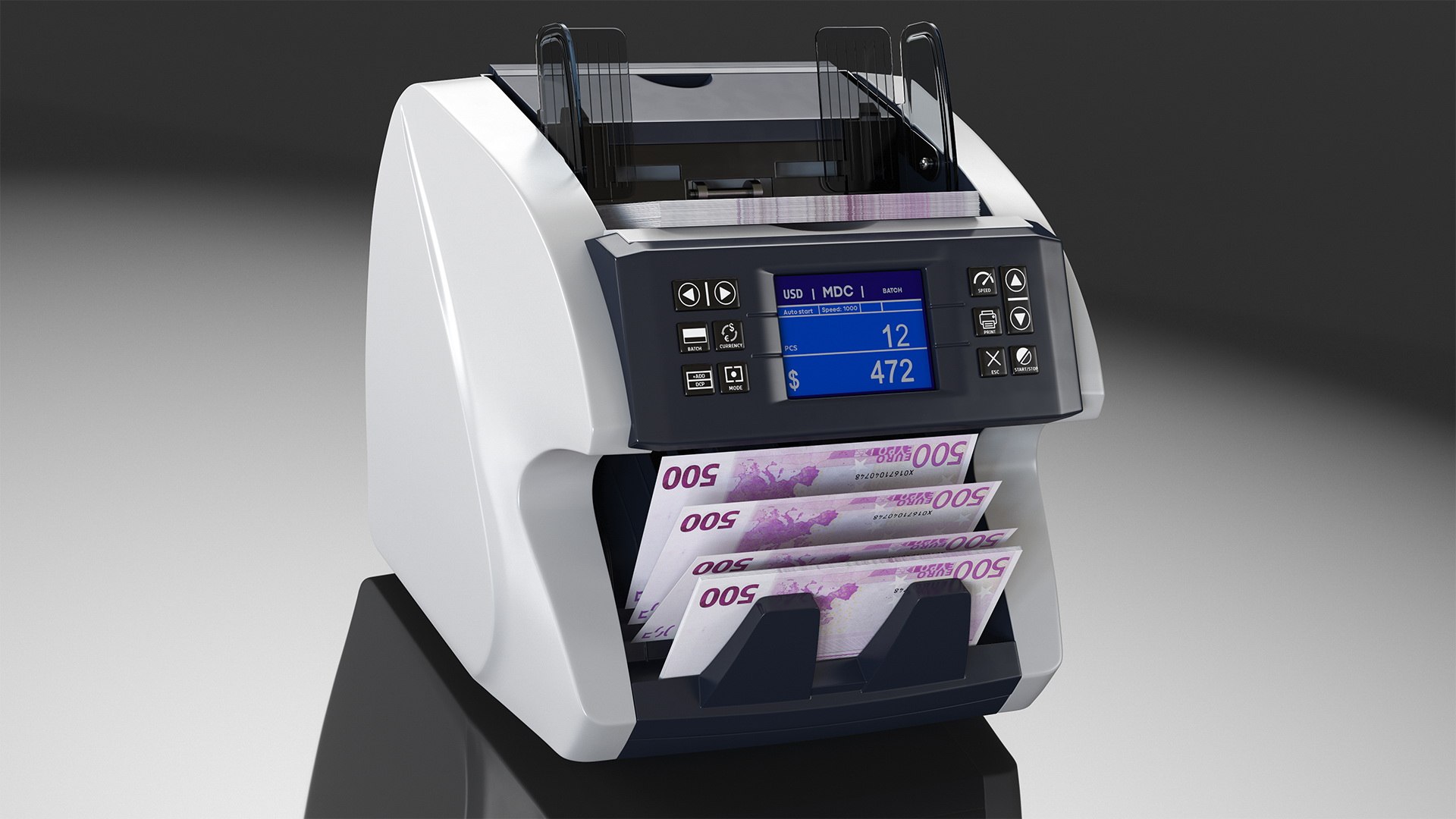
Flying Dollar Bills is one of the general models in the 3D Molier catalog, listed at $29. The polygon count is 11,160, spread over 11,340 vertices. Whether that fits depends on where it lands - an architectural still and a real-time walkthrough tolerate very different counts.
You get 5 maps at 2048 x 2048 - enough resolution to hold a close shot. StemCell means one authored master and several honest exports, with PBR values that hold their meaning in each of them. Transforms are frozen and the hierarchy is shallow, which keeps the asset easy to instance across a large environment.
Buyers most often take it for film & TV VFX and product rendering. Available since 2020, the model has been through several rounds of studio use. It is ready for game assets, film and TV VFX, product rendering and VR experiences.
Questions About This Model
What file formats does the Flying Dollar Bills 3D model come in?
The complete list of included formats is shown on the TurboSquid product page, where every file is named and sized before you buy. Native scene files and the common interchange formats are the usual pairing.
How much does the Flying Dollar Bills 3D model cost?
It is listed at $29 USD on TurboSquid. That is a one-off purchase under the Royalty Free license - there is no subscription and no per-project fee afterwards.
What does StemCell mean for the Flying Dollar Bills model?
StemCell is TurboSquid's multi-format standard. The model was authored once and delivered in several formats with matching PBR materials, so shading survives the move between a game engine and an offline renderer.
How heavy is the Flying Dollar Bills mesh?
11,160 polygons and 11,340 vertices, built as polygonal quads only. Whether that fits depends on where it lands - an architectural still and a real-time walkthrough tolerate very different counts.