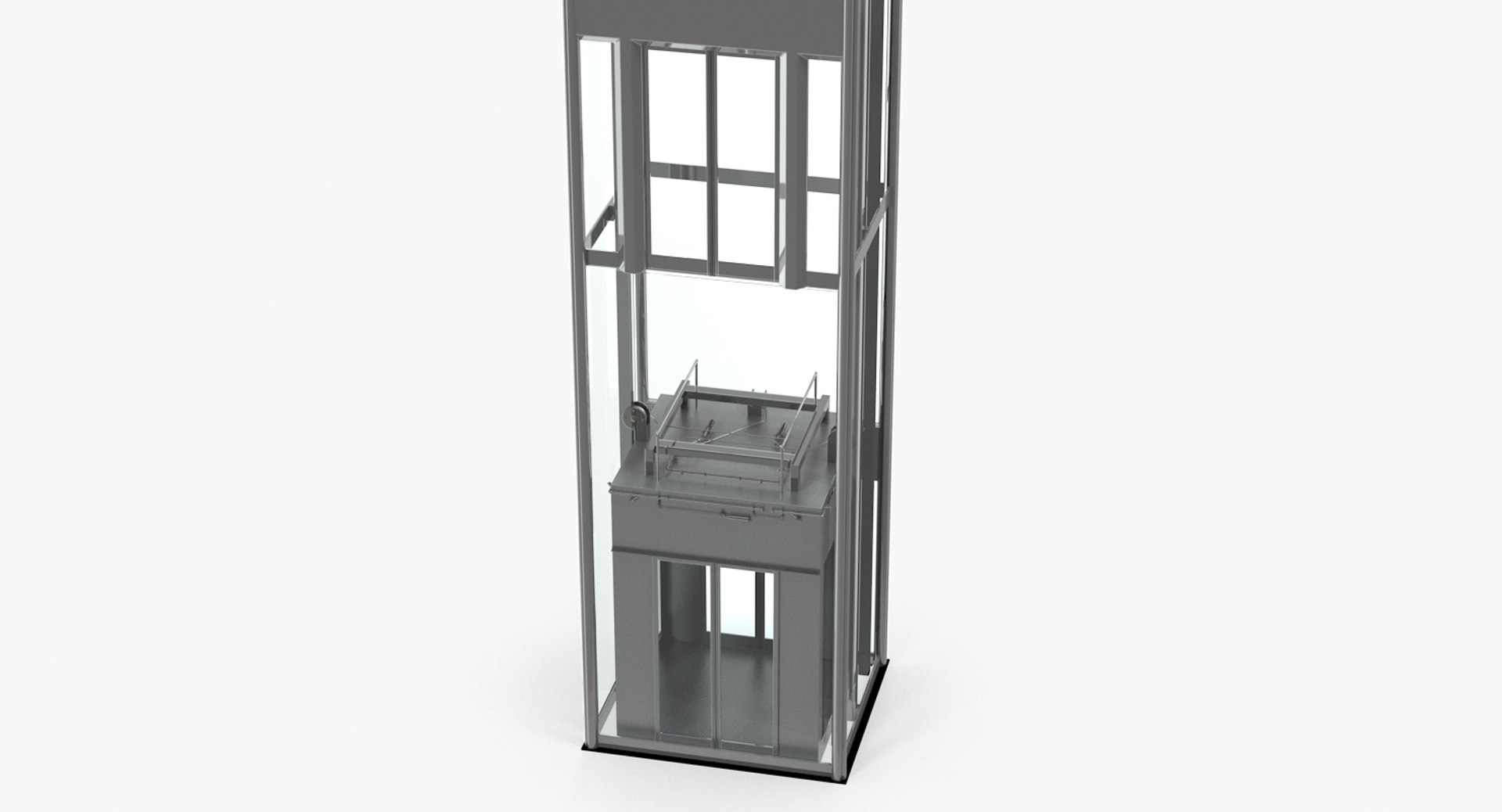
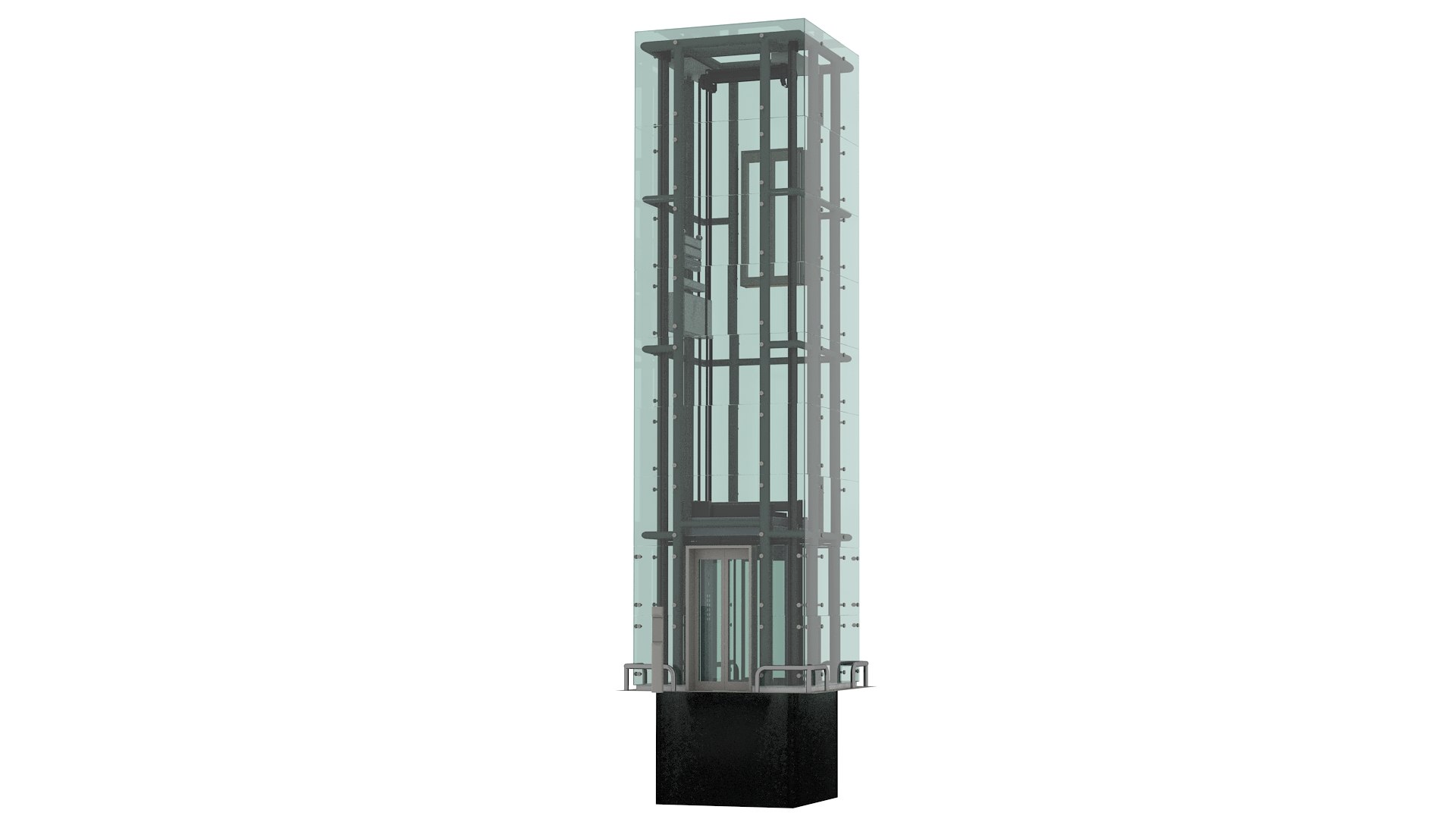
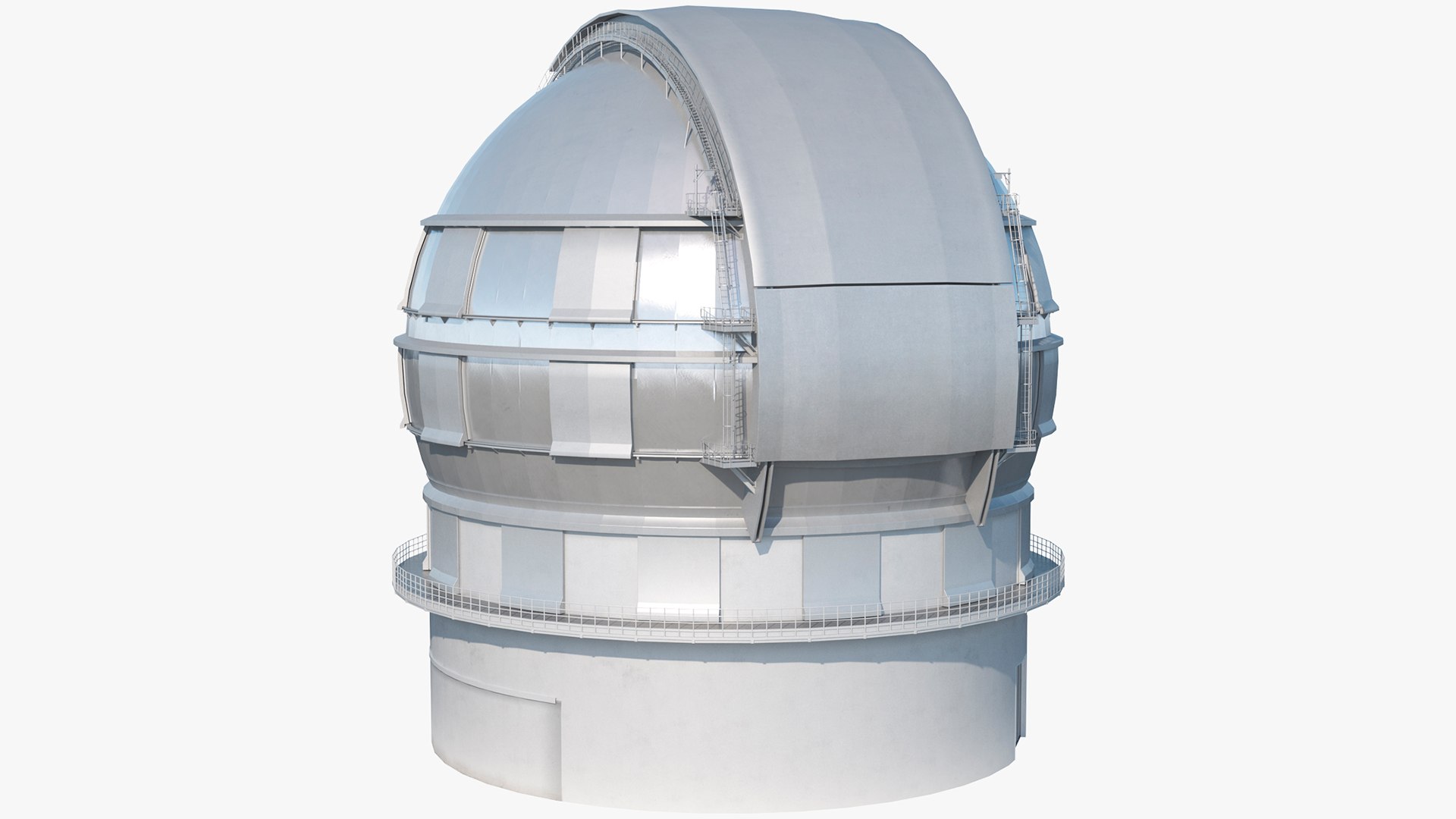
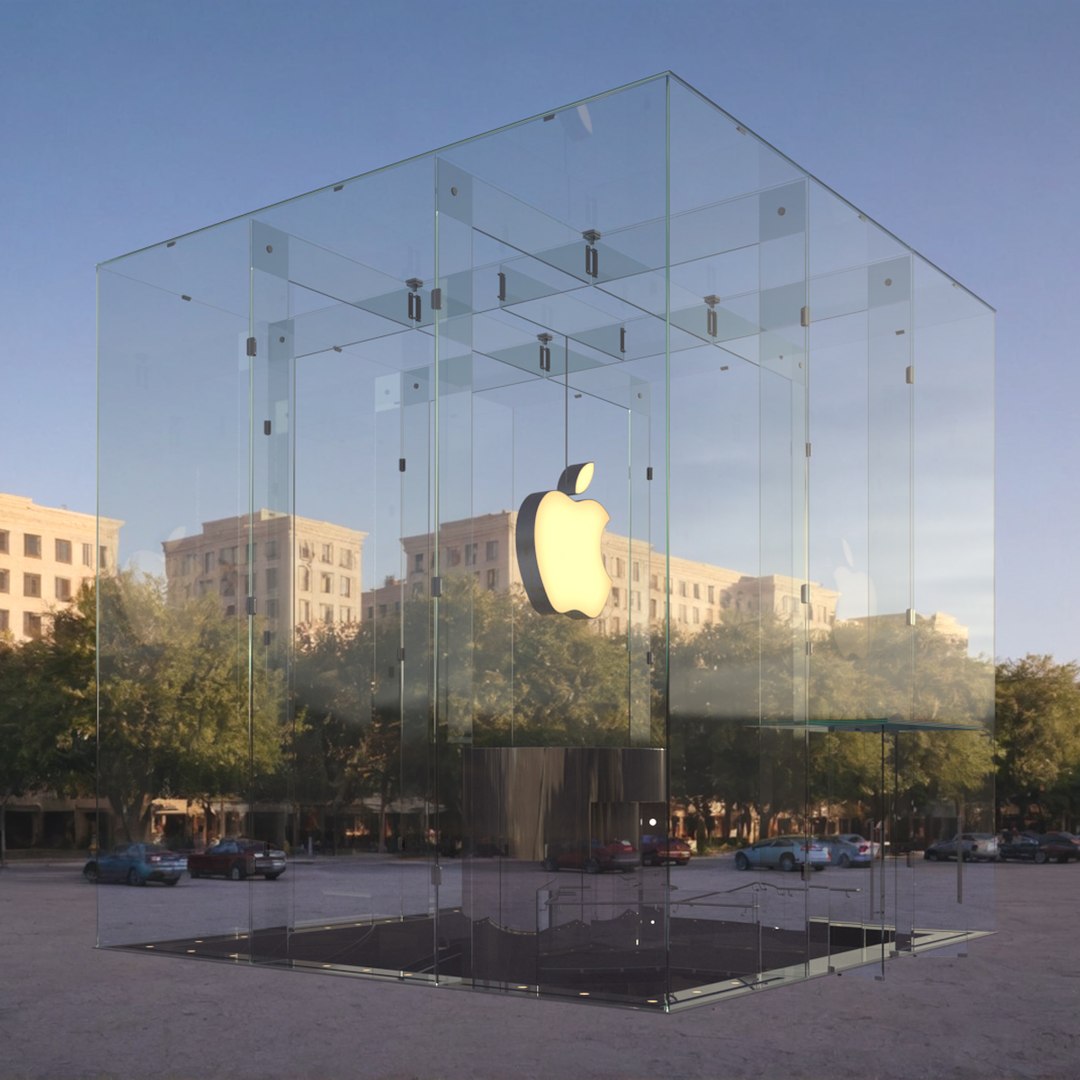
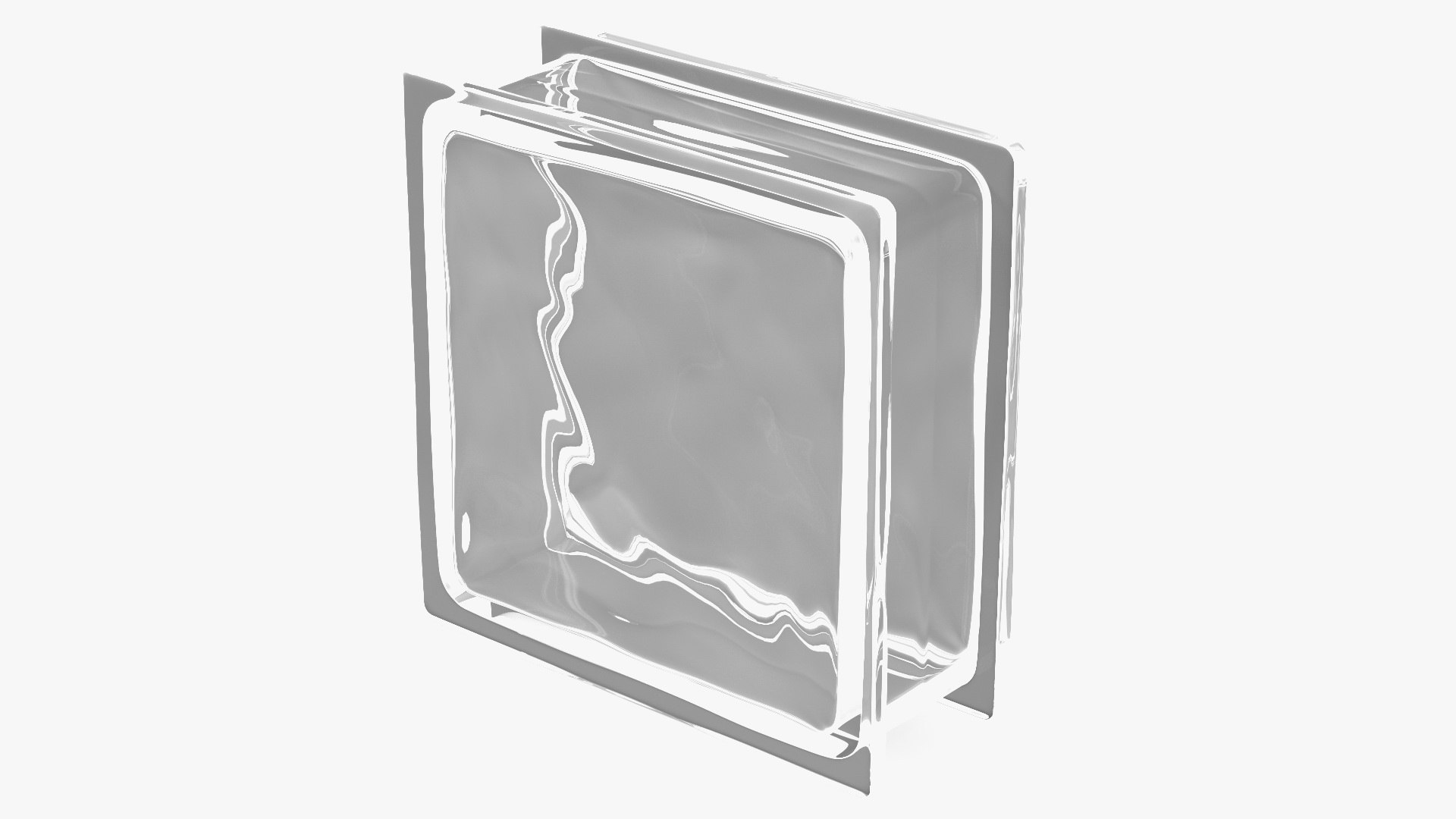
Glass Cube Observatory
Priced at $59, the Glass Cube Observatory is a finished Architecture & Landmarks model rather than a base mesh you have to build on. On import you get 2,158,107 polygons and 2,139,913 vertices. Whether that counts as light or heavy depends on the target platform, the complexity of the scene and how many instances it carries.
The geometry is built to be worked with: predictable loops, no doubled faces, nothing hidden inside the shell. Parts are separated where separation is useful, so a single component can be hidden, swapped or re-shaded on its own. On this listing the stated applications are architectural visualization, film & TV VFX and product rendering.
Its first release was in 2024, and it has earned its place in the catalog since then. It is aimed at architectural visualization, city scenes, advertising renders and VR walkthroughs.
Questions About This Model
Which industries use the Glass Cube Observatory model?
It is tagged for Architecture, Film & Video Production and Advertising. The categorisation reflects where similar Architecture & Landmarks assets end up rather than a hard restriction - the license does not limit the field of use.
Can the Glass Cube Observatory model be modified after purchase?
Editing is allowed - remesh it, strip detail for real-time use, or rebuild the shaders. The one restriction is that the model file cannot be resold or given away as an asset.
Can the Glass Cube Observatory model be used in a commercial project?
Commercial use is included. The Royalty Free license allows the model in paid client work, broadcast, published games and print; only redistributing the model file itself is excluded.
What is the Glass Cube Observatory model typically used for?
It is cataloged for architectural visualization, film & TV VFX and product rendering - the sort of work where the object needs to look right on camera but is not the subject of the shot.