Human Sperm Cell
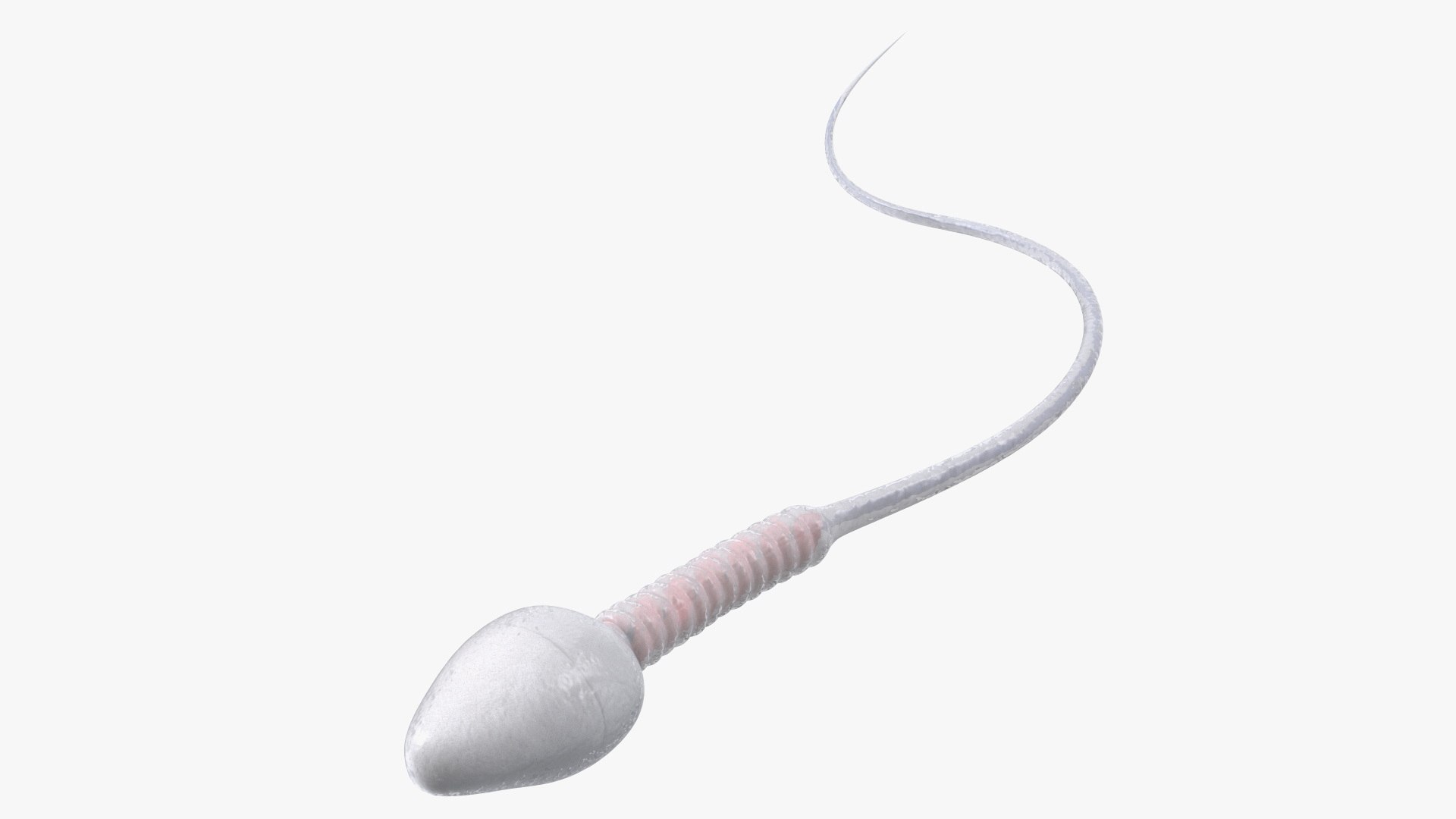
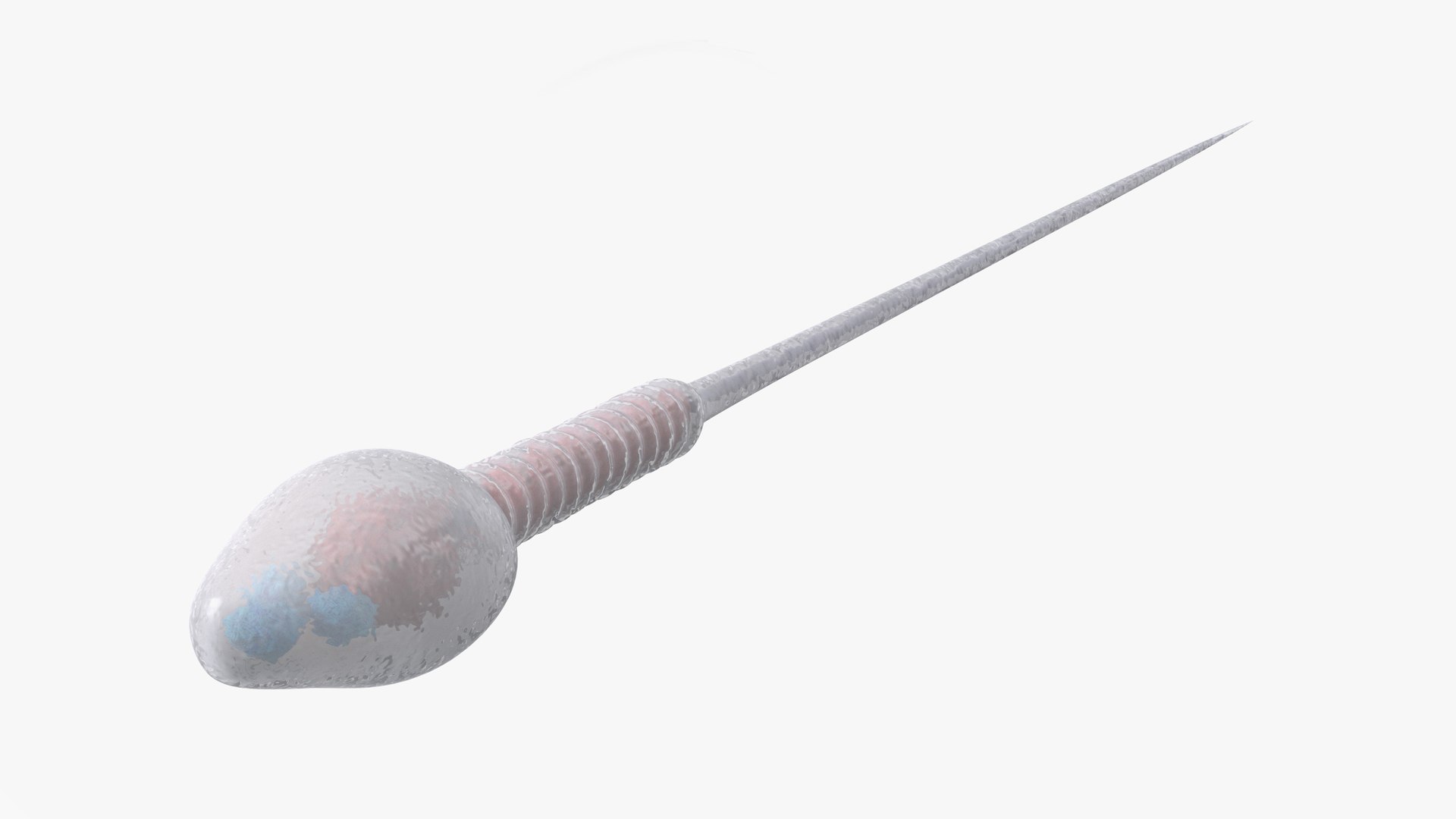
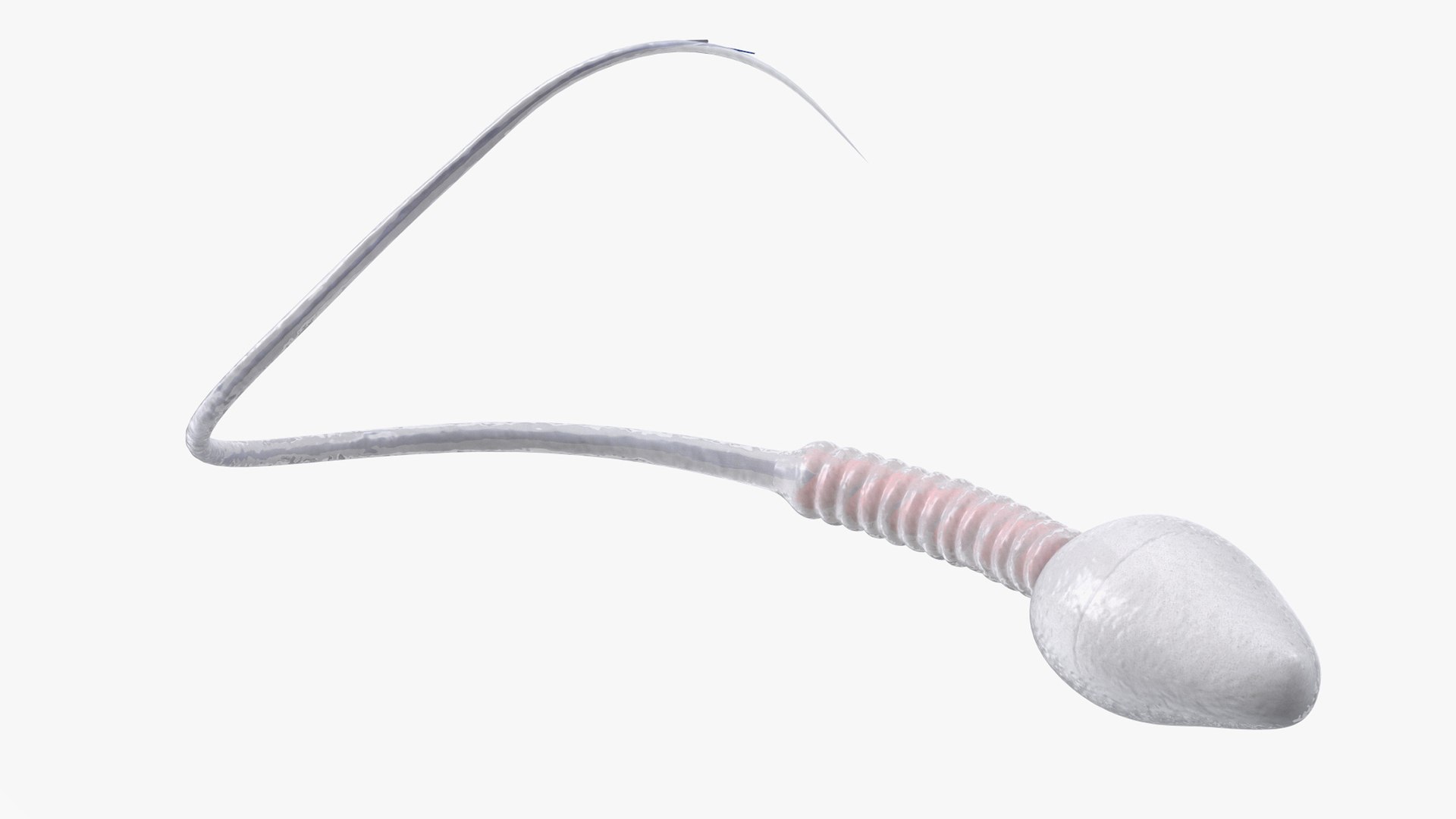
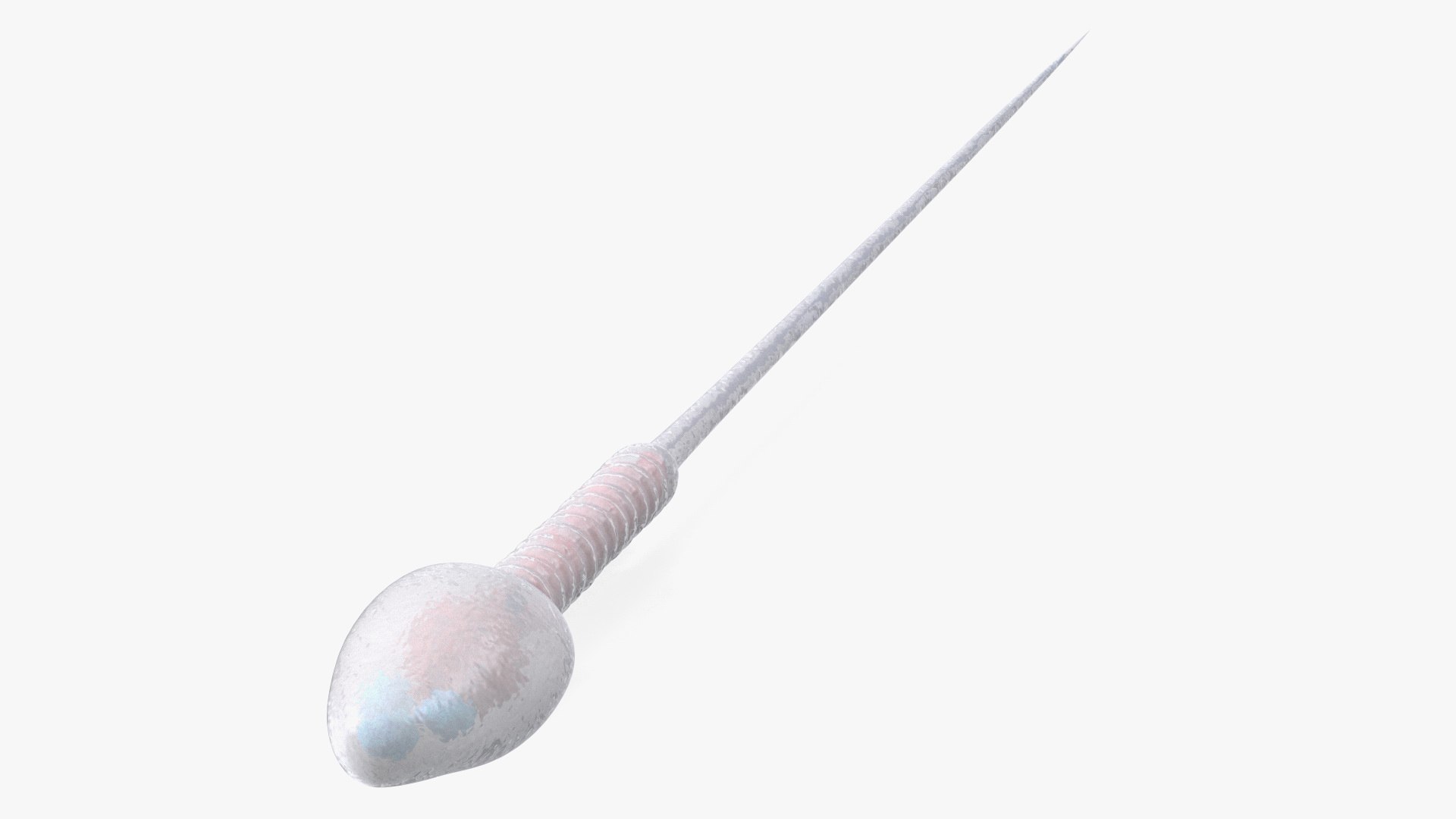
A spermatozoon is three parts doing three jobs: a head carrying the genetic payload, a midpiece packed with mitochondria to power the journey, and a tail that does the swimming. The model separates them clearly, with the acrosome cap distinct from the nucleus, because in teaching material the whole point is being able to name what you are looking at.
It runs 117,820 polygons and 59,912 vertices in quads and tris with non-overlapping UVs. The tail carries most of that budget, which is where it belongs - a flagellum that bends smoothly is what makes the cell read as alive rather than as a diagram.
Three rigged builds sit on this page at $29: a general one and versions prepared for Maya and for Cinema 4D, for when the tail has to move. The static model at $24 covers textbook and courseware illustration, fertility clinic material, science communication and medical animation stills.
Questions About This Model
How heavy is the Human Sperm Cell mesh?
117,820 polygons and 59,912 vertices, built as polygonal quads/tris. Whether that counts as light or heavy depends on the target platform, the complexity of the scene and how many instances it carries.
What file formats does the Human Sperm Cell 3D model come in?
Every included file is listed on the product page at TurboSquid, with format and size shown per download. That page is the source of truth rather than this summary.
How clean is the geometry on the Human Sperm Cell model?
Geometry is modelled at true scale with a tidy edge flow, and the scene is split into named objects so partial reuse and material swaps stay simple.
Which industries use the Human Sperm Cell model?
It is tagged for Medical, Simulation, Film & Video Production and Advertising. The categorisation reflects where similar Medical assets end up rather than a hard restriction - the license does not limit the field of use.