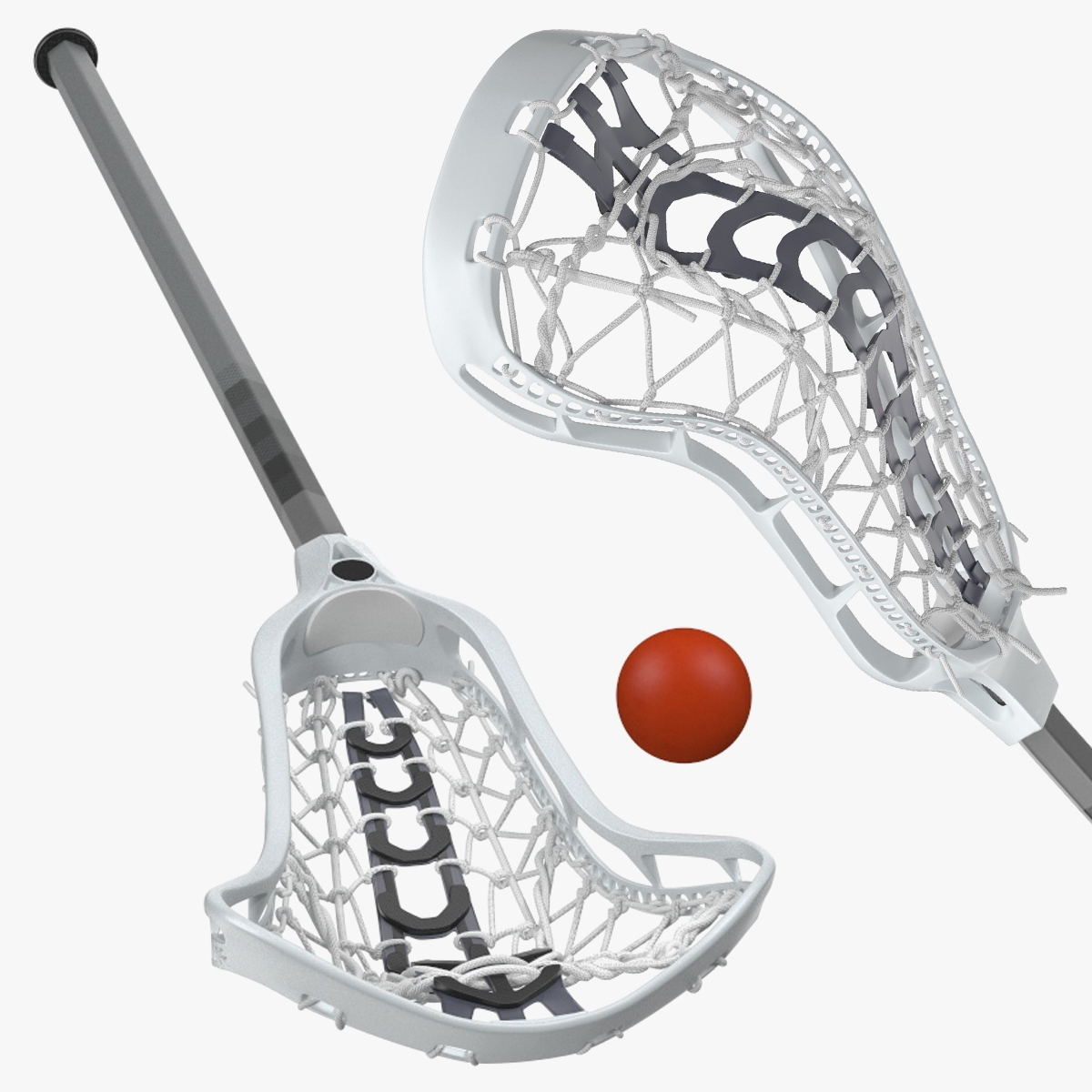
A solid rubber sphere with a matte finish, this piece is the dense, bouncy game object used in field and box lacrosse. With 600 polygons and 602 vertices in clean quads, the shape stays perfectly round while remaining cheap enough for crowd scenes. The surface has a faint pebbled texture rather than seams, which is exactly how the real equipment looks under stadium lights.
Three textures at 2048 x 2048 carry the white rubber, subtle grain and roughness, so close-ups do not look plastic. Non-overlapping UVs let you add scuff marks or a stamped logo without stretching across the poles of the sphere. StemCell certification guarantees that every format TurboSquid ships comes from one source file, so the rubber looks identical everywhere.
Dating from 2019, the prop suits sports broadcast graphics, training app animations, coaching videos and physics simulations. Drop it into a stick pocket or let it roll across artificial turf to set up a quick sports moment. Because it is so light on polygons, physics engines can bounce dozens of copies during a training drill sequence.
Questions About This Model
What is the Lacrosse Ball model typically used for?
Stated applications are product rendering, game assets and film & TV VFX. Because the asset is finished rather than a base mesh, it also holds up as set dressing in scenes it was not specifically built for.
Which industries use the Lacrosse Ball model?
It is tagged for Advertising, Game Development and Film & Video Production. The categorisation reflects where similar Sports & Recreation assets end up rather than a hard restriction - the license does not limit the field of use.
Where can I buy the Lacrosse Ball 3D model?
It is sold through TurboSquid, where this listing has been available since 2019. Purchase, download and licensing are handled by TurboSquid; delivery is immediate after checkout.
What does StemCell mean for the Lacrosse Ball model?
StemCell is TurboSquid's multi-format standard. The model was authored once and delivered in several formats with matching PBR materials, so shading survives the move between a game engine and an offline renderer.