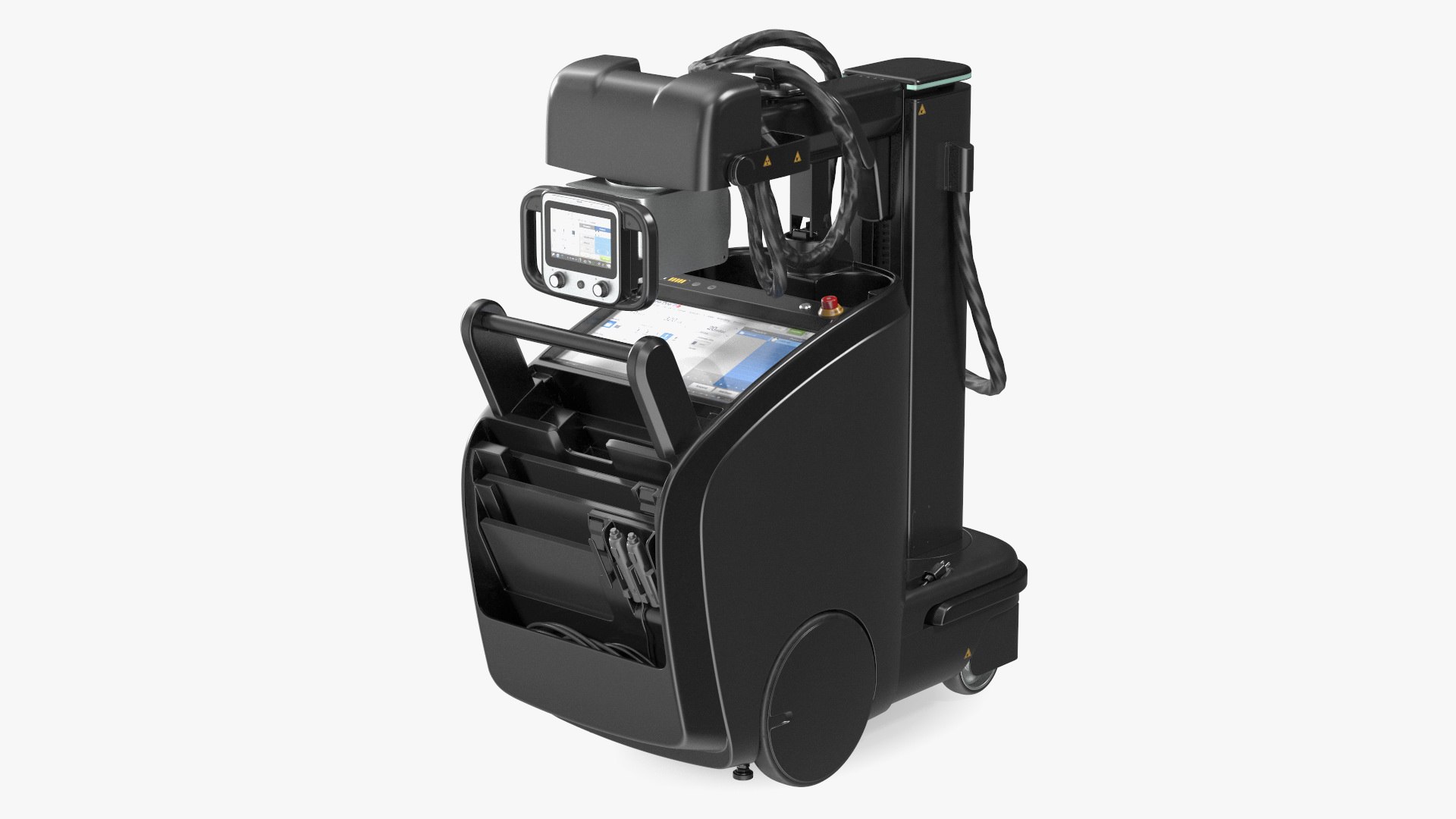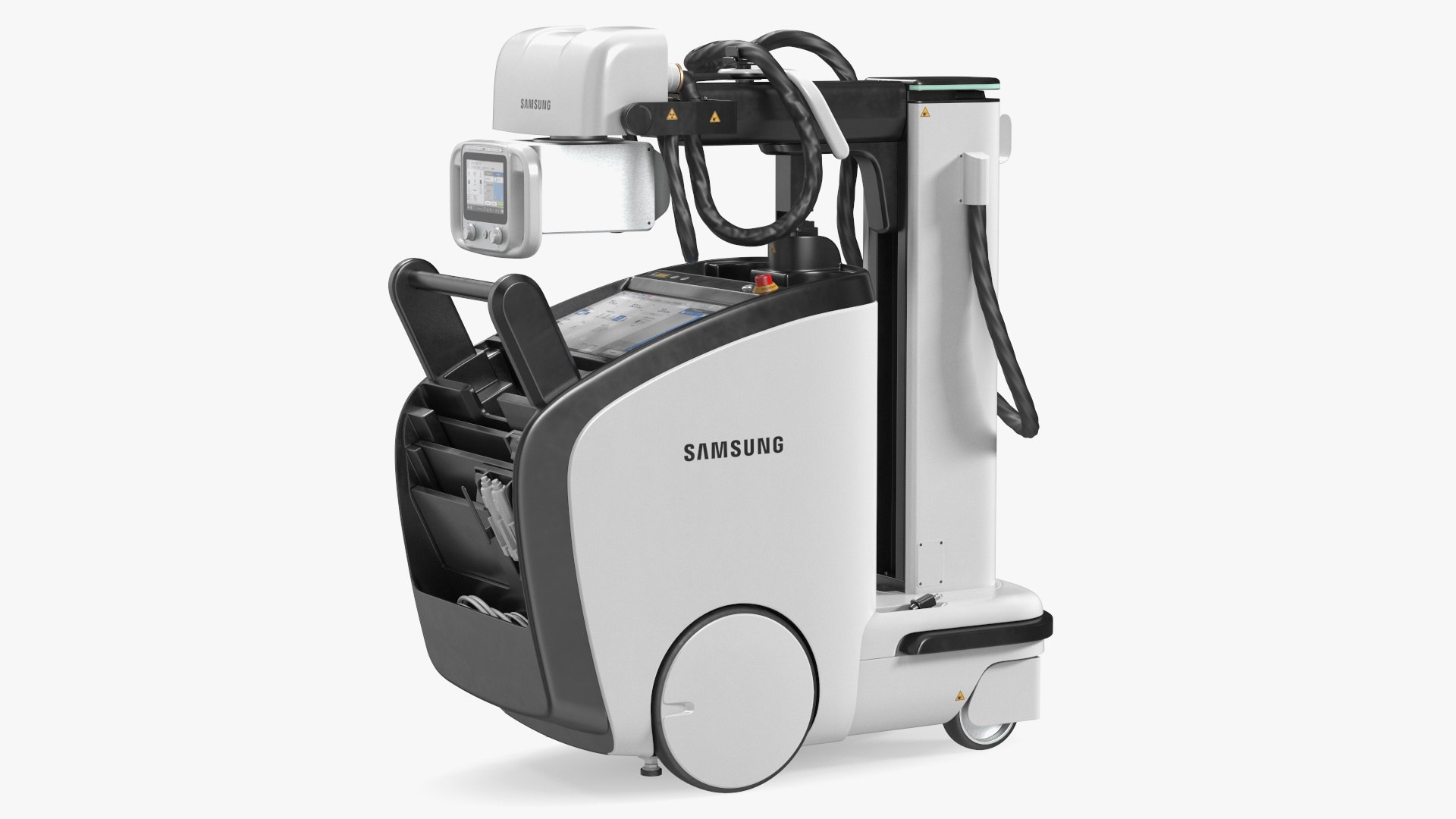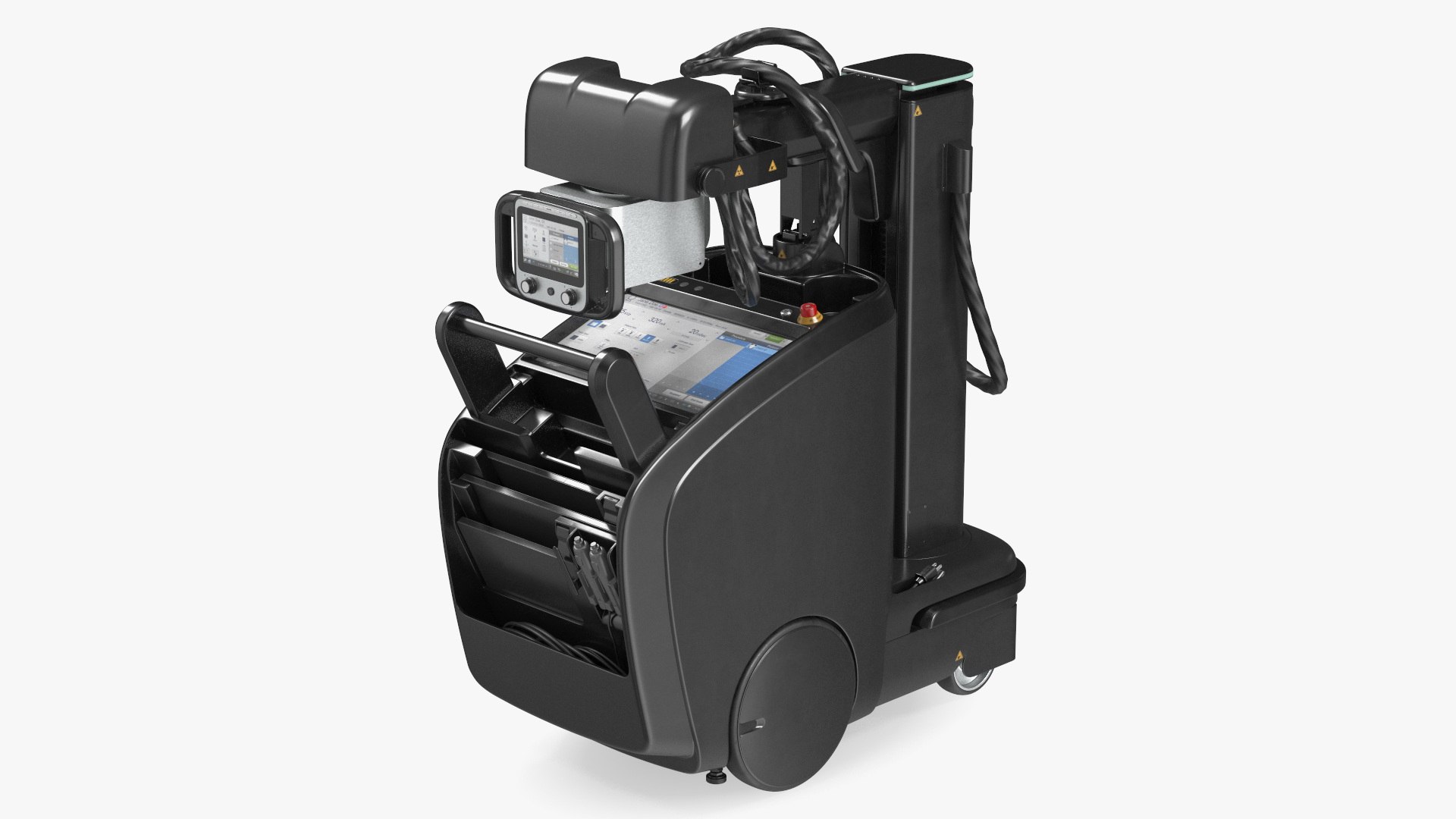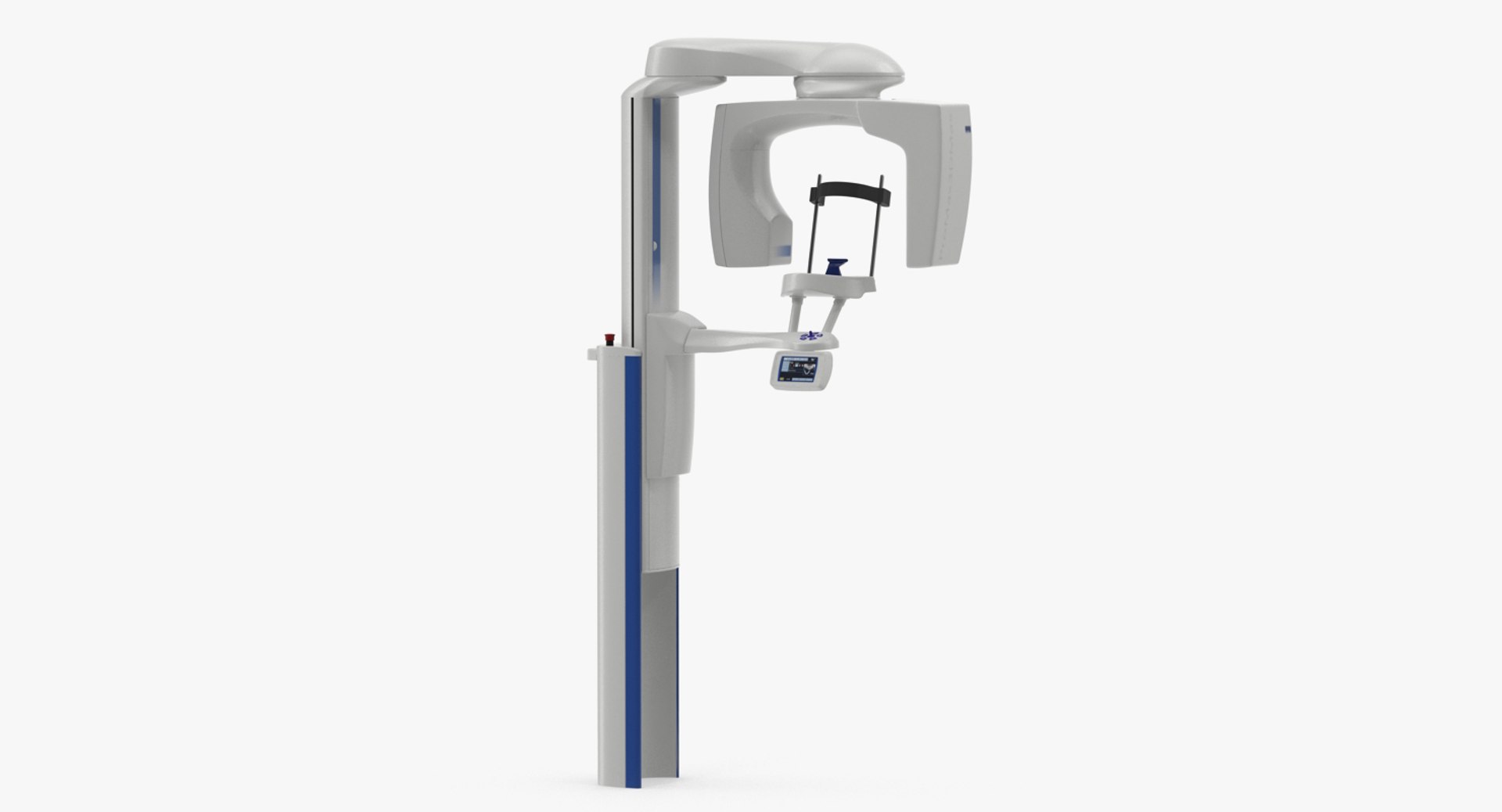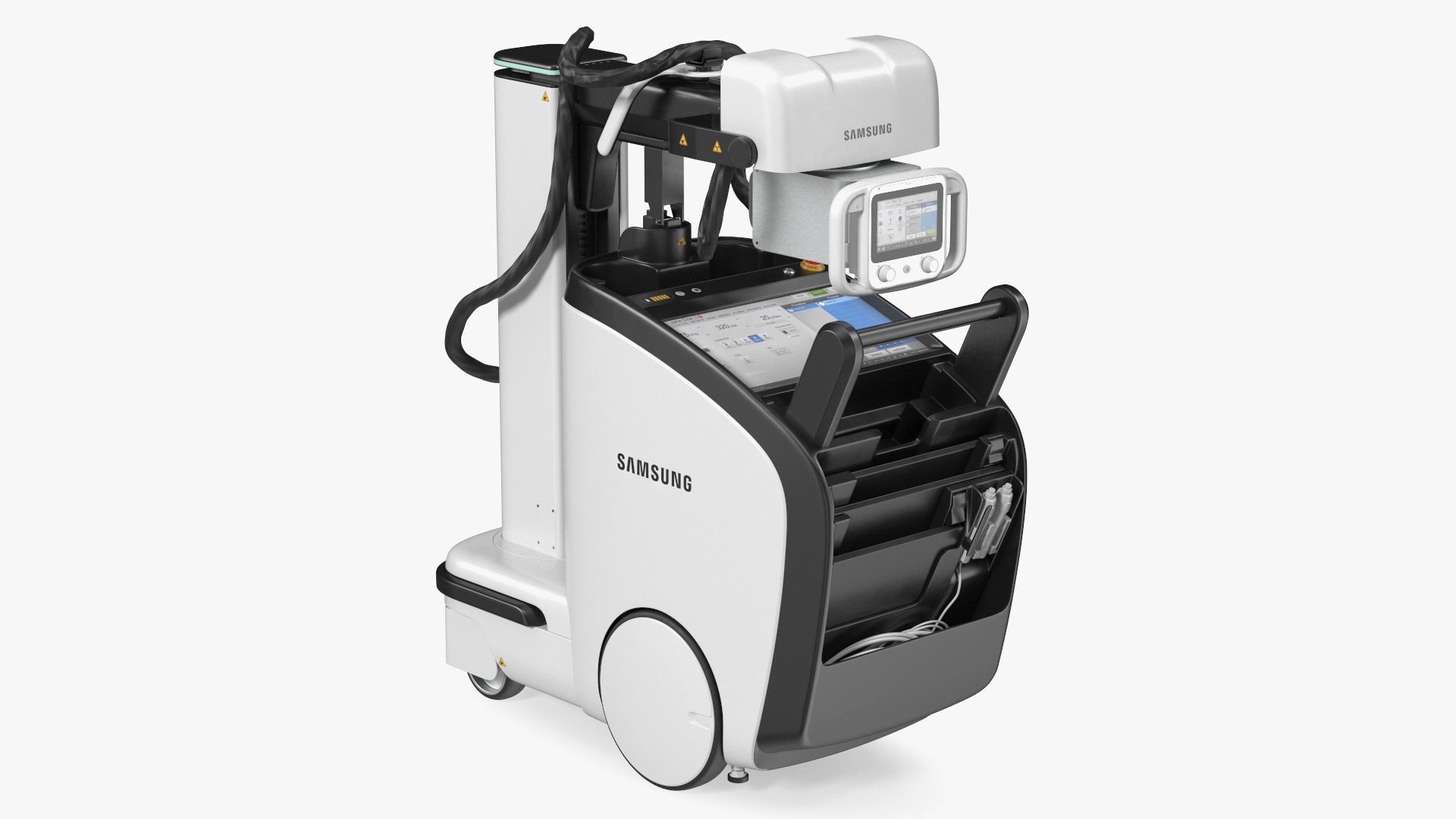
Mobile Digital X-ray Samsung AccE GM85 belongs to our Medical range and is offered at $69 through the TurboSquid marketplace. Measured geometry: 116,291 polygons, 61,152 vertices - no rounding, no estimate. Its suitability for real-time use depends on the target platform, scene complexity and the number of instances.
It follows TurboSquid's StemCell specification, which is what keeps the shading consistent from a real-time engine to an offline render. The file is organised for someone else to pick up: predictable names, predictable pivots, no hidden surprises. It is cataloged for medical visualization, medical simulation and software demos.
Listed since 2024 - old enough to have been used in real projects, current enough to still be supported. It fits medical education, VR anatomy training, patient-facing visualization and medical sequences in film.
Questions About This Model
Which industries use the Mobile Digital X-ray Samsung AccE GM85 model?
Medical, Simulation, Software Development, Virtual Reality and Film & Video Production are the primary industries on this listing. The license, however, is Editorial Uses Only: the model depicts a real branded product, so it may appear in editorial work in those fields, but not in advertising or in products for sale.
How much does the Mobile Digital X-ray Samsung AccE GM85 3D model cost?
$69 USD, paid once. TurboSquid handles payment and delivery. The license is Editorial Uses Only, because the model depicts a real branded product: it covers editorial contexts such as news, commentary and education, but not advertising or products for sale.
What should I search for to find models like the Mobile Digital X-ray Samsung AccE GM85?
Useful search terms are x-ray, radiology and xray. Browsing the Medical category shows the closest alternatives at a range of prices.
What does StemCell mean for the Mobile Digital X-ray Samsung AccE GM85 model?
StemCell is TurboSquid's multi-format standard. The model was authored once and delivered in several formats with matching PBR materials, so shading survives the move between a game engine and an offline renderer.