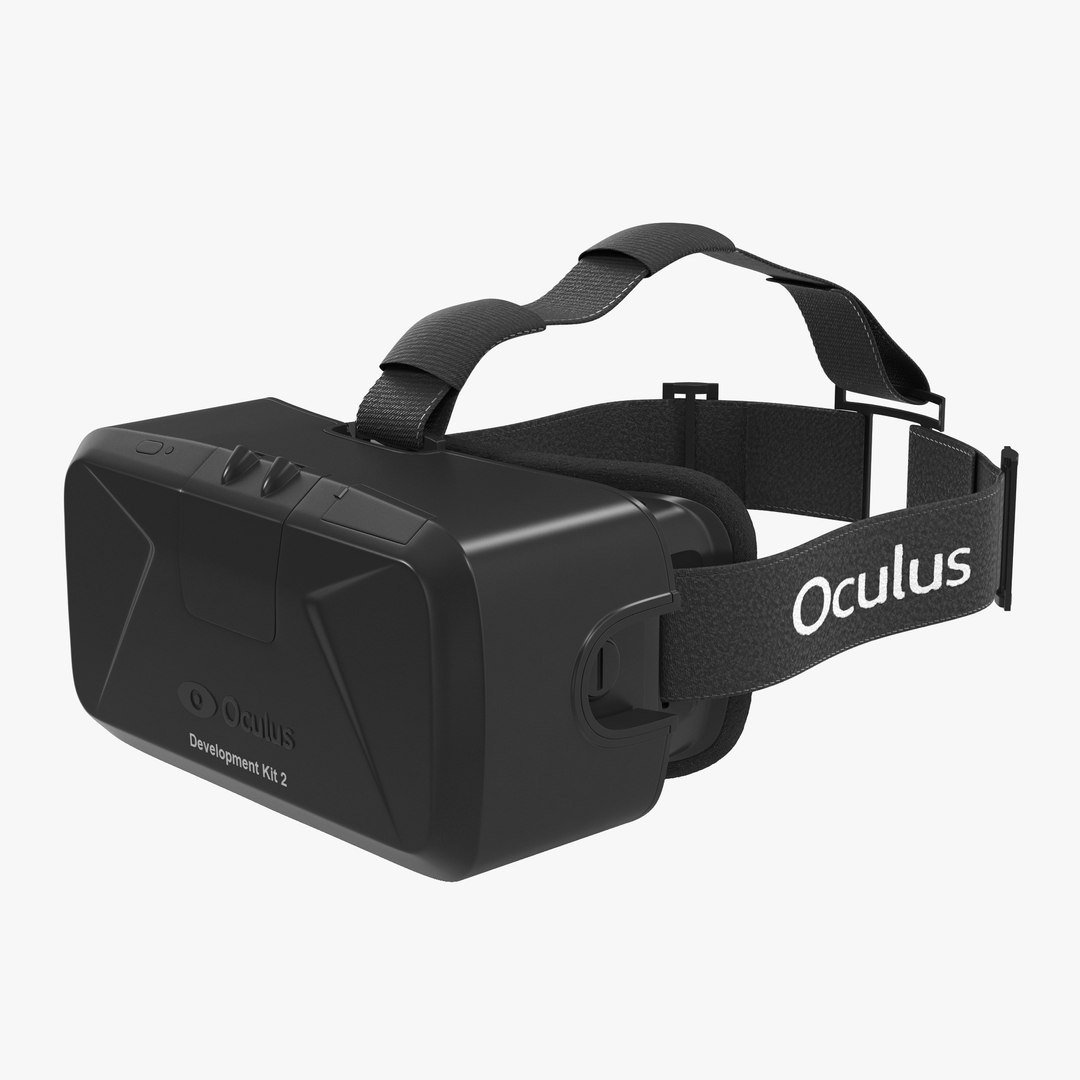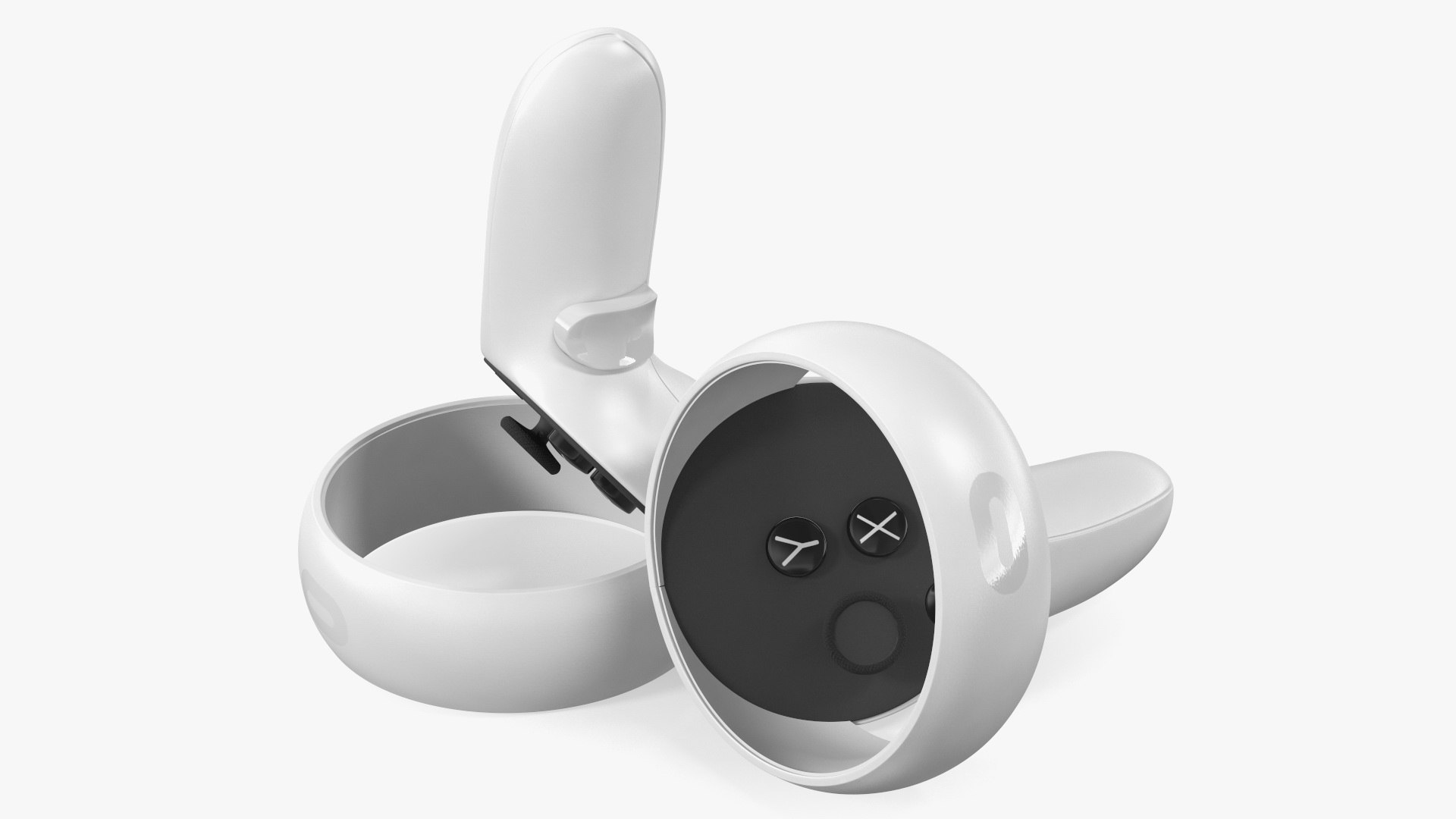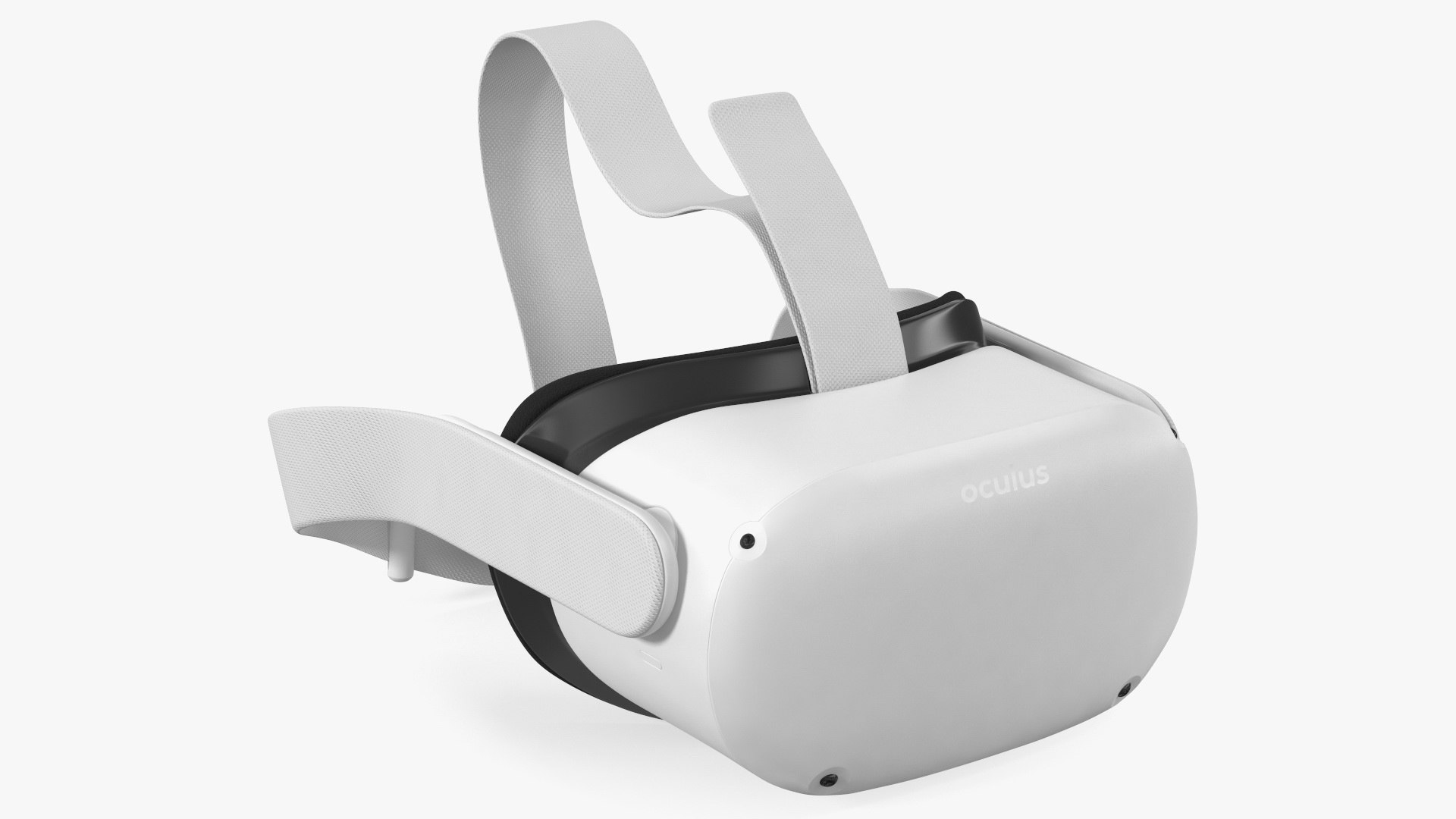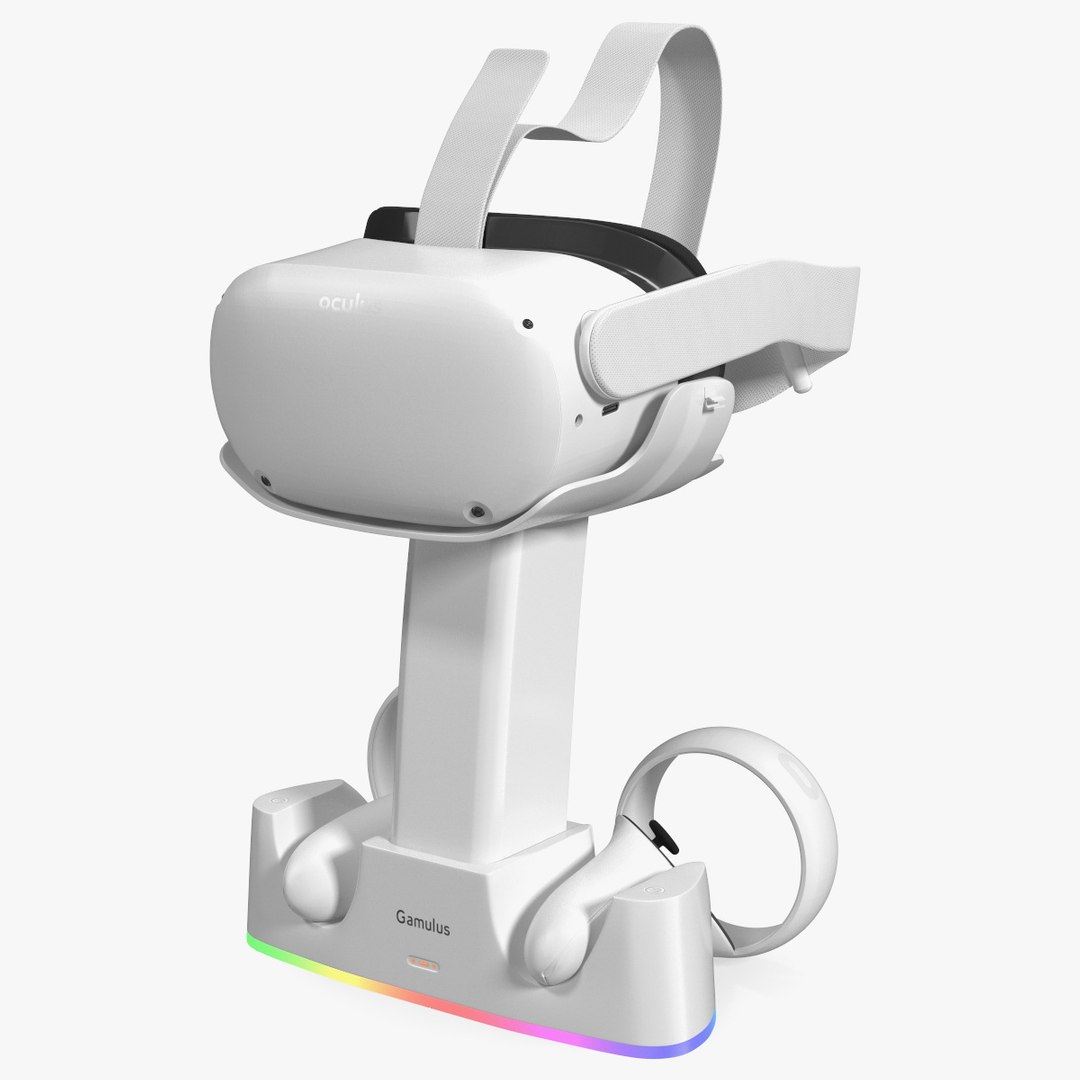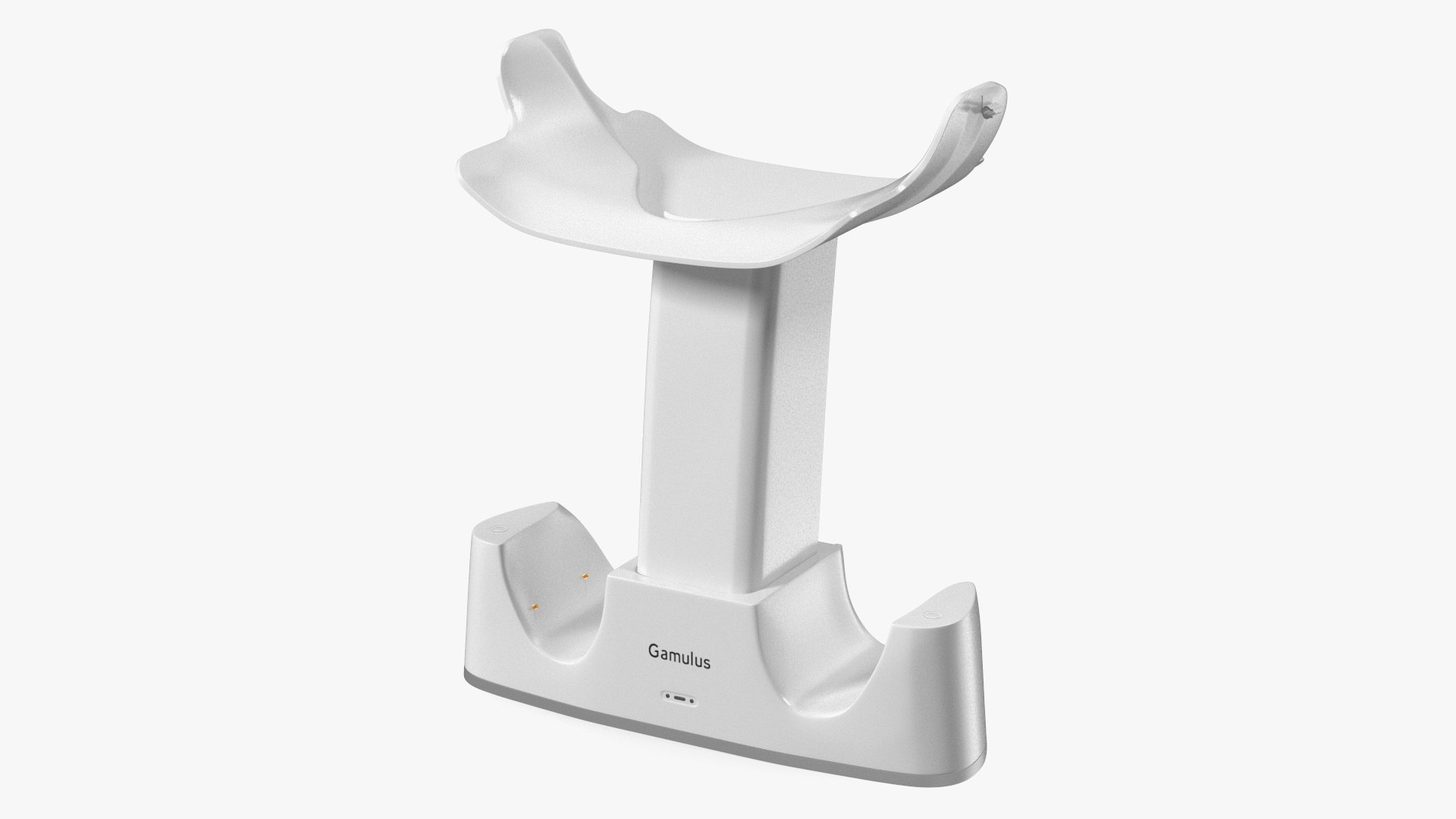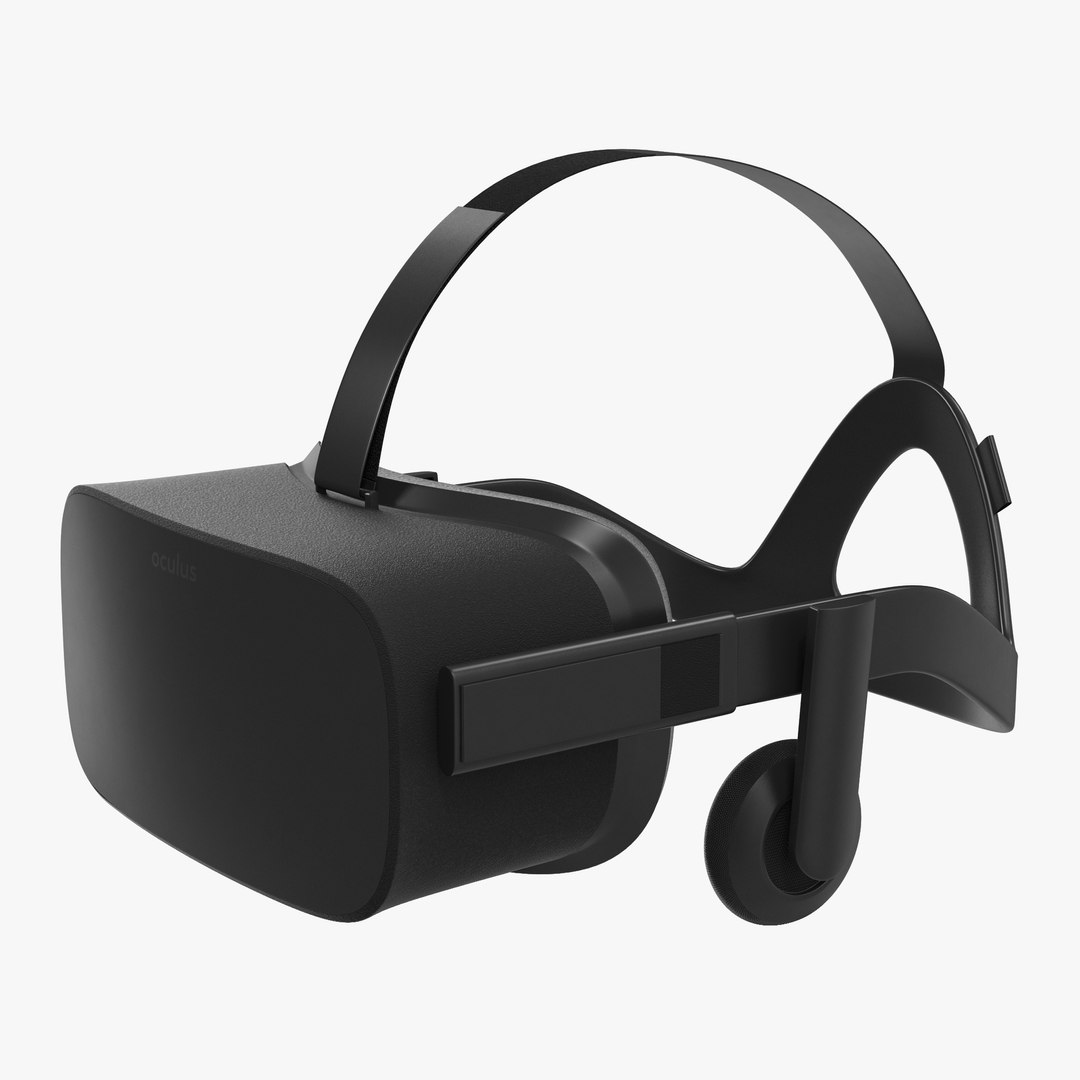
The Oculus Rift is a production-ready Electronics & Gadgets 3D model, priced at $29 on TurboSquid. The mesh carries 6,125 polygons and 6,399 vertices. The count is honest; whether it is heavy is a decision only your target platform can make.
4 maps at 4096 x 4096 carry the materials. Topology is kept deliberately simple where detail would not read on camera, which keeps the scene light without visibly cheapening the silhouette. Pivot points sit where you would expect them, which matters as soon as the model needs to be instanced or parented to something else.
Buyers most often take it for technical visualization, software demos and film & TV VFX. Published in 2016, it has stayed in the range while a lot of other listings came and went. It is aimed at product rendering, UI and app mockups and game and film props.
Questions About This Model
Can the Oculus Rift model be modified after purchase?
Yes. The license allows editing the geometry, retopologising, changing materials and adapting the asset to a project. What it does not allow is reselling or redistributing the model file itself, or using the result commercially: this listing is Editorial Uses Only.
How much does the Oculus Rift 3D model cost?
$29 USD, paid once. TurboSquid handles payment and delivery. The license is Editorial Uses Only, because the model depicts a real branded product: it covers editorial contexts such as news, commentary and education, but not advertising or products for sale.
Does the Oculus Rift model include materials and textures?
Material and texture contents are listed per file on the TurboSquid product page. Where textures are included they are packaged with the download rather than linked externally.
What is the Oculus Rift model typically used for?
The listing names technical visualization, software demos and film & TV VFX as the main applications. In practice it also works anywhere a finished electronics & gadgets object is needed without modeling it from scratch.