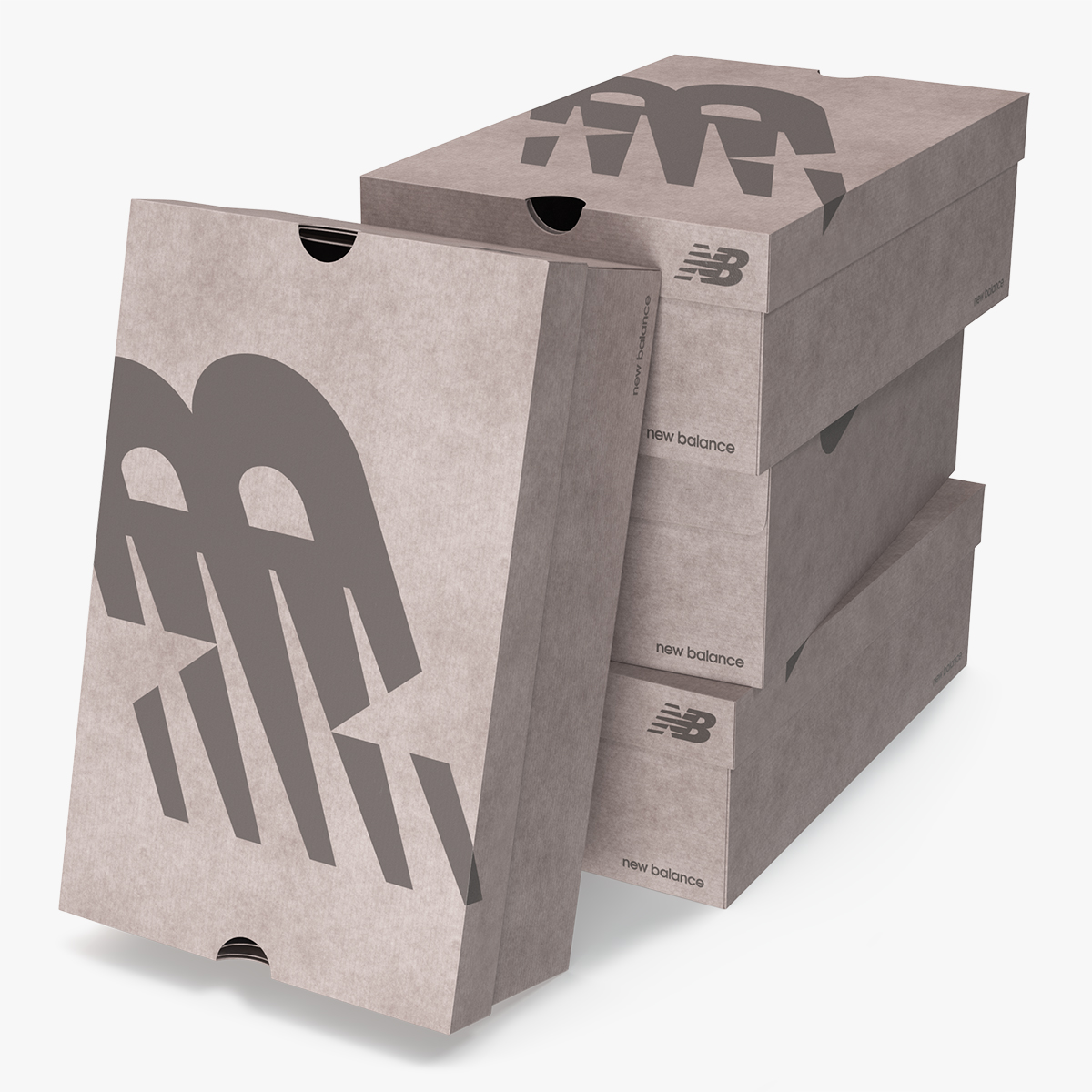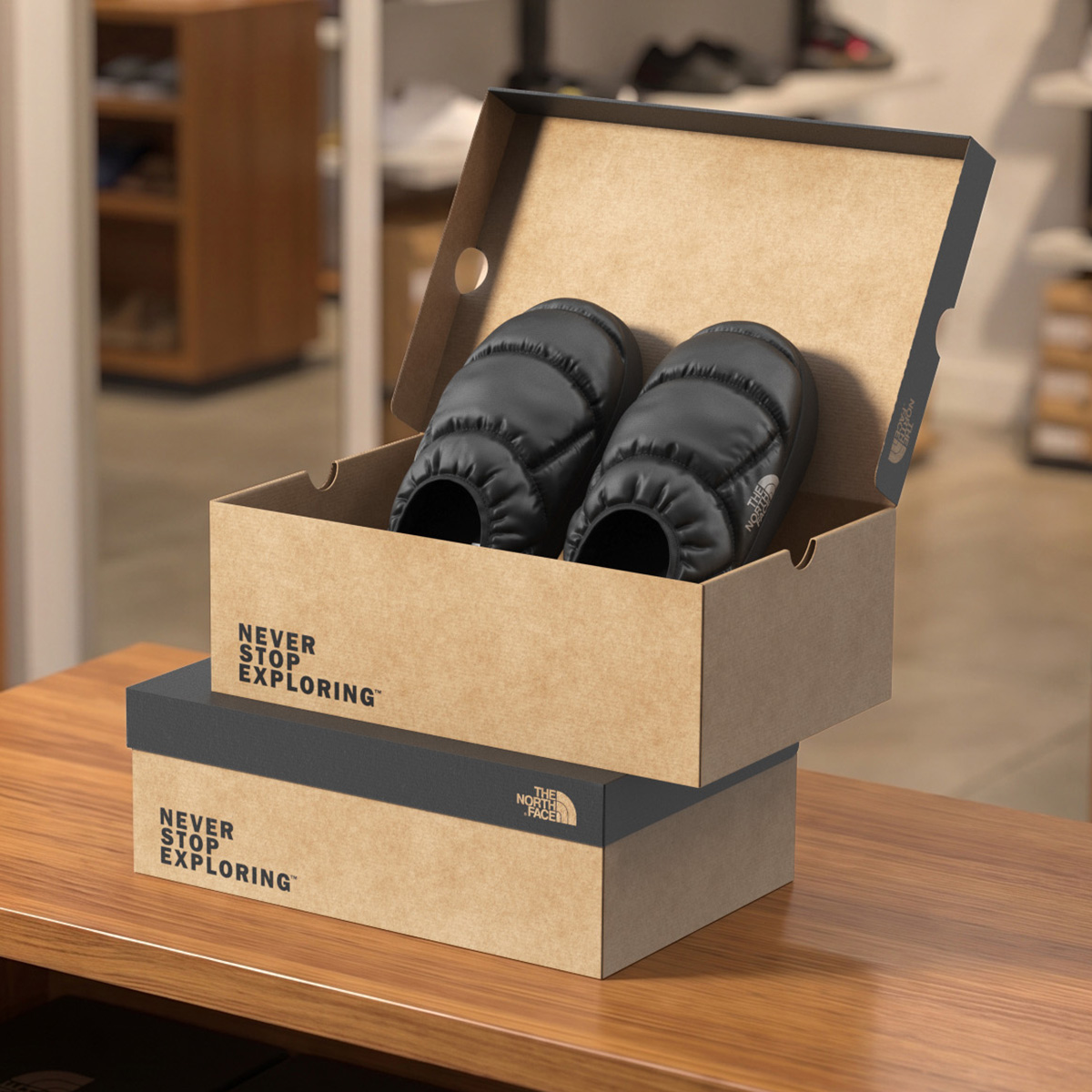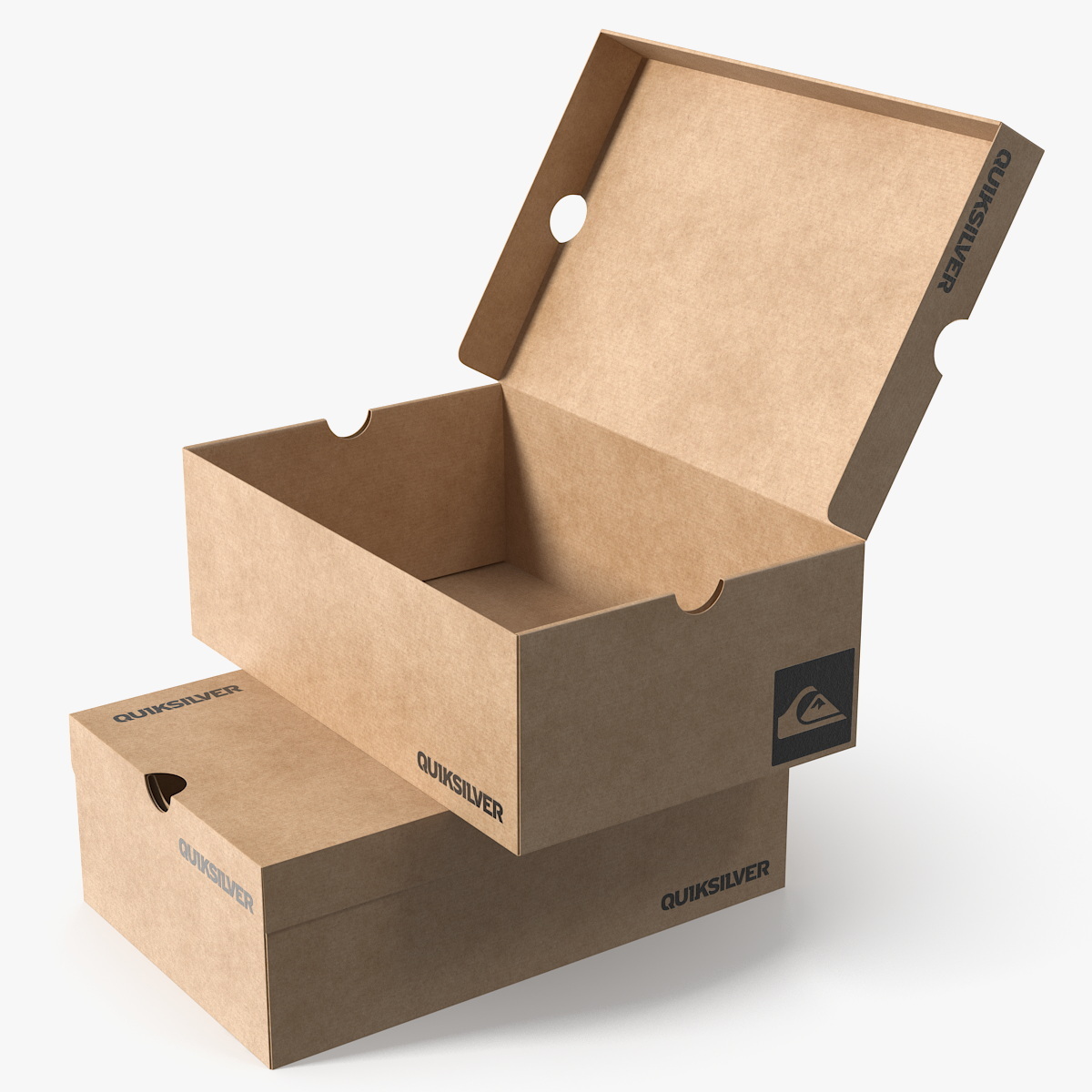
Brown kraft shoe boxes with the Quiksilver logo, shown open and closed, for stockrooms, retail displays and unboxing scenes. The Quiksilver Cardboard Shoe Boxes Brown come in at 6,059 polygons, keeping each box simple enough to stack by the dozen.
Its 6,026 vertices define the folded flaps and lid edges that make cardboard look like cardboard. StemCell delivery provides multiple native formats from a single master scene, so shading stays consistent. The natural brown tone pairs easily with store shelving, wooden floors and warm interior light.
The boxes joined the catalog in 2026 at $24, a fit for footwear stores, closet interiors and surf culture scenes. Stack the closed boxes in a stockroom, or leave one open beside a pair of sneakers on a bedroom floor. Since the lids lift separately, the open box can frame a product shot without extra modeling. Moving day scenes and clothing store backrooms also feel more lived in with a few of these boxes scattered around.
Questions About This Model
What size is the Quiksilver Cardboard Shoe Boxes Brown in real-world units?
44.79 x 35.16 x H45.36 cm. The model is built at true scale, so it lands at the right size next to other objects instead of needing a unit fix on import.
How heavy is the Quiksilver Cardboard Shoe Boxes Brown mesh?
6,059 polygons and 6,026 vertices, built as polygonal quads/tris. Against a median of about 11,000 polygons across our Kitchen & Tableware models, 6,059 puts this one below the middle of the category.
Can the Quiksilver Cardboard Shoe Boxes Brown model be modified after purchase?
Yes. The license allows editing the geometry, retopologising, changing materials and adapting the asset to a project. What it does not allow is reselling or redistributing the model file itself, or using the result commercially: this listing is Editorial Uses Only.
How much does the Quiksilver Cardboard Shoe Boxes Brown 3D model cost?
$24 USD, paid once. TurboSquid handles payment and delivery. The license is Editorial Uses Only, because the model depicts a real branded product: it covers editorial contexts such as news, commentary and education, but not advertising or products for sale.