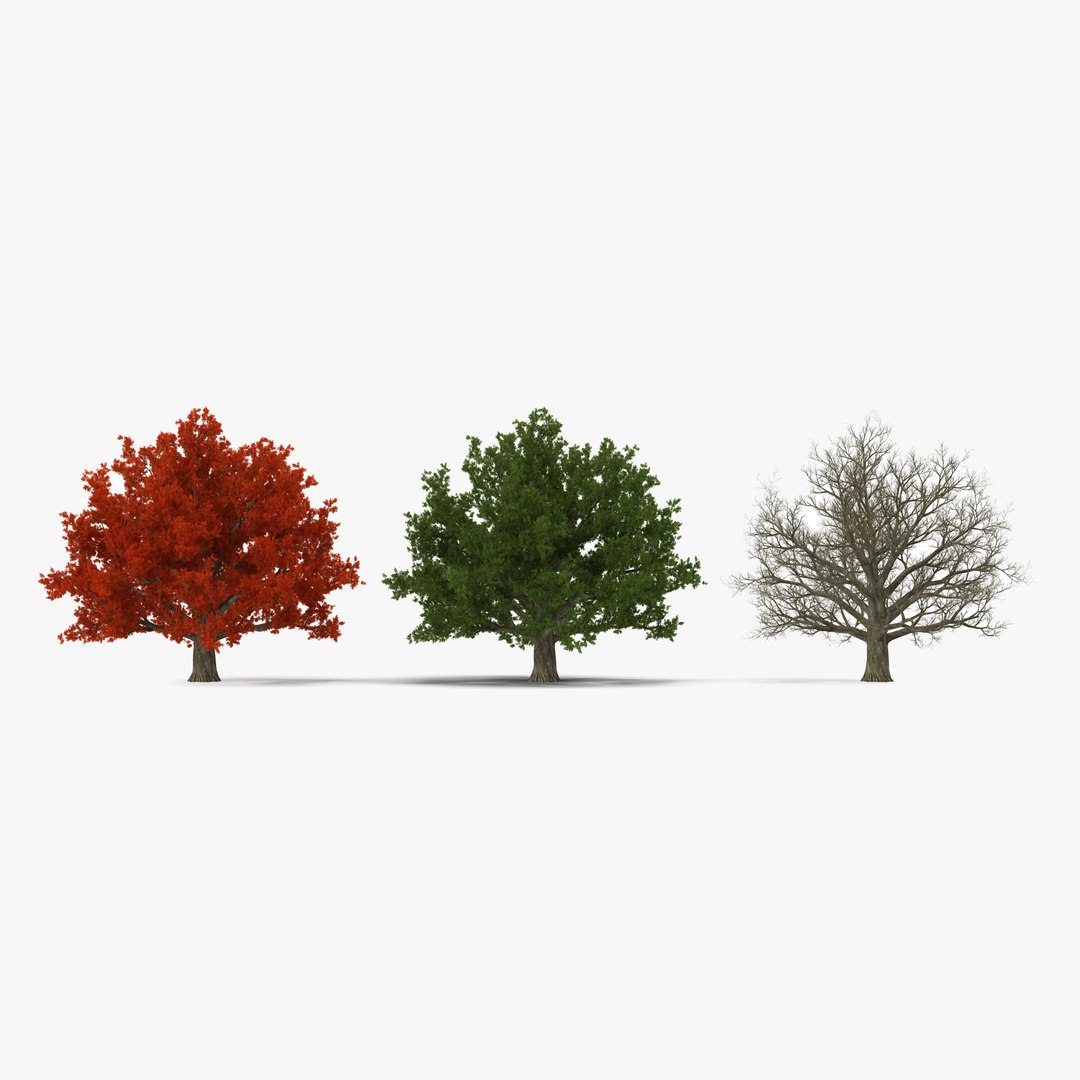
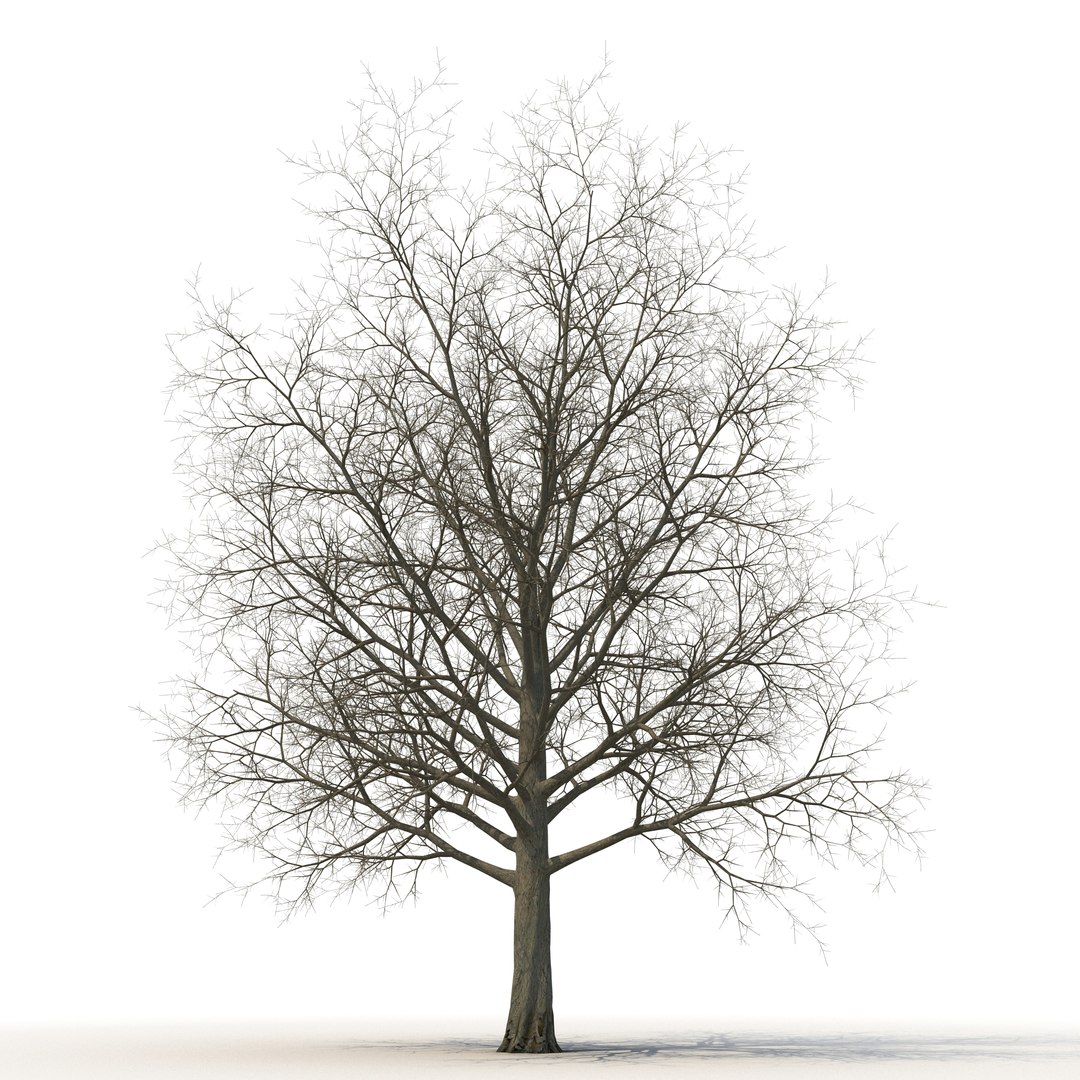
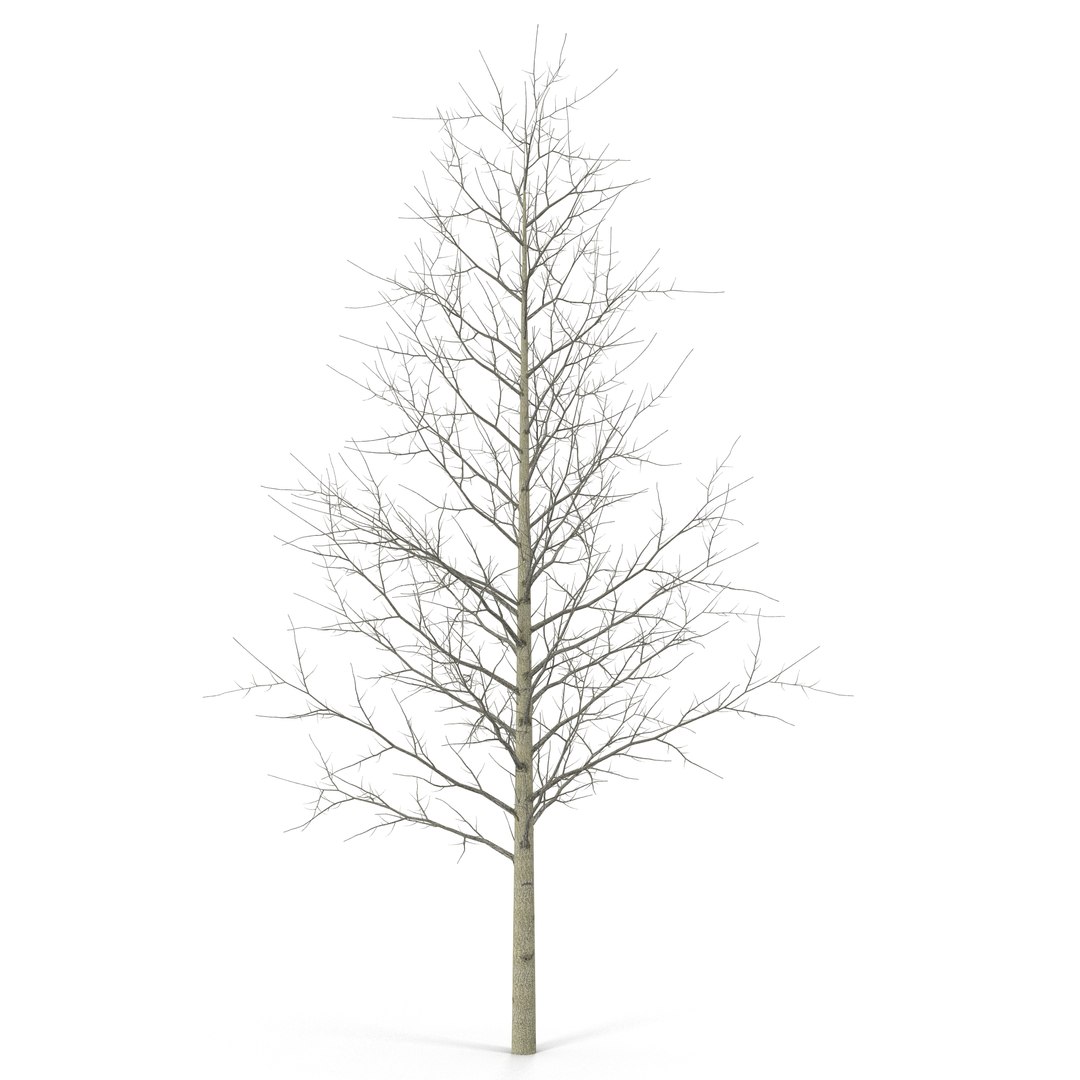
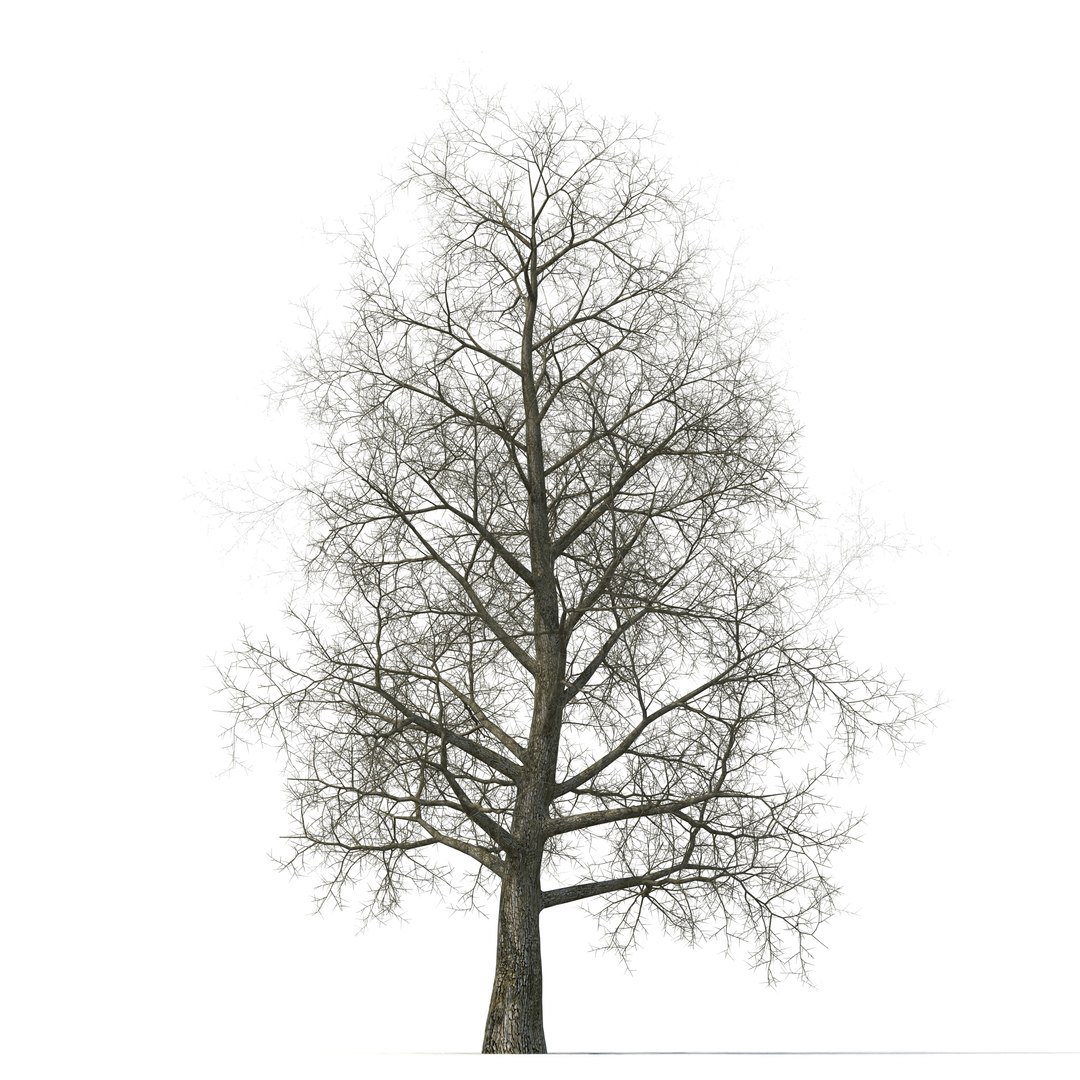
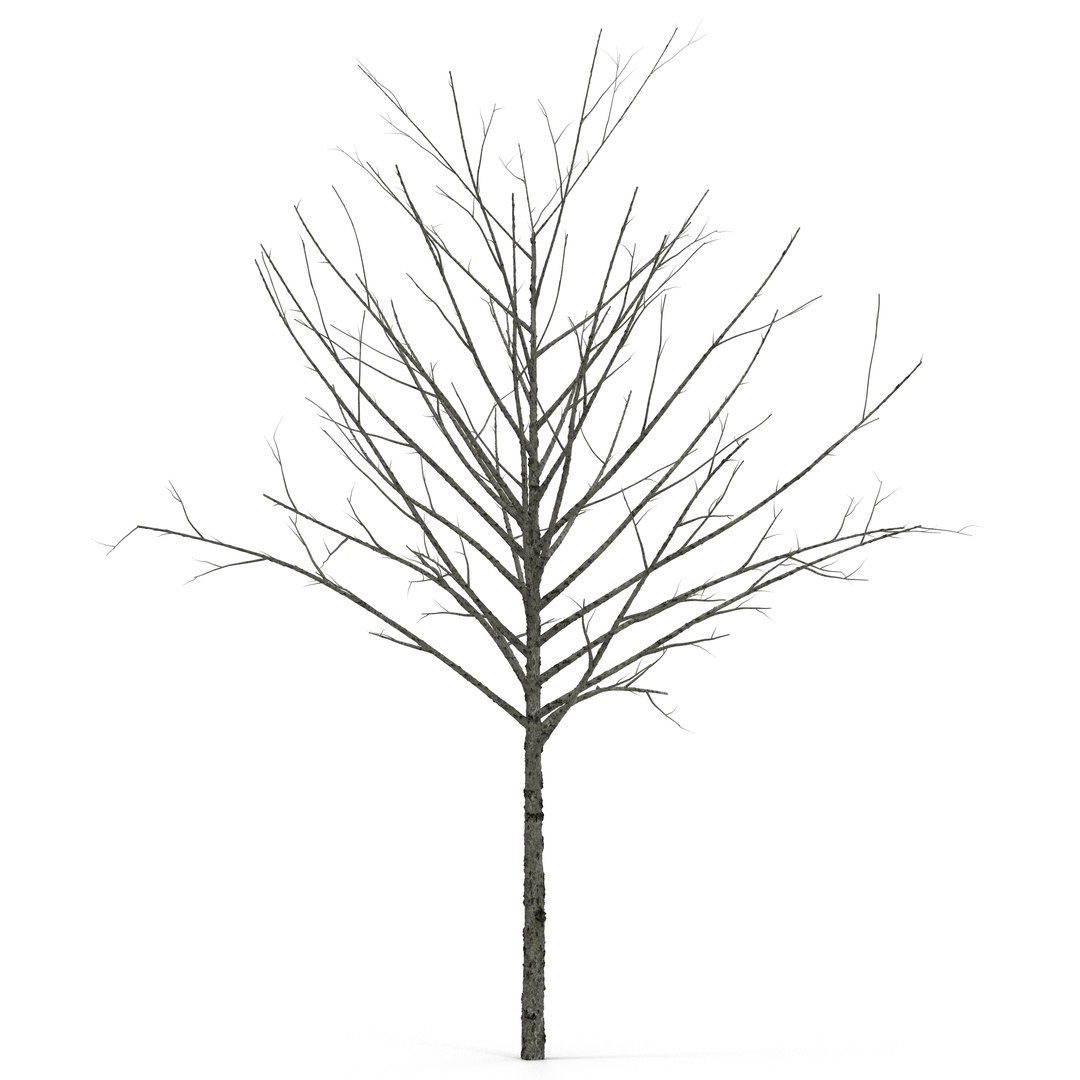
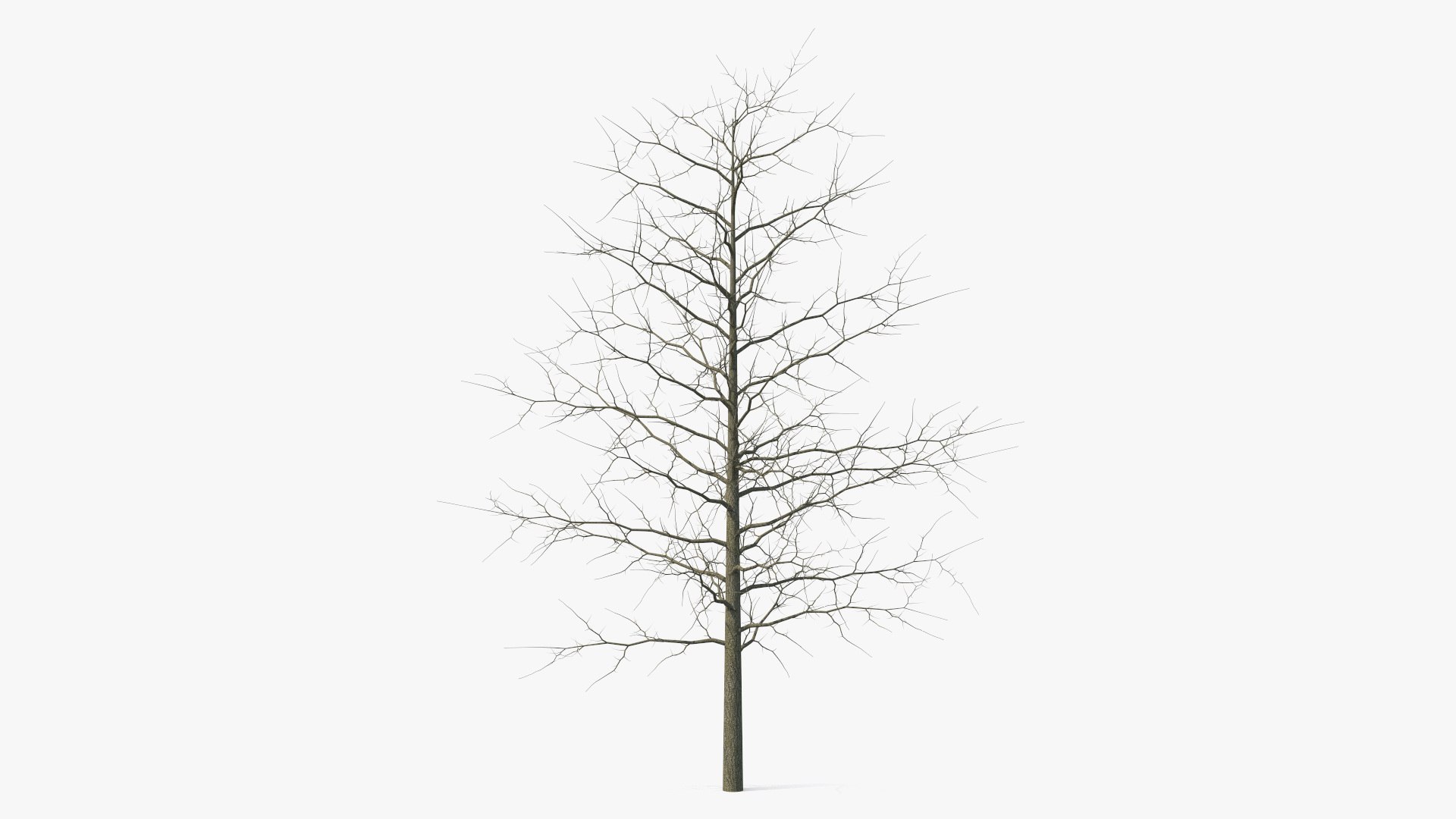
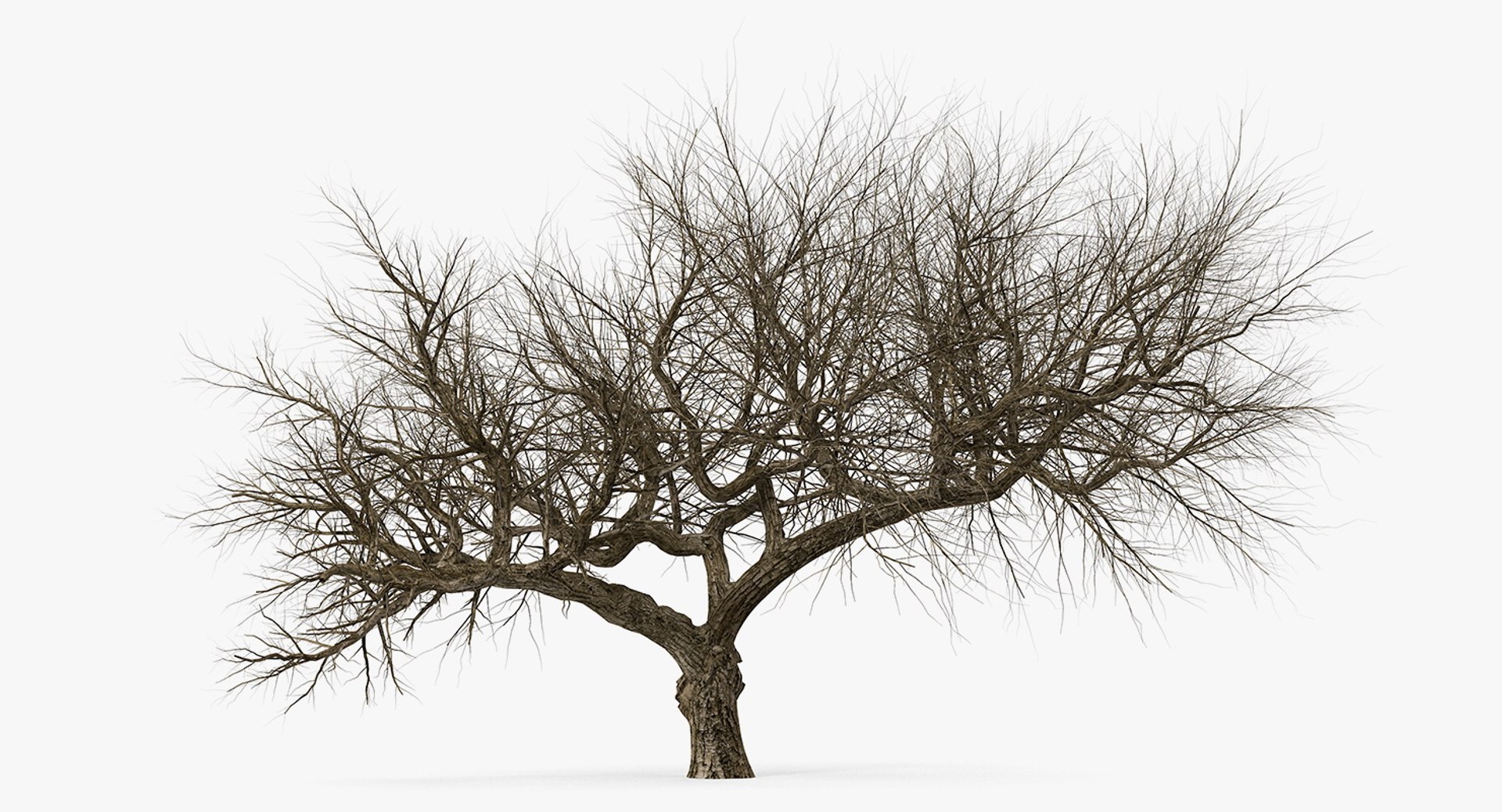
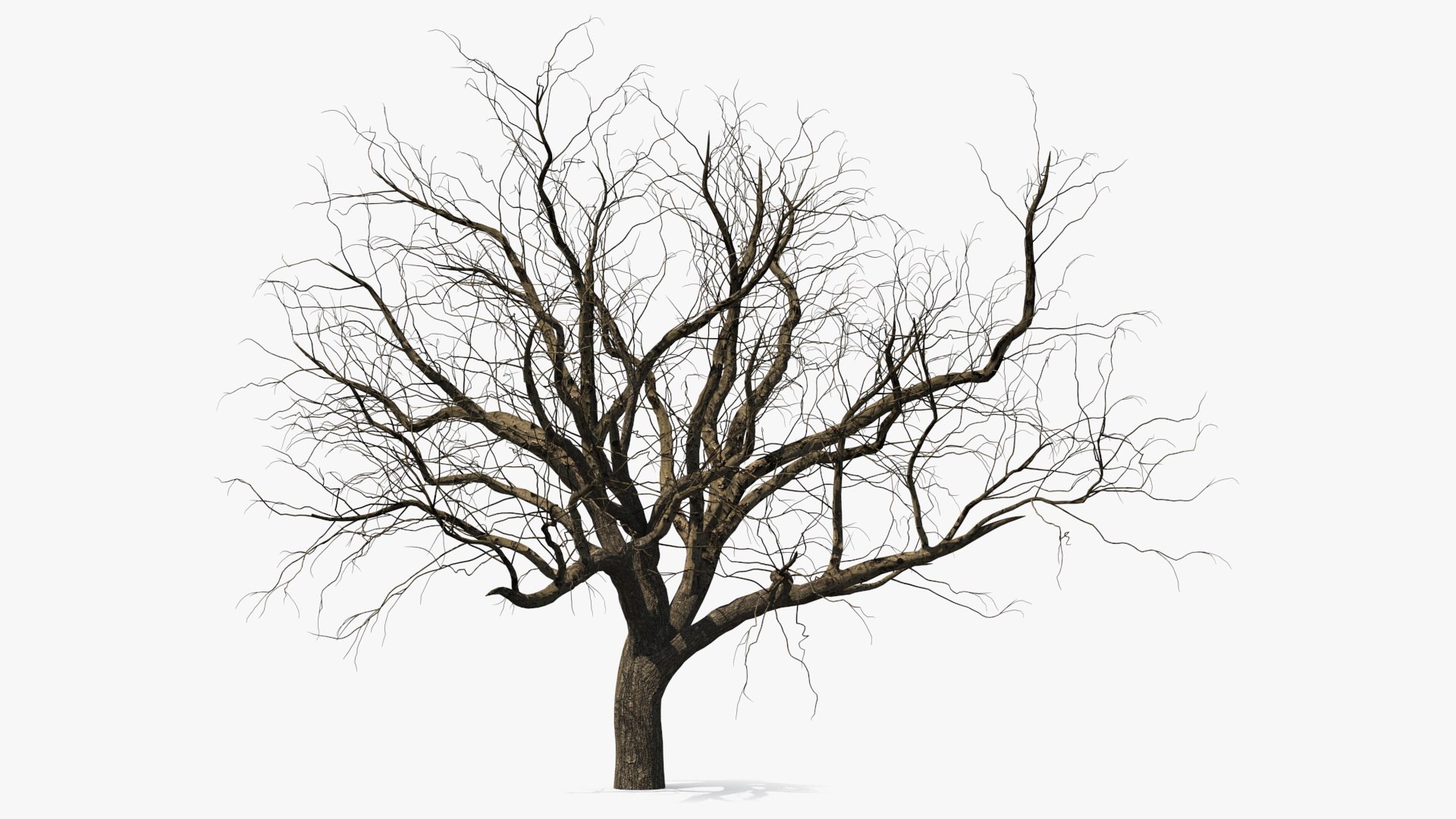
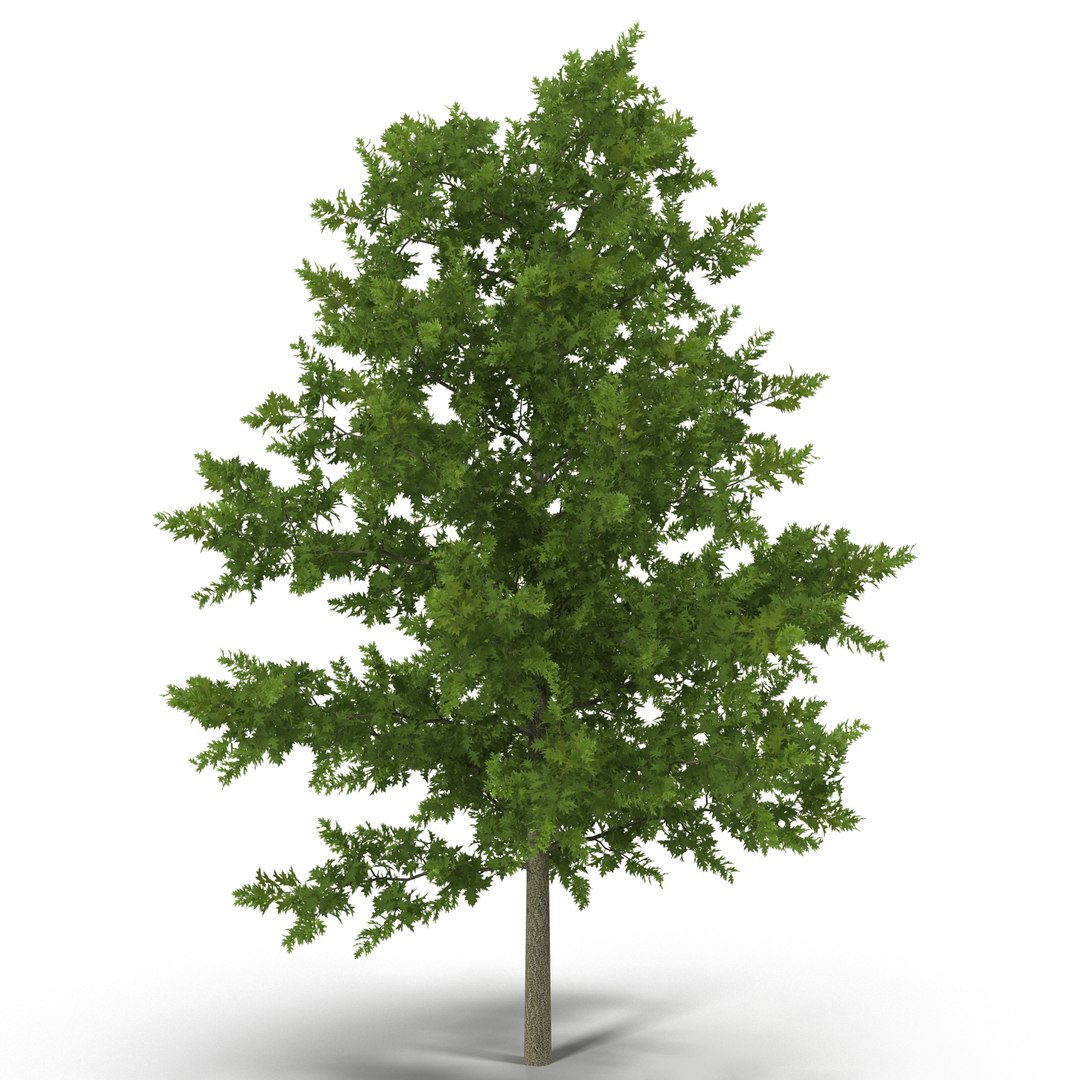
A mature red oak in winter at 275,063 polygons, and every polygon is branch. A leafless tree has nowhere to hide: the whole read comes from the taper and the forking pattern of the limbs, which is why winter trees are harder to model well than summer ones and why this one costs its poly budget.
Two maps at 2048 x 2048 carry the bark. StemCell certification means standardised PBR materials, so the tree holds up in a real-time engine as well as under an offline renderer, which matters for architectural work that has to run as a walkthrough.
Sold 109 times since 2016, into winter exteriors, architectural visualisation and film environments. A bare oak is also the cheapest way to age a scene: nothing says late season faster than a tree with no leaves on it.
Questions About This Model
What file formats does the Red Oak Old Tree Winter 3D model come in?
The complete list of included formats is shown on the TurboSquid product page, where every file is named and sized before you buy. Native scene files and the common interchange formats are the usual pairing.
How much does the Red Oak Old Tree Winter 3D model cost?
It is listed at $29 USD on TurboSquid. That is a one-off purchase under the Royalty Free license - there is no subscription and no per-project fee afterwards.
What does StemCell mean for the Red Oak Old Tree Winter model?
StemCell is TurboSquid's multi-format standard. The model was authored once and delivered in several formats with matching PBR materials, so shading survives the move between a game engine and an offline renderer.
How heavy is the Red Oak Old Tree Winter mesh?
275,063 polygons and 337,395 vertices, built as polygonal quads/tris. Whether that fits depends on where it lands - an architectural still and a real-time walkthrough tolerate very different counts.