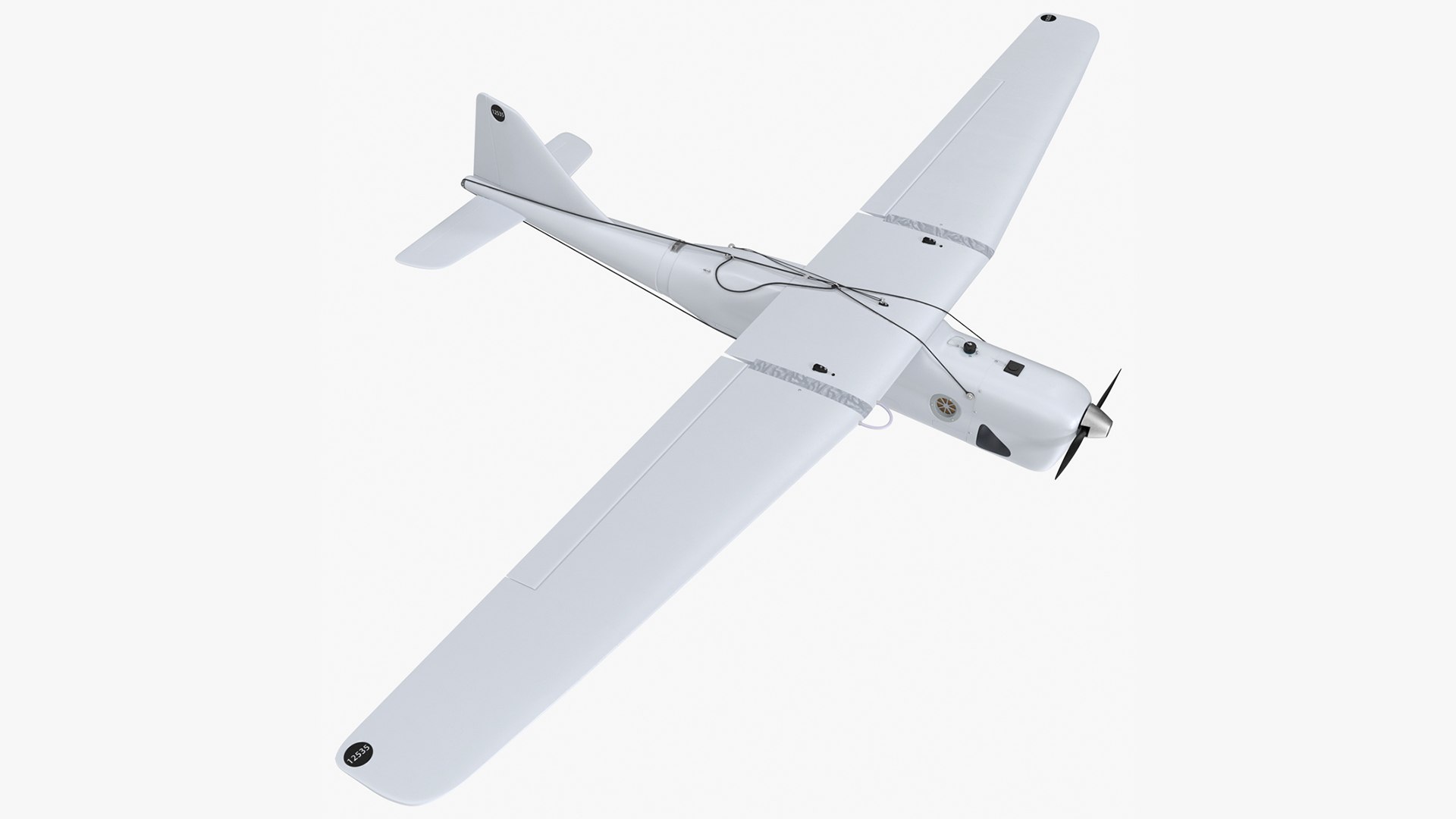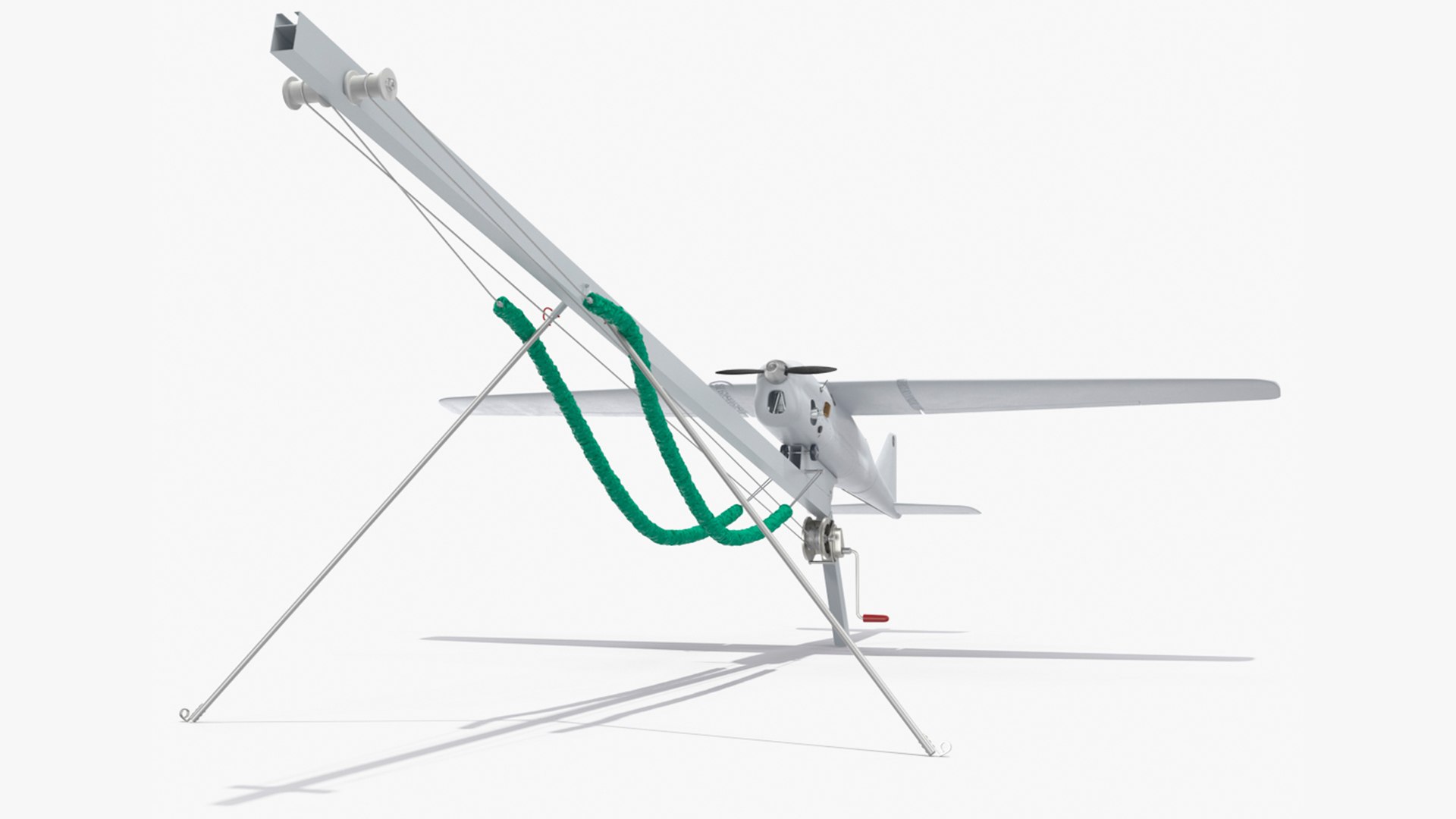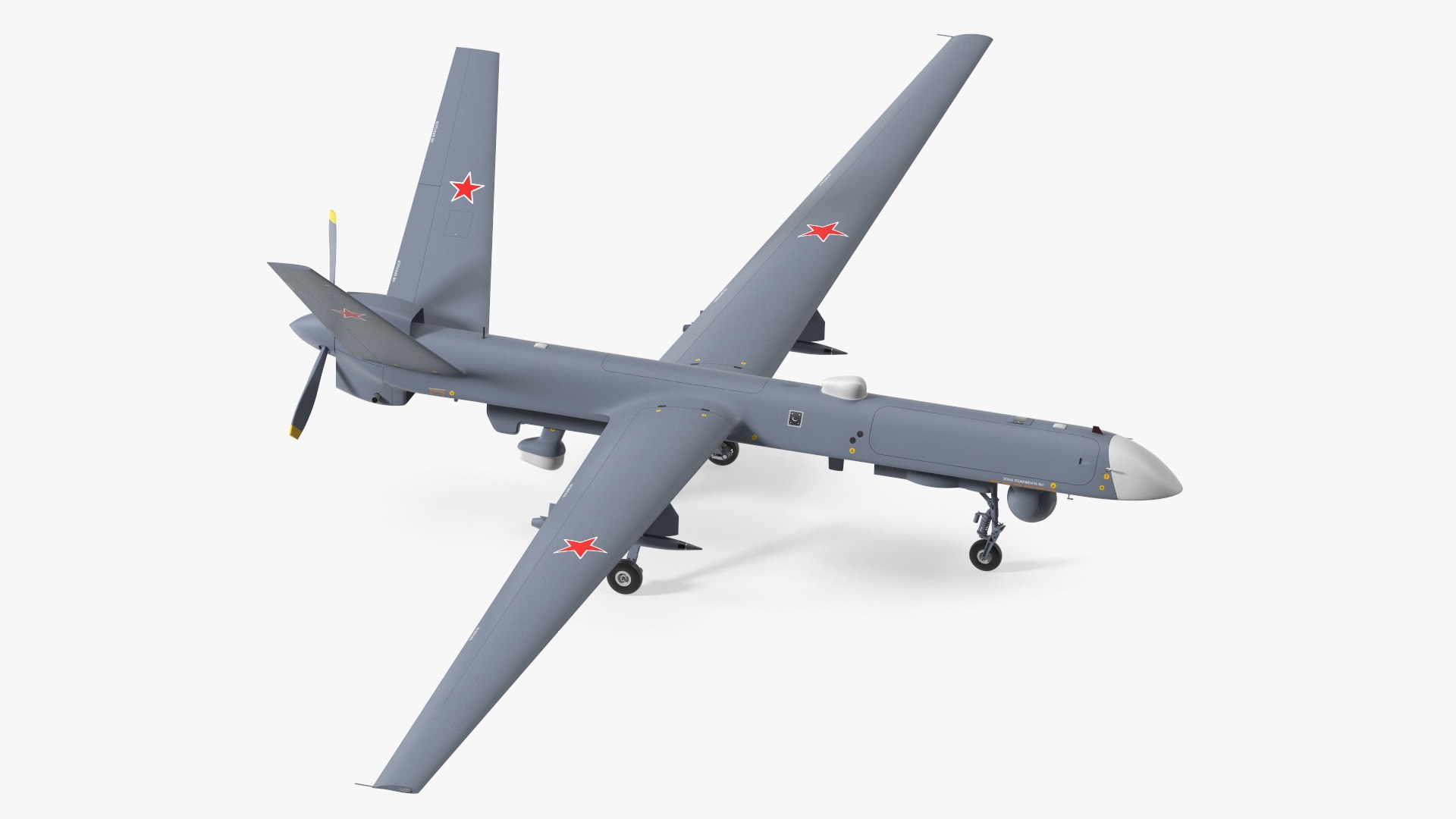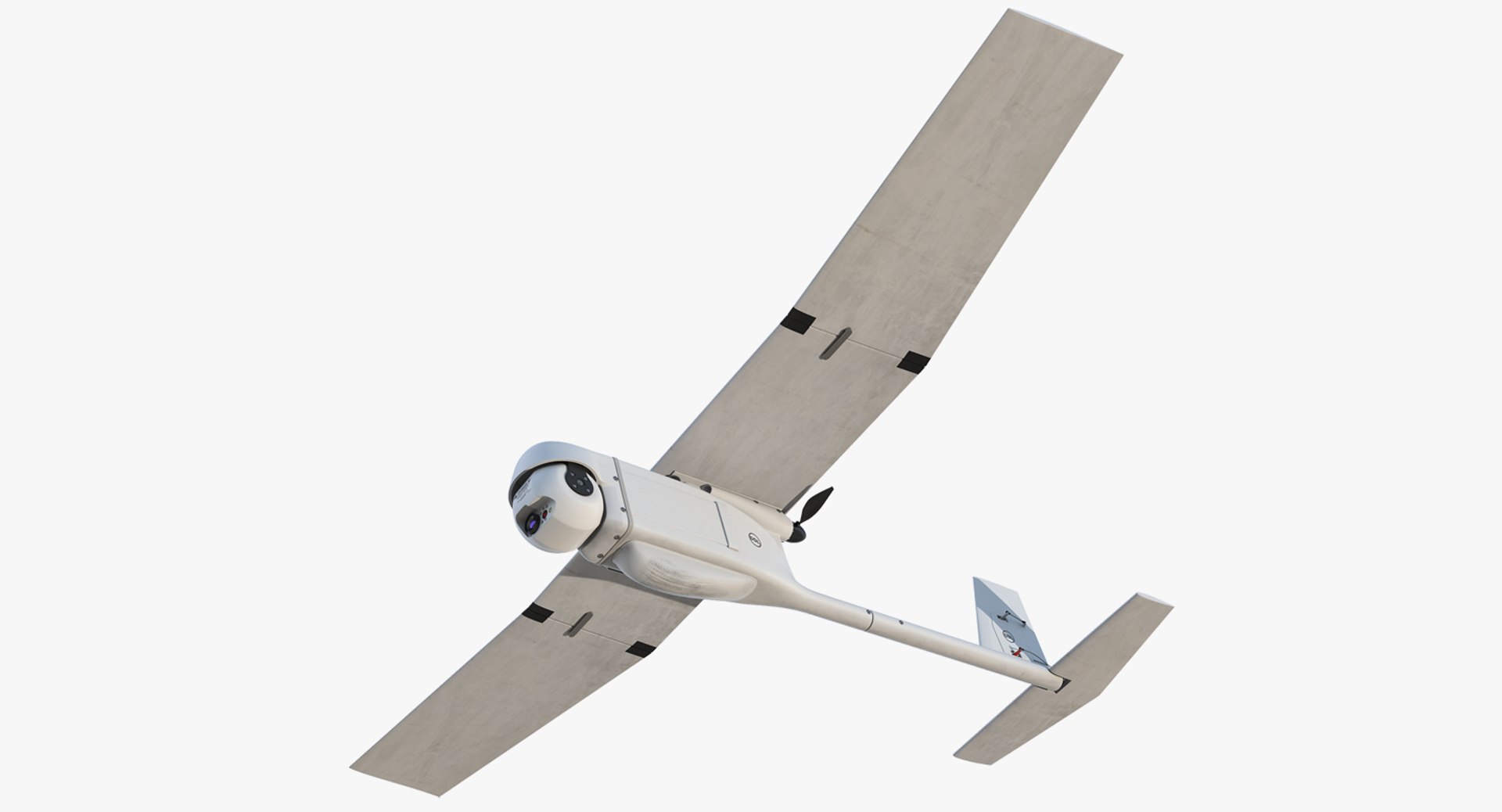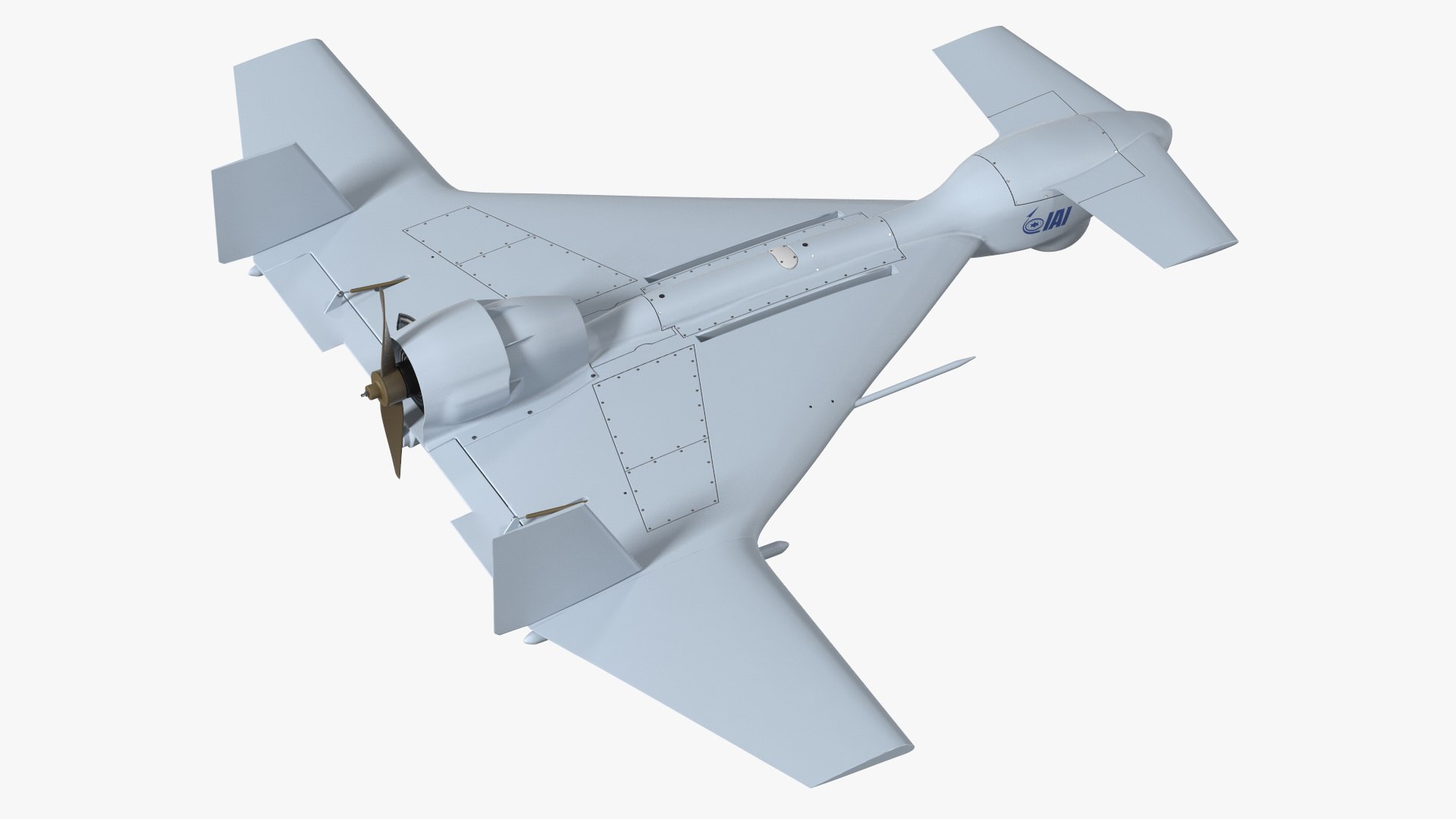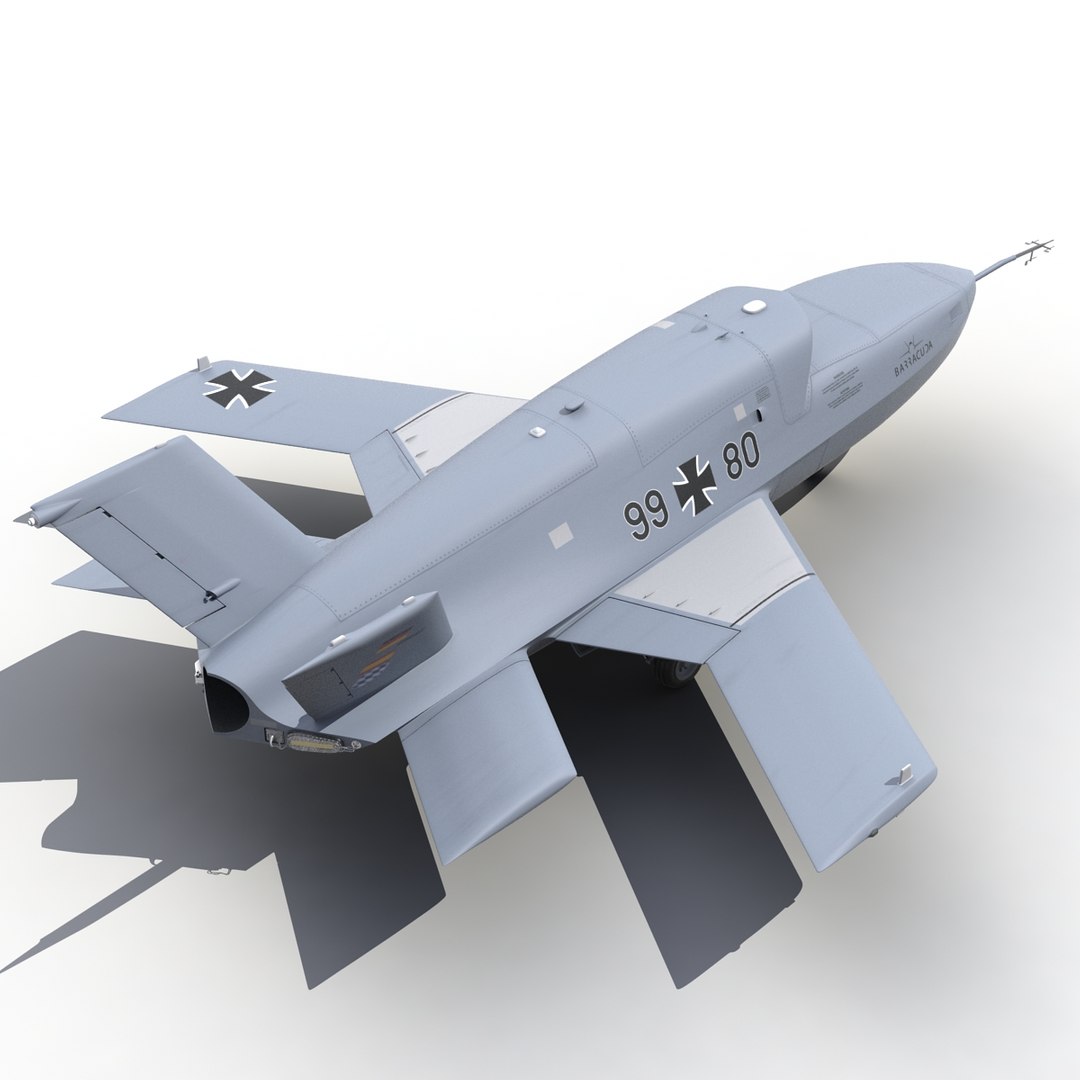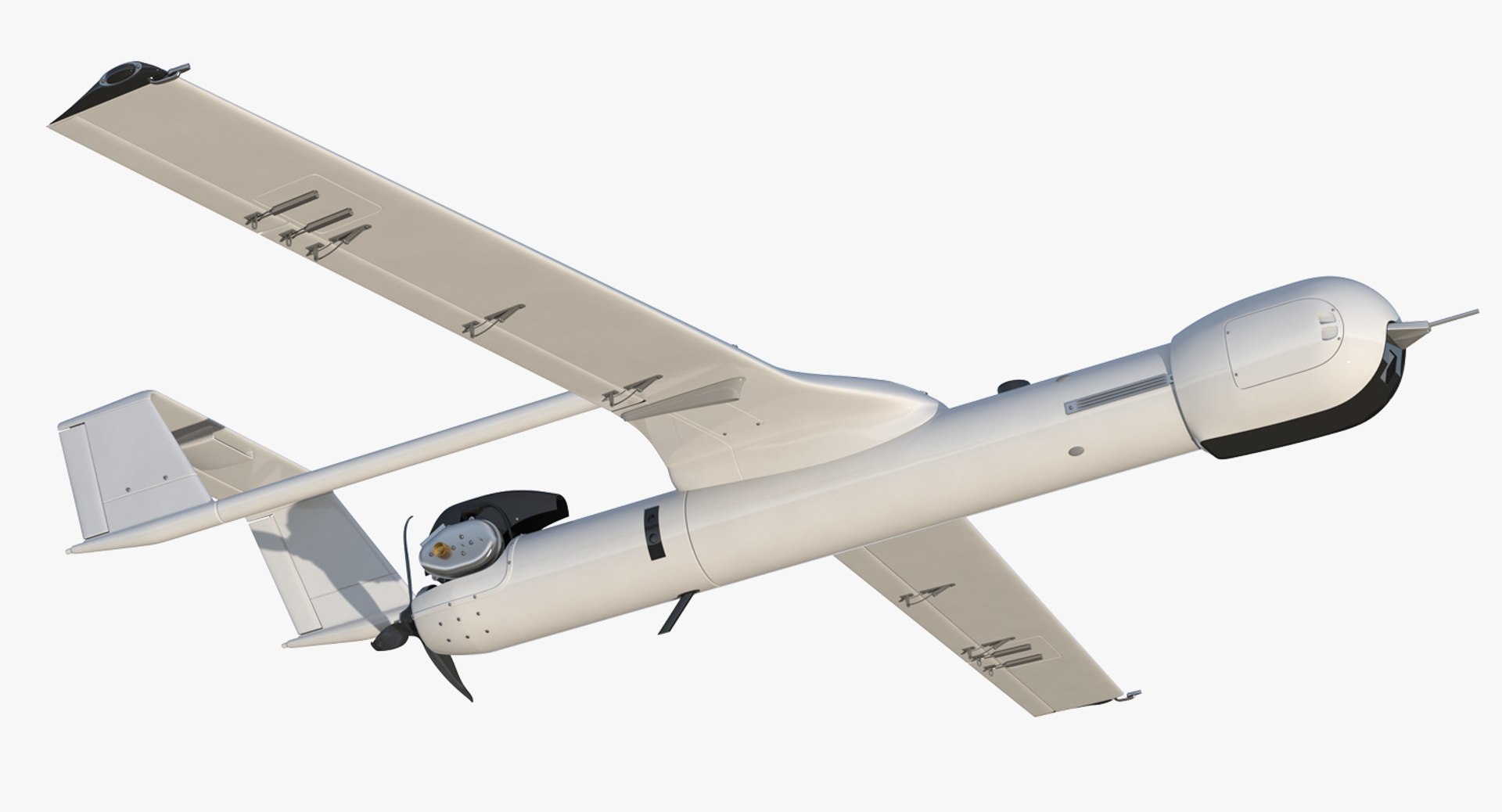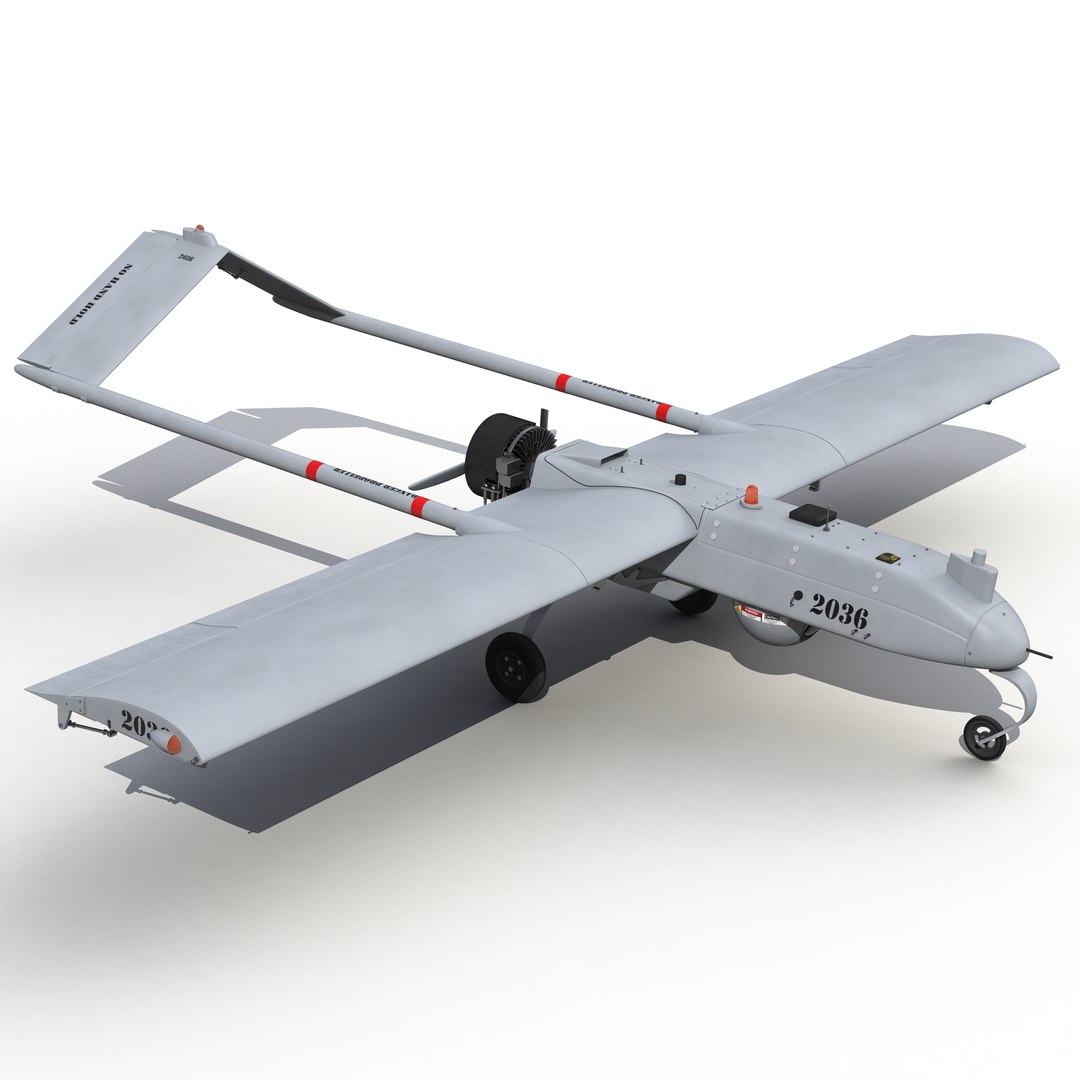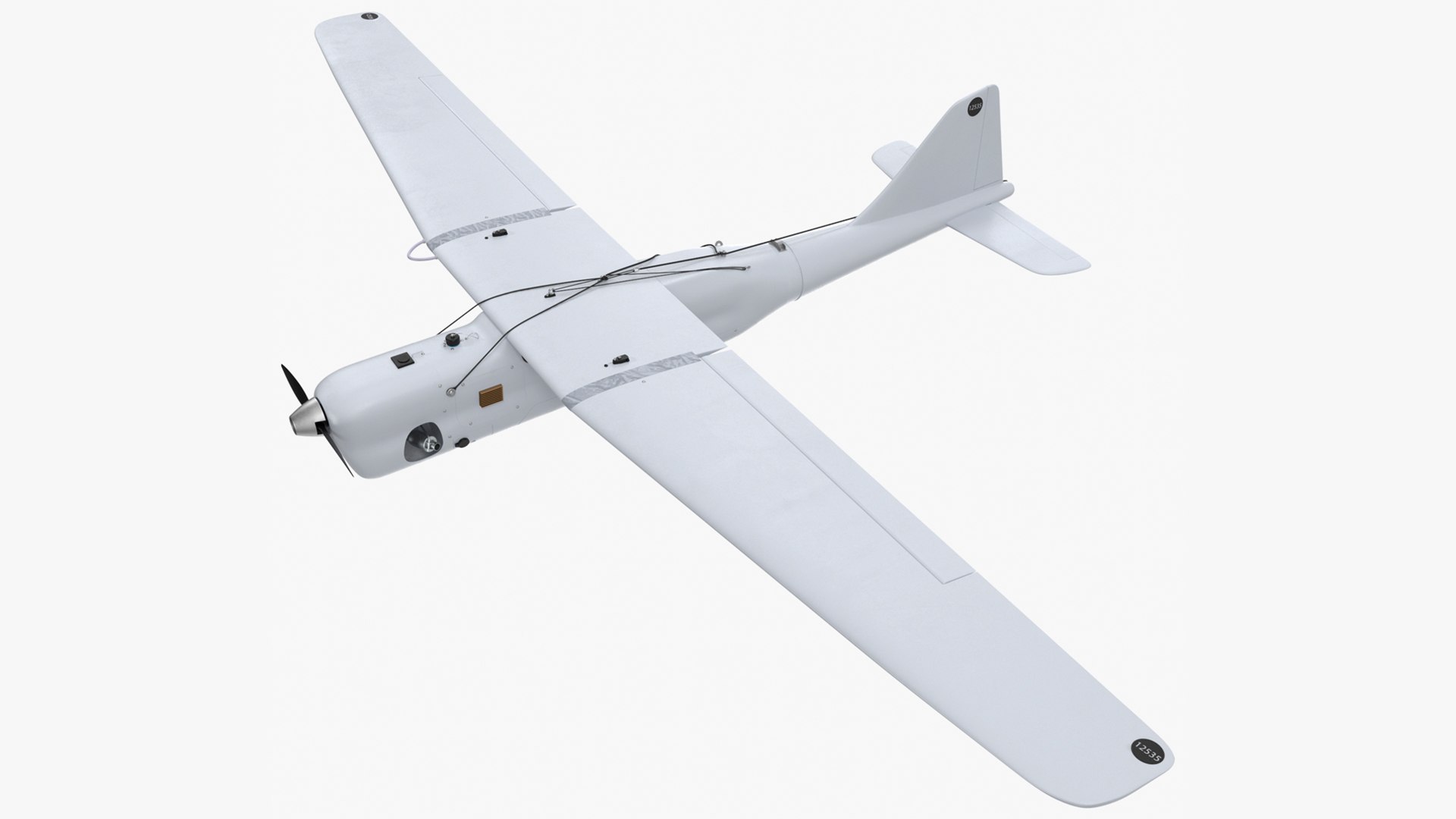
The Orlan-10 is a catapult-launched reconnaissance drone, small enough for two people to carry and plain enough that its shape is all function: a slab-sided fuselage, a high wing, a pusher propeller and a sensor turret slung underneath. The model keeps the antennae, the launch rail lugs and the parachute hatch that make it recognisable rather than a generic fixed-wing drone.
At 25,286 polygons and 26,293 vertices with non-overlapping UVs it is light enough for a swarm and detailed enough for a hero shot, and the StemCell build means it works in a real-time engine without a rebuild.
A rigged version sits on this page at $129 if the propeller or the control surfaces have to turn. The static build at $99 covers news graphics, defence briefings, documentary work and games where the aircraft is seen but not flown.
Questions About This Model
Which industries use the Russian UAV Orlan 10 model?
Aerospace, Simulation, Film & Video Production, Game Development and Virtual Reality are the primary industries on this listing, though the Royalty Free license puts no limit on where the model is actually used.
Can the Russian UAV Orlan 10 model be modified after purchase?
Yes, modification is covered by the license. Most buyers adjust materials or decimate the mesh for their engine; only redistribution of the source file is off-limits.
Can the Russian UAV Orlan 10 model be used in a commercial project?
Yes. It is sold under TurboSquid's Royalty Free license, which covers commercial use in games, film, advertising and visualization without per-use fees.
What is the Russian UAV Orlan 10 model typically used for?
Stated applications are aerospace visualization, flight simulation and film & TV VFX. Because the asset is finished rather than a base mesh, it also holds up as set dressing in scenes it was not specifically built for.