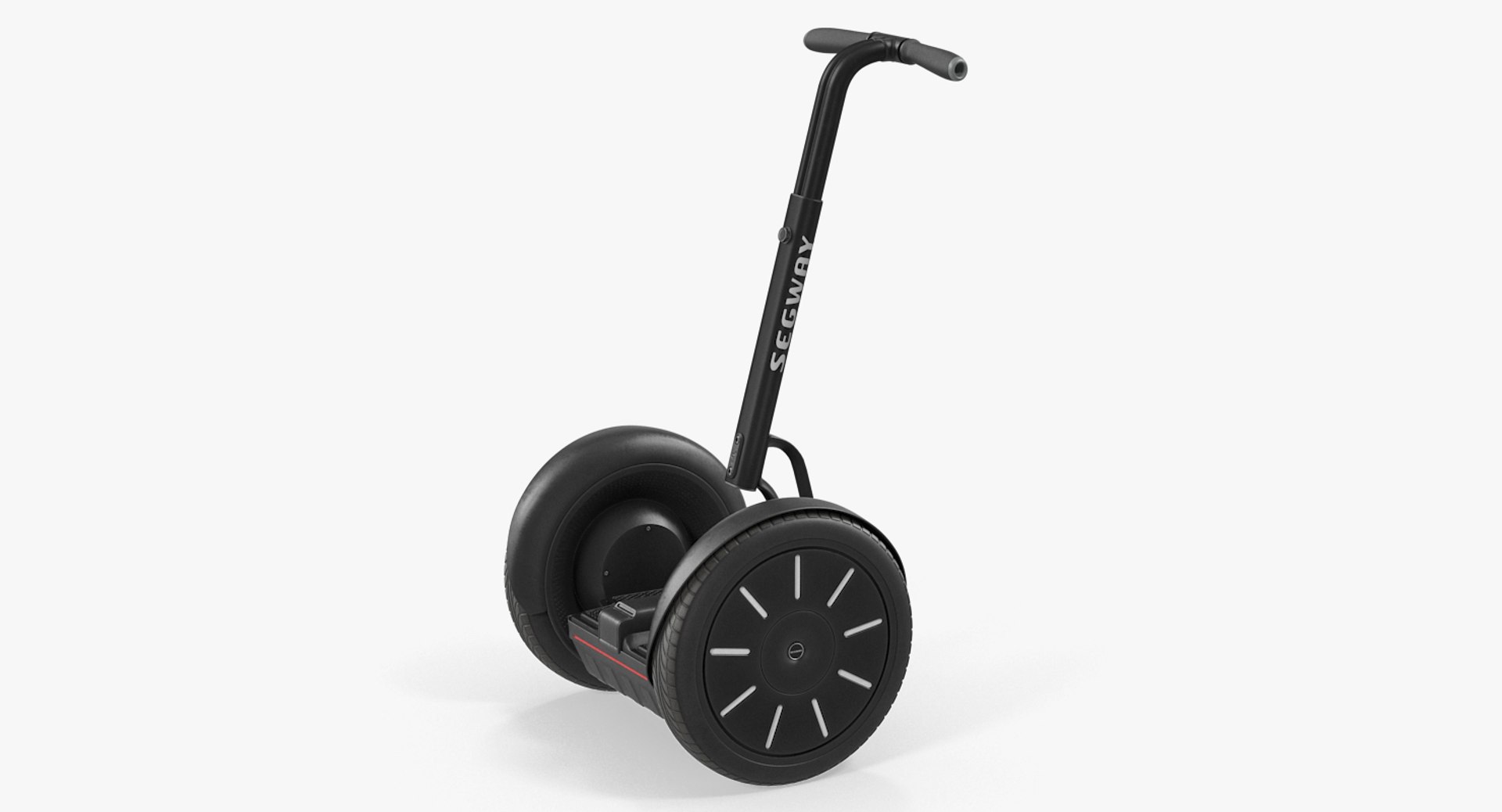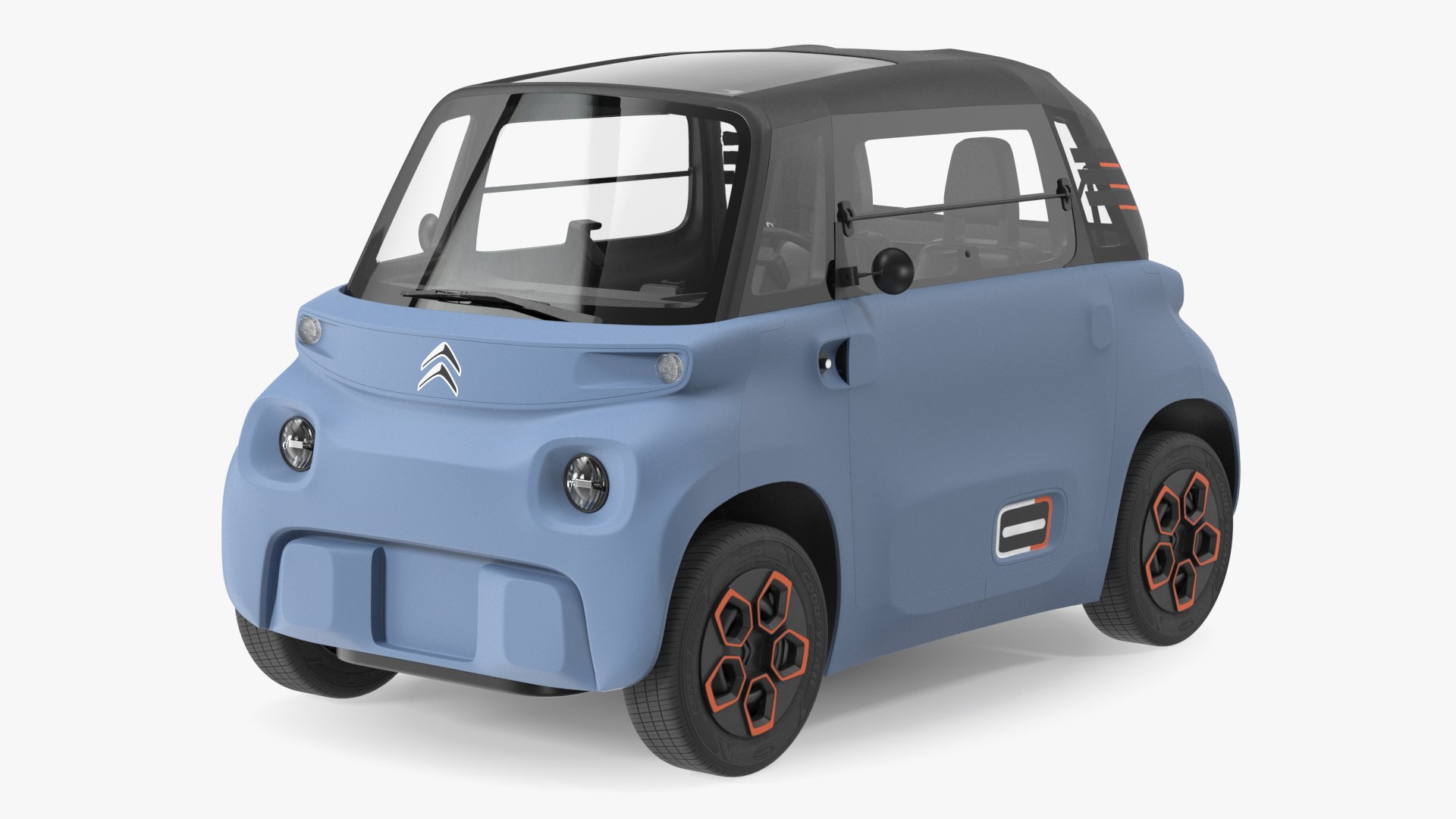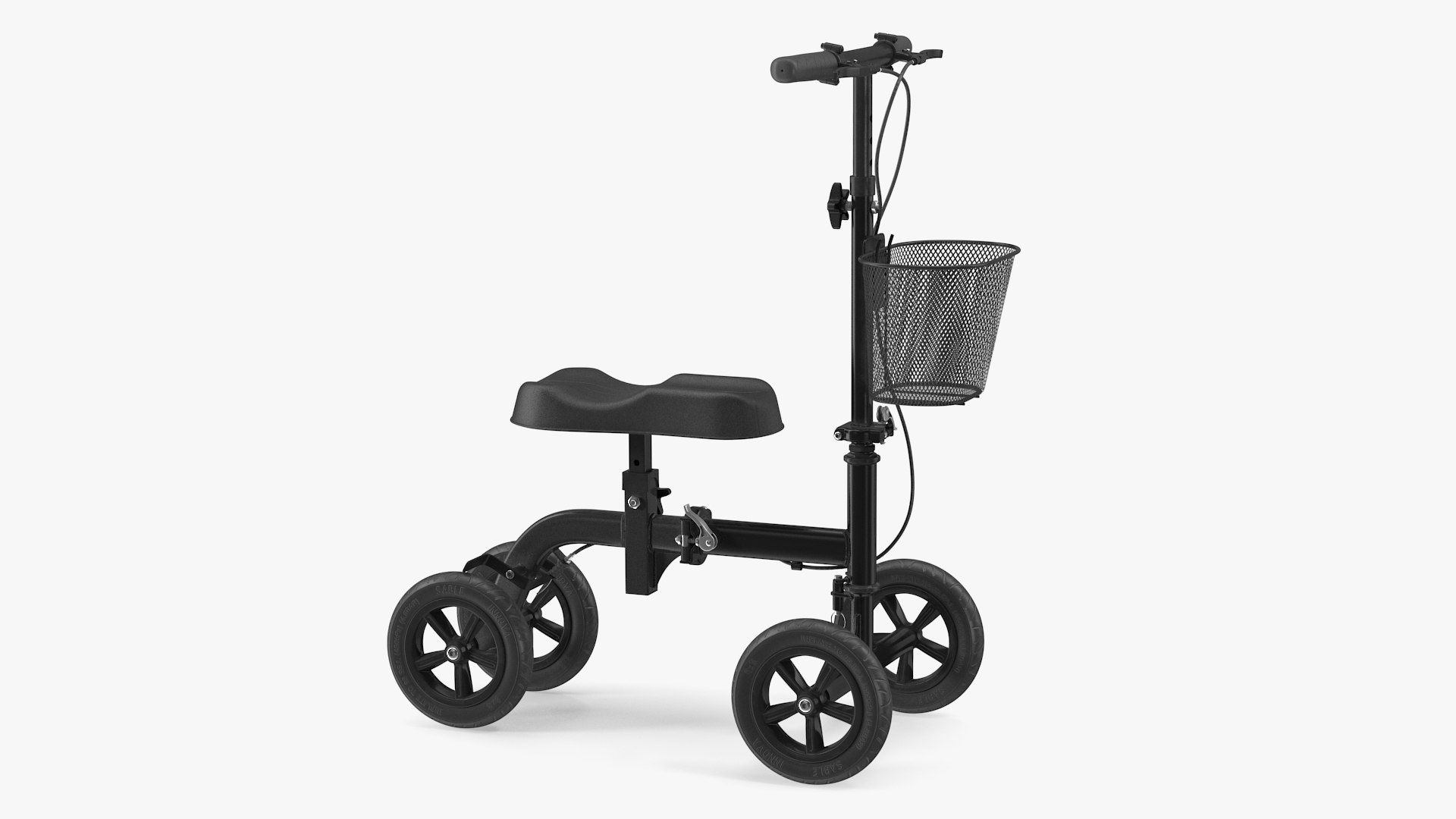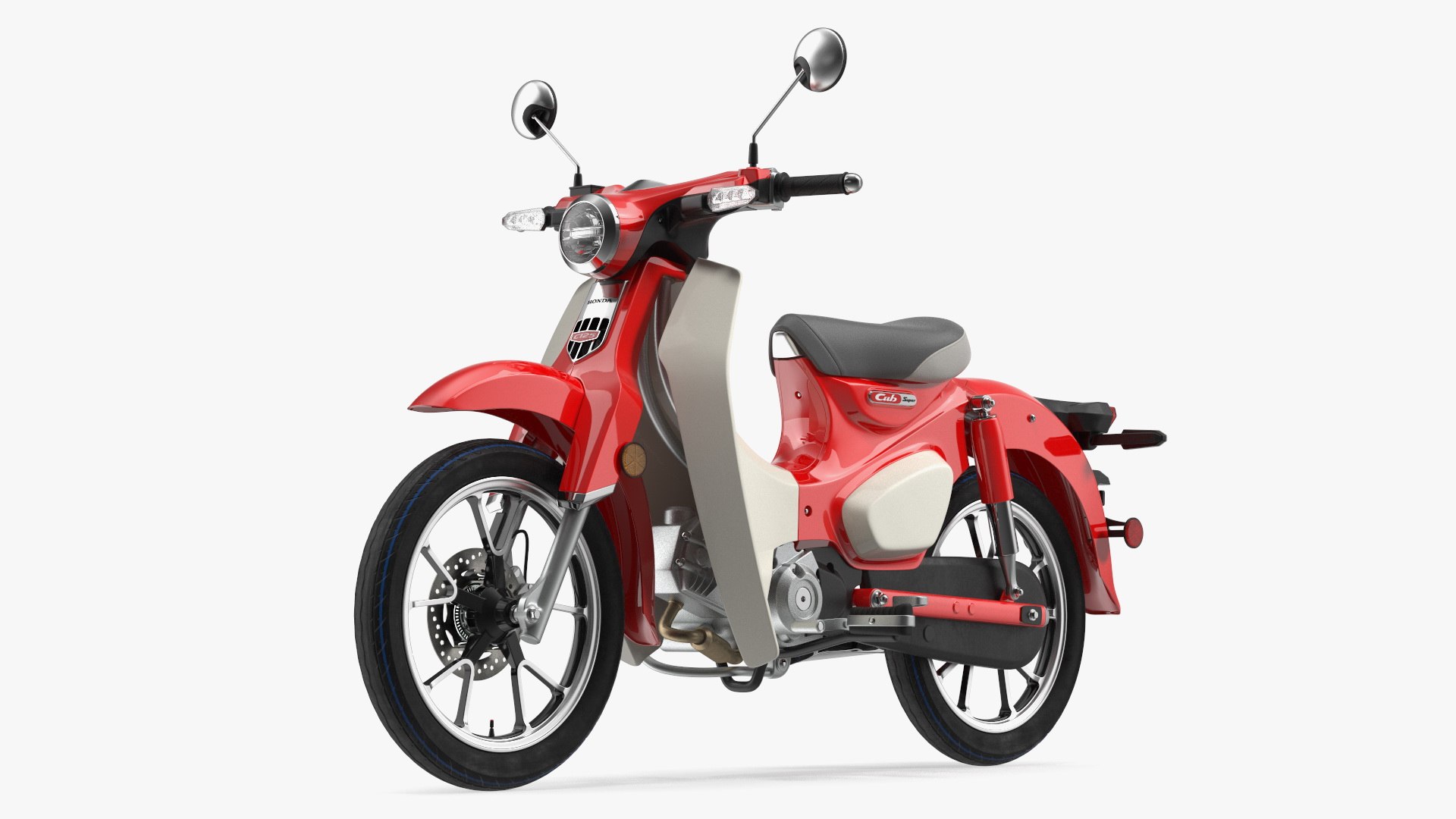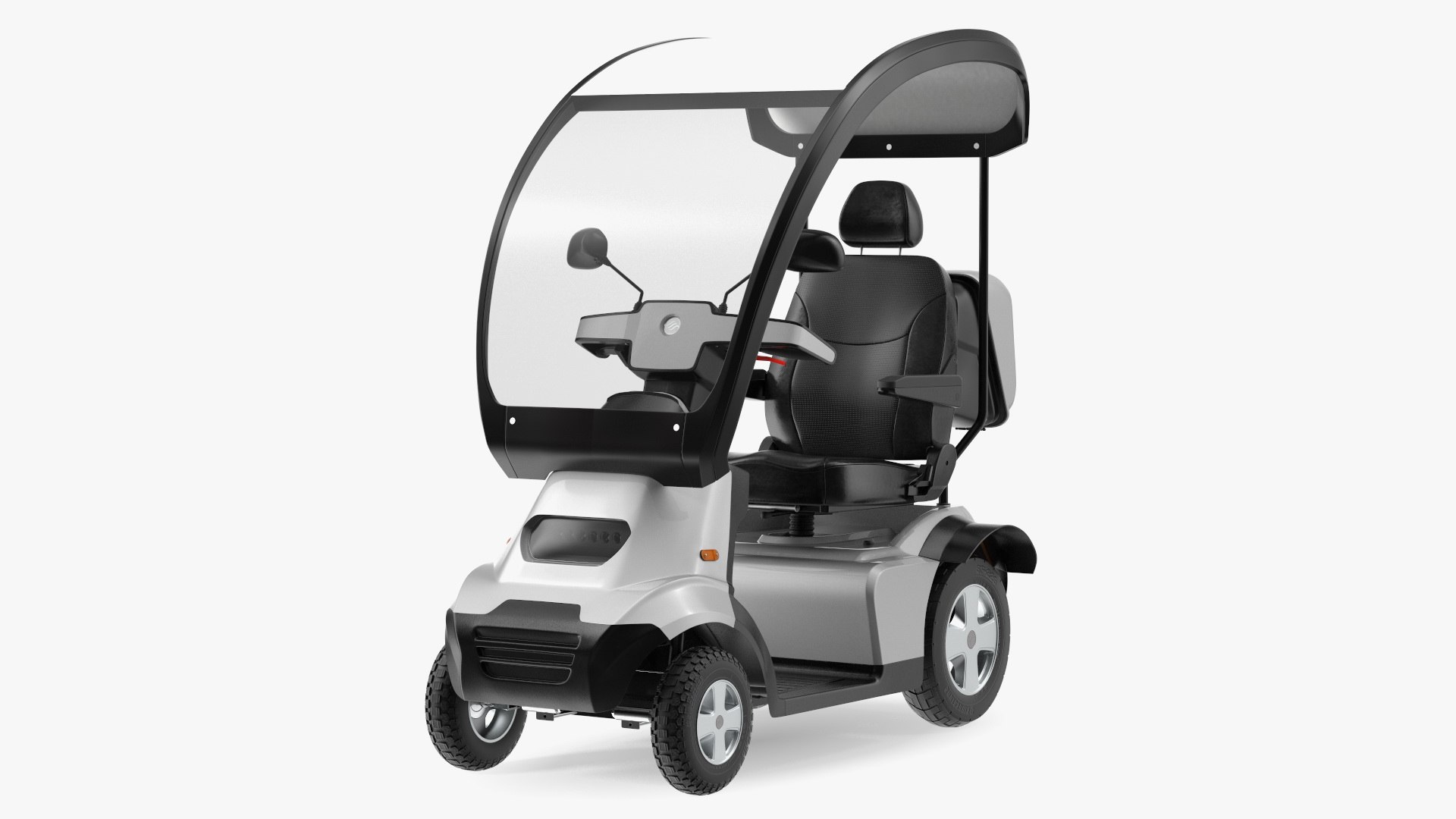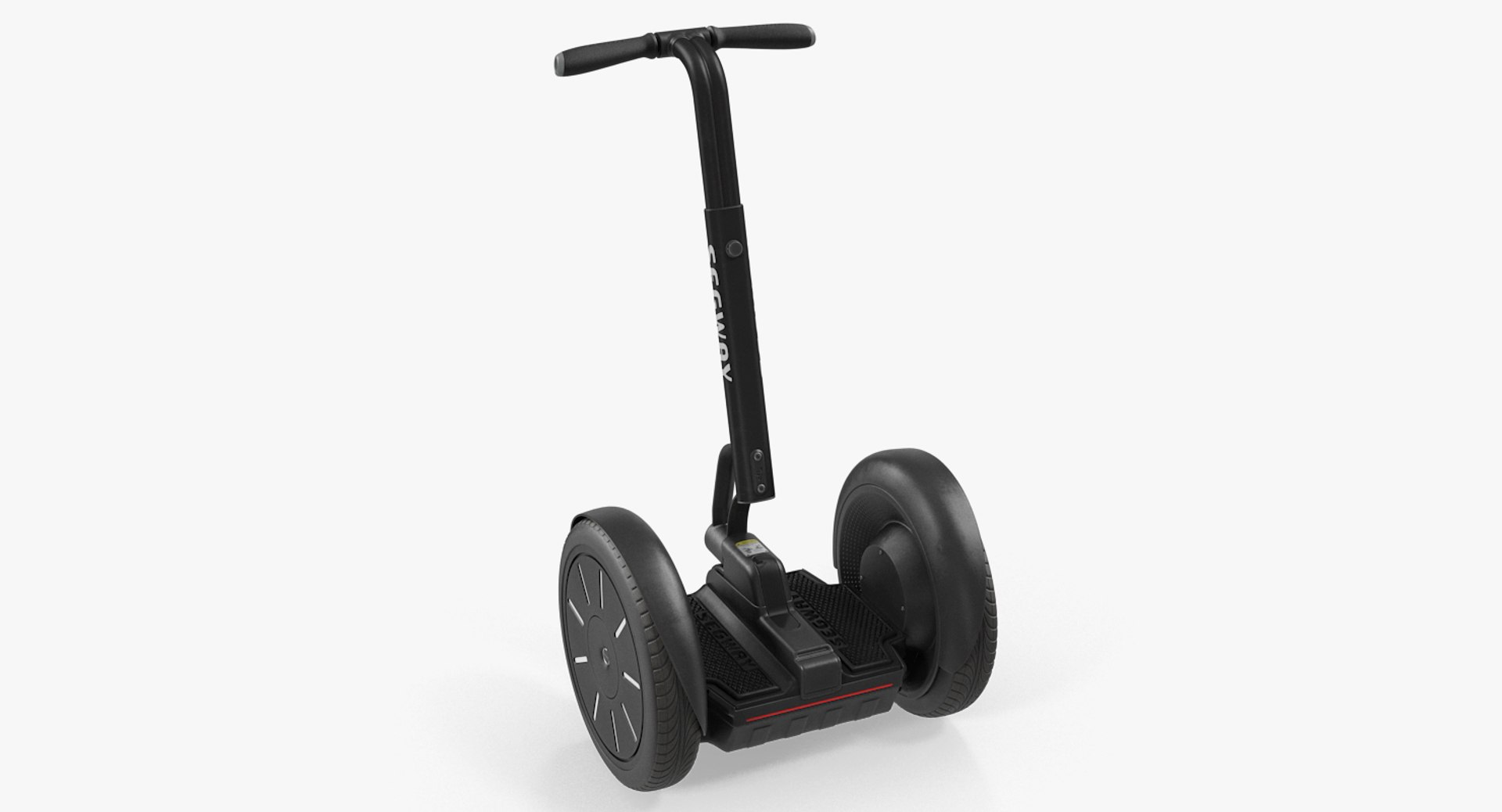
Segway Electric Self Balance Scooter belongs to our Vehicles range and is offered at $39 through the TurboSquid marketplace. The polygon count is 86,501, spread over 86,572 vertices. Whether that fits depends on where it lands - an architectural still and a real-time walkthrough tolerate very different counts.
You get 8 maps at 4096 x 4096 and 2048 x 2048 - enough resolution to hold a close shot. Edge flow follows the form rather than fighting it, which is what lets the silhouette hold up when the camera moves in. Transforms are frozen and the hierarchy is shallow, which keeps the asset easy to instance across a large environment.
Buyers most often take it for driving simulation, game traffic and film & TV VFX. Available since 2018, the model has been through several rounds of studio use. Common uses are film and TV backgrounds, game traffic and architectural visualization.
Questions About This Model
What file formats does the Segway Electric Self Balance Scooter 3D model come in?
The complete list of included formats is shown on the TurboSquid product page, where every file is named and sized before you buy. Native scene files and the common interchange formats are the usual pairing.
How much does the Segway Electric Self Balance Scooter 3D model cost?
$39 USD, paid once. TurboSquid handles payment and delivery. The license is Editorial Uses Only, because the model depicts a real branded product: it covers editorial contexts such as news, commentary and education, but not advertising or products for sale.
How clean is the geometry on the Segway Electric Self Balance Scooter model?
The mesh uses organized, quad-dominant topology at real-world scale, with objects named and grouped rather than merged into one block.
How heavy is the Segway Electric Self Balance Scooter mesh?
86,501 polygons and 86,572 vertices, built as polygonal quads/tris. Whether that fits depends on where it lands - an architectural still and a real-time walkthrough tolerate very different counts.