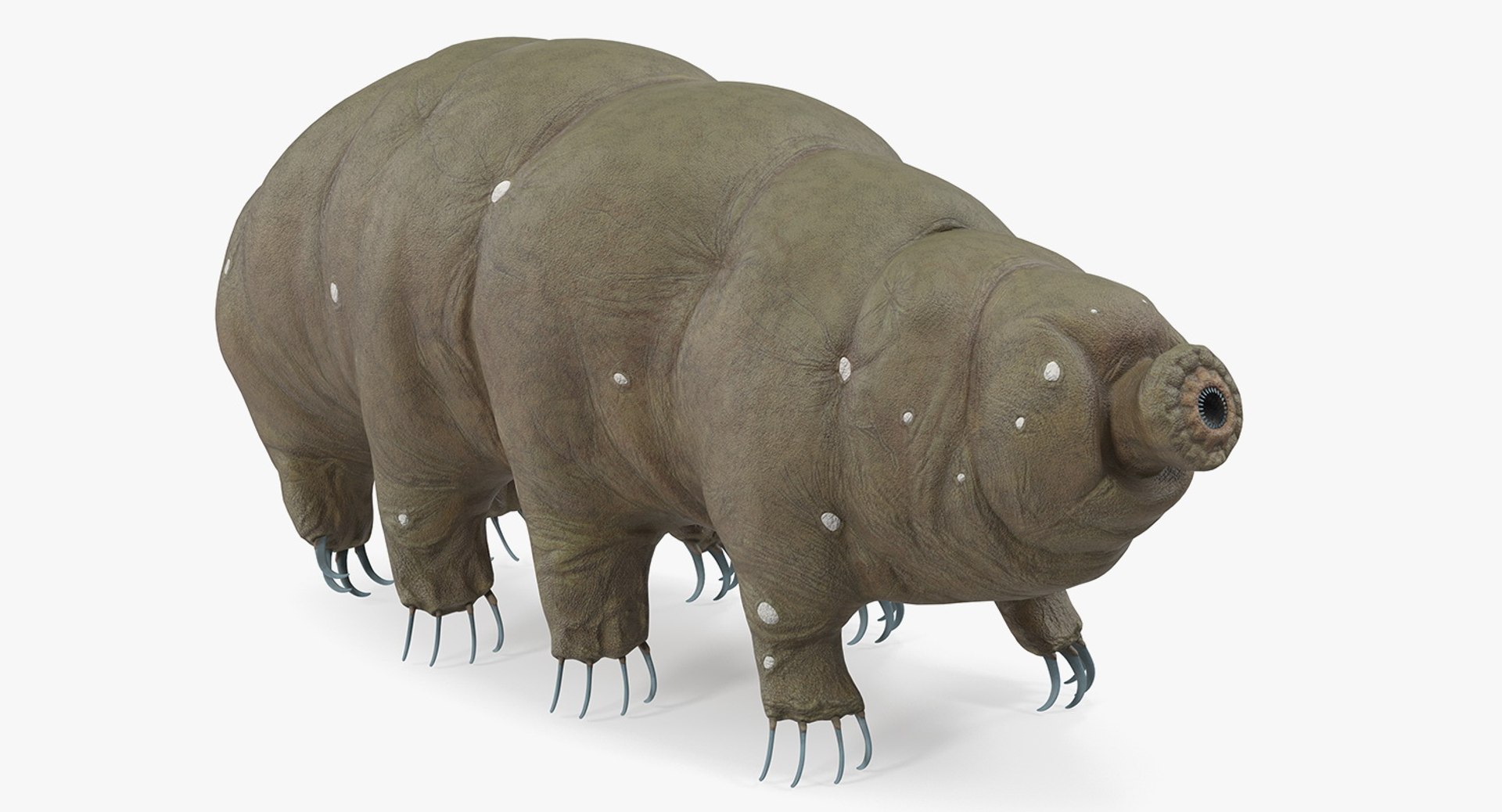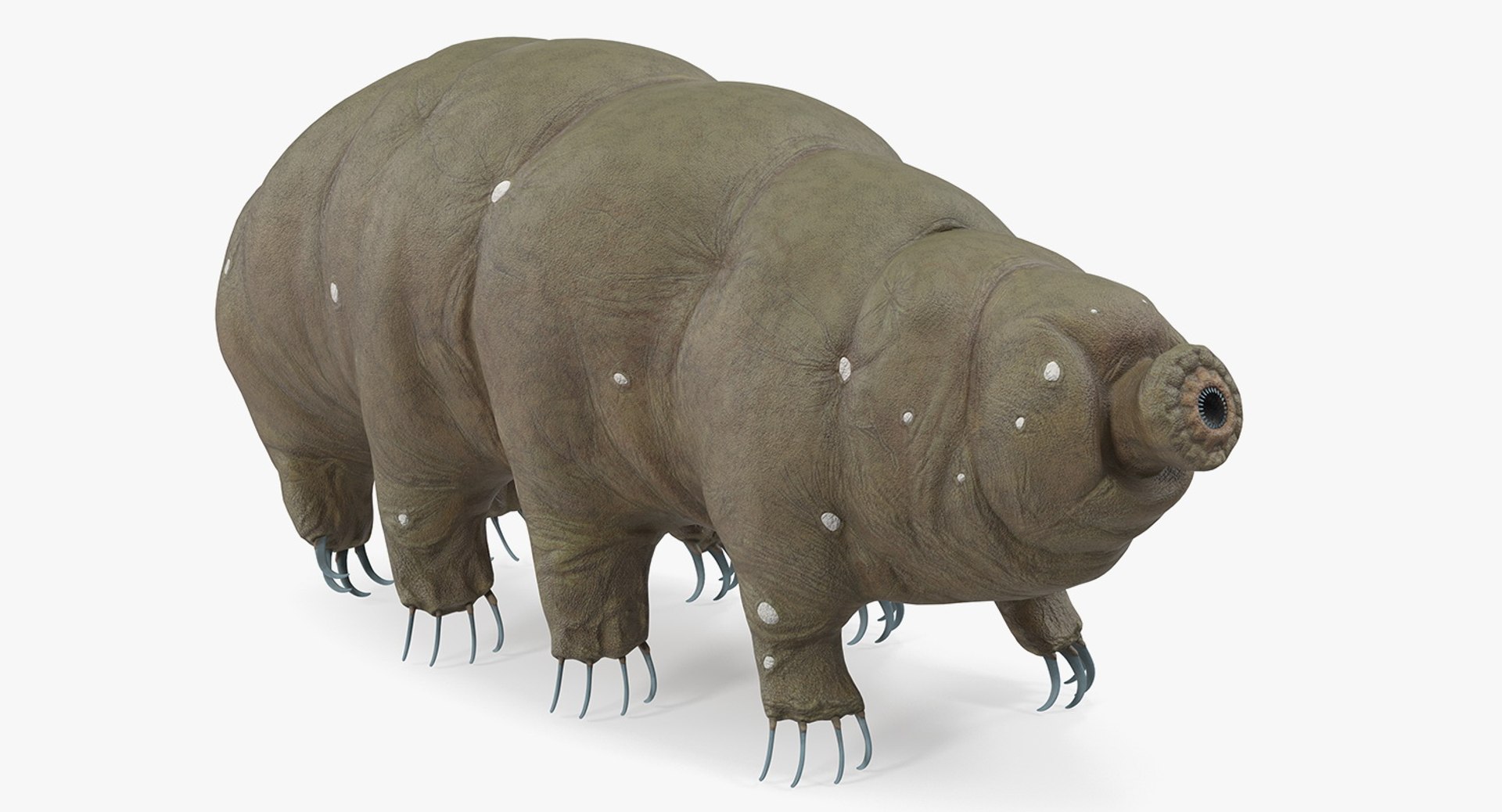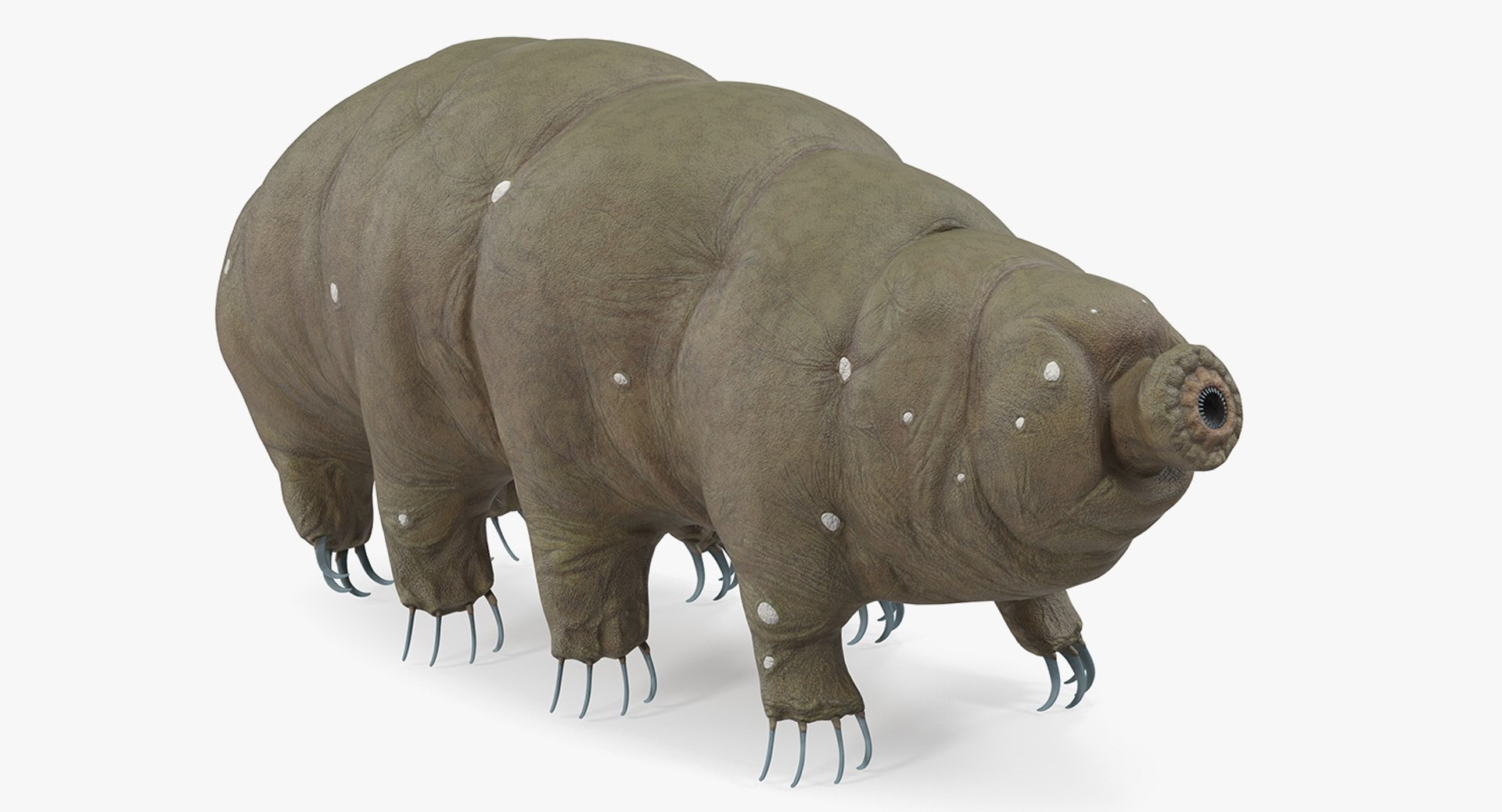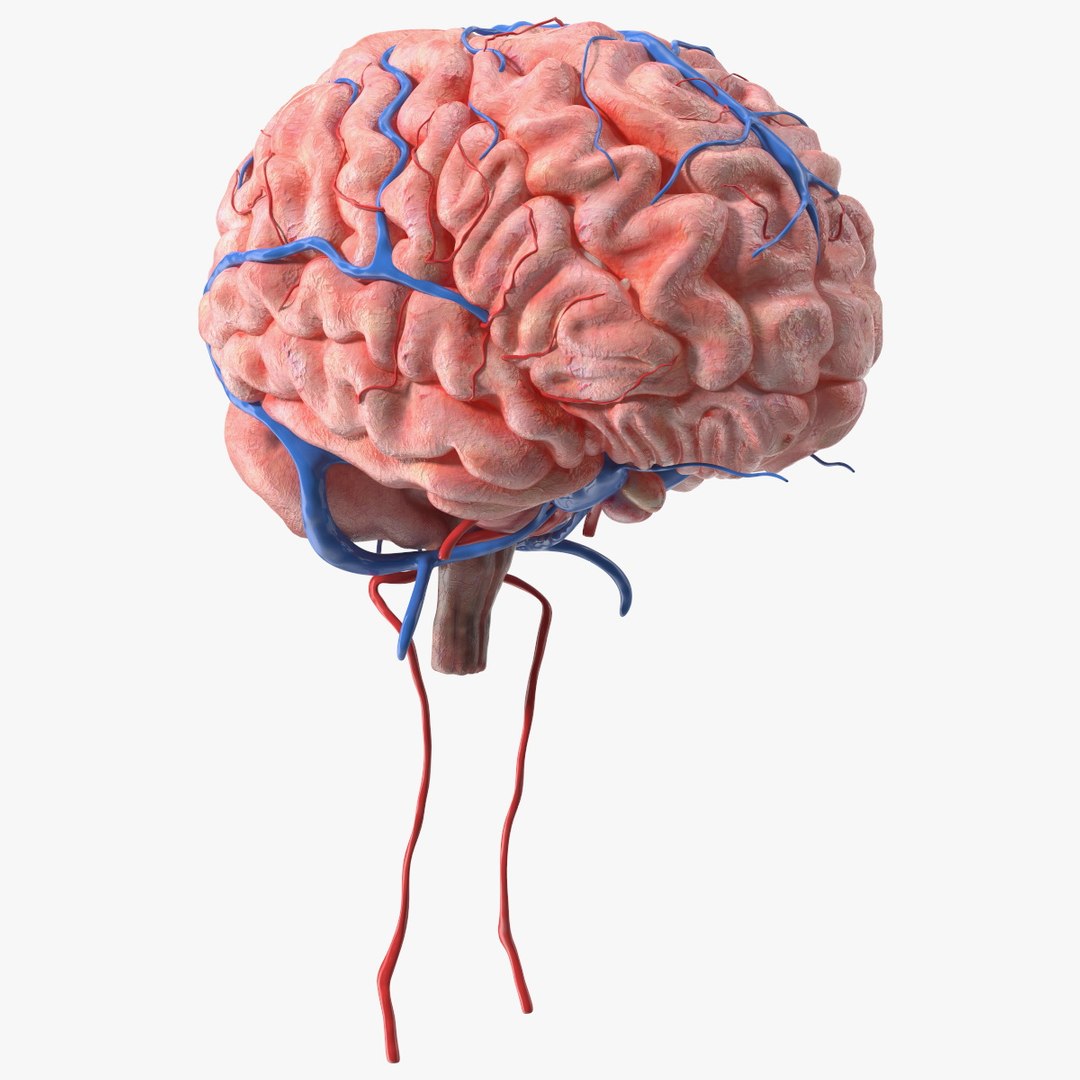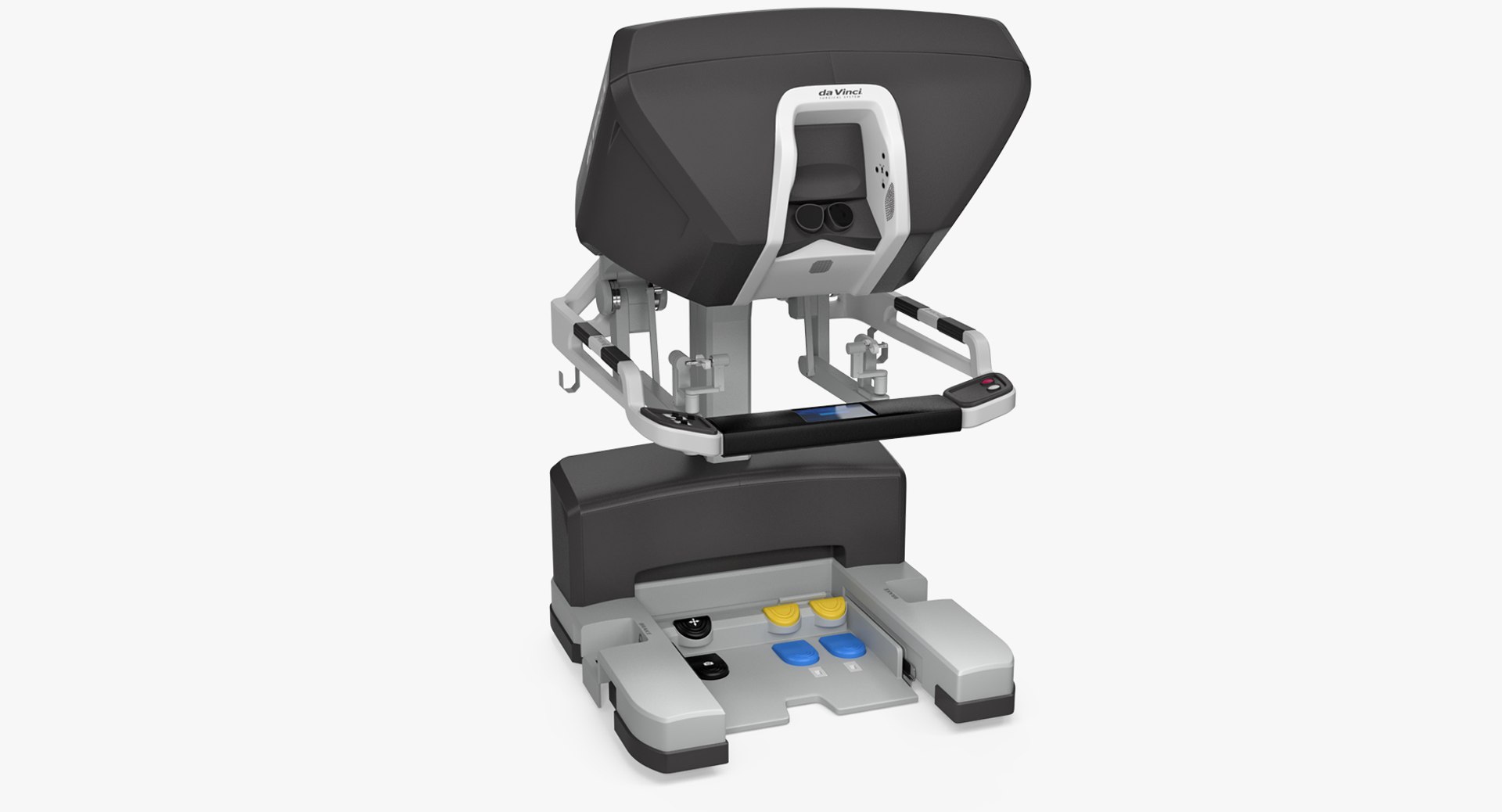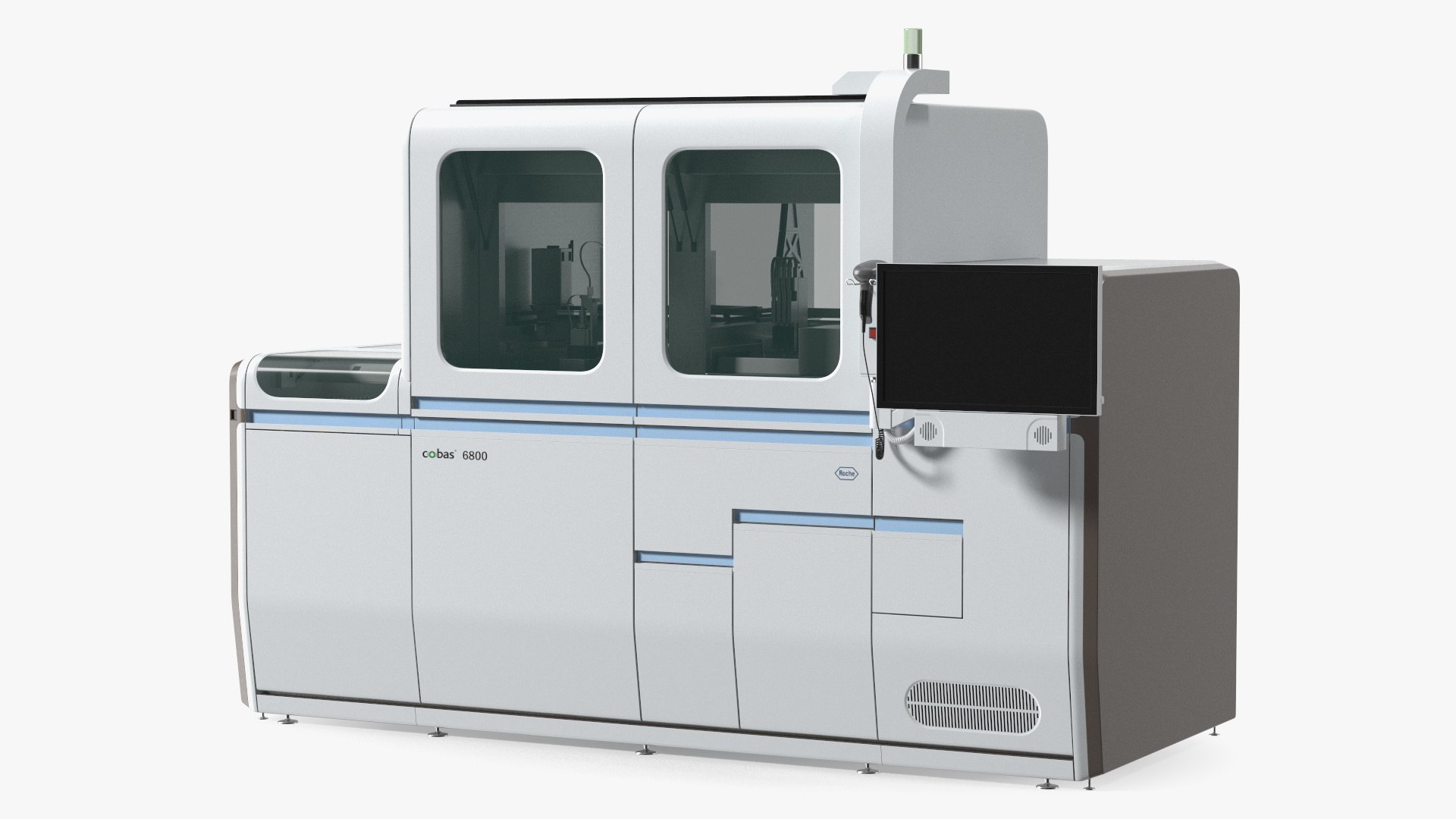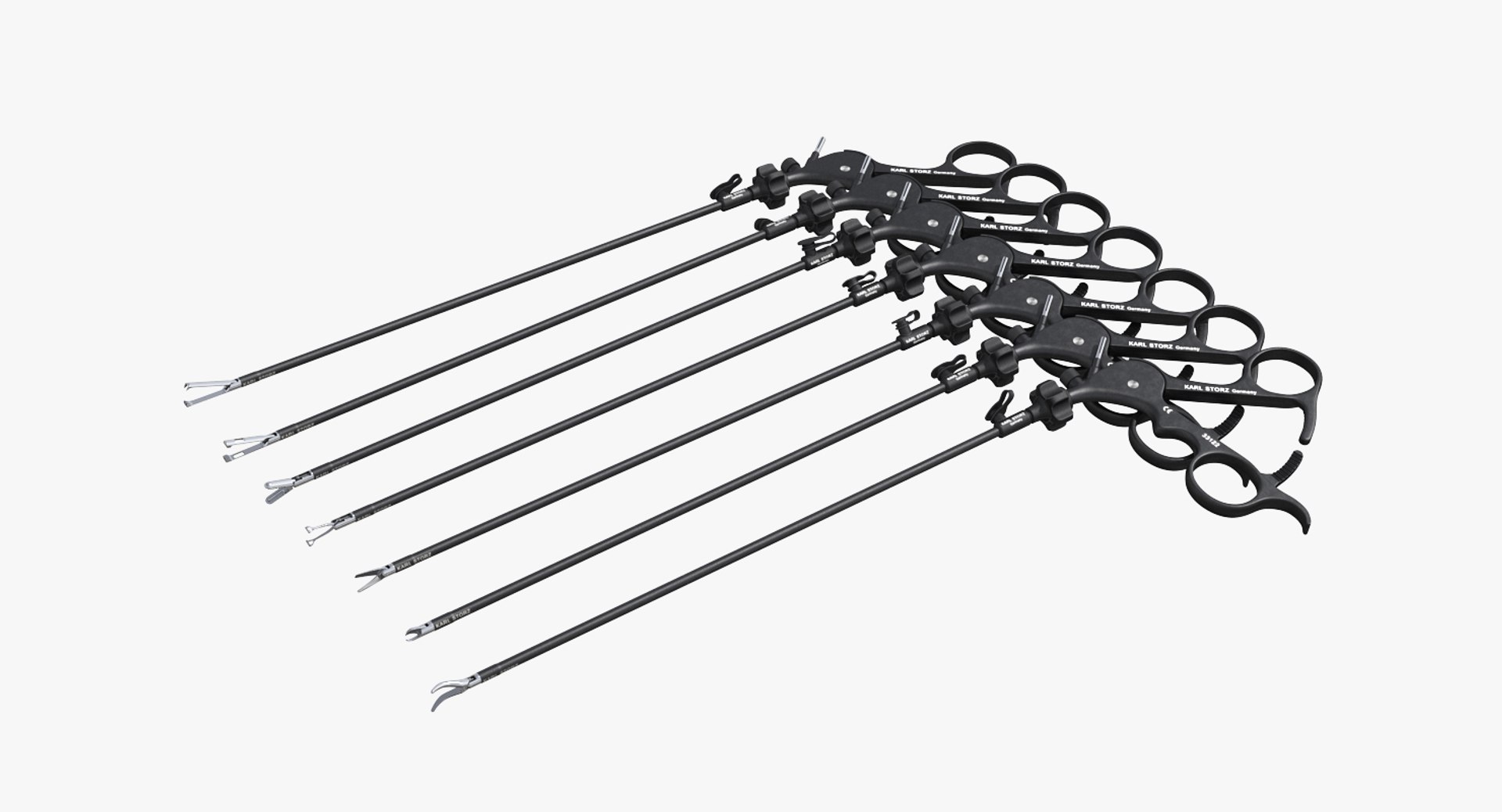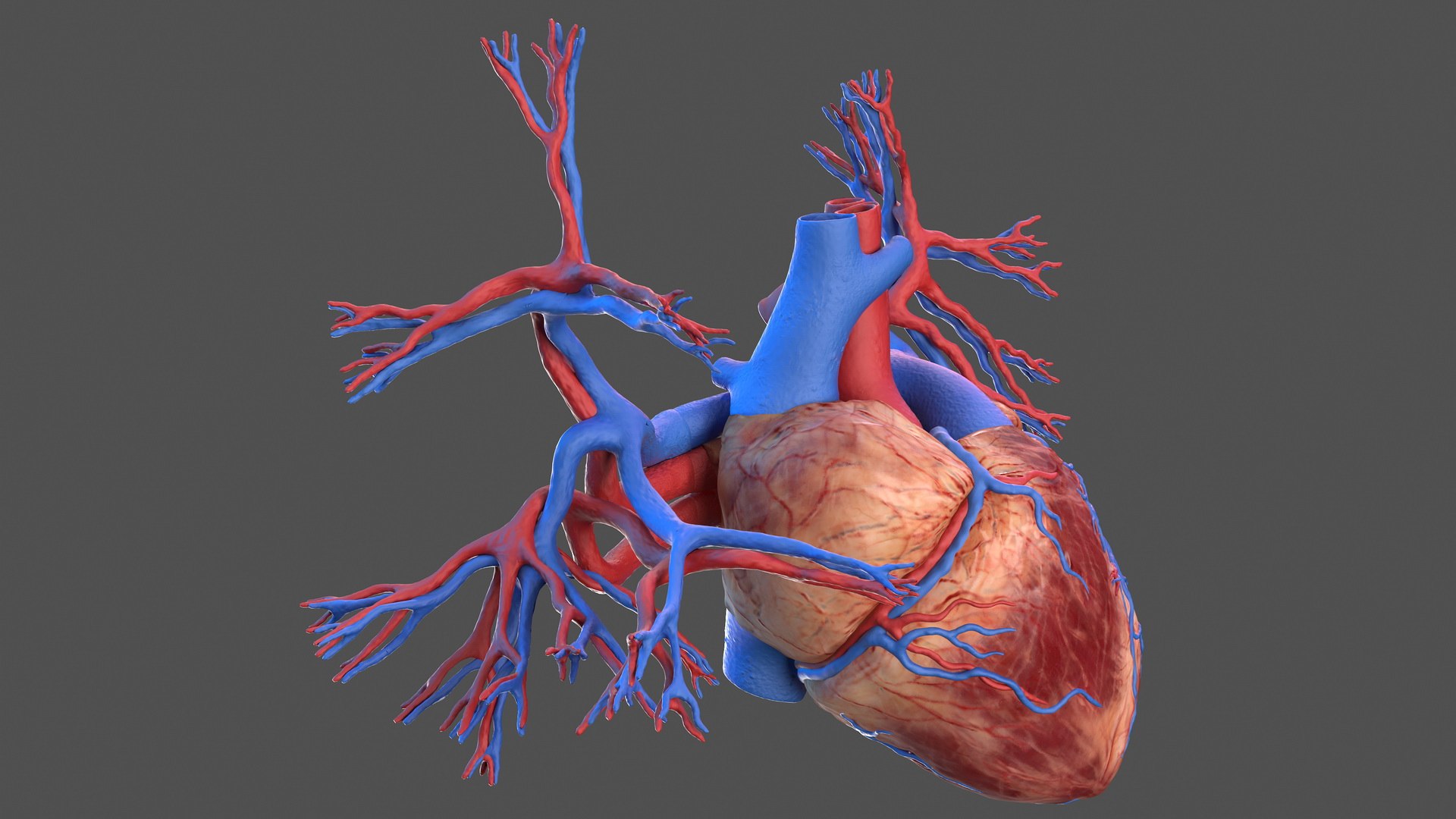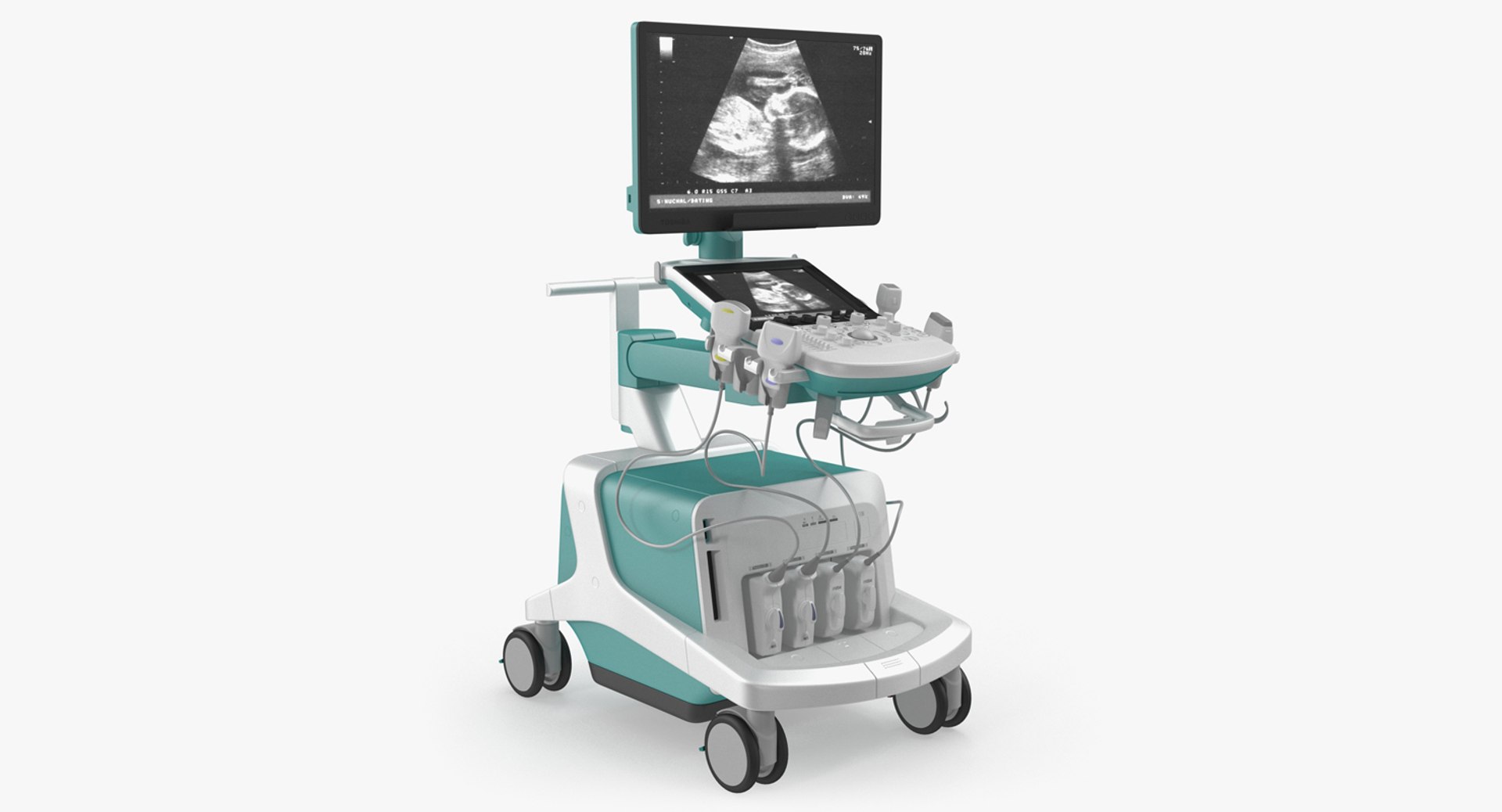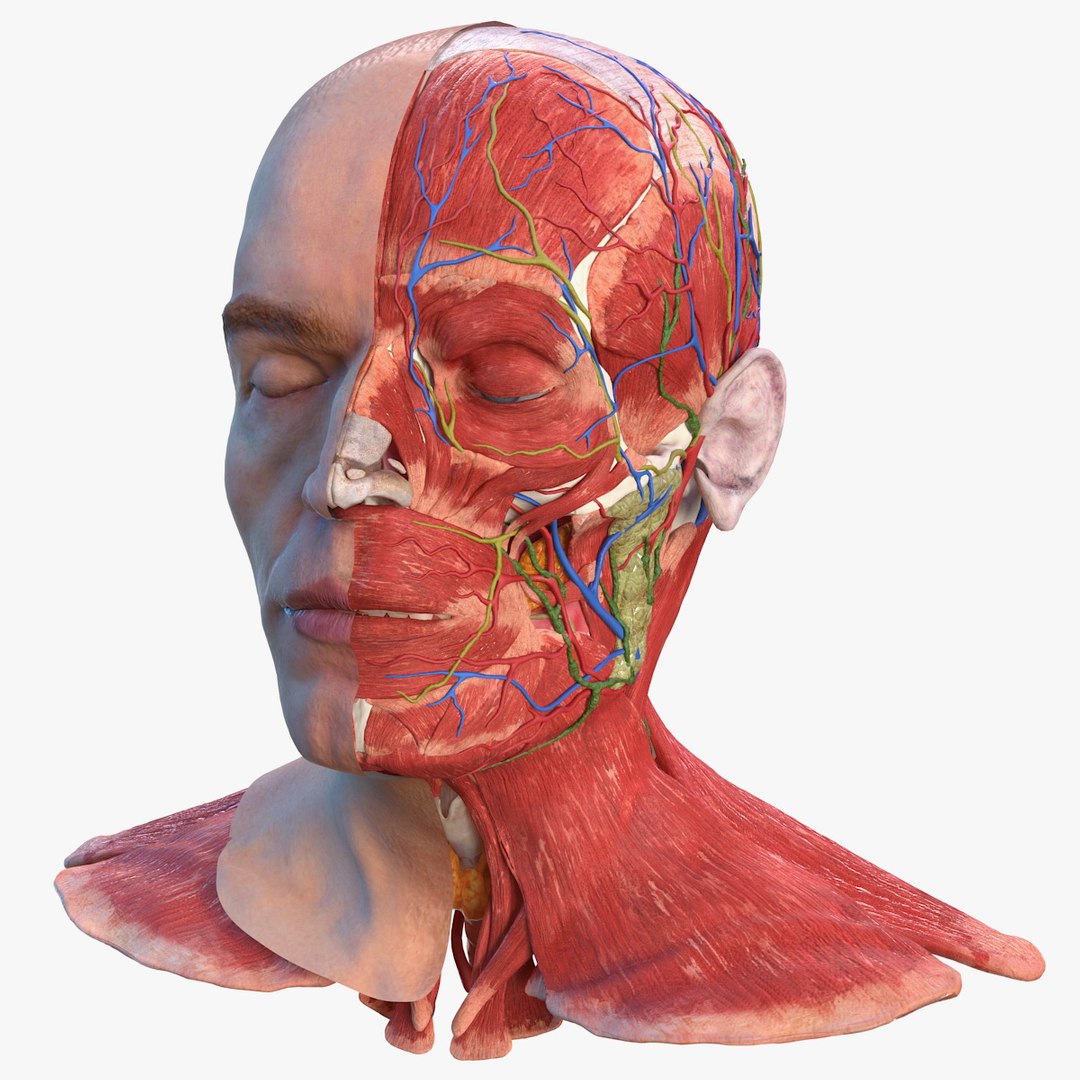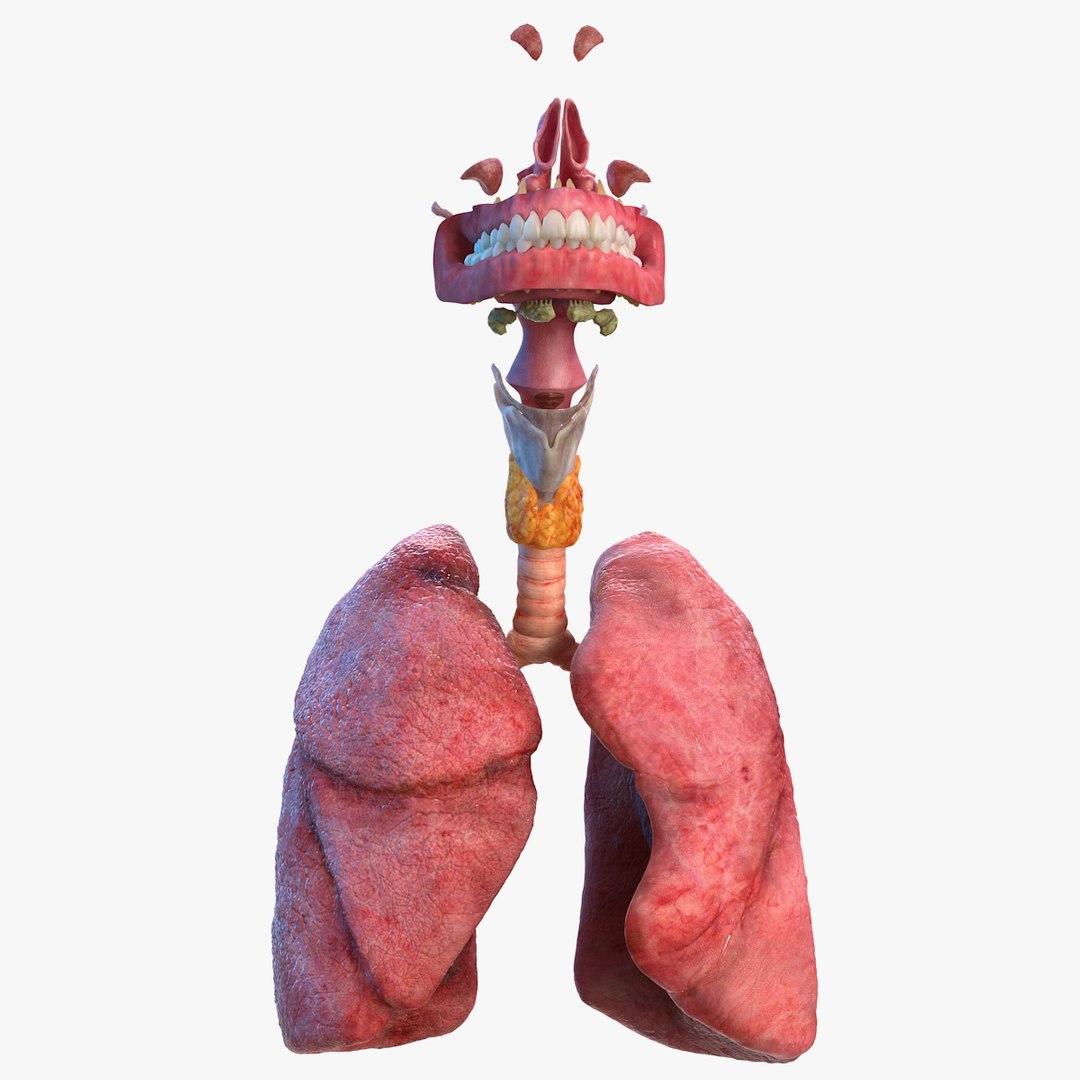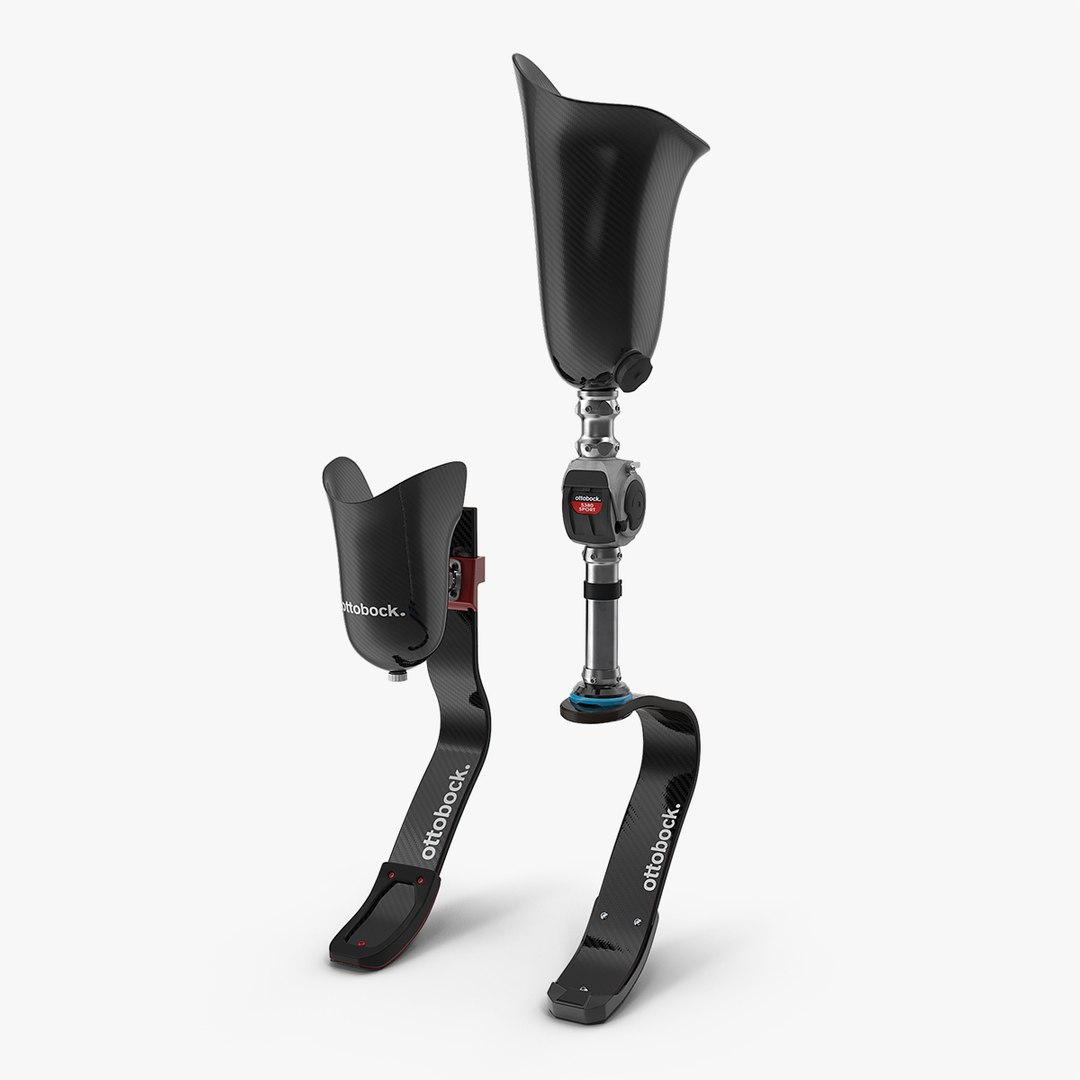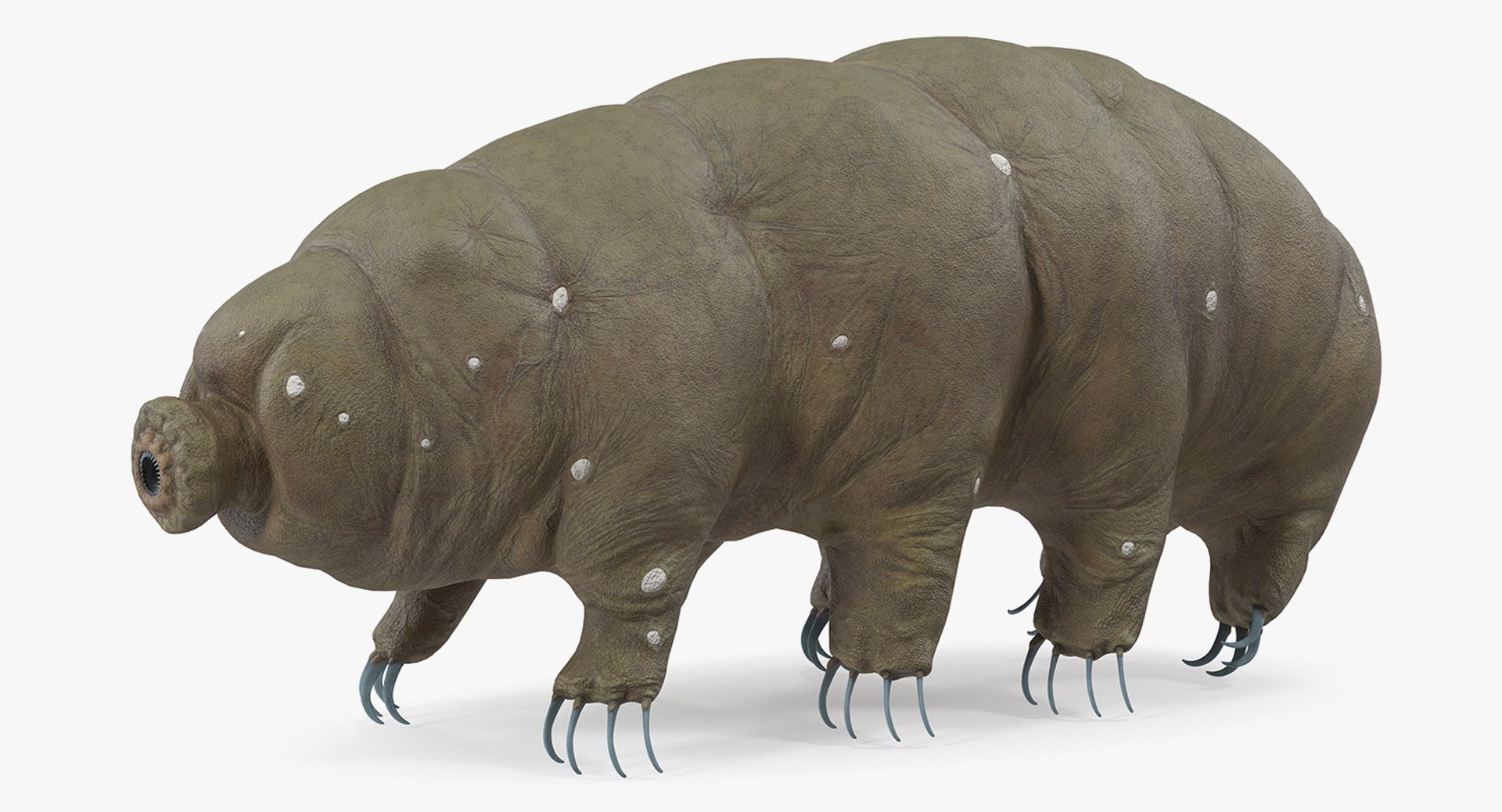
Priced at $79, the Tardigrade is a finished Medical model rather than a base mesh you have to build on. It comes in at 7,154 polygons, with 7,100 vertices behind them. Heavy or light is a question about the scene, not about the model, so check it against the platform you are shipping to.
Surfacing relies on 6 maps authored at 4096 x 4096. As a StemCell asset it comes with standardised PBR materials, so the look holds up whether it lands in a game engine or an offline renderer. Everything is placed at the scene origin with sensible pivots, so the asset can be duplicated, arrayed or attached to a rig without hunting for transforms.
The listing flags medical visualization, medical simulation and film & TV VFX as the intended applications. First published in 2019, it is part of the long-running core of the collection. It fits medical education, VR anatomy training, patient-facing visualization and medical sequences in film.
Questions About This Model
How much does the Tardigrade 3D model cost?
$79 USD, paid once. The Royalty Free license means no recurring cost and no extra payment when the finished work ships.
Does the Tardigrade model include materials and textures?
The product page states what ships with each format. StemCell delivery means a PBR material set that reads the same across renderers. See the listing for the exact contents.
What is the Tardigrade model typically used for?
It is cataloged for medical visualization, medical simulation and film & TV VFX - the sort of work where the object needs to look right on camera but is not the subject of the shot.
Which industries use the Tardigrade model?
It is tagged for Medical, Simulation, Film & Video Production and Advertising. The categorisation reflects where similar Medical assets end up rather than a hard restriction - the license does not limit the field of use.