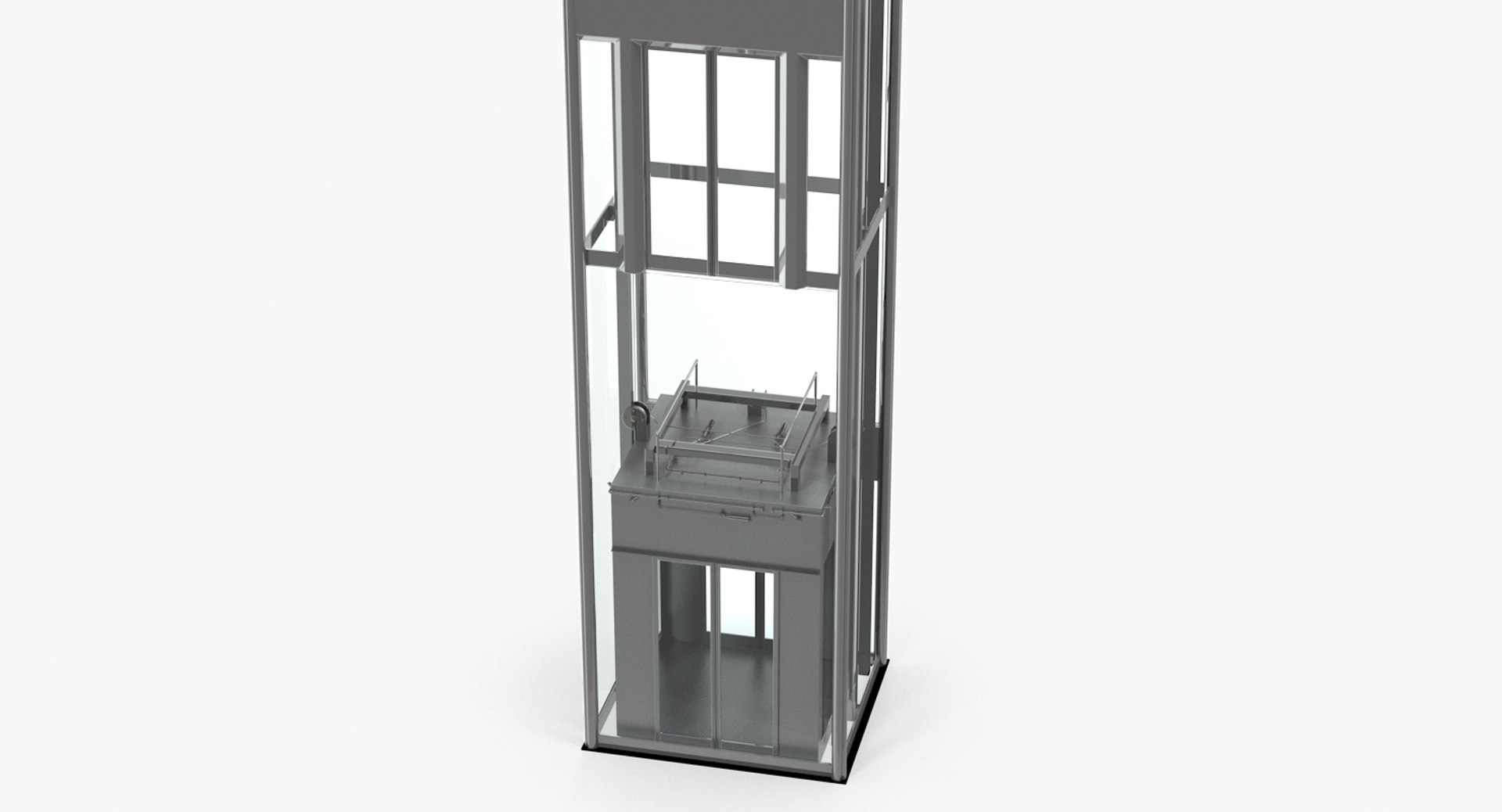
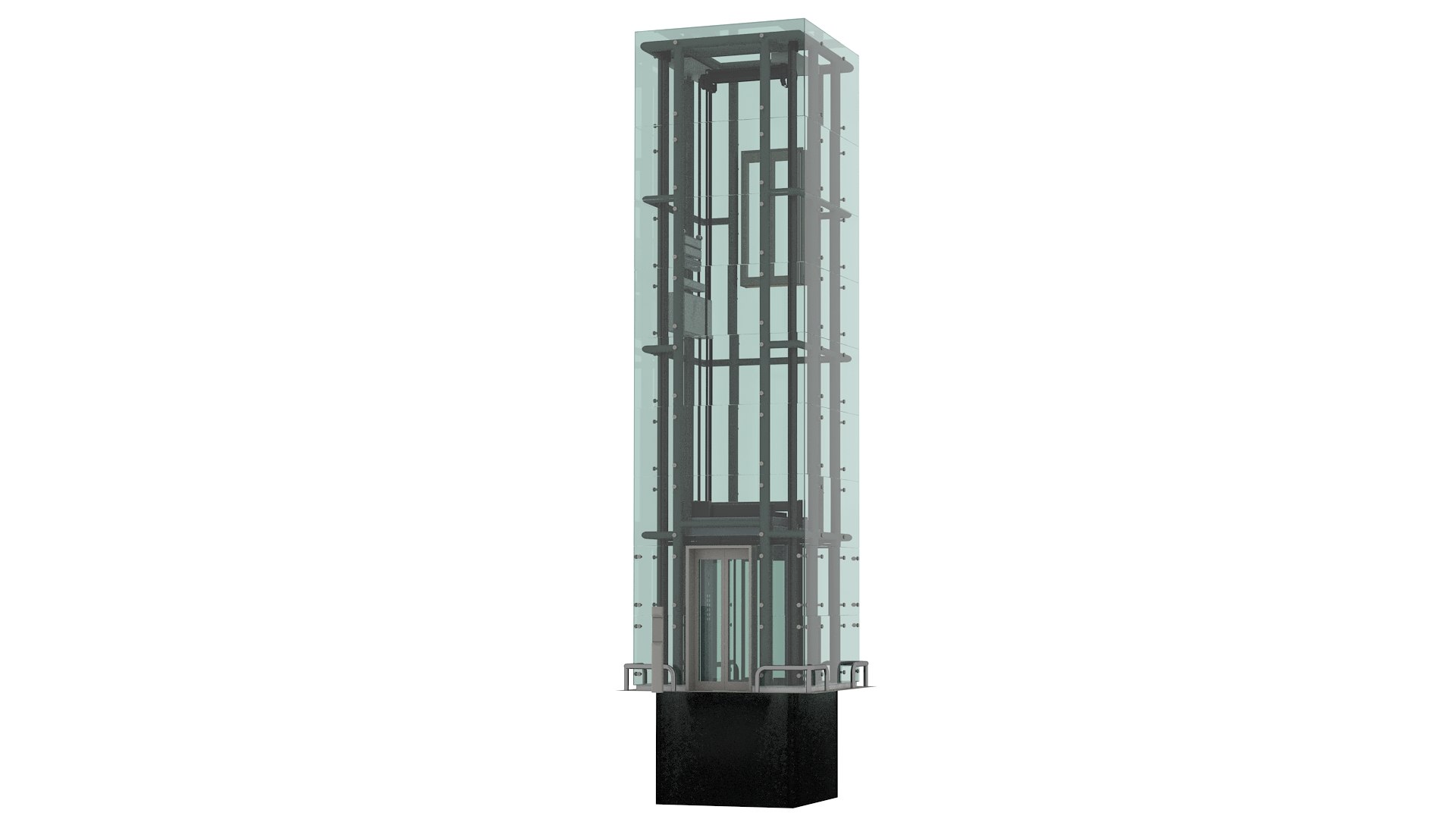
Tiny Glass Lift is one of the Architecture & Landmarks models in the 3D Molier catalog, listed at $24. Straight from the source file: 30,664 polygons, 33,856 vertices. Read that against your engine and your shot: a hero close-up and a background prop have very different budgets.
Being StemCell, it arrives in several formats built from one source, so the version you open is not a lossy conversion of another. The outliner reads cleanly: no stray nulls, no leftover helpers, nothing to untangle before work starts. It is cataloged for architectural visualization, film & TV VFX and product rendering.
2024 is when this one first went up, and it has stayed in the catalog since. It is aimed at architectural visualization, city scenes, advertising renders and VR walkthroughs.
Questions About This Model
Does the Tiny Glass Lift model include materials and textures?
Material and texture contents are listed per file on the TurboSquid product page. As a StemCell asset it ships with PBR materials that stay consistent across the delivered formats.
What does StemCell mean for the Tiny Glass Lift model?
StemCell covers both geometry and shading: the model is delivered across formats with materials that stay equivalent instead of needing per-engine conversion.
How heavy is the Tiny Glass Lift mesh?
30,664 polygons and 33,856 vertices, built as polygonal quads/tris. Read that against your engine and your shot: a hero close-up and a background prop have very different budgets.
What is the Tiny Glass Lift model typically used for?
The listing names architectural visualization, film & TV VFX and product rendering as the main applications. In practice it also works anywhere a finished architecture & landmarks object is needed without modeling it from scratch.