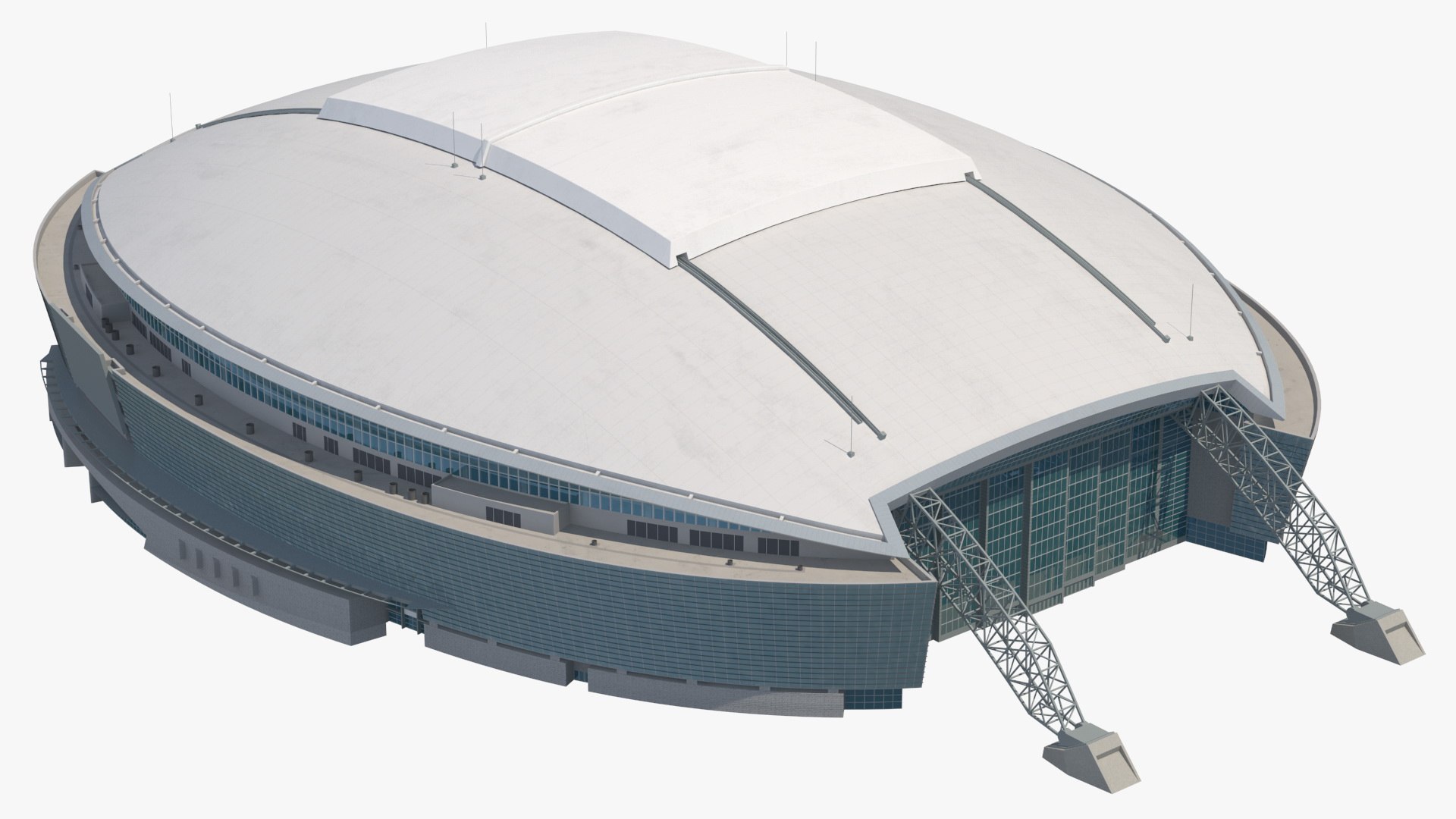
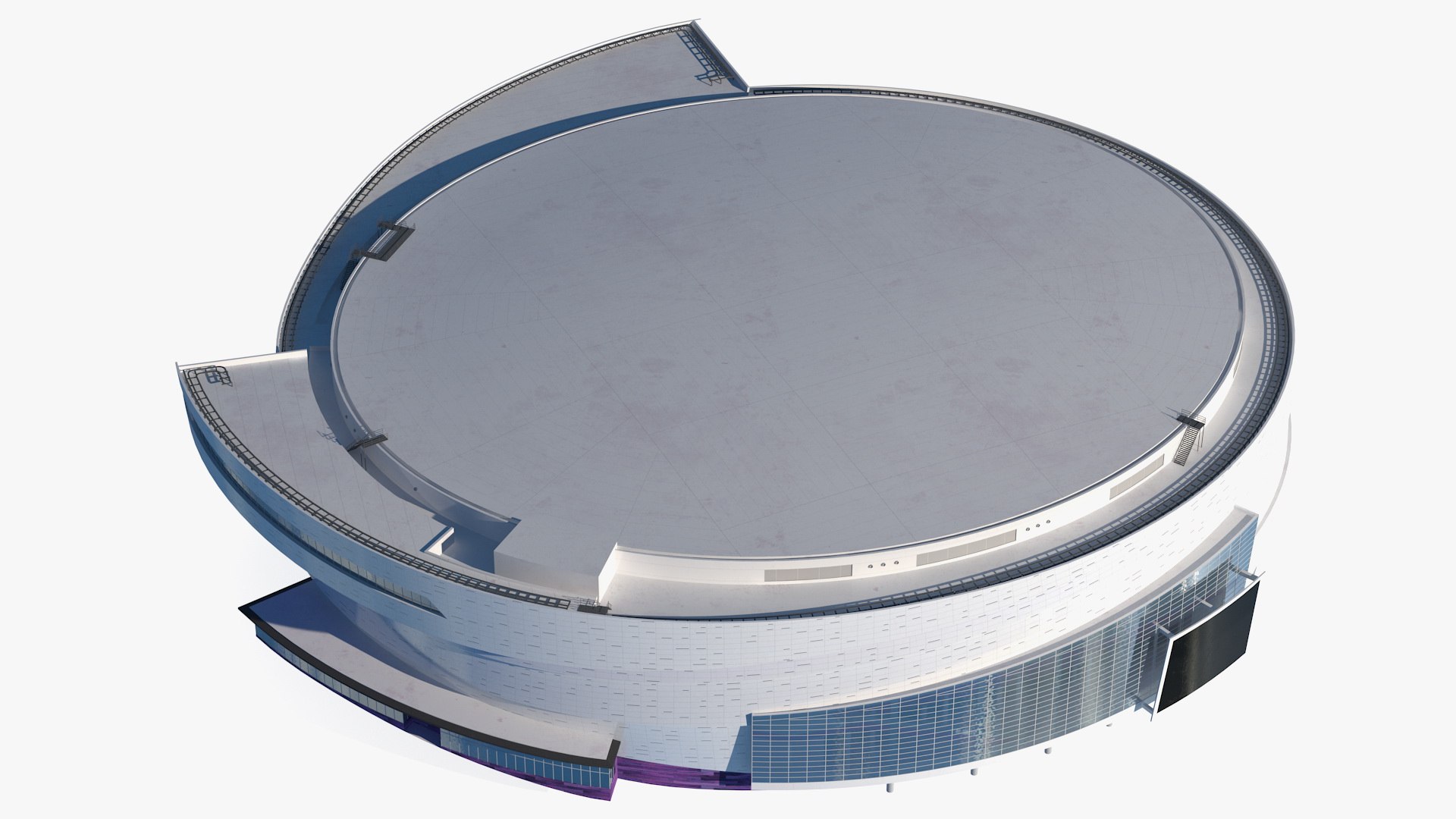
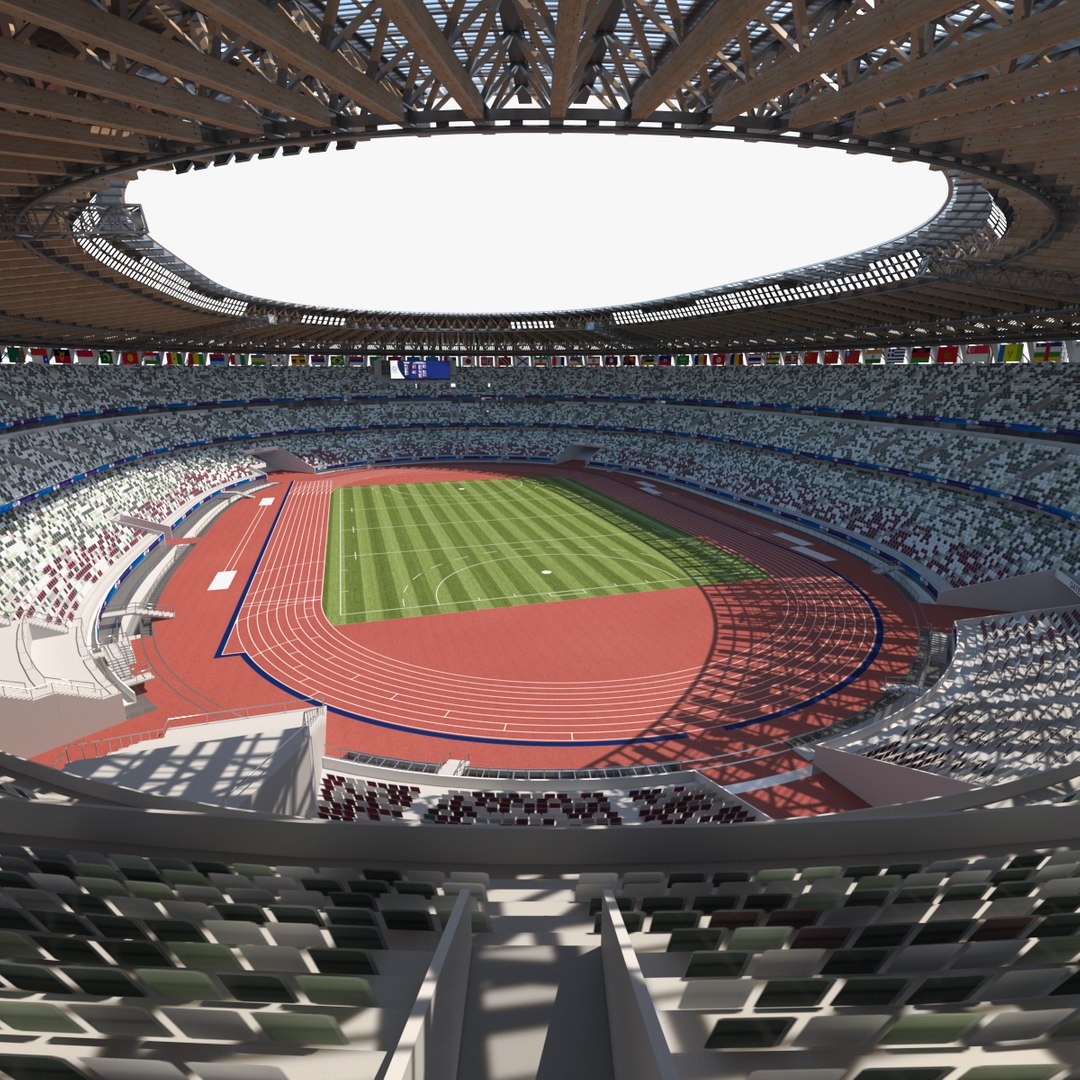
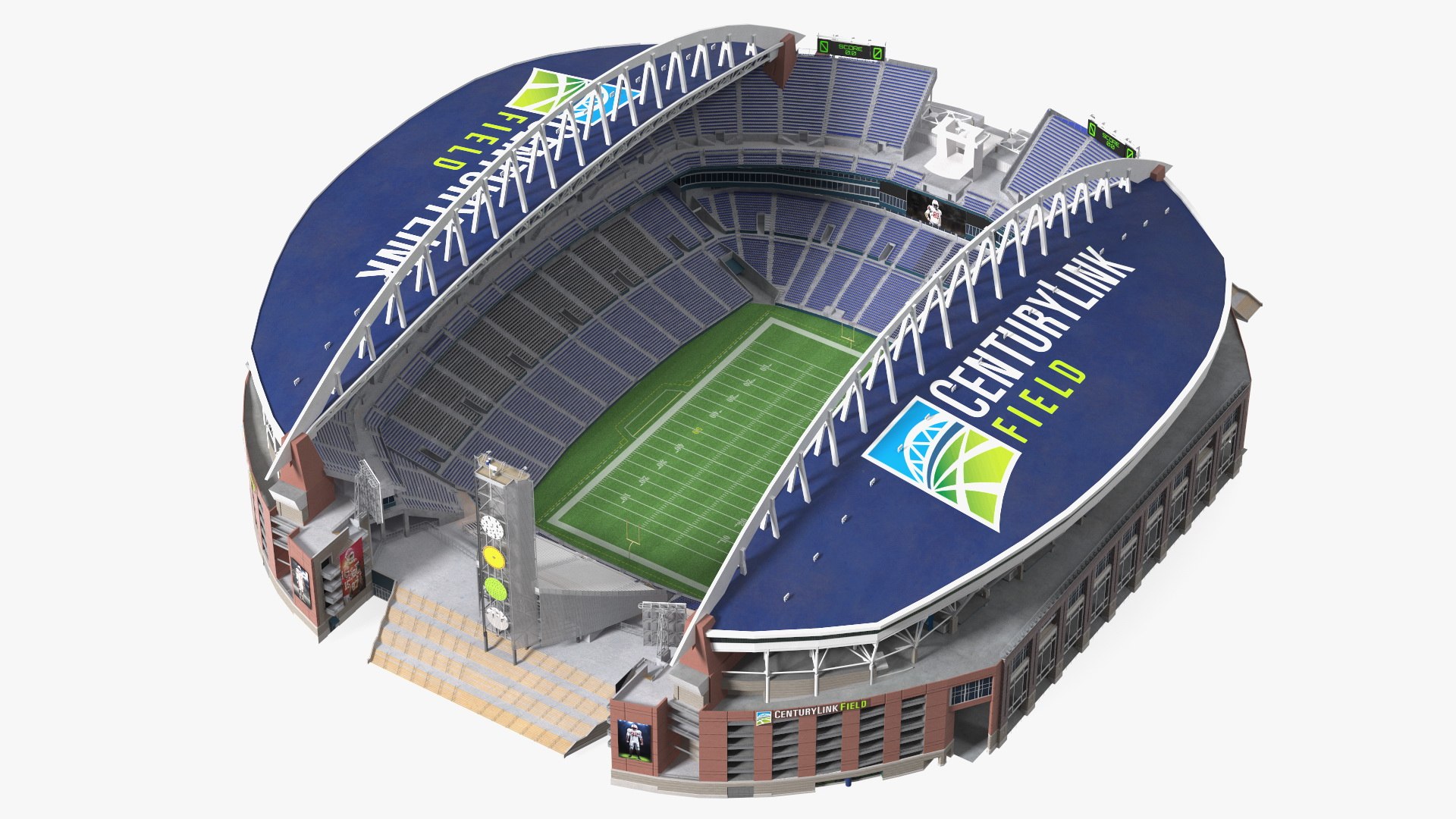
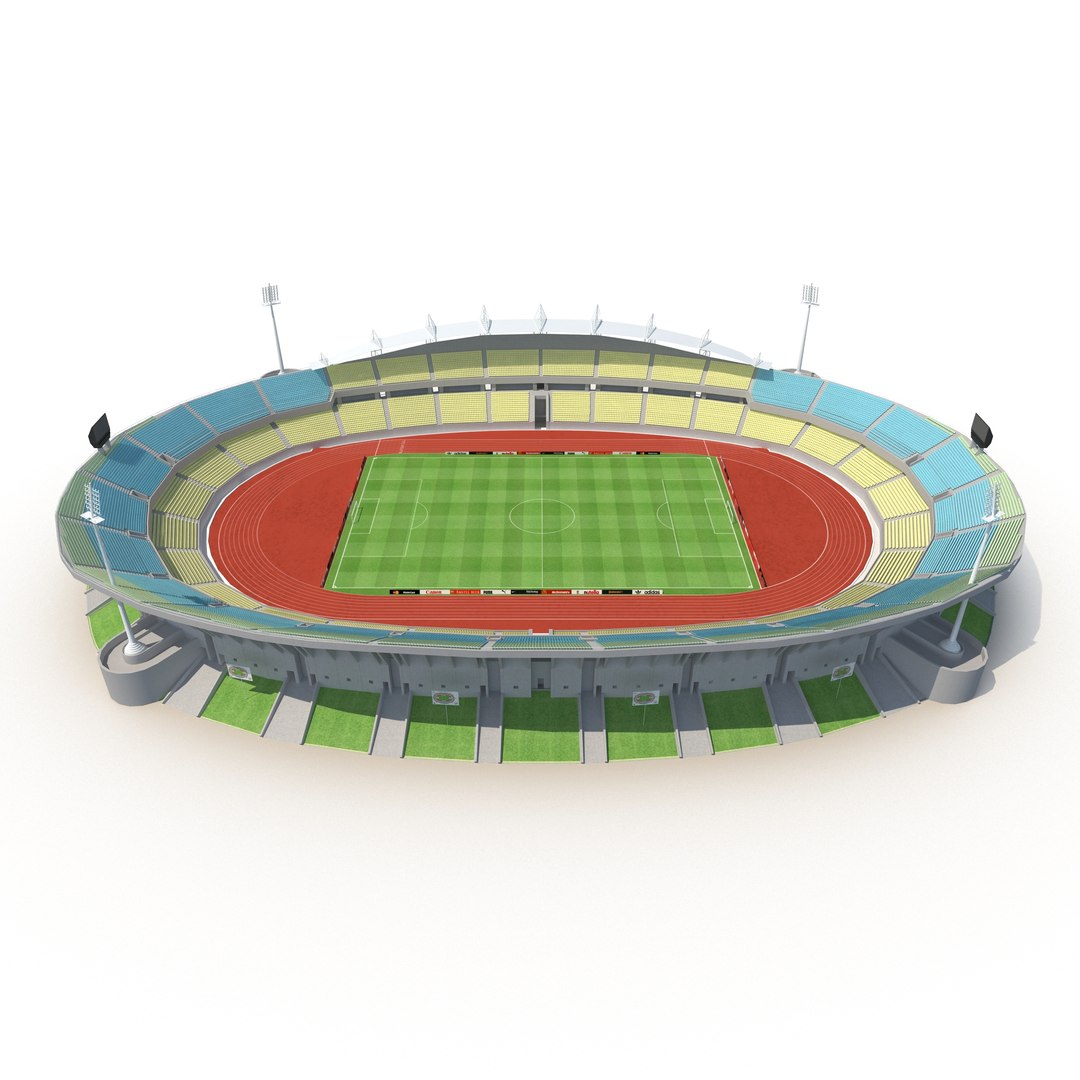
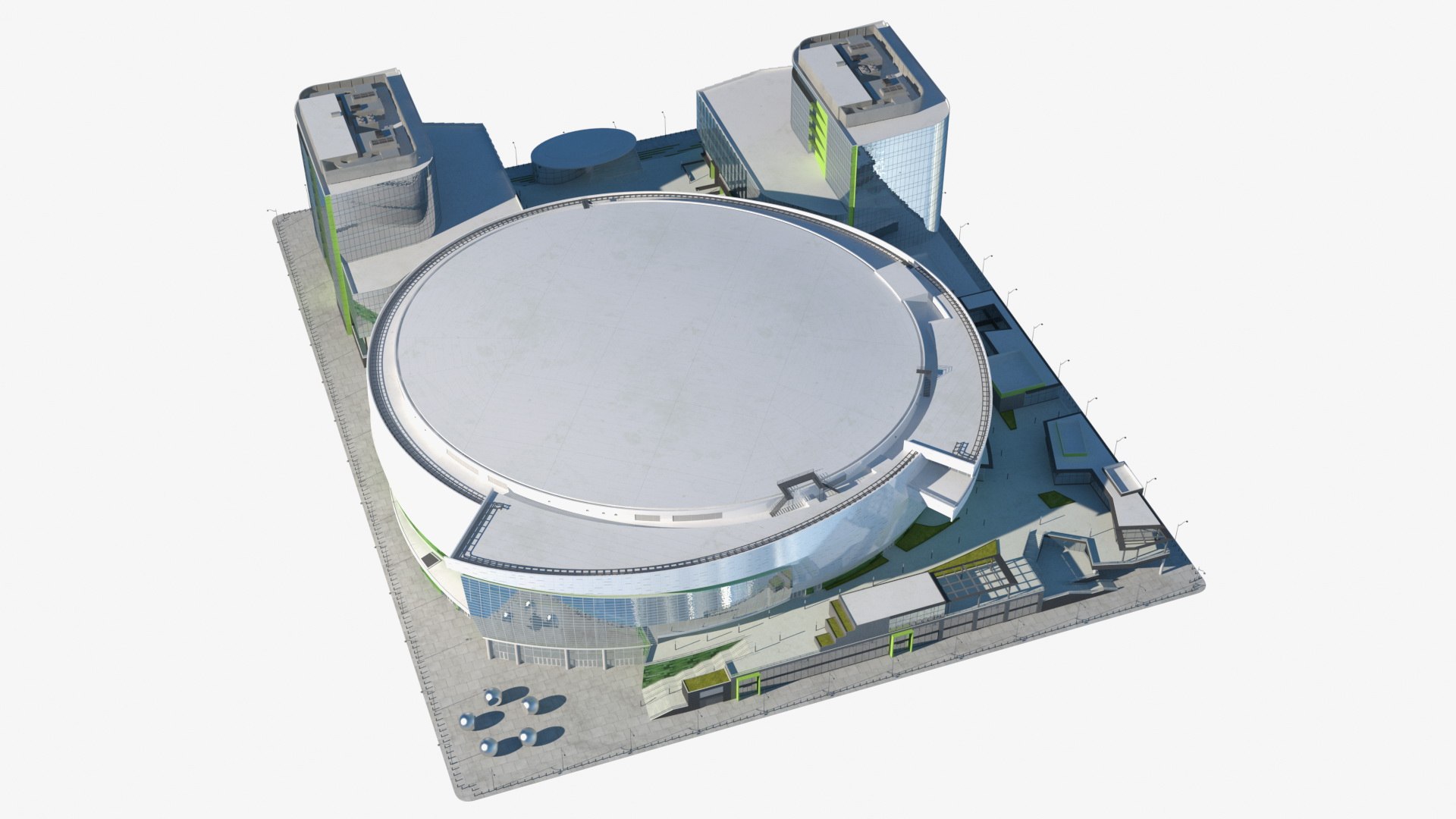
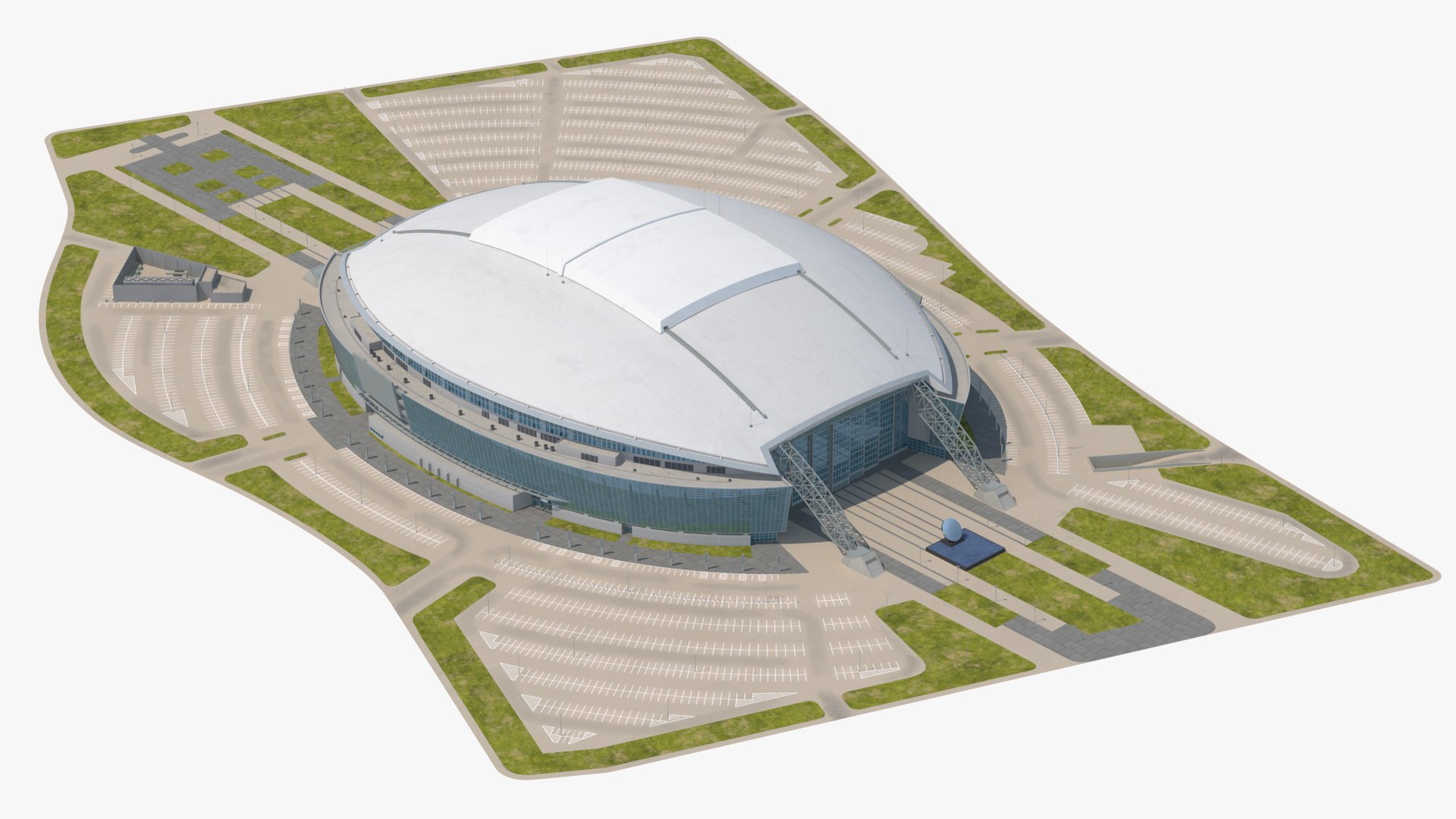
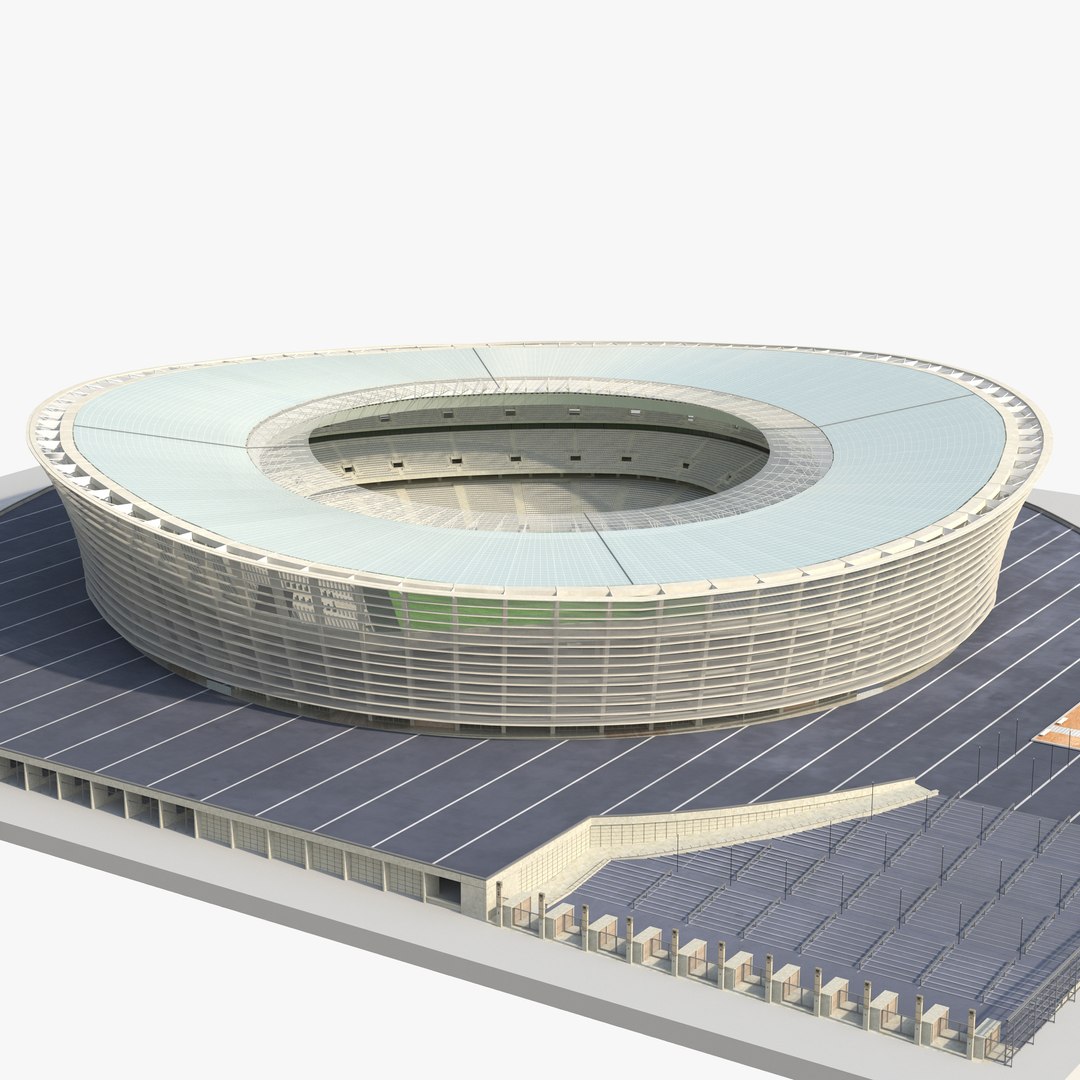
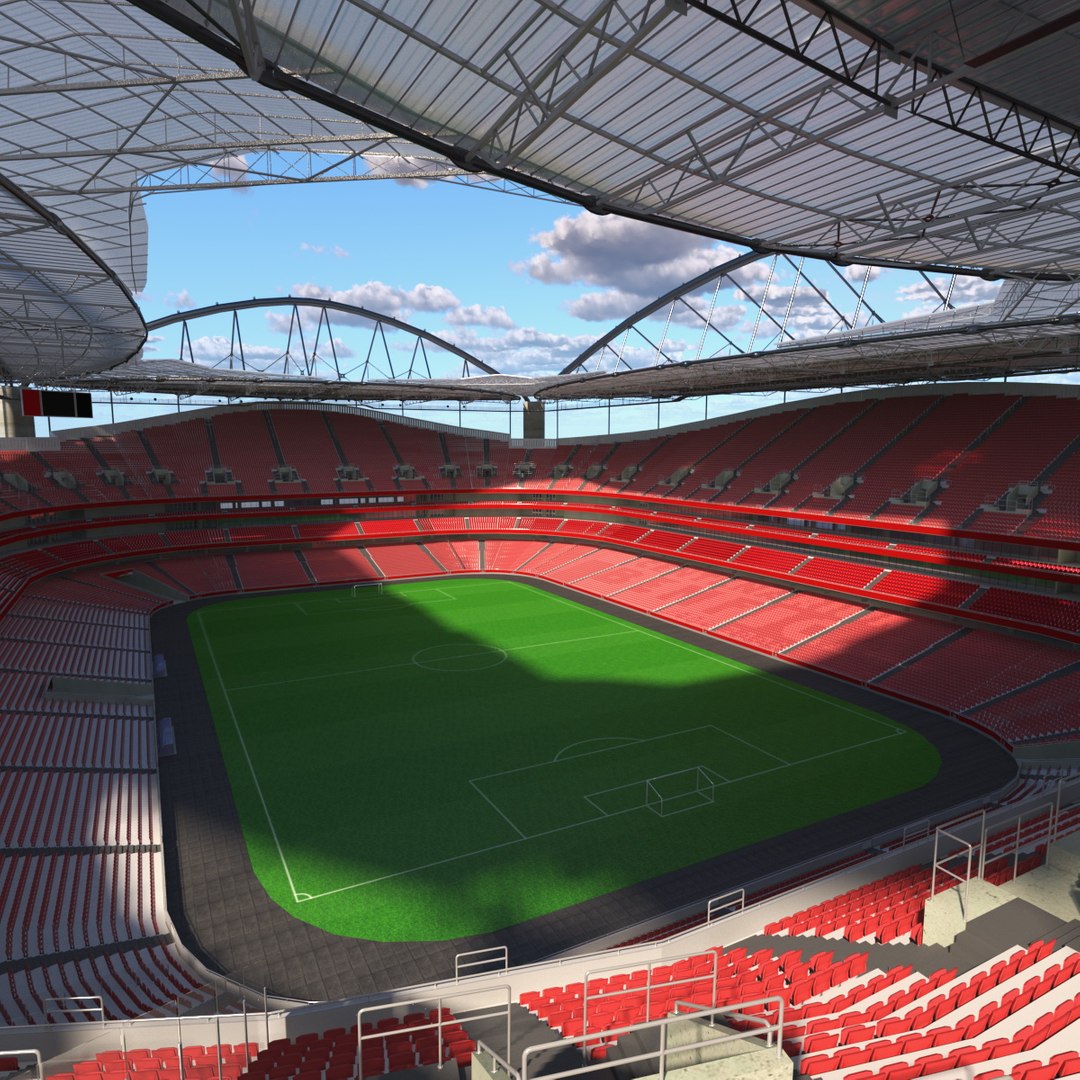
Priced at $99, the University Baseball Stadium is a finished Architecture & Landmarks model rather than a base mesh you have to build on. Budget for 1,048,662 polygons and 1,060,885 vertices when you plan the scene. What matters is not the number itself but how many copies of the object your scene has to carry at once.
The StemCell build means you are not re-authoring shaders after import - the PBR setup is designed to read the same across engines. Objects are grouped and named logically, so isolating a single part for a material change is a two-second job rather than a cleanup task. On this listing the stated applications are architectural visualization, event visualization and product rendering.
It went on sale in 2024 and has been kept in the catalog ever since. It is aimed at architectural visualization, city scenes, advertising renders and VR walkthroughs.
Questions About This Model
Can the University Baseball Stadium model be used in a commercial project?
Commercial use is included. The Royalty Free license allows the model in paid client work, broadcast, published games and print; only redistributing the model file itself is excluded.
What is the University Baseball Stadium model typically used for?
Stated applications are architectural visualization, event visualization and product rendering. Because the asset is finished rather than a base mesh, it also holds up as set dressing in scenes it was not specifically built for.
How heavy is the University Baseball Stadium mesh?
1,048,662 polygons and 1,060,885 vertices, built as polygonal quads/tris. What matters is not the number itself but how many copies of the object your scene has to carry at once.
What does StemCell mean for the University Baseball Stadium model?
StemCell is TurboSquid's multi-format standard. The model was authored once and delivered in several formats with matching PBR materials, so shading survives the move between a game engine and an offline renderer.