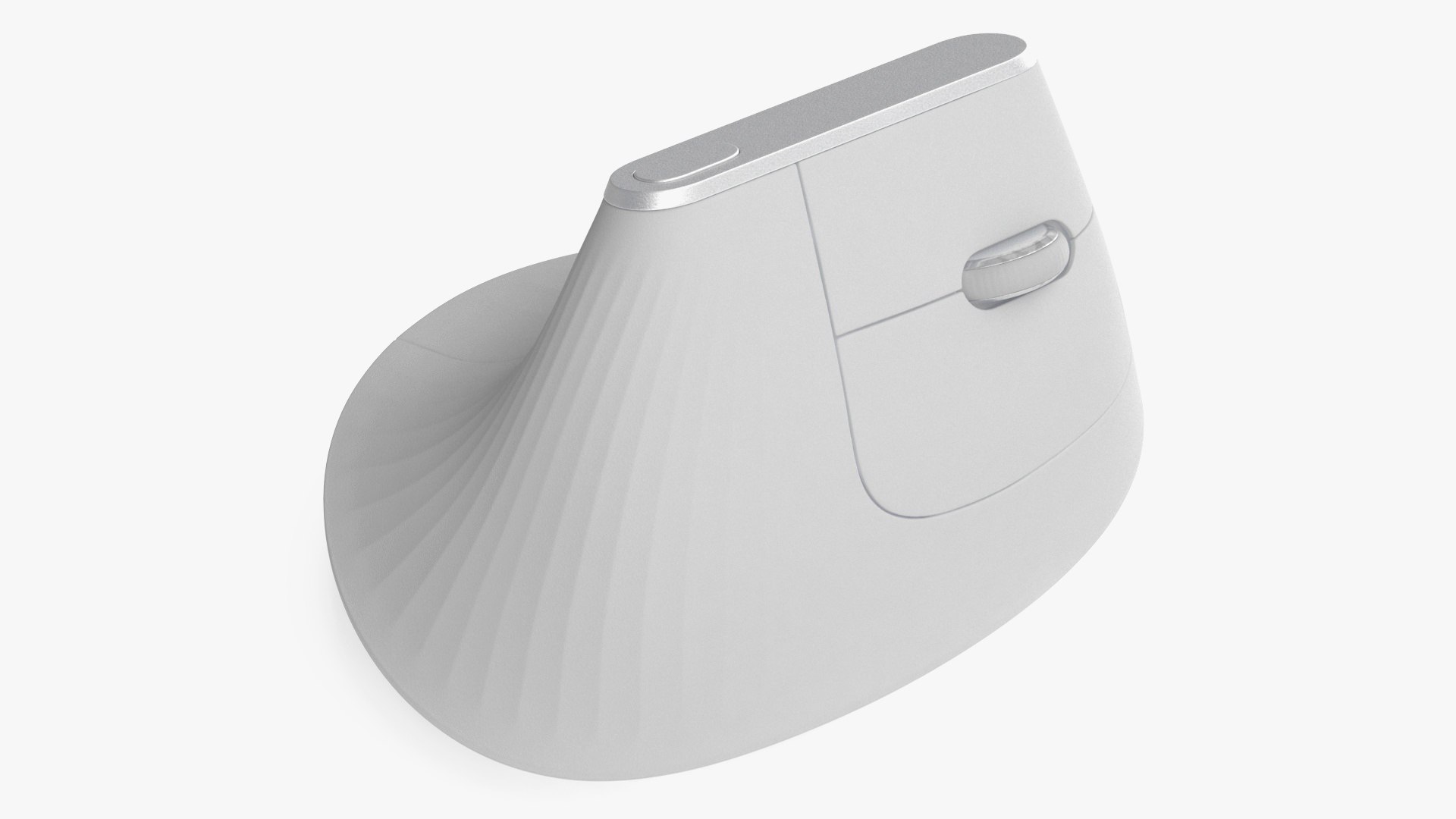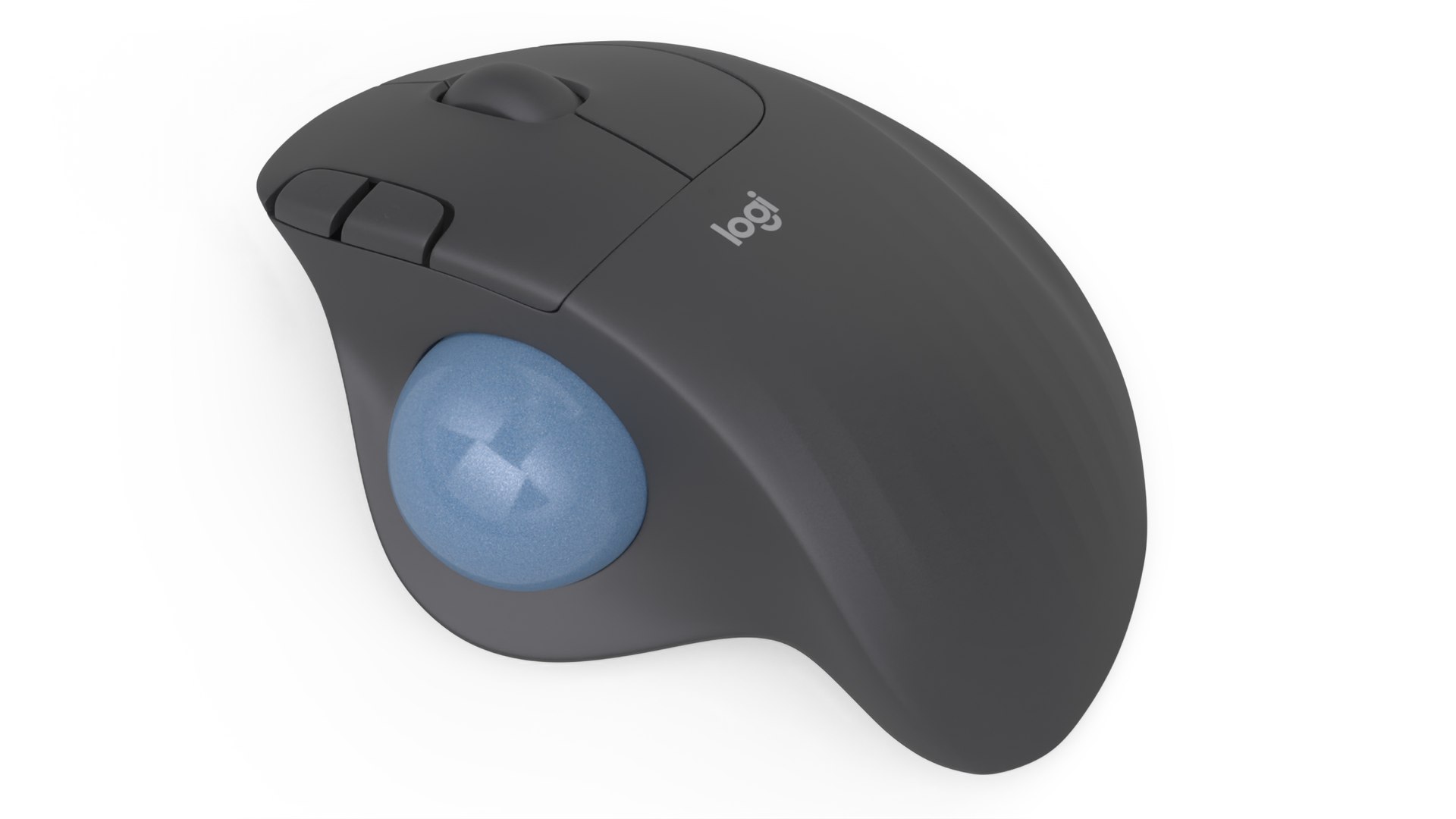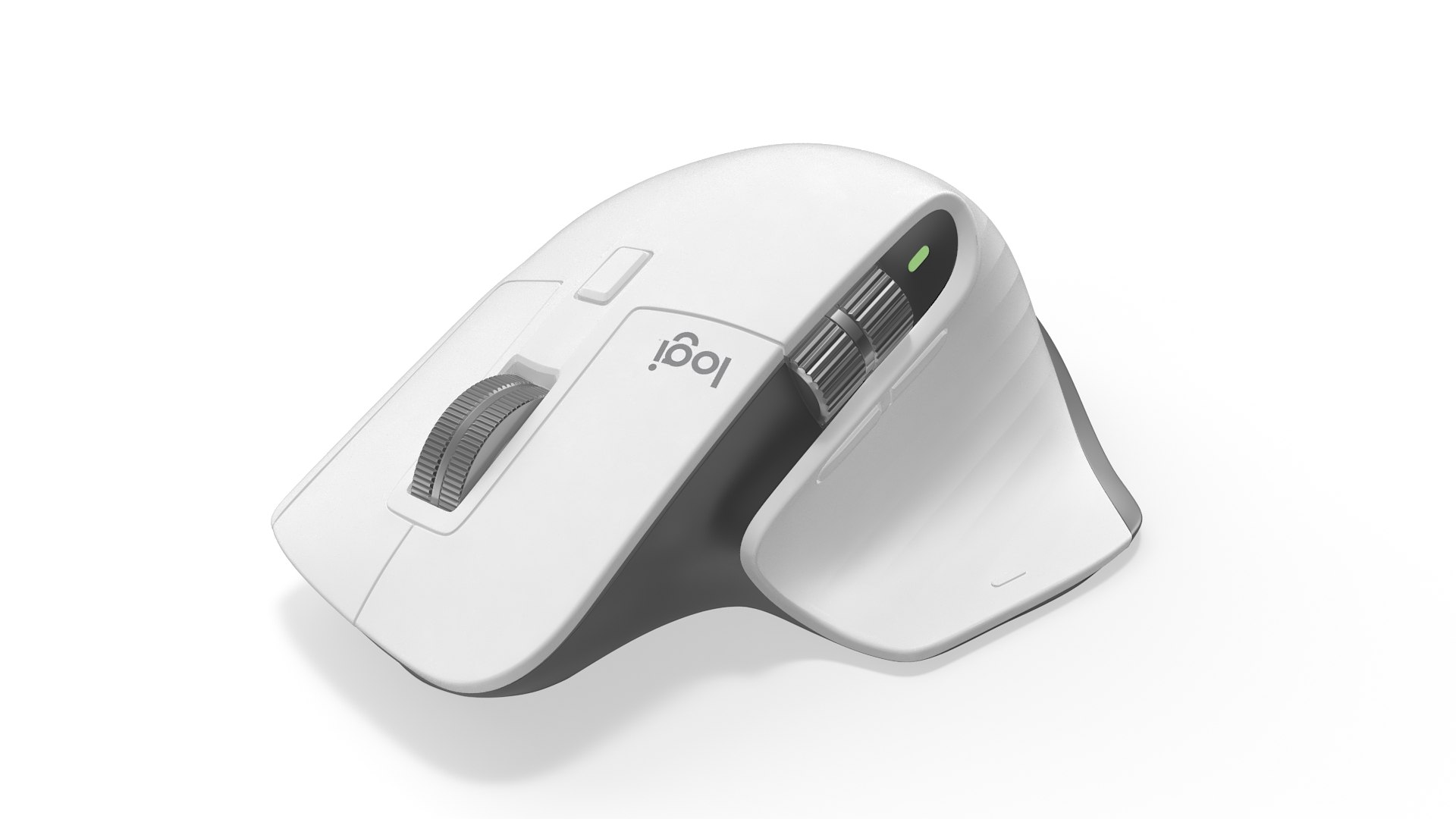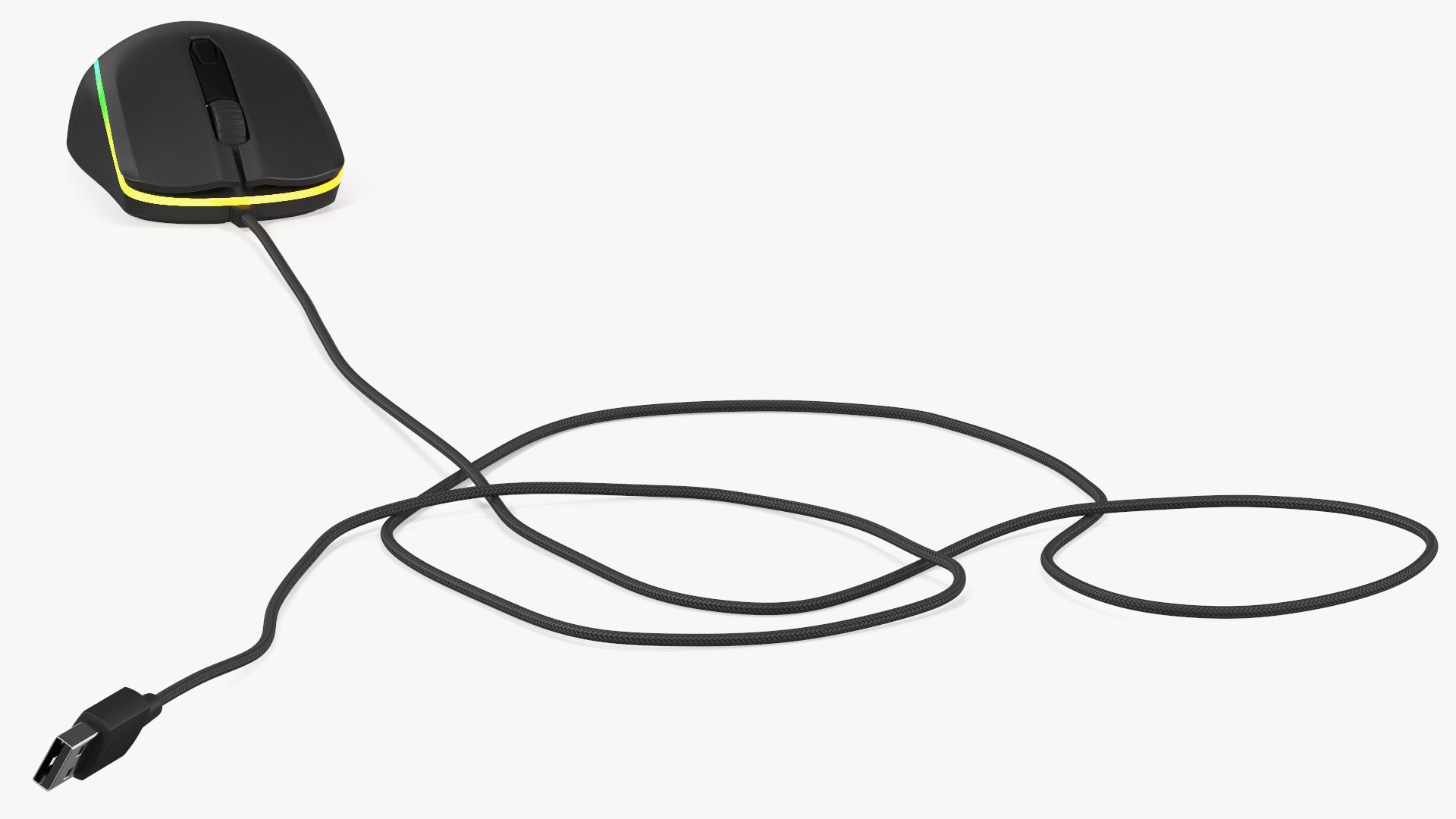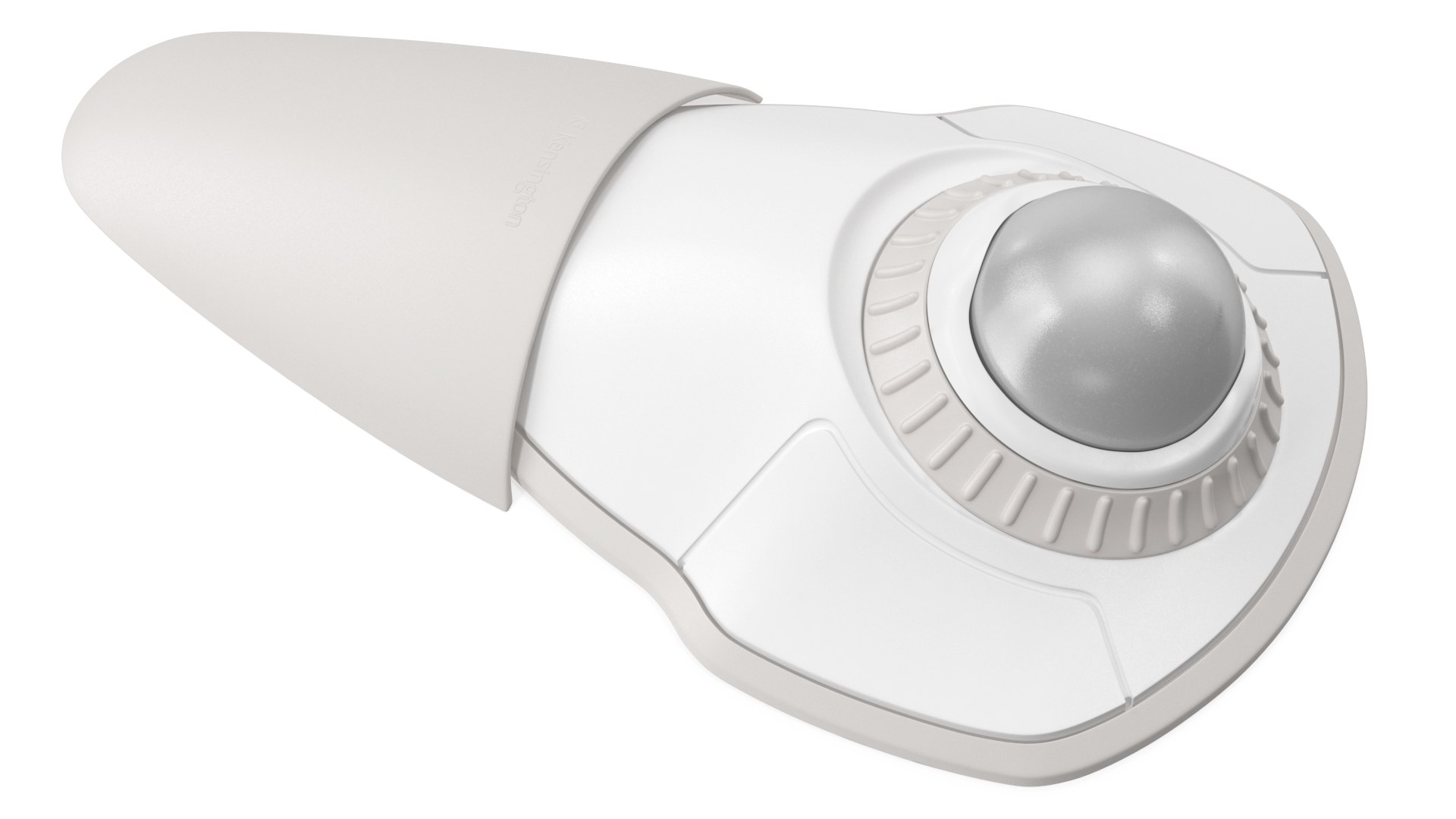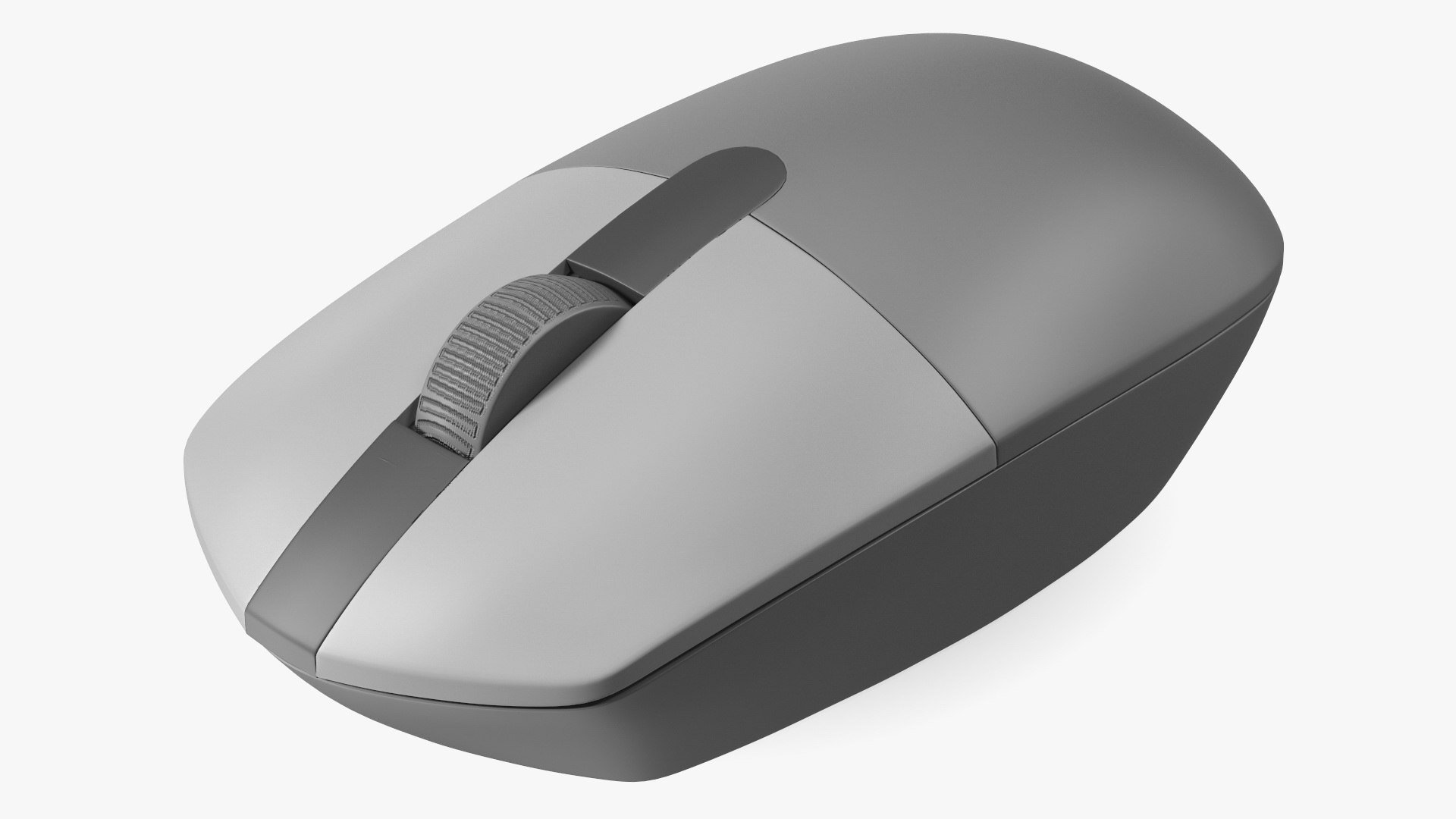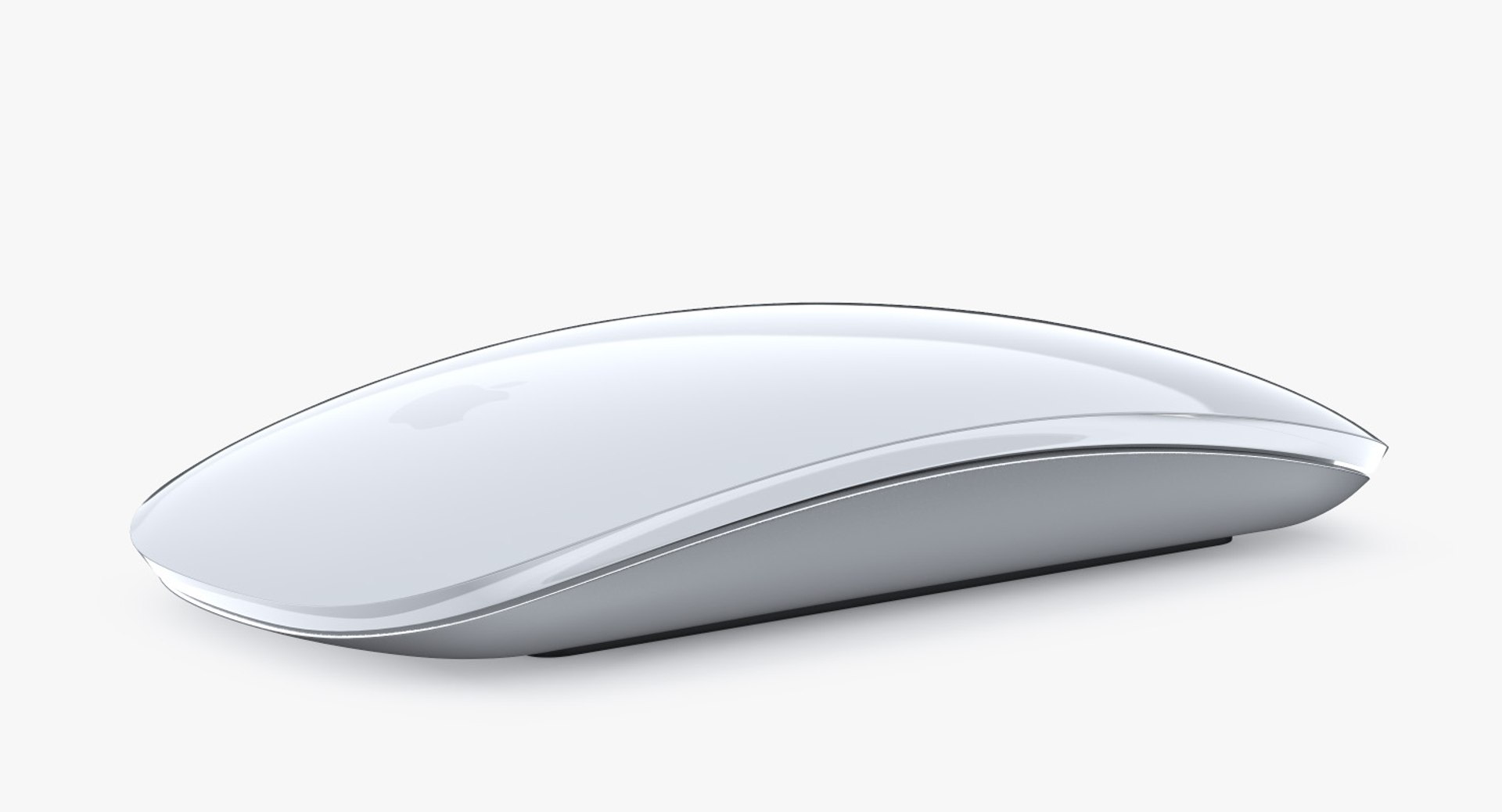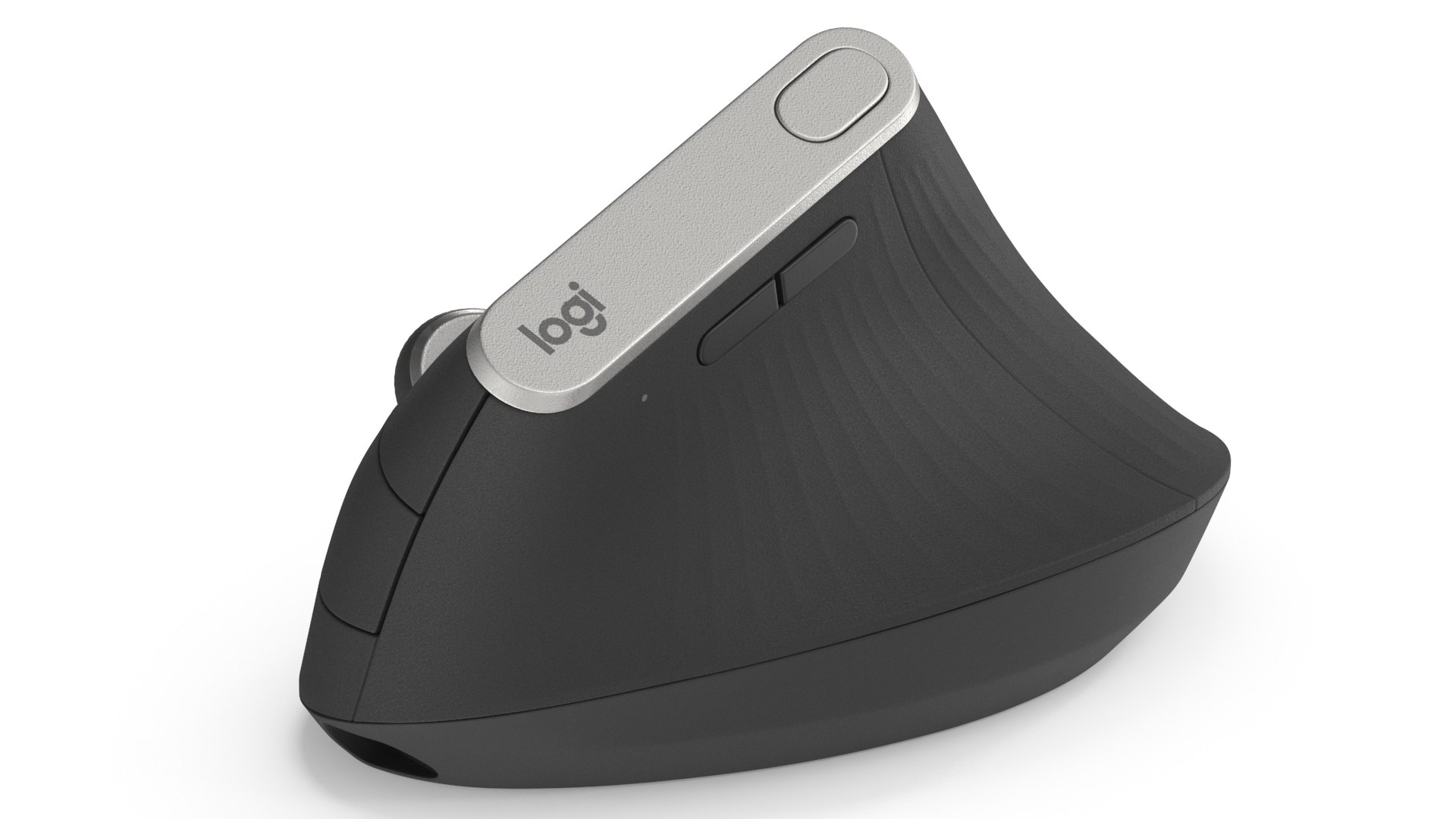
A vertical mouse turns the hand onto its edge so the forearm does not have to twist, which is the whole ergonomic argument. That single rotation changes every surface: the buttons face sideways, the thumb rest becomes a shelf, and the base is narrow because the hand no longer lies flat.
The mesh is efficient at 20,550 polygons and 10,695 vertices in quads and tris with non-overlapping UVs, with the geometry in the sculpted shell and the button divisions.
At $29 and built to StemCell specification, it suits consumer electronics and peripheral advertising, desk and office interior visualization, ergonomics and workplace health material, e-commerce renders and games. On sale since 2024.
Questions About This Model
Does the Wireless Mouse Vertical model include materials and textures?
Material and texture contents are listed per file on the TurboSquid product page. As a StemCell asset it ships with PBR materials that stay consistent across the delivered formats.
What does StemCell mean for the Wireless Mouse Vertical model?
It means one source asset, several delivered formats, and a PBR material setup designed to read consistently across them - no rebuilding shaders after import.
How heavy is the Wireless Mouse Vertical mesh?
20,550 polygons and 10,695 vertices, built as polygonal quads/tris. The same count is comfortable in an offline render and demanding in a mobile game, so judge it against your own budget.
What is the Wireless Mouse Vertical model typically used for?
It is cataloged for technical visualization, software demos and product rendering - the sort of work where the object needs to look right on camera but is not the subject of the shot.