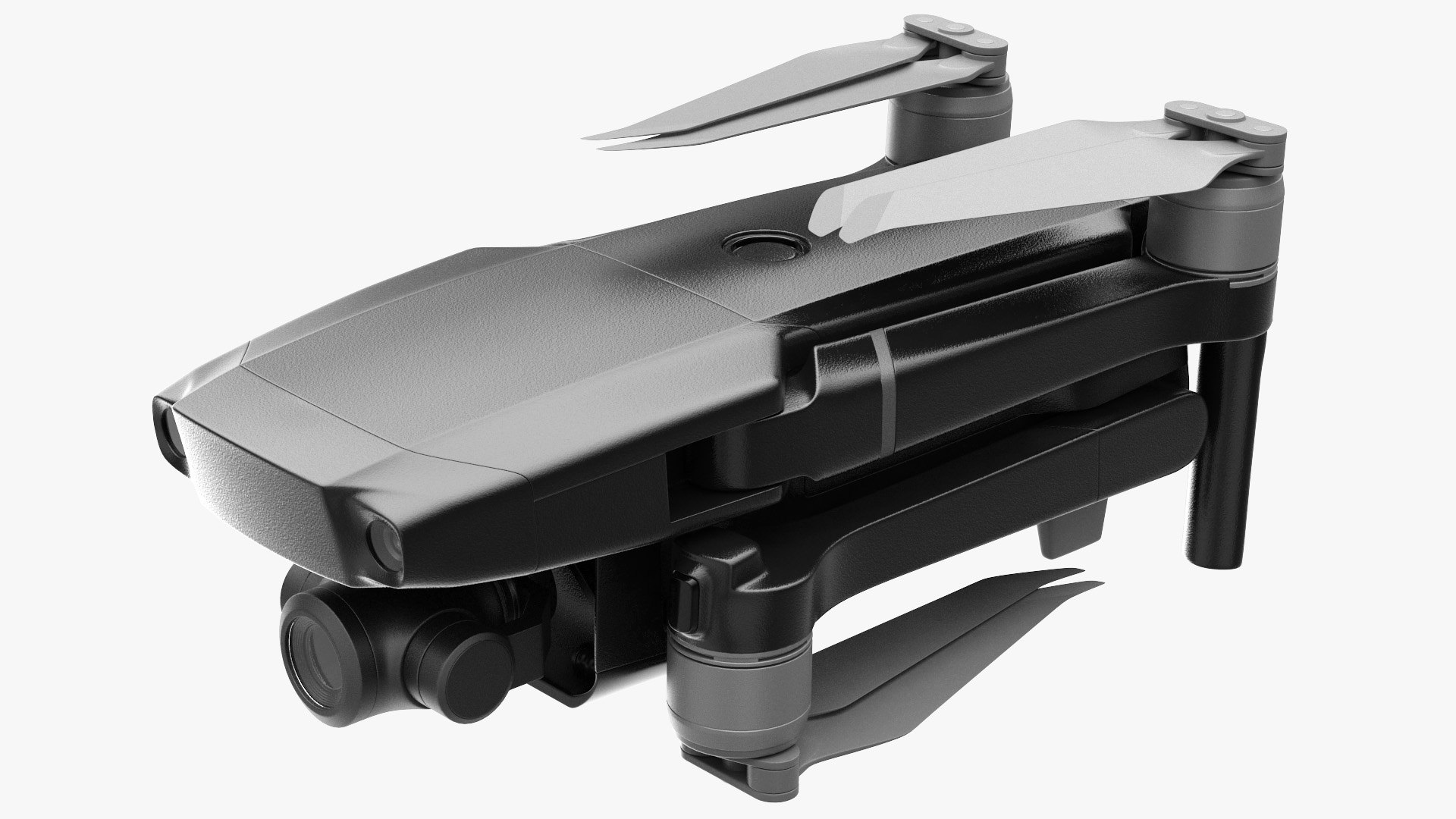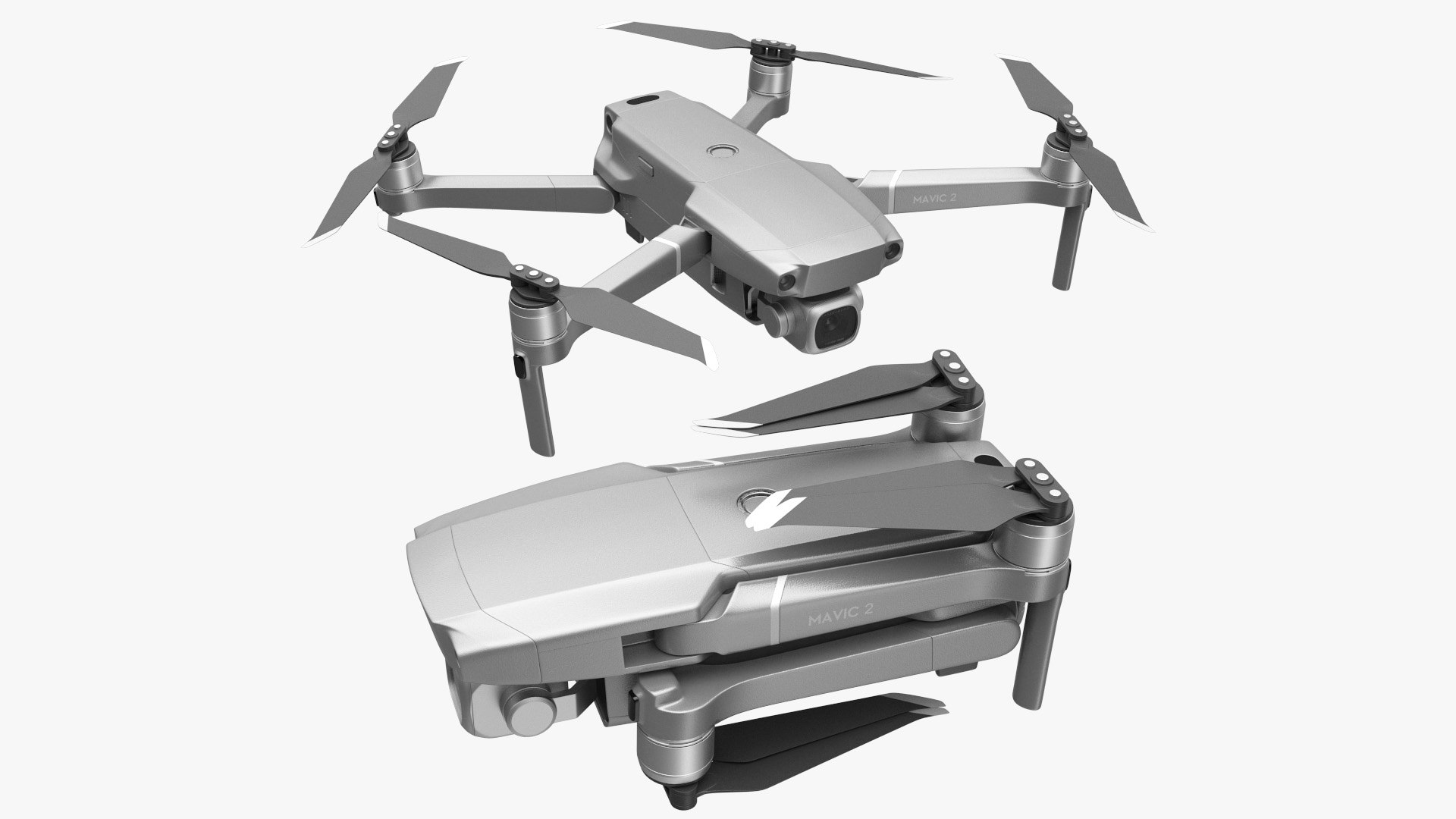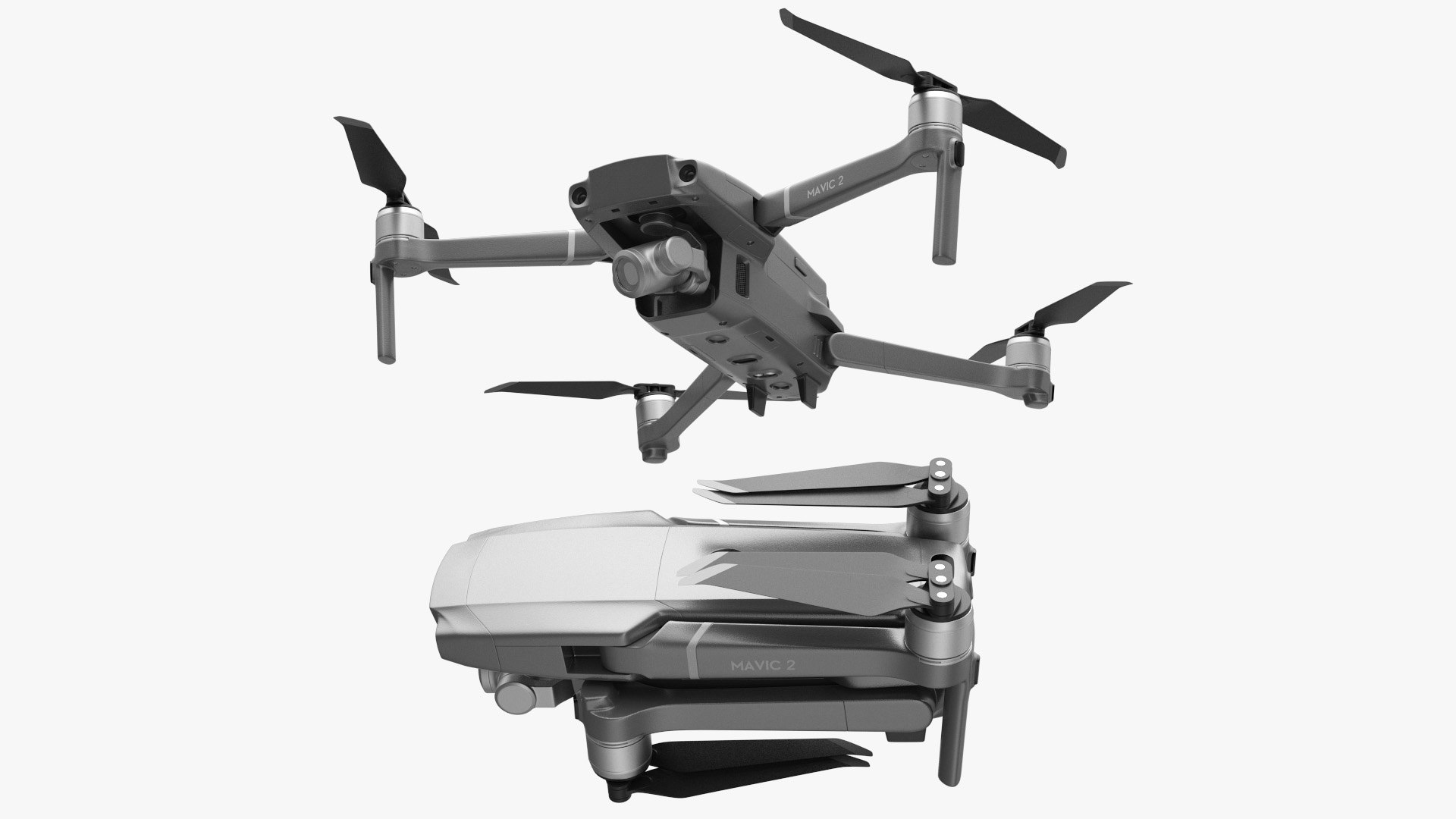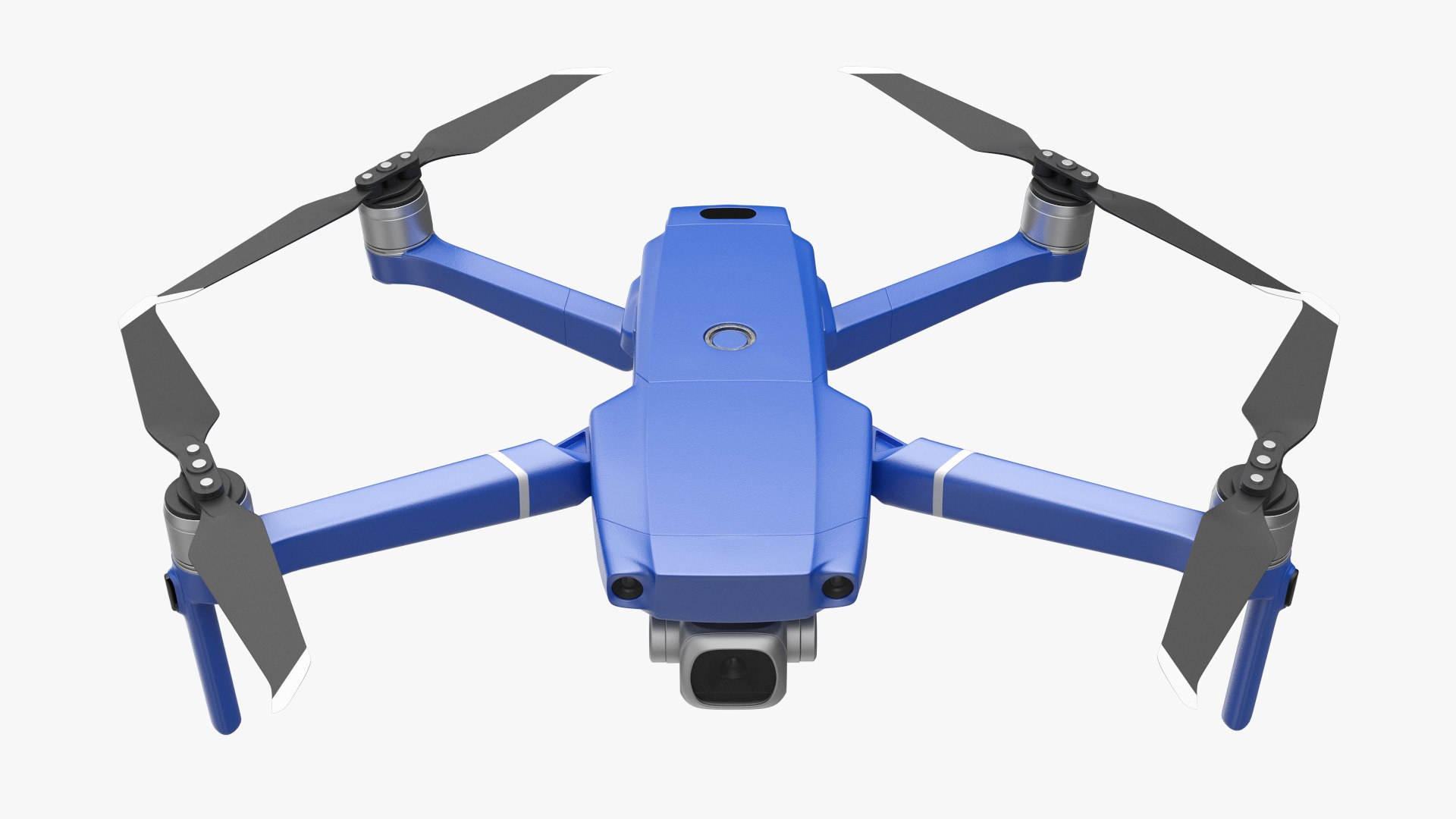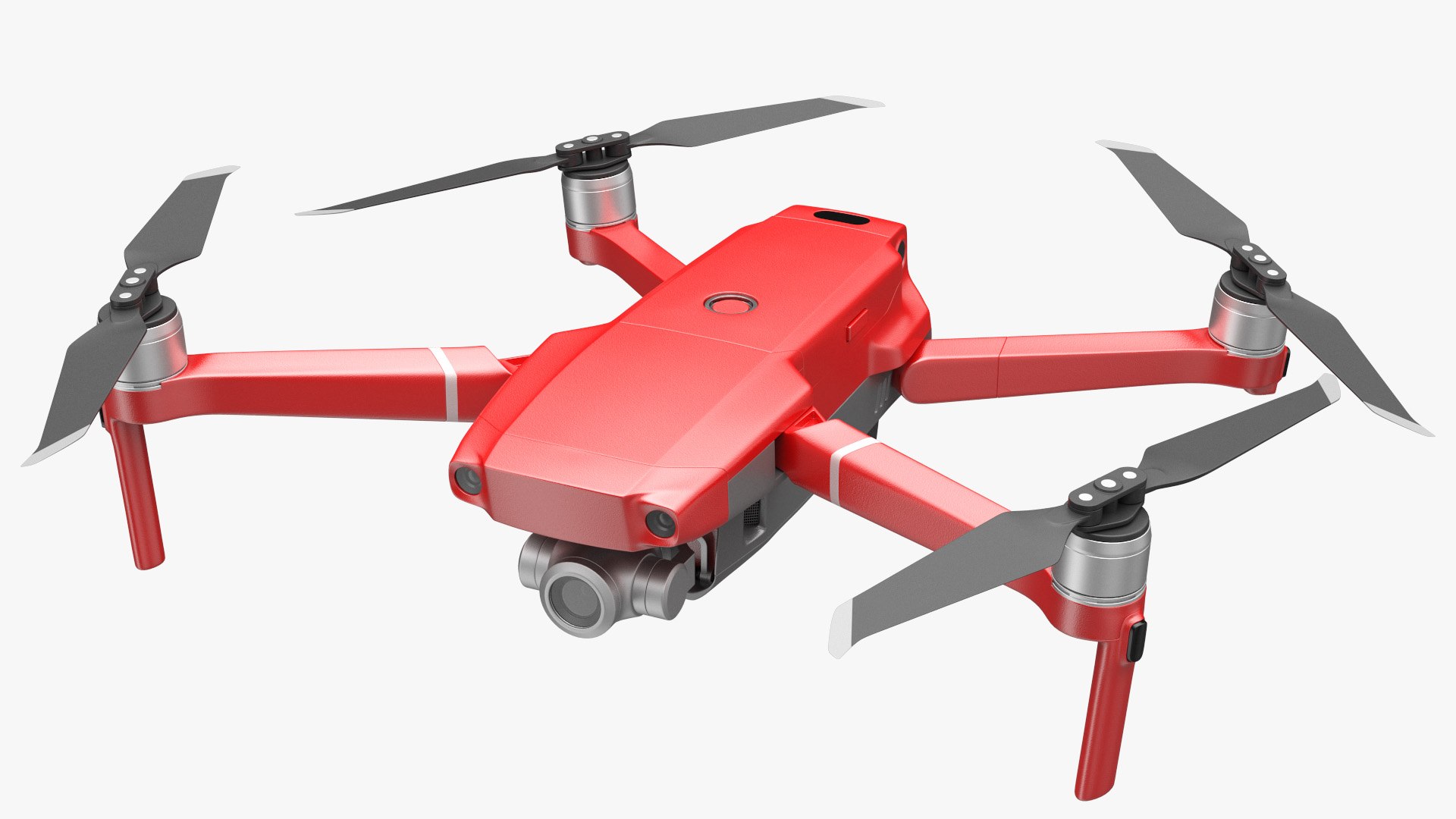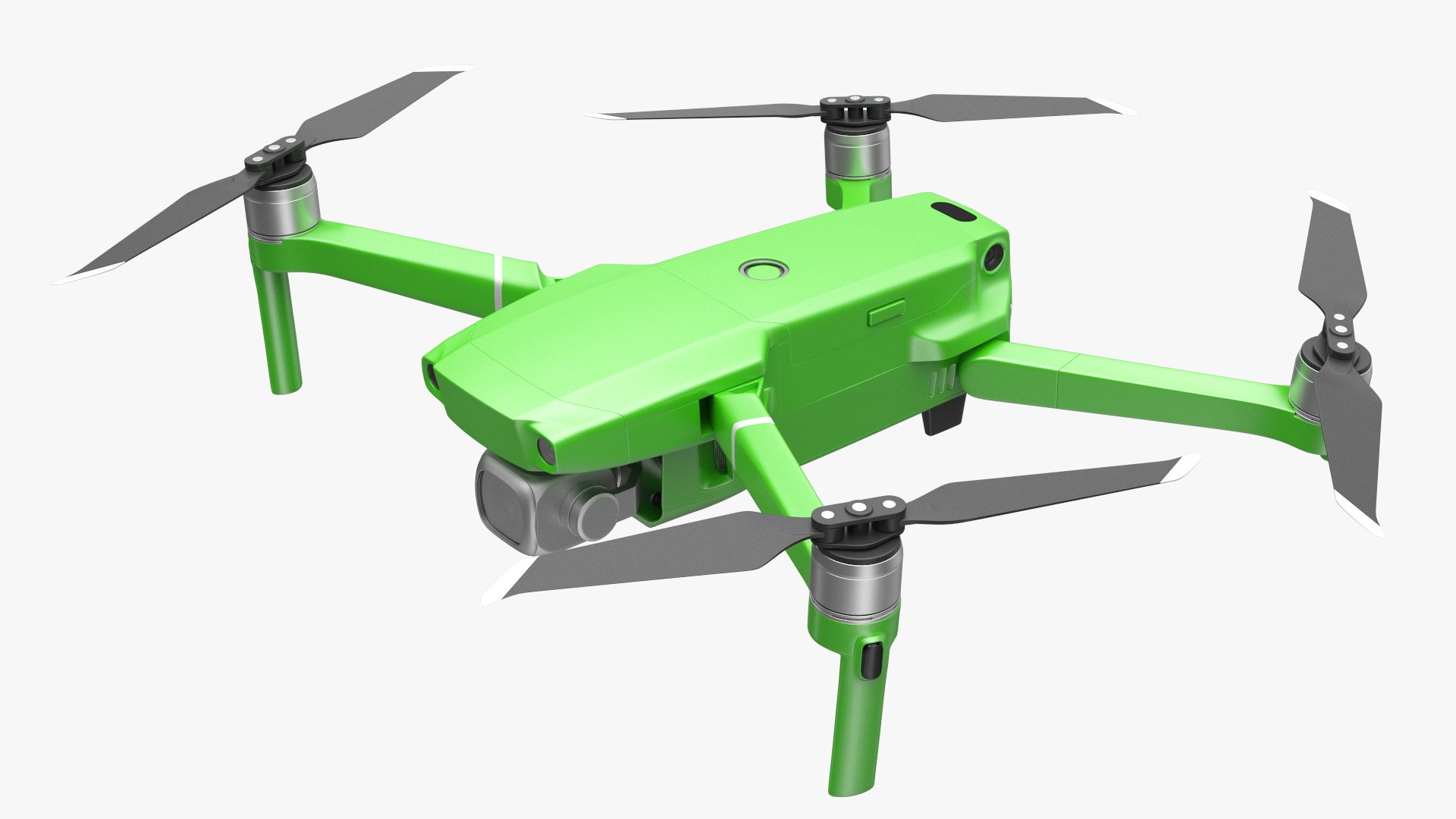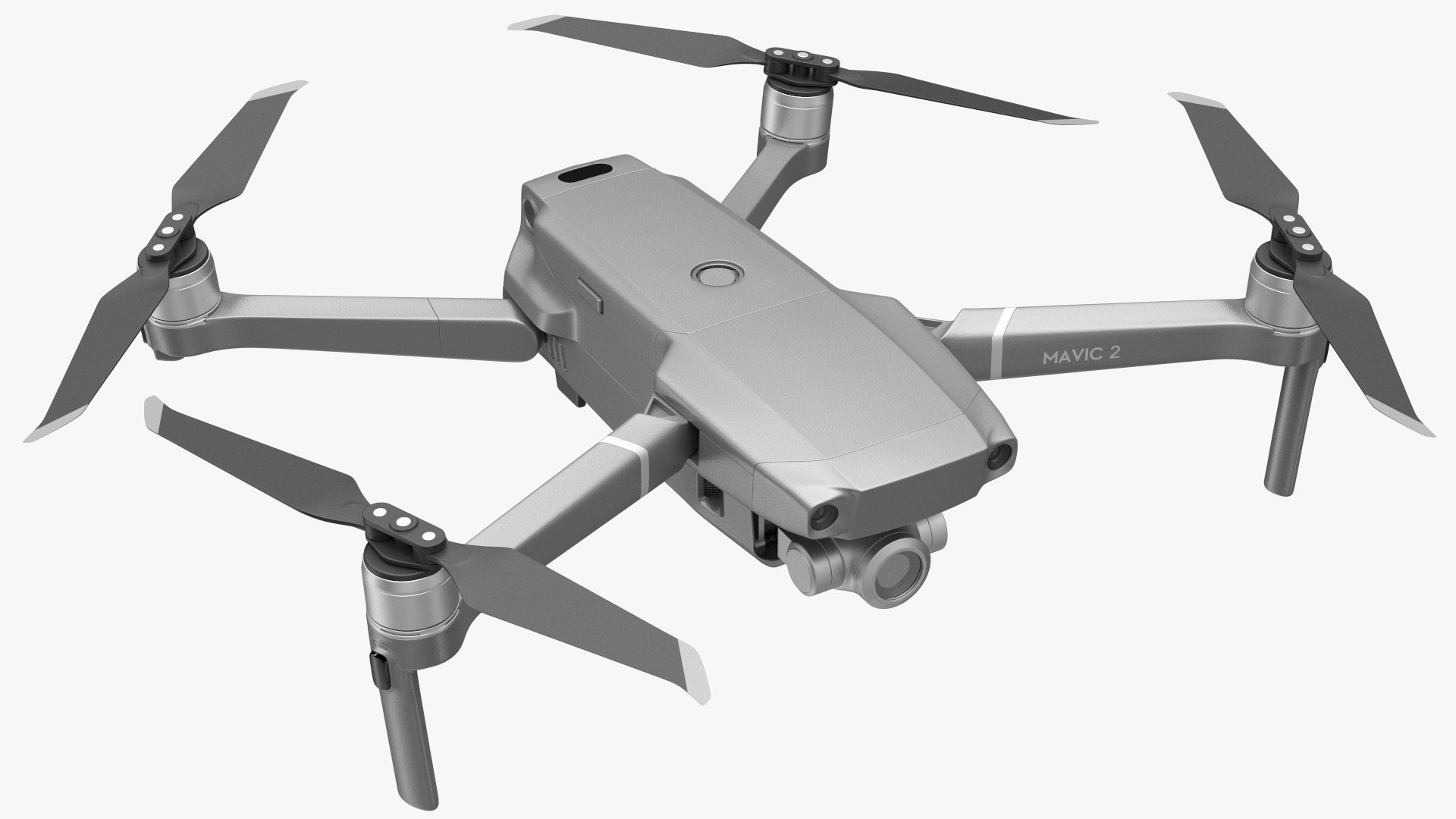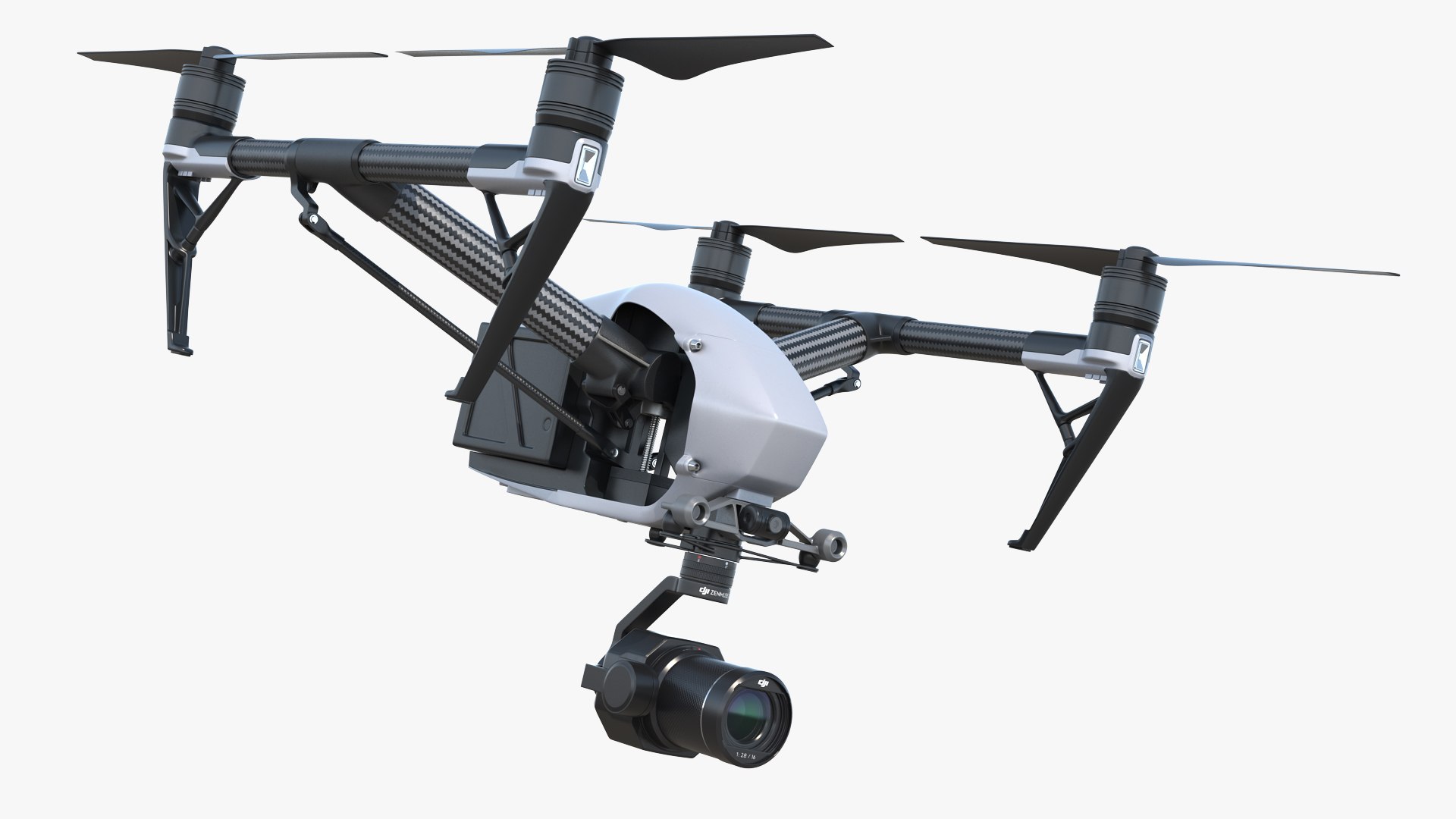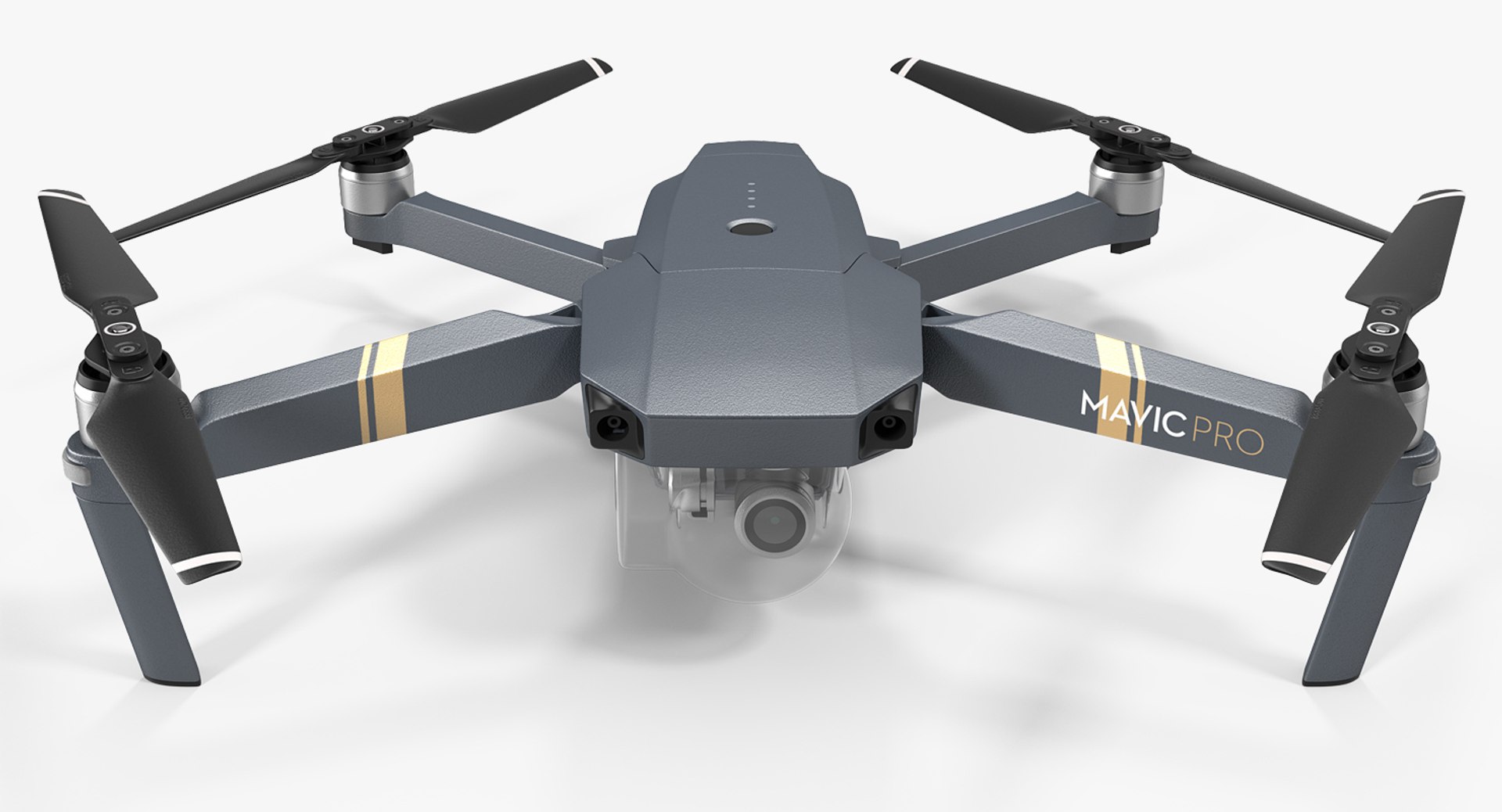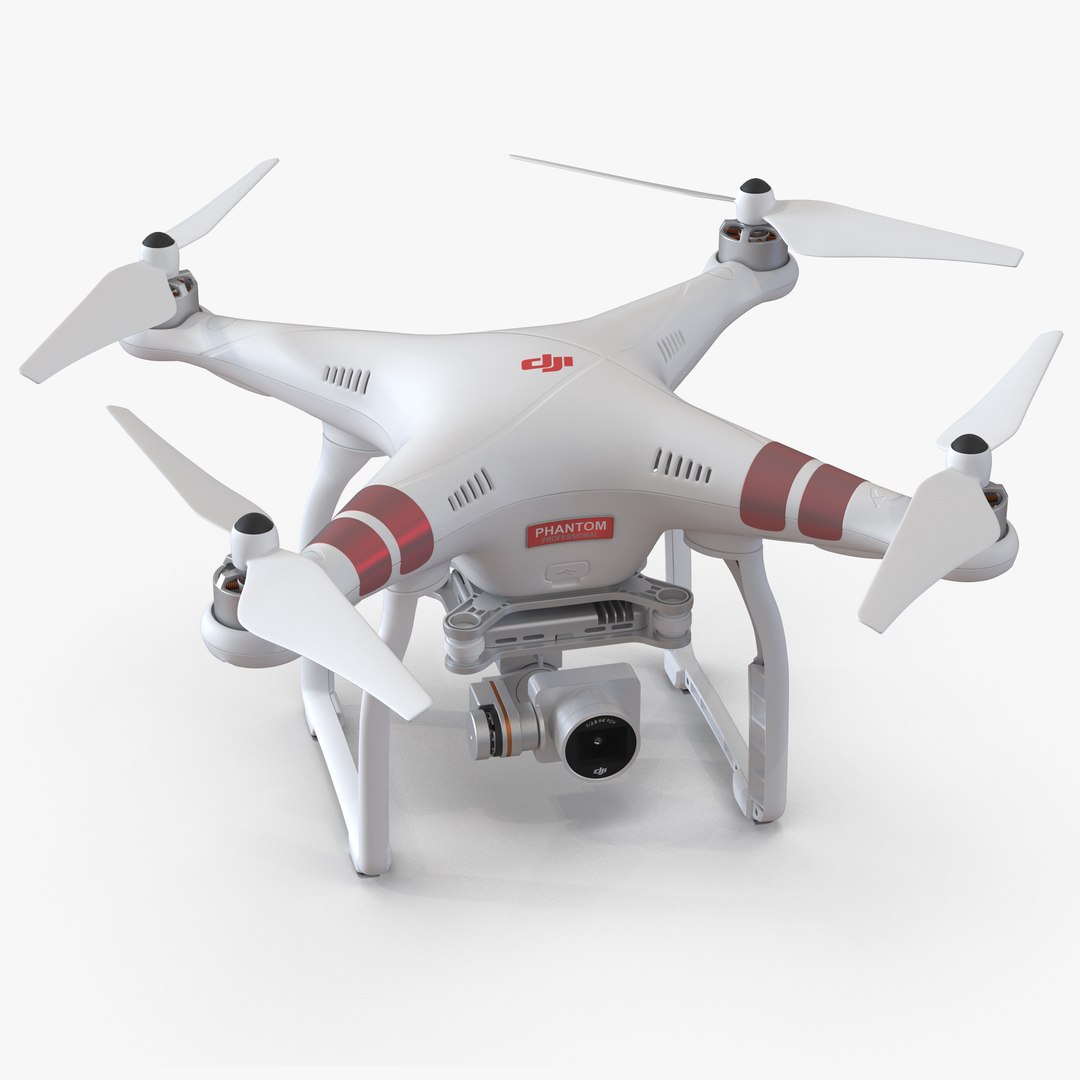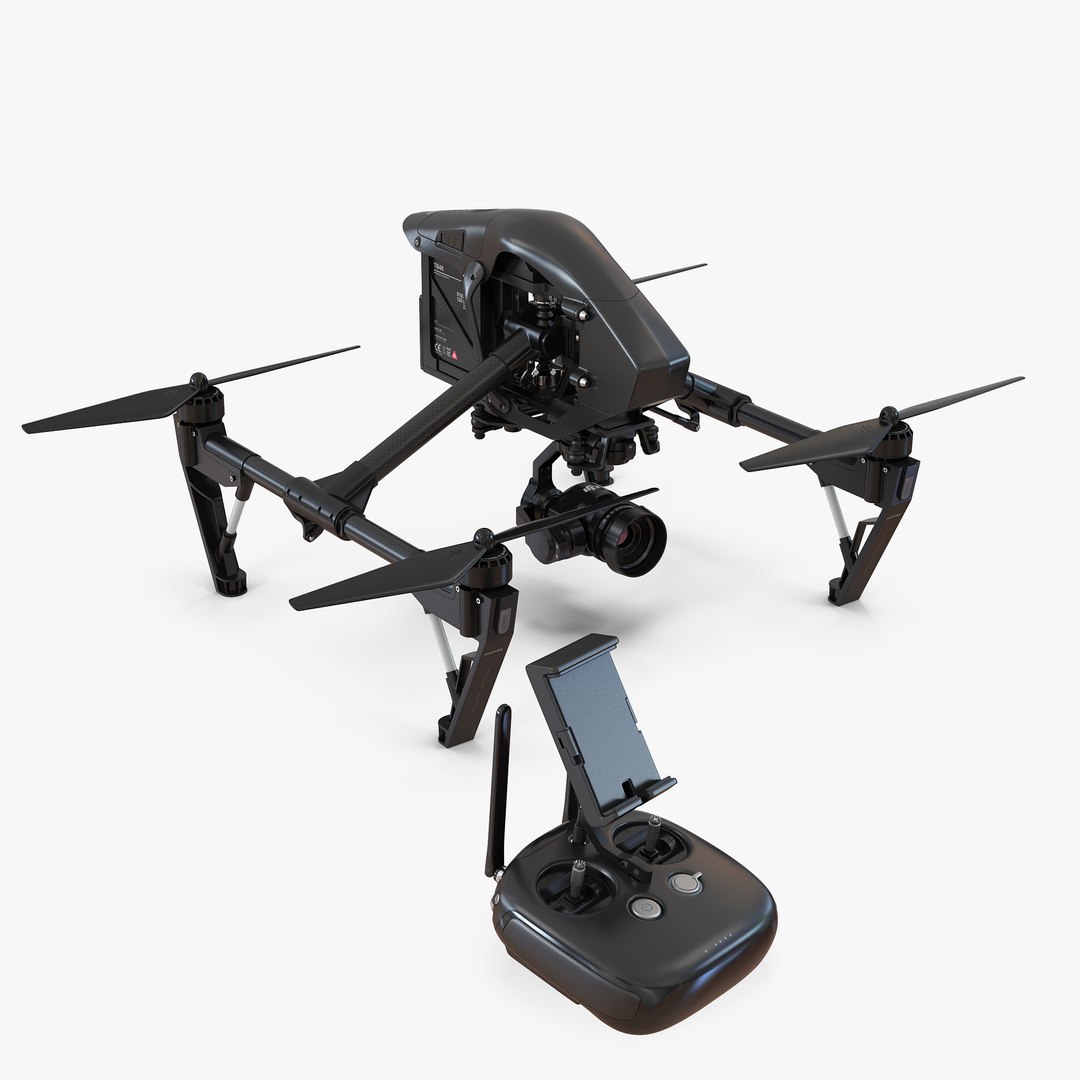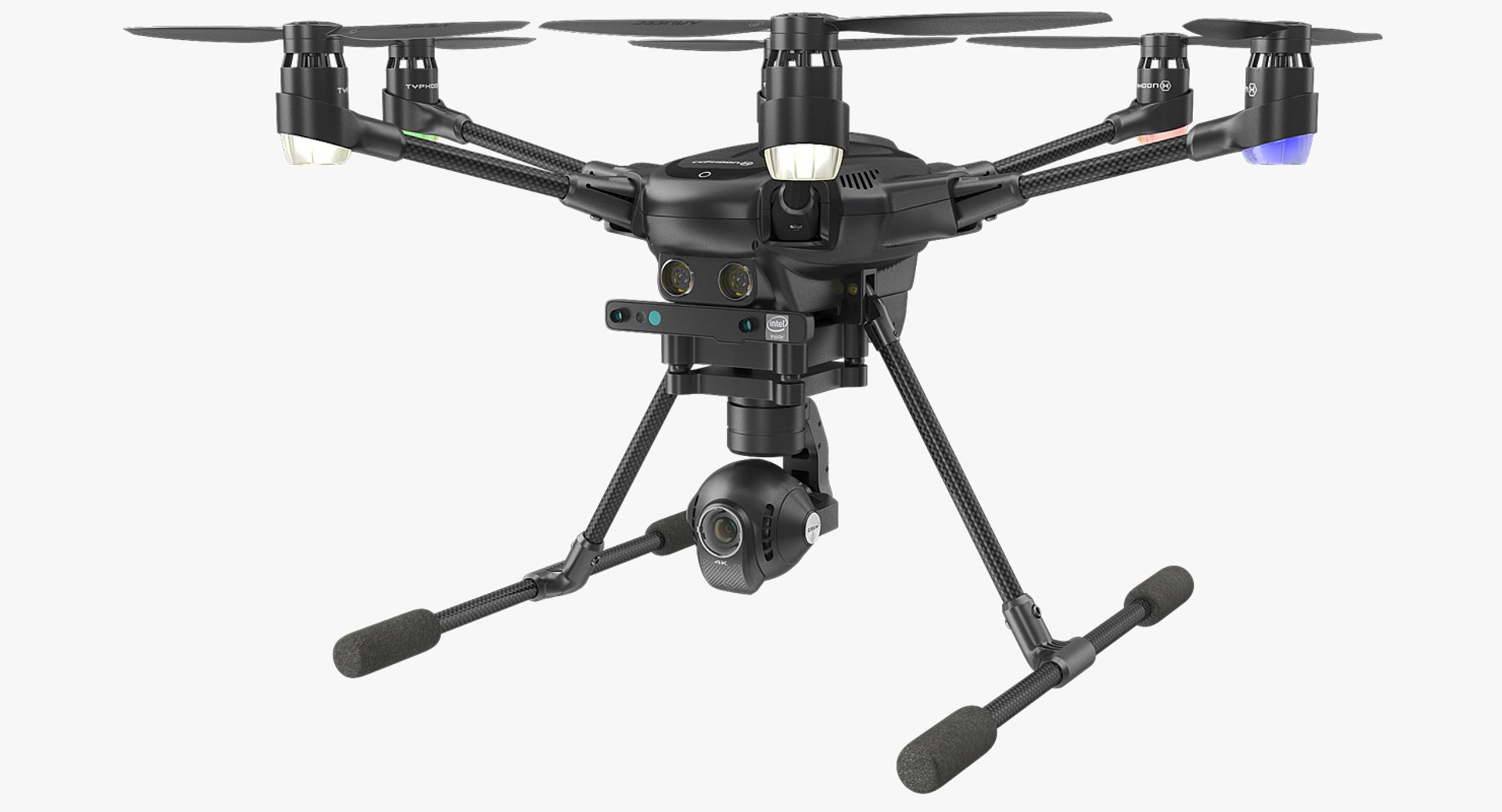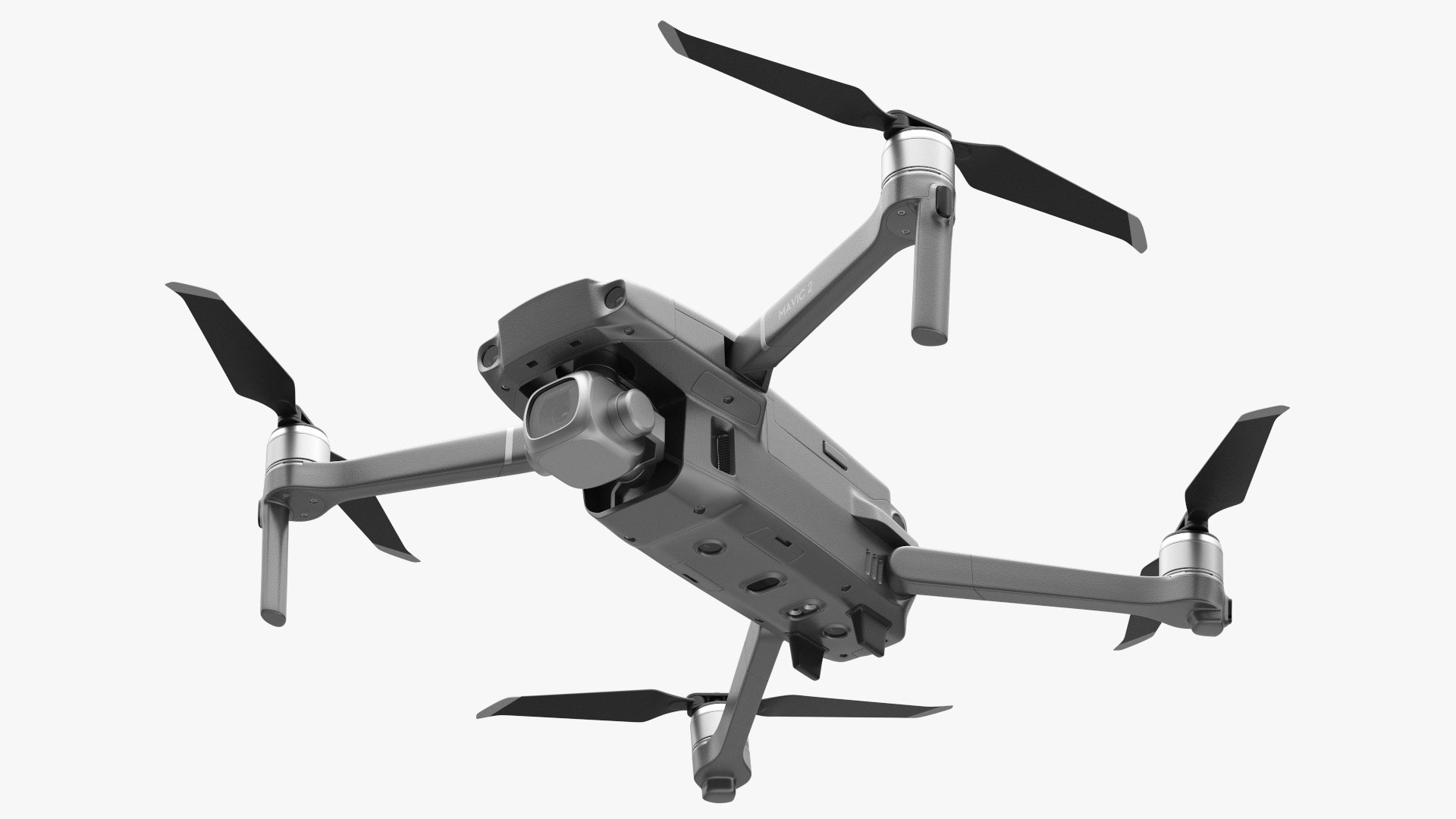
Priced at $79, the DJI Mavic 2 Pro Quadcopter with 4K Hasselblad Camera is a finished Aircraft model rather than a base mesh you have to build on. The polygon count is 71,651, spread over 75,204 vertices. Whether that fits depends on where it lands - an architectural still and a real-time walkthrough tolerate very different counts.
Topology is kept deliberately simple where detail would not read on camera, which keeps the scene light without visibly cheapening the silhouette. Transforms are frozen and the hierarchy is shallow, which keeps the asset easy to instance across a large environment. Buyers most often take it for aerospace visualization, flight simulation and film & TV VFX.
Available since 2020, the model has been through several rounds of studio use. It works for airline and airport visualization, flight simulation, aviation sequences in film and TV and VR training.
Questions About This Model
Which industries use the DJI Mavic 2 Pro Quadcopter with 4K Hasselblad Camera model?
Aerospace, Simulation, Film & Video Production and Hardware are the primary industries on this listing. The license, however, is Editorial Uses Only: the model depicts a real branded product, so it may appear in editorial work in those fields, but not in advertising or in products for sale.
What is the DJI Mavic 2 Pro Quadcopter with 4K Hasselblad Camera model typically used for?
Stated applications are aerospace visualization, flight simulation and film & TV VFX. Because the asset is finished rather than a base mesh, it also holds up as set dressing in scenes it was not specifically built for.
Does the DJI Mavic 2 Pro Quadcopter with 4K Hasselblad Camera model include materials and textures?
Material and texture contents are listed per file on the TurboSquid product page. Where textures are included they are packaged with the download rather than linked externally.
How much does the DJI Mavic 2 Pro Quadcopter with 4K Hasselblad Camera 3D model cost?
$79 USD, paid once. TurboSquid handles payment and delivery. The license is Editorial Uses Only, because the model depicts a real branded product: it covers editorial contexts such as news, commentary and education, but not advertising or products for sale.