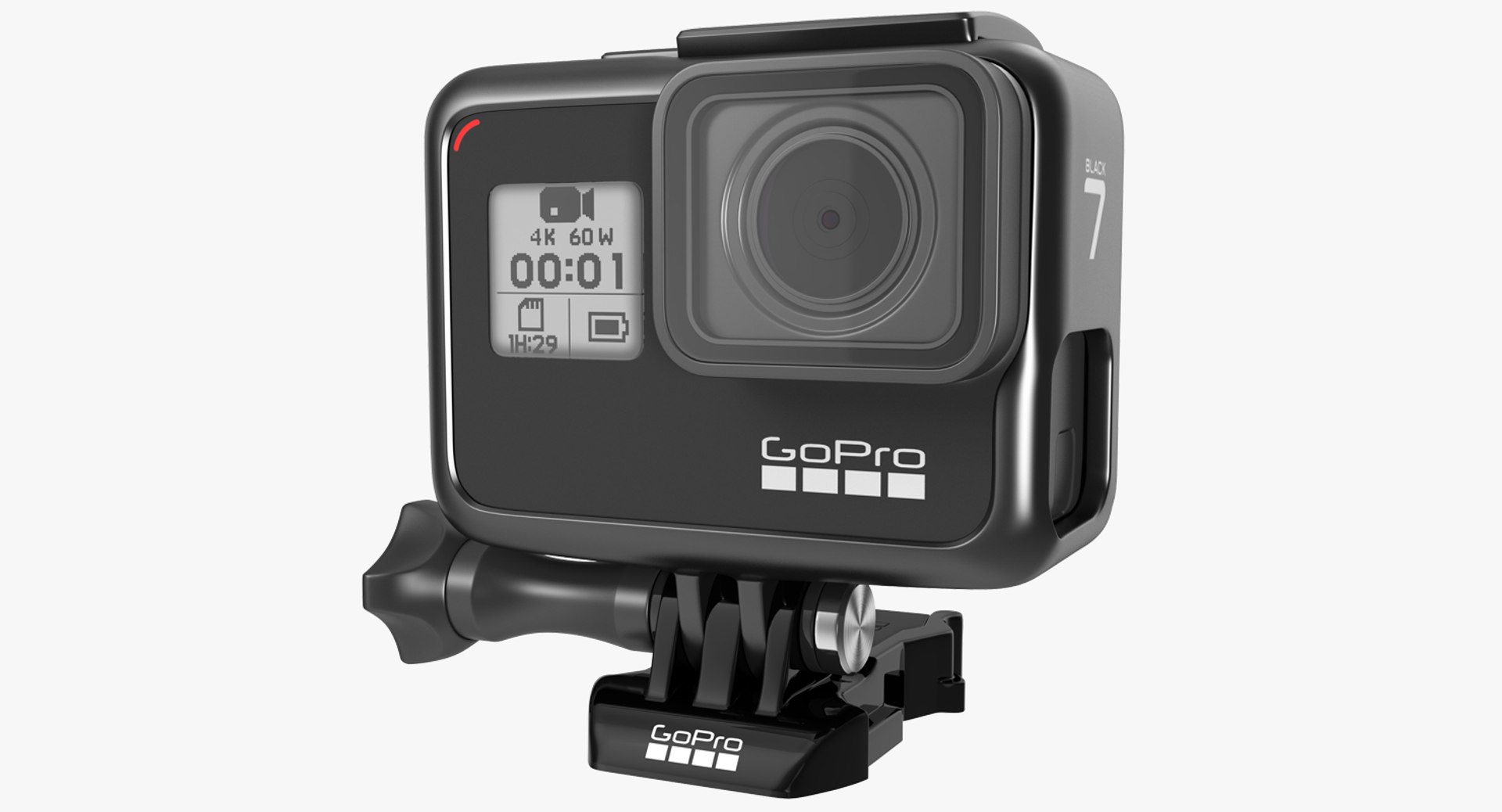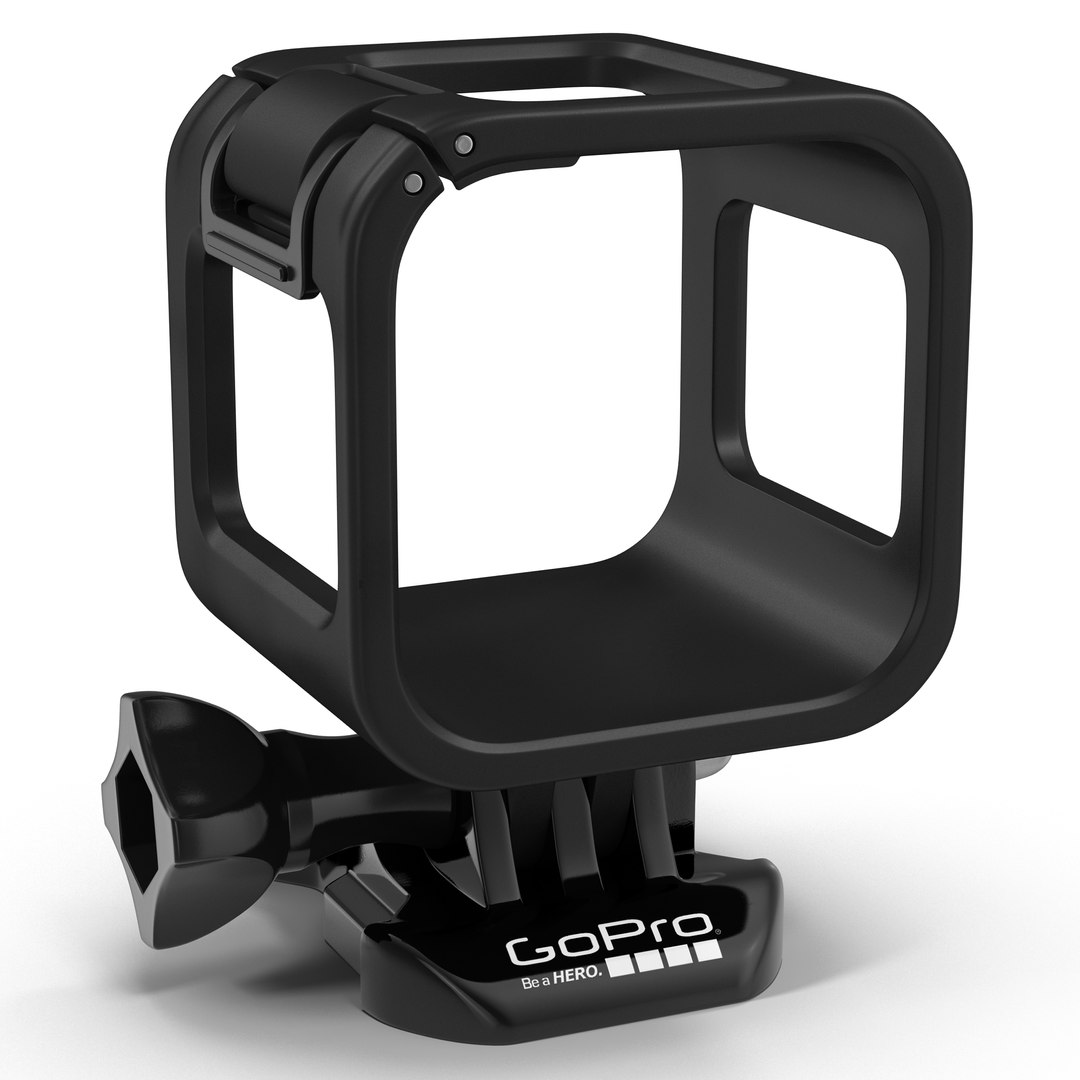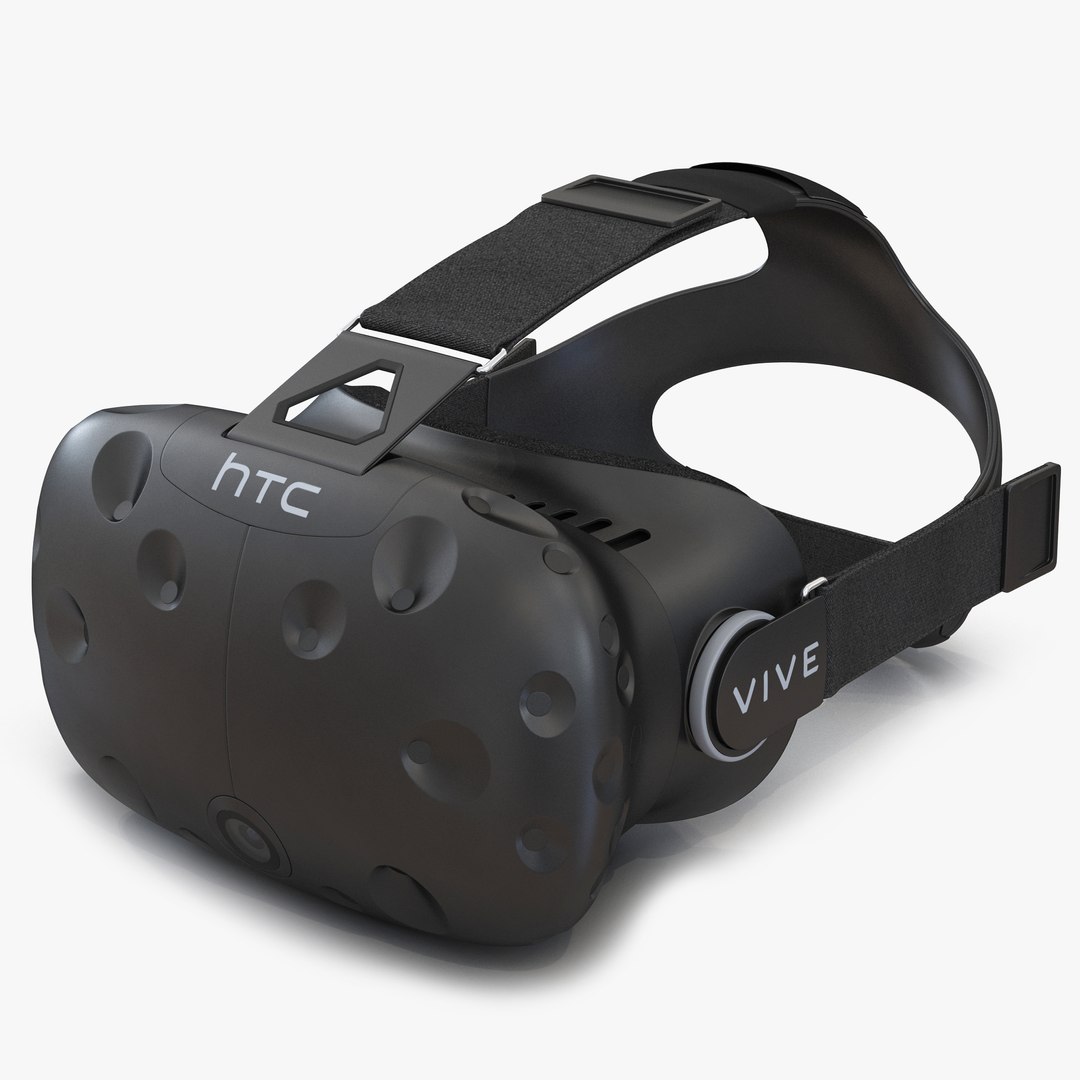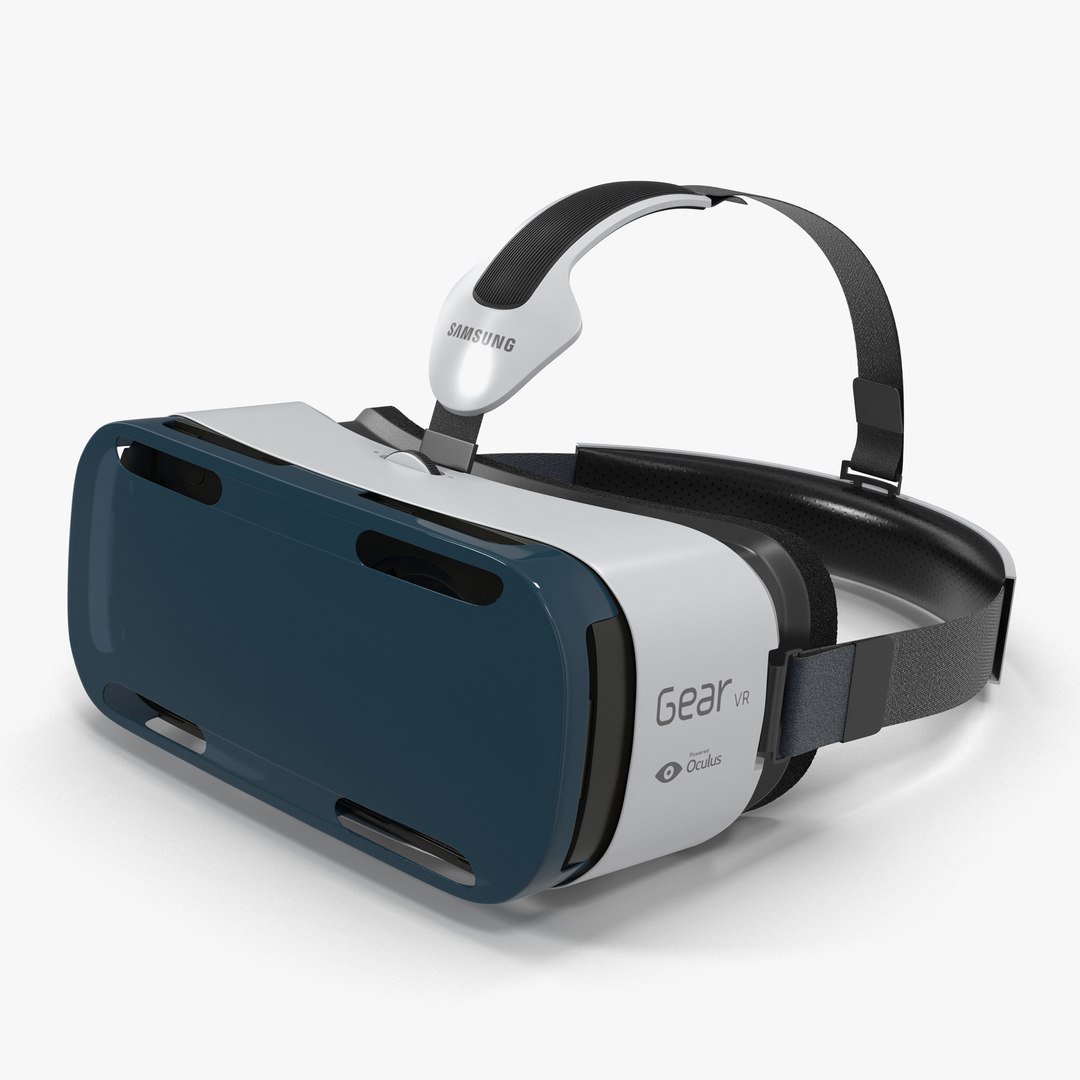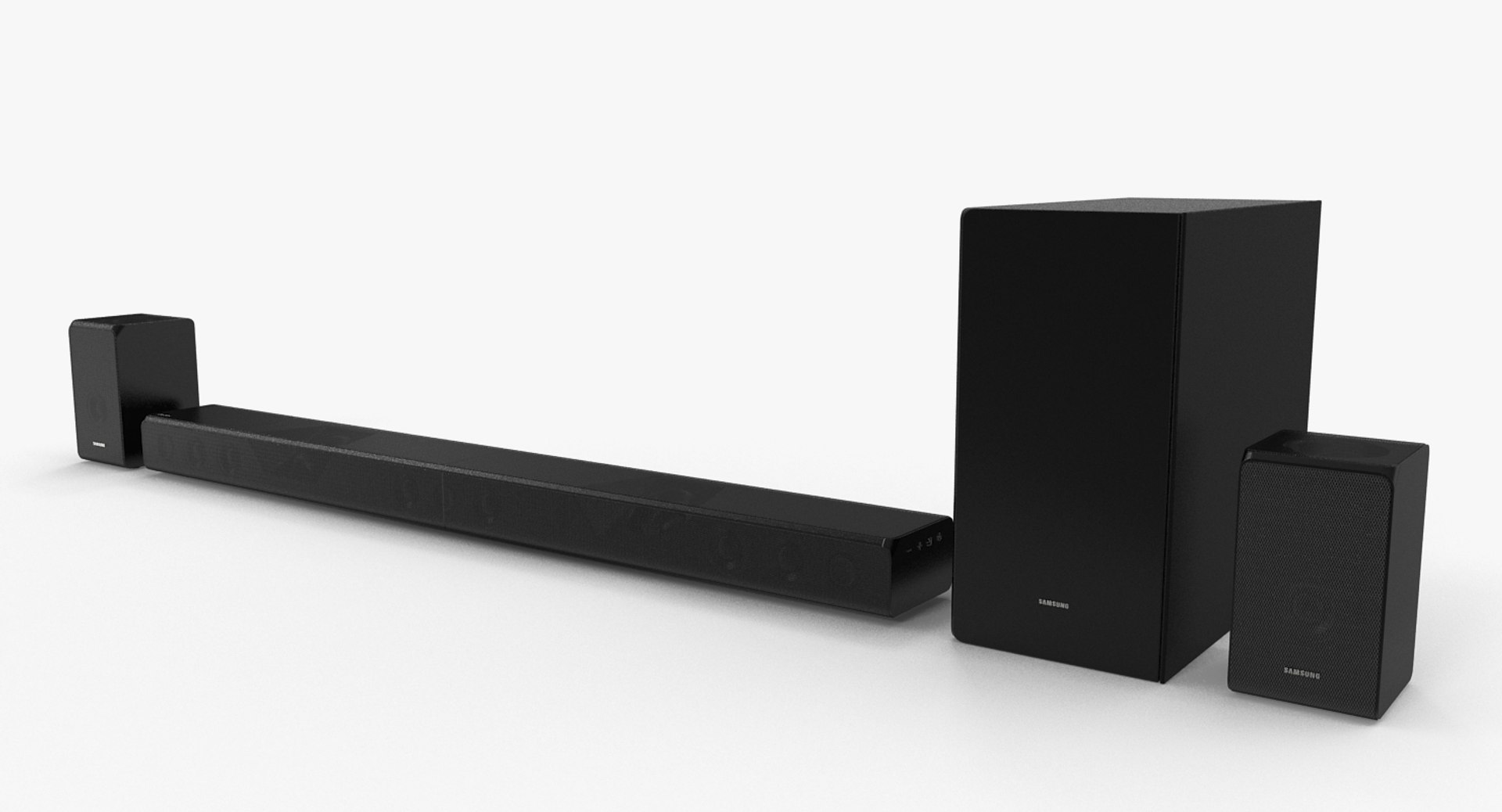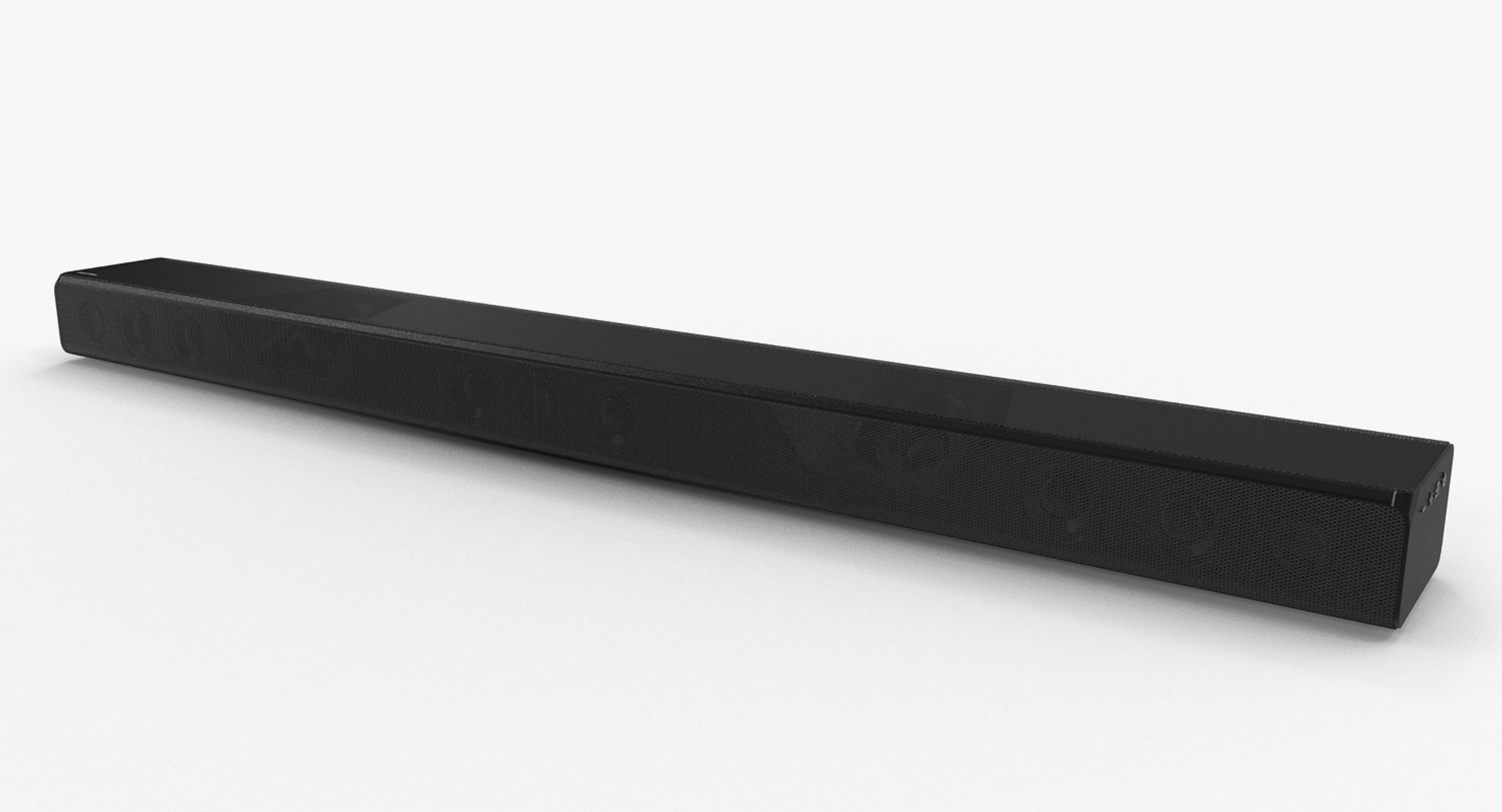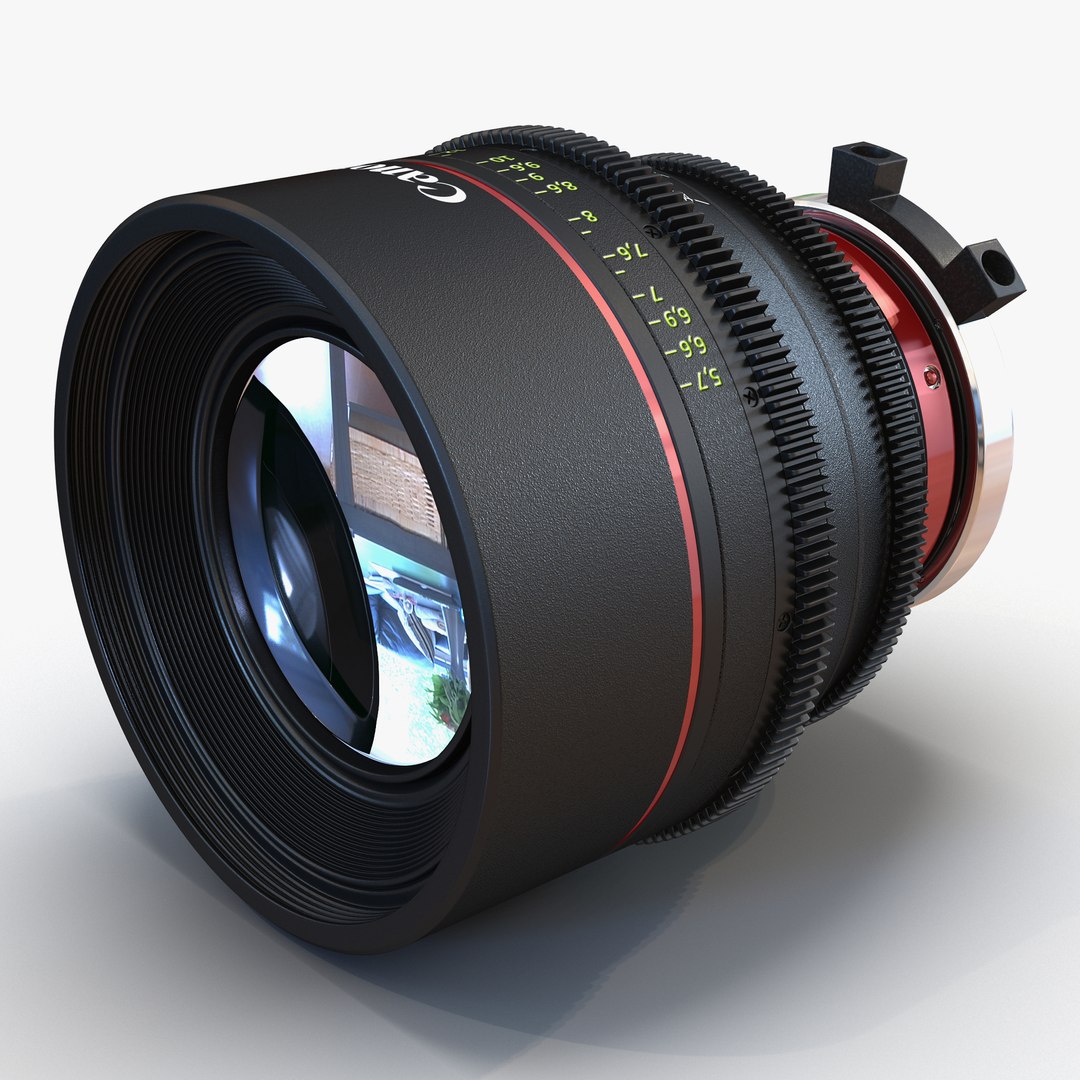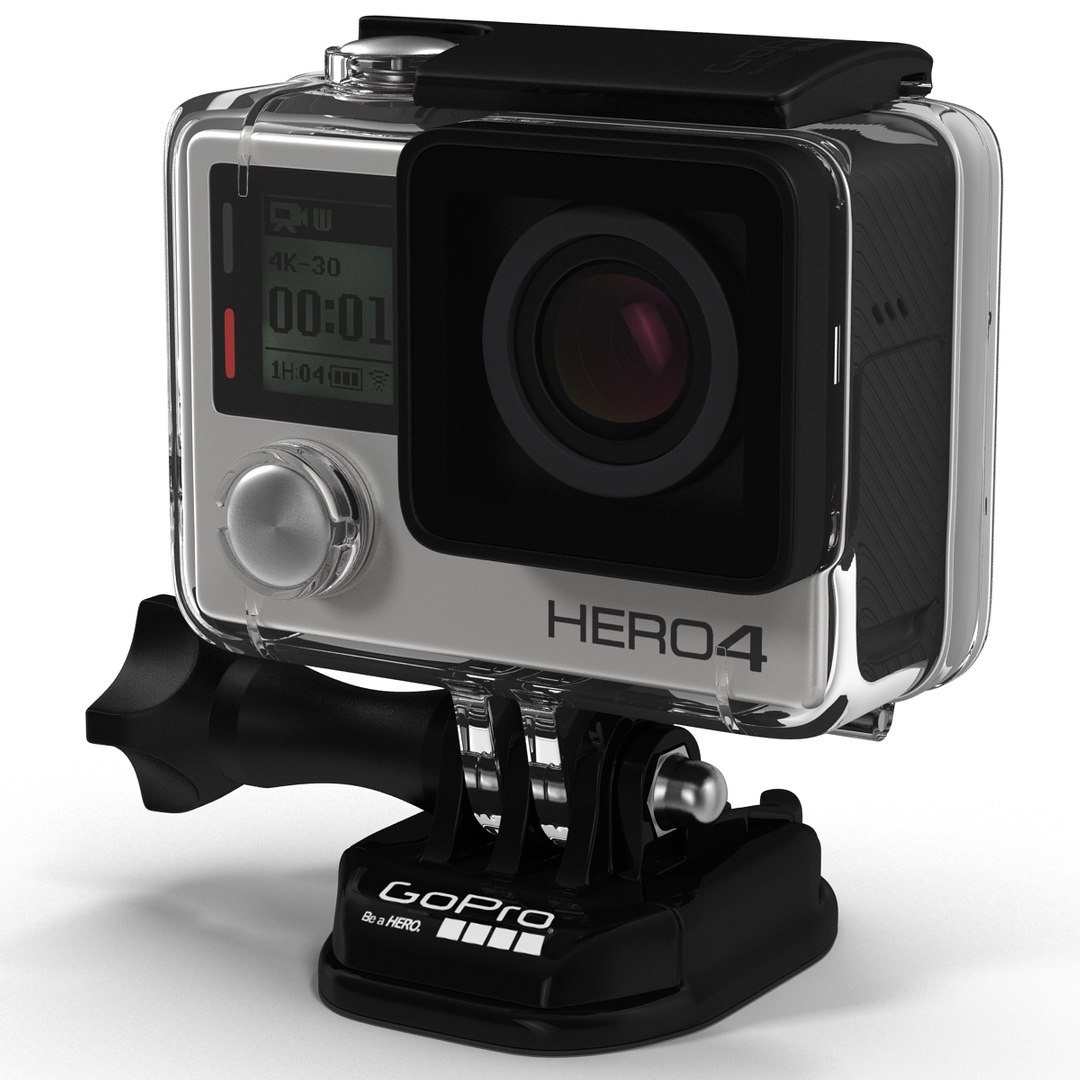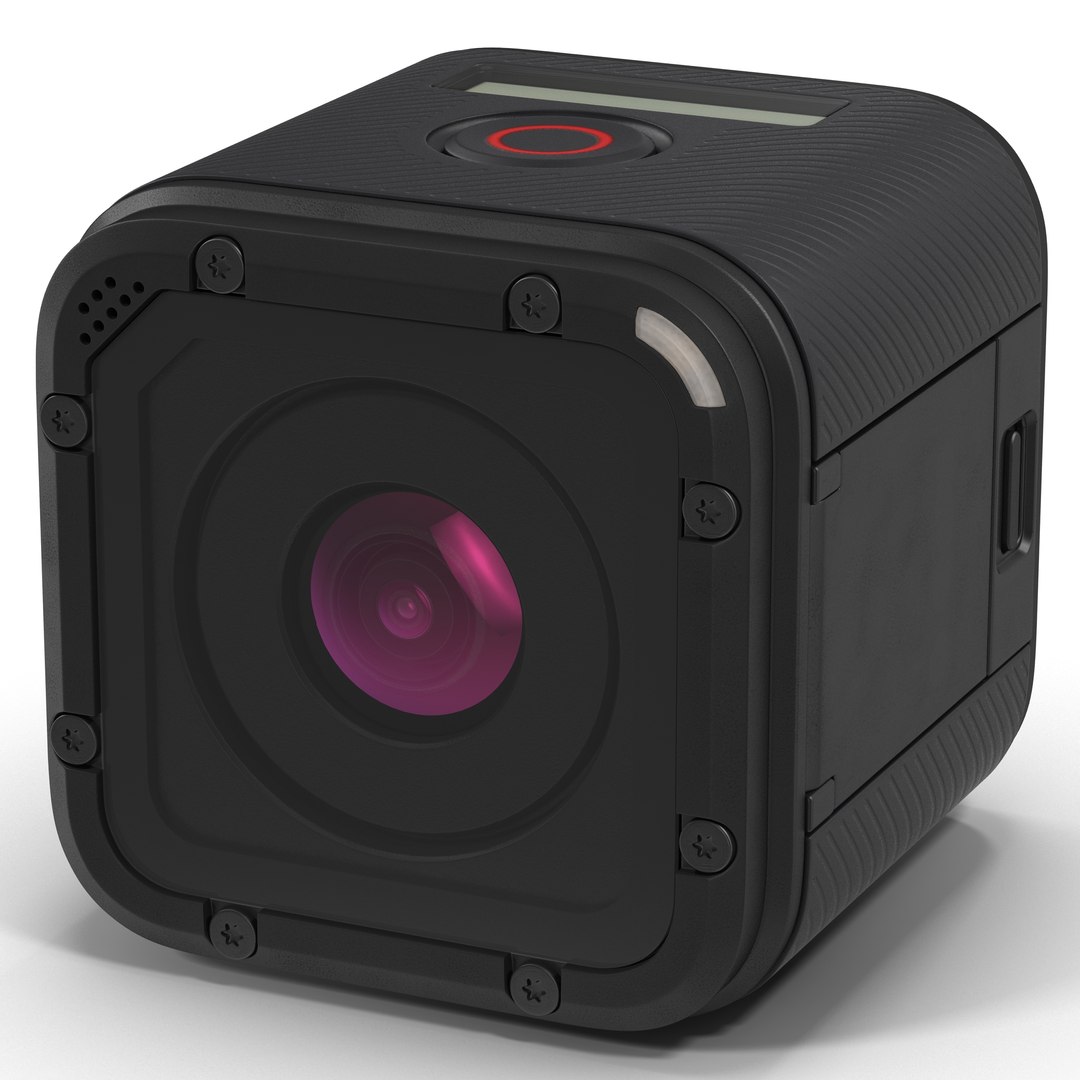
This Electronics & Gadgets model - GoPro Hero 4 Session - is ready to drop into a scene as-is, and sells for $39 on TurboSquid. Budget for 29,992 polygons and 31,474 vertices when you plan the scene. What matters is not the number itself but how many copies of the object your scene has to carry at once.
The material set is 24 maps, painted at 4096 x 4096. The model is watertight where it should be and open where it should be, so it behaves in both rendering and simulation. Objects are grouped and named logically, so isolating a single part for a material change is a two-second job rather than a cleanup task.
On this listing the stated applications are technical visualization, software demos and film & TV VFX. It went on sale in 2015 and has been kept in the catalog ever since. It is aimed at product rendering, UI and app mockups and game and film props.
Questions About This Model
How heavy is the GoPro Hero 4 Session mesh?
29,992 polygons and 31,474 vertices, built as polygonal quads/tris. What matters is not the number itself but how many copies of the object your scene has to carry at once.
How clean is the geometry on the GoPro Hero 4 Session model?
The mesh uses organized, quad-dominant topology at real-world scale, with objects named and grouped rather than merged into one block.
How much does the GoPro Hero 4 Session 3D model cost?
$39 USD, paid once. TurboSquid handles payment and delivery. The license is Editorial Uses Only, because the model depicts a real branded product: it covers editorial contexts such as news, commentary and education, but not advertising or products for sale.
What file formats does the GoPro Hero 4 Session 3D model come in?
Every included file is listed on the product page at TurboSquid, with format and size shown per download. That page is the source of truth rather than this summary.