Airliner 3D Models
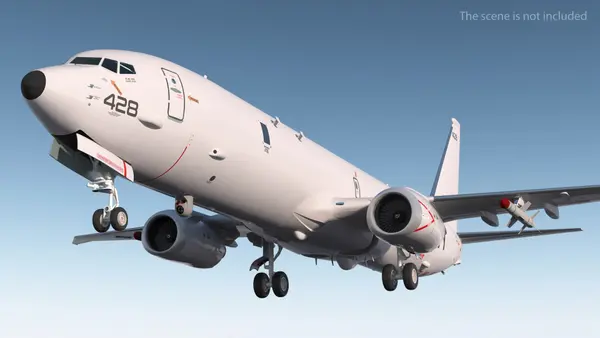
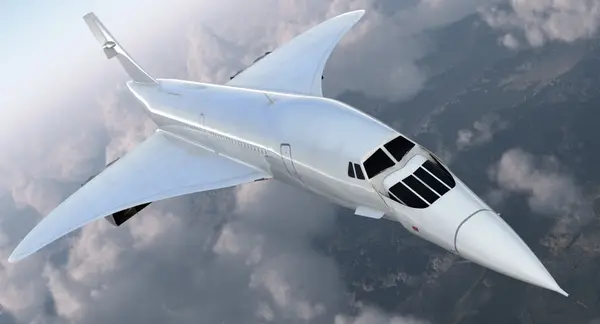
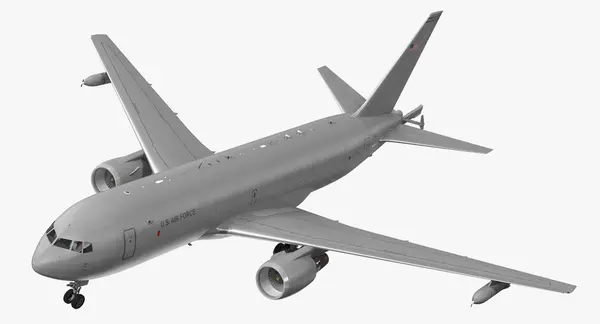
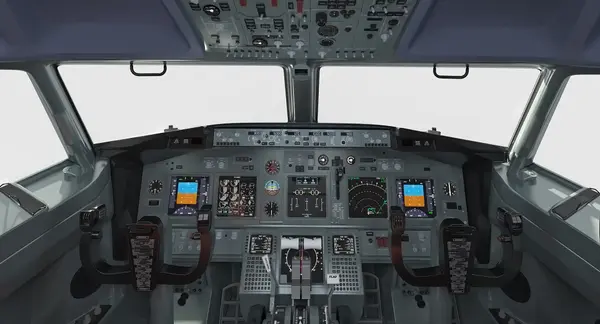
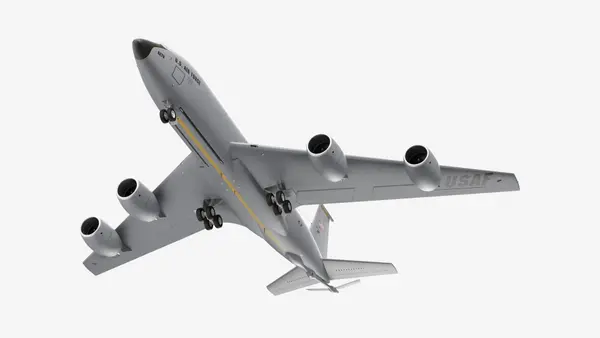
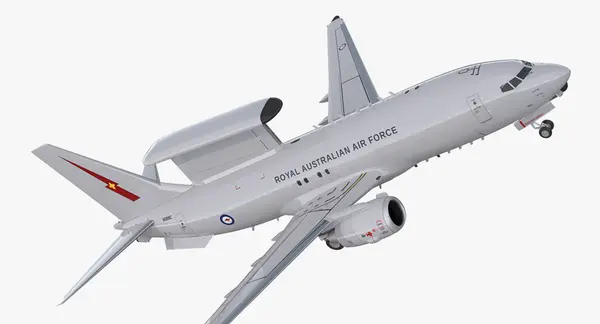
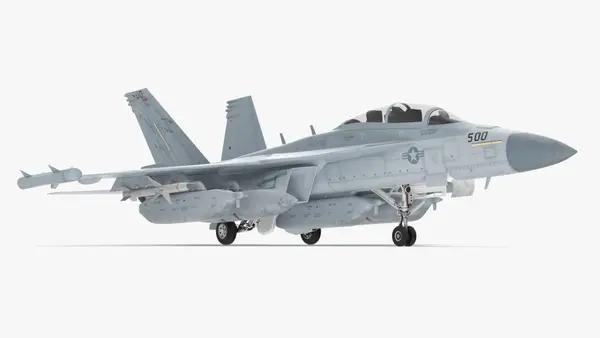
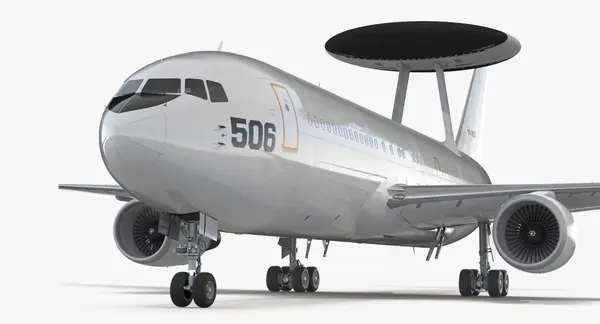
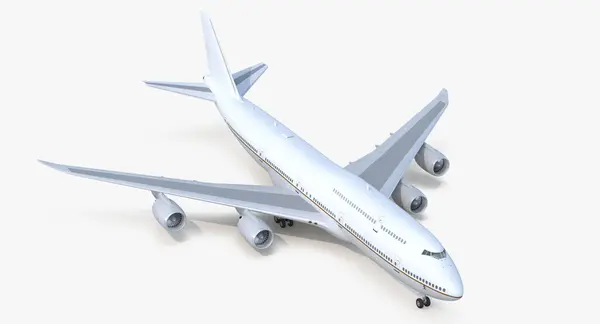
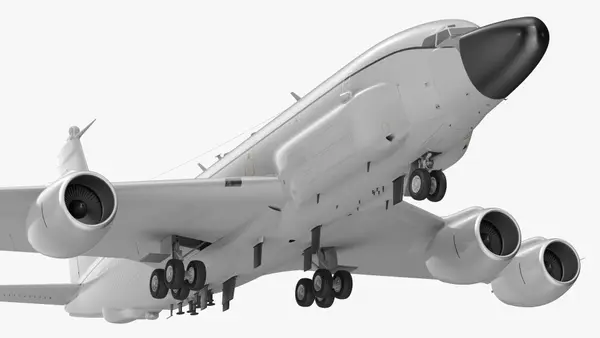
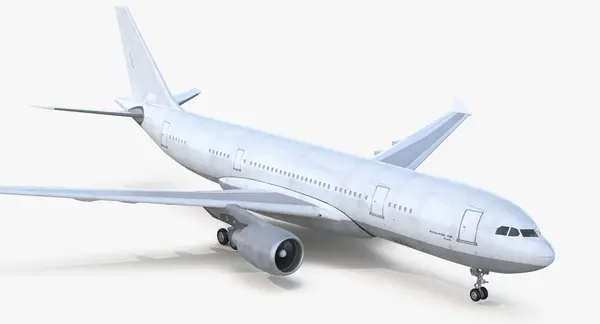
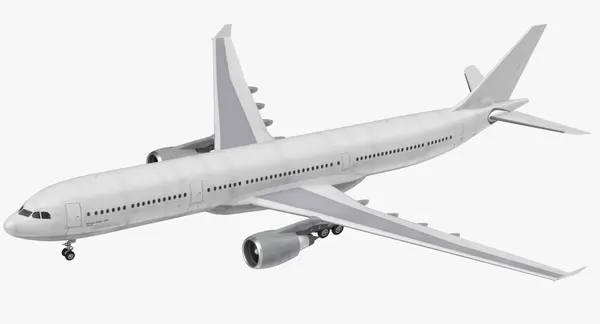
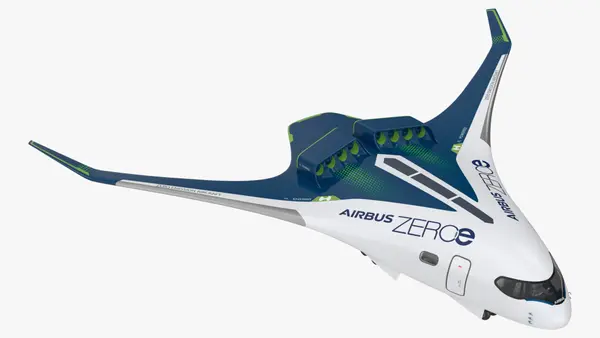
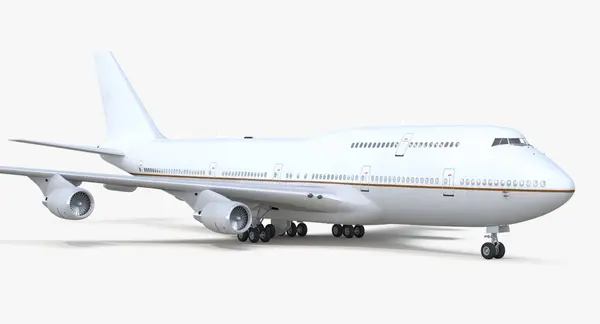
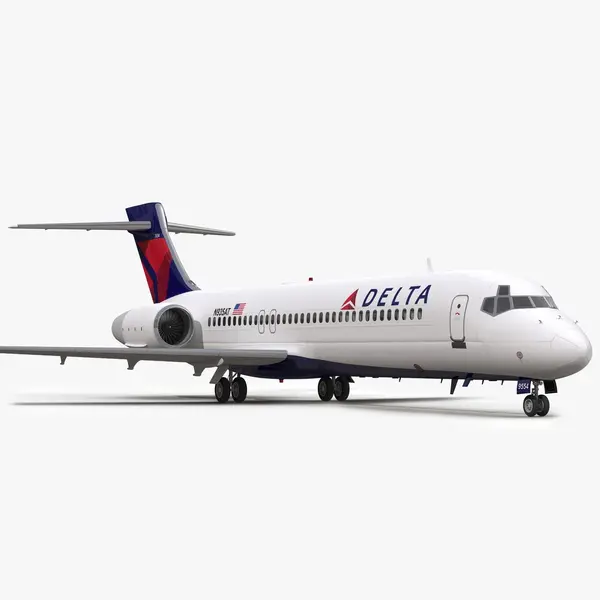
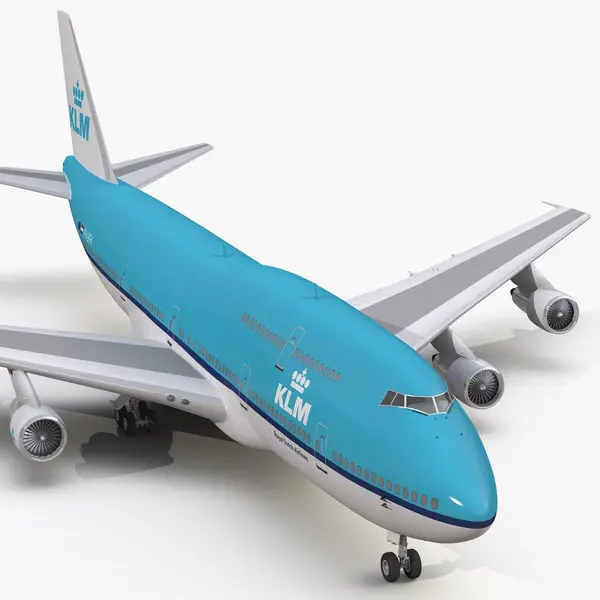
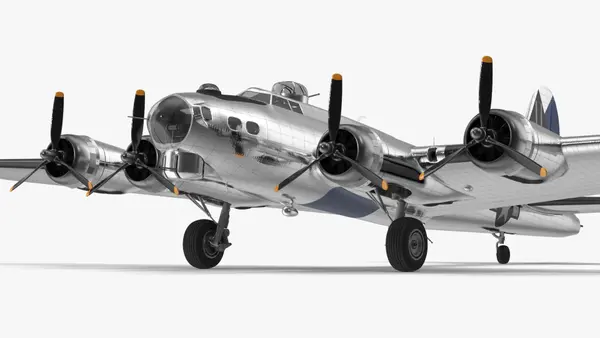
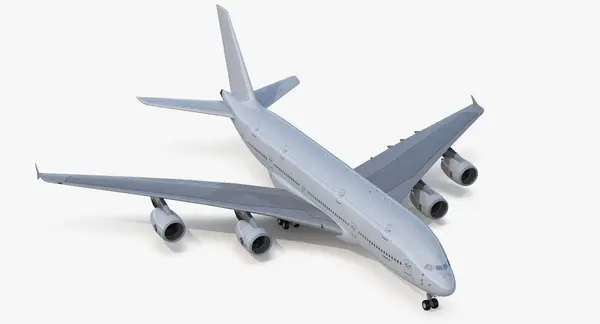
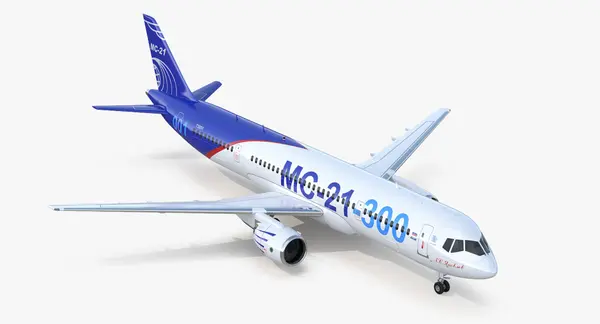
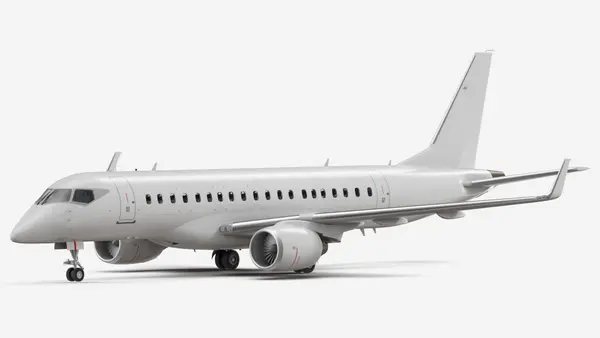
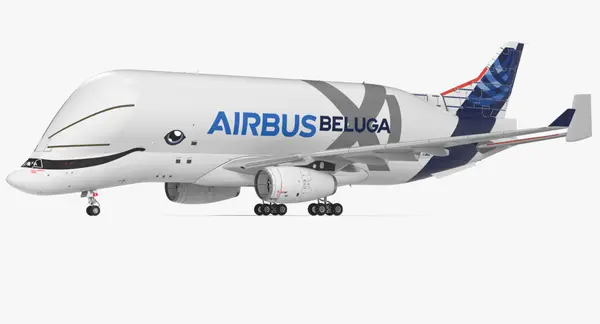
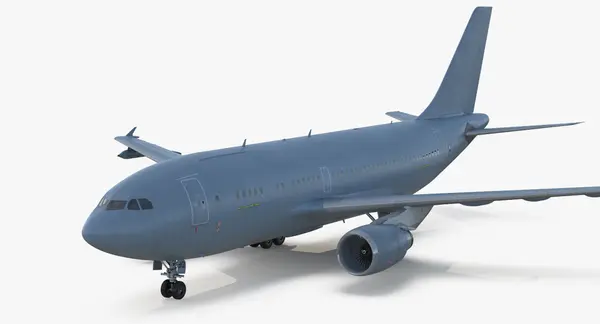
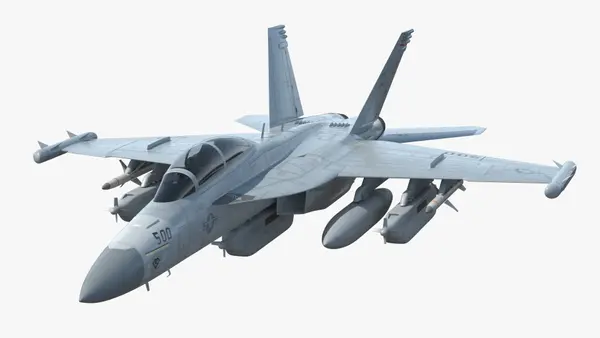
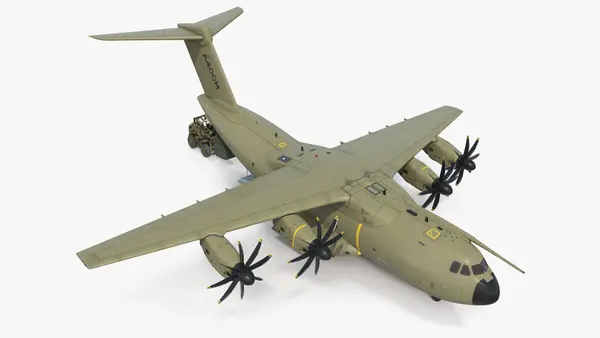
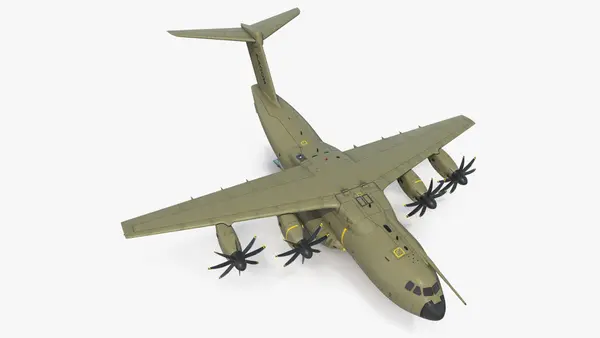
Passenger jets from compact regional twins to four-engine wide-bodies, plus a supersonic delta-wing airliner, converted freighters and military derivatives such as tankers, cargo lifters and patrol aircraft. Many airframes wear a generic livery. Complete passenger cabins, a forward fuselage cut behind the cockpit, landing gear parts and an airport taxiway scene complete the section.

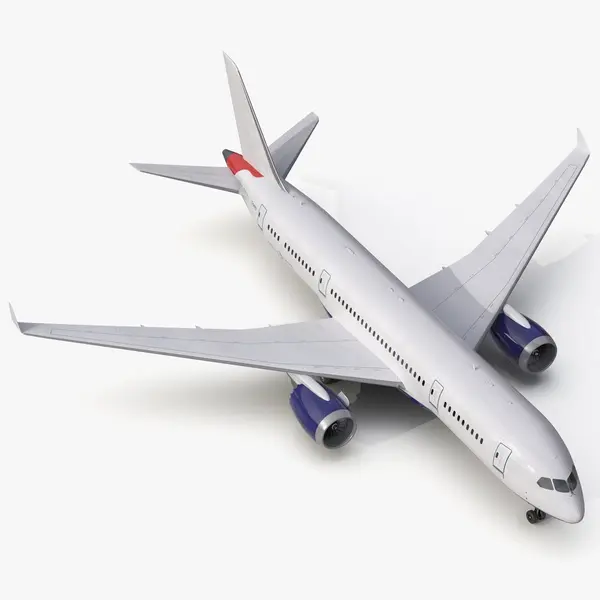
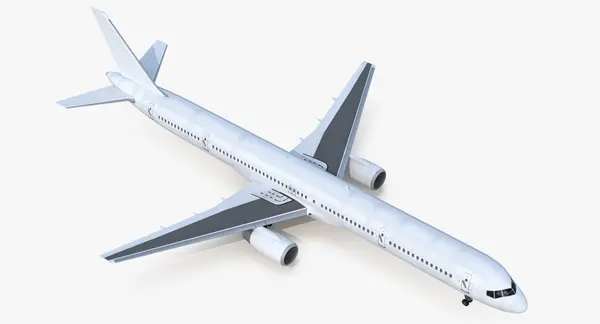
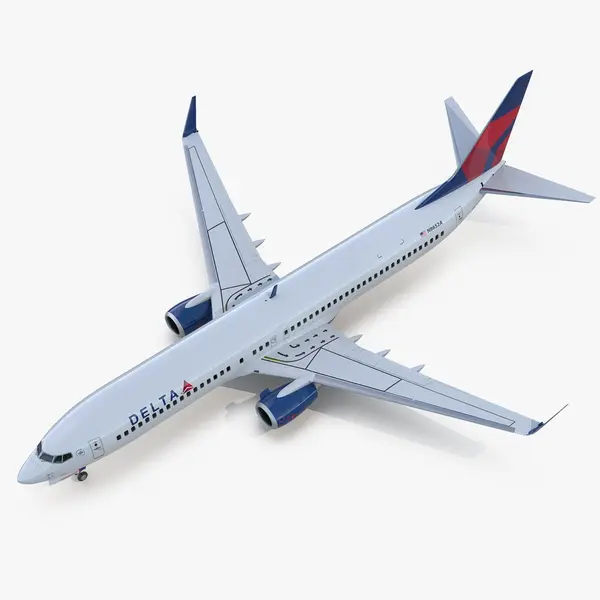
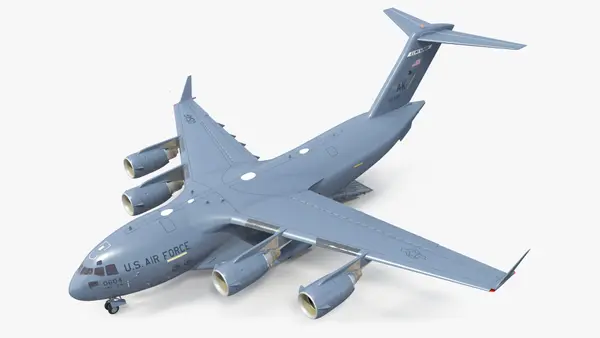


About Airliner 3D Models
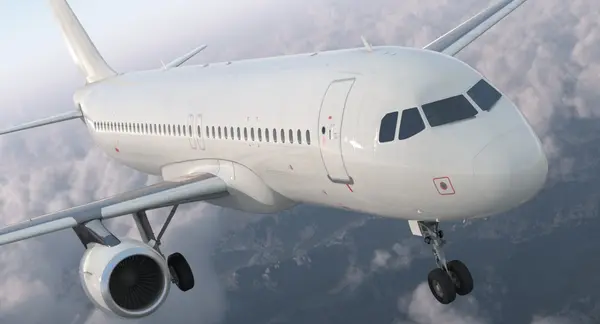
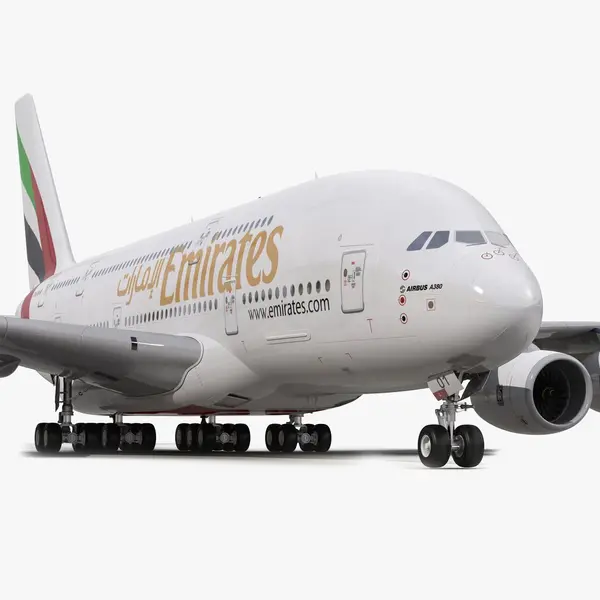
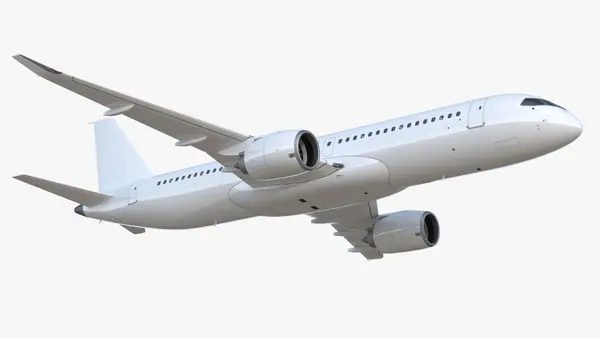
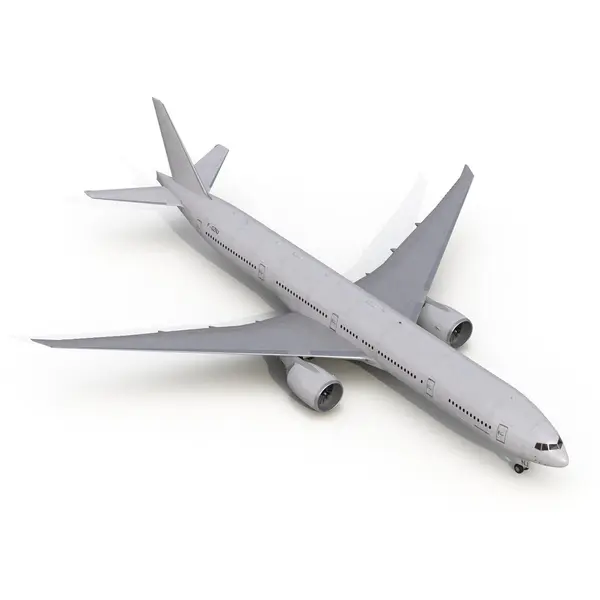
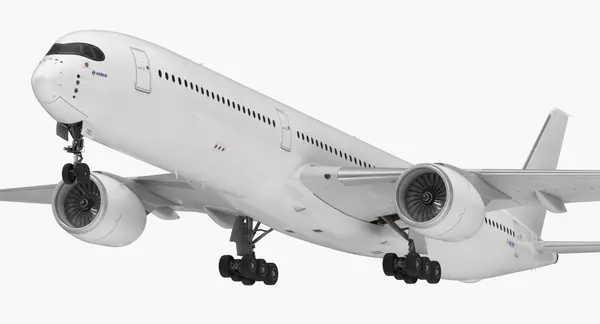
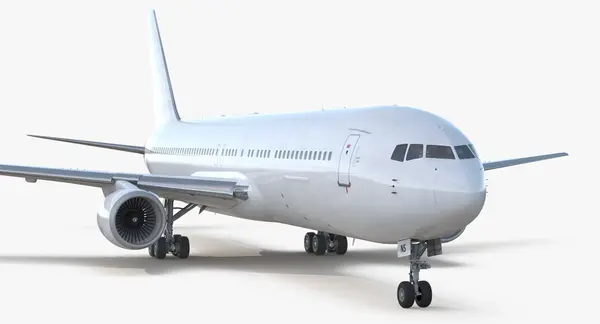
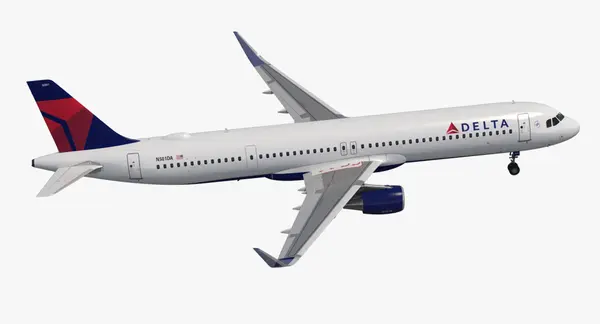
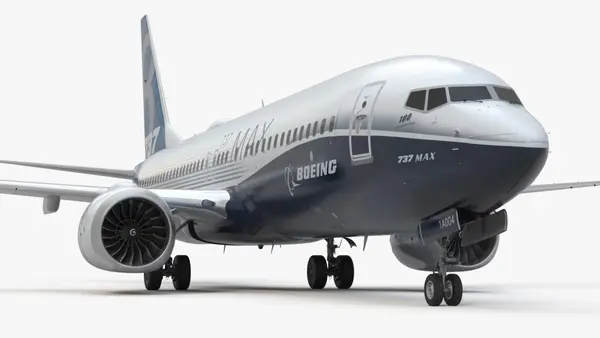
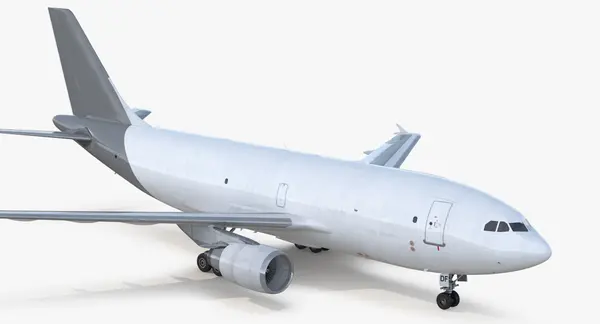
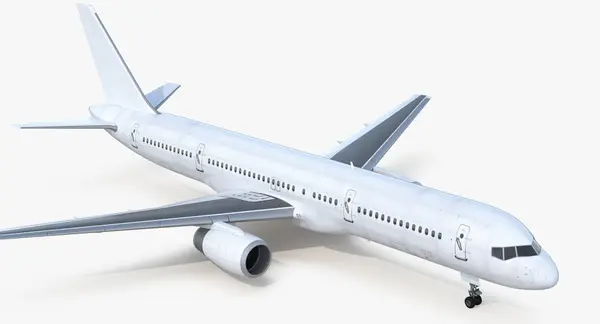
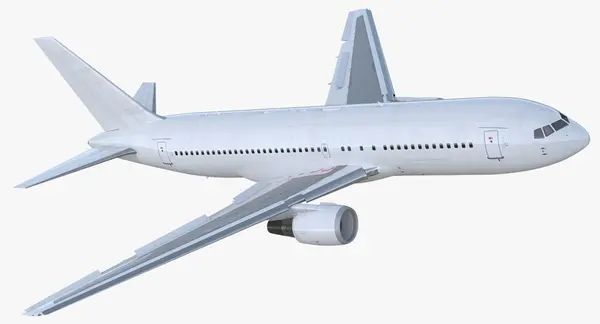
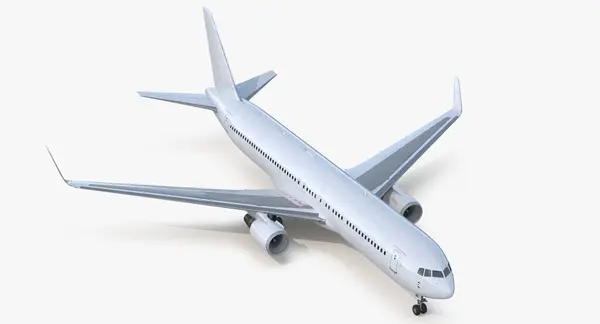
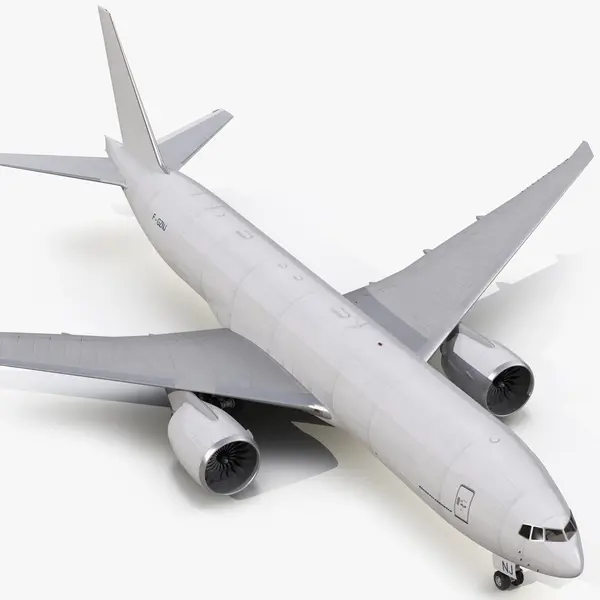
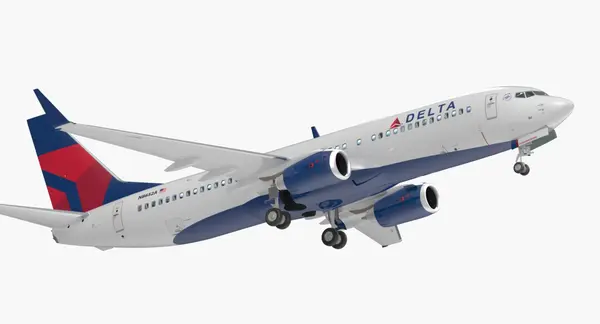
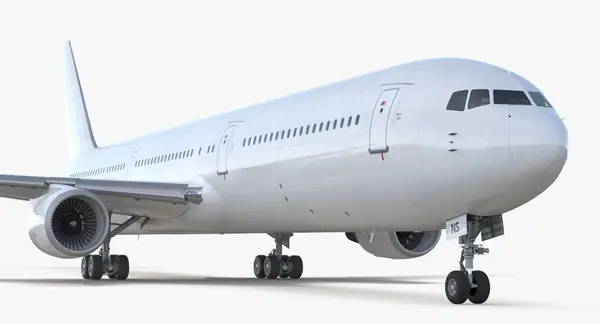
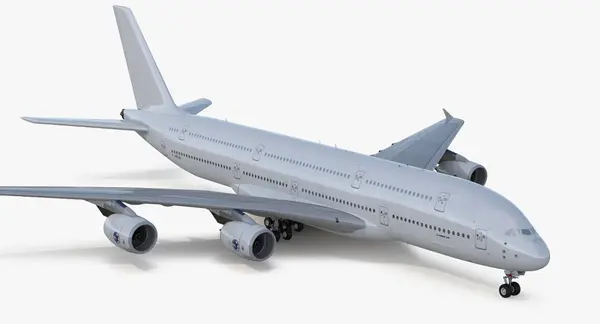
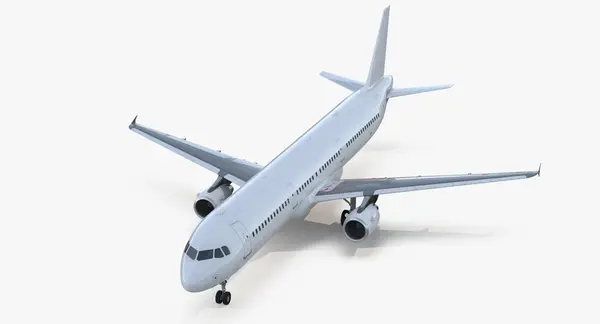
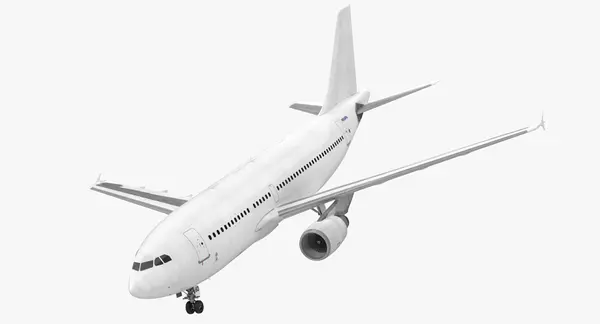
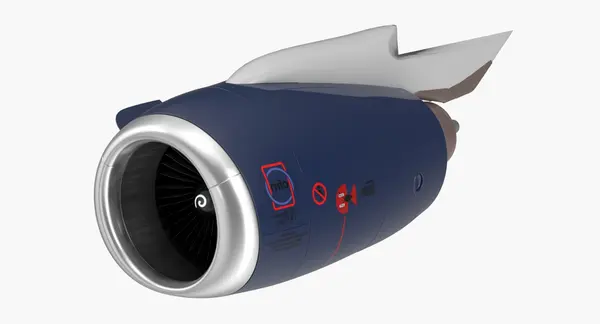
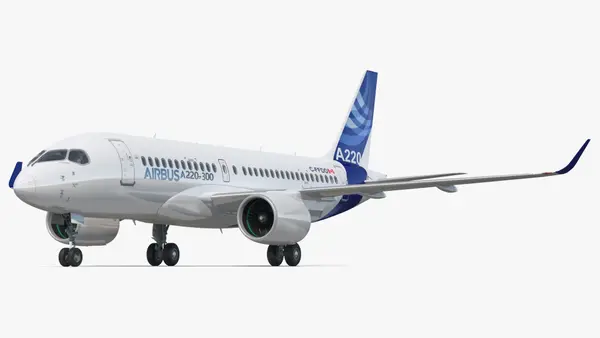
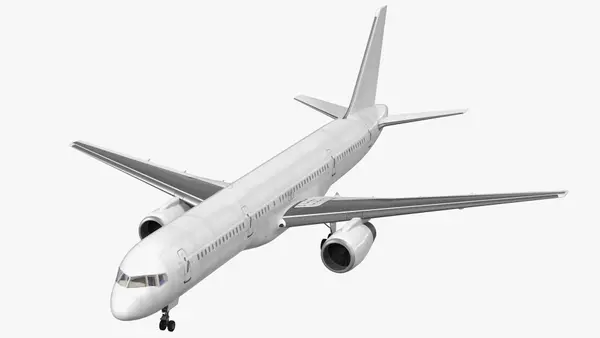
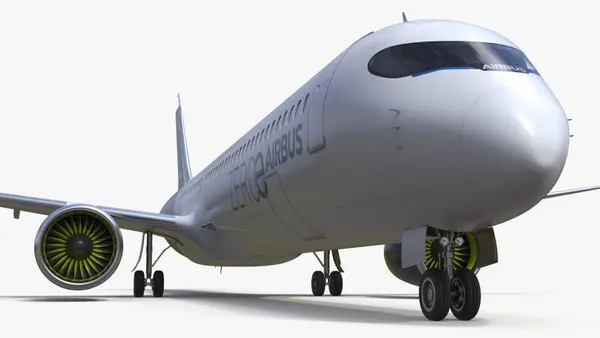
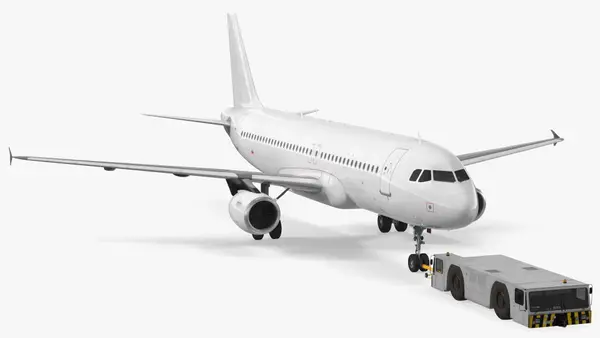
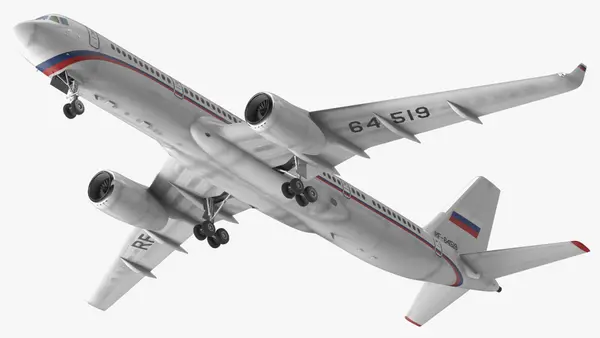
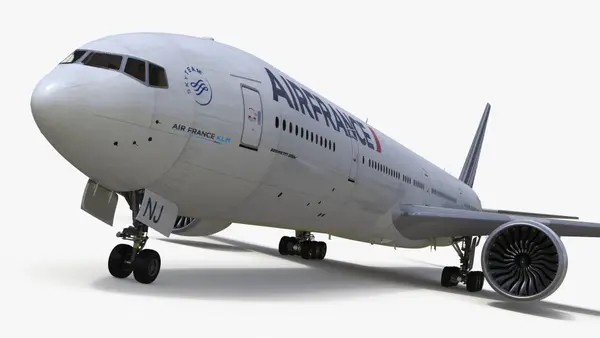
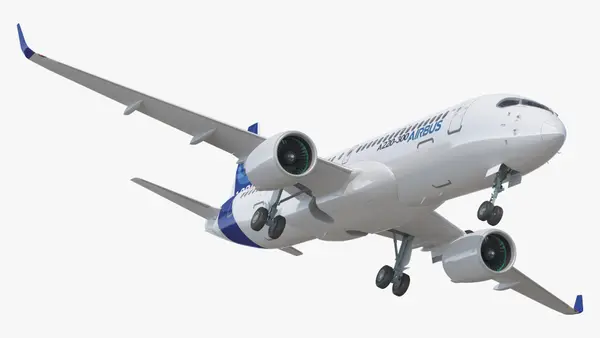
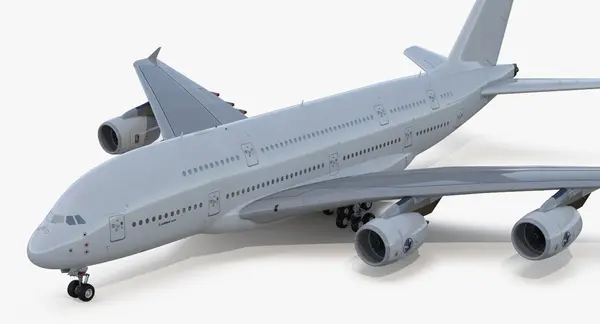
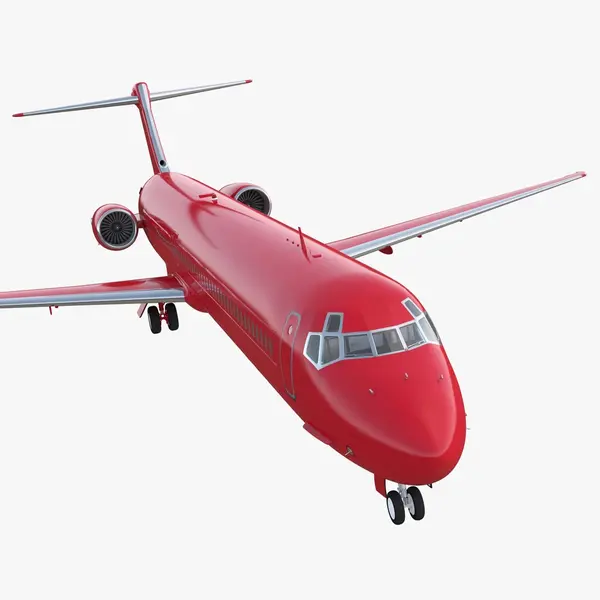
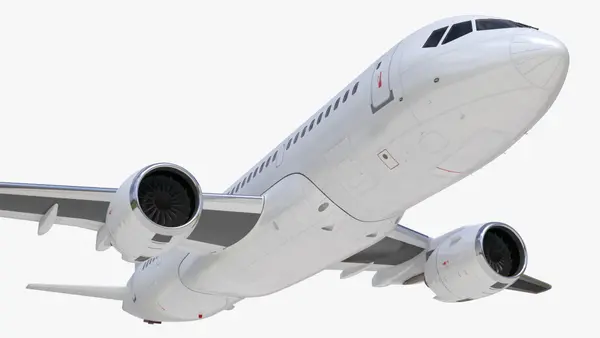
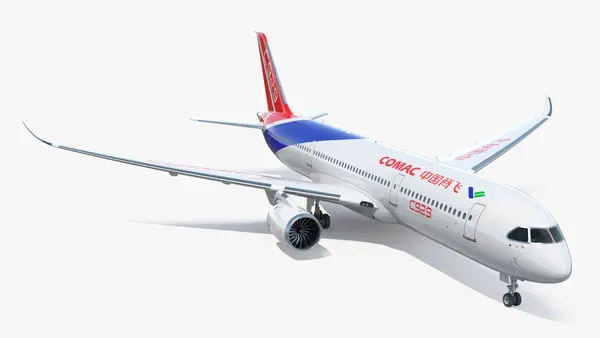
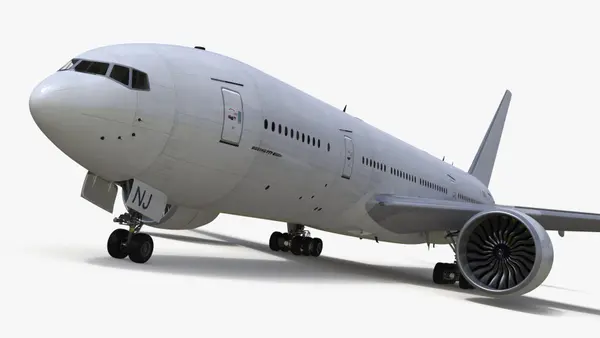
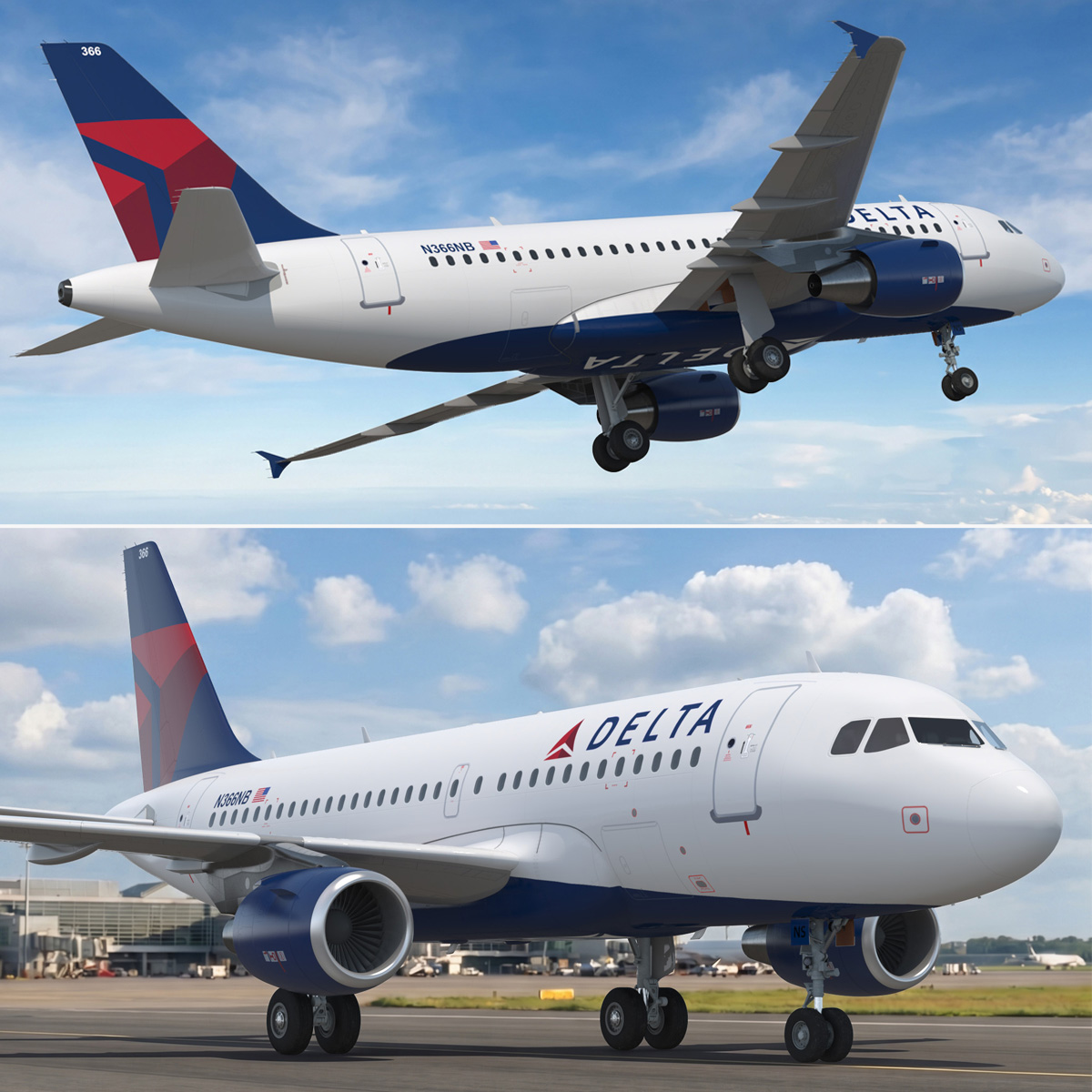
A generic scheme is often more useful than an airline's own: it stands for commercial aviation in general and carries no brand that would date the image. The generic narrow-body twin is built that way in 278,966 polygons with 31 maps at 4096 x 4096. A long-haul twin wide-body at 757,593 polygons is judged on its raked wingtips, six-wheel main gear bogies, large nacelles and panel joins. For cruise shots, a narrow body in flight configuration has the gear retracted and flaps stowed. An aircraft with its gear down looks wrong at altitude.
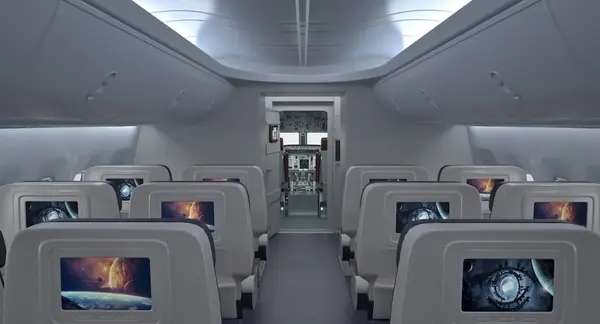
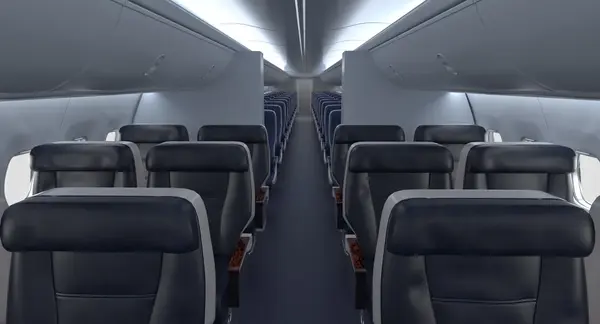
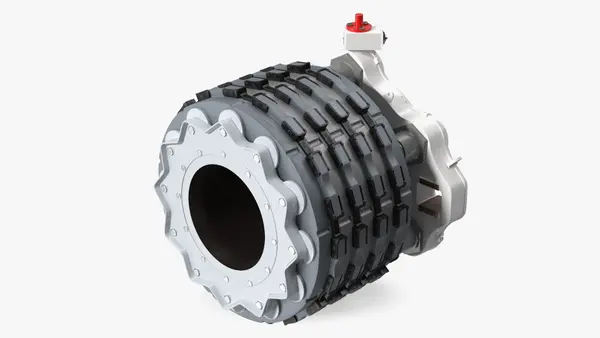
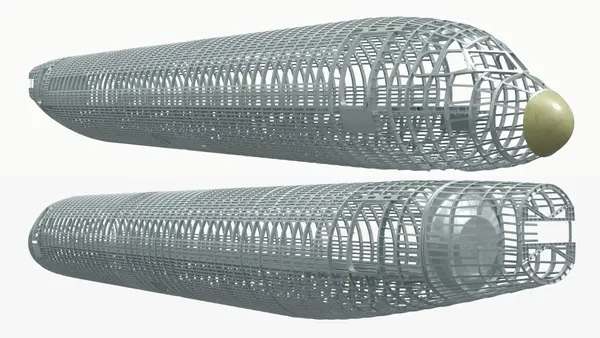
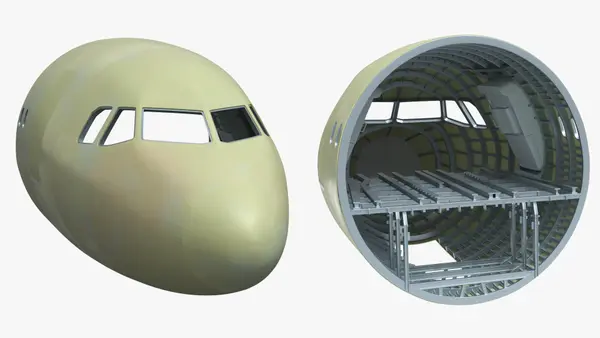
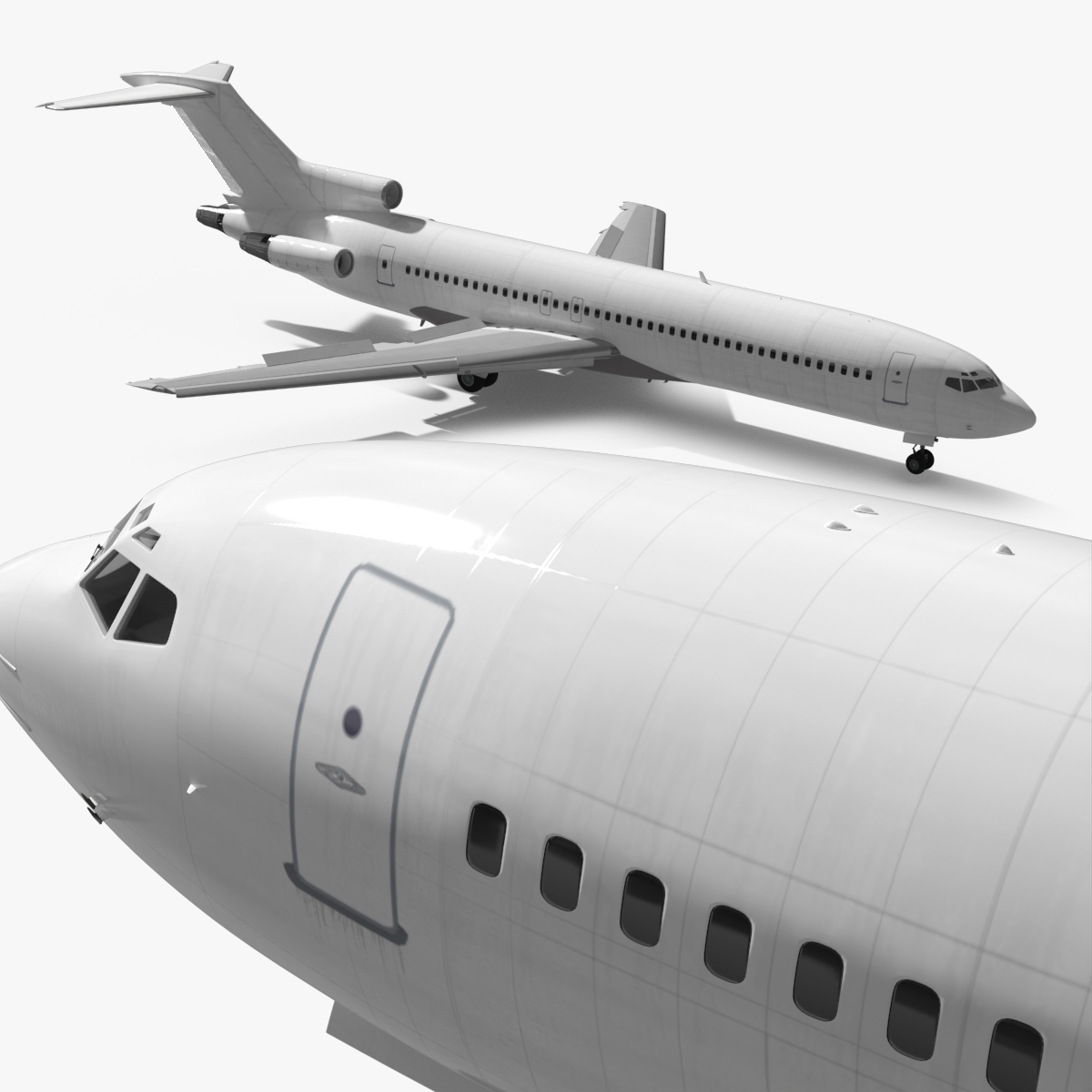
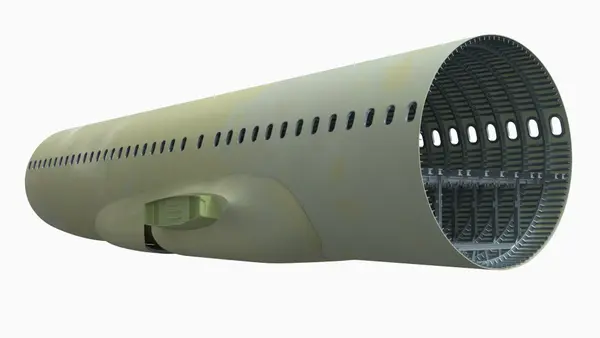
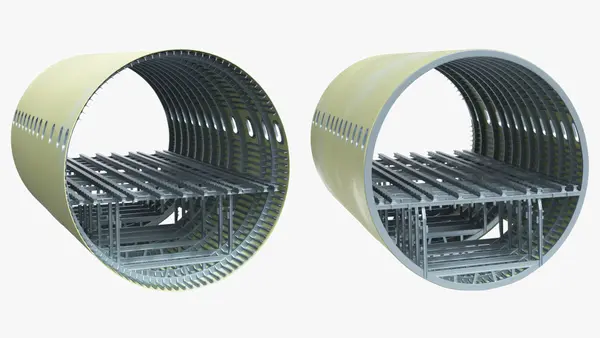
Cabins are the heaviest work in the section. One narrow-body interior reaches 4,055,509 polygons, since every seat row, overhead bin, sidewall panel, window reveal and galley unit is built. A second cabin keeps seat stitching and tray tables sharp in 2,767,290 polygons. Smaller pieces suit maintenance training: a main gear wheel with its multi-disk brake pack exposed, and a forward fuselage section with frame rings open at the rear.
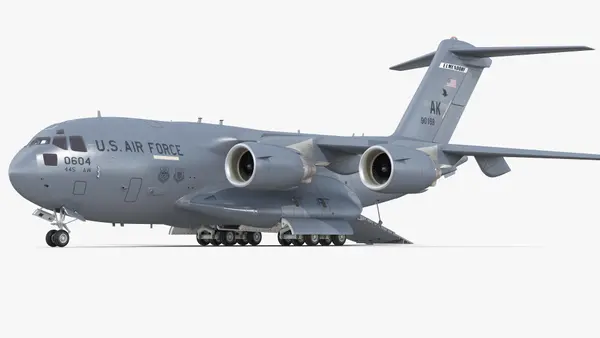
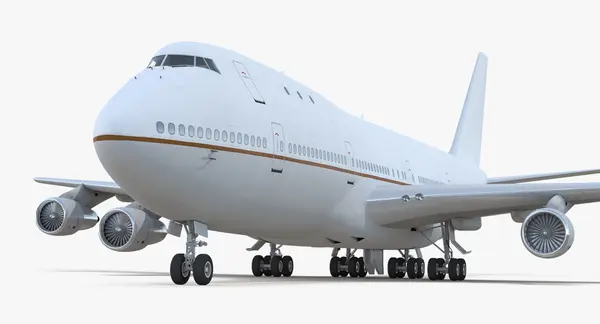
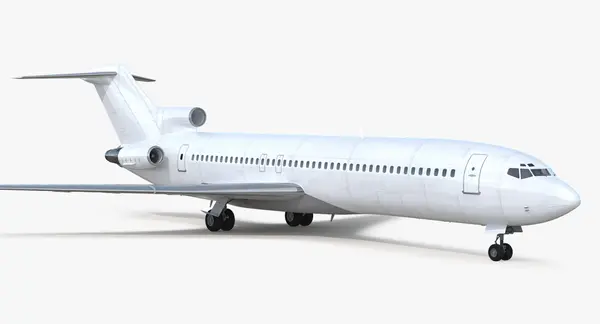
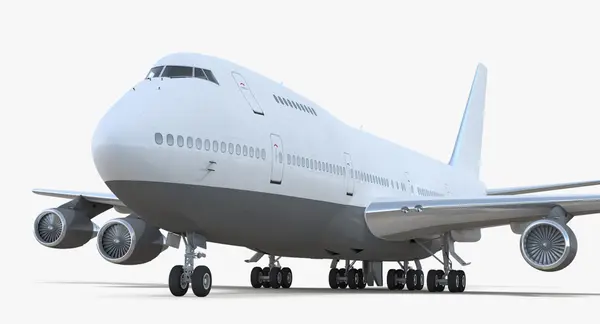
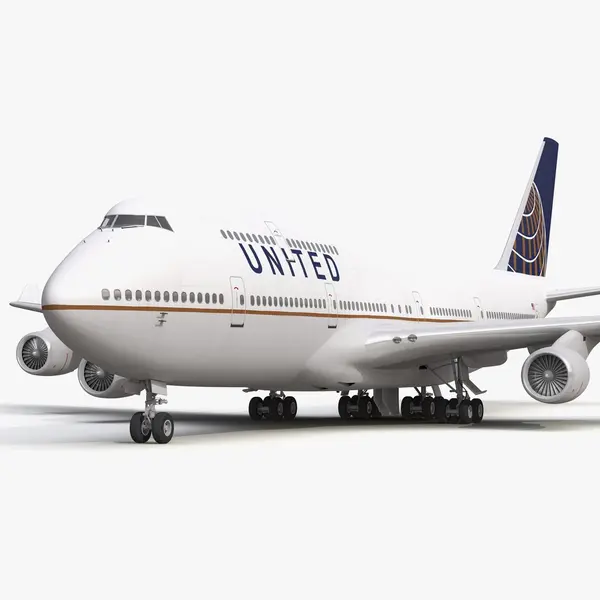
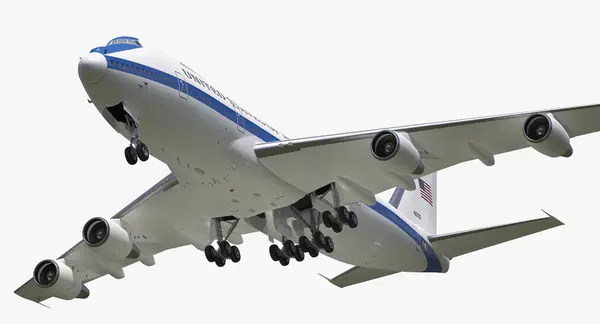
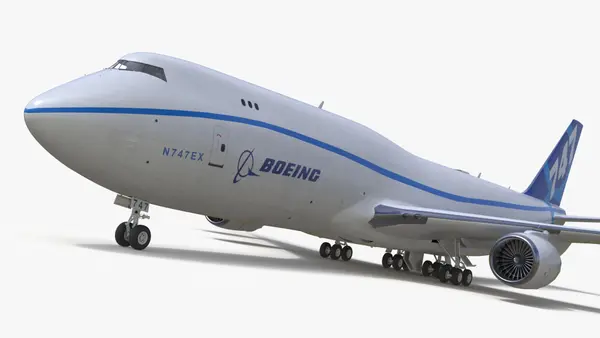
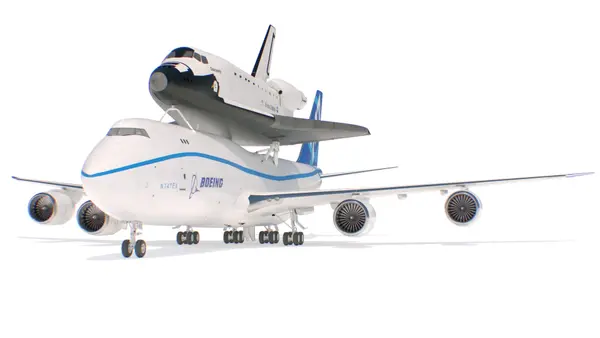
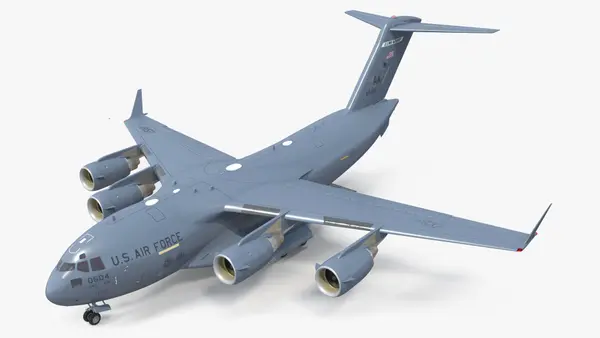
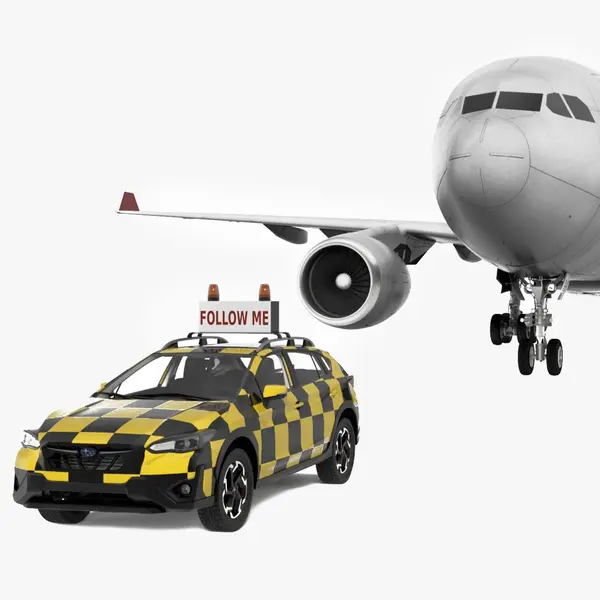
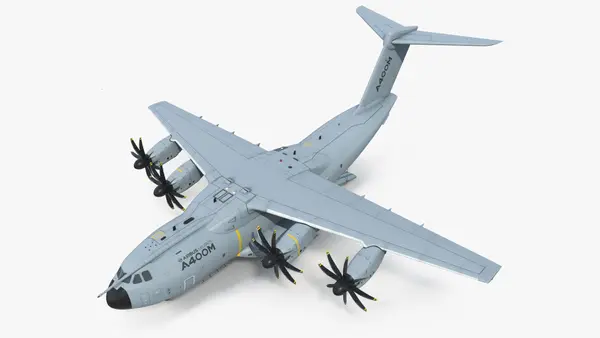
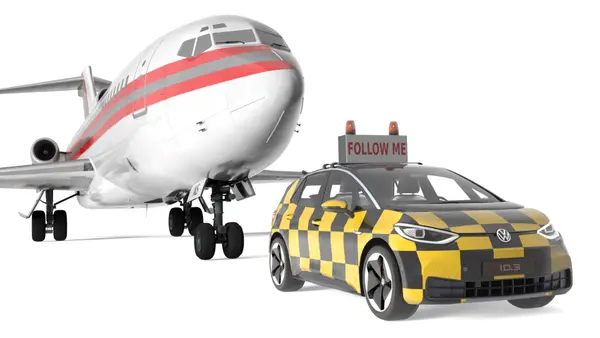
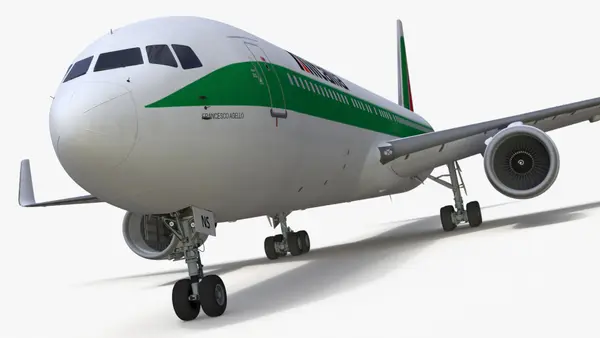
Most airliners are static, though an early four-engine jumbo with the upper deck hump is rigged, and a military cargo jet comes with its ramp lowered. CheckMate Pro certification on many models means real-world scale and clean topology. Airport visualization, travel advertising, aviation training, film and flight simulation are the usual destinations for these Aircraft models. One ground scene even shows a follow-me car guiding a trijet along the taxiway.