Drone & UAV 3D Models
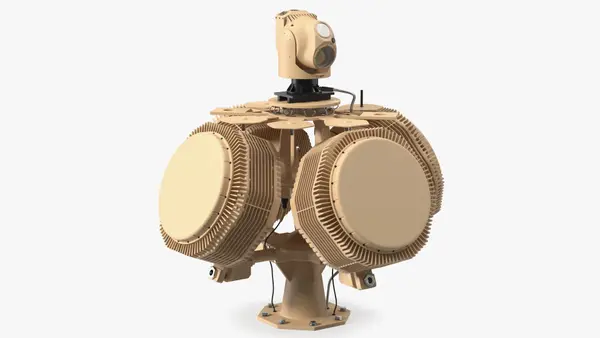
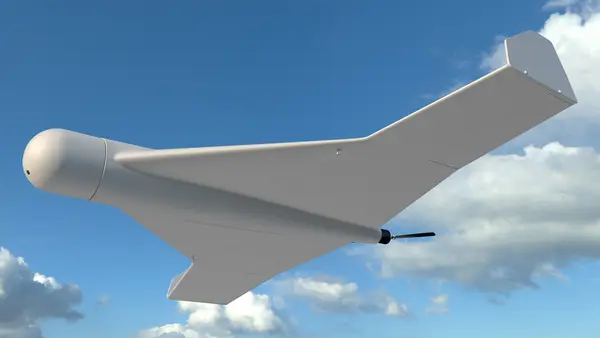
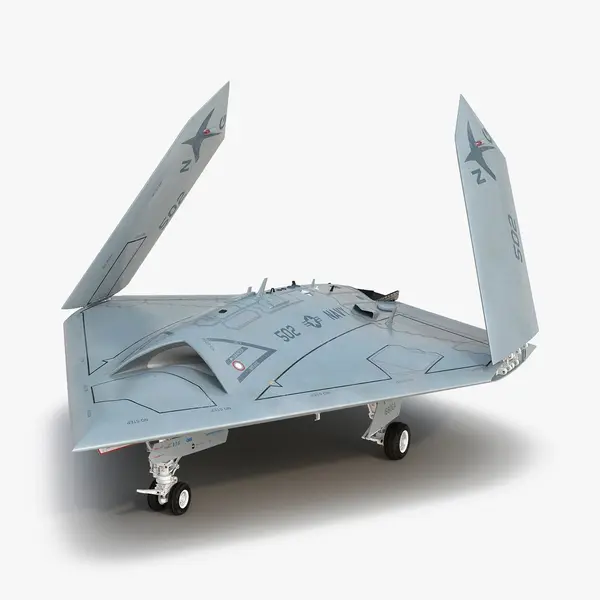
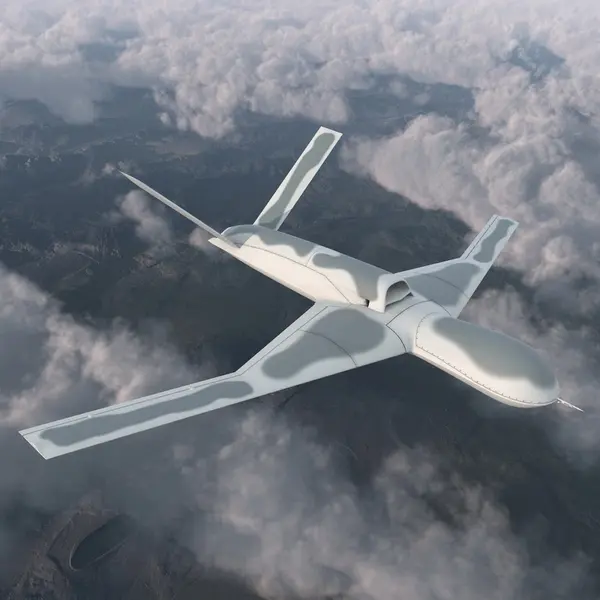
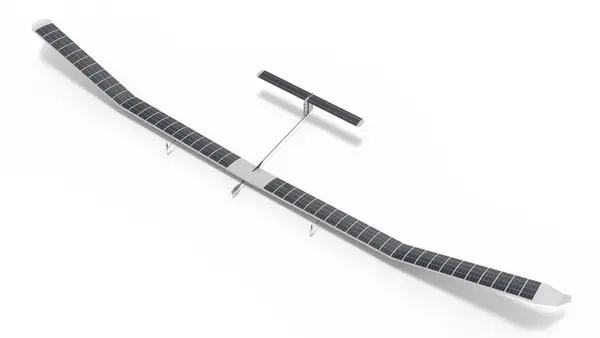
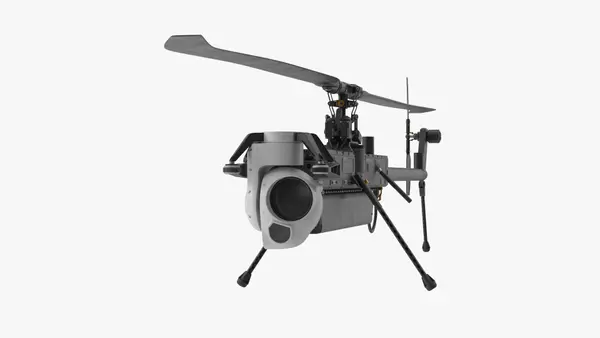
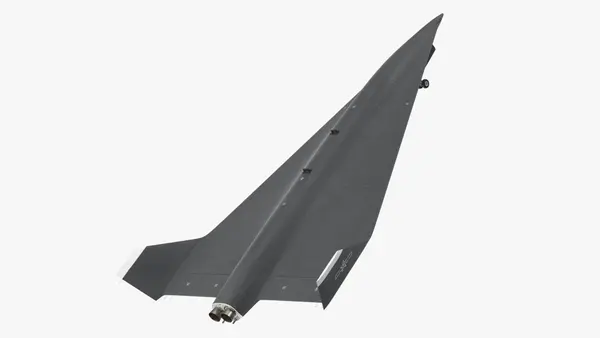
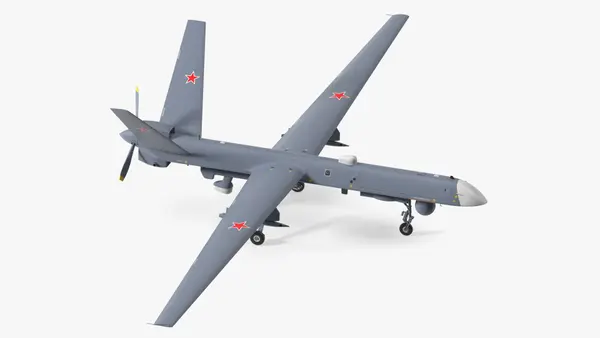
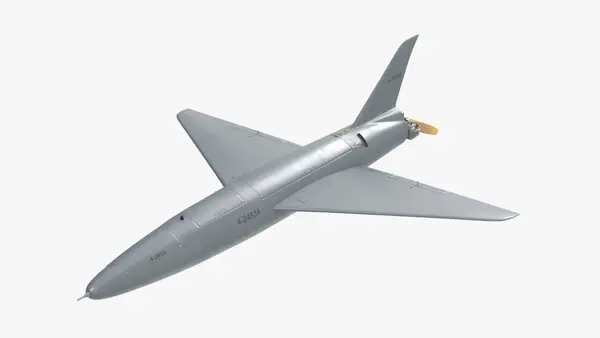
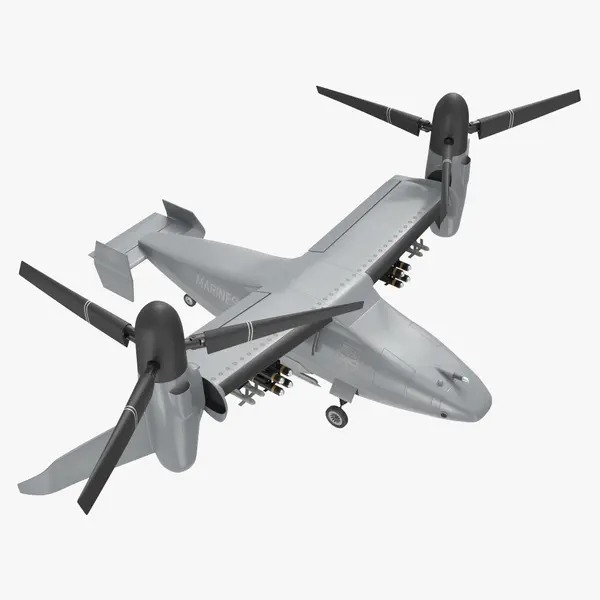
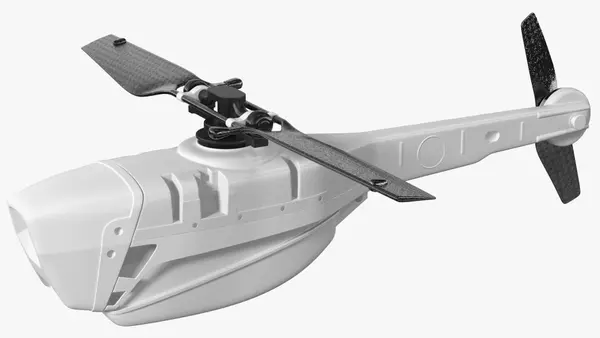
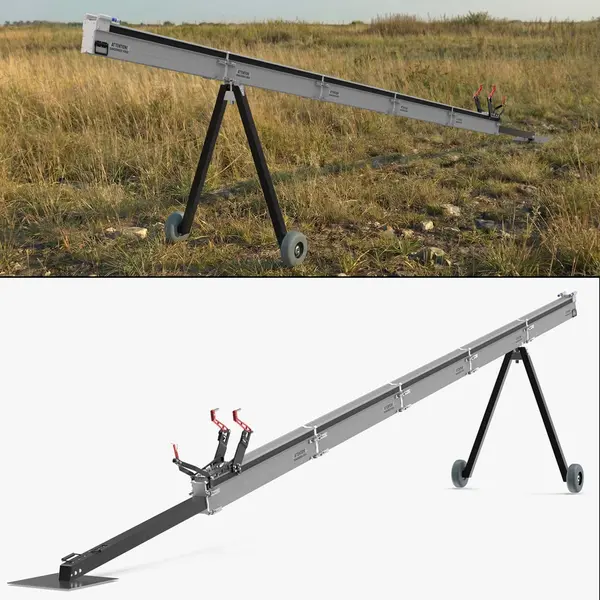
Unmanned aircraft of every size: palm-sized nano helicopters, folding camera quadcopters with their controllers, fixed-wing survey drones, long-endurance surveillance aircraft, loitering munitions, carrier-based flying wings and passenger air taxi concepts. Ground equipment belongs here too, from a catapult launch rail to a vehicle-mounted counter-drone system with its radar and jammers.

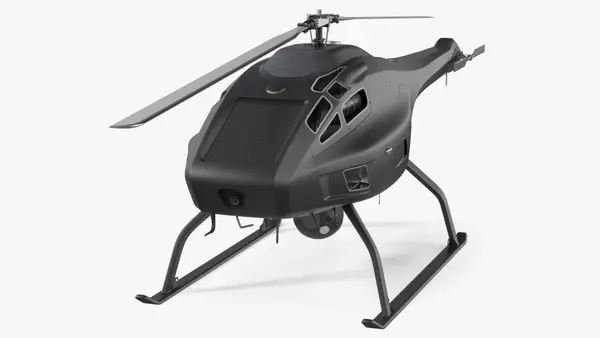

About Drone & UAV 3D Models
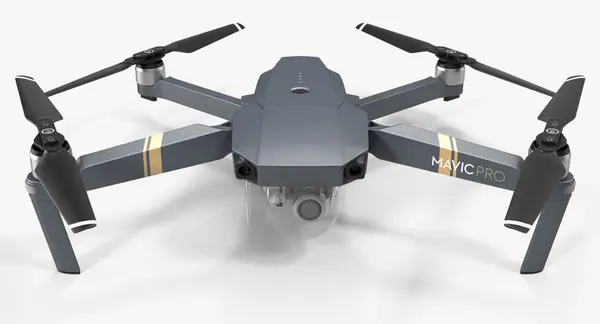
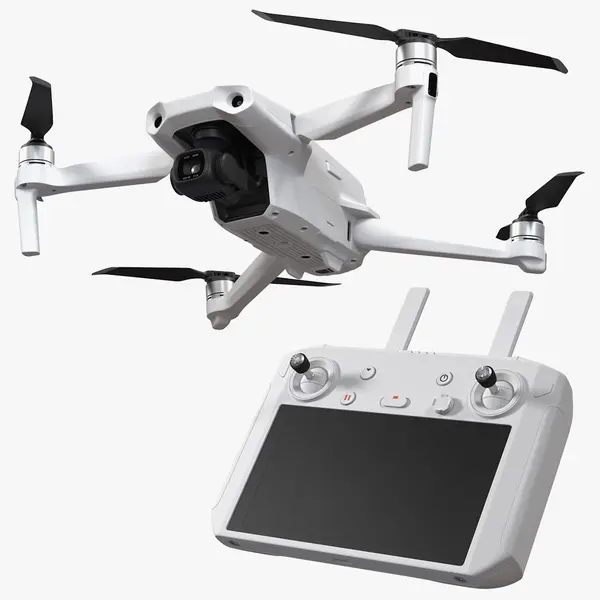
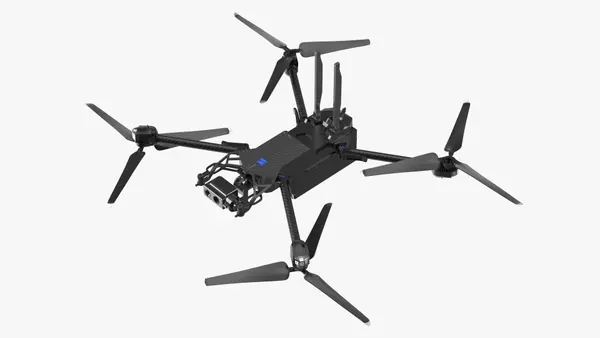
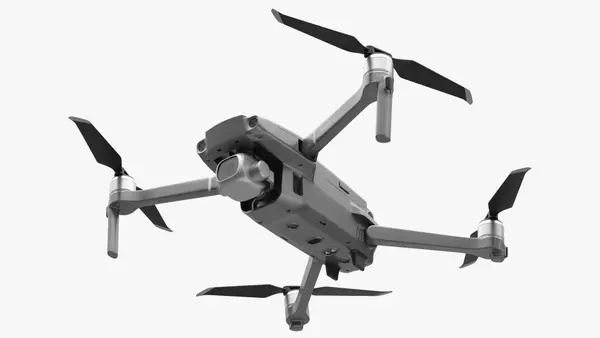
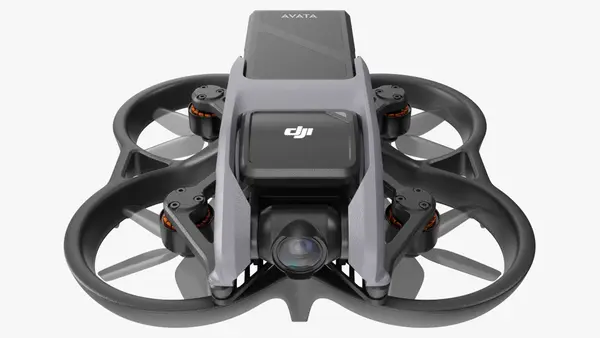
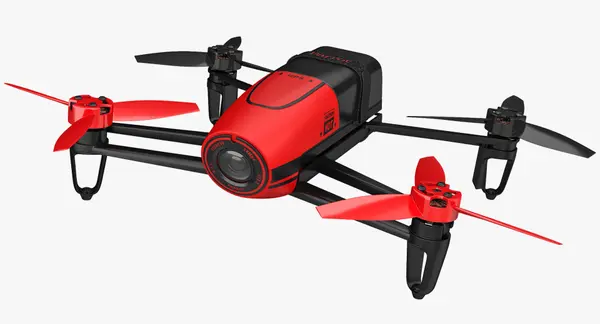
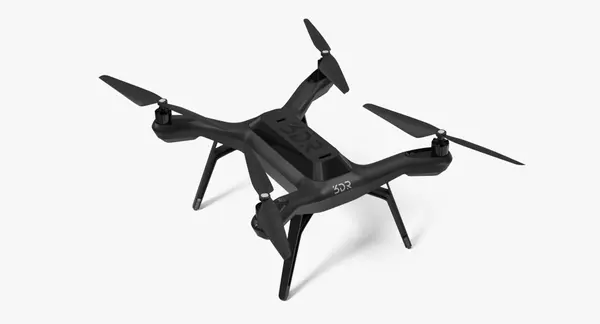
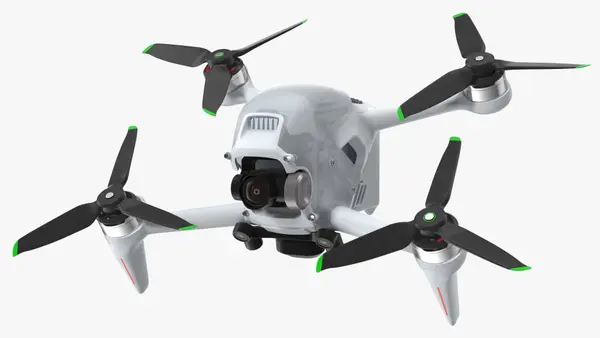
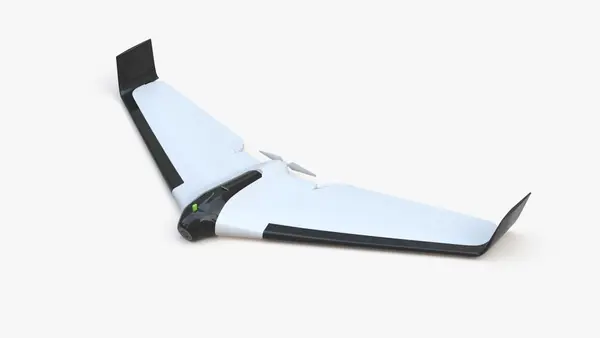
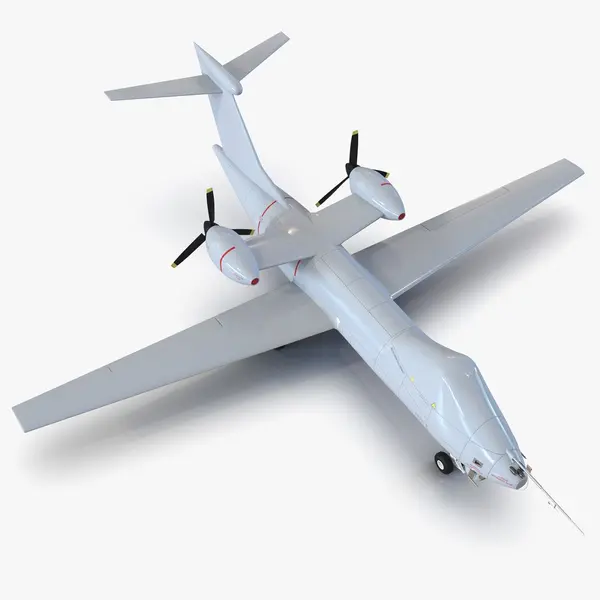
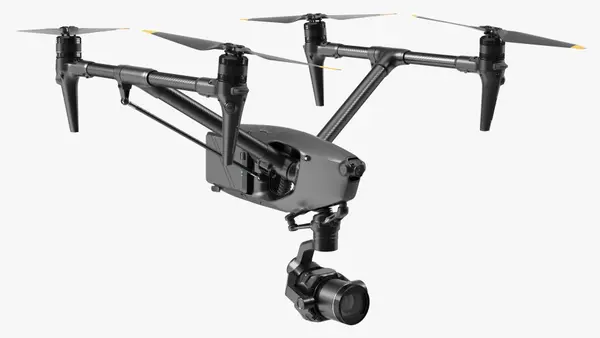
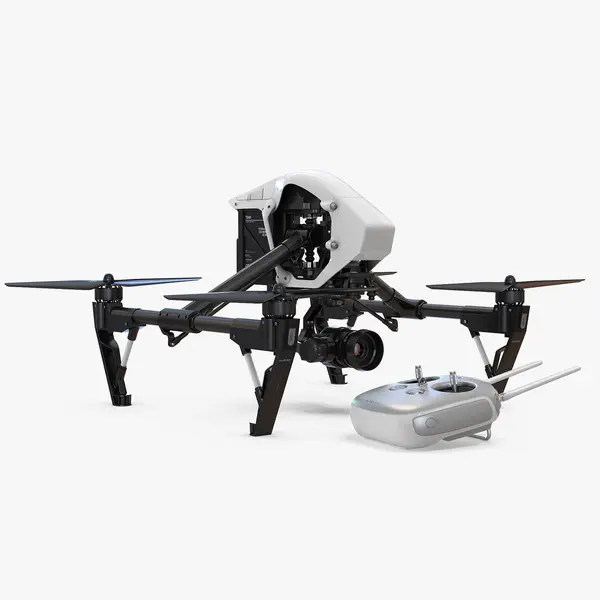
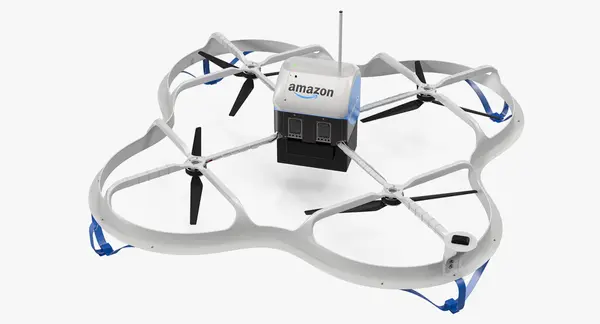
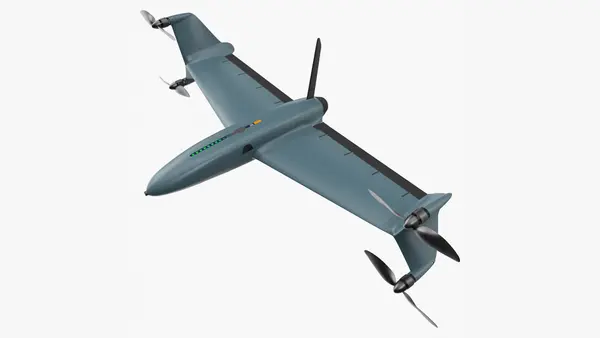
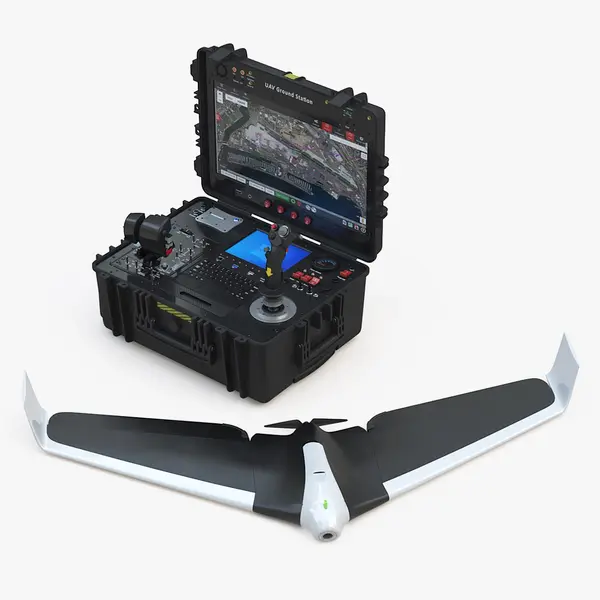
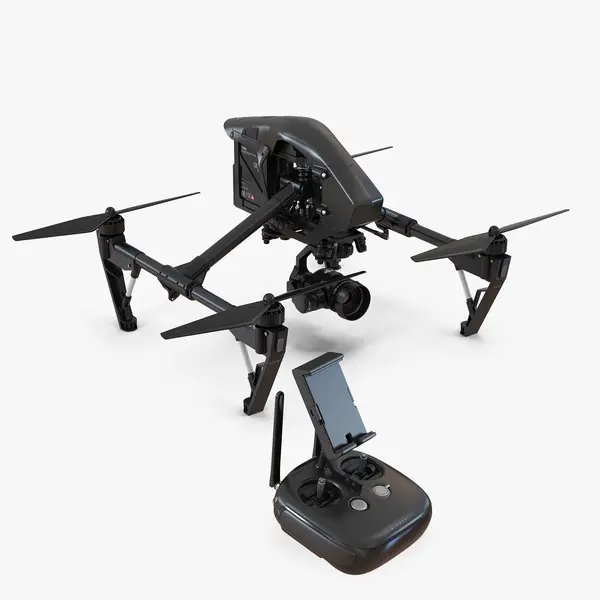
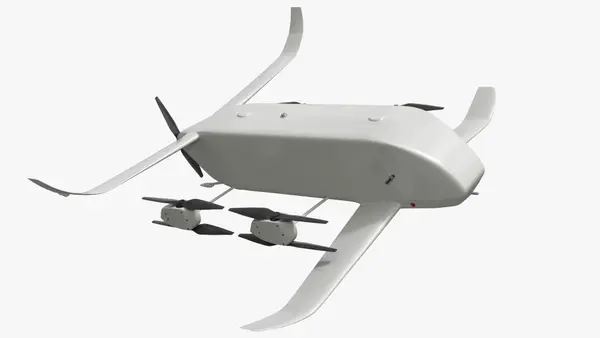
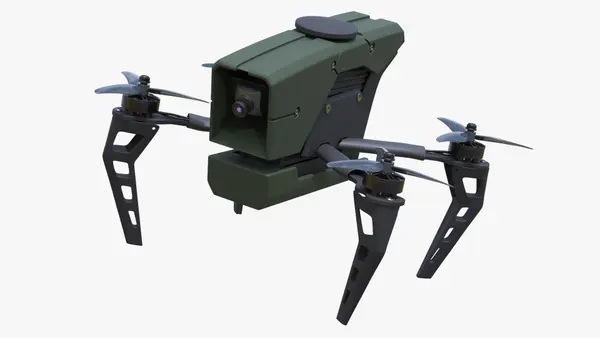
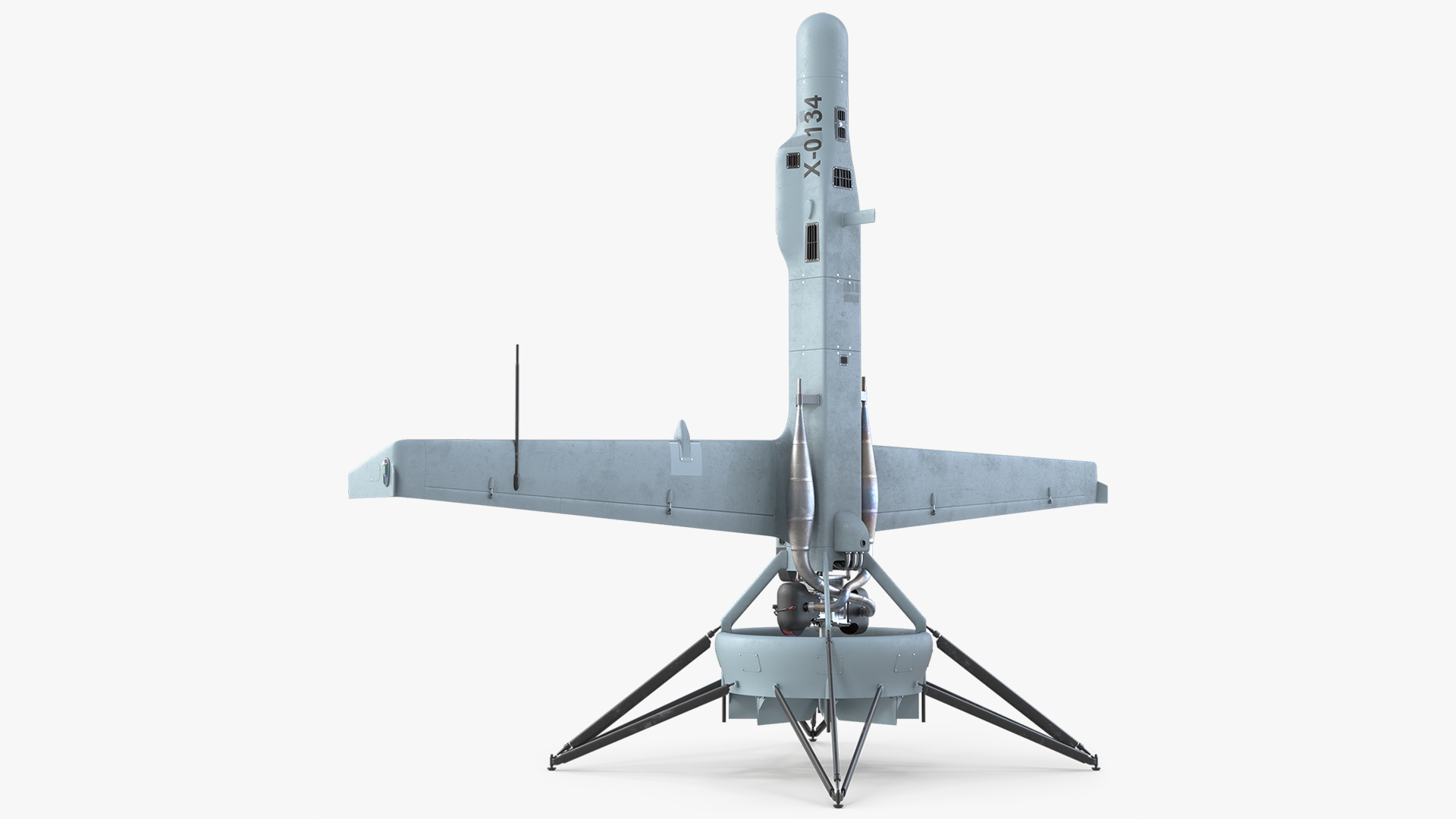
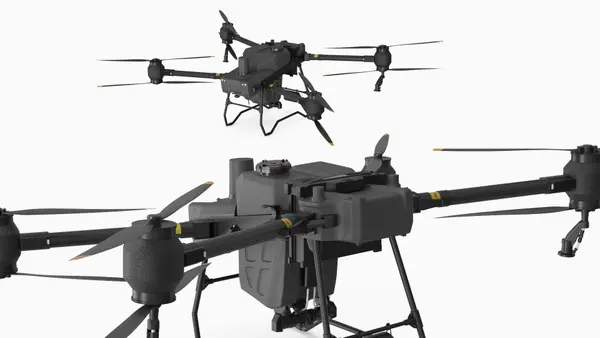
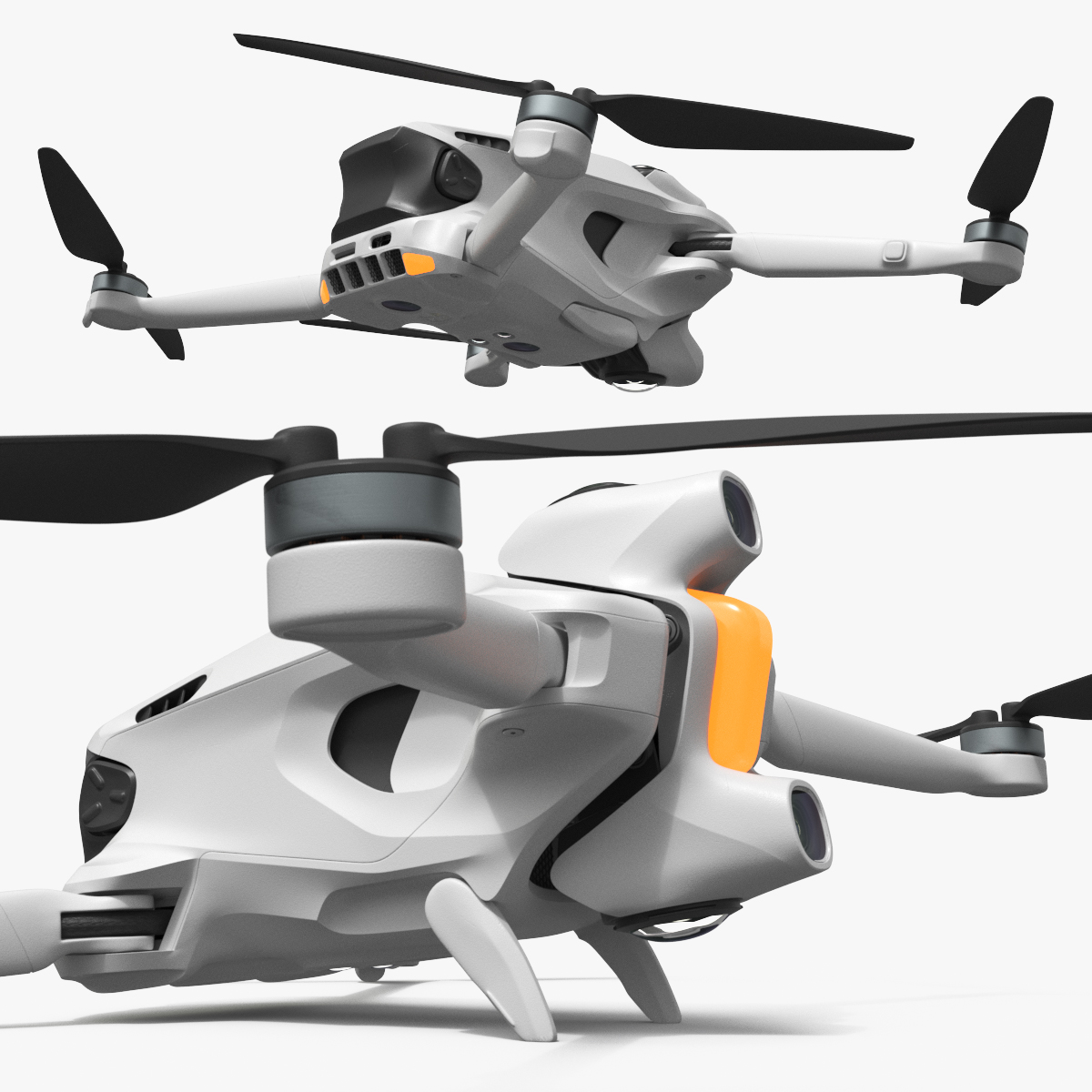
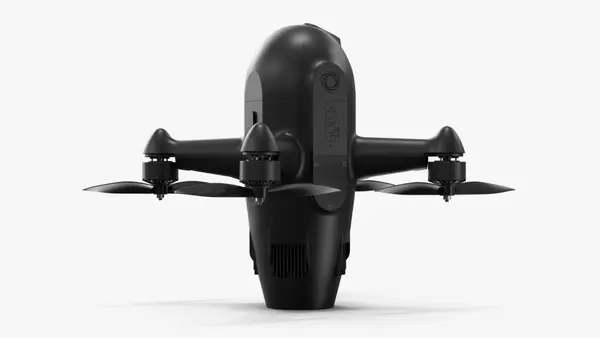
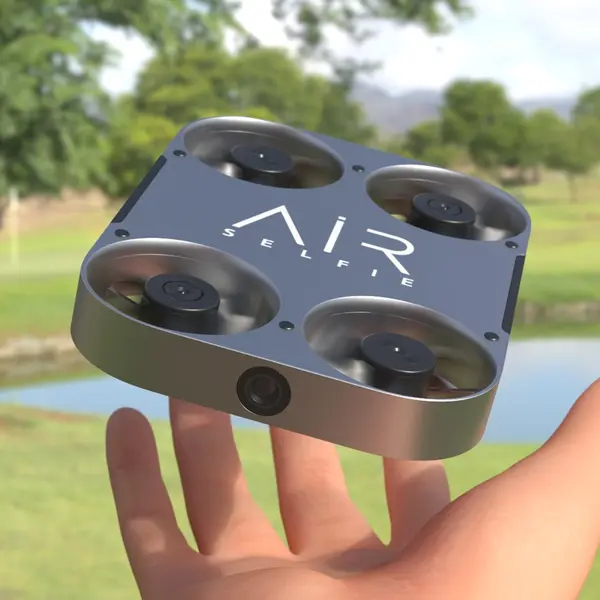
Consumer and survey drones are modeled as products. A folding quadcopter of 66,437 polygons gives care to the gimbal, motor bells and arm hinges, with six maps for the gray shell, the lens and small printed markings. Another quadcopter comes with its smart controller, a handheld screen with twin joysticks, in subdivision-ready geometry. The mapping drone takes off vertically on twin nose rotors, then flies level to photograph fields, pipelines and building sites.
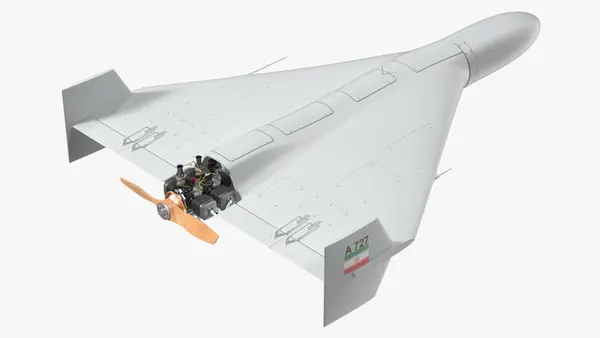
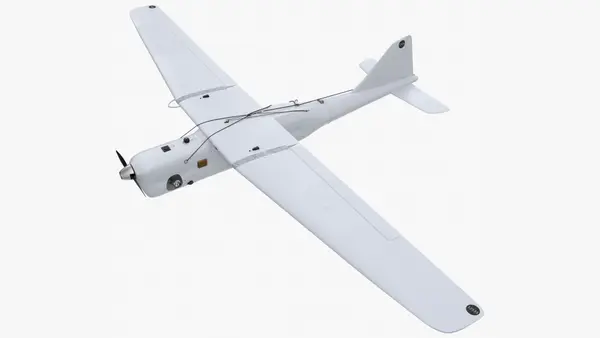
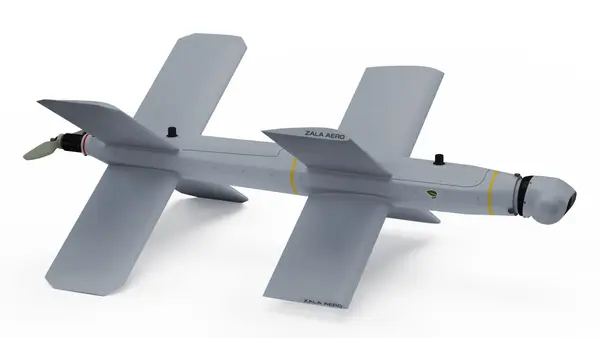
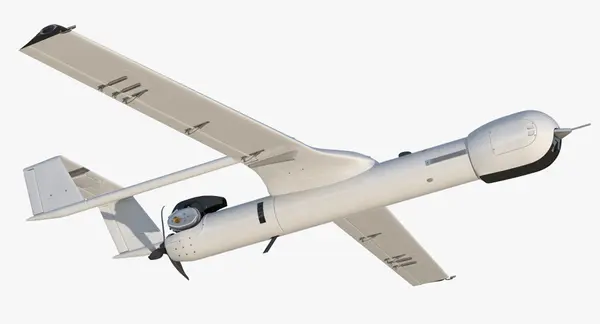
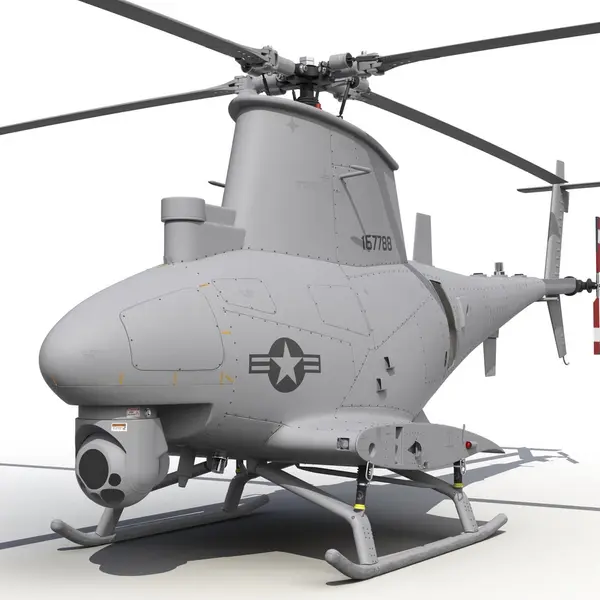
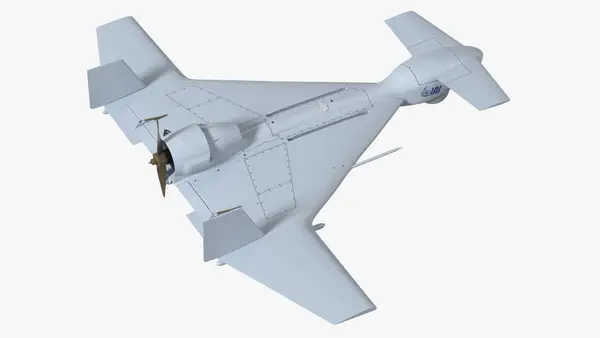
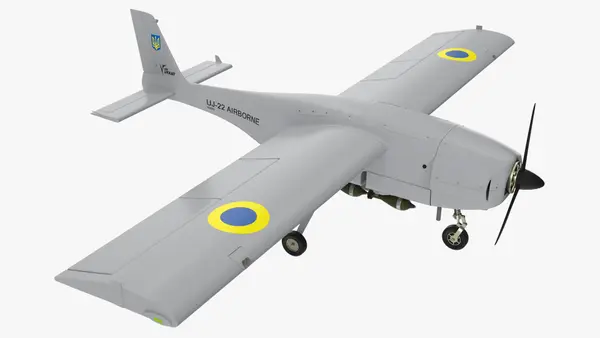
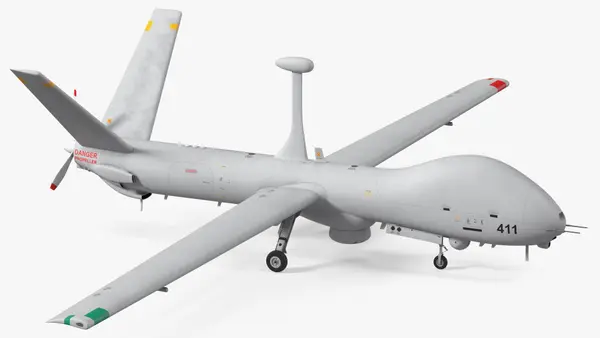
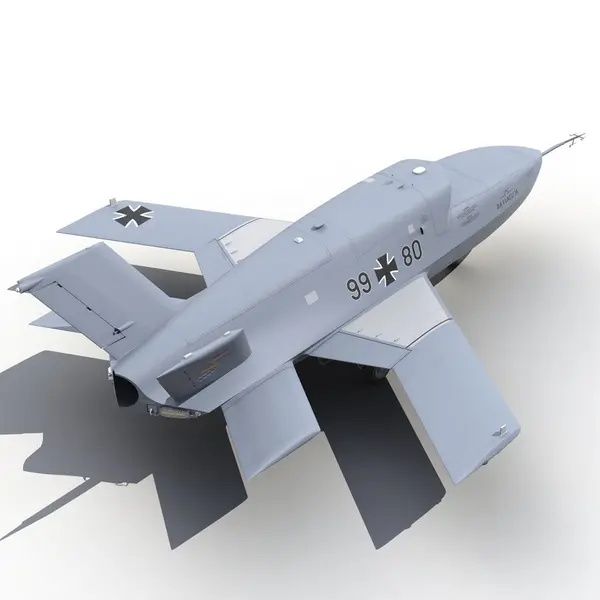
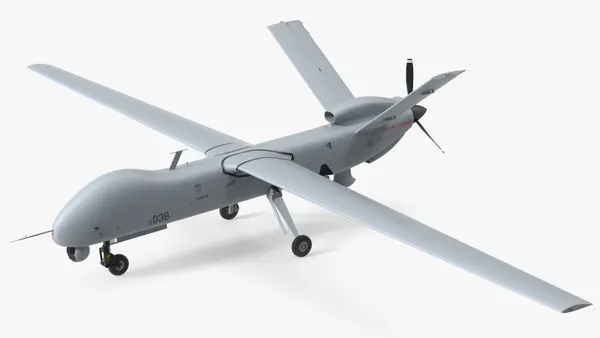
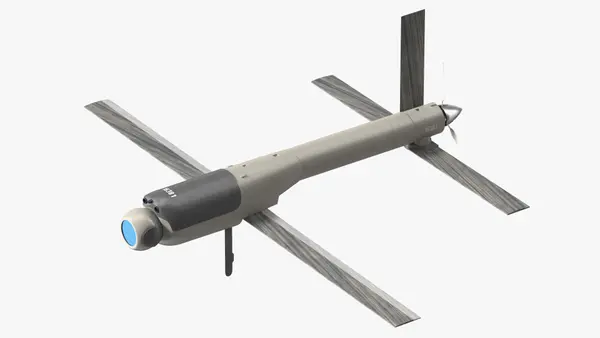
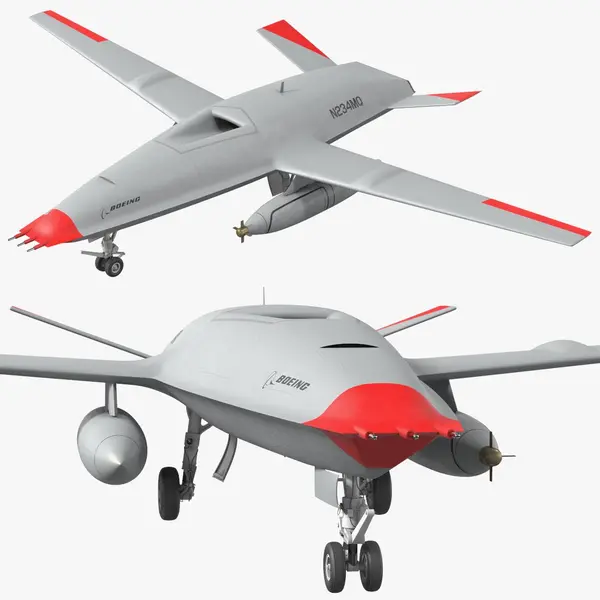
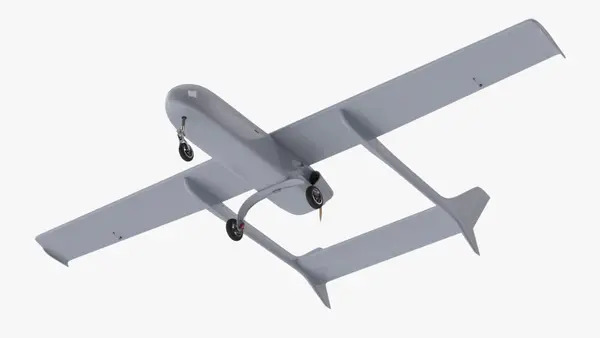
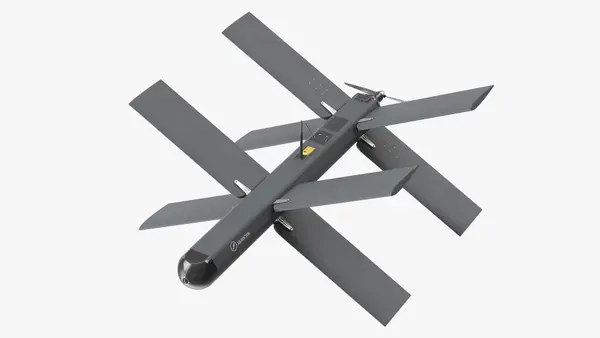
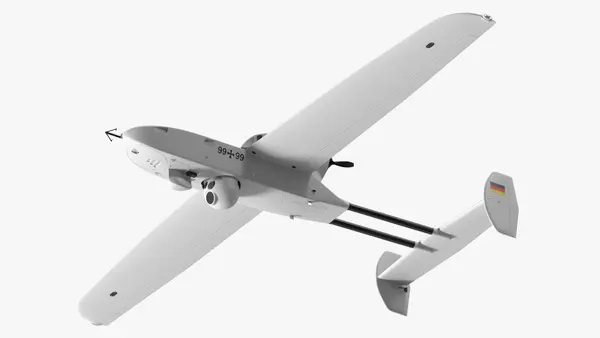
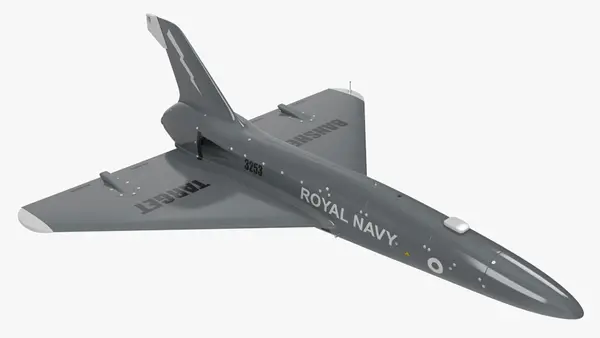
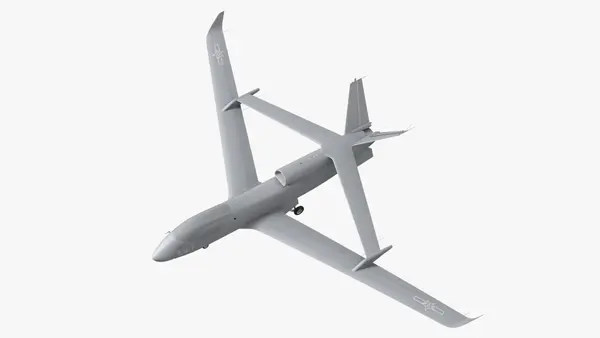
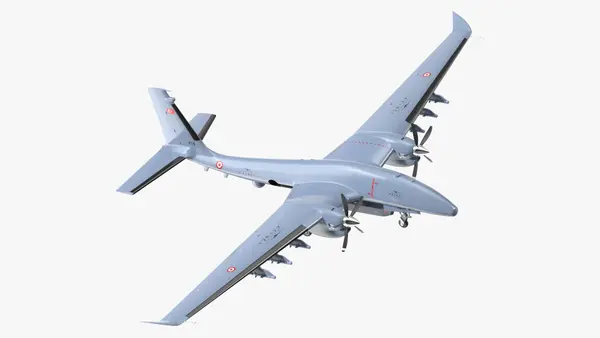
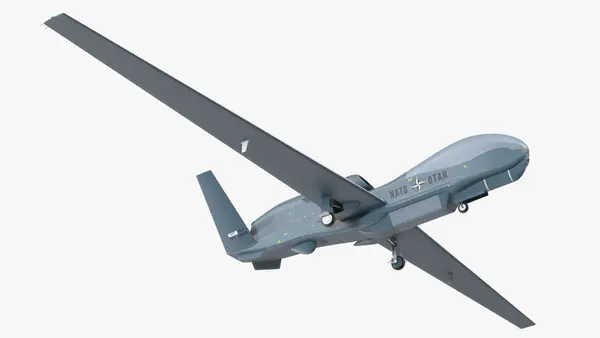
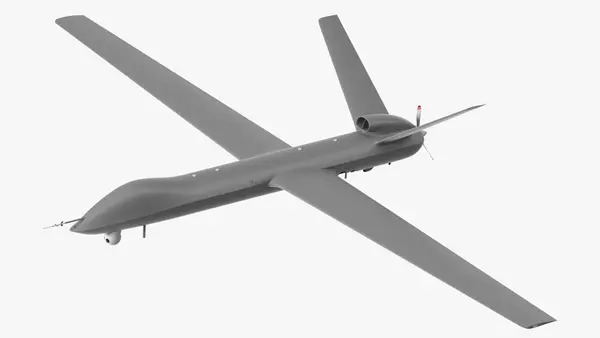
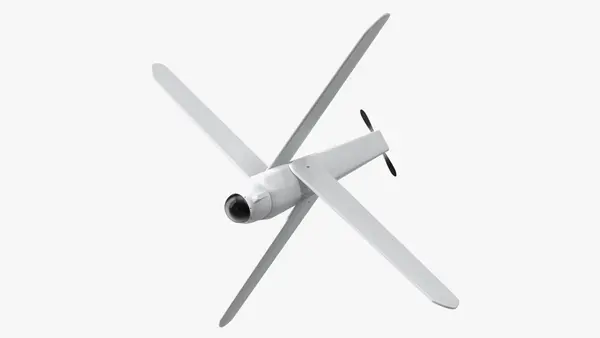
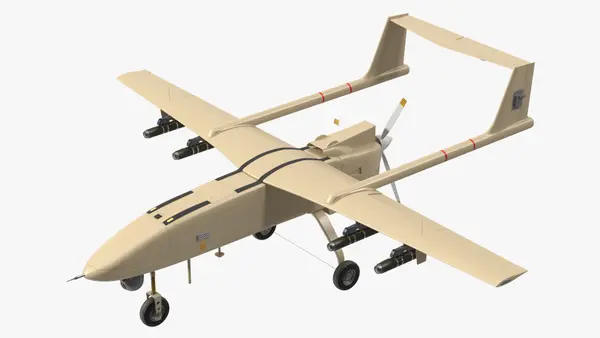
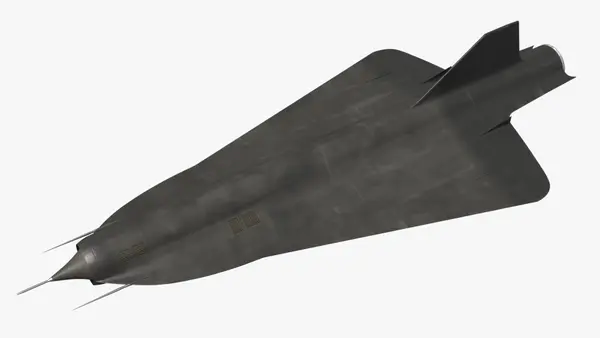
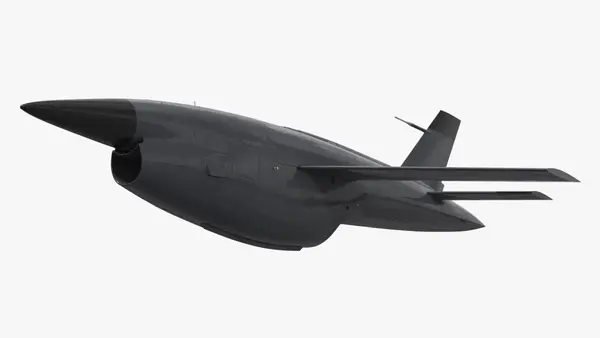
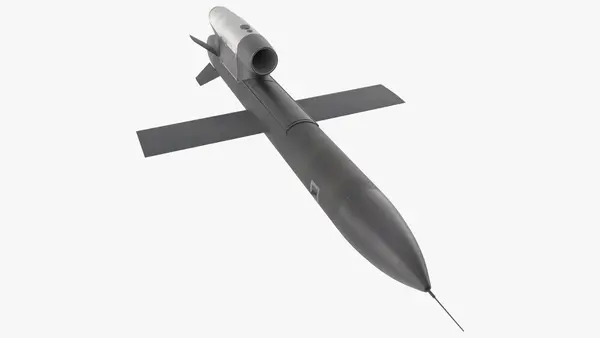
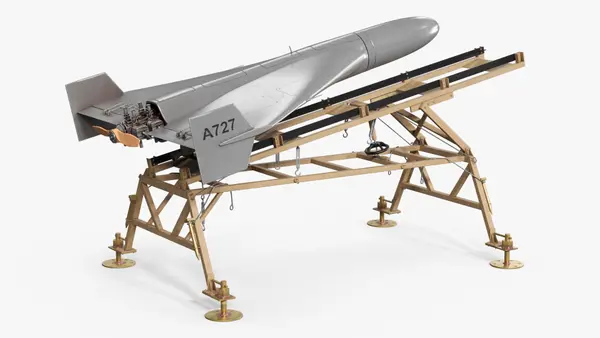
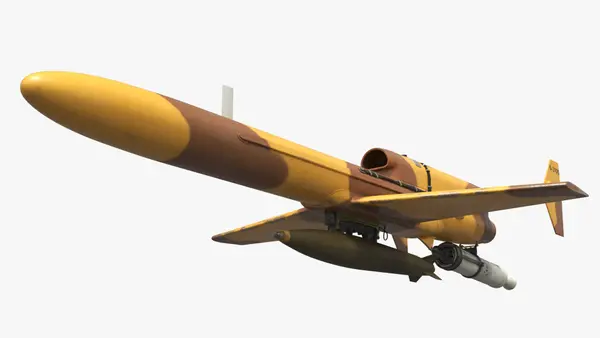
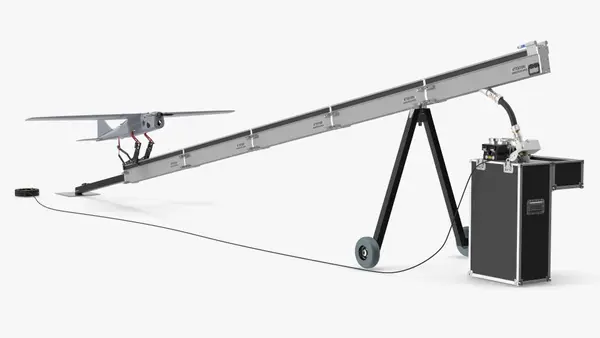
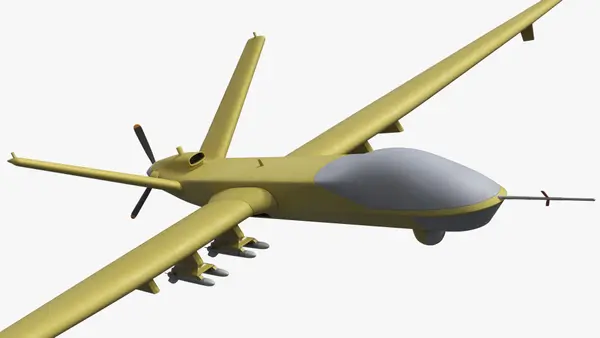
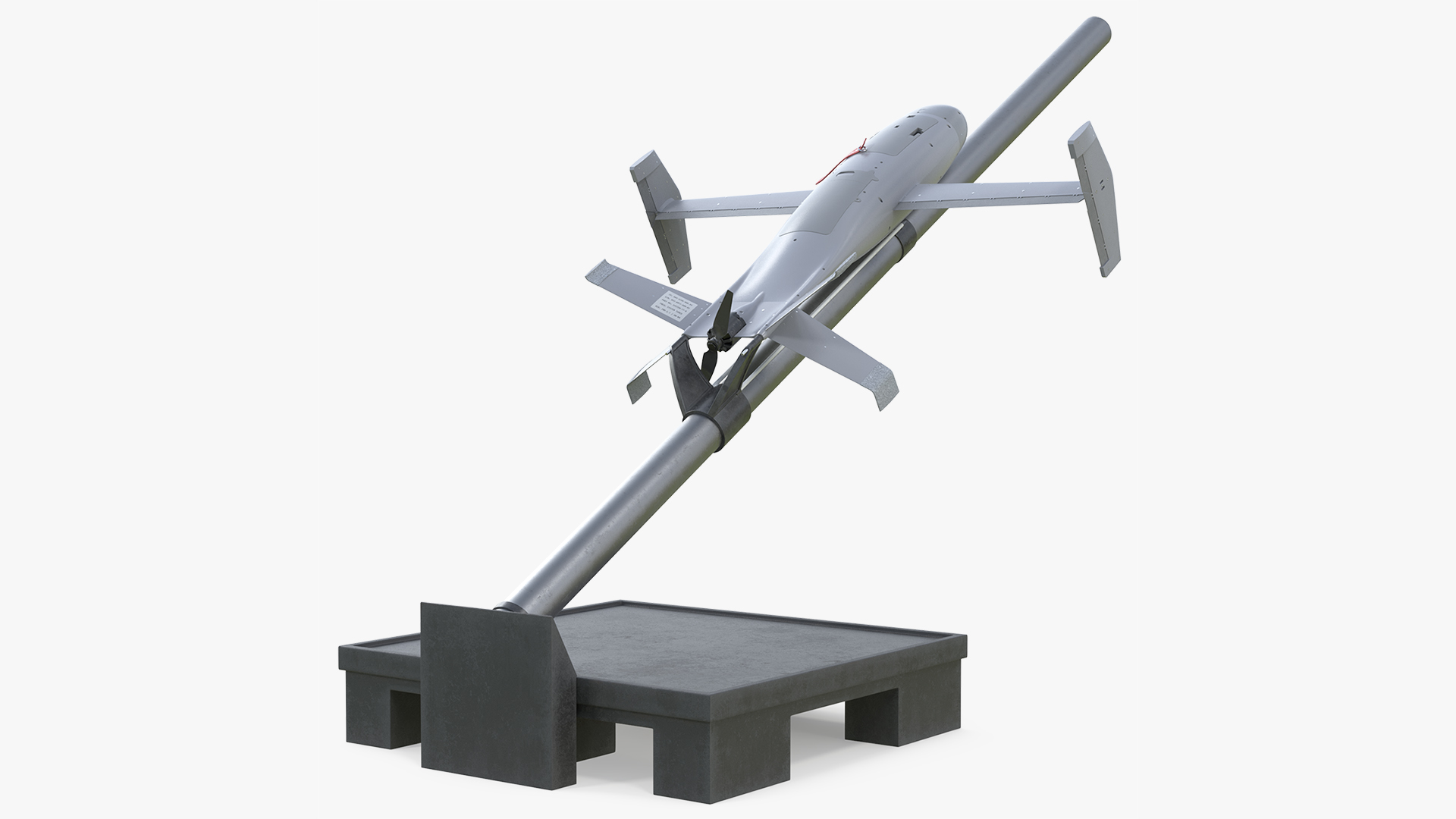
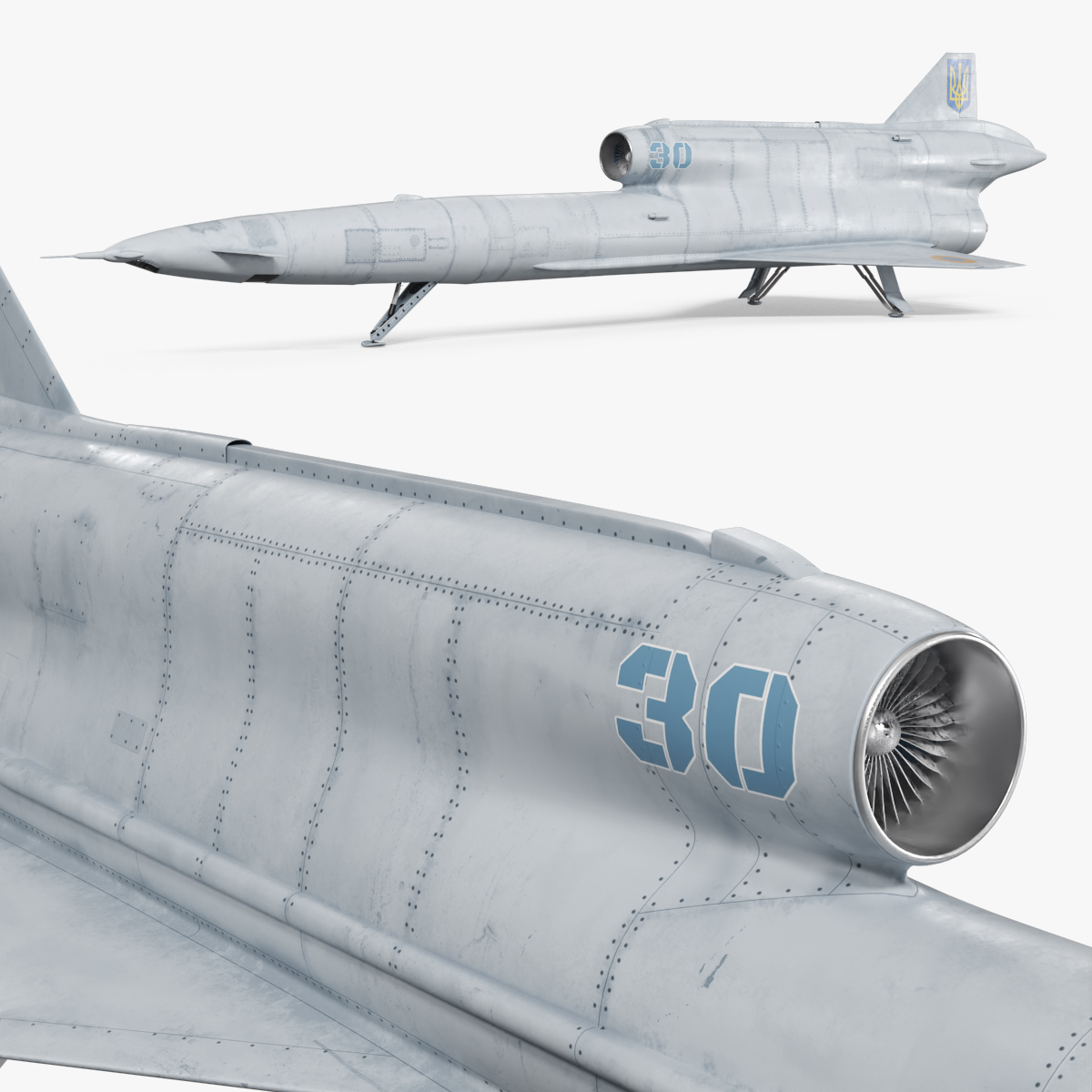
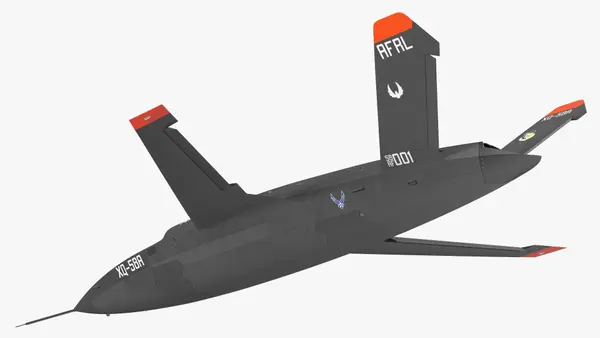
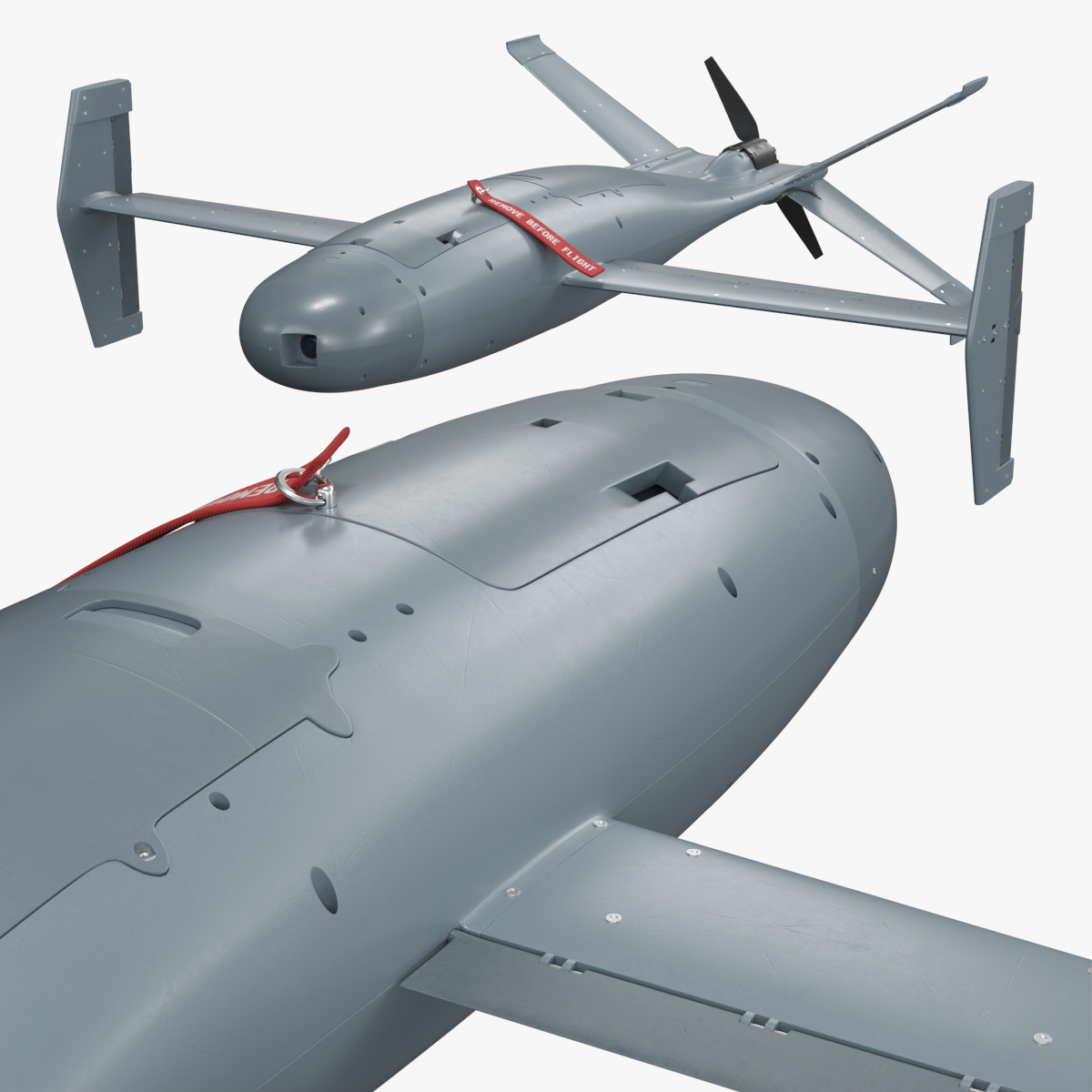
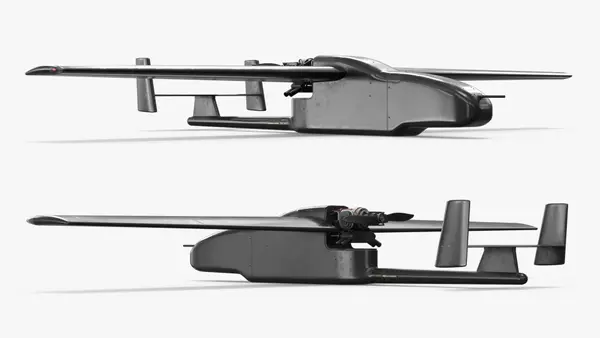
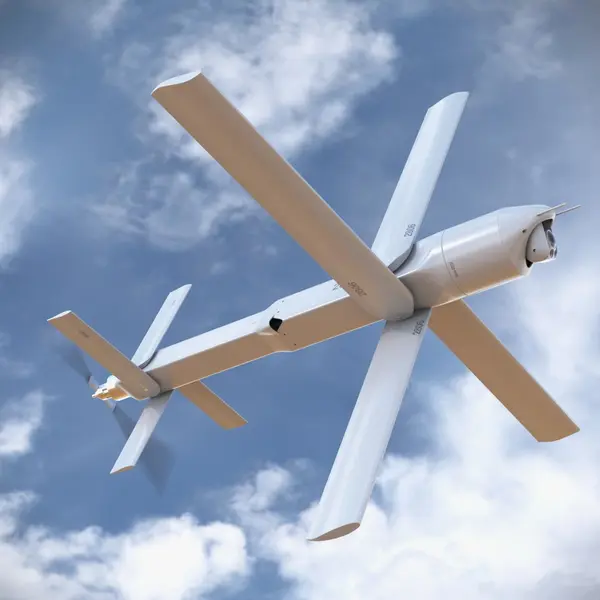
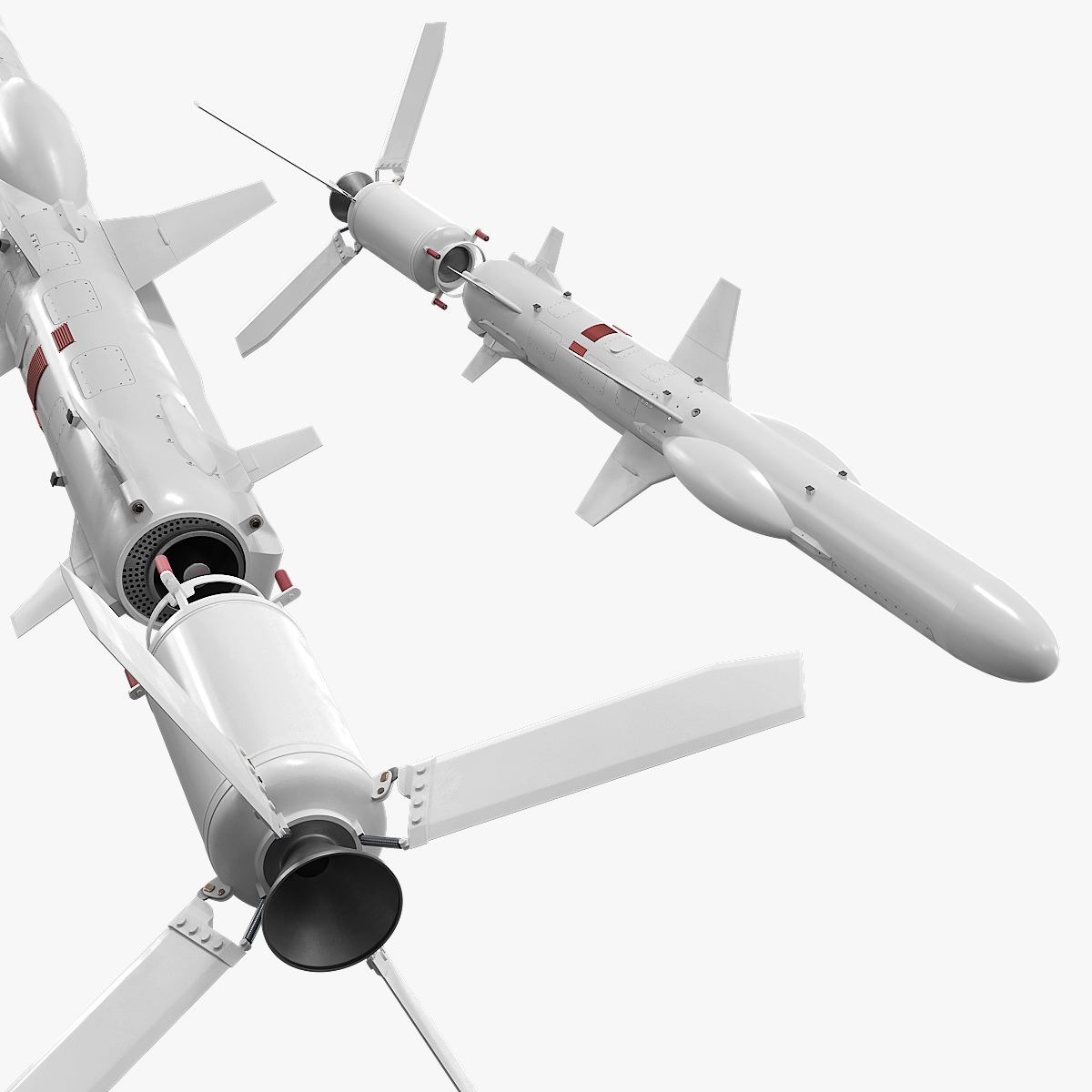
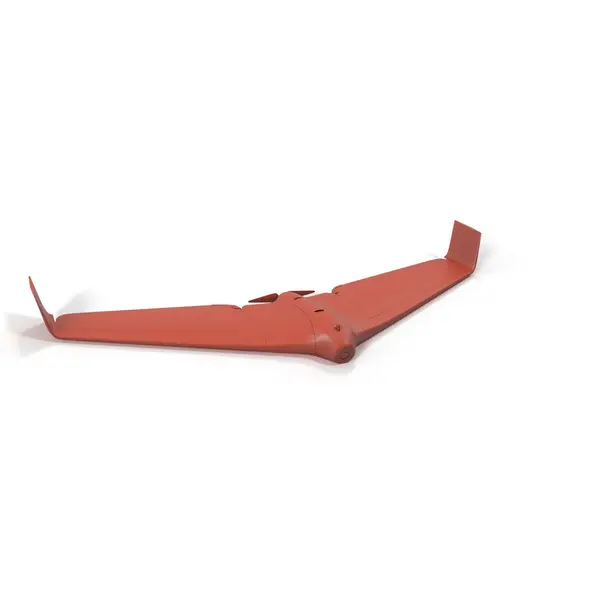
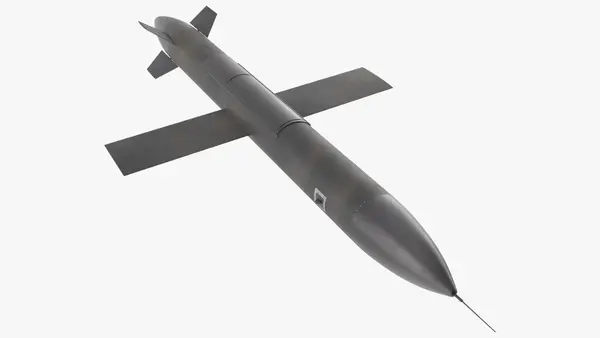
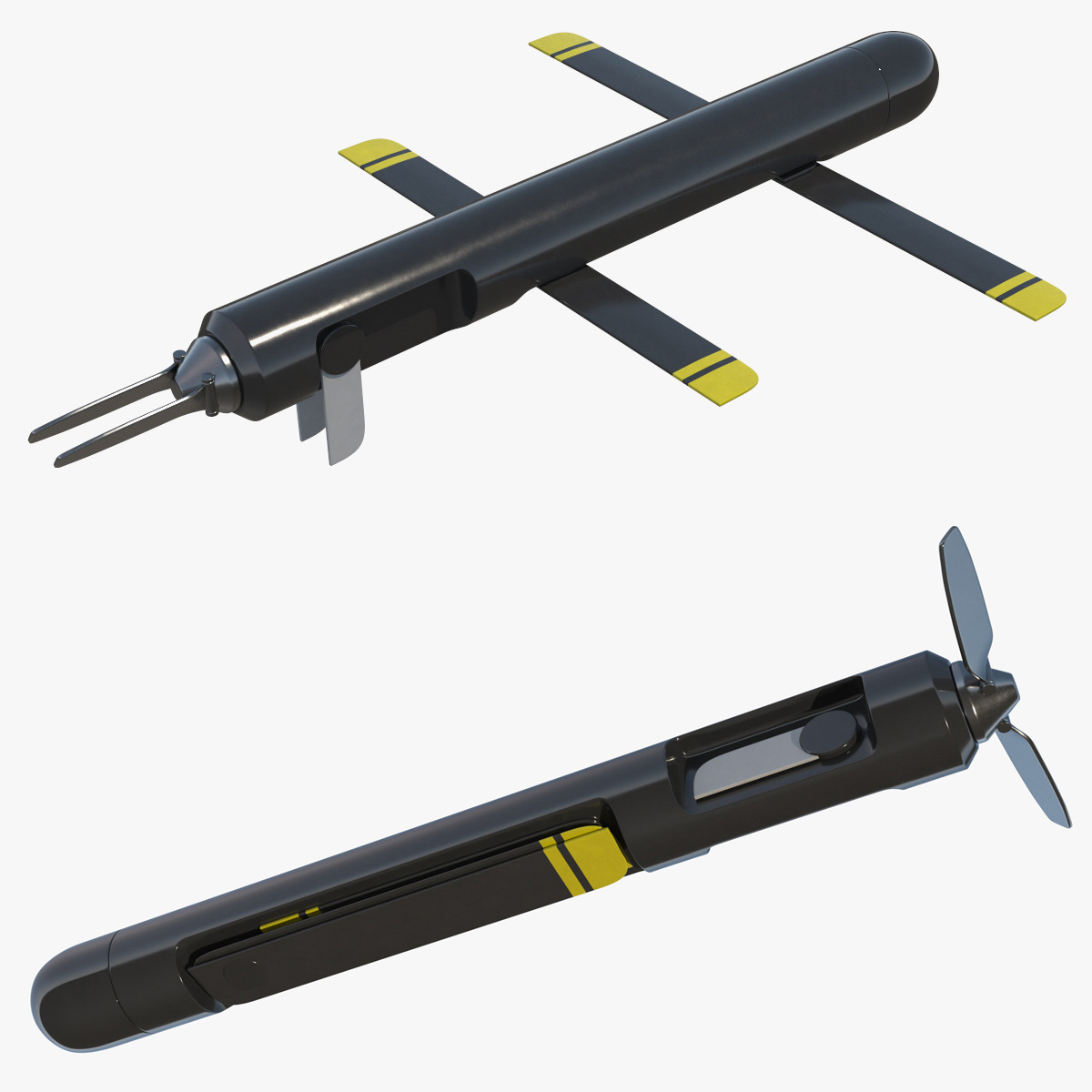
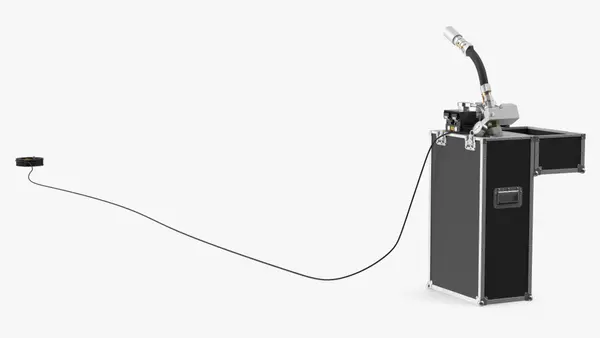
Military types are shown as hardware for documentaries, briefings and simulation. A catapult-launched reconnaissance drone small enough for two people to carry keeps its antennae, launch rail lugs and parachute hatch in 25,286 polygons. A tailless carrier flying wing sits with its wings folded, the way it spends most of its life on a crowded deck. The counter-drone system is exceptionally dense at 4,828,176 polygons, while a flying-wing loitering munition needs only 4,873.
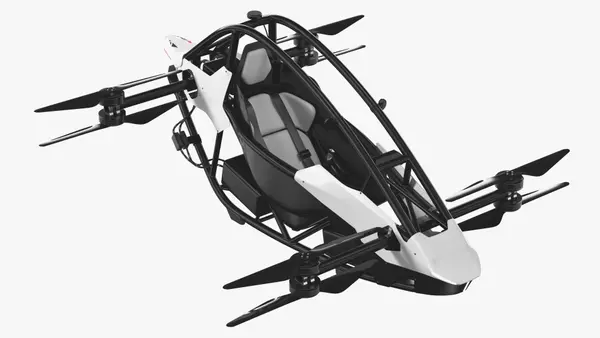
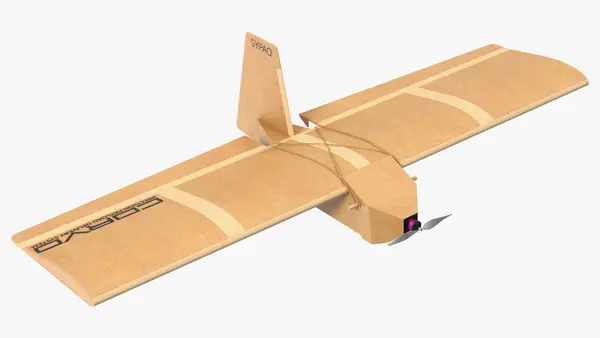
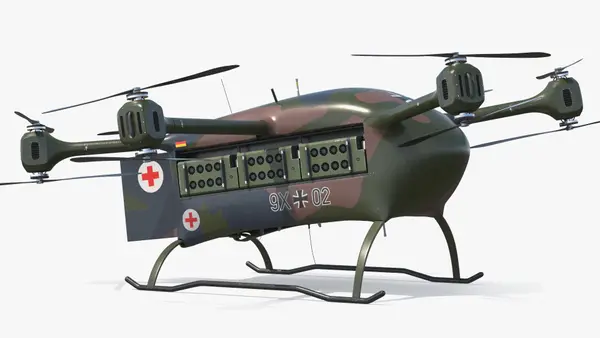
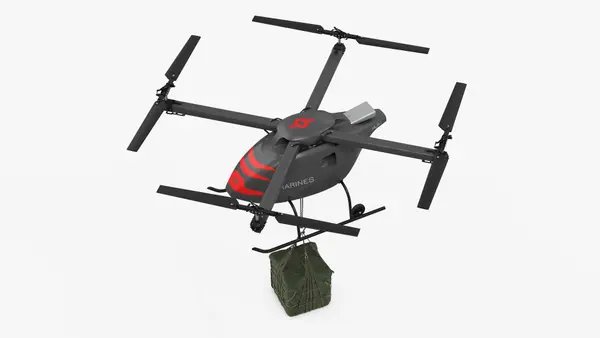
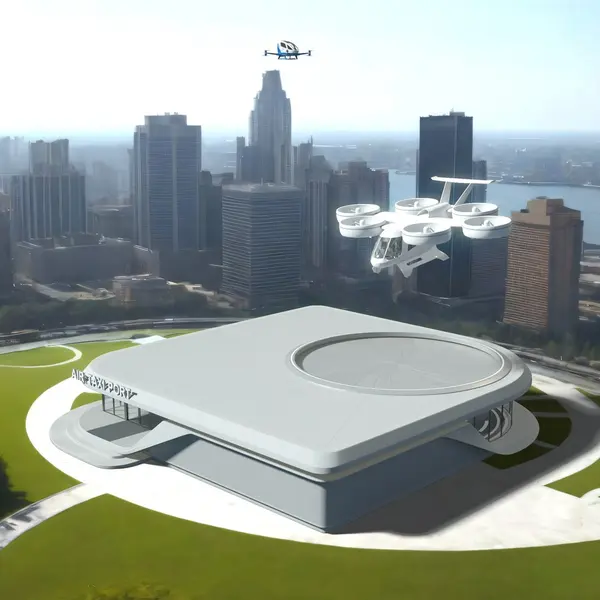
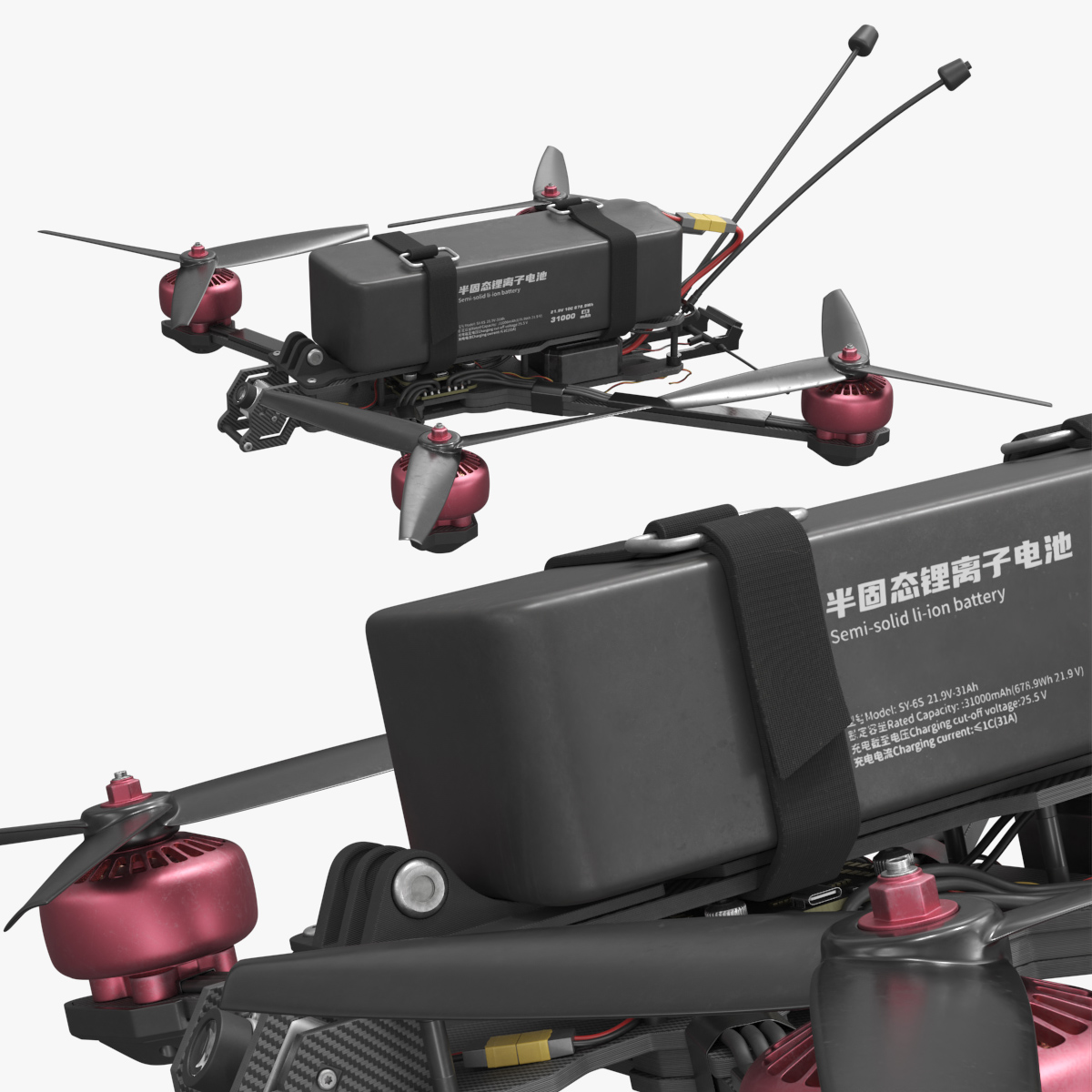
Polygon budgets vary widely in this part of the Aircraft category, so match the model to the shot. Light builds such as an 11,347-polygon nano helicopter suit real-time scenes and games, while dense airframes hold up in close flybys. CheckMate Pro and StemCell certification appear across the section, and very few drones are rigged. A passenger multicopter with an enclosed cabin covers future city and urban air mobility scenes.